

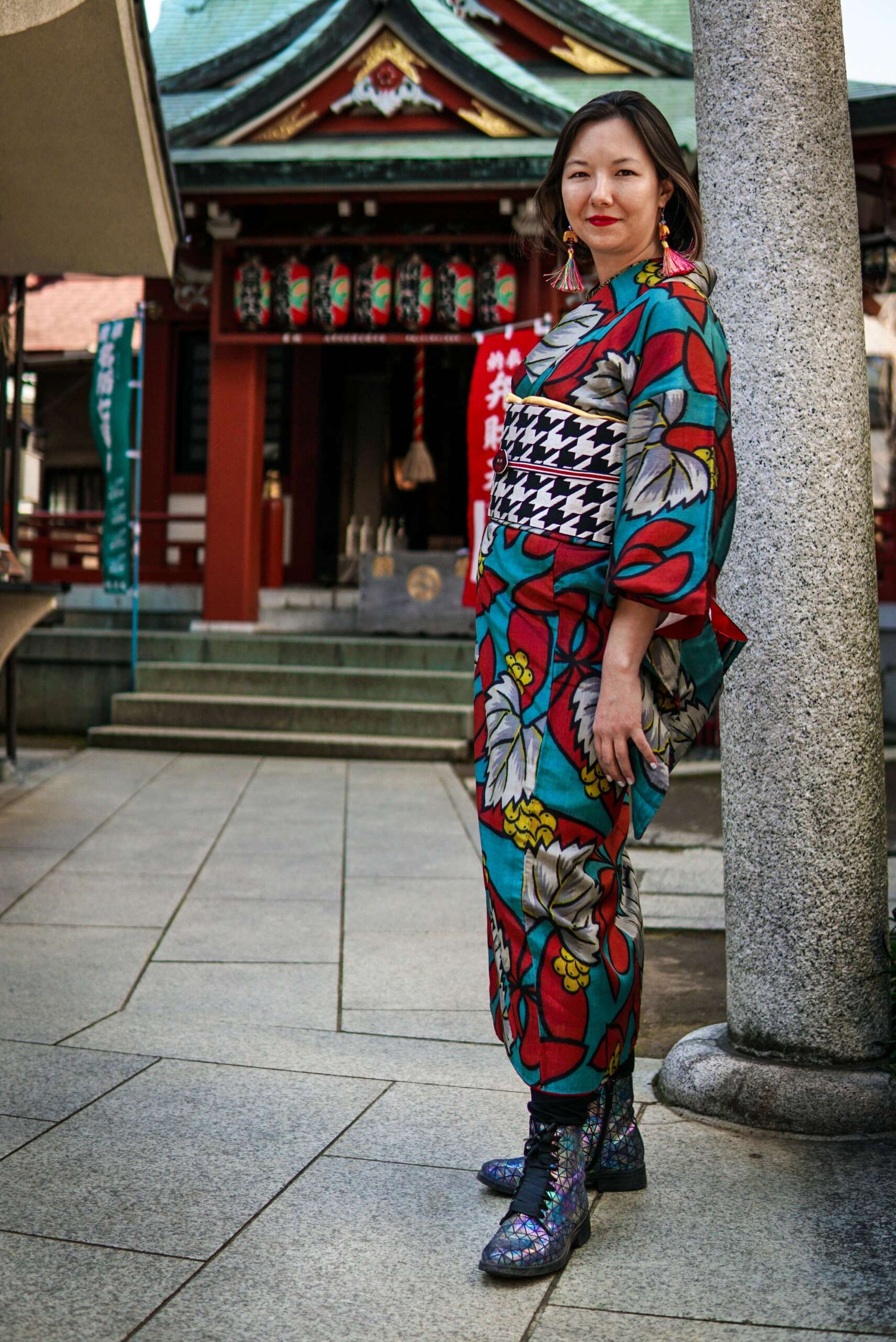

We’re excited to introduce you to the always interesting and insightful Laura Wong. We hope you’ll enjoy our conversation with Laura below.
Laura, thanks for taking the time to share your stories with us today So, naming is such a challenge. How did you come up with the name of your brand?
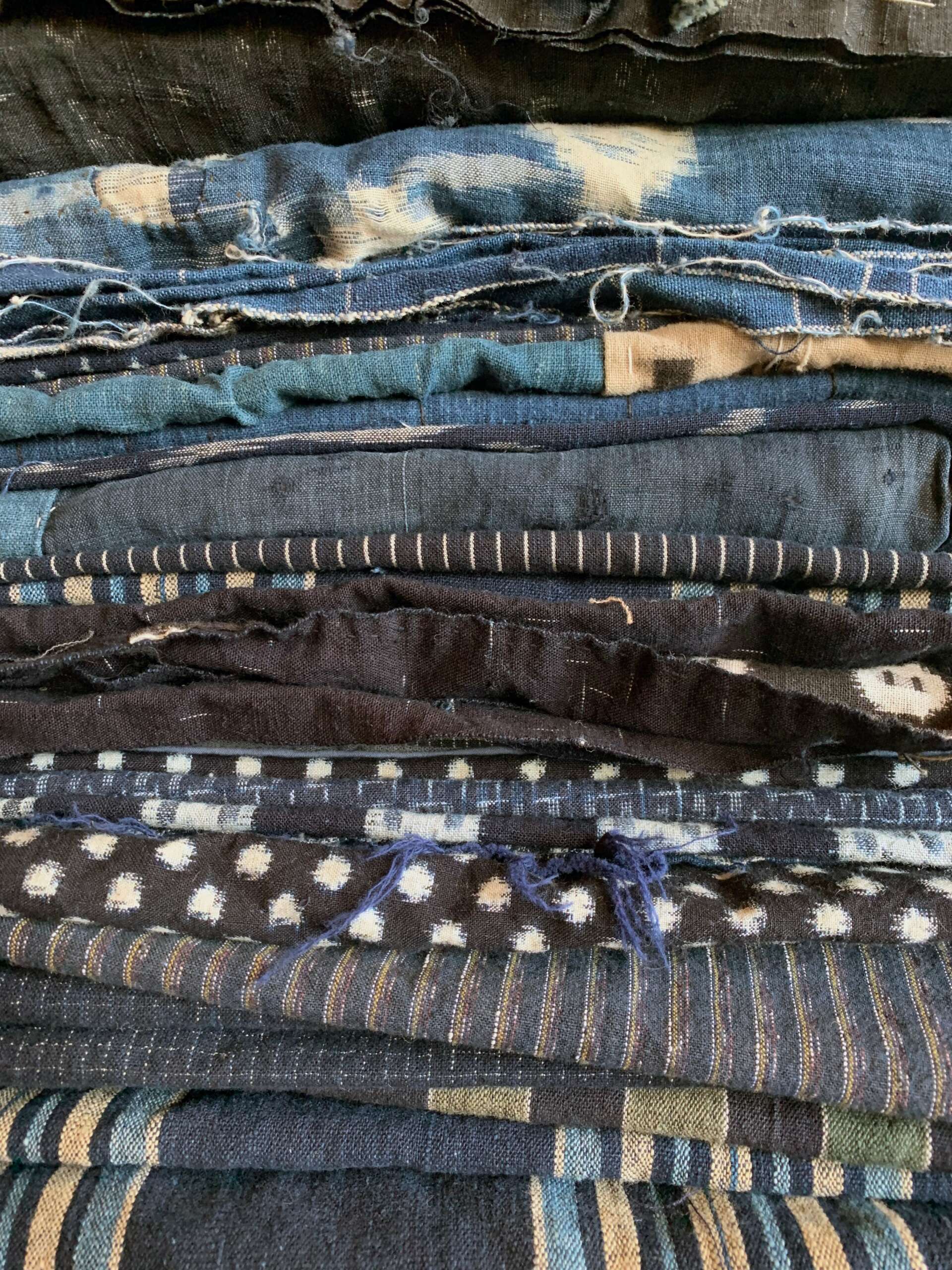
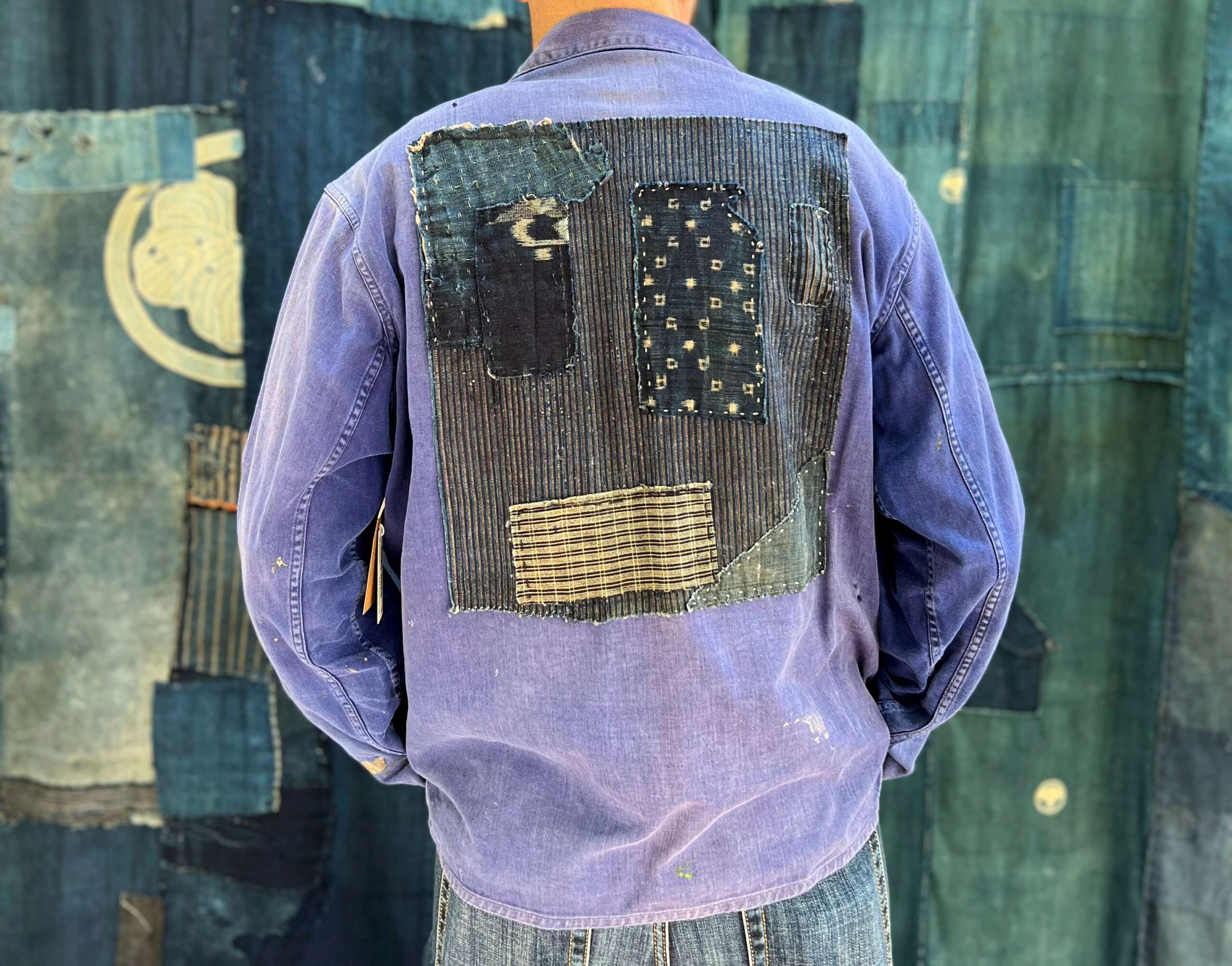
In Japanese, the phrase “boro boro” literally refers to something that is tattered, worn out, and falling apart. There is a type of textile known as “boro”, which usually refers to cotton textiles, often indigo, that have been repaired, stitched, and patched many times over the course of their lives. Boro garments were often worn by farmers and rural families, and passed down over generations, gaining more layers and detail as they were handed down from person to person.
The word “boro” can have some negative connotations, as some would see these textiles as worn out and no longer useful or a reminder of less affluent times, but we believe there is a unique beauty and practicality to them. The amount of work and detail involved in their creation makes them just as if not more beautiful as any newly made textile in my mind. Today, these textiles are very highly prized among collectors for their detailed stitching and as an example of the concept of “mottainai” or a sense of regret over waste.
BORO BORO was founded on this idea of appreciating that which is old and giving vintage items that others might discard a new life. Many of the textiles we carry are no longer in production or are vintage pieces that were handed down through generations and we are thrilled to be able to give them a second life so that they can continue to be used and loved.
Great, appreciate you sharing that with us. Before we ask you to share more of your insights, can you take a moment to introduce yourself and how you got to where you are today to our readers.
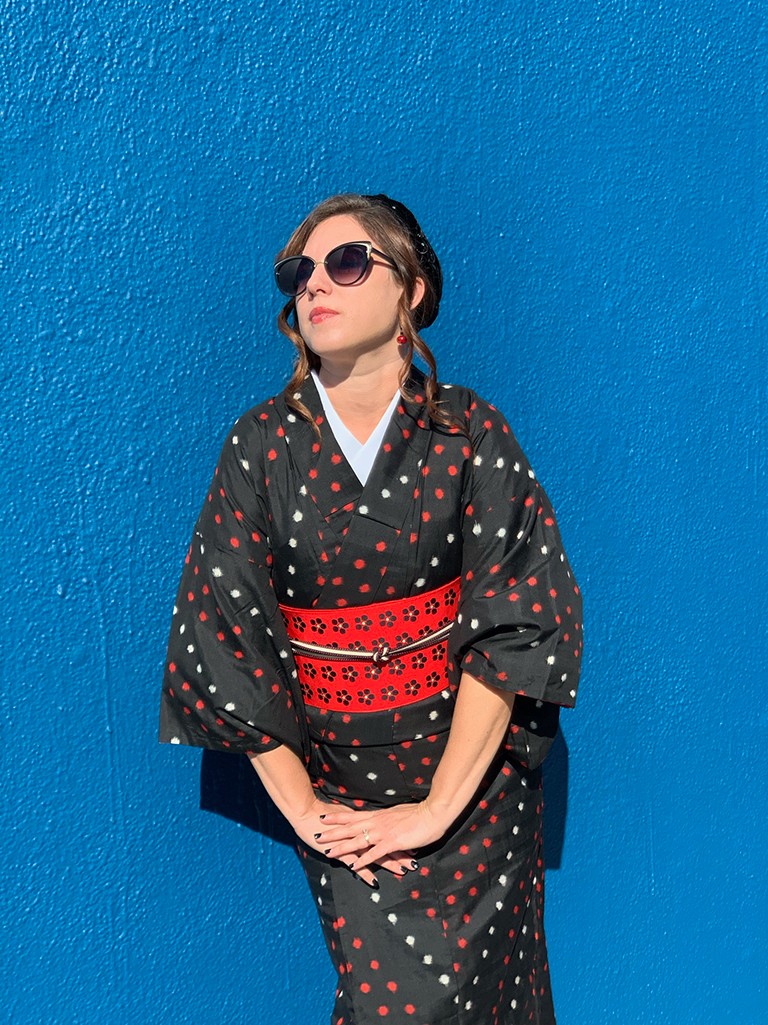
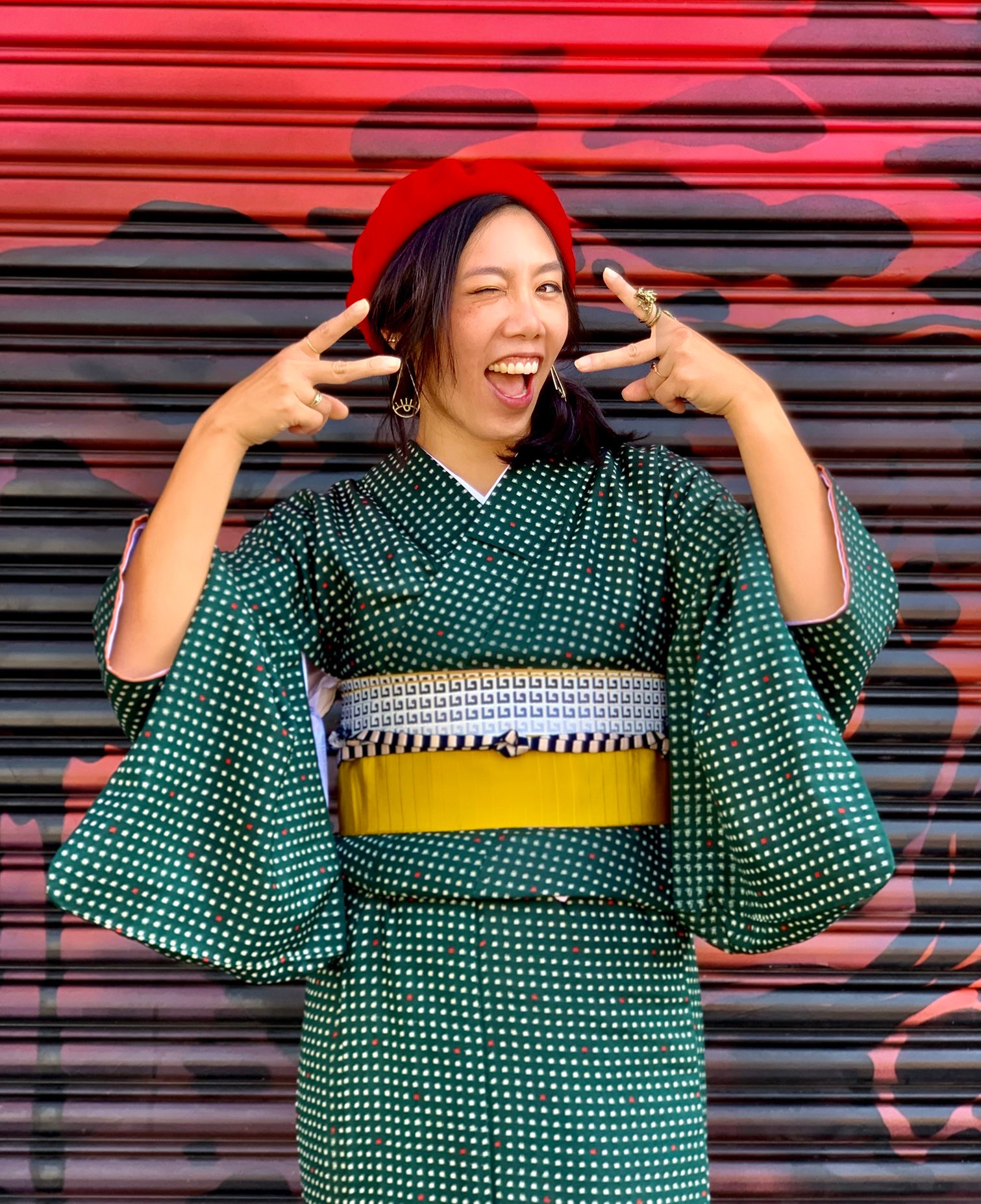
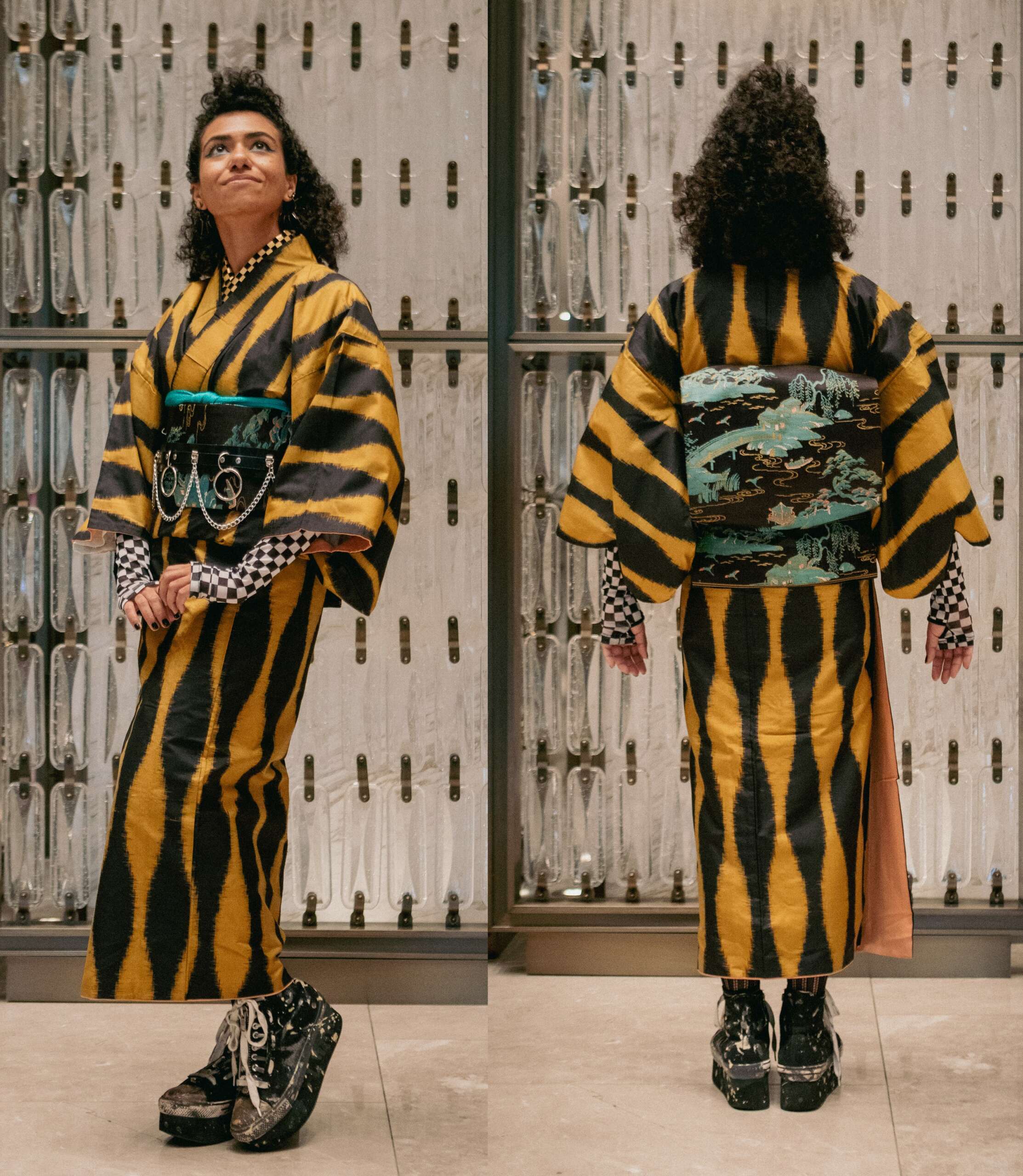
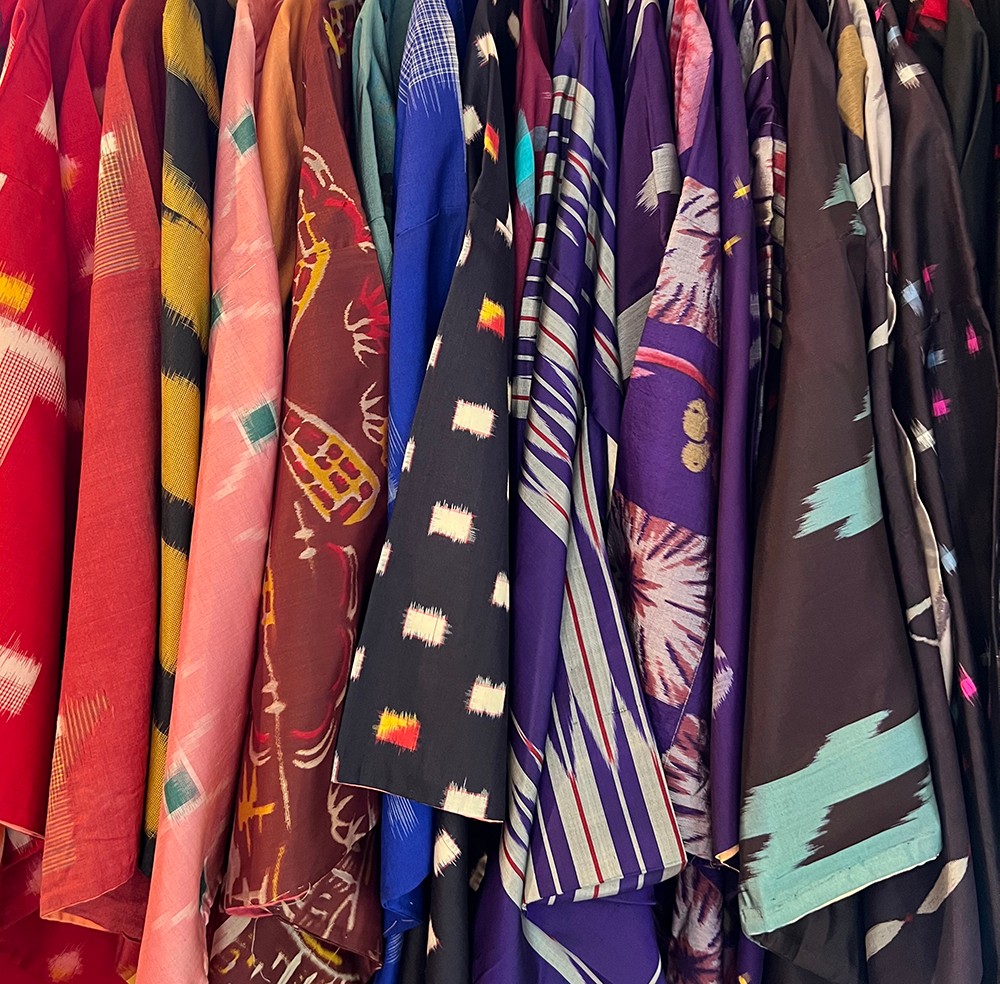
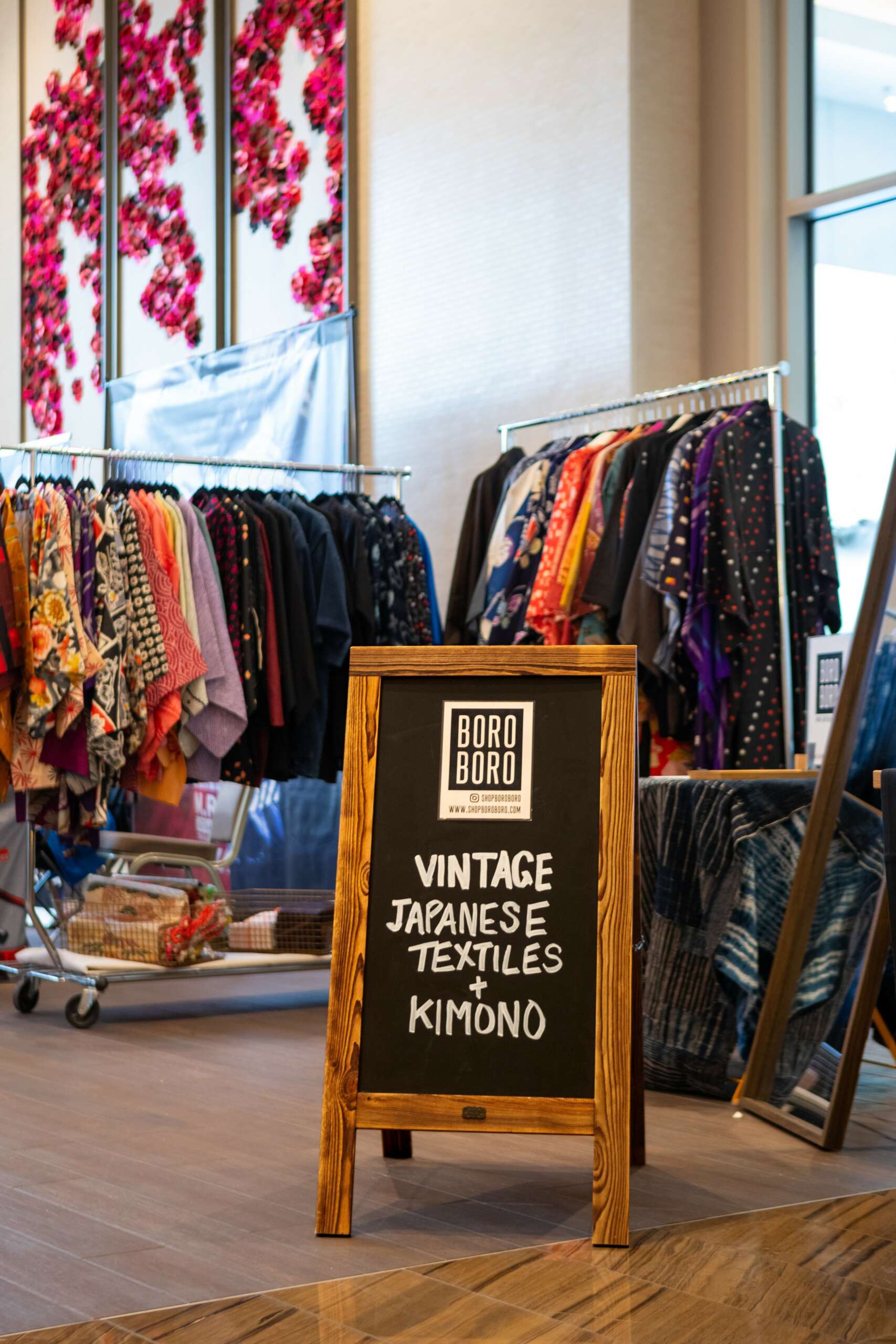
BORO BORO is my textile shop specializing in vintage and antique Japanese kimono and textiles.
I have been interested in kimono ever since living in Japan in college. I lived in a historic town where it was common to see people out and about in kimono. I was also enamored with the dynamic modern street fashion happening in Tokyo at the time and did street fashion photography on the weekends. I loved the contrast between the very traditional kimono and the contemporary street fashion of the younger generations. I was and continue to be fascinated by the evolution of such a traditional garment in modern society. A year after I studied abroad, I was awarded a research fellowship to return to Japan to study the textile traditions of the indigenous populations in Okinawa and Hokkaido, Japan. This experience was transformative as I was given a unique opportunity to travel across the country for a month visiting museums as well as dyeing and weaving workshops directly to see how they make their beautiful fabrics. The level of artistry and dedication required to produce these textiles was incredibly inspiring to see.
I started taking classes in kimono dressing back in 2015. I was working full time as a costumer for film and tv during the week, and taking kimono classes on the weekend. Despite having learned a great deal about how kimono fabrics were made and their history, I wanted to get more practical experience in how they are worn. After asking around, I ended up studying through the Yamano school, which is based in Tokyo but has a network of teachers in Los Angeles. I ended up taking the beginning, intermediate, and finally advanced level of classes which ultimately provided me with my license as a certified kimono dresser and sensei. What started as a casual hobby has now become a significant part of my life.
Over the course of taking lessons, I realized that there are a great deal of garments and accessories that are required for kimono dressing. I built my personal collection slowly over the years, and in doing so developed a lot of resources for where to find them. What became apparent to me was the lack of suppliers in the US that carried these items, and particularly the high quality vintage garments that I preferred. I realized that the knowledge I had developed trying to build my own kimono collection could be used to help others get started as well. My business, BORO BORO, grew out of this desire to help fill this niche to provide high quality vintage kimono and fabric to those outside of Japan and educate people about how they are made and worn. I find that knowing the history and craft behind a garment makes it much more special, and I hoped that in educating people about what they are purchasing it will help inspire them to love these pieces as much as I do.
Can you tell us about a time you’ve had to pivot?
I started BORO BORO in February 2020 just before the pandemic shut everything down, which was not the best timing! I had originally intended to do in person events, but with that option off the table due to lockdown it forced me to pivot and built out a website. The online shop launched in August 2020 and we’ve been going ever since. Now in addition to our website we participate in person at markets and events, as well as offering in person shopping via appointment at our private studio.
In a way I’m grateful that the pandemic forced me to pivot, because I’m not sure when else I would have had the time to learn about building a website, SEO, digital marketing, accounting, and all of the various skills I needed to learn to do on my own as a solopreneur. During my time at home during lockdown I was able to experiment as I built out my online shop and take various online courses that greatly helped me hone in on what I wanted to do with my business and how to market it successfully on a digital platform.
Where do you think you get most of your clients from?
We’ve shipped online orders all around the world, but my favorite way to connect with my customers in person at events! I love the opportunity to teach people first hand about kimono culture as well as the craft behind how the textiles are made. Since 2021, we have slowly been branching out into more and more in person events and markets and it has been incredibly rewarding to get to meet the people who purchase my textiles. I really genuinely love making personal connections with other textile fans, and I feel very lucky to have met so many interesting and creative people through my shop.
I also invested in building out a studio space in 2022 and it has made a huge difference to be able to do offer shopping via appointment. I have an ongoing google ad that I run year round and it has helped to draw in local clientele that are looking for what I offer. Many of my in person shopping appointments are acquired through people searching this way as well as word of mouth.
Contact Info:
- Website: www.shopboroboro.com
- Instagram: https://www.instagram.com/shopboroboro/
- Facebook: https://www.facebook.com/shopboroboro/
Image Credits
The photo of me was taken by Anji Salz. The yellow and black kimono photo and the photo of my vendor booth were taken by Drew Ganyer. All other photos by me, Laura Wong.