

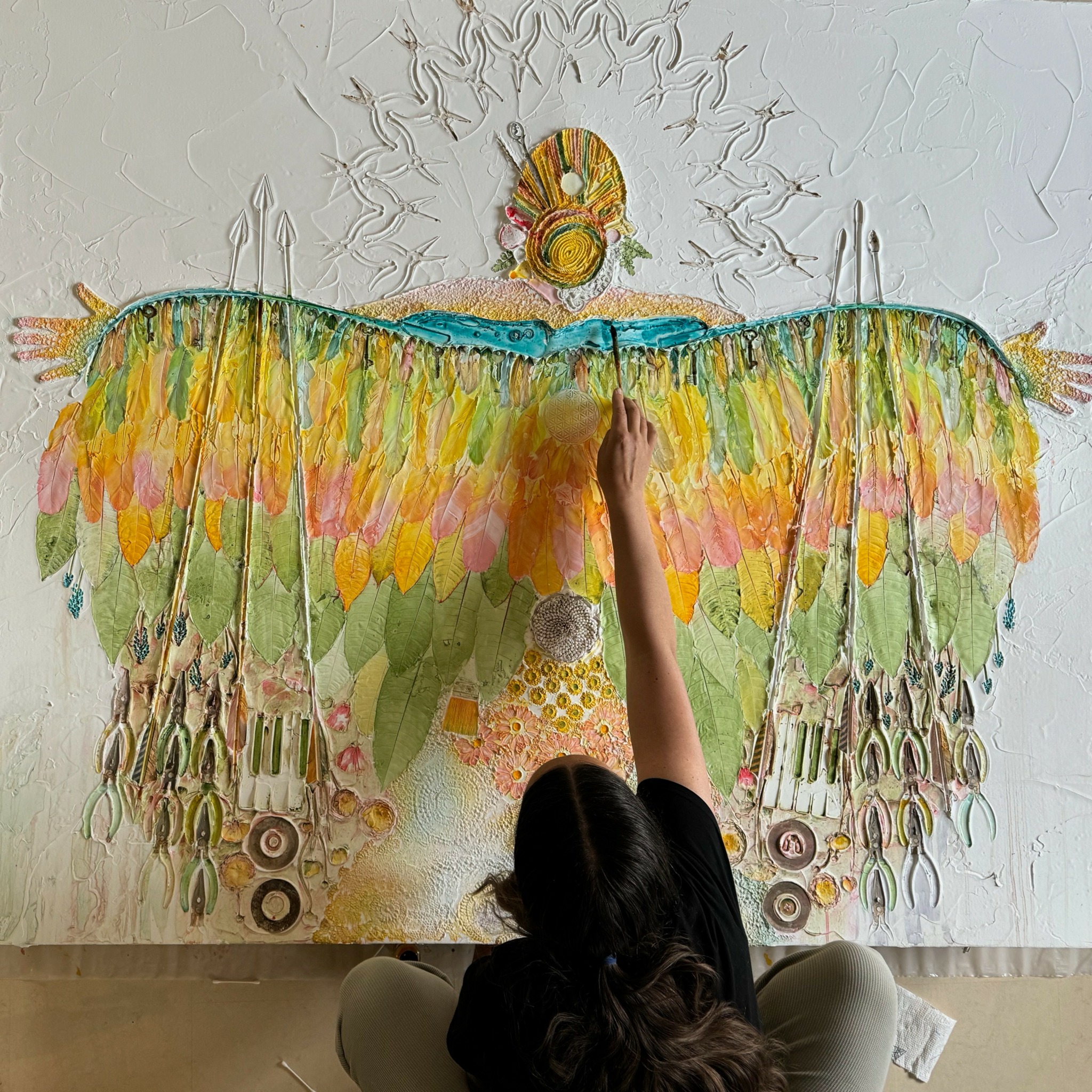

Alright – so today we’ve got the honor of introducing you to Laura Erekson. We think you’ll enjoy our conversation, we’ve shared it below.
Laura, thanks for taking the time to share your stories with us today We’d love to hear the backstory behind a risk you’ve taken – whether big or small, walk us through what it was like and how it ultimately turned out.
Being an artist in and of itself is a risky business. We pour time, energy, thought, effort—and often money—into work without any guarantee that it will find a home. In many ways, artists are gamblers. We make a bet on an idea, on a material, on a vision, and then we do it again and again. Every piece carries a certain risk: that nothing will come of it, that the work won’t resonate, that it may never be seen or valued beyond the studio walls. Even choosing to be an artist as a profession feels like a leap of faith.
Not every risk pays off the way I hope, but sometimes it does in ways that keep me going.
I remember working on a particularly large painting that had taken over my kitchen table. At the time, my mother-in-law was visiting and asked, very reasonably, “So…what are you going to do with this one?” I looked at the painting—still in progress, still uncertain—and answered honestly: “I don’t know.”
That painting eventually went on display in a museum exhibition. Not long after, it was acquired by another museum for their permanent collection. I remember calling my mother-in-law afterward and saying, “You know that really big painting that was taking up the entire kitchen table—the one I didn’t have a plan for? A museum bought it.”
Moments like that are rare, and success stories like this don’t happen every day. But they’re powerful reminders that taking the risk—following the idea even when the outcome is uncertain—is worthwhile. Those moments validate the leap and encourage me to keep making the next one.

Great, appreciate you sharing that with us. Before we ask you to share more of your insights, can you take a moment to introduce yourself and how you got to where you are today to our readers.
I’ve always been a maker. Before visual art became my profession, I spent time singing, studying vocal performance, acting, and dancing. All of those were simply different ways of trying to express ideas and emotion. Eventually I realized that visual art gave me the widest range of possibilities, so that’s where I focused my energy.
Today I work primarily as a mixed-media painter and sculptor. My work is highly process-driven and material-based. I build layered surfaces using tools, found objects, and botanical materials, allowing their forms and impressions to shape the final composition. I’m interested in how materials hold memory and how human systems—our tools, labor, and structures—interact with the natural world.
Much of my work explores themes of nature, identity, and transformation—especially through the lens of motherhood and the cycles of growth and change we experience throughout life. I’m drawn to plants because they embody those ideas so clearly: they grow, fade, regenerate, and adapt. In many ways they mirror our own lives.
Alongside my studio practice, I also create public art and community projects, often inspired by the landscapes and plant life of the American West. I enjoy working at both intimate and monumental scales—from detailed paintings to large sculptural installations.
What I’m most proud of is when the work creates a moment of recognition for someone—when they notice a familiar plant, tool, or form and suddenly feel connected to the piece. And if there’s one thing I’ve learned, it’s that art can sometimes look simple—but it rarely is.
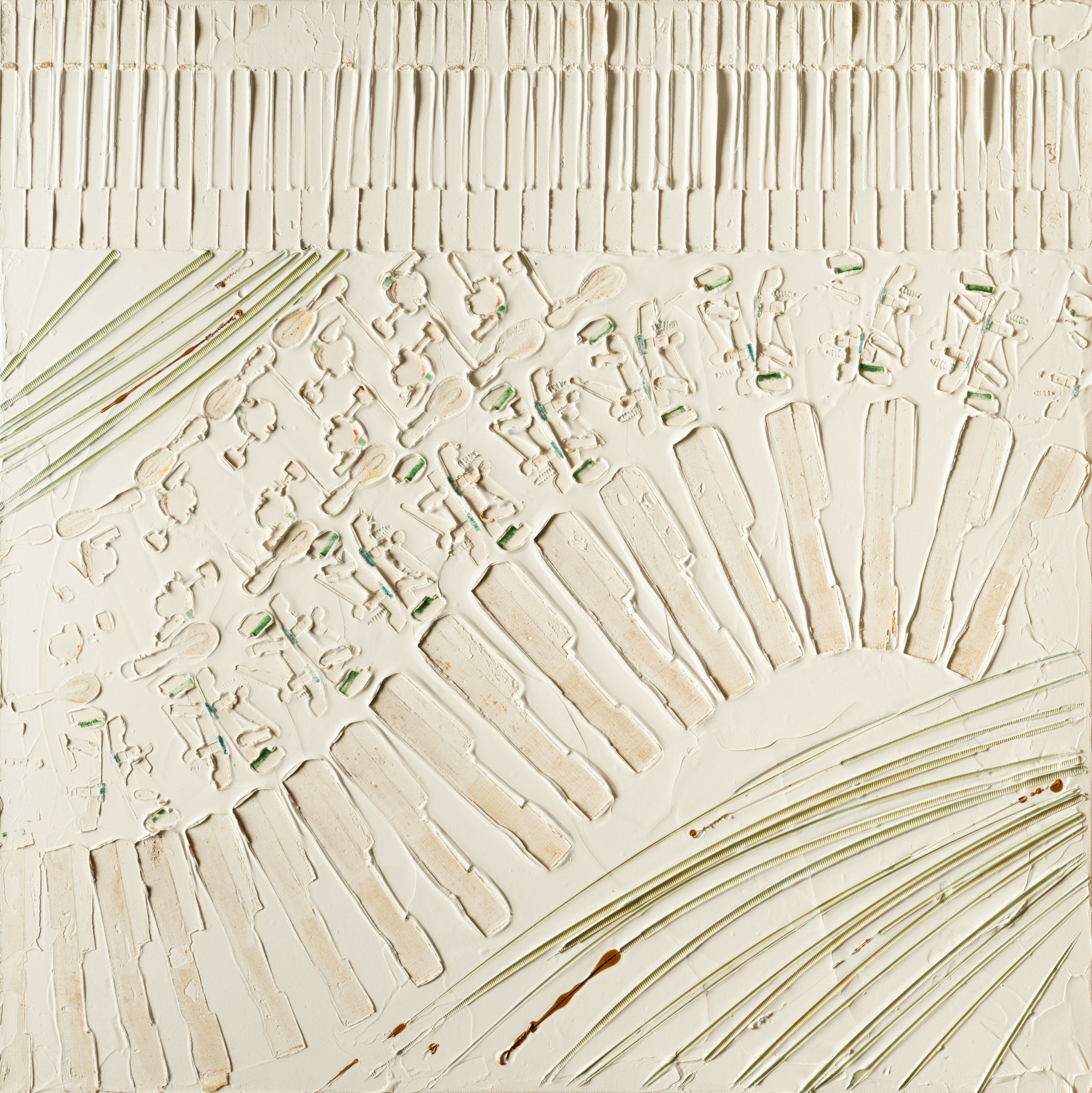
In your view, what can society to do to best support artists, creatives and a thriving creative ecosystem?
A thriving creative ecosystem depends on people valuing art not just as decoration or entertainment, but as an essential part of human life. One of the simplest ways society can support artists is by showing up—attending exhibitions, performances, and community art events, and creating opportunities for artists to share their work publicly.
Support from institutions also matters. Cities, states, and organizations that offer grants, public art programs, and exhibition opportunities help artists continue developing their work and contributing to the cultural life of a community.
But perhaps the most meaningful support is when individuals and institutions actually purchase artwork. For artists, this isn’t a hobby—it’s a profession. Buying art allows artists to continue making new work and taking creative risks. When someone collects a piece, they’re not just purchasing materials; they’re investing in years of experimentation, thought, and dedication that led to that work.
I also believe we need to cultivate a deeper cultural understanding of art’s value. Art is not a luxury—it’s part of how we process our experiences, tell our stories, and understand ourselves and the world around us. Long after technologies change, artworks remain as records of who we were and what mattered to us.
If we want vibrant communities and meaningful cultural life, the answer is simple: support artists, support the arts, and bring more art into our everyday lives.
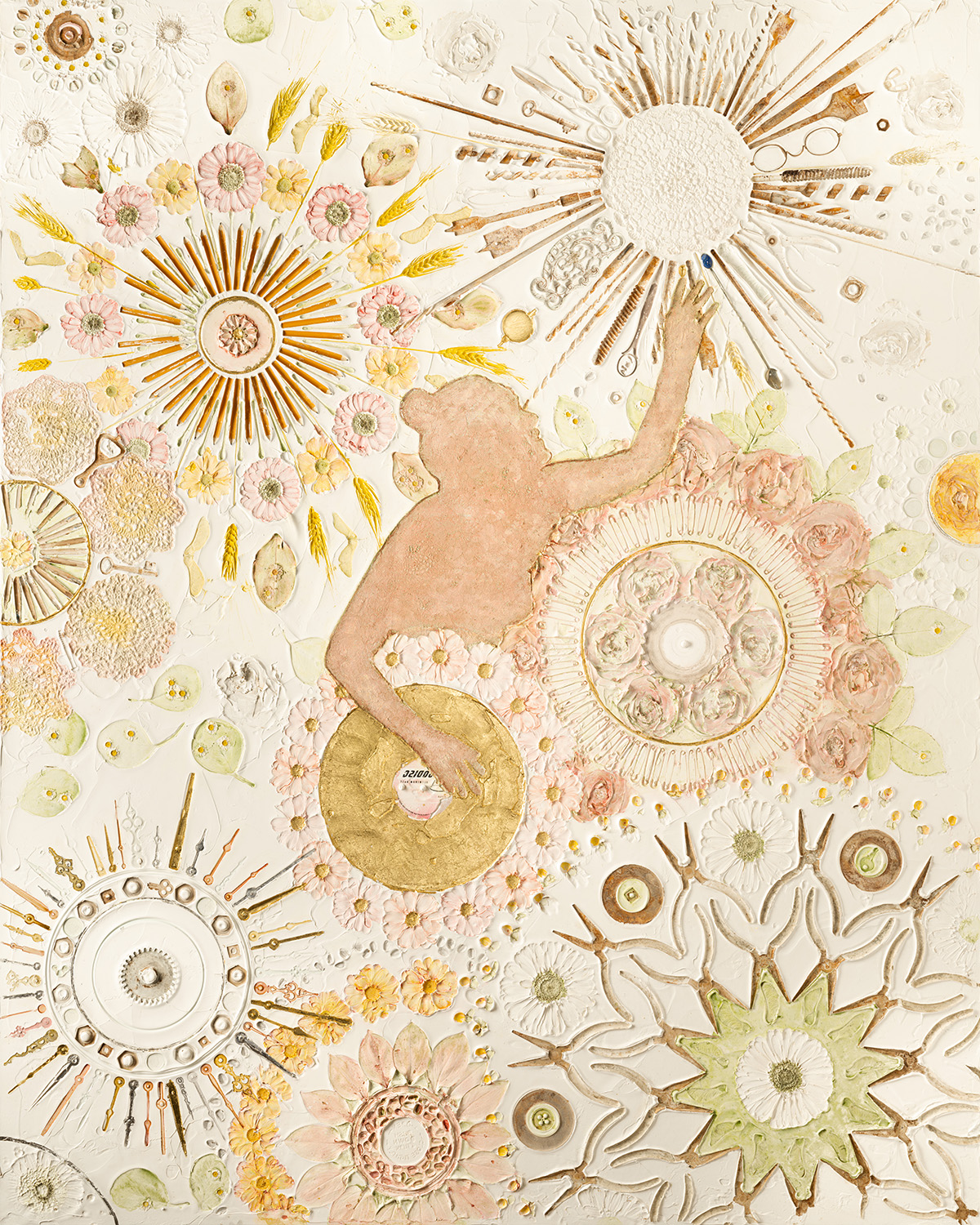
What’s the most rewarding aspect of being a creative in your experience?
The most rewarding part of being an artist is when someone experiences my work and tells me it affected them in a meaningful way. As artists, we spend so much time alone with our ideas—developing something that begins as a private vision in our own minds. When that vision finally exists in the world and someone else connects with it, that moment is incredibly powerful.
There’s a special kind of satisfaction in seeing something that once only lived in my imagination take physical form. But what makes it truly meaningful is witnessing how others respond to it—their excitement, curiosity, or recognition of something familiar within the work.
Ultimately, art is about connection. It’s a way of sharing something deeply personal and discovering that it resonates with someone else. Those moments of connection—when a piece sparks reflection, memory, or emotion in another person—are what make the entire process worthwhile.
Contact Info:
- Website: https://www.ereksonatkinson.com
- Instagram: @LauraEreksonArt

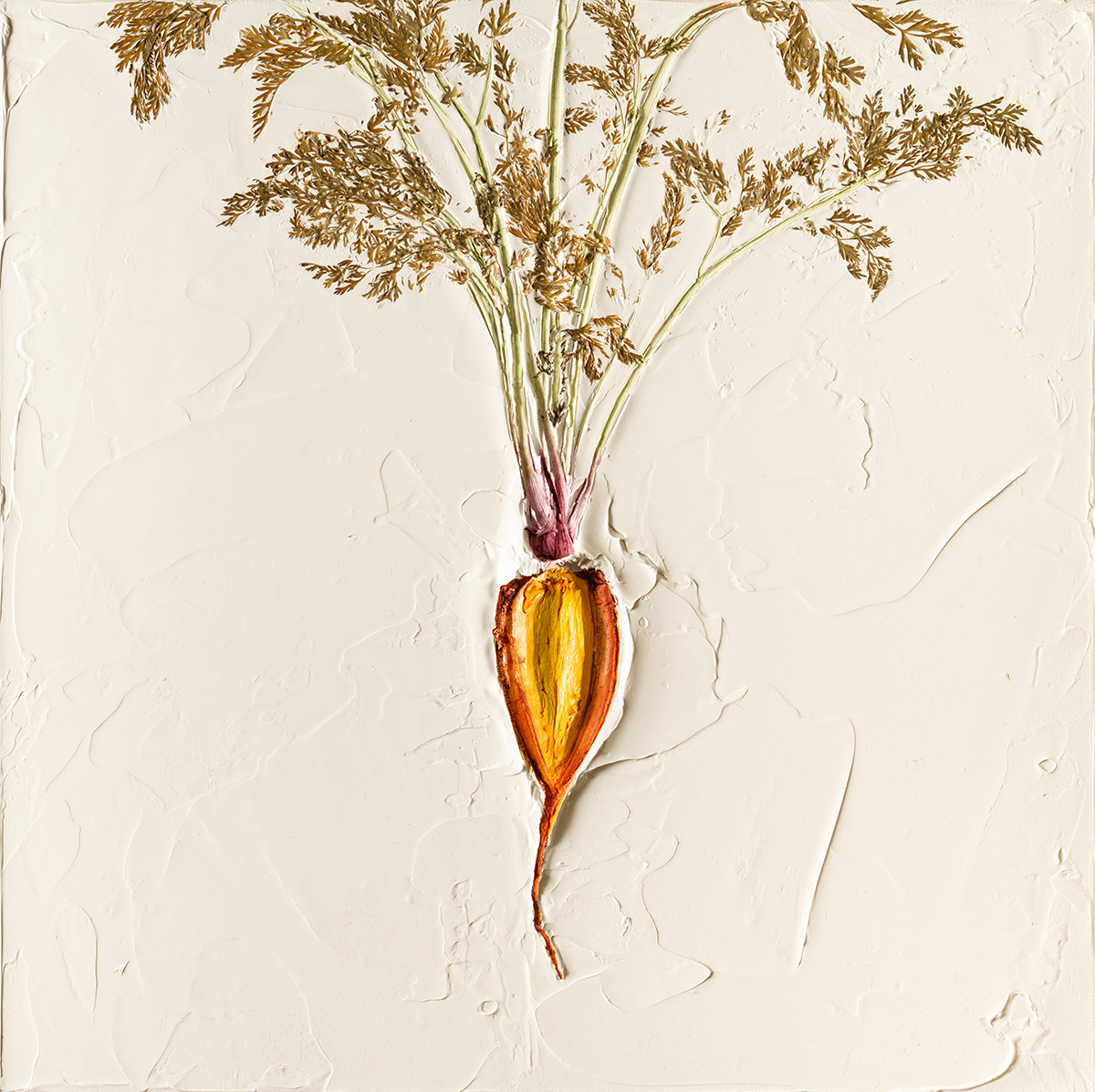
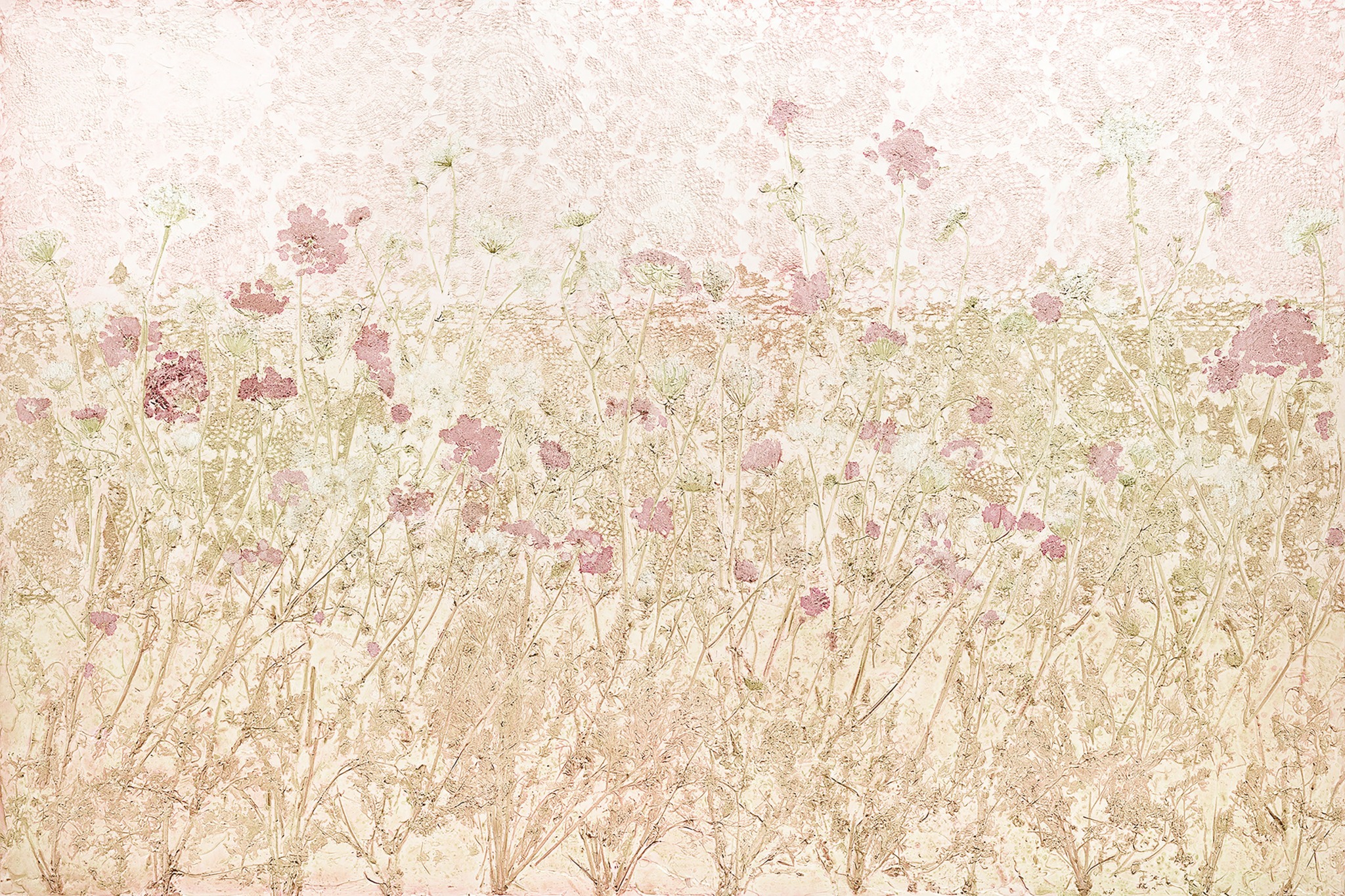
Image Credits
David Carter