

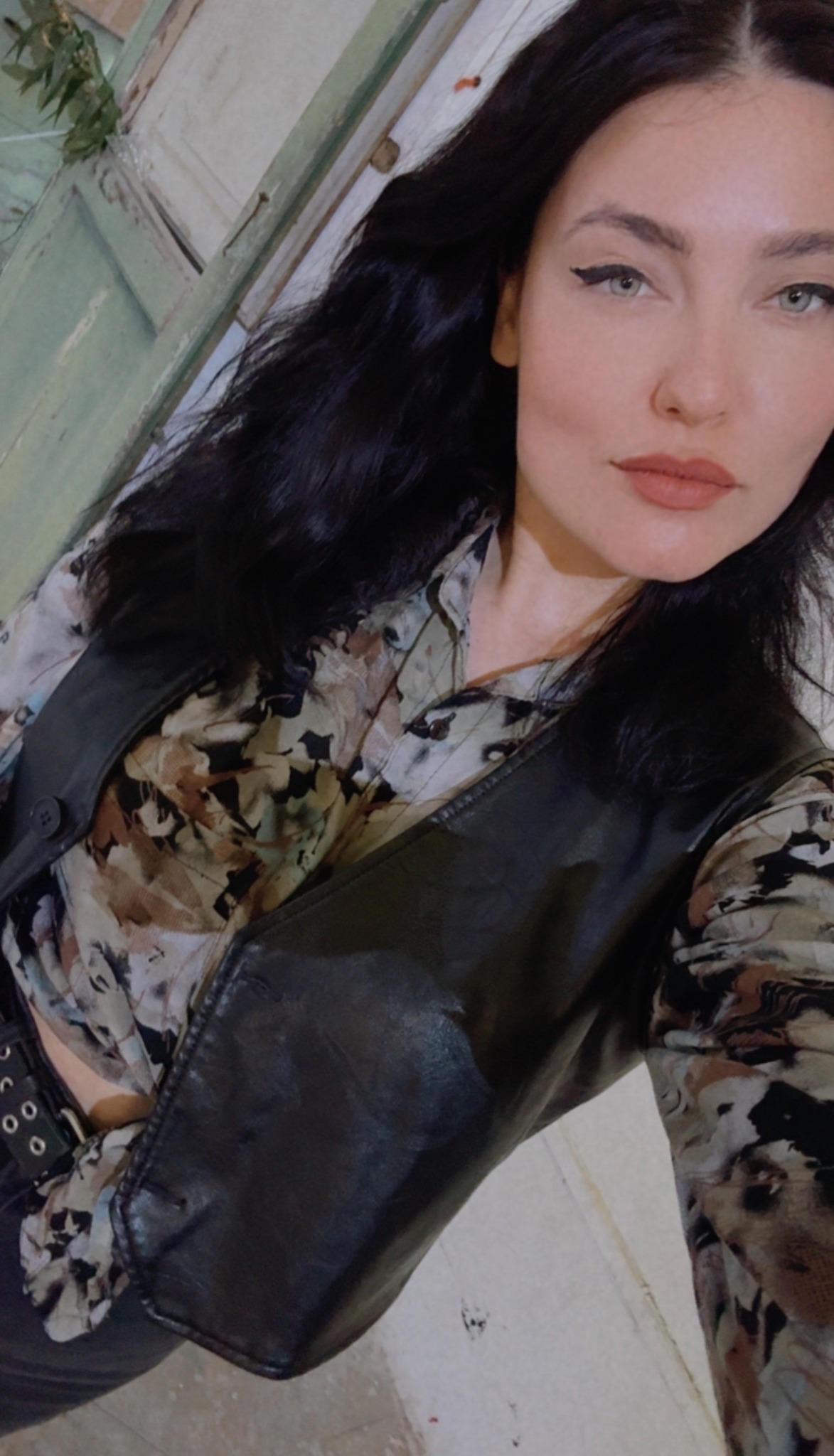

We recently connected with Kriszti Sarusi and have shared our conversation below.
Alright, Kriszti thanks for taking the time to share your stories and insights with us today. What’s been the most meaningful project you’ve worked on?
Floating Reality, which is an art exhibition series, is meaningful to me because it’s not just an exhibition — it’s something deeply personal that grew out of real friendships, passion, and a need to create space for artists who might not otherwise have one.
I co-created it with two of my close friends, and what started as a simple idea became a living, breathing collective. We wanted to bring back a kind of raw, slightly wild creative energy — something reminiscent of that free, expressive, almost rebellious spirit you’d associate with places like Studio 54 — but rooted in Valletta, in unexpected, imperfect, beautiful spaces like Splendid on Strait Street.
For me, it’s meaningful because it reflects how I see art and community. I work in a very structured, logistical world during the day, but Floating Reality is where emotion, creativity, and human connection come alive. It’s where different people — local artists, international creatives, musicians, nightlife workers — come together and support each other in a very real, grassroots way.
A big part of that energy comes from our musician friends, who are just as much a part of the project as the visual artists. From spontaneous jam sessions to electronic sets and live performances across different genres, they bring another layer of life into the space. It’s not just about looking at art — it’s about experiencing it through sound, atmosphere, and shared moments.
We also consciously take 0% commission from artists, which is a big part of our philosophy. It’s not about profit — it’s about giving artists a platform, especially those who are emerging, and proving that you can build something valuable and impactful even with very limited resources.
And honestly, it’s meaningful because of the people. The community that forms around it — the friends, the collaborators, the unexpected support from bars, sponsors, and strangers — creates this feeling that something genuine is happening. It reminds me that art isn’t just about what’s on the wall, it’s about the atmosphere, the connections, and the shared experience.
Floating Reality is important to me because it feels real — it’s imperfect, evolving, and full of life. And that’s exactly what I think art should be.
Kriszti, before we move on to more of these sorts of questions, can you take some time to bring our readers up to speed on you and what you do?
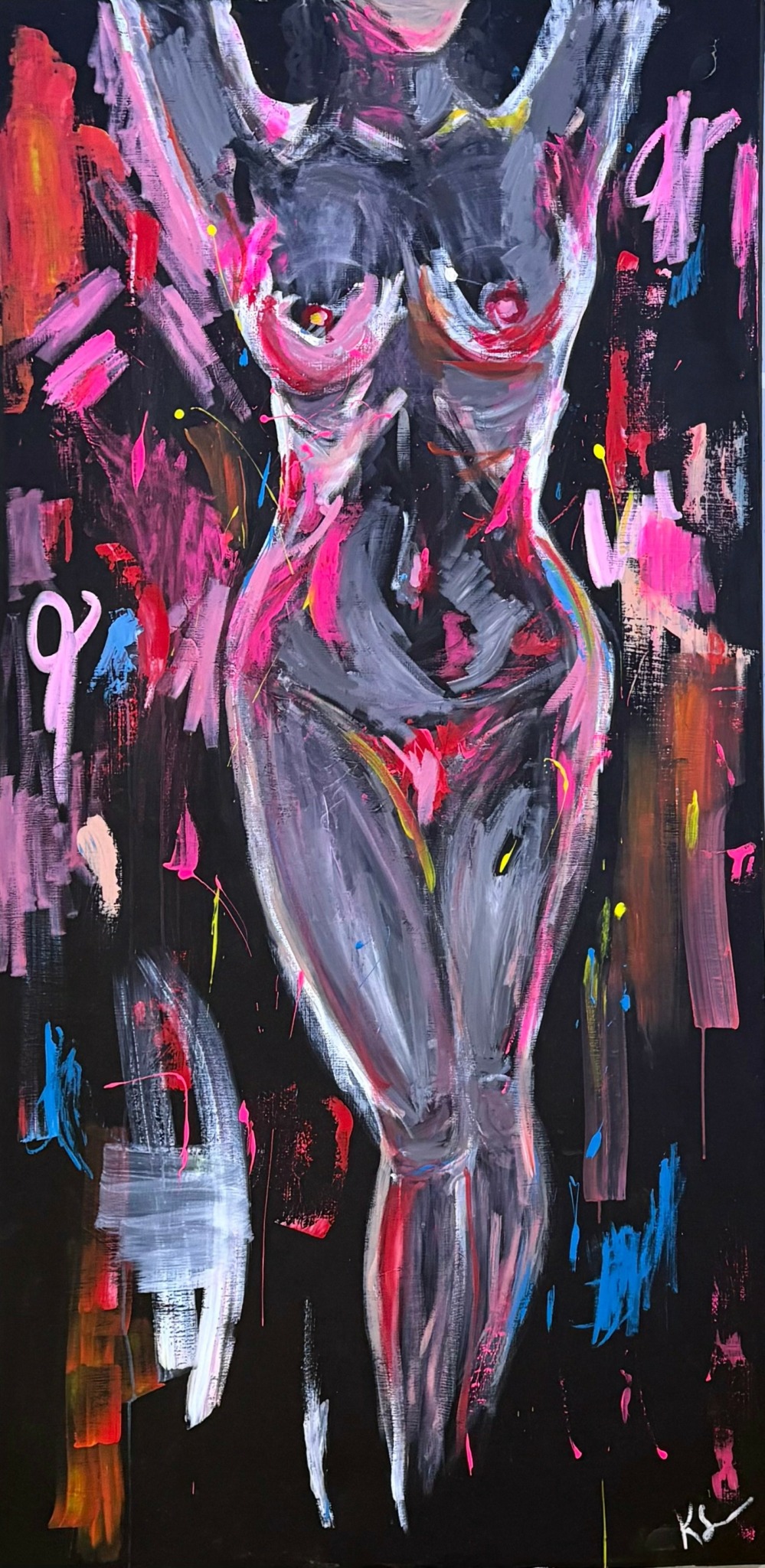
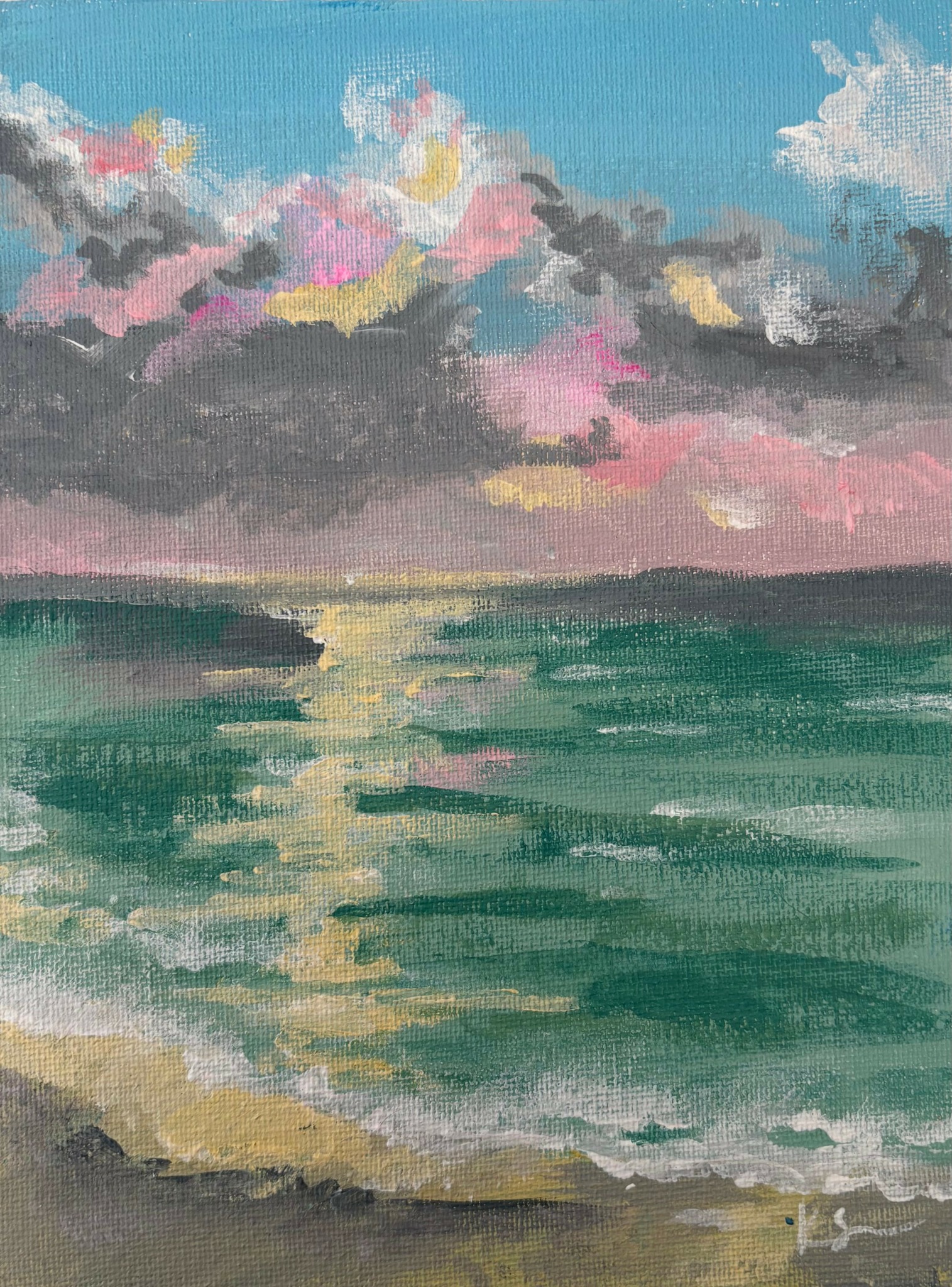
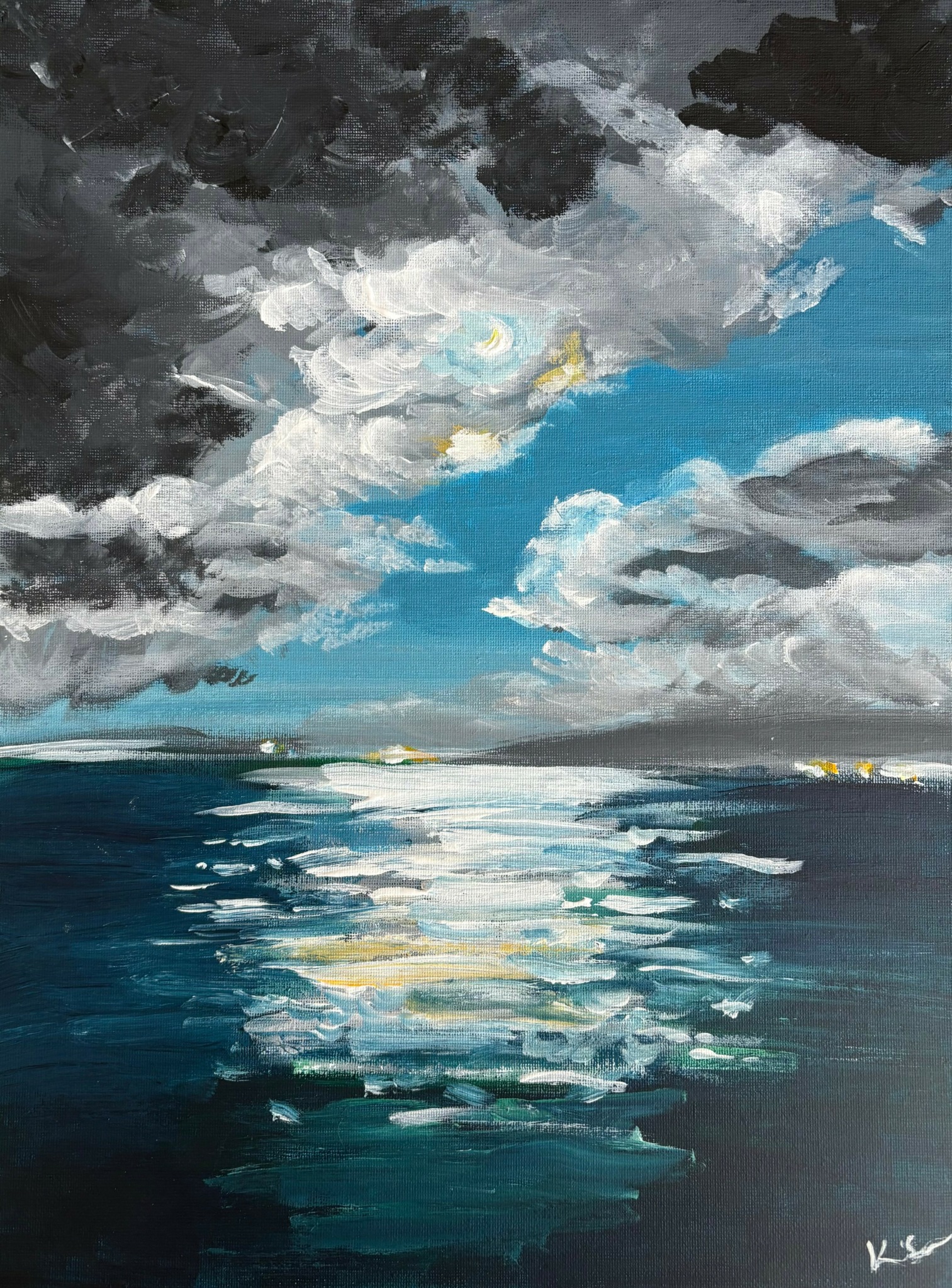
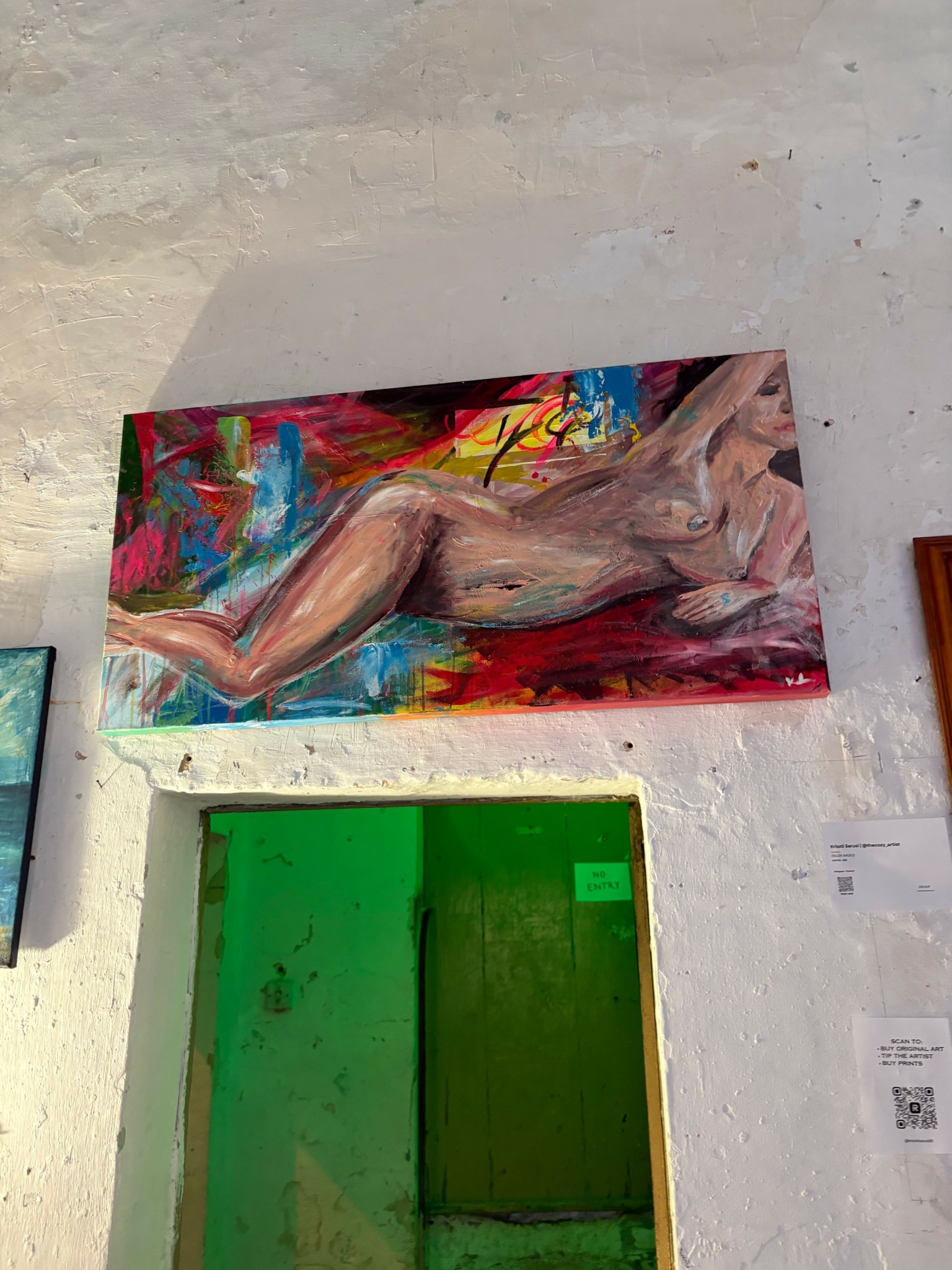
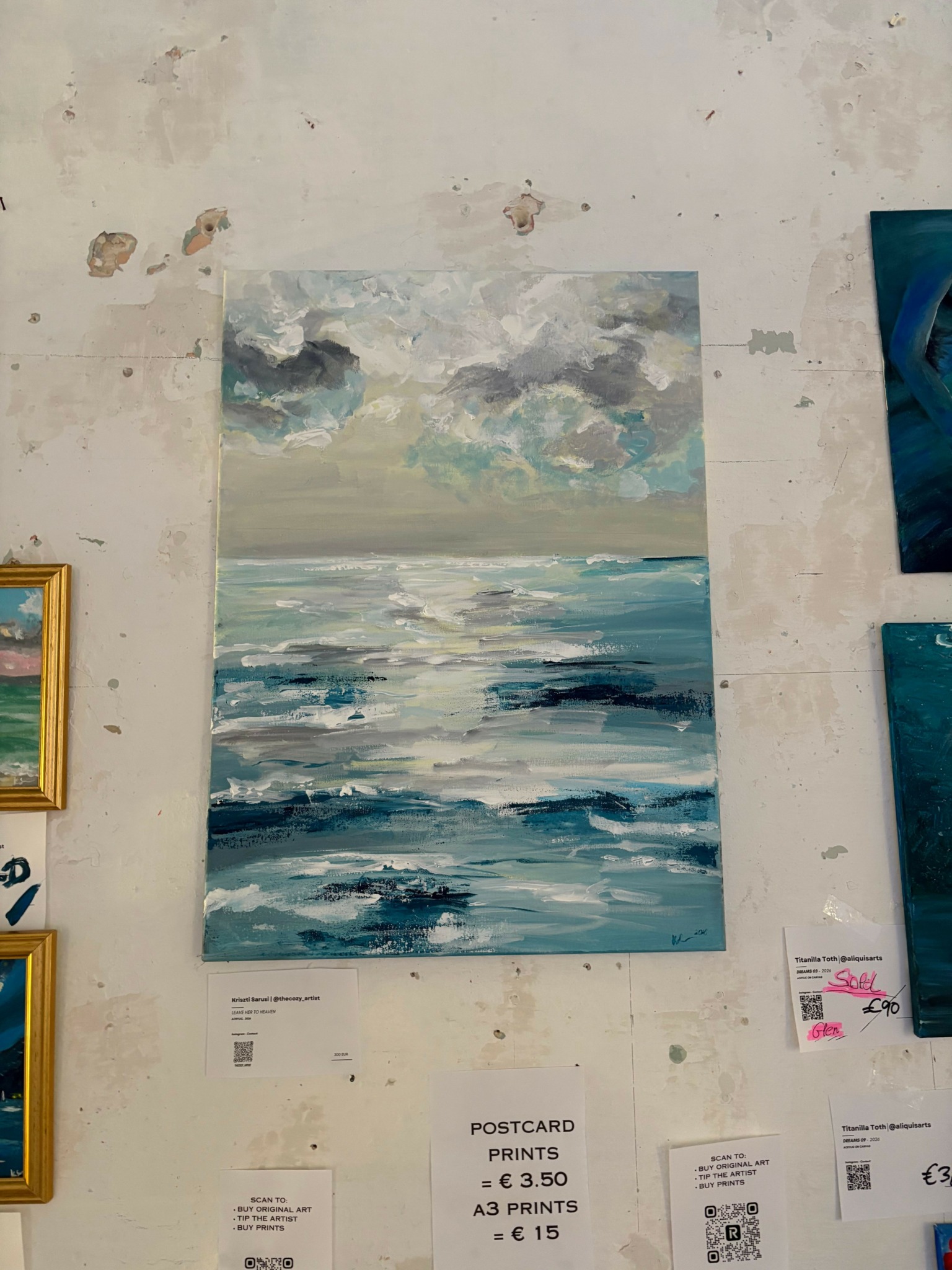
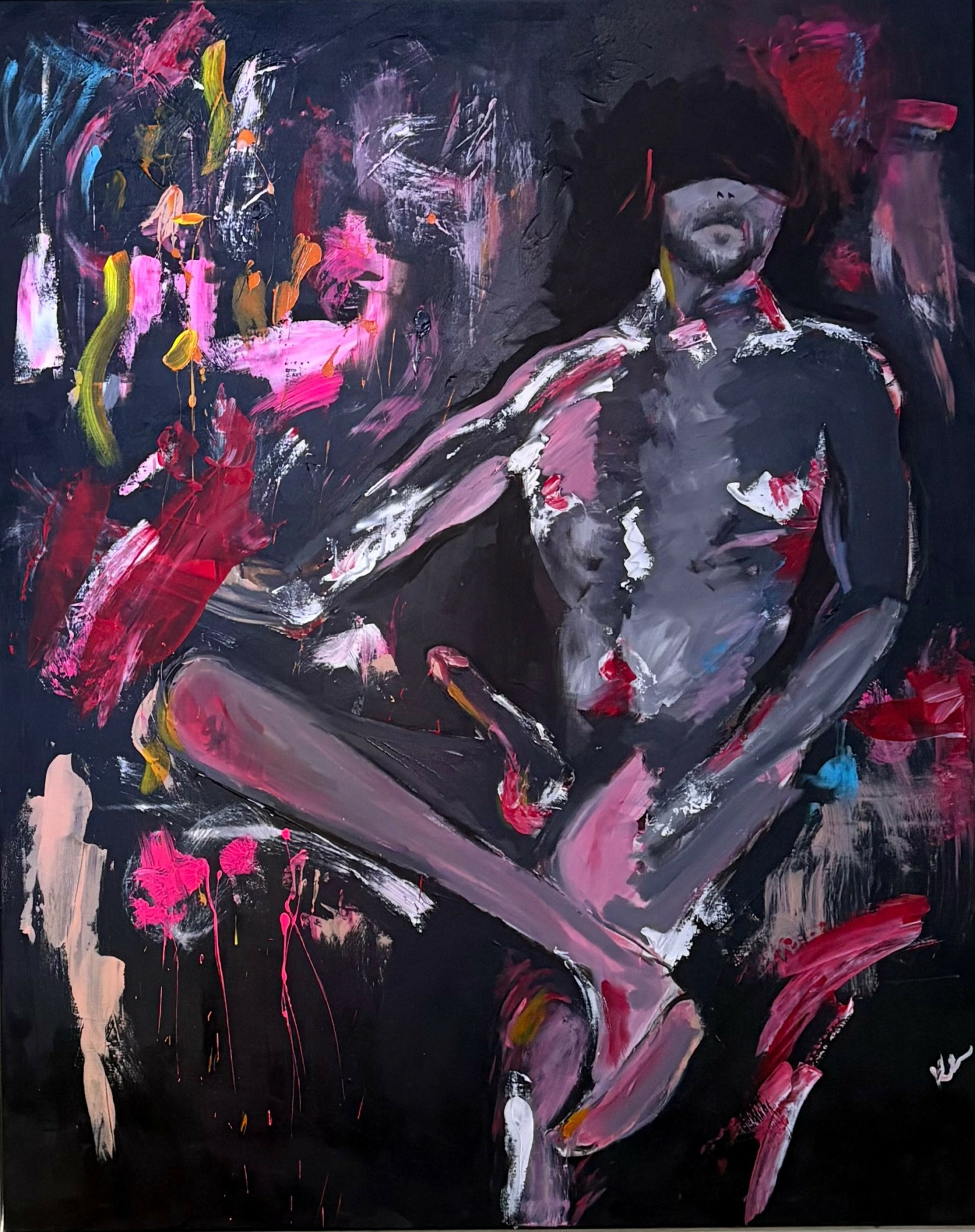
My art is really about painting feelings rather than just painting people. Even when I paint the human body, it’s not about realism or perfection — it’s about capturing emotion, movement, and energy. I’m drawn to the beauty of the human form and to seascapes, but I interpret both in an abstract, expressive way. The sea, especially, has always felt emotional to me — it reflects moods, depth, calm, chaos — and I try to translate that same intensity into how I paint bodies. It’s all quite passionate, intuitive, and not overly controlled.
Creativity has always been part of my life. I grew up in a household where art, music, and films were always present. My mother is an oil painter and stained glass artist, and my sister draws and studied fashion. Interestingly, both of them also studied pastry and bonbon making — which I’ve always seen as another form of art. So for me, creativity was never limited to one discipline. It was just a natural way of living and expressing.
On top of that, I had teachers who introduced me to cult films and classical art, which really shaped my taste and the way I see visuals and storytelling. Later, during my graduate assistantship in Kansas City, I explored other creative fields — working in a newsroom, media, radio, and also doing merchandise and fashion photography. That experience showed me how vast art really is, and that there isn’t just one path or medium to express yourself.
It was during that time — especially through First Fridays in Kansas City and also experiences in Minneapolis — that I started seeing art not just as something personal, but as something I could build into a side career. It became a way to connect with people, to be part of a creative community, and to slowly build a name.
Now, being based in Malta, I focus on commissions and building connections within the local art scene. It’s a small but incredibly creative place, with a strong mix of local and international artists who genuinely support each other. That sense of community really aligns with what I believe art should be.
Ultimately, my goal is to create a non-conformist gallery space in Malta — something open, inclusive, and a little bit rebellious. A place where different forms of art, different people, and different energies can come together without pressure to fit into traditional expectations.
What do you find most rewarding about being a creative?
For me, the most rewarding aspect of being an artist is seeing people from different parts of my life — family, friends, coworkers, and even people I haven’t seen in years — walking through a gallery space and carrying all those shared memories with them. There’s something really powerful about that moment, when your work becomes a meeting point between past and present.
I truly believe that art doesn’t have to be overly polished or perfectly marketed to have meaning. What matters is that it connects. And what I enjoy most is listening to people — their impressions, their interpretations, even their advice on how to make the exhibition better. Those conversations are incredibly valuable to me.
Every piece of feedback, no matter how small, feels rewarding because it means people care. It means we’ve created something that made them stop, feel, remember, or reflect — and that, to me, is what art is really about.
Are there any books, videos, essays or other resources that have significantly impacted your management and entrepreneurial thinking and philosophy?
The following video by the ”National Gallery of Art Talks – The Impressionist Revolution 1874-1886” on YouTube made an impact on me.
This video had a strong influence on how I think about art management and what kind of creative spaces I want to build.
What really stayed with me is how the Impressionists were not accepted by the traditional art world at the time. They were rejected by official salons, critics didn’t understand them, and yet instead of conforming, they created their own exhibitions. They chose independence over approval. That idea deeply shaped my mindset — that artists don’t need to wait for validation from institutions to create something meaningful.
It also influenced how I approach managing exhibitions like Floating Reality. The Impressionists showed that alternative spaces, new formats, and community-driven initiatives can actually shift culture. That’s exactly what I believe in — using unconventional venues, keeping things accessible, and not being afraid if something feels a bit raw or different.
Another important takeaway for me was their sense of community. Even though each artist had a distinct style, they supported each other and exhibited together. That collective energy is something I try to recreate — bringing together different creatives, not forcing a single aesthetic, but letting individuality exist within a shared space.
It also reinforced my belief that art management shouldn’t be overly rigid or commercial-first. The Impressionists weren’t driven by profit at the beginning — they were driven by expression and the need to be seen on their own terms. That’s very aligned with why we take 0% commission and focus on building opportunities rather than extracting value.
Overall, the video helped me understand that art movements are not just about style — they’re about courage, community, and creating new systems when the old ones don’t work. And that’s something I carry into how I curate, organize, and envision the future of art spaces.
Contact Info:
- Instagram: https://www.instagram.com/thecozy_artist?utm_source=ig_web_button_share_sheet&igsh=ZDNlZDc0MzIxNw==
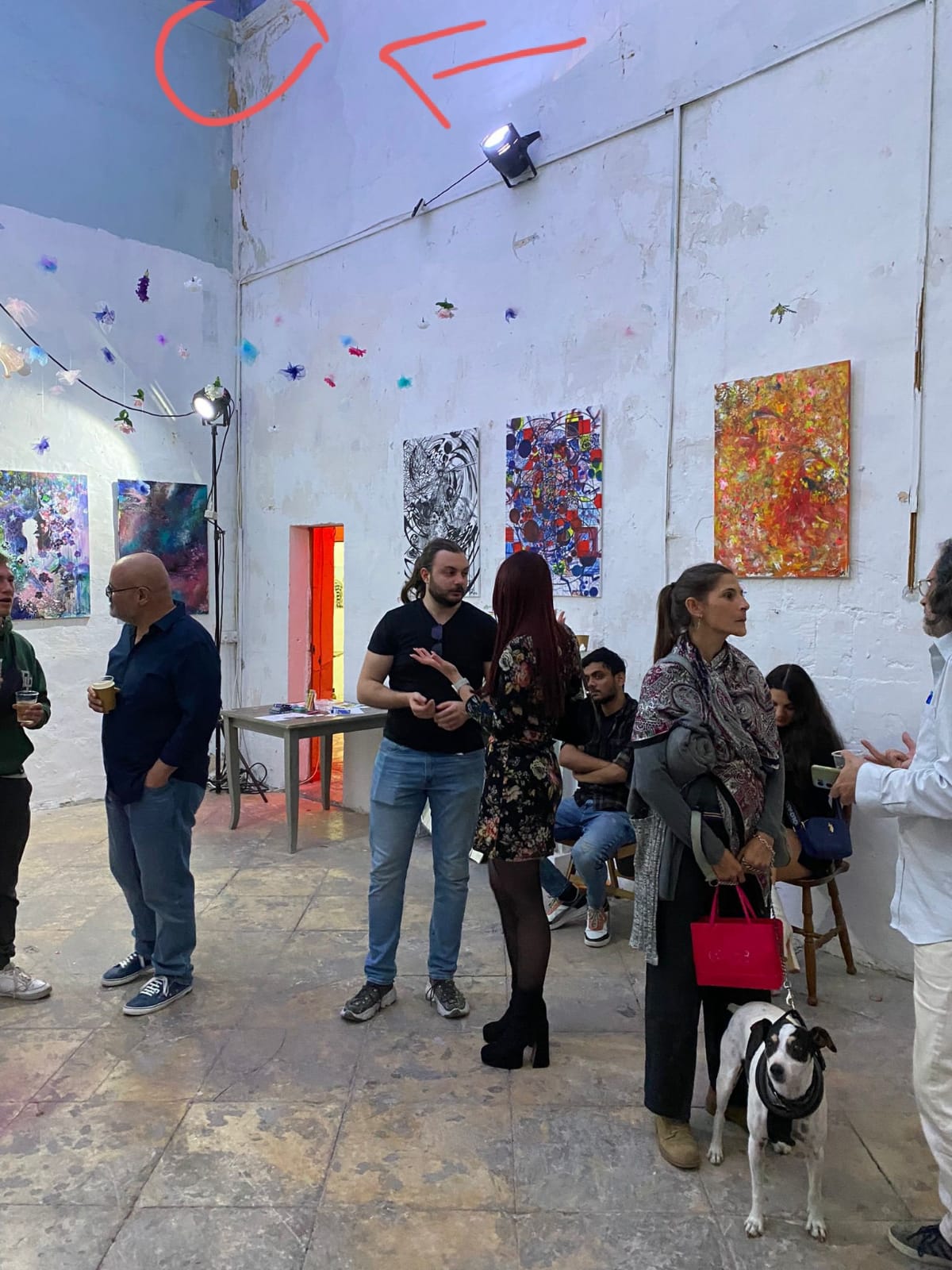
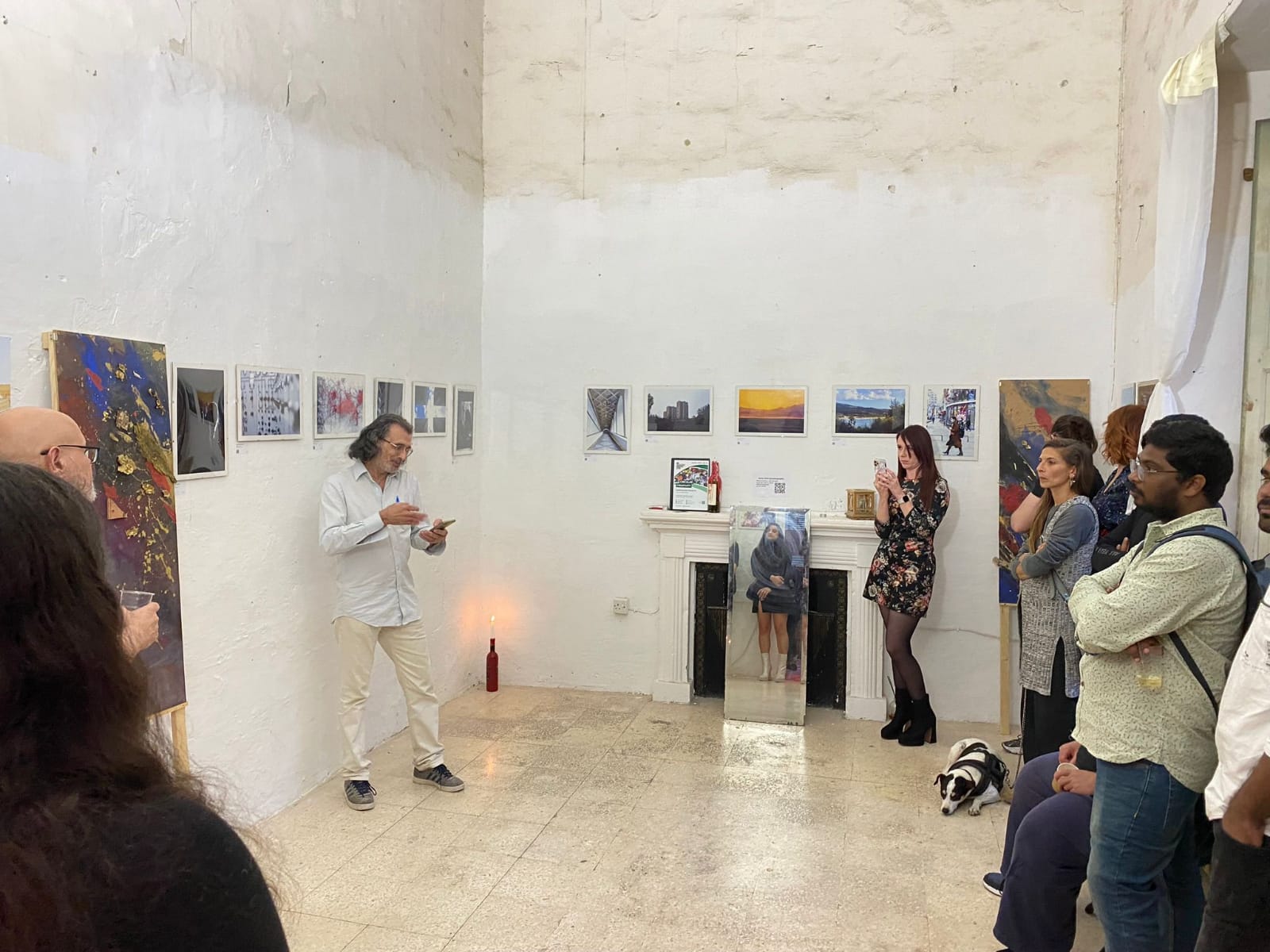
Image Credits
all credits to me, I took the photos