


We recently connected with Kristy Walker and have shared our conversation below.
Kristy, appreciate you joining us today. What’s the backstory behind how you came up with the idea for your business?
The idea for Walker Homestead really started on a day-drinking outing in Sonoma County, in our third winery in for the day, we thought ‘wouldn’t it be fun, if we could create this back home in Iowa?’
After a 40-year career in healthcare IT, I told my husband that I started life on a farm, and I wanted to end up on a farm. I wanted a place where people gather, learn, and connect again. We jokingly call this my dream and my husband’s nightmare.
At the same time, we were watching a broader shift happening. People were becoming more disconnected from their food, their farmers, and honestly, from each other. Dining had become transactional. Agriculture had become invisible. And community spaces—especially ones rooted in something real—were harder to find.
We didn’t want to just start a winery or a farm. We wanted to build a place that brought those worlds together—a working farm that also served as a destination. A place where you could sit down for a meal and know the story of what’s on your plate. Where agriculture wasn’t behind the scenes—it was the experience.
There was a gap between rural producers and everyday consumers, and very few places were intentionally bridging that gap through hospitality, education, and experience.
We are in an area with strong local agriculture, a vibrant university community, and people who are increasingly seeking meaningful experiences over just products. The rise of agritourism, farm-to-table dining, and experiential events all pointed in the same direction: people want to feel connected to where they are and what they’re consuming.
We want to be a place that supports local farmers, showcases regional talent, and creates experiences that people remember.
Awesome – so before we get into the rest of our questions, can you briefly introduce yourself to our readers.
I’m Kristy Walker, co-owner of Walker Homestead Farm and Winery. After a 40-year career in healthcare IT, I stepped into what I like to call my “encore career”—returning to my roots in agriculture and building something that blends farming, hospitality, and community.
I grew up on a farm, and that foundation never left me. Over time, I felt a strong pull back to the land—but I didn’t want to recreate farming as it once was. I wanted to reimagine what a farm could be today. That’s what led to Walker Homestead.
My husband, Bob, often jokes that this is “her dream and my nightmare,” but he’s been an essential partner in bringing it to life. As he puts it, “I didn’t grow up on a farm, but I’ve come to appreciate what this place creates—not just for us, but for everyone who comes here. It’s not just a business; it’s something people feel.”
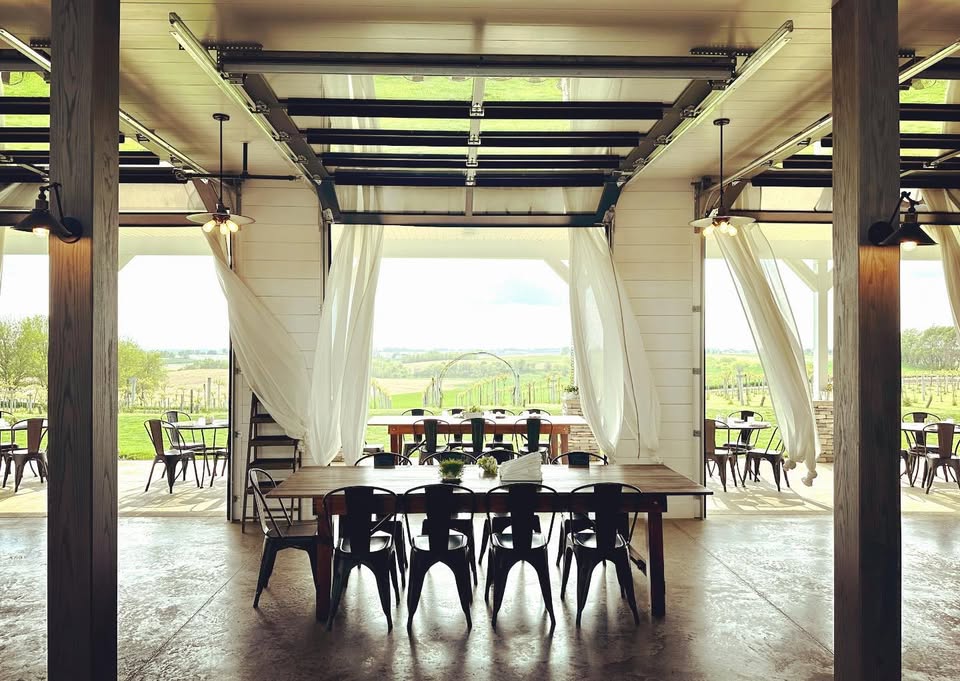
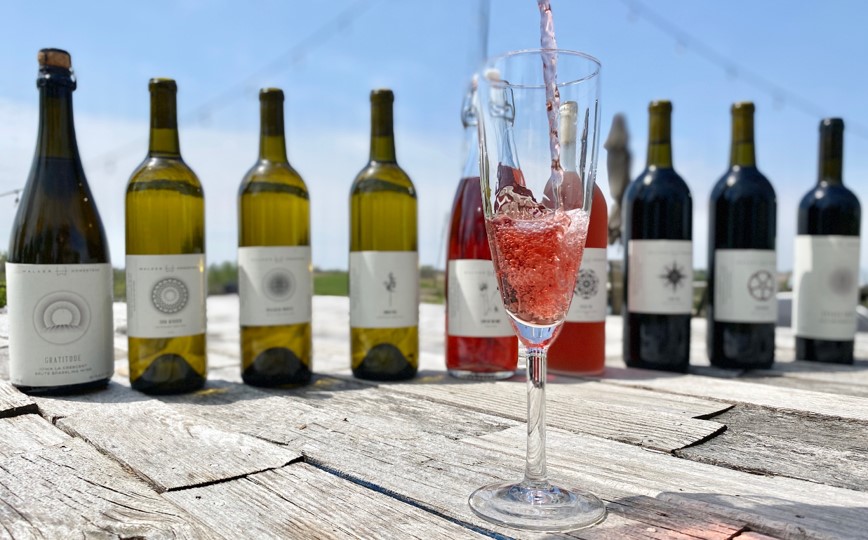
We are an 85-acre working farm and winery in Eastern Iowa, but more importantly, we are a gathering place. Our work sits at the intersection of agriculture, culinary experience, and education. We host farm-to-table dinners, weddings, seasonal events, chef collaborations, and open hours where guests can simply come enjoy the land. Everything we do is rooted in the idea of “from soil to celebration”—connecting people to the source of their food and to each other.
What we offer isn’t just a product—it’s an experience. Yes, we produce wine. Yes, we grow food. But what we’re really creating are moments: a couple celebrating their wedding surrounded by the fields, guests sitting down to a dinner where the ingredients were harvested that same day, families coming out to experience the farm in a way they may never have before.
The problem we’re trying to solve is disconnection. Many people today don’t know where their food comes from or the story behind it. At the same time, small farms often struggle to create sustainable business models. We bridge that gap by bringing people onto the farm—making agriculture visible, tangible, and meaningful—while also creating economic opportunity for local producers, chefs, and makers.
What sets us apart is that we are not just a venue, and we are not just a farm—we are intentionally both. Everything is integrated. The land, the food, the wine, and the experience all work together. We’re also deeply collaborative. We partner with local farmers, chefs, distillers, and artists to create something that represents the region as a whole. Our vision is to help position this area as a destination for agritourism—what we often call the “Napa Valley of the Midwest.”
What I’m most proud of is the community that has formed around Walker Homestead. It’s incredibly rewarding to see people come here and feel something—whether it’s connection, inspiration, or simply a sense of slowing down. We’ve also built a team that truly cares about the experience we’re creating, and that shows in everything we do.
Together, we see Walker Homestead as more than a business—it’s a place in progress. A place where agriculture, hospitality, and community come together in a way that feels both grounded and inspiring. We’re building something that reflects who we are, but more importantly, something that belongs to the community that continues to grow around it.
Have you ever had to pivot?
One of the biggest moments where we had to pivot was during the pandemic—right at a time when our entire model depended on bringing people together.
Almost overnight, weddings paused, dinners stopped, and the very thing we were building—community gathering—was no longer possible.
So we got creative.
We started offering virtual wine tastings. Guests would place orders for a full experience—food paired with four bottles of wine—and we would package everything up and deliver it ourselves on Saturdays. Then, at 5:00 PM, we’d go live from somewhere on the farm—sometimes the vineyard, sometimes the barn, sometimes out in the fields—and host a Facebook Live session, walking everyone through the wines and pairings together.
What surprised us was how special it became.
People would gather in their homes, but they were still with us—laughing, asking questions, sharing the experience in real time. And there was an unexpected bonus: nobody had to drive home.
By the time we were able to open back up, many of those guests felt like they already knew us—and knew the farm—intimately. They had spent Saturday evenings with us, week after week, experiencing the farm from different vantage points.
It turned a moment of disruption into something deeply connective, and in many ways, it strengthened our community even before they ever stepped foot on the property
How did you build your audience on social media?
We built our audience on social media the same way we built Walker Homestead—by focusing on connection first, not marketing.
In the beginning, we weren’t trying to “grow a following.” We were simply sharing what was happening on the farm in real time. What we were harvesting that day, a glimpse of a dinner being prepared, the setting sun over the vineyard, or a behind-the-scenes look at an event. It was honest and unpolished—and I think that’s what resonated.
We also leaned into storytelling. Instead of just posting that we had an event, we shared the why behind it—the farmers we partnered with, the inspiration for a menu, the people who make the experience possible. That helped people feel connected before they ever visited.
Consistency played a big role too. We showed up regularly, especially around our open hours and events, so people began to rely on social media as a way to stay in touch with what was happening on the farm.
Another big driver was experience sharing. Our guests became some of our best ambassadors. When people attend a wedding, a dinner, or even just an evening on the farm, they naturally want to share it—and that word-of-mouth, amplified through social media, has been incredibly powerful for us.
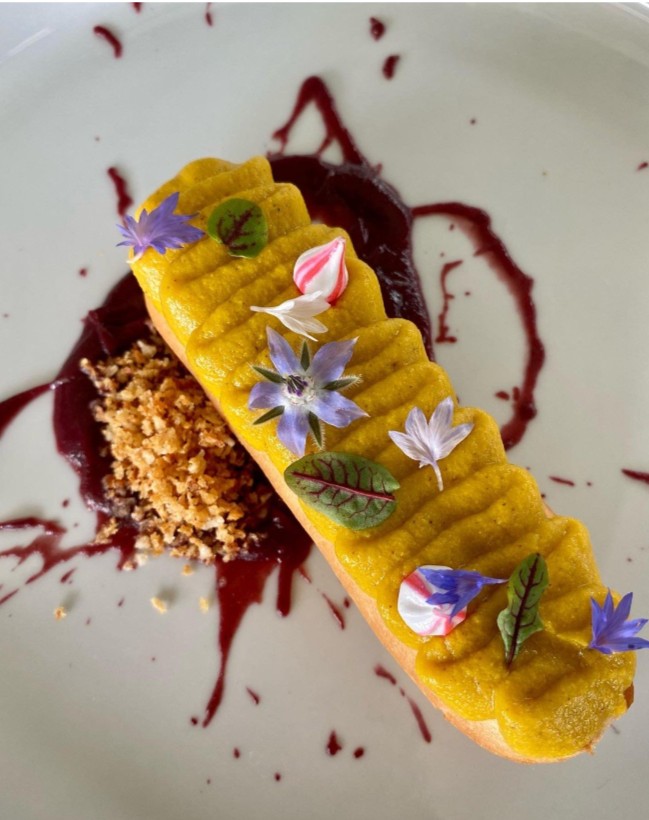
We also didn’t try to be everywhere—we focused on the platforms where our audience already was, and where visual storytelling mattered most. For us, that meant leaning into Instagram and Facebook, where the setting, the food, and the experience really come to life.
If there’s one thing that sets our approach apart, it’s that we treat social media as an extension of the experience—not just a promotional tool. It’s another way to invite people in, to tell the story of the land, and to build a sense of community before they even arrive.
Contact Info:
- Website: https://walker-homestead.com
- Instagram: https://instagram.com/walkerhomesteadic
- Facebook: https://facebook.com/walkerhomestead
- Youtube: @walker.homestead
- Other: https://tiktok.com/@walkerhomestead
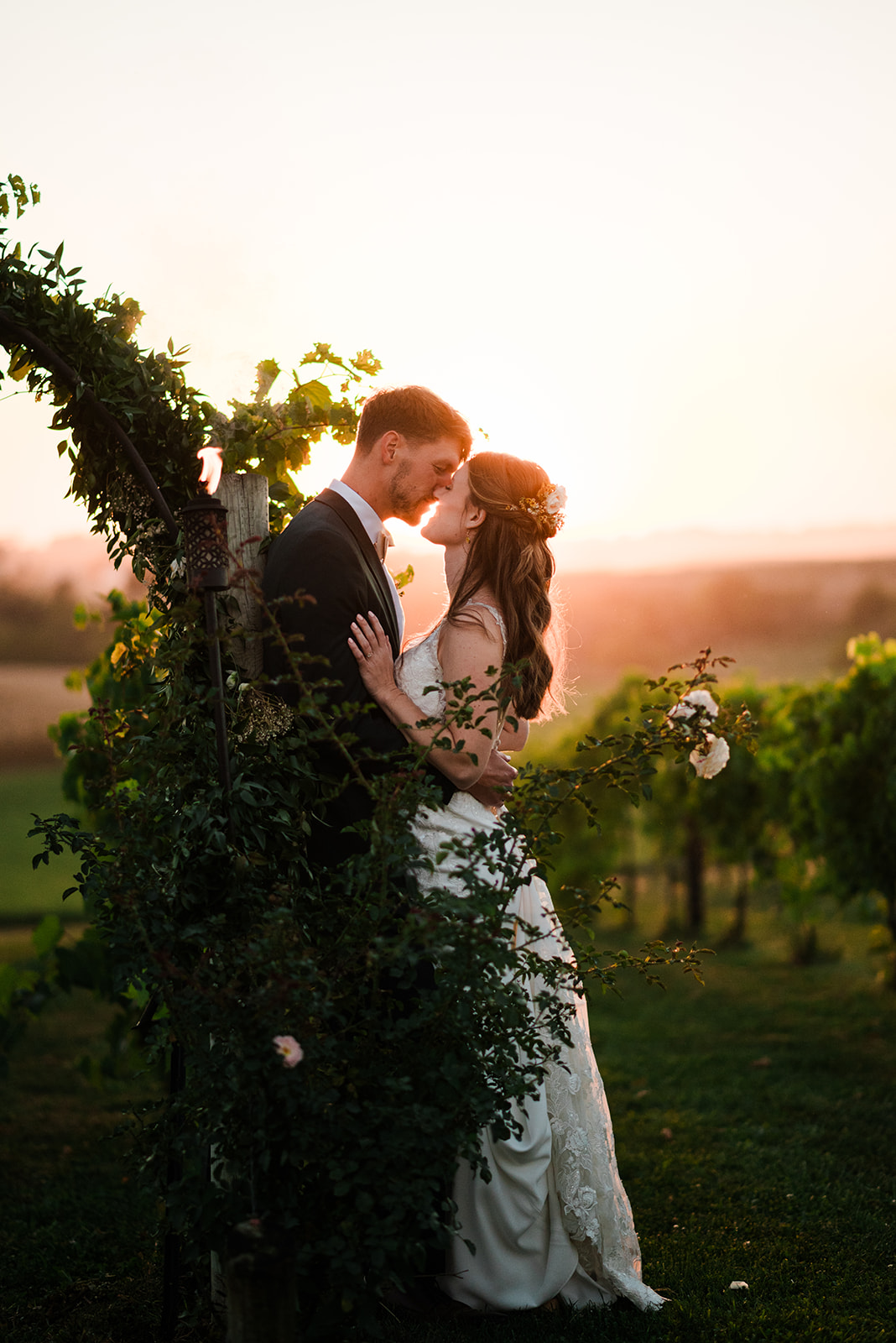
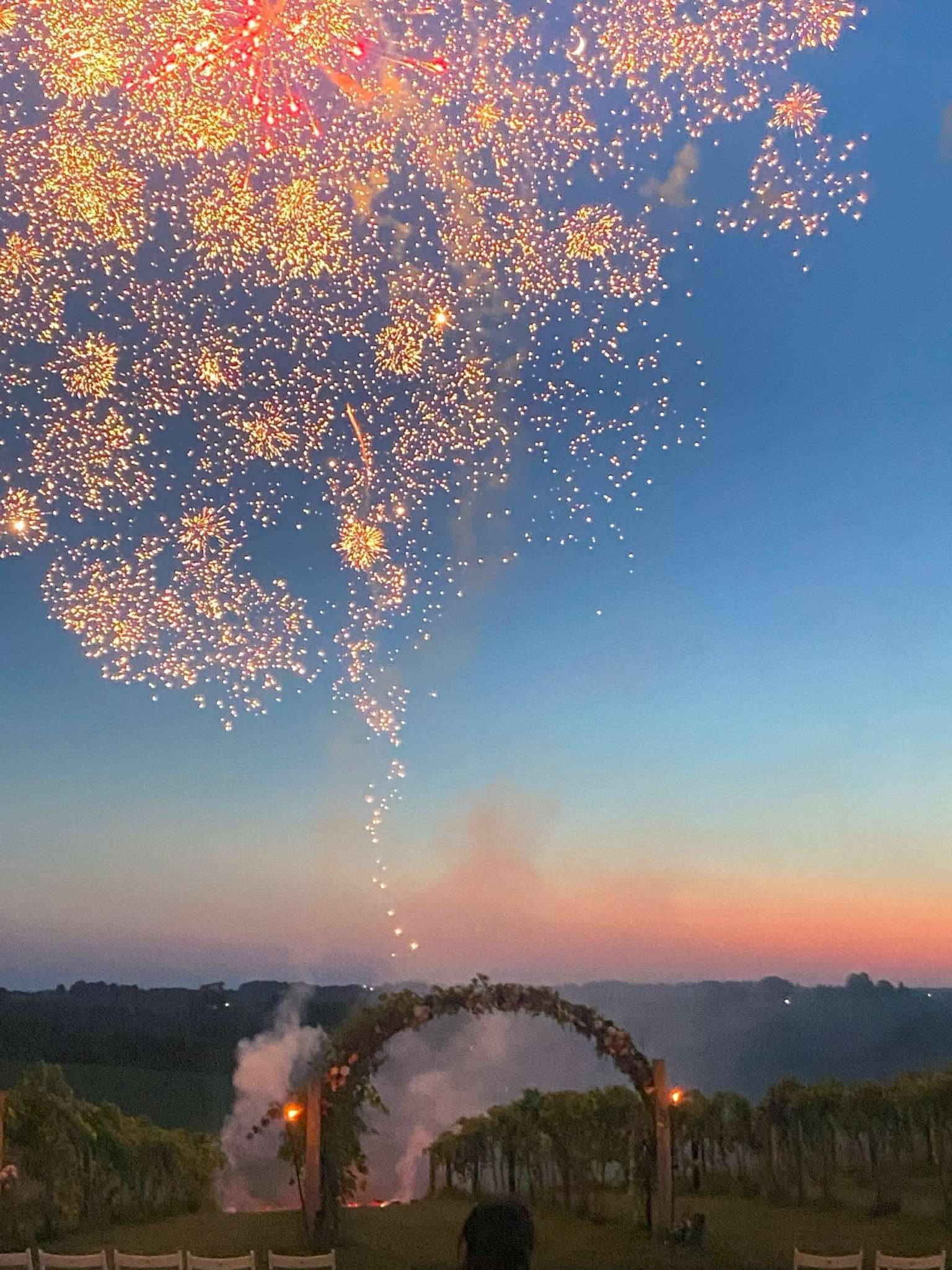
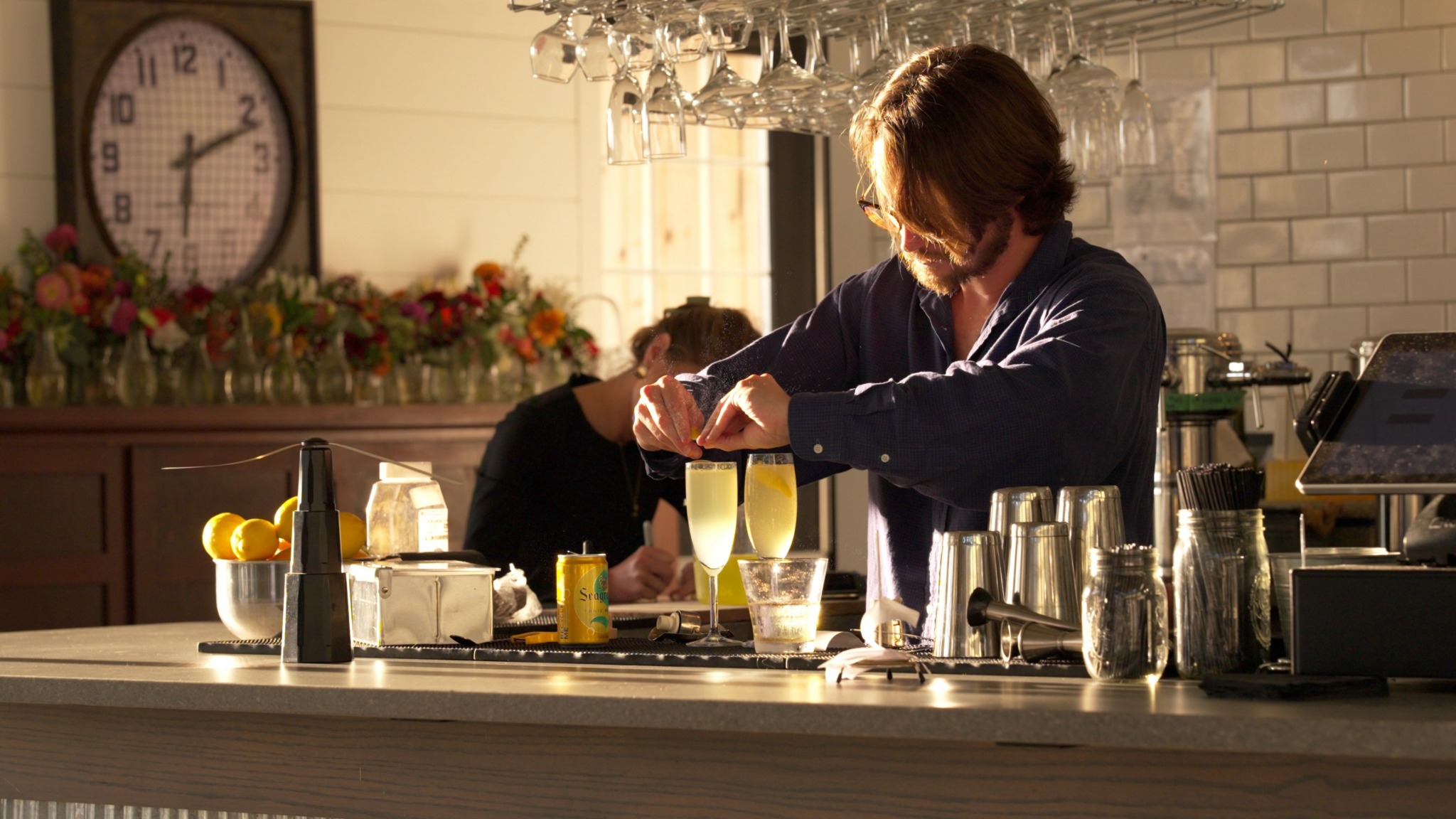
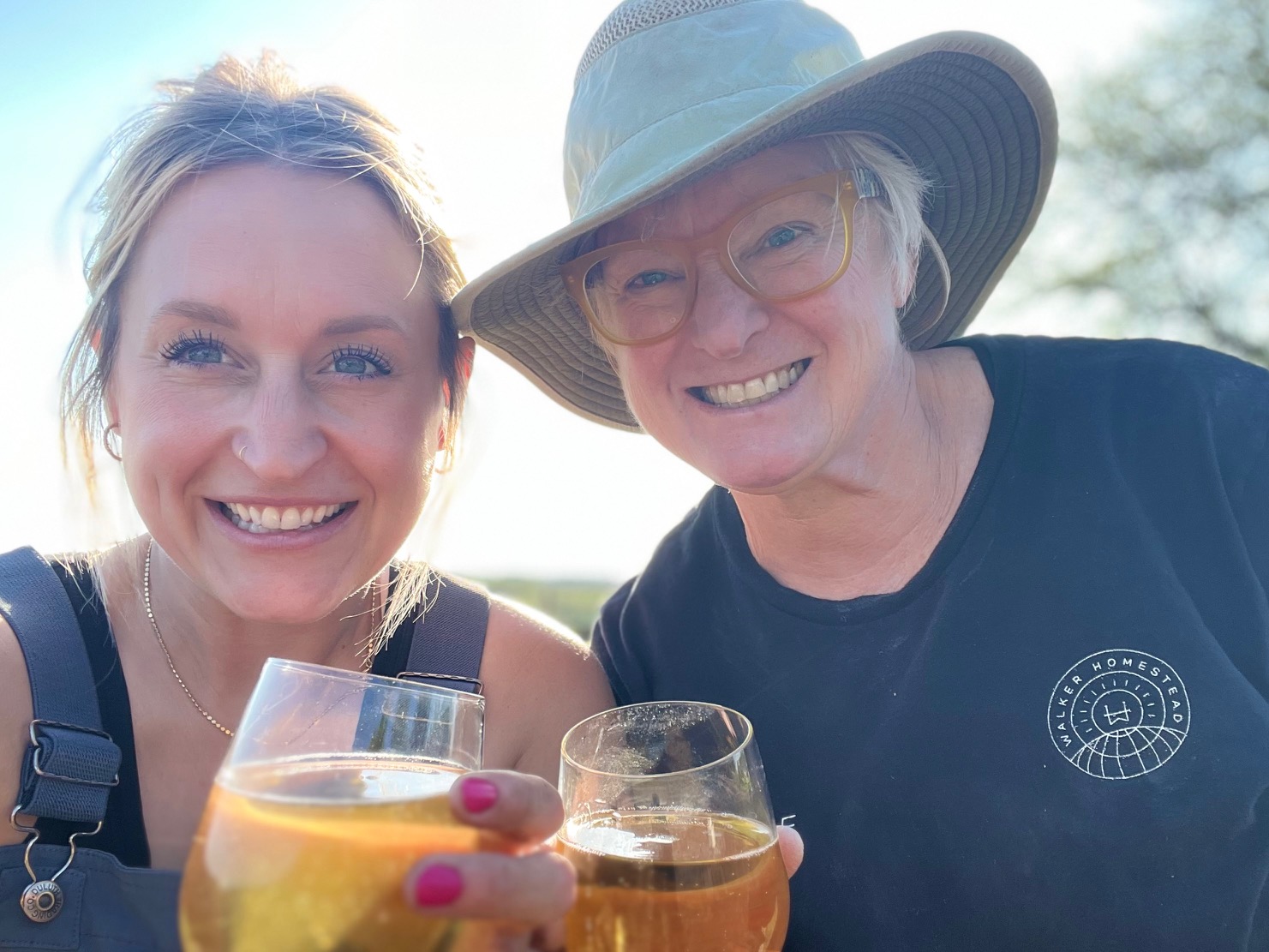
Image Credits
Our photos are in this folder: https://drive.google.com/drive/folders/1sgH54_4TjgPQr5Ivfrz42xakdTnQ9BSA?usp=drive_link