

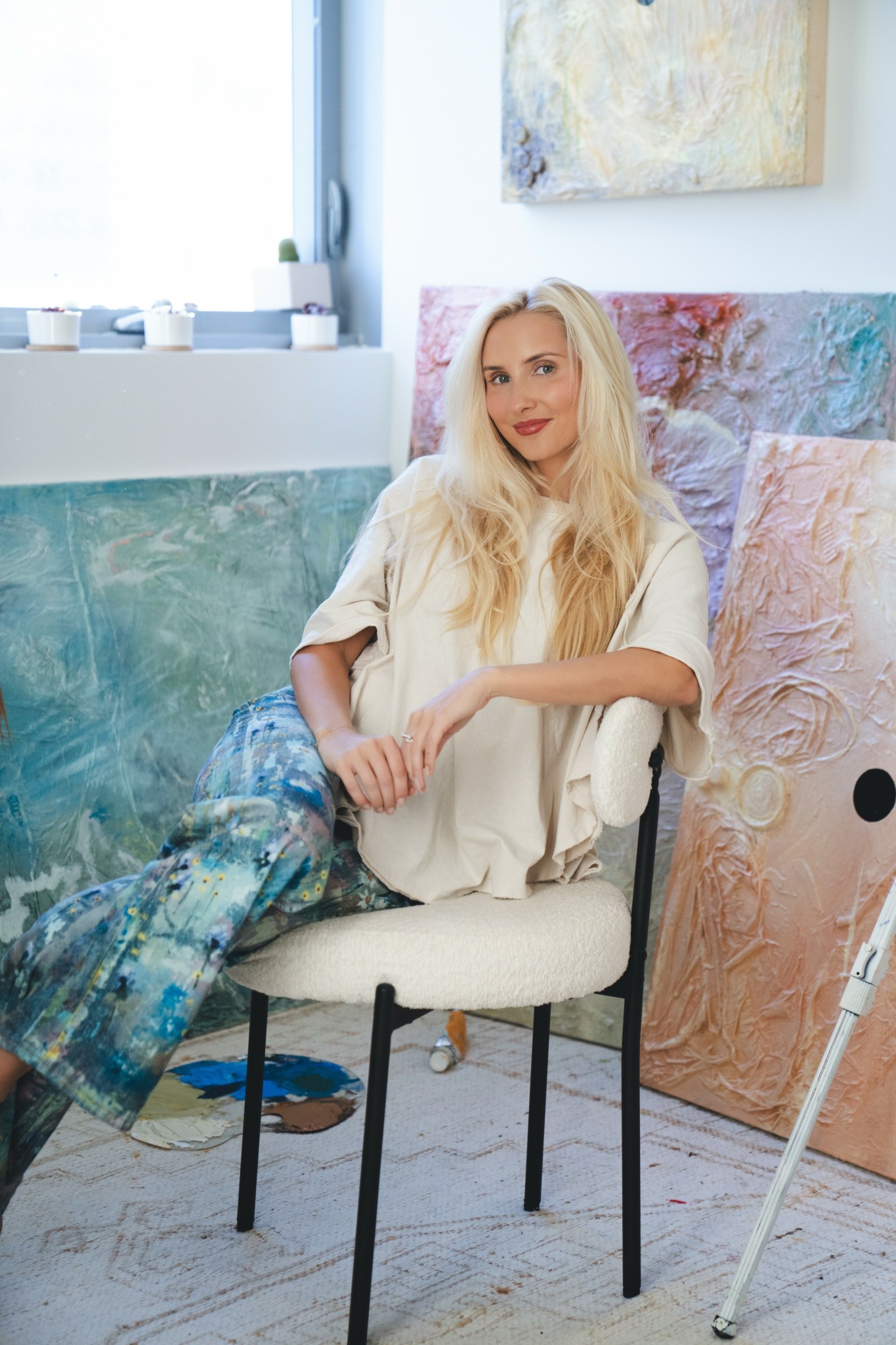

We were lucky to catch up with Kristin Konefal recently and have shared our conversation below.
Kristin, thanks for taking the time to share your stories with us today Are you happier as a creative? Do you sometimes think about what it would be like to just have a regular job? Can you talk to us about how you think through these emotions?
Yes, I am incredibly happy as an artist/creative. I’m exponentially fortunate to be able to say that I have my dream job. Over the years it has become more and more clear to me that this was the only path I was ever meant for. But that doesn’t mean I haven’t had doubts about whether I should have pursued a more traditional path.
There’s a strong sense of security that comes with a “regular job”—of course the financial stability, clear trajectory for growth, structure, and depending on the job, sometimes not really needing to put yourself out there that much. Being an artist is the epitome of putting yourself out there. In the work alone, it’s vulnerable to share your creations, opening yourself up to criticisms and analysis.
Additionally, having a social media presence seems to be a big factor in one’s success as an artist nowadays, something that can definitely feel vulnerable and uncomfortable. There have been times when I want to step away from the internet, but can’t because my livelihood depends on it. That’s definitely a time that I’ve pondered what it would be like to have a regular job.
That, and times when I’ve come to a crossroads with my work, doubting it and wanting to start over (something I’ve learned to be a natural fixture in the creative process at this point). I think to myself, “maybe if my days were spent in meetings and spreadsheets, I wouldn’t be dealing with all this internal conflict”. But then I realize that actually yes, I would—because I wouldn’t be fulfilled. Every time I sit with the question, I come back to the same conclusion: I know that I’m exactly where I’m meant to be.
Awesome – so before we get into the rest of our questions, can you briefly introduce yourself to our readers.
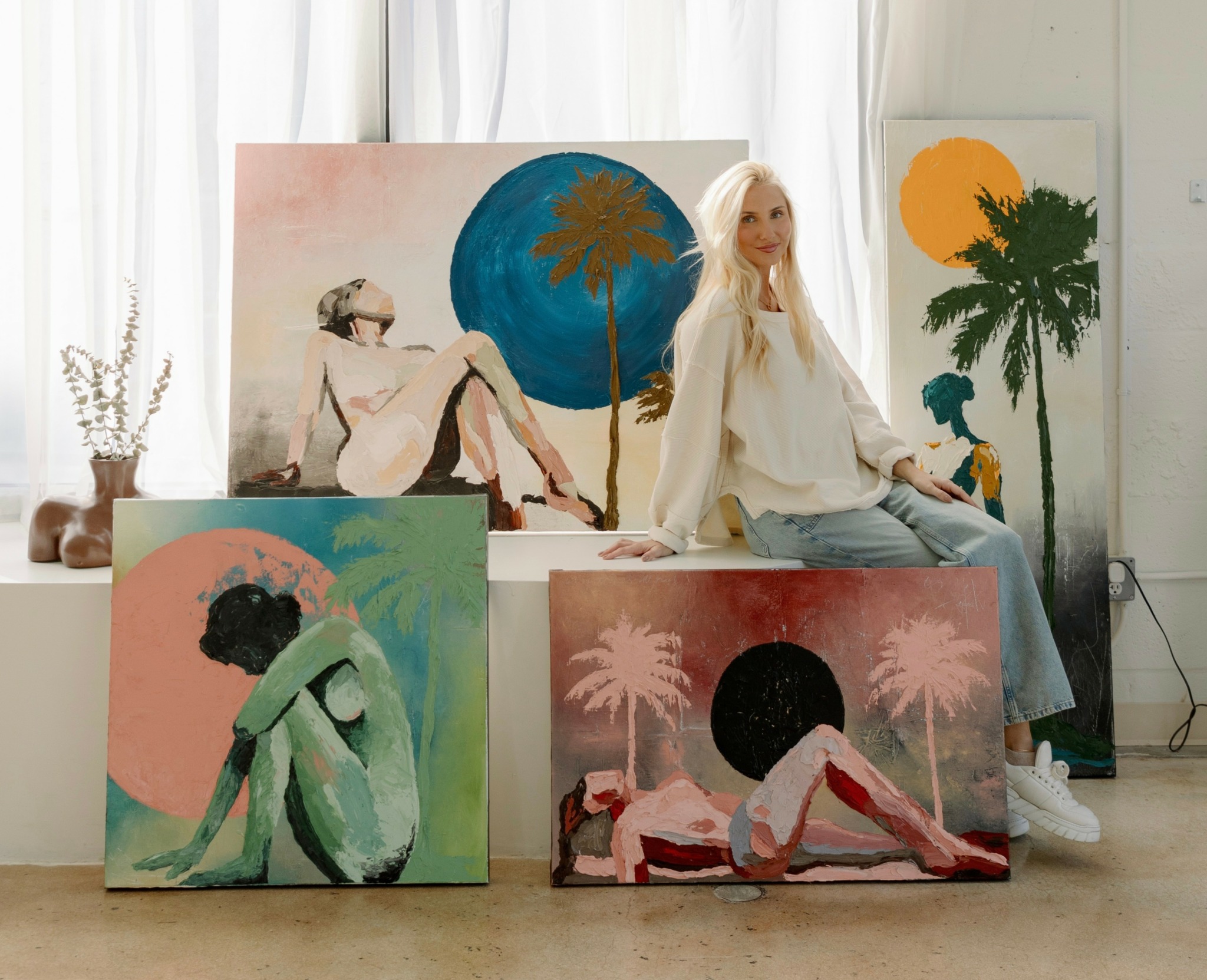
My name is Kristin Konefal and I’m a 25-year-old multidisciplinary artist and creative living in Miami, FL. From the earliest I can remember, I’ve been driven by an urge to create and express the way I view the world around me—making art has never felt optional for me.
I studied both art and advertising in college, but for a long time I shied away from pursuing art professionally due to the negative stereotypes I’d always heard about being an artist. Still, I had an art business that I started in high school, creating commissioned and original paintings, which I continued to grow as much as I could. Once it became clear that art was undeniably what I wanted to do with my life, and I felt that I had a real chance of building a career from it, I chose to abandon advertising and fully commit to my art practice.
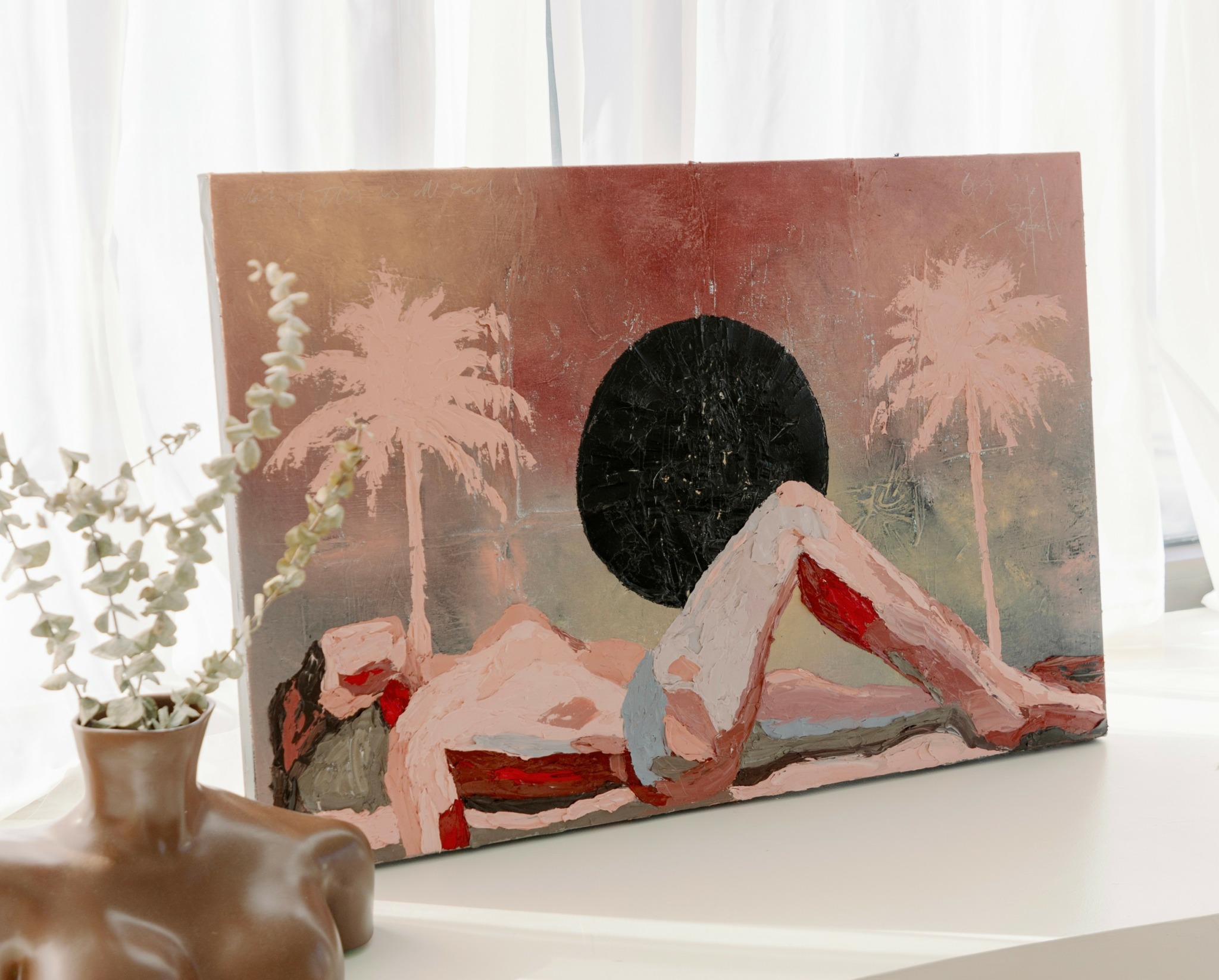
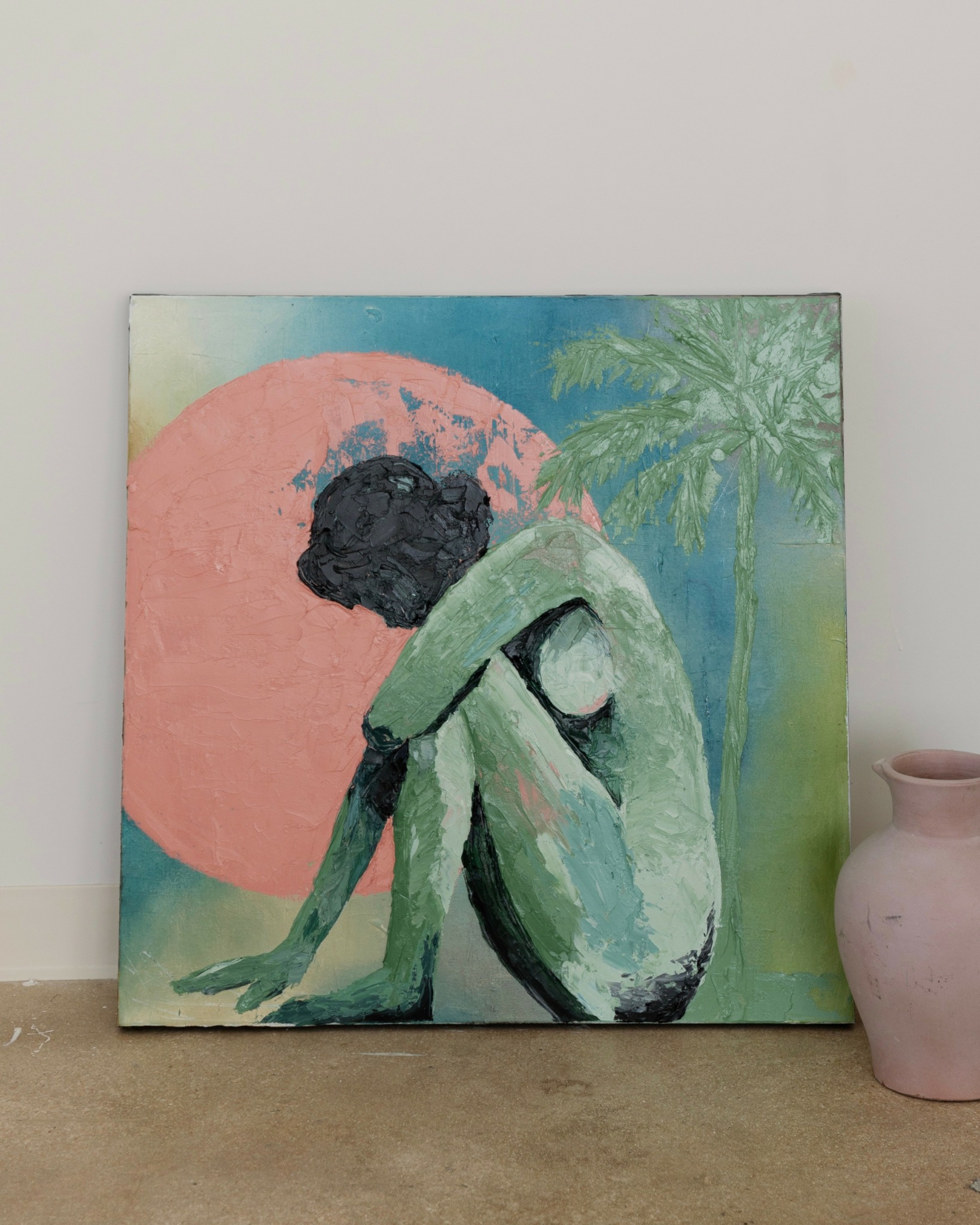
I’ve spent the last few years fine-tuning the direction I want to take my work and starting to build out the world I want to create within my portfolio, with a fun commissioned project mixed in here and there. I now focus on oil paintings about nature, the human experience, and the intersection between the two.
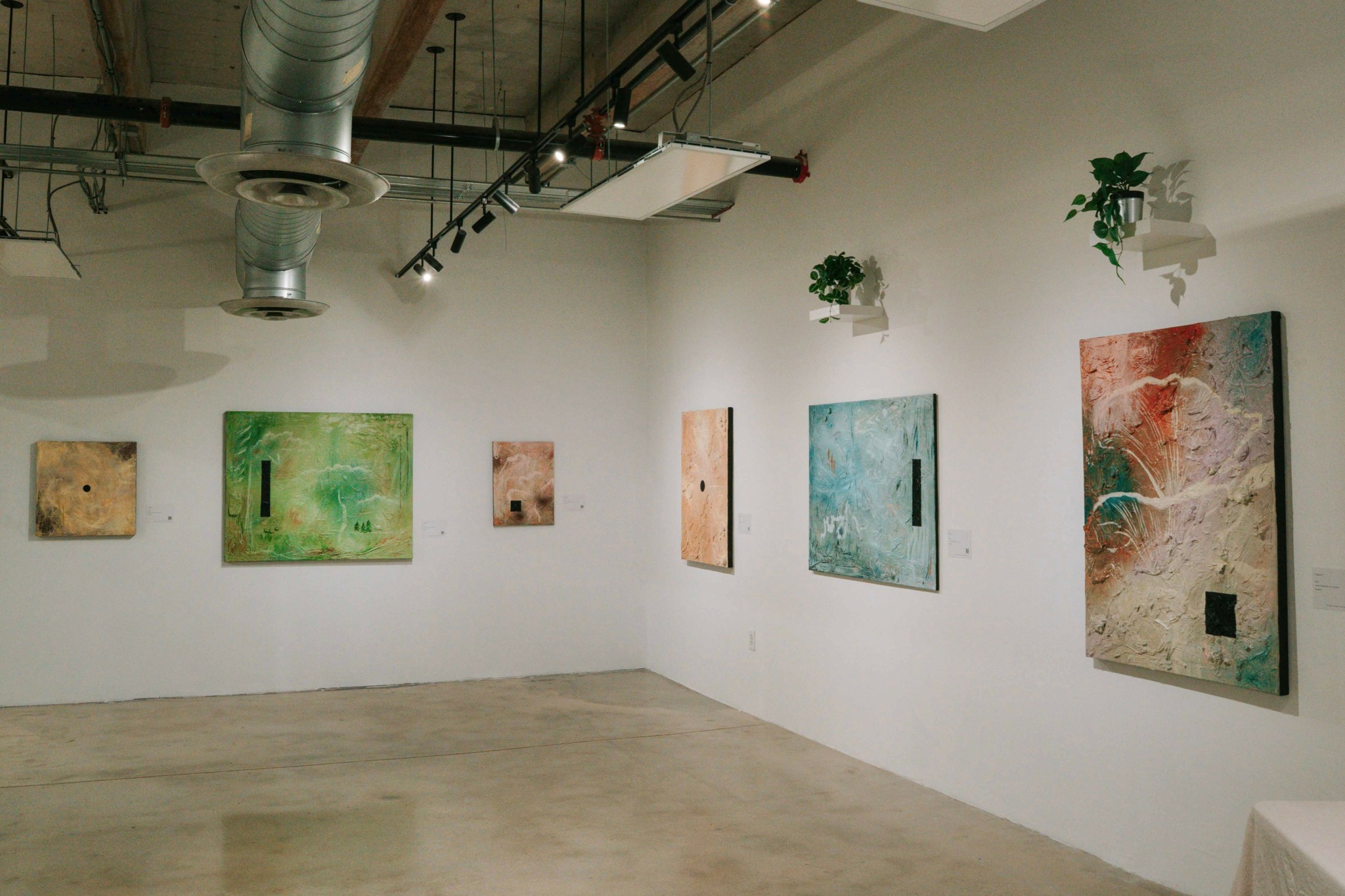
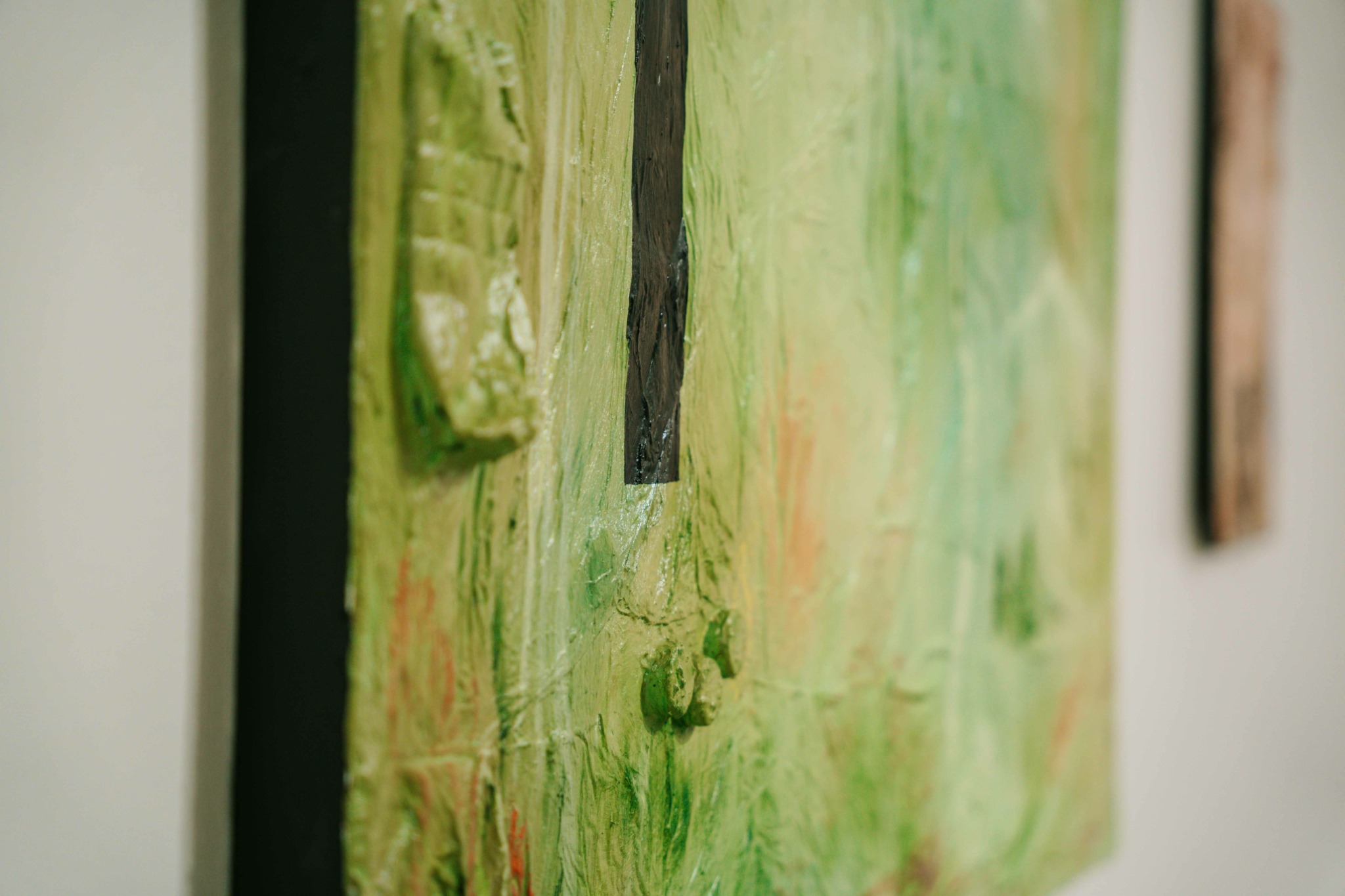
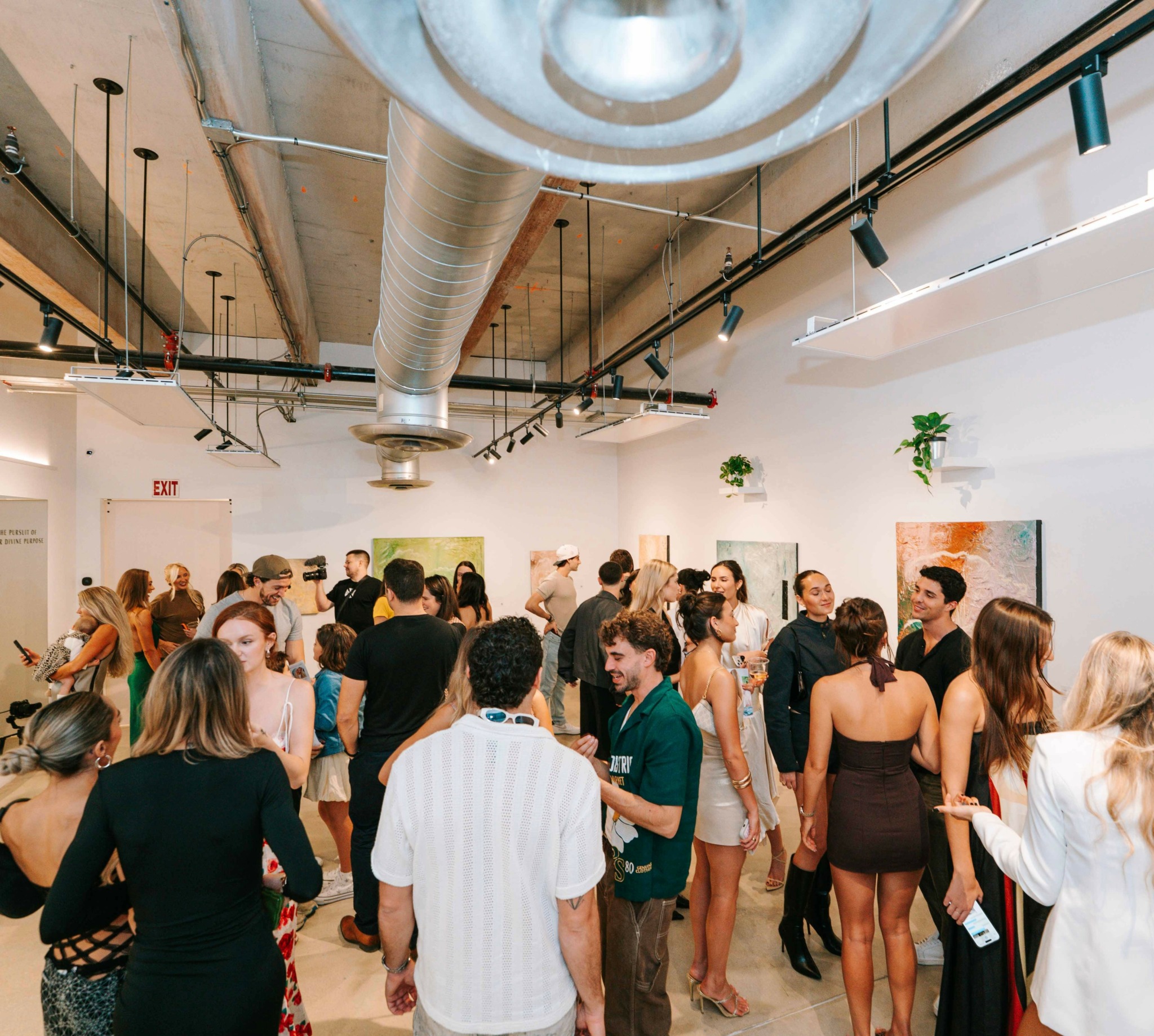
I’m most proud of my most recent collection, “reclamation”, in which I created six layered pieces collaged with trash I collected on the beaches here in Miami. The purpose of the collection was to make a statement about how we treat the earth, and leave the viewer with a hopeful message that it isn’t too late for us to make a difference in our planet’s future. This is a cause I’ve always been extremely passionate about, so I was very excited to bring a concept like this to life. A portion of the sales from each piece were donated to Ocean Conservancy to support ocean protection and waste reduction efforts.
At the core of my practice is a commitment to creating intuitively and thoughtfully. I want people encountering my work to know that it’s rooted in intention, care, and curiosity—and that each piece is an invitation to slow down, look closer, and reconsider the value of what we often overlook.
In your view, what can society to do to best support artists, creatives and a thriving creative ecosystem?
I think one of the most impactful ways society can support artists and foster a thriving creative ecosystem is by actively valuing human creativity—both culturally and economically. That starts with individuals, organizations, and especially large brands choosing to collaborate with real artists rather than defaulting to automation or AI for creative outcomes. There’s an irreplaceable depth, intuition, and emotional intelligence that comes from human-made work. When brands invest in artists, they’re not just purchasing visuals—they’re supporting lived experience, perspective, and craft.
Beyond that, meaningful financial support and institutional backing make a huge difference. Programs like Ireland’s basic income initiative for artists, which provides creatives with a guaranteed minimum salary, signal something important: that art is real work, and artists deserve stability while contributing to culture. Systems like this allow creativity to flourish by giving artists the security to take risks, experiment, and grow.
Equally important is encouragement. Many artists internalize the idea that their path is impractical or unsustainable long before they ever give themselves a real chance. Normalizing creative careers, investing in arts education, and celebrating artists helps create an environment where creativity is seen as essential rather than optional.
Ultimately, society needs to trust in artists—trusting human imagination over shortcuts, and recognizing that a healthy creative ecosystem enriches everyone, not just those working within it.
Can you tell us about a time you’ve had to pivot?
One of the biggest pivots I’ve made happened just weeks before a deadline to display my work at a restaurant here in Miami during Art Week. I had been working on a collection of paintings for months, but as the deadline drew nearer, something felt off. I hadn’t fully clarified the vision or meaning behind the work, or the kind of work I wanted to be putting out, and that disconnect became impossible to ignore. With only about two weeks left, I had a strong intuition to completely paint over every piece and start fresh in a new direction. This was incredibly daunting after spending so much time on the work and also having very little time left to get them to a place I was confident with. While it created an intense time crunch, it also brought clarity around what I did want to be making. That experience taught me that time spent on something doesn’t obligate you to keep going if it no longer feels right. Sometimes it takes going in the wrong direction to reveal the right one. It was a necessary part of the creative process, and ultimately allowed me to arrive at work and future direction that truly felt aligned.
Contact Info:
- Website: https://kristinkonefal.com
- Instagram: https://instagram.com/kristincreating
- Other: https://tiktok.com/kristinkonefal
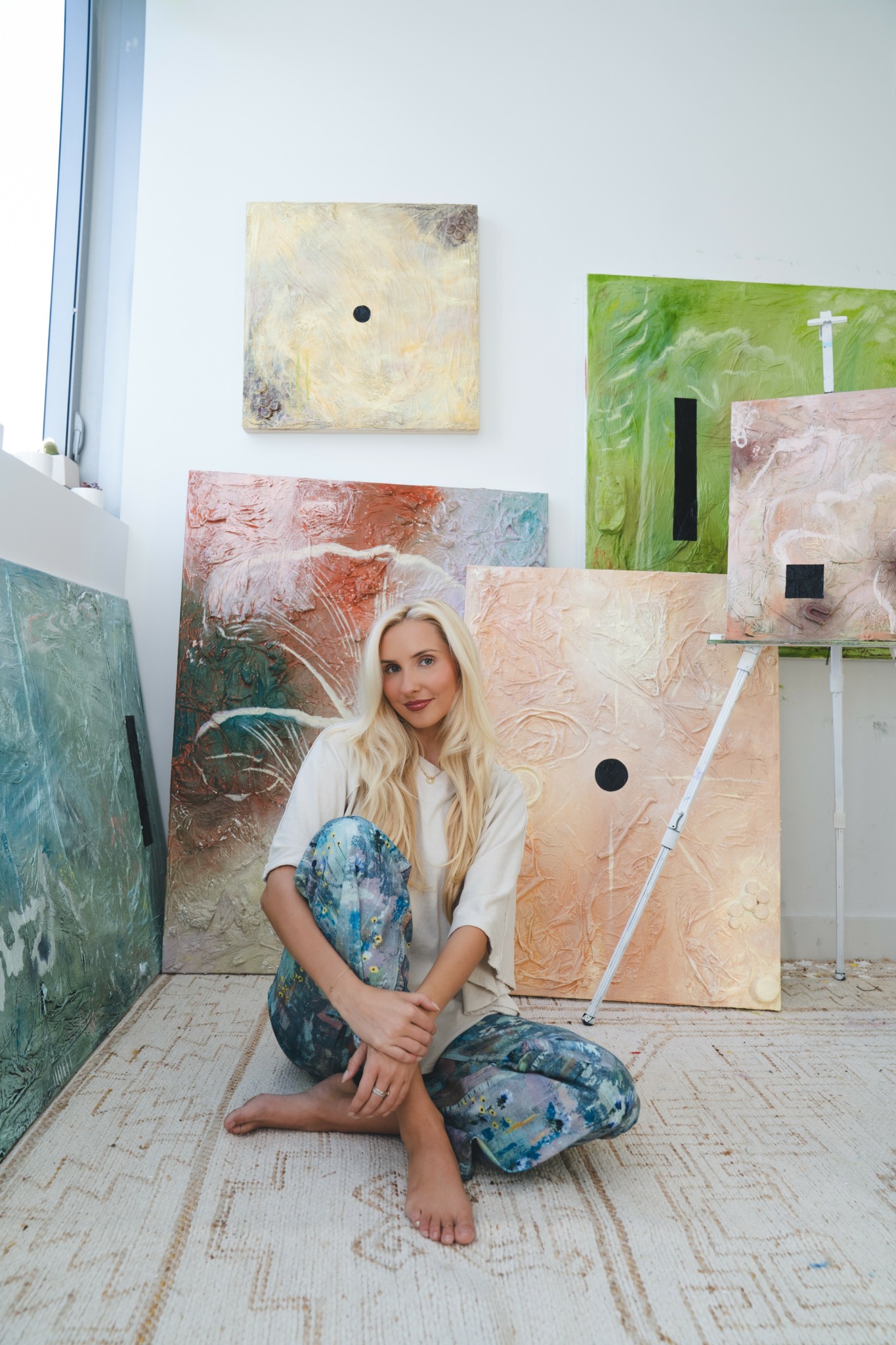
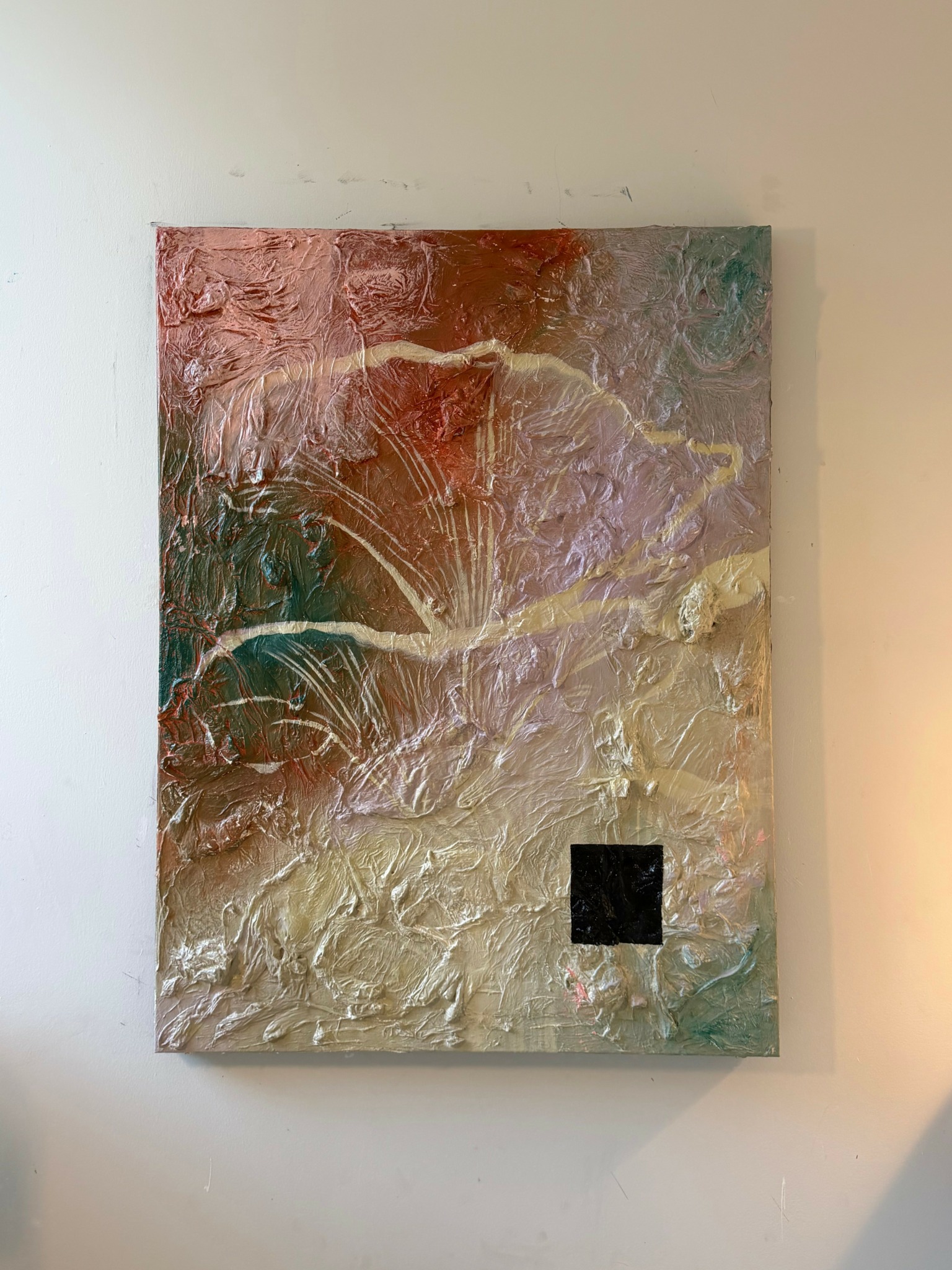
Image Credits
Isa Larano
Deb Lee