
We recently connected with Kristen Dorsey and have shared our conversation below.
Kristen, looking forward to hearing all of your stories today. Do you wish you had started sooner?
Although I dearly wanted to go to college after high school as an art major, there were four kids in my family, and money was tight. I began to explore alternative ways to get an art education and enlisted in the USMC for a four-year tour of duty that included a year in Okinawa, Japan.
The Marine Corps offered me a chance to work as a Visual Information Specialist, sent me to training for that job (known as an MOS or Military Occupational Specialty), and paid part of my undergraduate college tuition. As a Visual Information Specialist, I was part of a team that translated complex, often highly classified program data into visuals for briefings and conferences.
I also had the usual Marine Corps training and experiences: boot camp, rifle range, physical fitness training and testing (PFT), drill (marching in formation), navigation training, company inspections, and the like.
As many creatives know, working as a graphic designer is a far cry from the profound self-expression that immersion in the fine arts provides. However, I believed, as reinforced by my parents and close friends, that focusing on my fine art would mean choosing between passion and food — that seemingly evergreen Starving Artist trope.
So, after my honorable discharge from the USMC, I continued to paint on weekends and was recruited by the Defense Intelligence Agency (DIA) and the CIA, including serving on the Joint Chiefs of Staff Briefing Team at the Pentagon in Washington, DC. There, I continued my commercial career as a computer graphics designer and animator for the Department of Defense (DoD) for an additional 10 years.
That life made my parents proud and gave me a lot of clout and airtime at cocktail parties, but inside I felt abraded. I was grappling with existential questions: Was giving my creative life-juice to the War Machine what I really wanted to do? Yes — I am proud to have served my country as a Marine and a Civil Servant, but could that sustain and nourish my deepest aspects of self? I found my love of art as a toddler, and it has been the common thread that structures the fabric of my life. I knew I could not go on working for the DoD.
I left that world, and I wish I’d had the conviction and courage then to push into my fine art career. Fourteen years of military and civil service had given me the discipline and real-world experience I needed. Instead, I launched a small freelance graphic design and website company, and continued to paint in my (very sparse) free time. Freelance design is a tough career choice, and frankly, not that inspiring to me. It felt like more of the same grind. I was forced to do other work to keep the lights on.
Here is where I will say this to up-and-coming creatives: I think of how hard I worked for others — the long hours, the overtime, the creative and energetic output — and I wish I had applied that work ethic to my fine art career. Career success requires hard labor, whether for myself or another company. I wish I’d invested in myself at that point.
Finally, in my 40s, I shifted my career out of graphic design and had more creative energy for my fine art. I painted and participated in local art shows, taught dance and choreography, and in 2017, moved to Leland, NC, to enroll in UNCW’s Creative Writing Program, where I earned my graduate degree in nonfiction writing.
There, I wrote a 300+ page manuscript detailing the loss of my husband to prescription opioid addiction and my own healing process through art and nature. I’ve since gotten an agent for that book, and it is currently being reviewed by several small presses for potential publication.
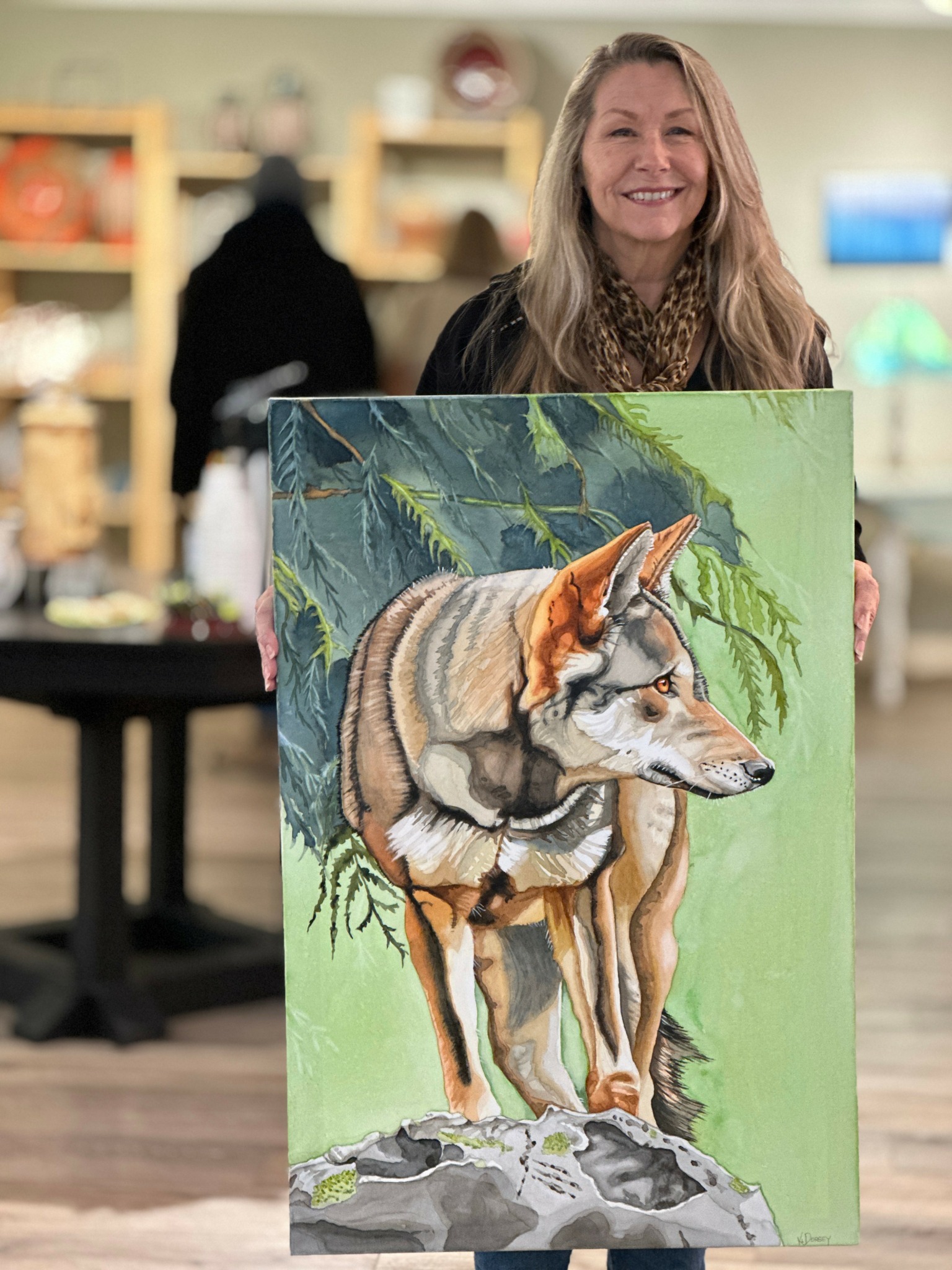
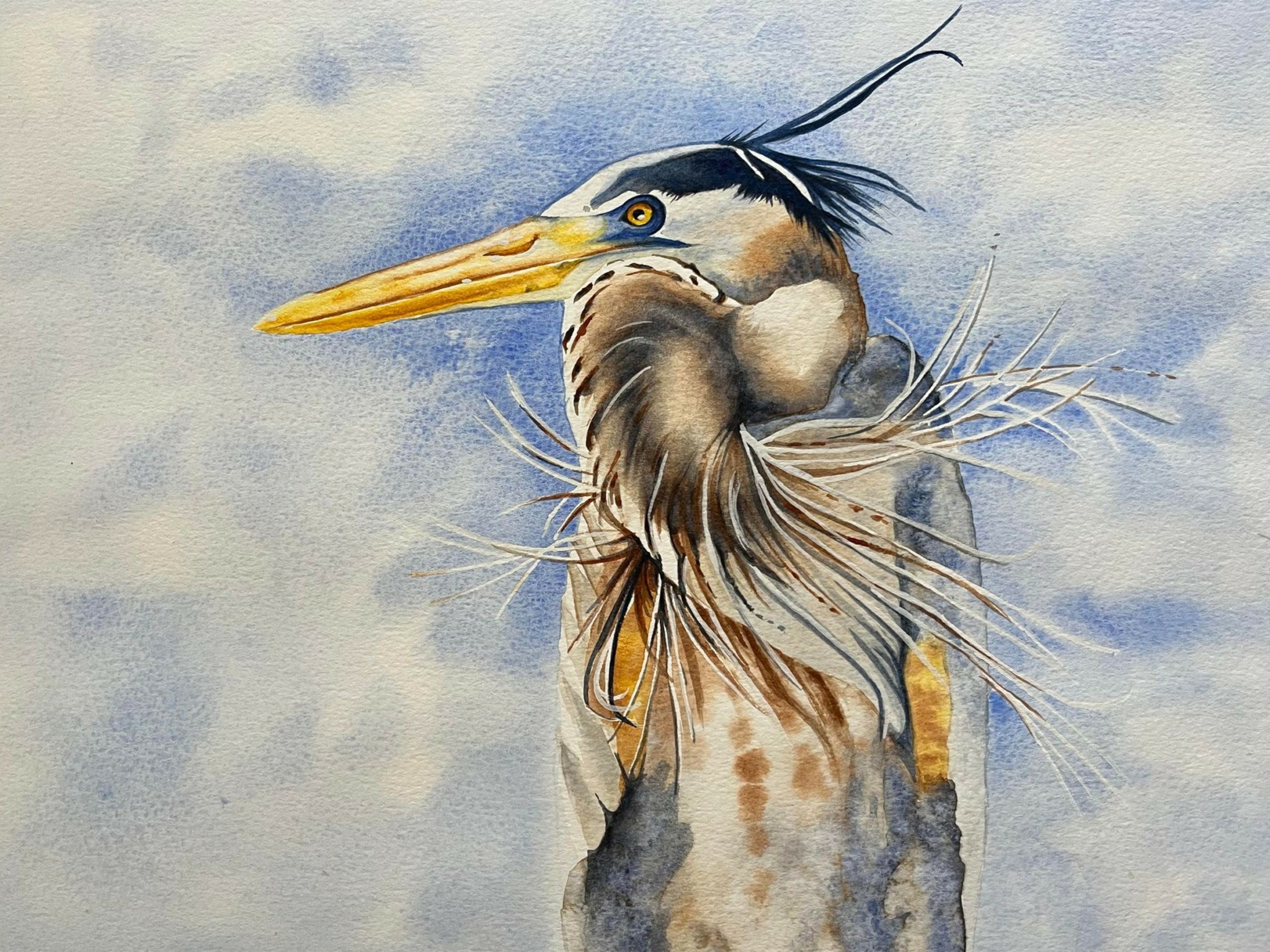
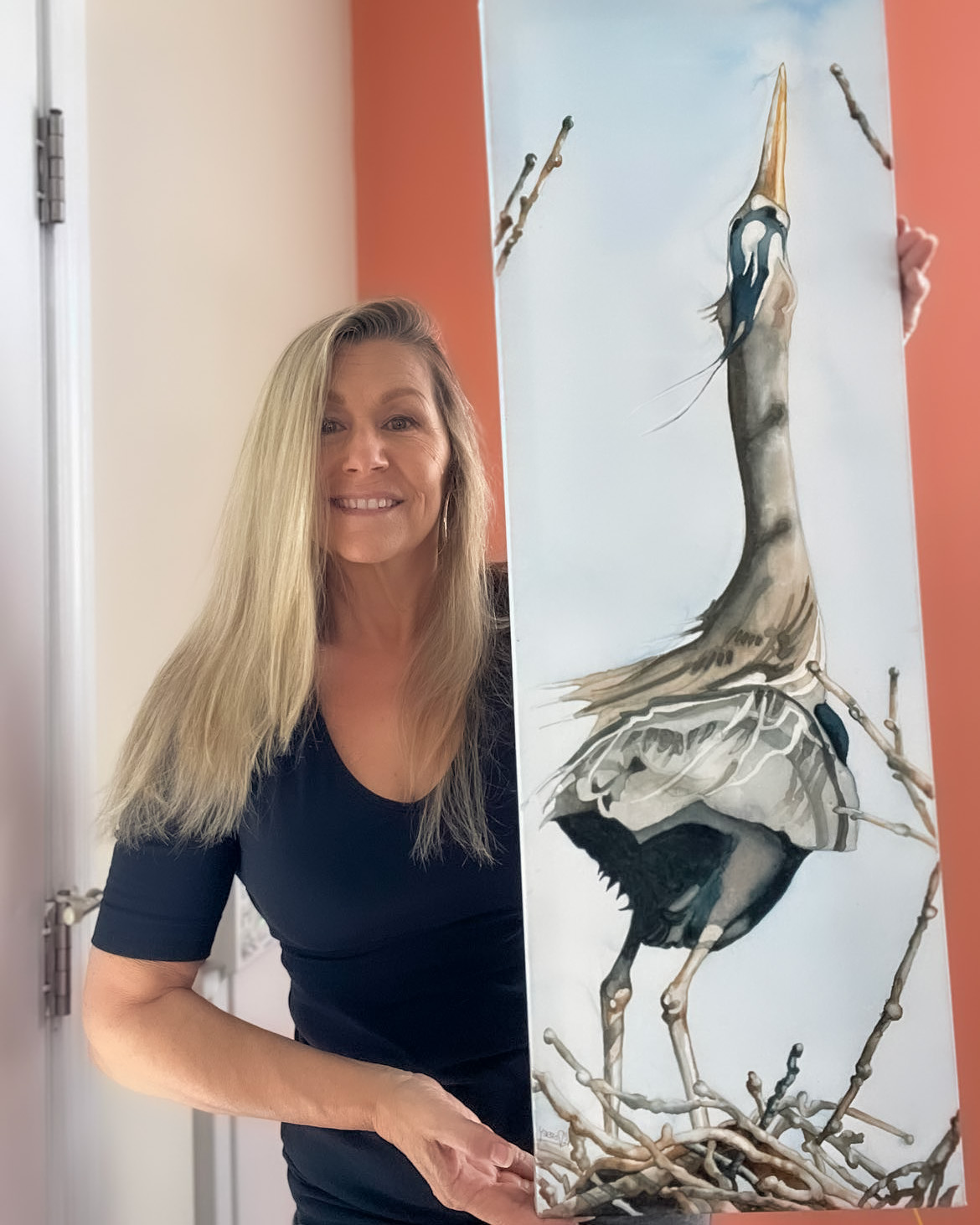
Now, my career focus is painting original watercolors on canvas, and building natural-object assemblages featuring our gorgeous and endangered local flora and fauna. I also teach art and writing, and exhibit in local art shows and galleries.
It is hard work, and I work as many (or more!) hours as I ever did, and that makes me wonder where I would be today if I had offered this level of self-commitment years ago when I left the DoD.
As always, we appreciate you sharing your insights and we’ve got a few more questions for you, but before we get to all of that can you take a minute to introduce yourself and give our readers some of your back background and context?
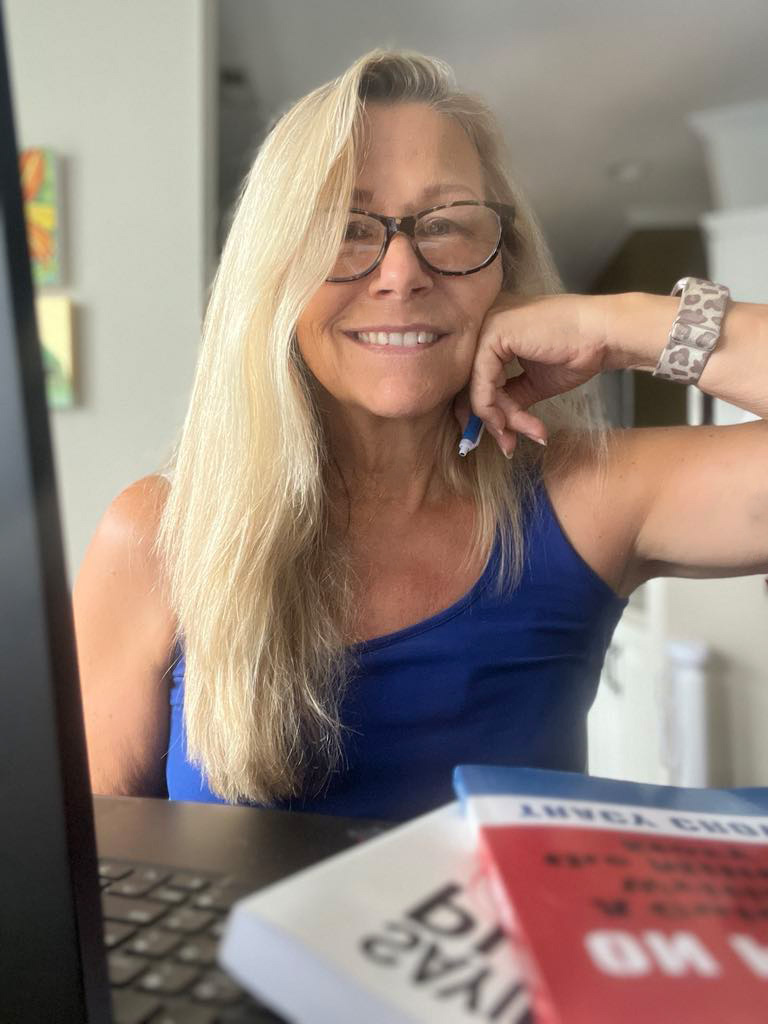
I am a lifelong creative who spent decades squeezing myself into careers that paid the bills but abraded something essential. The USMC. The Pentagon. Graphic design. All of it useful, all of it formative — and none of it the thing I actually was.
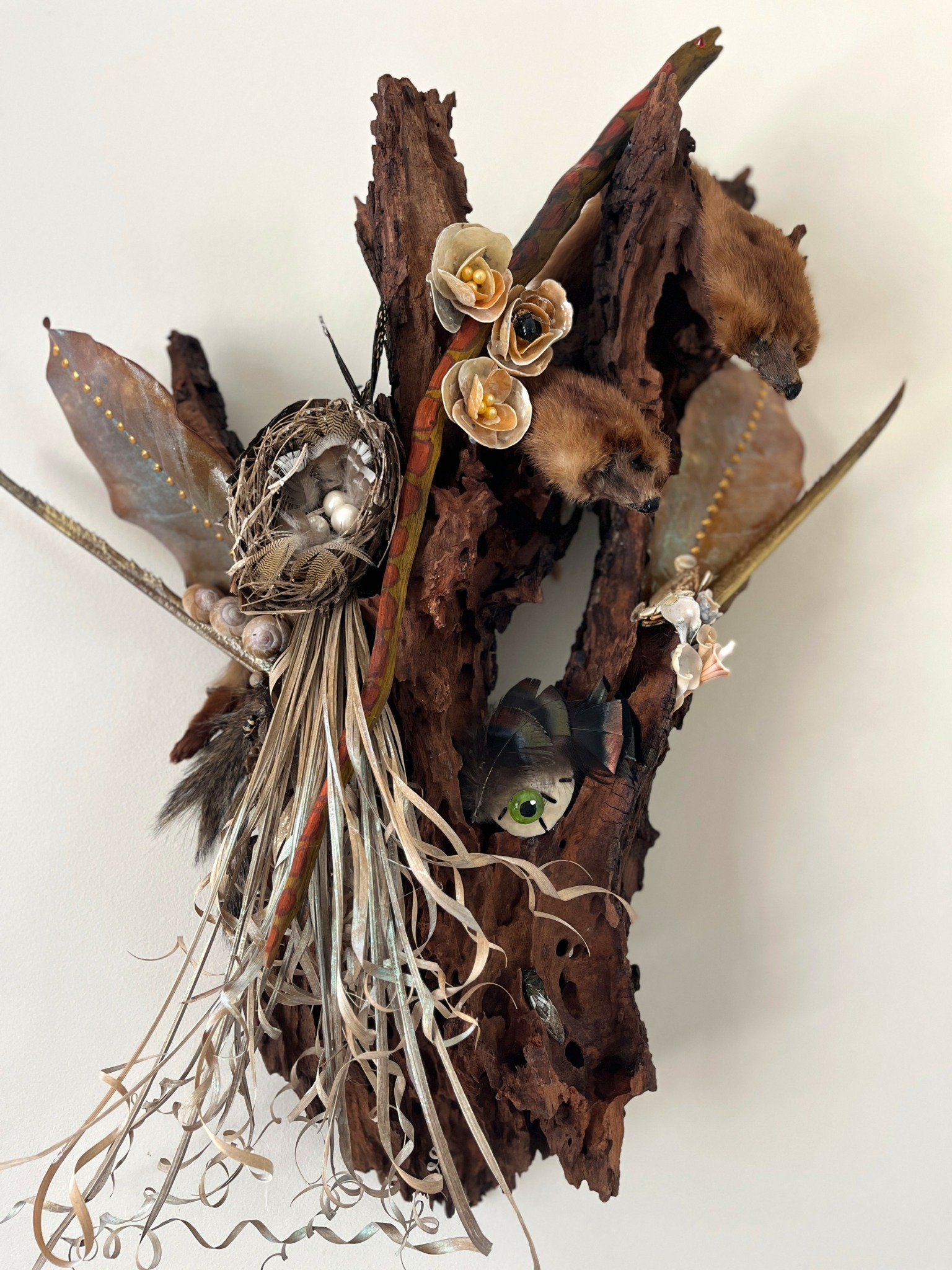
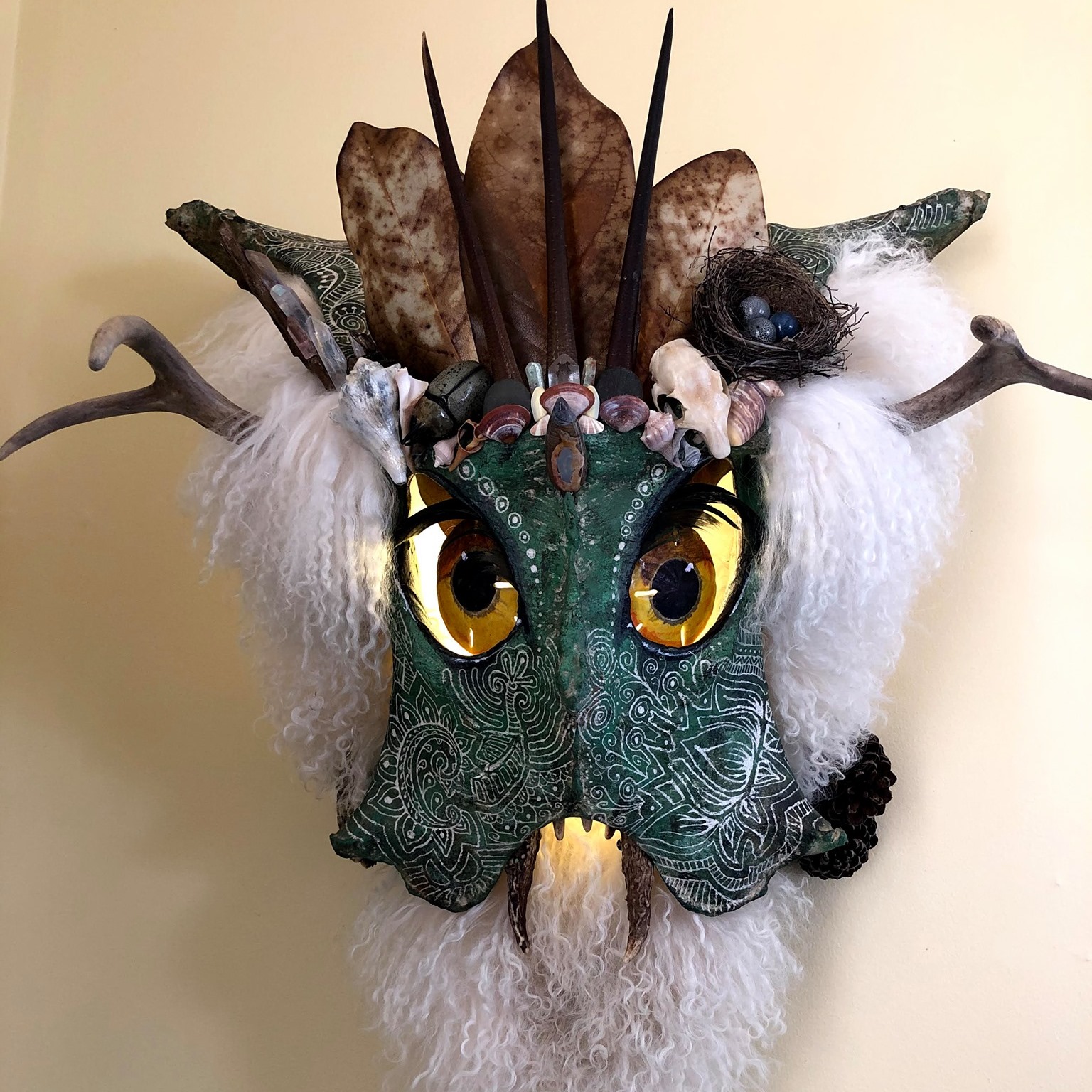
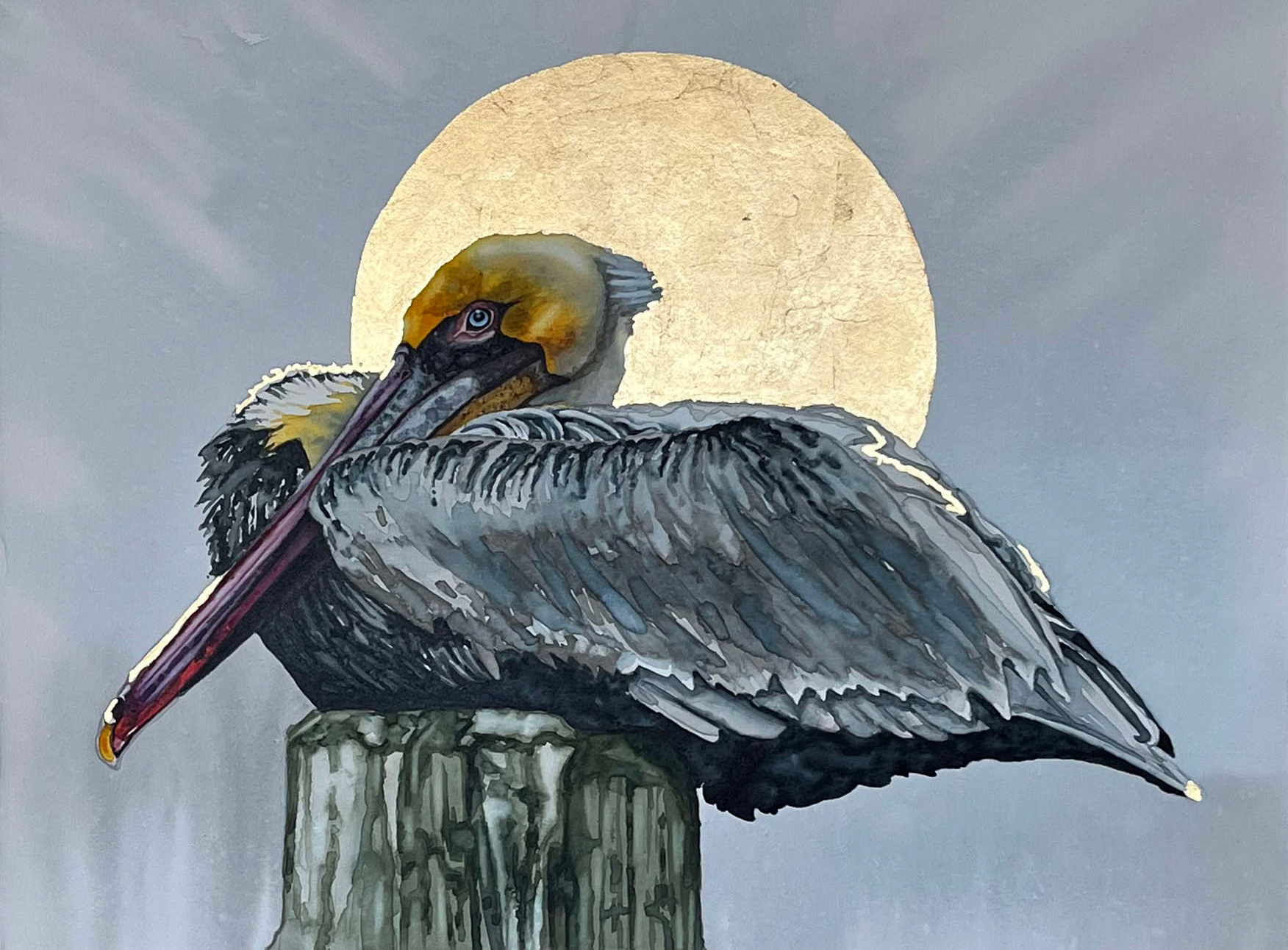
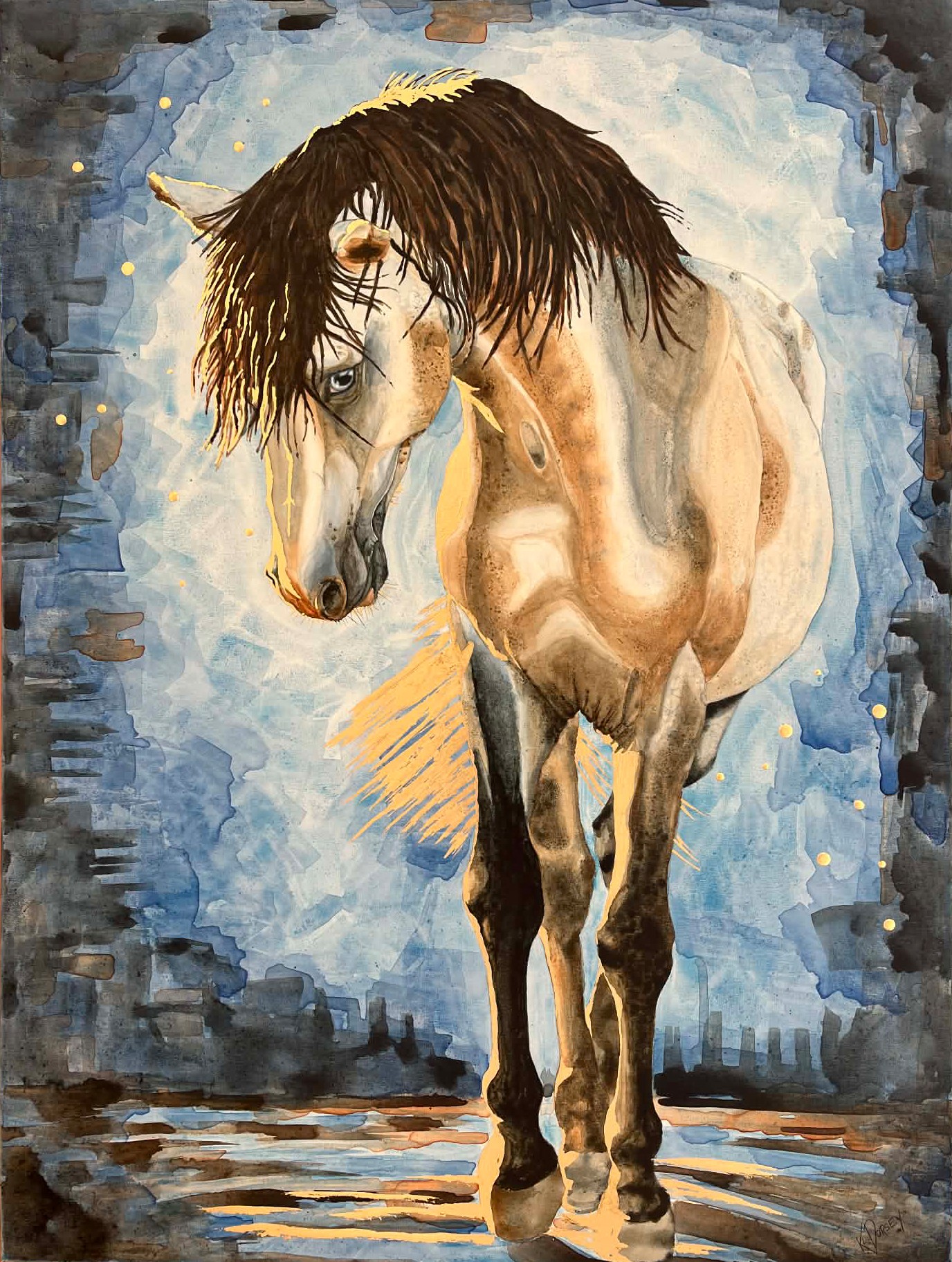
What I am: a watercolor painter of wildlife and a maker of natural-object assemblages built from found wood, bones, feathers, shells, and the residue of living things. My subjects are almost always at a threshold — water meeting air, earth meeting sky, the edge of somewhere else. I paint their eyes first, always, so we can watch each other as they emerge. My assemblages are reliquaries — sacred containers honoring the residue of living things, each one featuring a bird’s nest and a snake-stick as signature elements.
My mission is simple, and it took me decades to name it clearly: it’s hard to destroy what you love. I want people to love the creatures and landscapes I paint. Not abstractly — specifically. This heron. That wolf. This kingfisher. When you’ve looked into another being’s eyes, something changes.
I am equally a writer. My creative nonfiction has earned two Pushcart Prize nominations and a finalist recognition in the Charlotte Lit/Lit South Awards. My memoir — about loss, addiction, and healing through art and nature — is represented by an agent and currently under consideration at publishers. For me, painting and writing are the same act: both are ways of learning to see.
I teach art to fellow veterans and others through the Veterans Creative Arts Program (VCAP) and at various galleries. I exhibit regionally. What sets me apart: I don’t paint decoration. I paint relationship. Every piece is an invitation to actually see what’s still here before it’s gone.
What I’m most proud of is still showing up — to the canvas, to the teaching, to the work — after everything life has asked me to carry.
Is there mission driving your creative journey?
My mission has three threads that weave into a single whole.
The first is teaching people to see — not just to look, but to actually receive what’s in front of them. When someone truly sees a creature, a landscape, a living thing, something shifts. Empathy follows vision. You cannot unsee what you have genuinely seen.
The second is the preservation of our Earth home. We are in the midst of a mass extinction, and I believe art is one of the most powerful tools we have to fight it. It’s hard to destroy something you love. My work tries to make people fall in love — specifically, personally, irreversibly — with what is still here and still worth protecting.
The third is connection. The more I pay attention to the natural world, the more I understand that the boundaries we draw between human and animal, between self and other, are thinner than we comprehend. We are all — every creature, every ecosystem — more alike than different. More connected than separate. More dependent on each other than our culture wants to admit.
These three things are not separate missions. They are one mission approached from three directions.
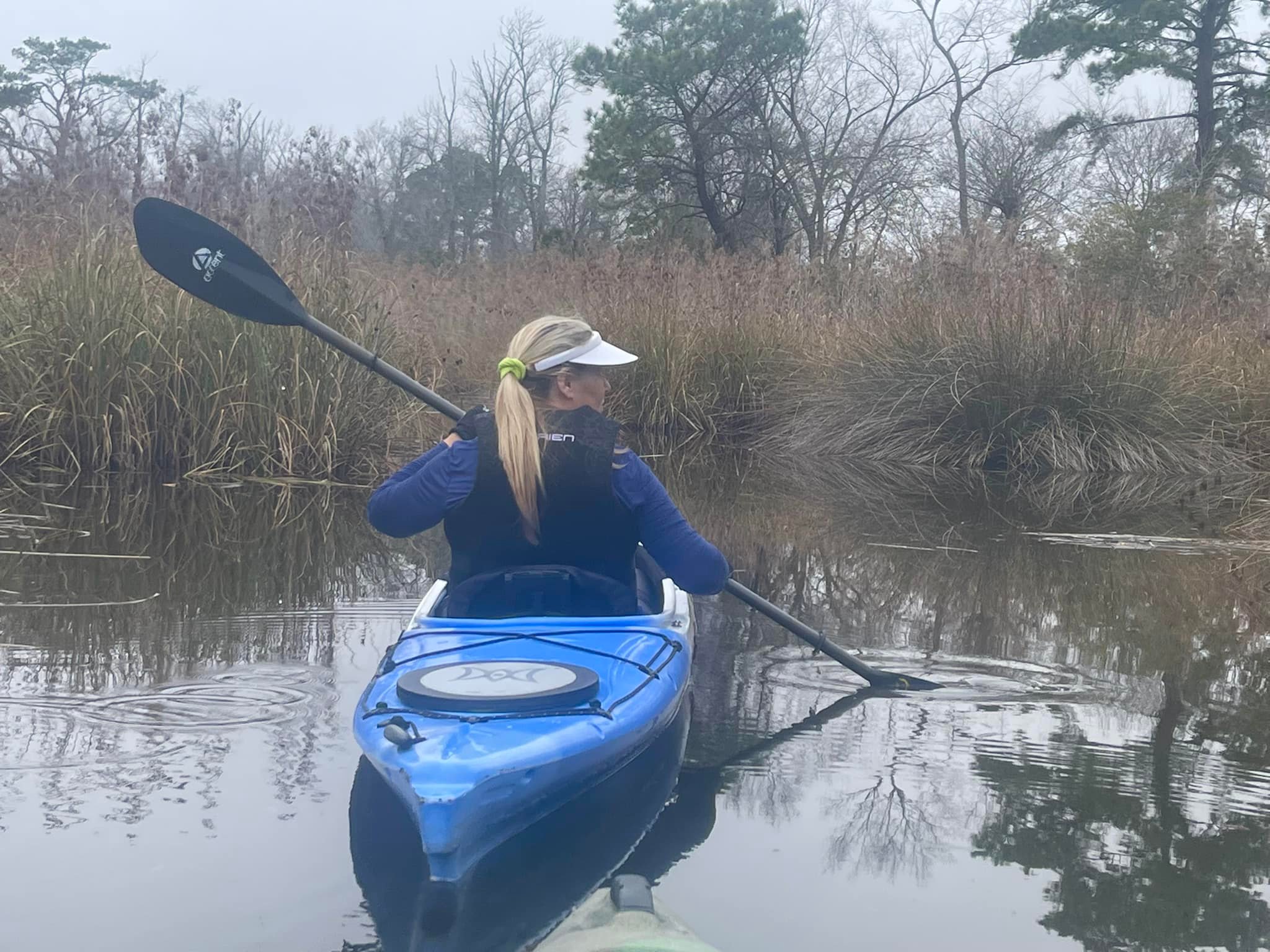
What’s a lesson you had to unlearn and what’s the backstory?
The lesson I had to unlearn was the Starving Artist trope — the deeply embedded cultural lie that passion and having food in the pantry are mutually exclusive. That choosing your creative life means choosing poverty, instability, and impracticality. That the responsible thing, the adult thing, is to offer your best energy to someone else’s vision and create on weekends if there is any juice left for creating.
I believed it. My parents believed it. The world around me reinforced it at every turn. And so I spent decades giving my best hours to the War Machine, to corporate clients, to other people’s deadlines — while my real work waited.
What I know now: there is no greater gift to yourself or to the world than true self-expression. Not performance. Not product. Not content for an algorithm. The thing that only you can make, made with full commitment
The world does not need more decoration. It needs more people willing to show up completely — to the canvas, to the page, to whatever form truth takes — and to offer it without apology.
I wish I had learned this sooner. I’m grateful I learned it at all.
Contact Info:
- Website: https://www.kristendorseyartist.com/
- Instagram: https://www.instagram.com/kristendorseyartist/
- Facebook: https://www.facebook.com/KristenDorseyArtist
- Linkedin: https://www.linkedin.com/in/kristendorseyartist/