



Alright – so today we’ve got the honor of introducing you to Krista Gordhamer. We think you’ll enjoy our conversation, we’ve shared it below.
Krista, appreciate you joining us today. Earning a full time living from one’s creative career can be incredibly difficult. Have you been able to do so and if so, can you share some of the key parts of your journey and any important advice or lessons that might help creatives who haven’t been able to yet?
I’ve always wanted a career in creativity, but I didn’t start out there. While in art school, I fell into a corporate insurance job where I worked for nearly a decade. I was eventually laid off and decided I was going to apply my art degree to a new career in art education. I enrolled in a graduate program to earn my teaching license and then worked as an art teacher for 5 years – my first year at a high school in South Minneapolis, my last 4 were at a K-8 charter school in Ham Lake.
I loved teaching at the second school at first, but the world really changed in the early spring of 2020, as we are all familiar with. Going back to school to teach was never the same and left me feeling unfulfilled and depressed. I had been telling my parents about how unhappy I was and I just wanted to teach art classes without all the drama that comes from teaching in a school. My dad, who has been self employed for my whole life, suggested that I check out an empty office space in the building where he rents for his business. The owner of that building, at the time, gave me an incredible deal on the rent. I started running my own stained glass classes in the evenings after school in October of 2021 and by the end of the school year, I left my position as an art teacher to put my full energy into my business.
Though I have regrets about how I laid the path to get to where I am today – mostly about how much time and money I have spent on college degrees that I ended up not needing or using – I think I learned many invaluable skills that lend to the success of my classes in my studio. I have a lot of customer service experience from retail and restaurant jobs I’ve held. My experience as a teacher has helped me to recognize the needs of my studio guests to help accommodate them. And a lot of the tech and visuals I use at the studio, I picked up on while I was a teacher. Art school only left me wanting to make just about anything and everything. It didn’t really give me a focus. I had learned stained glass while I was a senior in high school at the local community college. Glass has always been my favorite but when I was younger, first trying to make art to sell, I was making jewelry and handbound books while just messing around with glass. However, through experimentation, you really learn what works and what doesn’t work. So that’s kind of what keeps me mostly ok with how I got to where I am today.
Great, appreciate you sharing that with us. Before we ask you to share more of your insights, can you take a moment to introduce yourself and how you got to where you are today to our readers.
I first leaned stained glass during my senior year of high school while I was a PSEO student at the local community college. I took two semesters of it as well as glass blowing. I am really a big homebody, and glass blowing could not be done at home for me, so I really took off with stained glass. I had to purchase all my own tools for my classes but my parents got me some of the big things for my birthday or Christmas, like my first grinder and ring saw. Which I do still have.
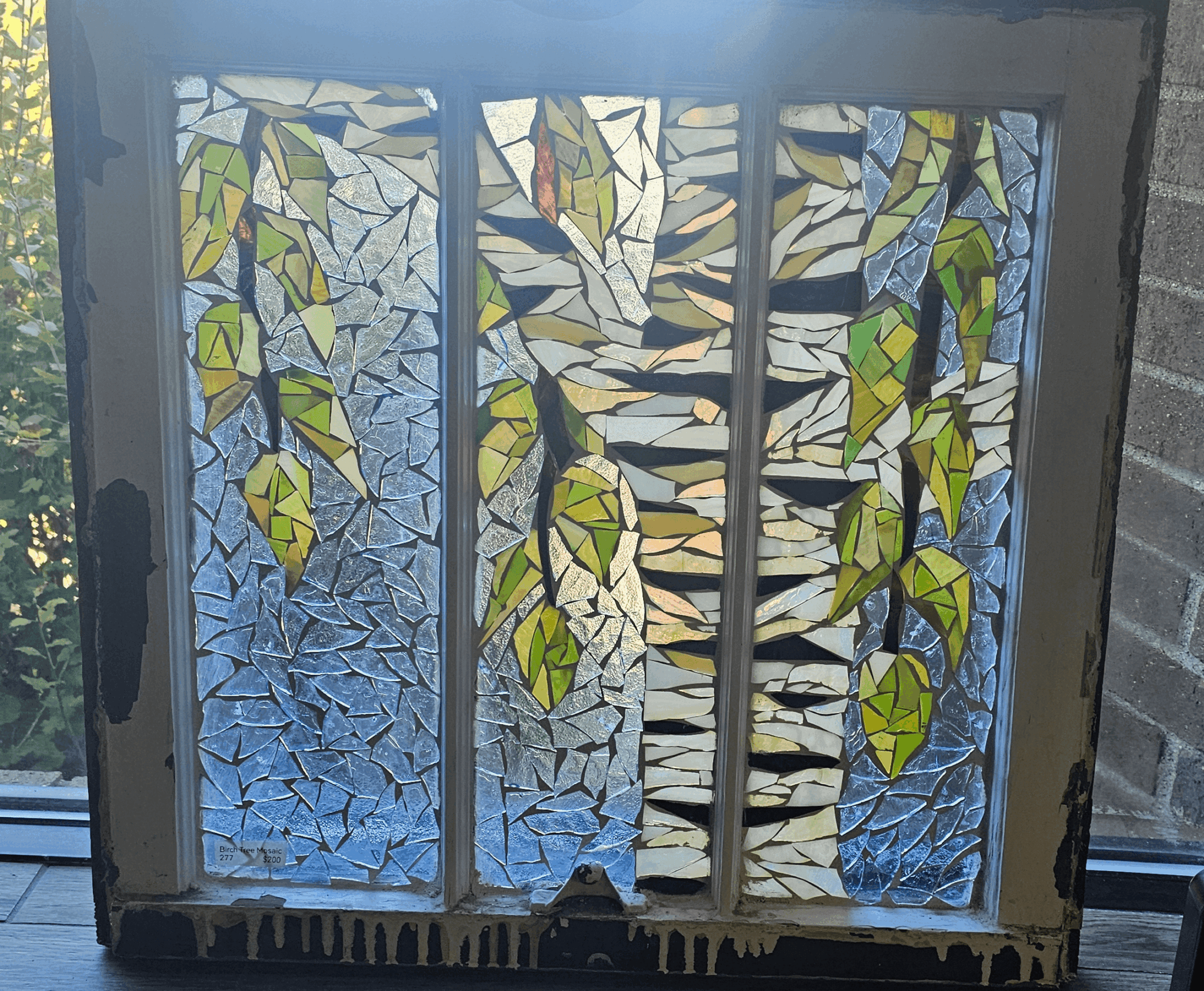
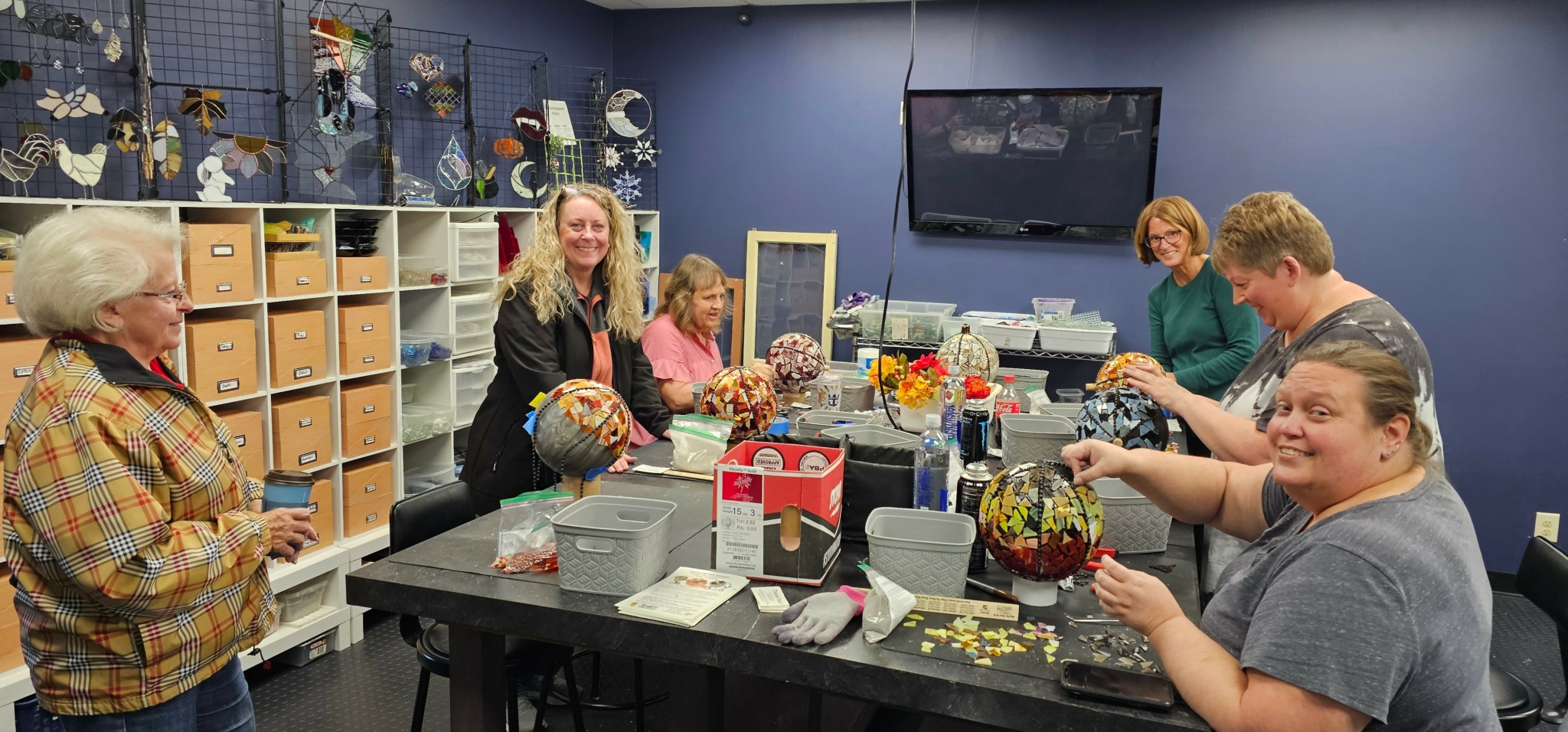
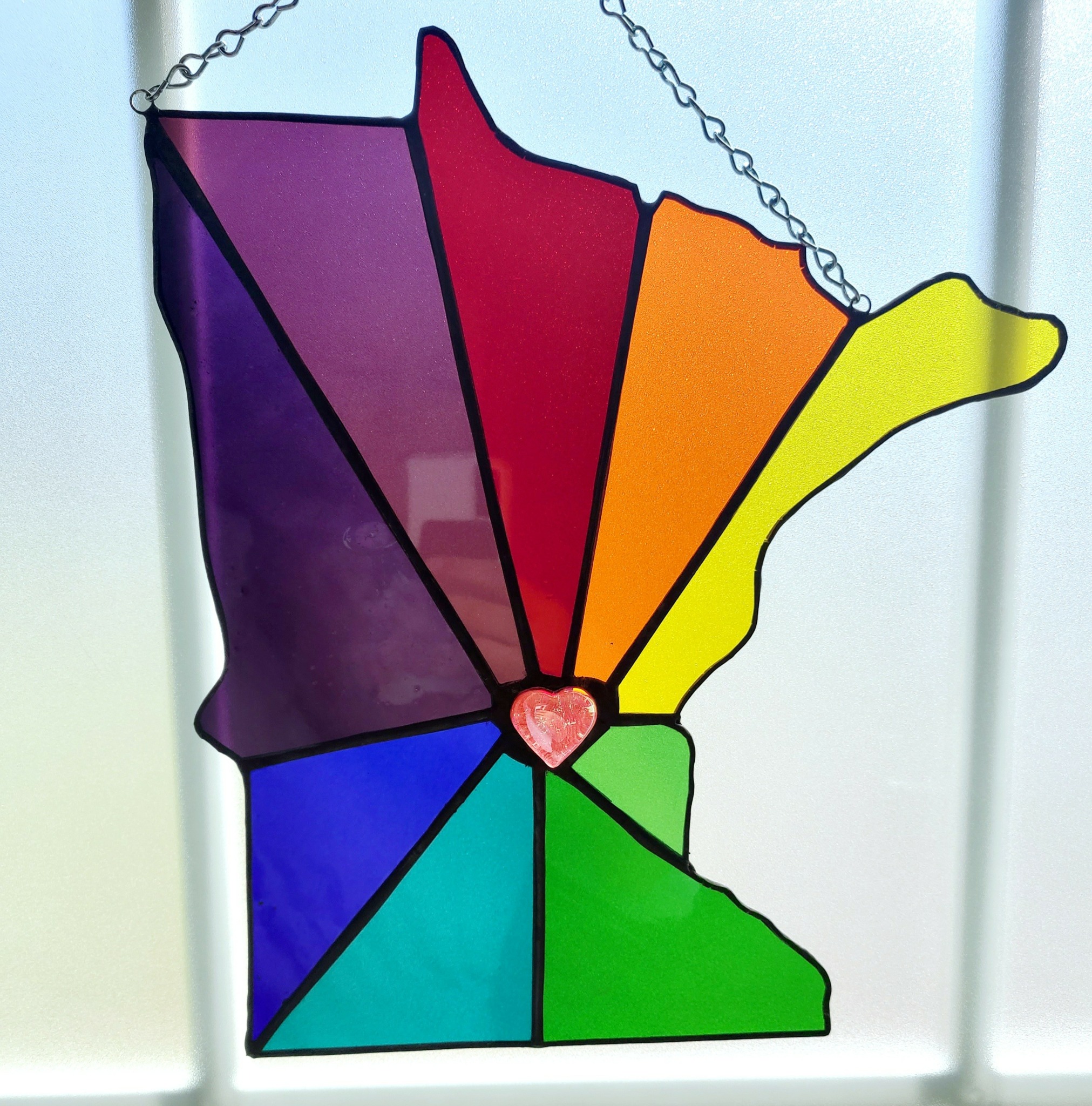
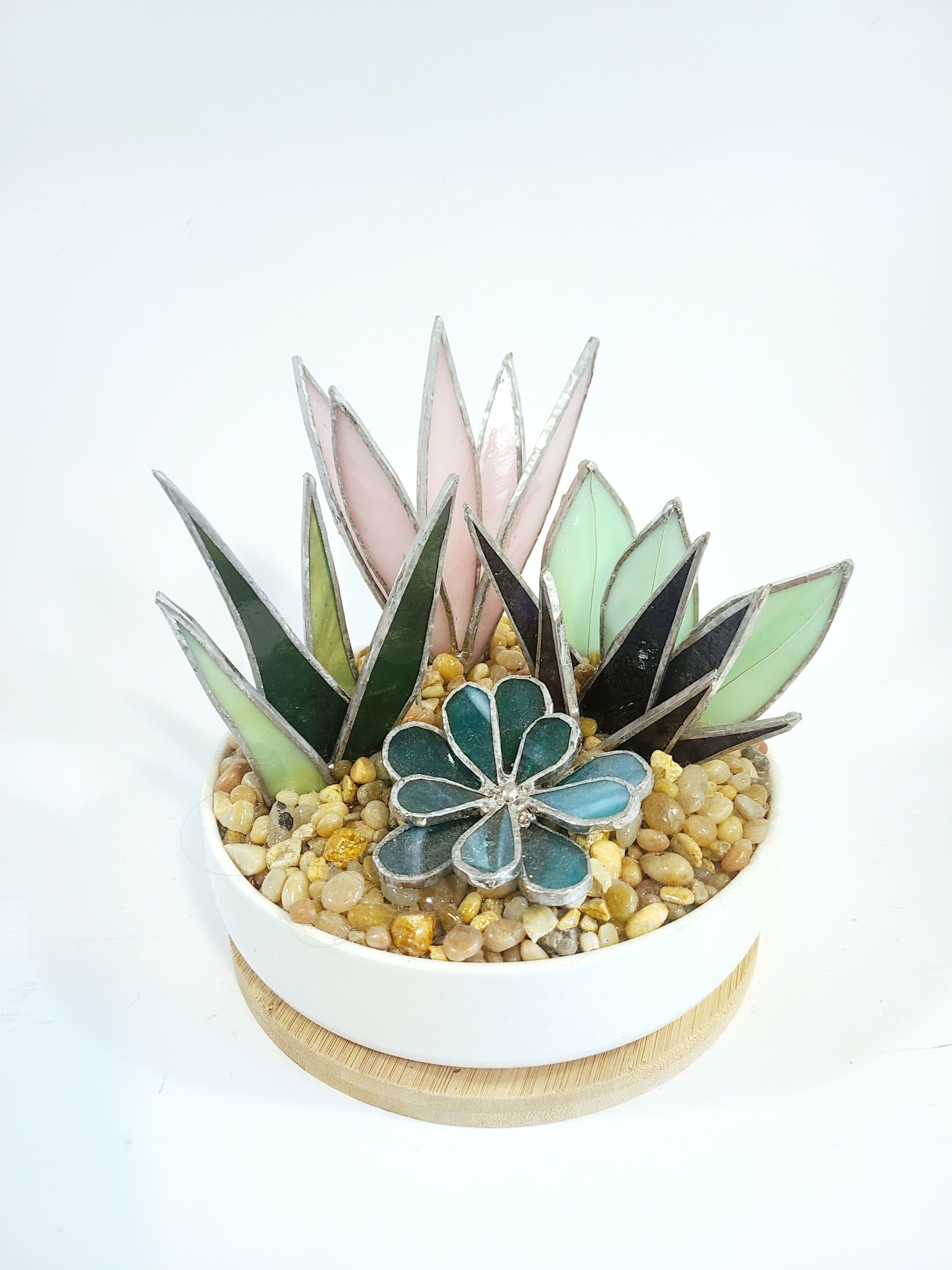
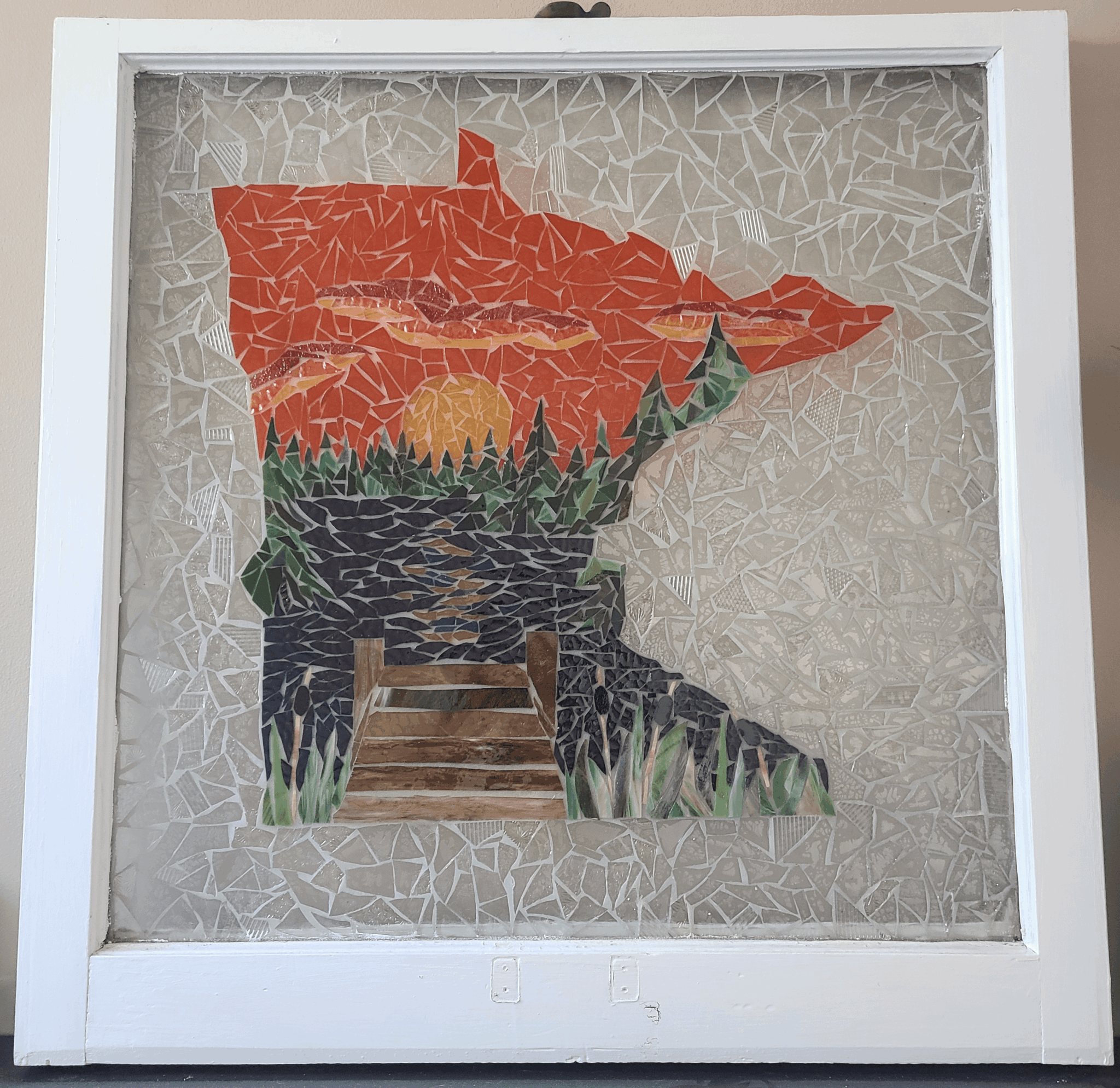
The services that I offer are classes and workshops in stained glass. I offer several levels of intensity, we could call them. Most of my classes, I prepare the glass kits ahead of time and people come to foil and solder them, which is really beginner friendly. Another style of class that I offer gives guests the full experience – still beginner friendly but more complex. They design their project, choose their glass, cut the glass, grind the glass, foil their glass, and solder it all in one day. I also offer mosaic classes which I think is the most casual level. It’s a lot like doing a jigsaw puzzle with pieces of glass you get to cut to fit. All of my classes are aimed for beginners and you get to take your project home the same day. I provide all the tools and the supplies you’d need in each class. Once you have taken a class of mine, I also have Open Studio time where you can rent any of my tools for in-studio use. The studio also has a room for guest artists to teach in. I have had artists teach painting and sewing classes here as well as another artist who teaches glass fusing.
What I am most proud of is hearing that people enjoyed themselves here and love what they made. I have a good handful of regulars who come to Open Studio to socialize and work on their projects together with friends. We’re also instituting a monthly Glasser’s Social Night on the first Thursday of the month just for that very thing – people can come and just chat glass or work and chat, whatever they want.
Any insights you can share with us about how you built up your social media presence?
I started out as only an artist posting pictures of my work and places where people could buy it, but that didn’t go very far as far as growing my audience and interactions. When I started teaching classes – offering experiences – my business became more local level than national. Facebook is really the social media for locals. I post all of my classes on Facebook Events and share them in some local community groups. I do have an Instagram and TikTok as well, but the overlap for classes doesn’t seem to work as nicely as Facebook. I have been brushing up on my video editing and photo skills for those platforms though to generate more followings.
Is there something you think non-creatives will struggle to understand about your journey as a creative?
I think some non-creatives just don’t know yet that they actually are creative. Sometimes it takes trial and error. It takes a lot of being ok with “mistakes.” When I was an art teacher, I did get the sense from many kids and their families that art just wasn’t valued or I’d hear “I’m just not good at art.” I still hear that now sometimes from adults. There’s no such thing as being good or not good at art. Look up Jackson Pollock. He literally dripped paint on a canvas and now it’s a whole movement called Action Art and his paintings sell for millions. Is it good art? What is good art? I bet you can drip paint on a canvas too and I bet it’s fun. So instead of judging your artwork as good or bad, ask yourself instead, “Did I have fun?” If not, why? But chances are you did. And that makes you want to try it again. In trying it again, you continue to build skills and you get “good” at art. I think being good at art comes from the artist enjoying what they do. I just want to have fun doing what I love all day everyday, and I am thrilled people like it and want to try it too.
Contact Info:
- Website: https://www.thearterystudiomn.com
- Instagram: TheArteryGlassArts
- Facebook: https://www.facebook.com/thearterystudio
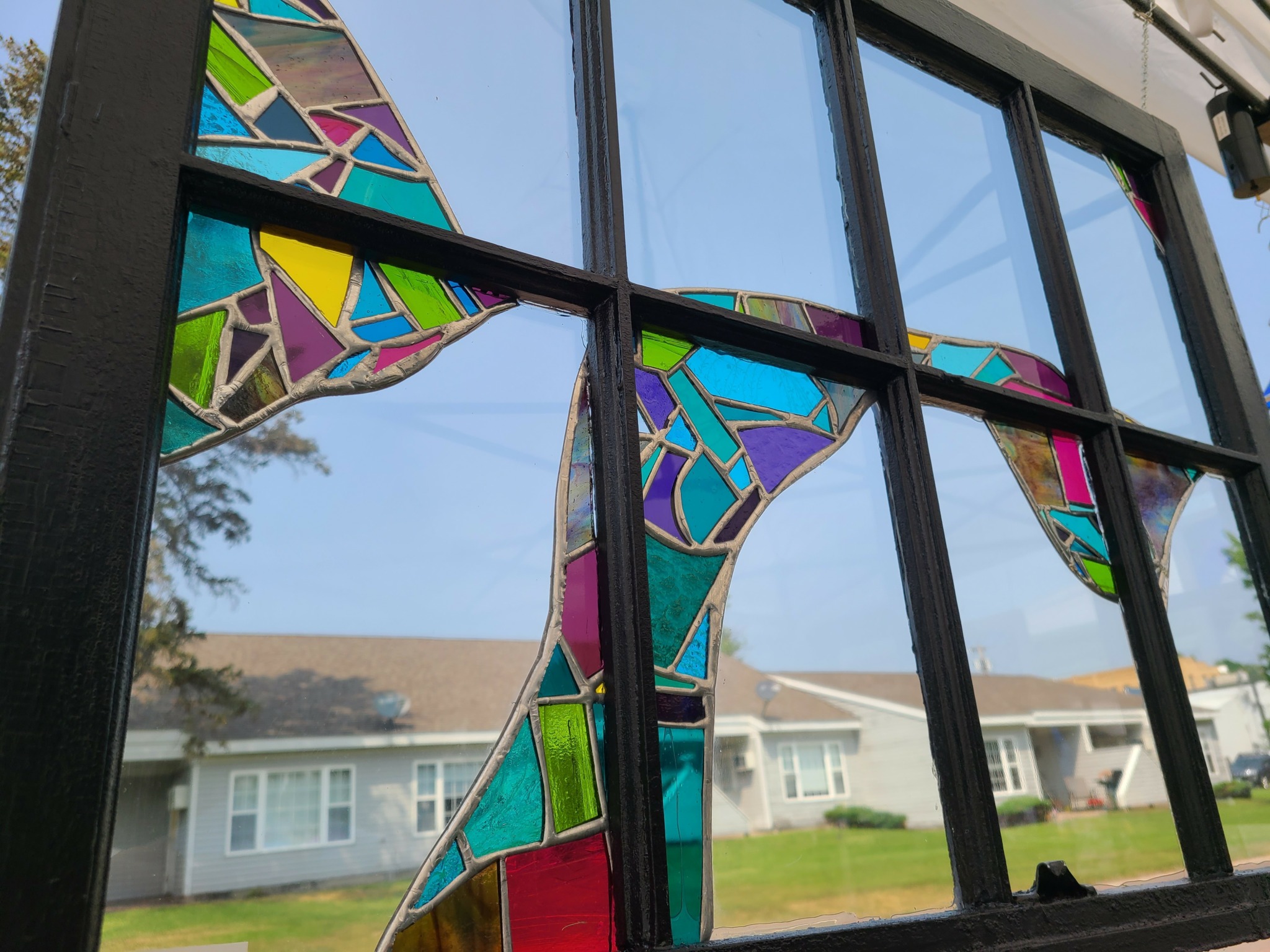
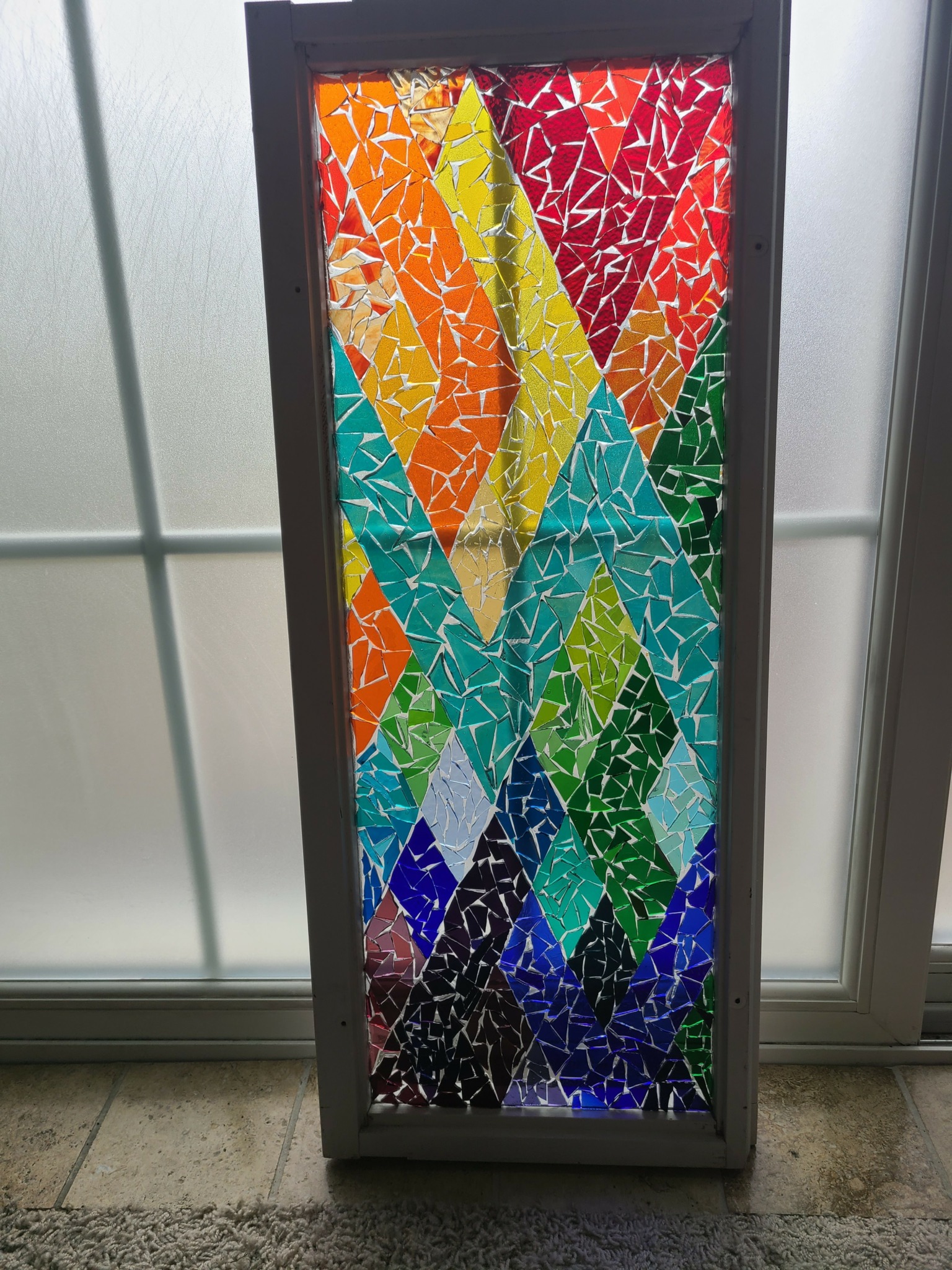
Image Credits
All images are mine