


We caught up with the brilliant and insightful Krista Fee a few weeks ago and have shared our conversation below.
Krista, appreciate you joining us today. If you had a defining moment that you feel really changed the trajectory of your career, we’d love to hear the story and details.
I was a volunteer in the emergency room back then, a pre-med student ready to take on the world and pursuing a career in forensic pathology. No badge, no title, just a heart that kept showing up in the chaos. It was late. One of those nights when time goes blurry, fluorescent lights hum louder than they should, and the air tastes like adrenaline and antiseptic.
They wheeled him in, wounded, still in uniform, blood soaked into the fabric like a silent scream. A police officer was shot in the line of duty. What hit me hardest wasn’t the injury. It was the way they came for him. Within minutes, the room filled. Not with panic, but presence. His people, his family, other officers, boots still dirty from their own calls, some shed a tear or two when they thought no one was looking, some in stone-cold silence, but all there. A wall of loyalty. A tribe without hesitation.
One hand gripped his, another reached for mine. I wasn’t family by blood or badge, but in that moment, I was pulled into something bigger. Something ancient and sacred. Brotherhood. Tribe. Purpose wrapped in sacrifice.
That night didn’t just leave an impression. It carved something into me.
I didn’t just want to help anymore, I wanted to belong. To contribute in a way that meant something to people like him. To show up for those who never stop showing up for others. That’s when I shifted. From a supportive volunteer to a focused trainee, until I had the credentials to become a civilian investigator. From observer to protector. I didn’t just find a calling, I found my people. I do carry a badge now, but it’s a crisis responder one, not a law enforcement one, and we are all a bit of a family in the first responder world, albeit feisty siblings more than fairy-tale happy families.
And I never looked back.
Great, appreciate you sharing that with us. Before we ask you to share more of your insights, can you take a moment to introduce yourself and how you got to where you are today to our readers.
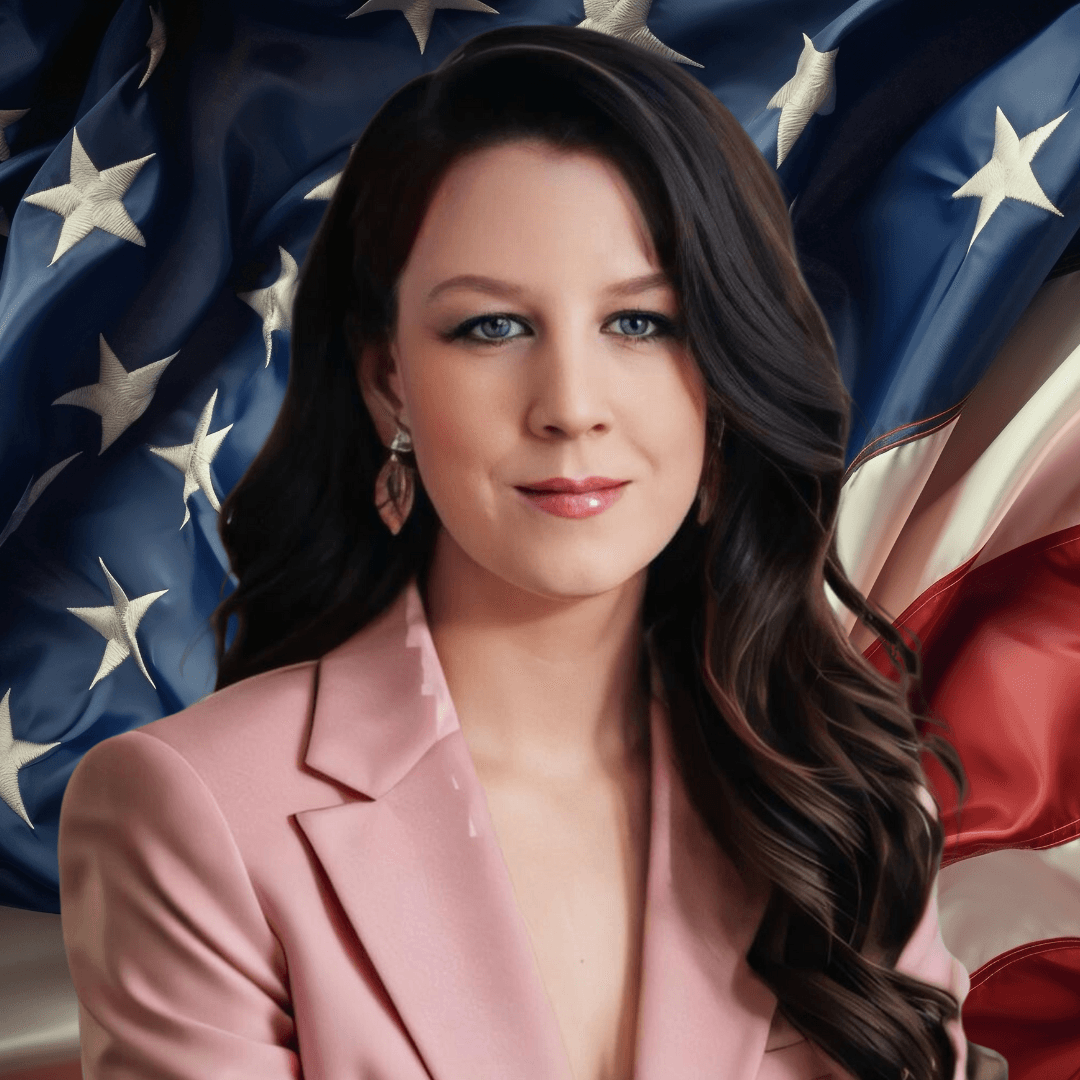
Title: Krista Fee: The Phoenix Who Fights for the Falling
In a world where trauma too often becomes a life sentence, Krista Fee is the quiet revolution no one saw coming, and precisely what this world desperately needs.
A former emergency room volunteer turned trauma and crisis expert, Krista doesn’t just sit with the broken, she trains them to rise. She’s the founder of the RISEUP Phoenix Trauma and Crisis Institute, a powerhouse organization that bridges clinical expertise, lived experience, and frontline credibility. Drawing from a deep background in psychology, early childhood development, crisis transformation, and responder culture, Krista has built something rare: a trauma-informed system that speaks warrior, thinks clinically, and heals like fire and water.
Krista holds degrees in National Security, Military and Trauma Psychology, and Criminal Justice, with a specialization in Forensics, making her uniquely fluent in both the psychological terrain of trauma and the tactical world of those who live on the front lines. She’s also amassed over 70 certifications in trauma recovery, crisis intervention, post-traumatic stress, and integrative healing modalities, giving her a toolkit as diverse as the people she serves.
But what sets Krista apart isn’t just what she’s built, it’s why she built it.
In her early days, Krista volunteered in an emergency room, wide-eyed and eager to help. One night, a wounded police officer was rushed in after being shot in the line of duty. What unfolded was more than medical—it was tribal. Fellow officers filled the ER. Their loyalty was thick. Their grief is palpable. It wasn’t panic, it was presence. And something in Krista clicked.
“That night,” she says, “I realized I didn’t want just to help. I wanted to belong. To serve. To protect those who protect. To be a part of that family.”
From that moment on, her trajectory changed. She stepped off the sidelines and into the arena, investigating, educating, building, and guiding others through darkness. Whether it’s a survivor of human trafficking reclaiming their voice, a burned-out responder on the edge of collapse, or a child learning to feel safe in their own skin, Krista meets each with fierce compassion and clinical firepower.
She’s more than a practitioner. She’s a tactician. A truth-teller. A builder of bridges between the pain and the possibility.
Krista Fee isn’t trying to fix people. She’s helping them remember who the hell they are underneath the wreckage.
And in a world begging for resilience, that kind of leadership is nothing short of revolutionary.
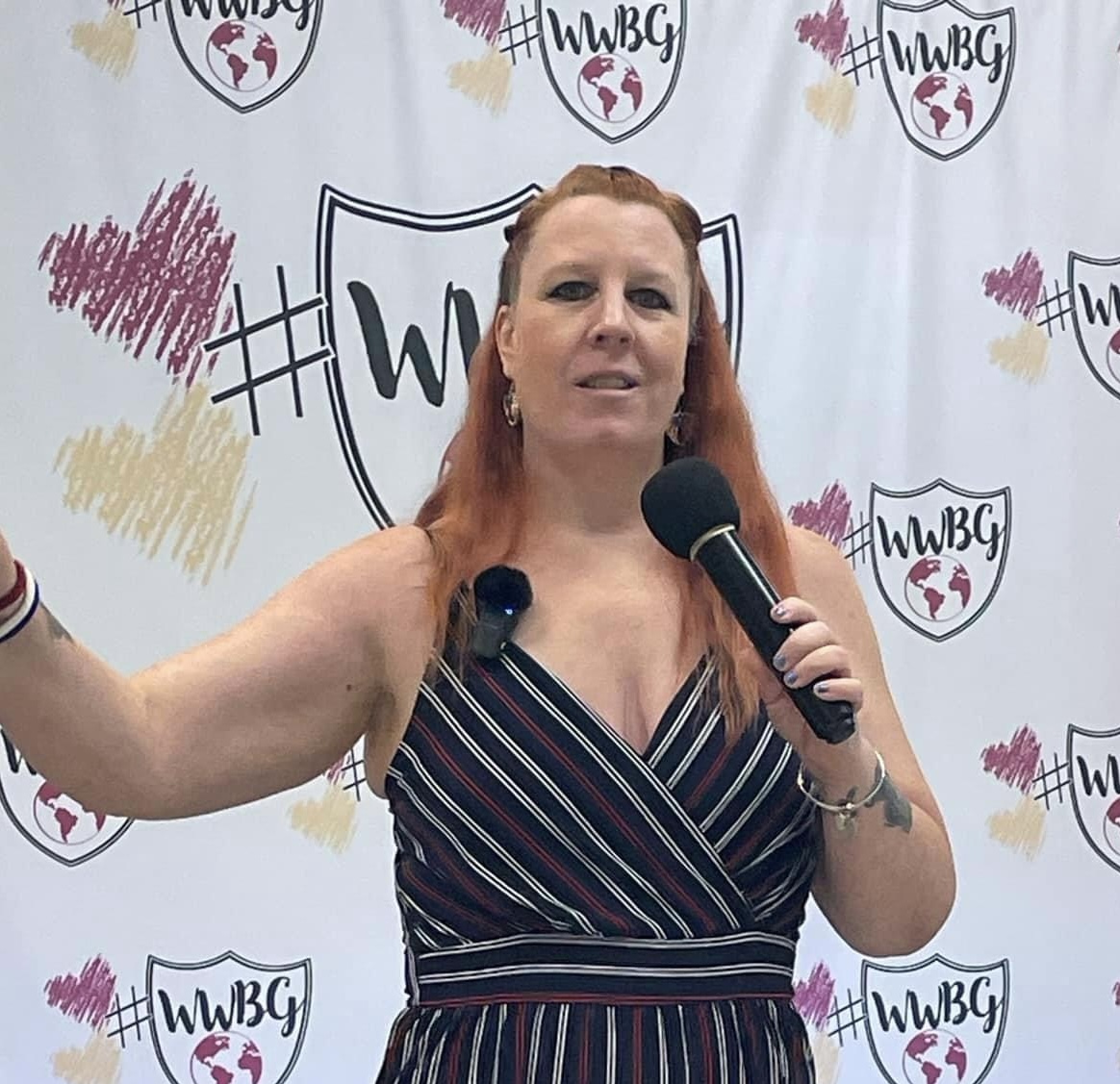
Let’s talk about resilience next – do you have a story you can share with us?
The One That Was Thrown Back
I’ve told the starfish story a thousand times, the one about the child walking along a beach littered with stranded starfish, throwing them back into the ocean one by one. An old man tells her she can’t save them all, that it doesn’t matter. And she says, as she gently tosses another to safety, “It mattered to that one.”
I used to tell that story about others. Now I know, I too was the starfish.
I was the child who survived childhood sexual assault, who learned too early to stay small, silent, and strategic. I was the teenager who believed love meant survival, even when it came with bruises, manipulation, and domestic violence. I grew into a woman who smiled on the outside while drowning in self-betrayal, never knowing I had the right to say no, to take up space, to use my voice without apology.
I didn’t know my worth.
I didn’t know my power.
And for a long time, I didn’t think I mattered enough to fight for.
But something in me, some ember under the ash, refused to go out.
So I rose. Slowly. Raggedly. Like a phoenix that had to build her own fire.
I stopped waiting for someone to throw me back in the water.
I became the one who walks the shoreline now.
I earned degrees in National Security, Military and Trauma Psychology, and Criminal Justice with a Forensics specialization, enabling me to speak the language of systems. I earned over 70 trauma and crisis certifications, so I could understand the maps of healing from every angle: body, mind, and soul. I created the RISEUP Phoenix Trauma and Crisis Institute, not because I had the answers, but because I knew what it felt like to have no safe place to ask the questions.
My healing wasn’t graceful. It was gritty. There were no guarantees, no rescue. Just a decision, over and over, to rise anyway. To stop surviving and start leading. To break the cycle not only for myself, but for the ones still stuck on the shore.
Now, when I tell the starfish story, I think of every survivor I’ve met.
And I remember: even when we don’t think we matter, we do.
Because one moment of being seen, one lifeline, one voice that says you still belong to the ocean, can change everything.
I know. It did for me.
How do you keep your team’s morale high?
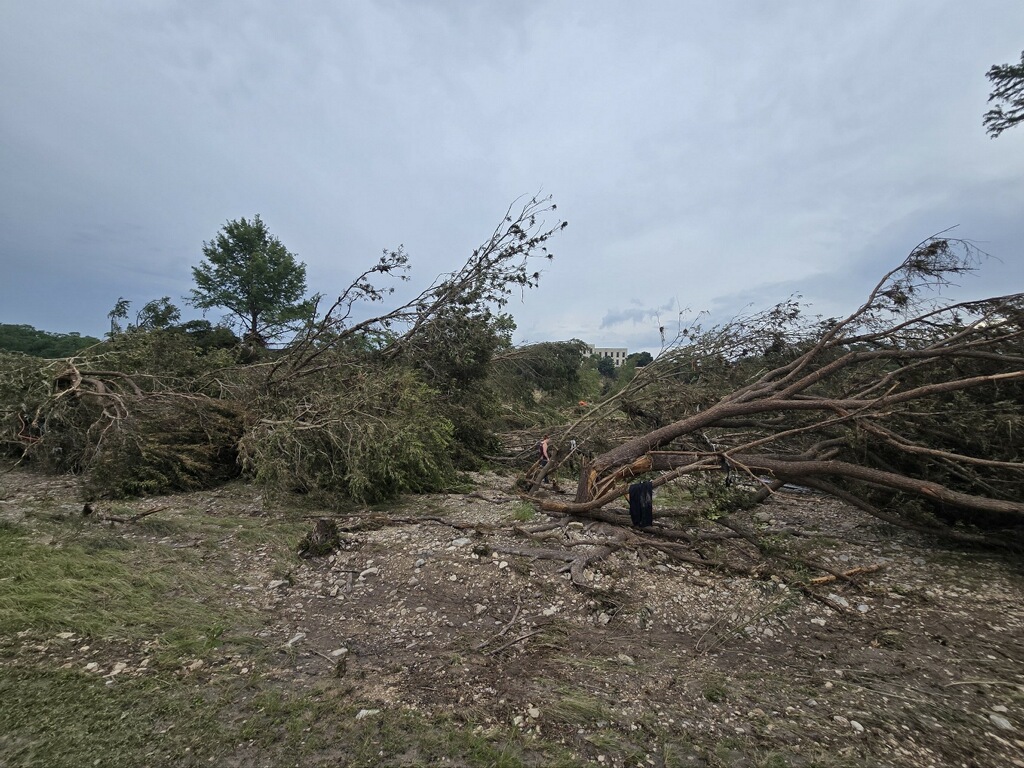
The truth is, in this line of work, whether it’s investigating human trafficking or walking through neighborhoods gutted by floodwaters, morale isn’t something you keep; it’s something you build into the bones of your team before the darkness hits.
Because it will hit, around Day 9, like clockwork, you feel the shift. The adrenaline’s gone. The bodies ache. Sleep deprivation sets in. But more than that, reality sets in. You realize you’re no longer recovering survivors. You’re recovering remains. You’re standing in the silence after the chaos, and what used to feel like mission starts to feel like mourning.
That’s the moment where leadership matters most.
So what’s my advice?
Start by knowing your ‘why,’ and ensure your team does too. Not the surface-level answer. I mean the deep why. The one that makes you cry when no one’s watching. The one that holds you up when the mission stops being about saving lives and starts being about honoring them.
Build your team with intentionality. You don’t need clones. You need complementary brilliance. Every person should bring a specialized skill, such as being a medic, logistics expert, trauma-informed interviewer, spiritual support provider, tactical expert, or any other relevant expertise. Still, more importantly, they need to bring alignment. That means shared values. Shared integrity. Shared purpose. The skillset gets the job done. The alignment gets you through the aftermath.
Serve first. I have always led from a servant leadership model. That means checking your ego at the door and getting in the mud when it matters. It means knowing when to push and when to sit down next to someone and say, “Breathe. I’ve got this round.”
When morale drops, and it will, you don’t fix it with a speech. You fix it with presence. You show up with a hot meal. You offer a shoulder in the debrief. You let them cry without needing to fix it. You remind them that just because the outcome hurts doesn’t mean the mission failed.
In Texas, during the recent floods, we watched hope slip away one call at a time. But here’s what I tell my team, and myself, on days like that:
“What we do becomes sacred when we stop searching for survivors and start standing in honor of the ones who didn’t make it. We are the last hands to touch them. The last ones to say, ‘You mattered.’ That’s not failure. That’s reverence.”
So if you’re leading in the darkest places, build your team like a tactical unit, bond them like a family, and remind them often: our purpose doesn’t die when the saving stops. It deepens.
Contact Info:
- Website: https://battle2be.org
- Instagram: https://www.instagram.com/kristaphoenixfee
- Facebook: https://www.facebook.com/KristaPhoenixFee
- Linkedin: https://www.linkedin.com/in/kristafeebattle2be
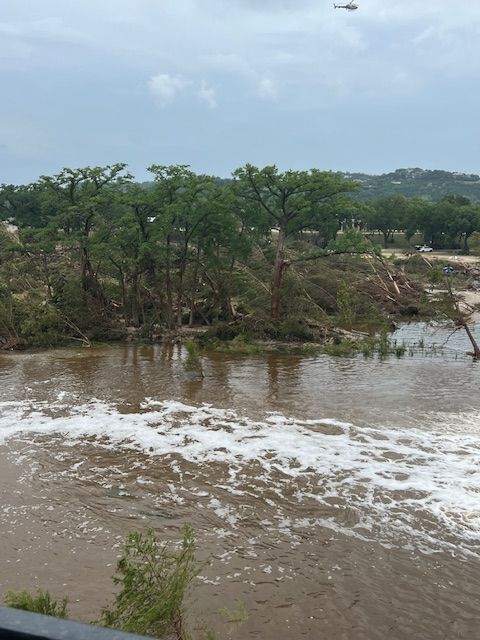
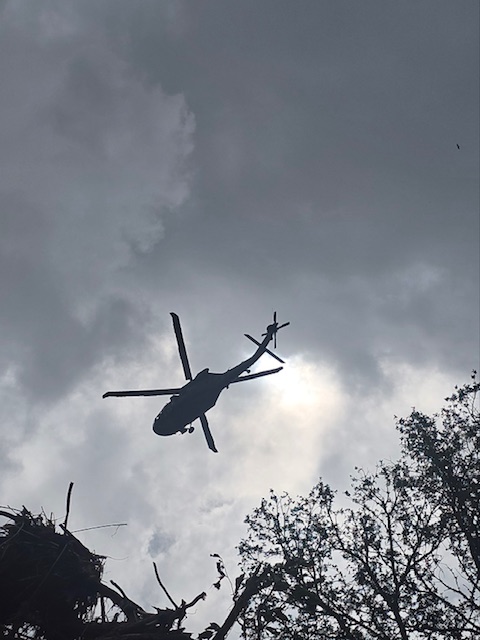
Image Credits
these are all personal photos or photos taken by my husband James Fee