


We caught up with the brilliant and insightful Kriss Knapp a few weeks ago and have shared our conversation below.
Alright, Kriss thanks for taking the time to share your stories and insights with us today. What’s been the most meaningful project you’ve worked on?
The most meaningful project I’ve worked on recently is a collaborative project I started with my partner, Kat. We began teaching ceramics workshops in our backyard and called ourselves OK Studio — a playful way of saying we weren’t positioning ourselves as experts. We just wanted to create an unpretentious space where our friends could release creative energy and make things that felt unserious, and maybe a little weird.
After several months, we expanded the project by hosting pop-ups in local cafés and shops. My friend Josh Agran of Delco Rose Hoagies offered us space for a ceramics workshop in the back of his hoagie shop. Everyone made incredible pieces, and we all ate delicious hoagies. It was an instant success!
We would often dream of opening a “brick and mortar” permanent studio space. We launched a founding member pledge form on our website to validate the desire for a ceramics studio in our neighborhood. We were hoping for 30 supporters – within a couple of days we had over 100 pledges from our community. We’re launching a Kickstarter campaign next month to help make the studio a reality.
This project has been meaningful because it feels bigger than my individual practice. My work is usually solitary — I spend a lot of time alone creating — but this has allowed me to share what I know in a way that feels genuinely connective. As AI becomes more present in creative fields, I think people are craving work that’s made by hand. I feel a real responsibility to share what I know and encourage people to keep traditional, tactile practices alive.
This project has also pushed me into roles I wouldn’t naturally choose, like logistics, marketing, and planning. Watching something small gain real momentum has been both grounding and energizing.
As always, we appreciate you sharing your insights and we’ve got a few more questions for you, but before we get to all of that can you take a minute to introduce yourself and give our readers some of your back background and context?
I grew up in Zephyrhills, a small rural town in Central Florida, about an hour north of the Tampa Bay area. I was absolutely one of the weird art kids in high school. Painting and drawing felt meditative long before I had the language for it — it was simply how I processed the world.
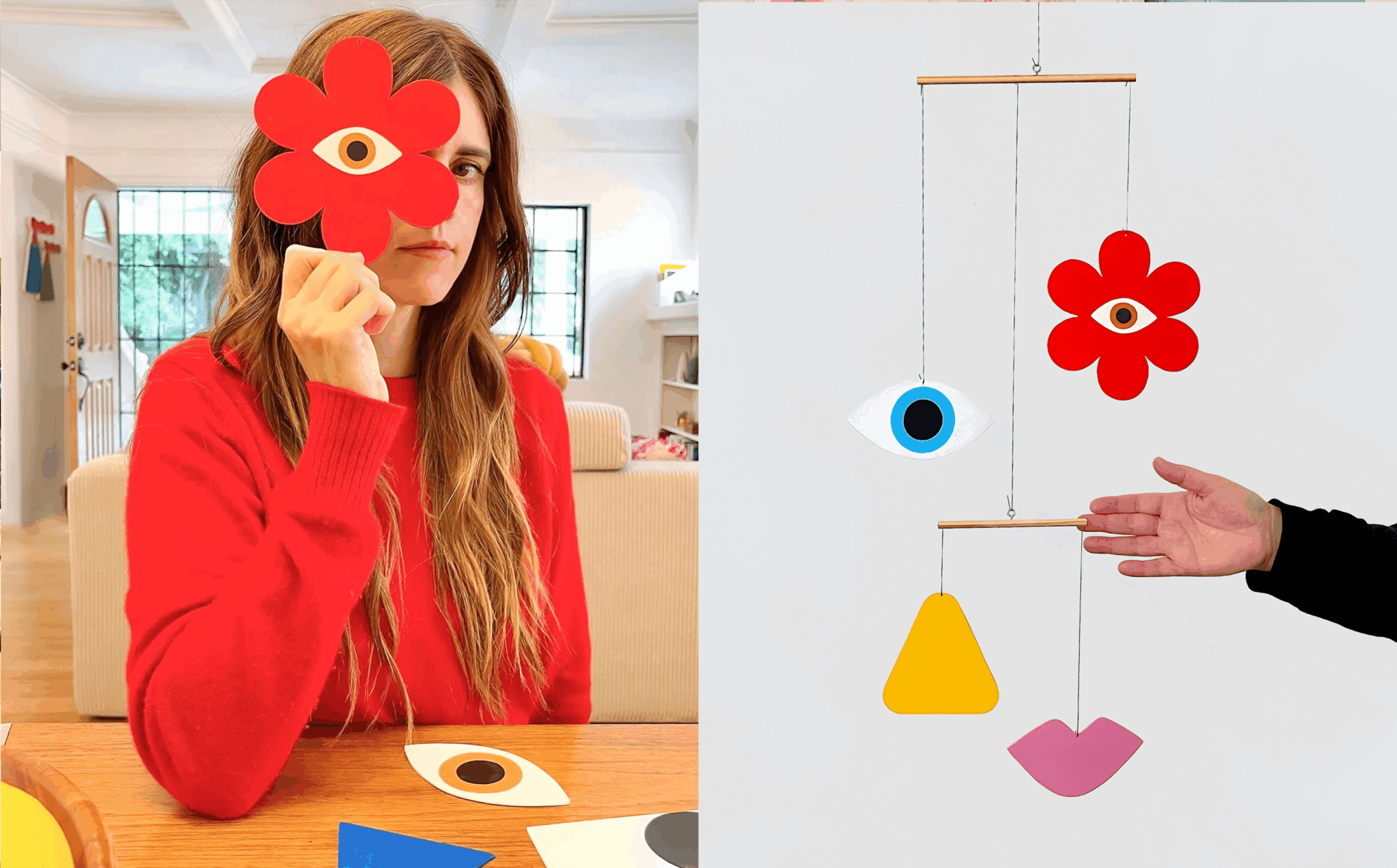
I earned my BFA in Fine Arts from Ringling College of Art in Sarasota, then moved to New York City after graduation and worked in design for several years. That experience deeply shaped how I see art. I’m drawn to work that is thoughtfully made — where you can feel the care behind every detail.
I’m especially interested in distilling ideas down to their most essential forms and expressing them with clarity and restraint. When something communicates clearly with so little, it feels magical to me. Color alone can carry emotion and tell a full story without a single word and I use this often in my work. I’m more driven by exploring ideas than by sticking to a single process, so I tend to move between different methods and materials. Learning new tools and experimenting with unfamiliar mediums keeps the work dynamic and continually evolving.
Over a decade ago, I relocated to Los Angeles and made it home. That move was defining for me. The nature, the space, and the quality of light here continue to influence how I see and make work. I’m an LA lifer – I truly love this city. There’s always something unexpected happening, so much diversity and hidden gems to discover. It’s a great city for creatives. I can’t imagine living anywhere else.
We’d love to hear a story of resilience from your journey.
I recently paid off a massive student loan, which was a major milestone. My family isn’t wealthy, and in many ways I had to bet on myself — taking on significant debt to pursue my education and creative path. Like a lot of artists, I worked full-time jobs for years while building my practice on the side. In the beginning, it felt overwhelming and, at times, impossible.
There were stretches where progress felt slow and setbacks felt personal, but I kept going. I had to become disciplined and strategic about money in a way that didn’t come naturally — learning how to budget, plan long-term, and make careful decisions about what opportunities to take. It took years of consistency, sacrifice, and patience. Paying it off wasn’t just financial relief; it was proof that persistence adds up, even when the timeline is longer than you expect.
How can we best help foster a strong, supportive environment for artists and creatives?
I think the most meaningful way society can support artists is by valuing creative labor as real labor. That means paying artists fairly, funding arts education, investing in local creative spaces, and understanding that culture doesn’t just appear — it’s built by people who need time, resources, and stability to do their work. We have to resist the reflex to default to AI and Amazon for everything just because it’s convenient — over time, that kind of convenience will undermine the creative and local systems we rely on.
On a community level, supporting artists can be very tangible: buy directly from makers, share their work, advocate for affordable studio space, and protect small creative businesses from being priced out. Creative ecosystems thrive when artists can afford to live in the places they contribute to.
Contact Info:
- Website: https://www.krissknapp.com/
- Instagram: https://www.instagram.com/krissknapp/
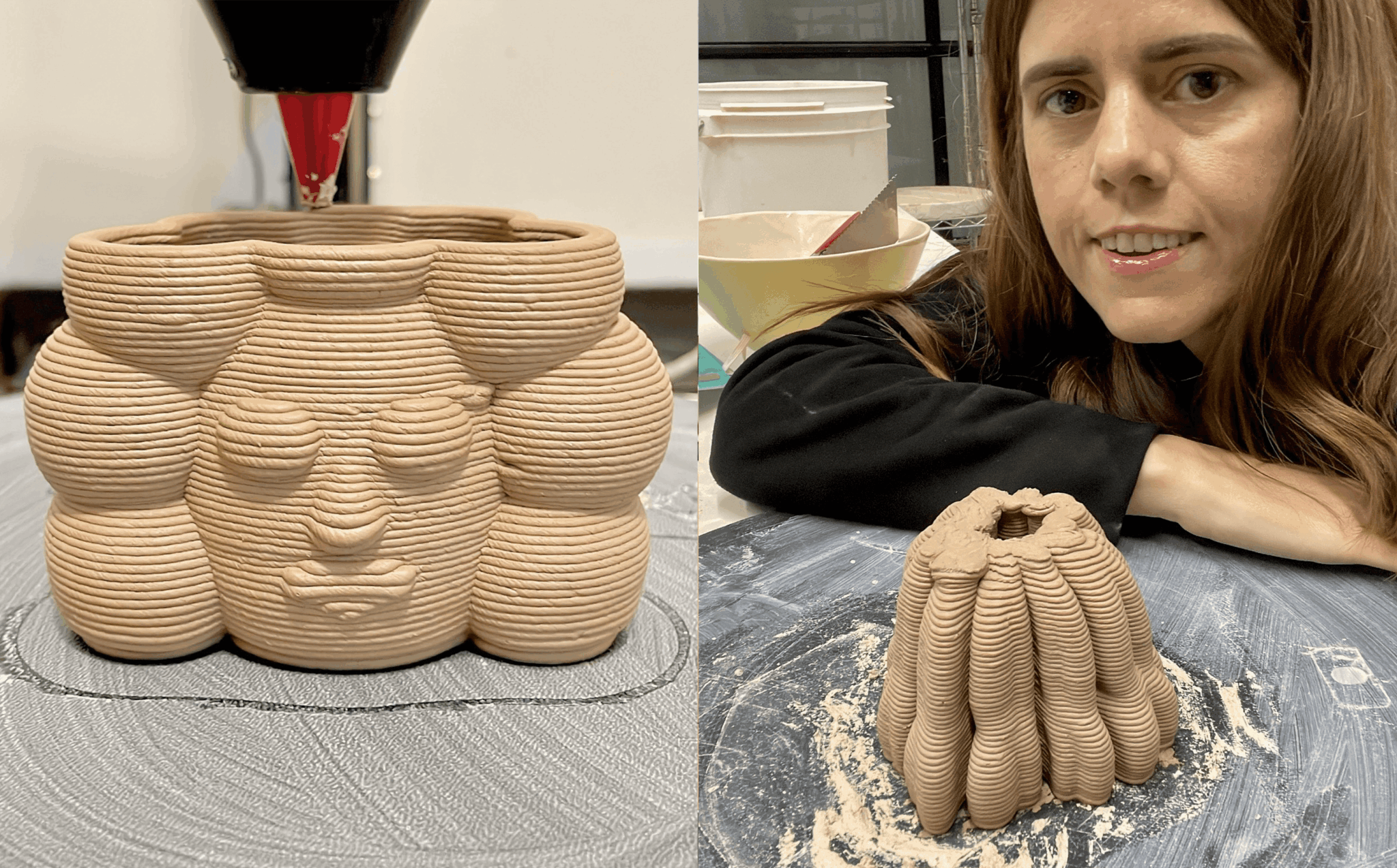
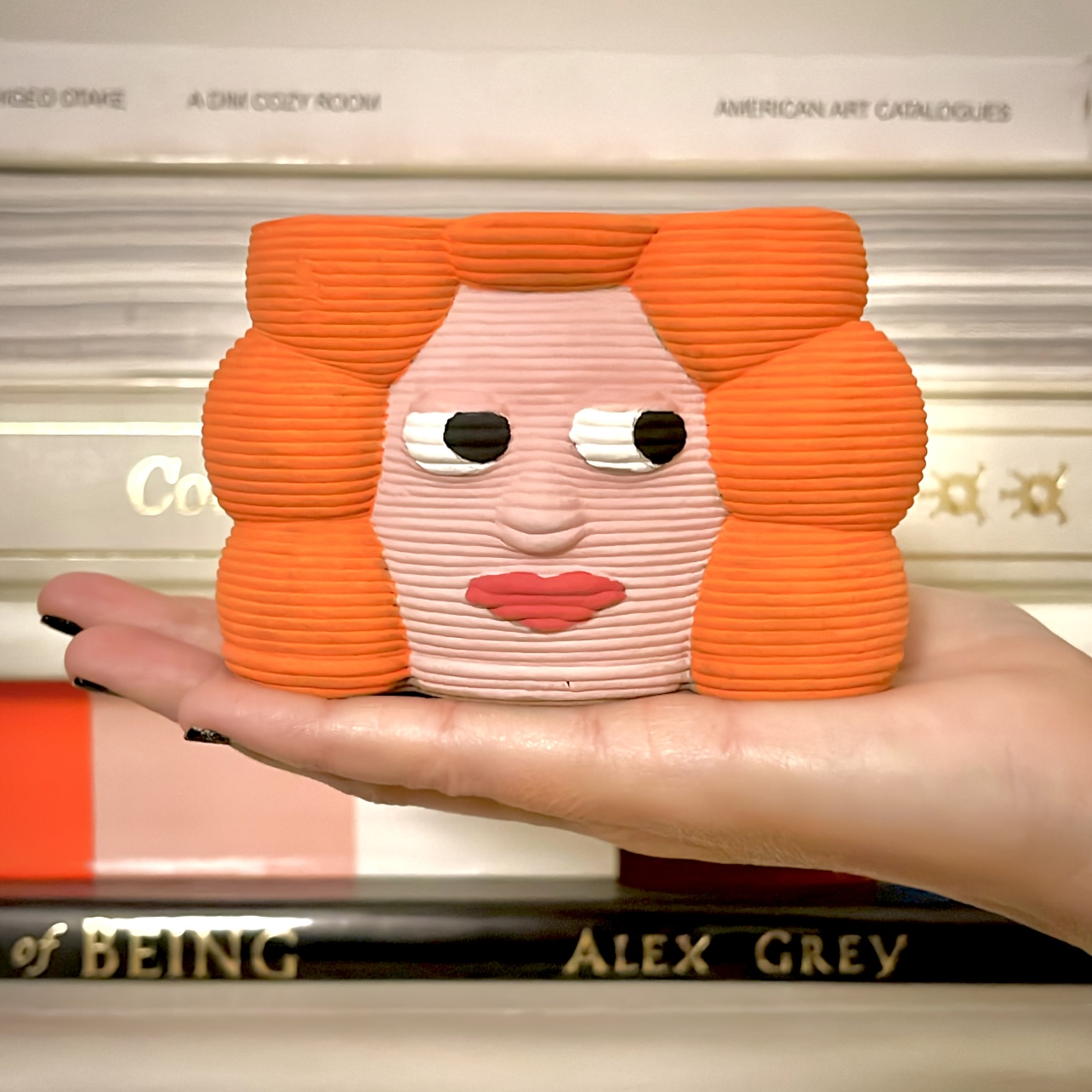
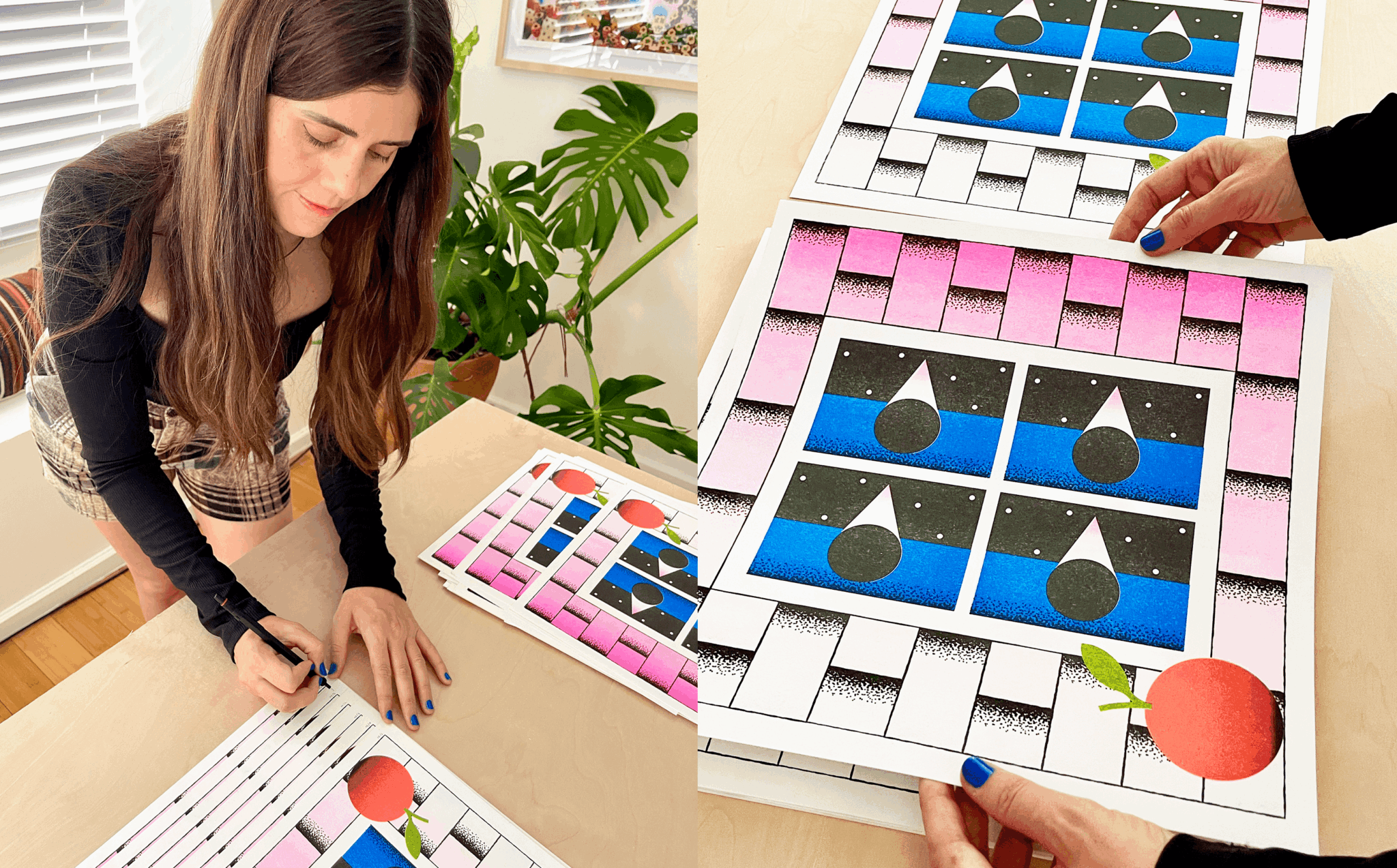
Image Credits
Kriss Knapp