

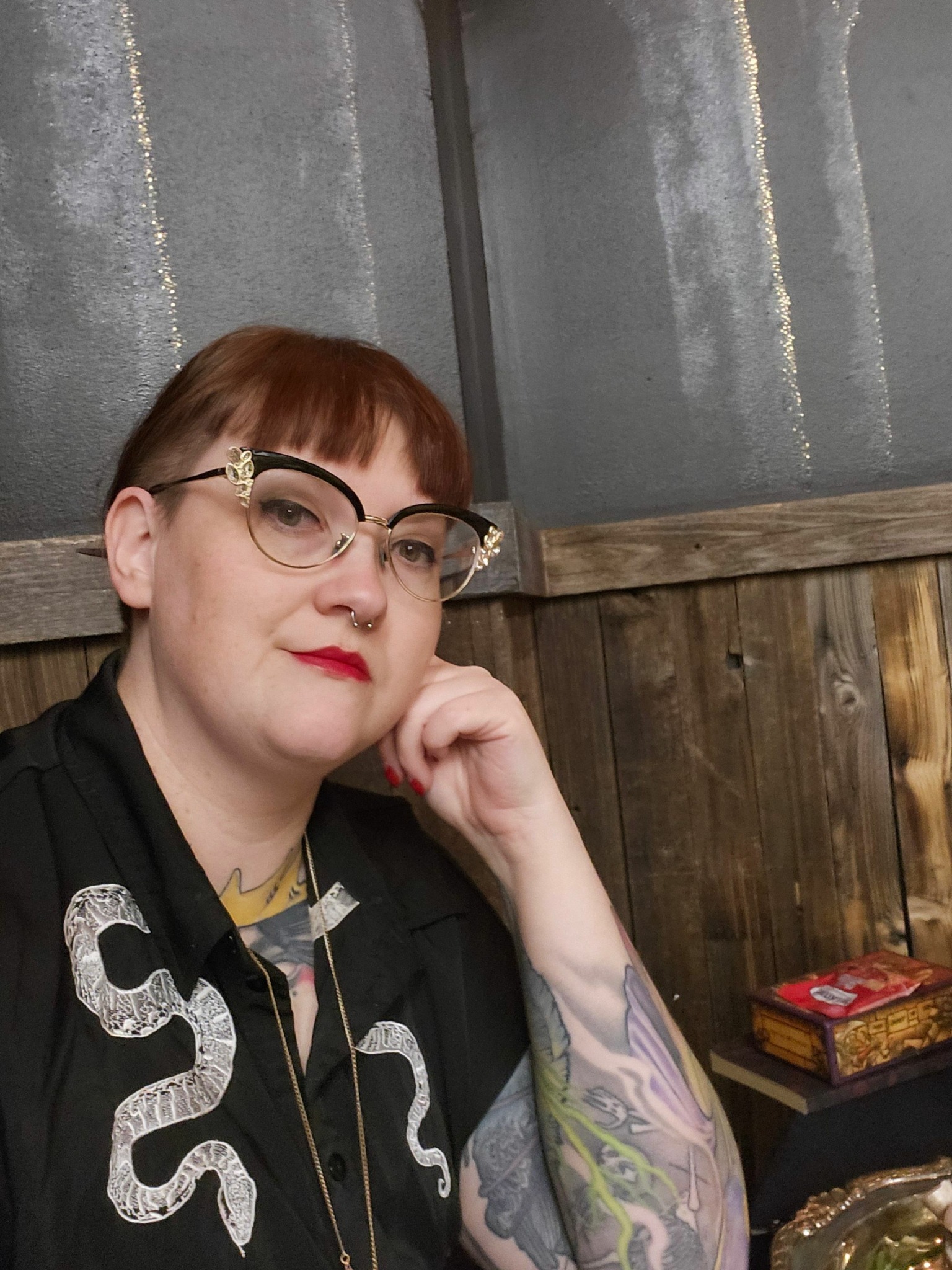

We’re excited to introduce you to the always interesting and insightful Kris Ferraro. We hope you’ll enjoy our conversation with Kris below.
Kris, thanks for joining us, excited to have you contributing your stories and insights. How did you learn to do what you do? Knowing what you know now, what could you have done to speed up your learning process? What skills do you think were most essential? What obstacles stood in the way of learning more?
I have the privilege of saying that I’ve been sewing my whole life and meaning it. My grandmothers and other important women in my life all practiced some kind of textile or fiber craft, so it was inevitable that I would find myself behind a sewing machine someday. Combine that with my love of history and fantasy alongside an extremely vivid imagination, and well here we are.
I didn’t really start to hone my skills as a sewist and costumer until I was in my mid-twenties and desperately needed a career change. The medical world was slowly killing my soul, and I was offered the opportunity to go to trade school at Emily Griffith Technical College and joined their Professional Sewing Program.
While sometimes I wish that I had started down this path earlier, I also know that I wouldn’t have appreciated the journey the way did as an adult. If I could go back a give myself a little advice, I would definitely encourage twenty-six year old me to practice, challenge myself, and get curious more often than I did. Sewing and garment construction are skills that develop with time and dedication. While everyone learns at different speeds, I think my skills would have developed faster if I’d challenged myself more.
I feel like knowing the foundations of hand stitched and machine stiched seams, the proper use of grainline, and how to press your seams as you go are all really important. However knowing the “why” we do something in a specific way helps when creating shortcuts later. There may be a thousand ways to sew a welt pocket, but each of those methods has a different use and knowing where the overlap is will come in handy and allow you more flexibility in your construction as your skills grow.
I didnt have the chance to go to college right out of high school like most people, and my high school career was mostly unconventional. I had a hard time transitioning into a classroom setting for sure. That mixed with my own need for perfection definitely got in my way. I would sometimes make five or six mock-ups before moving onto my finished project and that wasted a lot of time. However I got lucky and had four really amazing mentors (Vicky Nolan, Jackie Scott, Eugene Rooks, and Ilse Romoth) who taught me patience, the importance of grainline, and that sometimes a “mistake” is really just a “Designer original” in the making. I dont think I would have made it through my training without them. Each of them would willingly explain steps to me a thousand times if I’d asked, and help me understand why something was done that way. They are the example I hold in mind when teaching my own students, and also the voice in the back of my head that reminds me that I can perfect as I go.
Kris, love having you share your insights with us. Before we ask you more questions, maybe you can take a moment to introduce yourself to our readers who might have missed our earlier conversations?
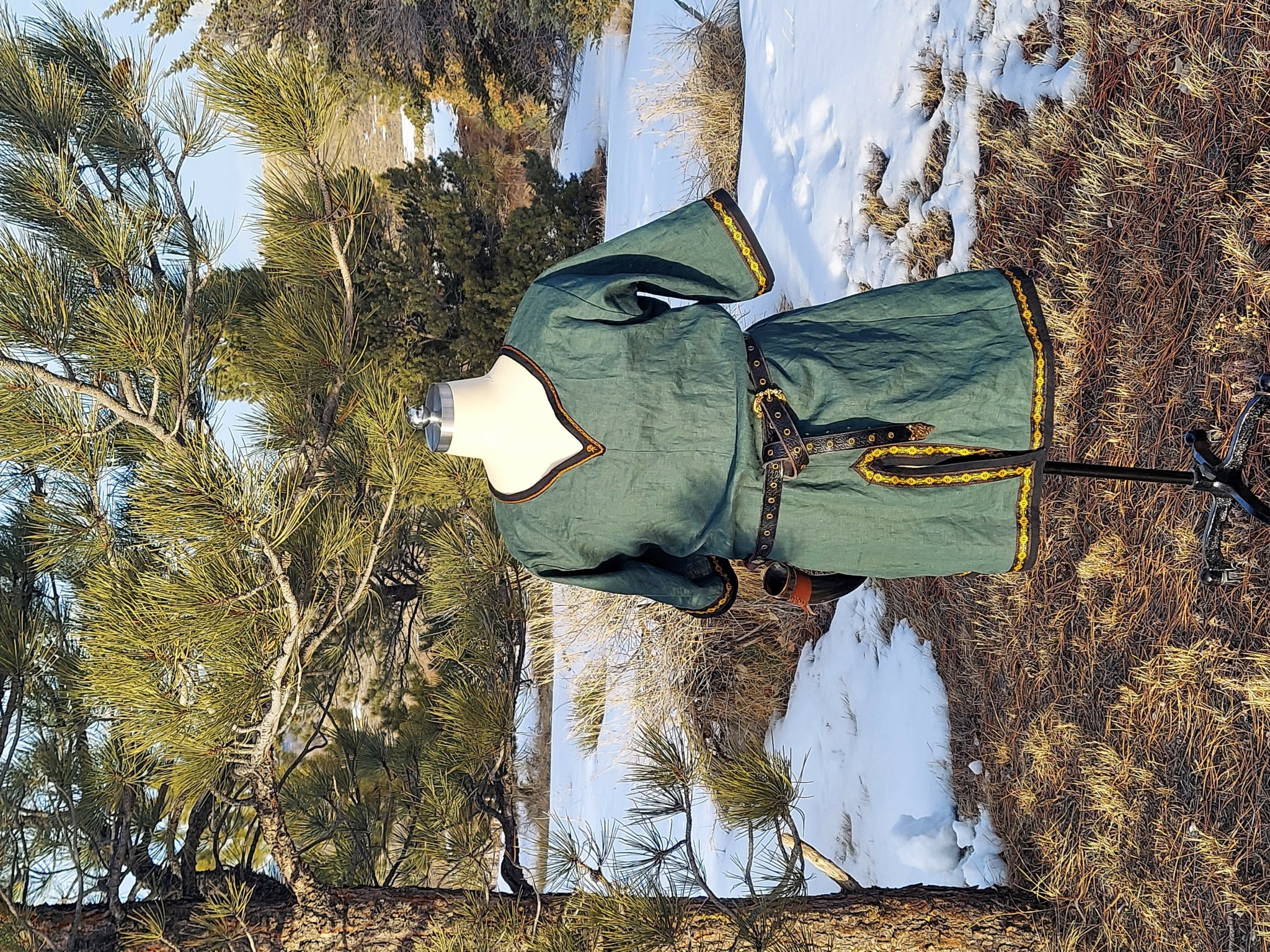
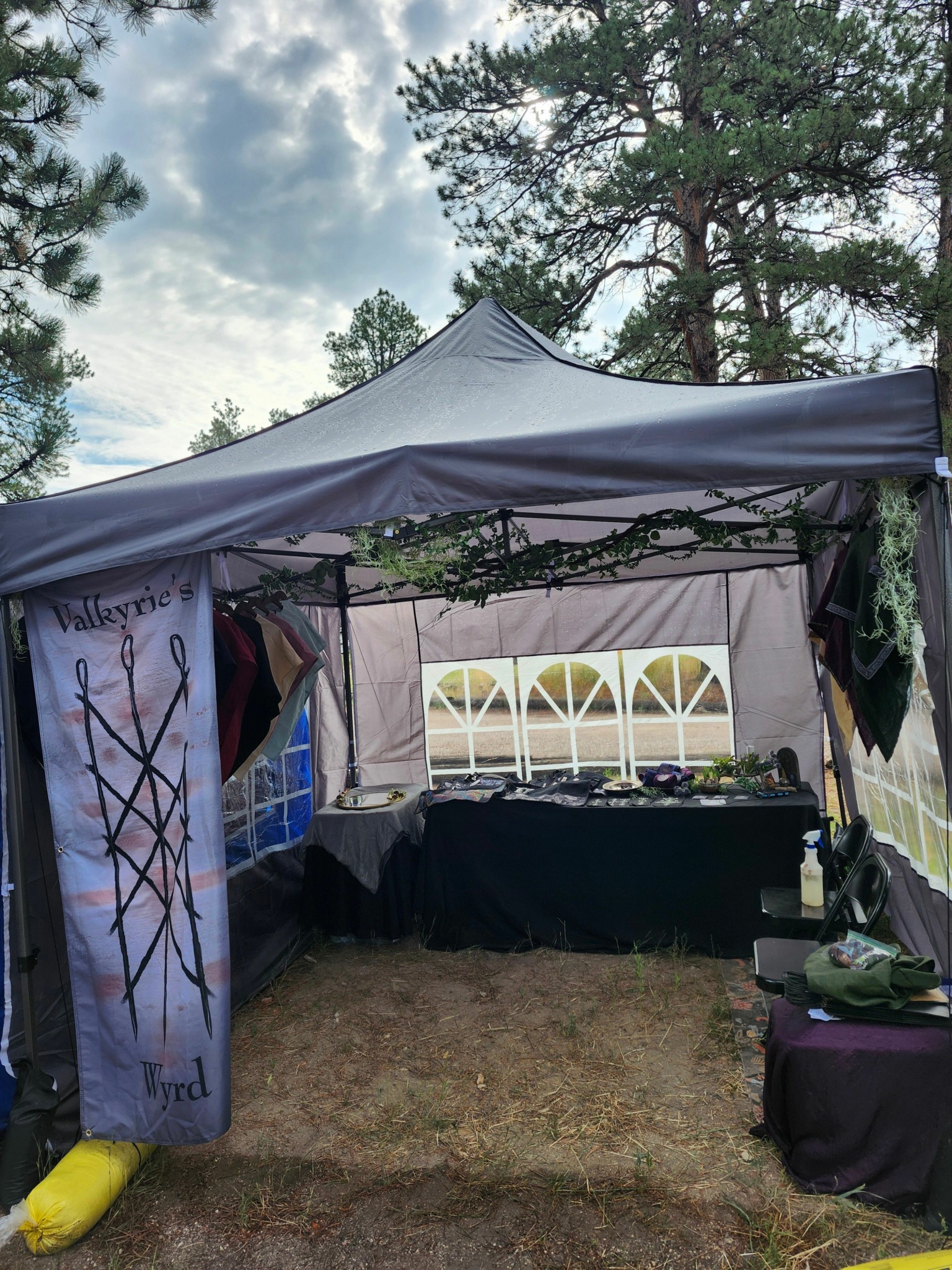
Hi. My name is Kris Ferraro (she/they), I also go by Valkyrie. I am a Costume Designer in Denver Colorado where I design for theaters across the greater metro/front range area. I’m the owner and textile witch at Valkyrie’s Wyrd LLC where I create custom and ready to wear garb and accessories that draw inspiration from the Viking and medieval ages helping LARPers, cosplayers, and reenactors create and bring to life characters and stories. I also teach garment construction at Red Rocks Community College as a part of the theatre program there. I do a lot more, but that’s what feels relevant to this conversation.
While I certainly wear a lot of hats, the connecting thread (pun intended) is that I create garments that help bring stories and characters to life for people of all sizes and gender expressions.
I fell in love with costuming and cosplay as a teenager, when my best friend and I started attending the Renaissance Festival together. His mother had what felt like an endless supply of really amazing costume pieces that she’d collected over the years. I remember one evening she let us go through her collection and I’m pretty sure that I knew in that moment that that was it for me. I would spend hours creating stories and costumes after that. My fate was sealed.
When it comes to helping create custom garb for original characters, I sit down with my clients and get to know their characters as though they’re old friends. I will ask for stories about them that my client feels fully display who their character is. I’ll ask what their favorite color is. Favorite kind of music. Favorite food. From there I’ll sit down with the client and we’ll work together to create the perfect kit. My favorite part of completing a kit is getting to hear stories from games and events where the kit is worn. It’s like watching a piece of someone’s imagination become fully realized in flesh and blood.
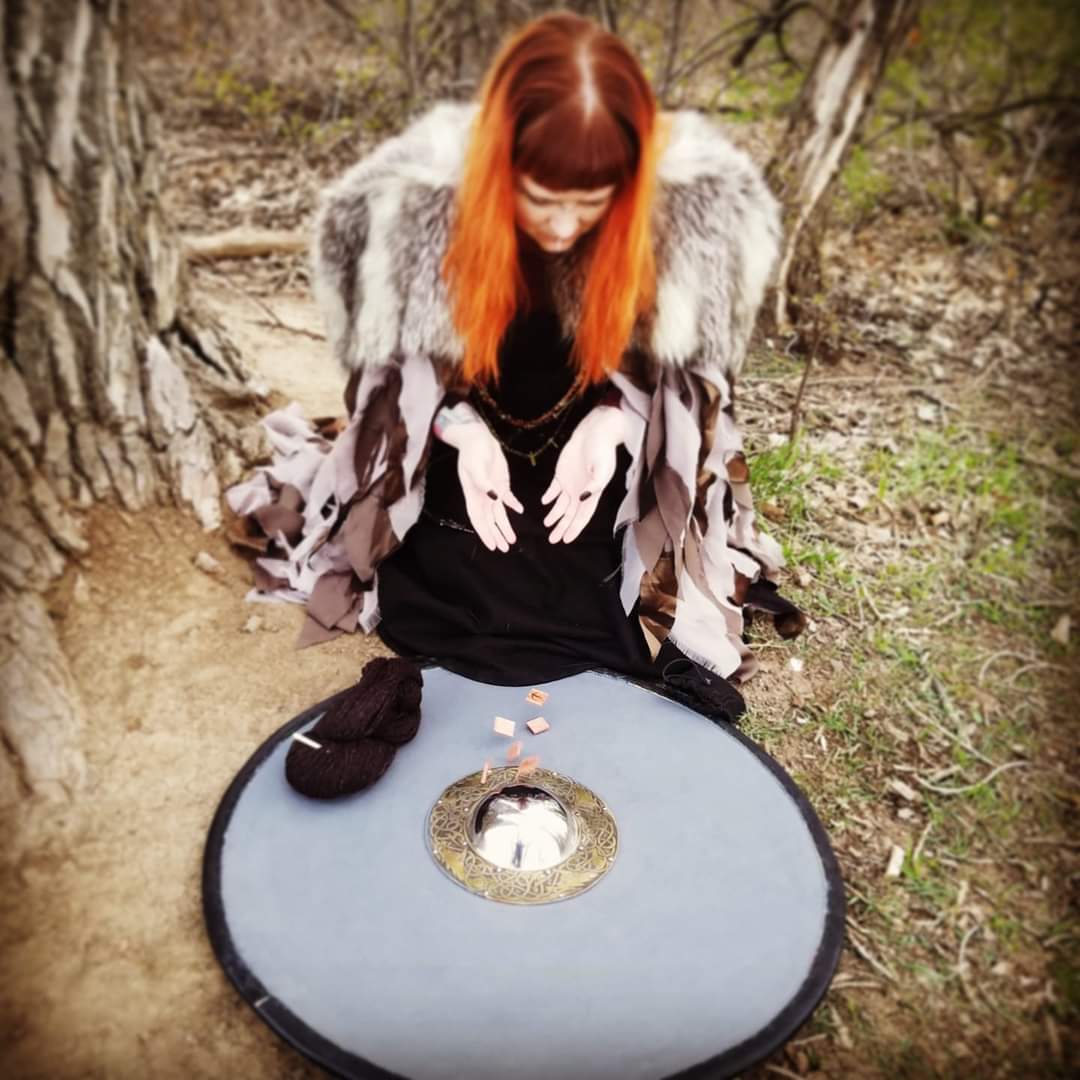
At vending events I offer off the rack pieces that are either truly one size fits all or inclusive up to a 60″ chest. I also offer a service called “Trust the Norns” where the client receives a character sheet (similar to the one you’d use in a ttrpg) and a set of dice. They then roll the corresponding dice for each section of the sheet and let the fates decide their custom garb. I’ll often sit with them after to make sure that the details are to their liking. After that I take their measurements and get to work right after the event is over. It’s always exciting to see how things land.
I strongly believe in building a community that supports its members. I’ve been known to make repairs for cosplayers who come to my booth looking for help, or to pull out my sewing machine at a convention to alter something for a better fit. I will freely share my sewing research and answer questions about construction. I will gladly tell you how I made the majority of the pieces in my booths, and where I source my fabric. I believe that knowledge should be freely shared and that trade secrets can lead to the death of an industry. I would rather be someone’s inspiration to start sewing than make a sale if it comes down to it. This has been a core pillar of my life as a whole not just as a teacher. Sharing knowledge and collaborating can be the key component to someone finding their passion. I love that about my work.
We often hear about learning lessons – but just as important is unlearning lessons. Have you ever had to unlearn a lesson?
I had to get passed the need to compete with others in my niche. There are several people who make historic and fantasy inspired clothing, and I had to make the choice of where I wanted my focus to be. I could spend all of my energy on marketing and competing with people I’d never met for a faceless customer who may or may not buy my pieces; or I could focus on building my art practice and the community that surrounds it. I chose the later. The clients that are meant for me find me by word of mouth, at conventions, or via social media. I have learned that there is enough clientele to go around and we as creatives don’t have to view eachother as the competition or the enemy.
How can we best help foster a strong, supportive environment for artists and creatives?
Purchase from small businesses and allow artists to charge a living wage. The cost of materials, the level of skill, and the time it takes to make a piece should all factor into the market cost. Society has this idea that a creative career means you have to be a “starving artist”. That’s just not true. Literally everything we use in our day to day from our clothing and furniture down to the coffee mugs we drink out of in the morning came from the mind and hands of an artist. Skilled trades such as sewing, cerarmics, and carpentry are art forms. Independent artists have the desire to make pieces that last and place bits of their souls into their art. We should honor that.
Contact Info:
- Website: https://Www.valkyrieswyrd.com
- Instagram: https://www.instagram.com/valkyries_wyrd
- Facebook: https://www.facebook.com/valkyrieswyrd
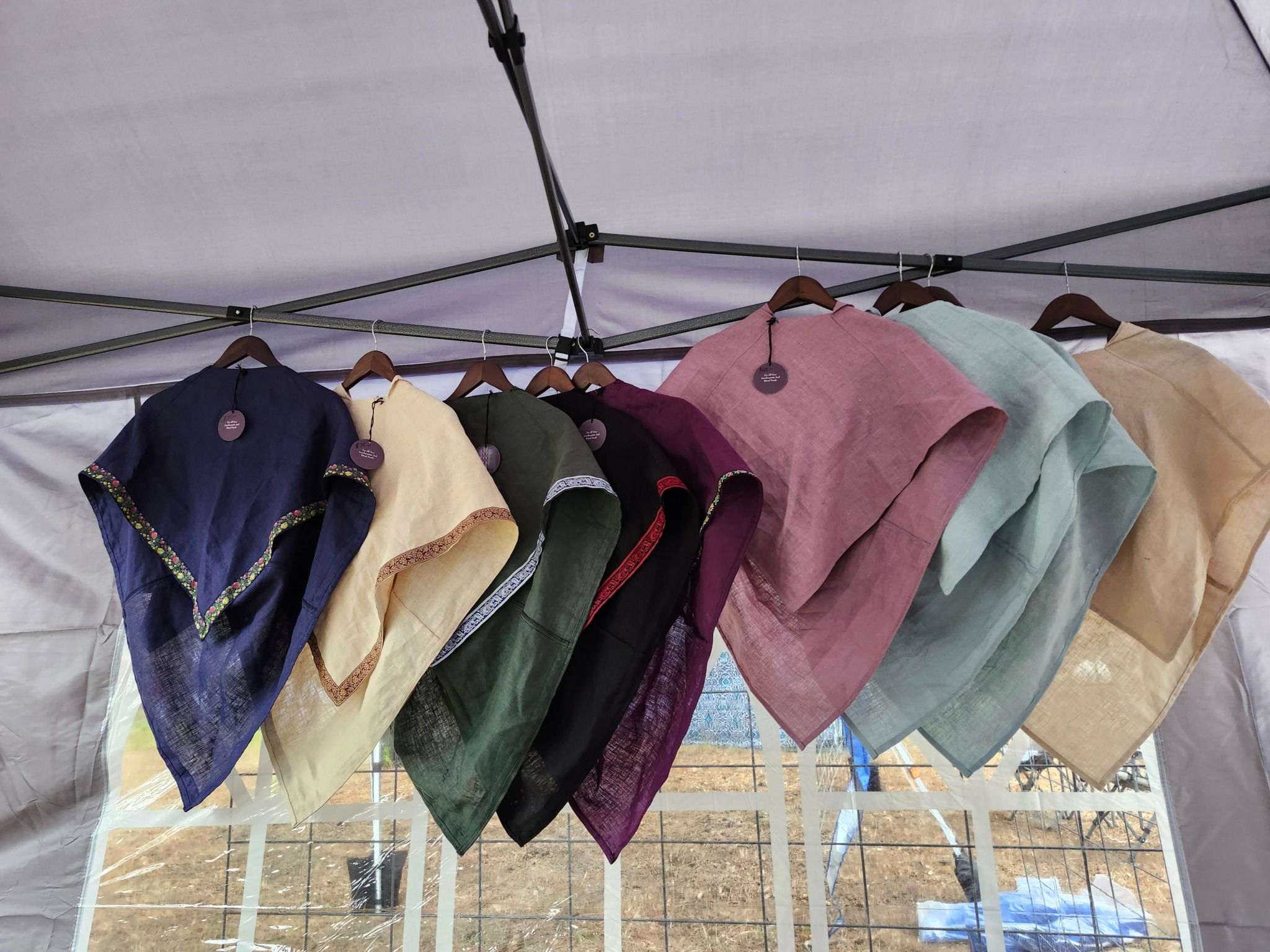
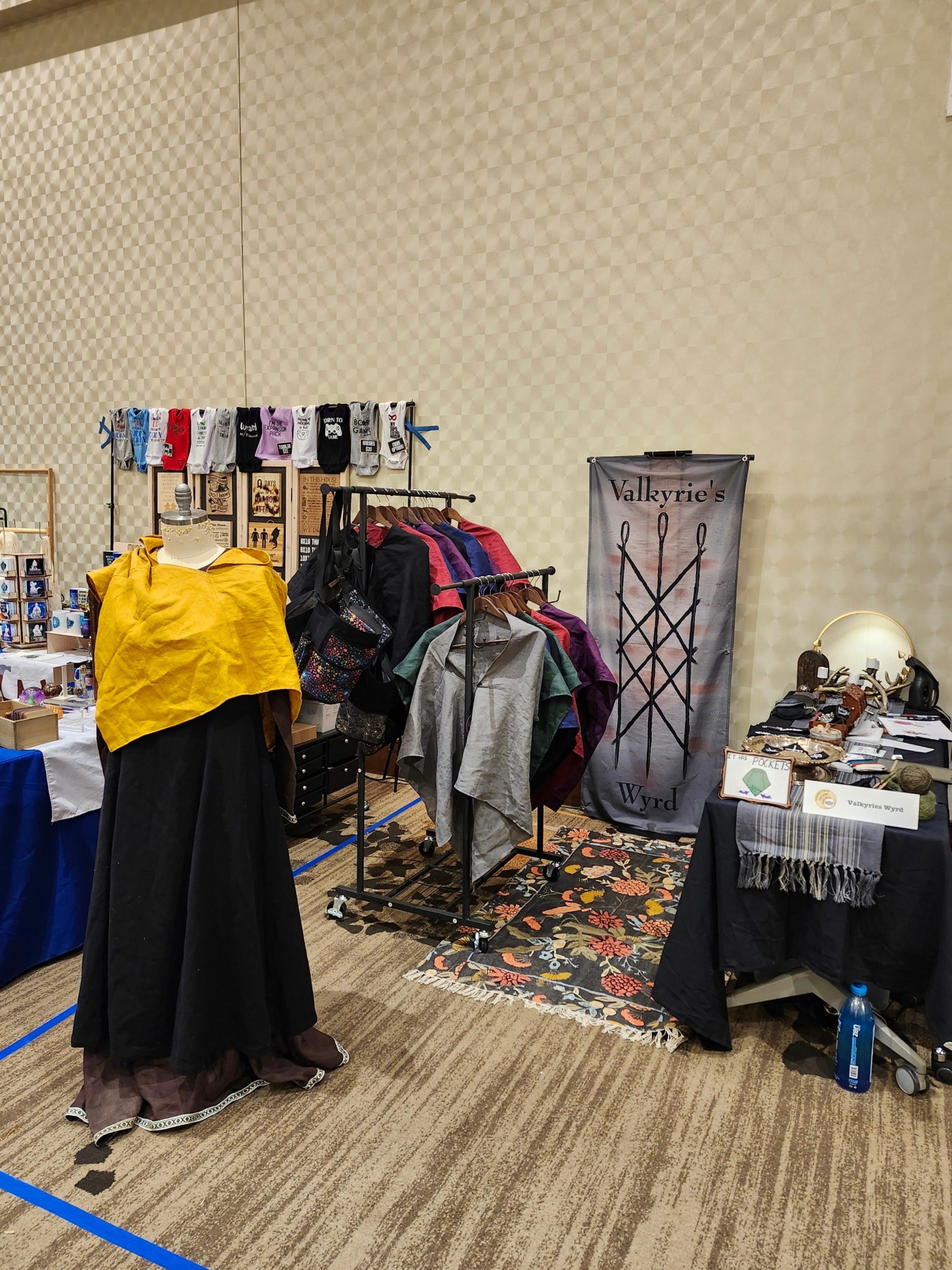
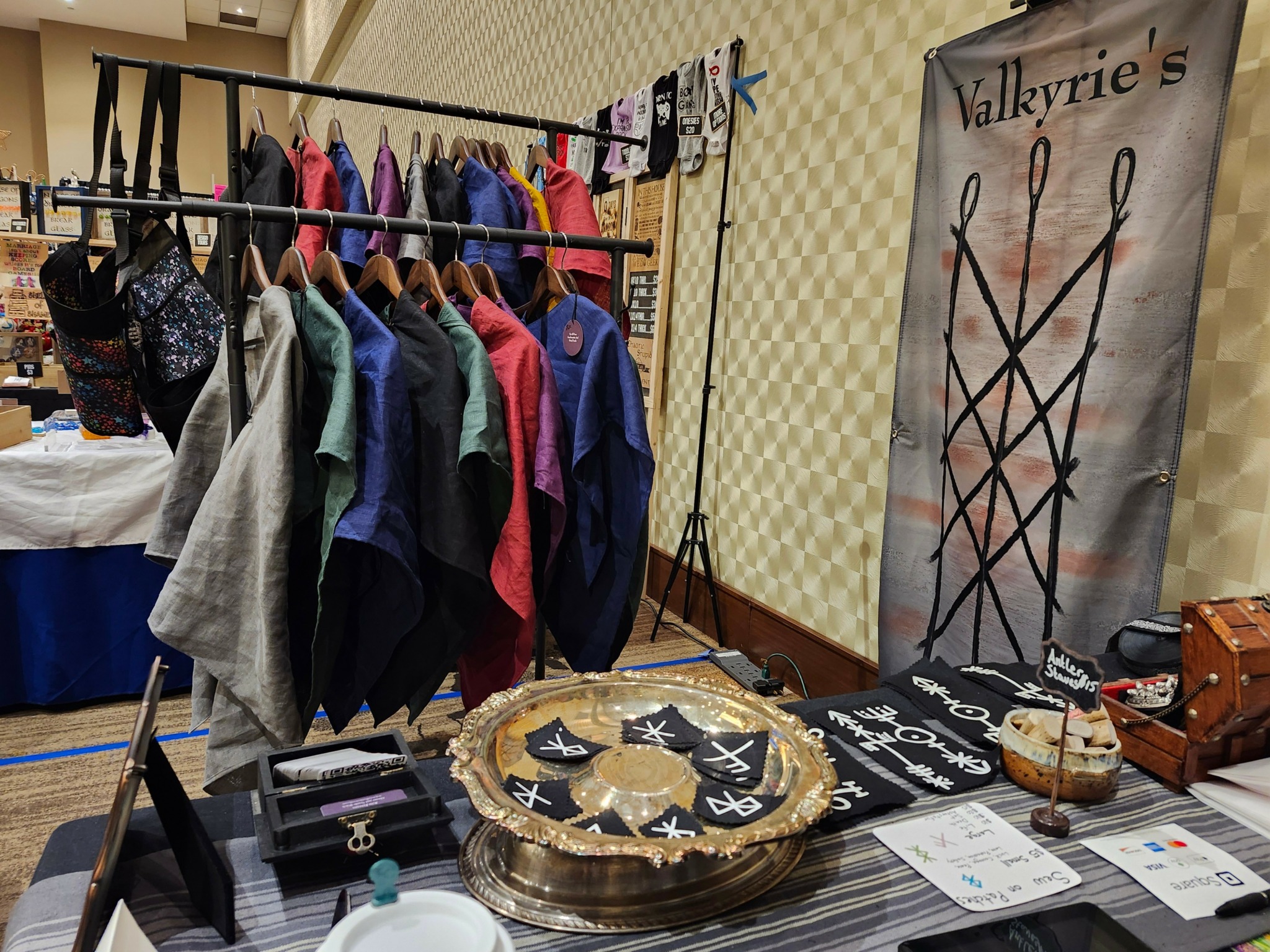
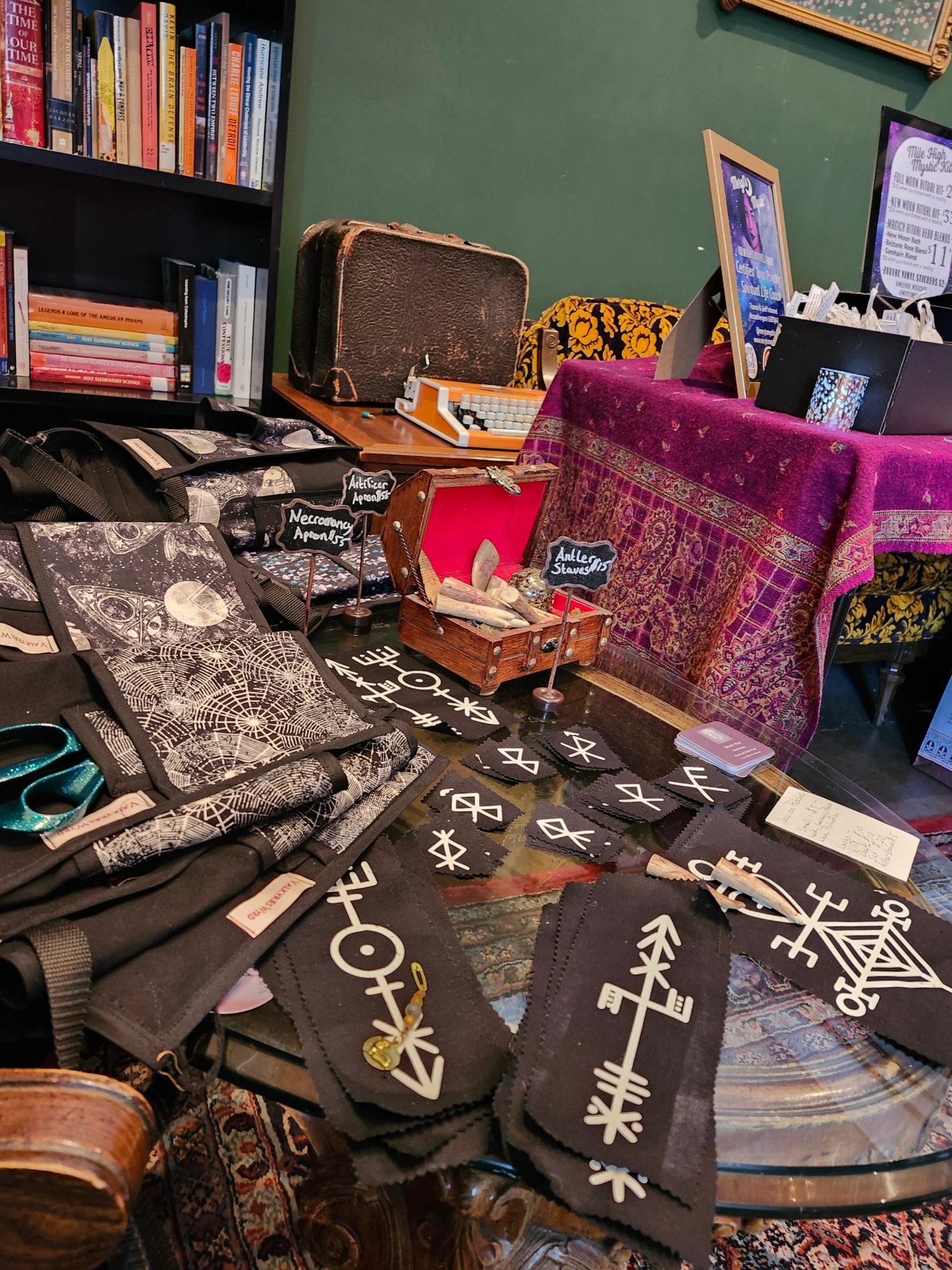
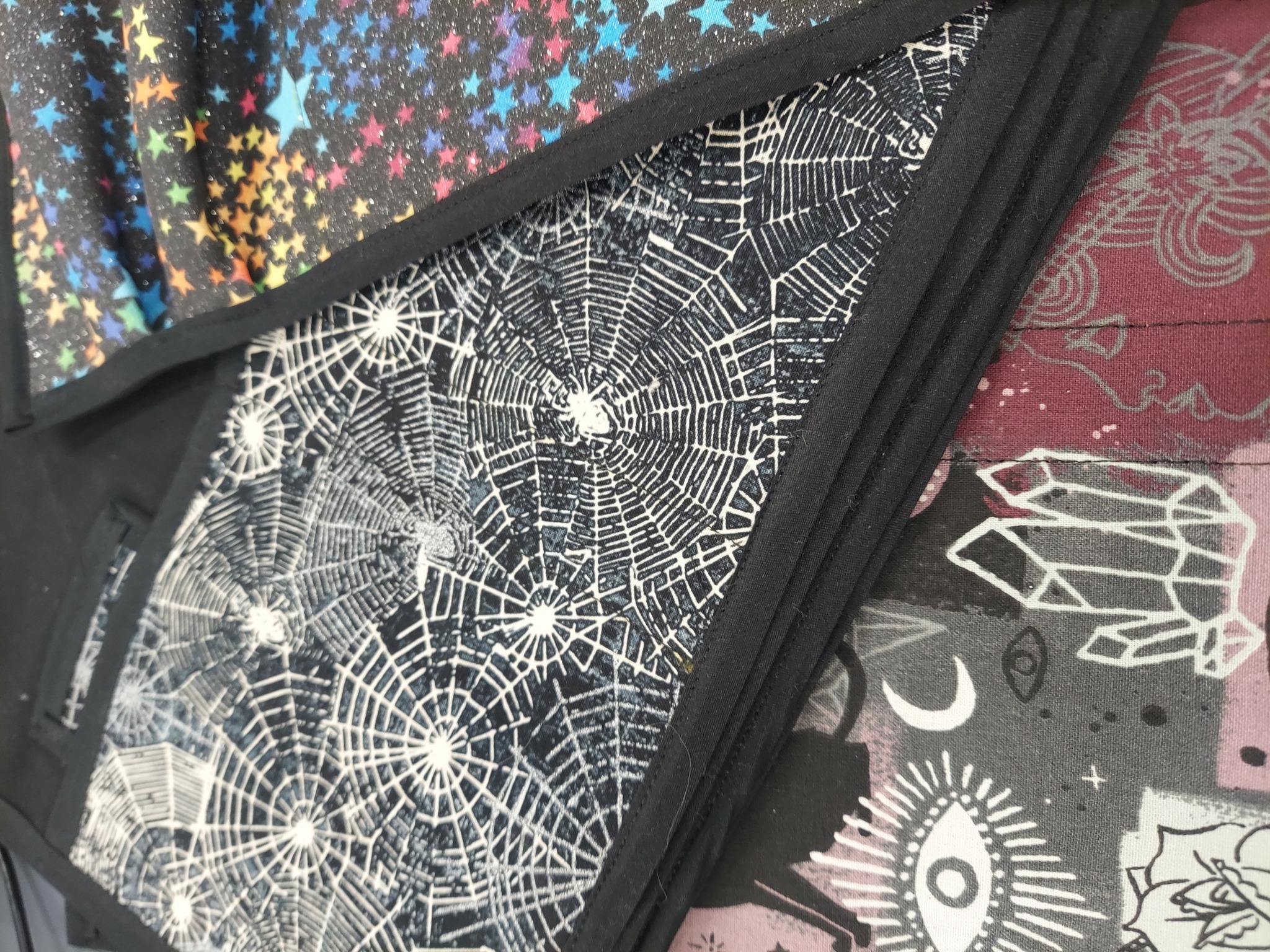
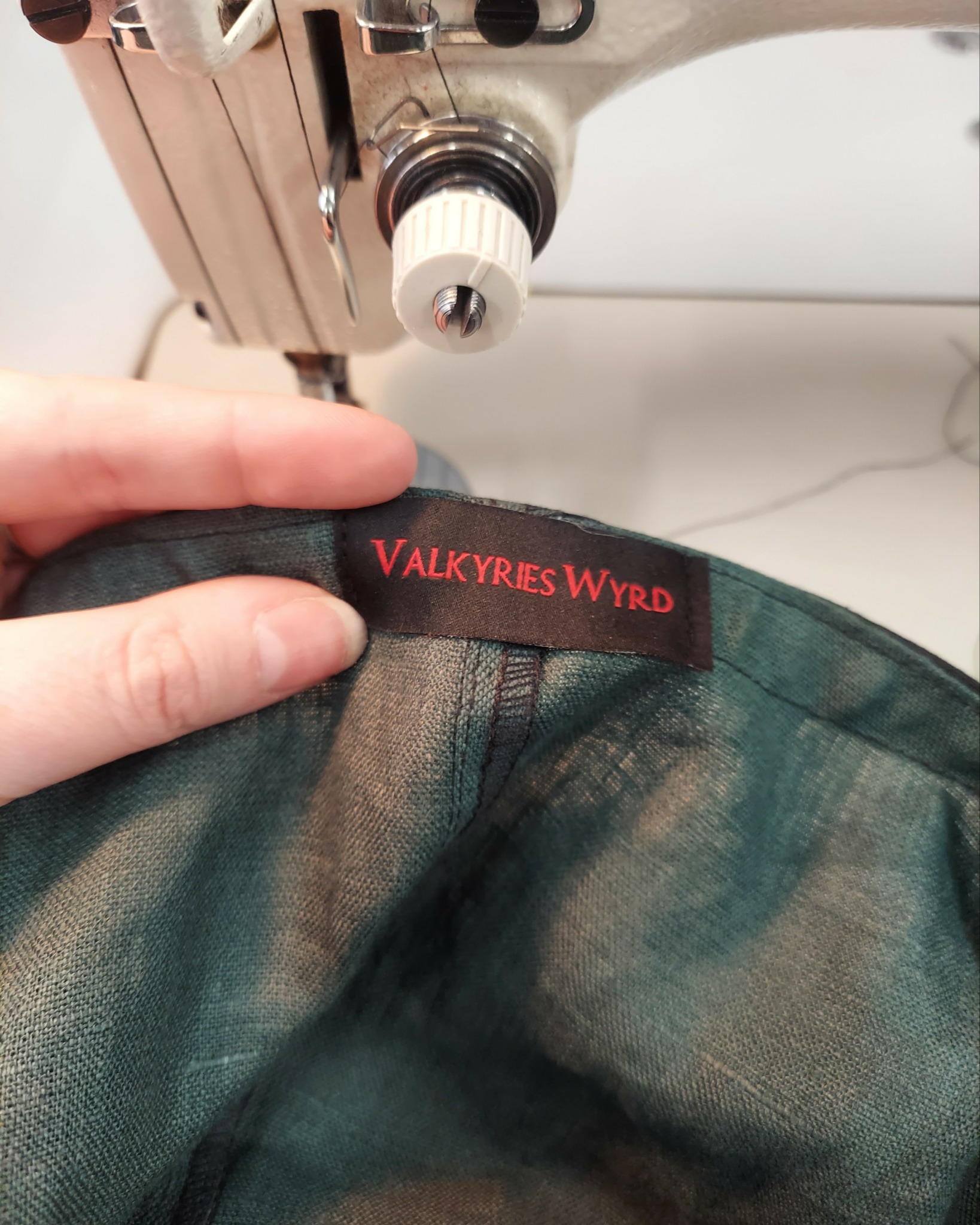
Image Credits
Kris Ferraro