

We were lucky to catch up with Kimberly Parry recently and have shared our conversation below.
Kimberly, thanks for taking the time to share your stories with us today Risking taking is a huge part of most people’s story but too often society overlooks those risks and only focuses on where you are today. Can you talk to us about a risk you’ve taken – it could be a big risk or a small one – but walk us through the backstory.
The biggest risk I’ve ever taken was starting my business. I had a career in academia that I adored and never imagined leaving, but life threw me a curveball. In the span of a single year, I lost my health, my marriage, and my career. Suddenly, I was a chronically ill single mom, lying on a bed in my living room, wondering how I was going to provide for my family.
It wasn’t so much a leap of faith as it was being shoved off the ledge by life. But sometimes, the universe gives you a nudge to discover gifts and talents you never knew you had.
Starting a business wasn’t just a professional pivot; it was a personal evolution. I’ve heard it said that if you want soul growth, become an entrepreneur—and it’s true. Entrepreneurship doesn’t come with guarantees. It’s a path of risks, unknowns, and betting on yourself over and over again.
That journey taught me how to turn adversity into an advantage and to lead with both courage and creativity. The risks I’ve taken—some that succeeded and others that didn’t—have shaped not just my business, but also the person I’ve become. And honestly, that’s a risk I would take all over again.
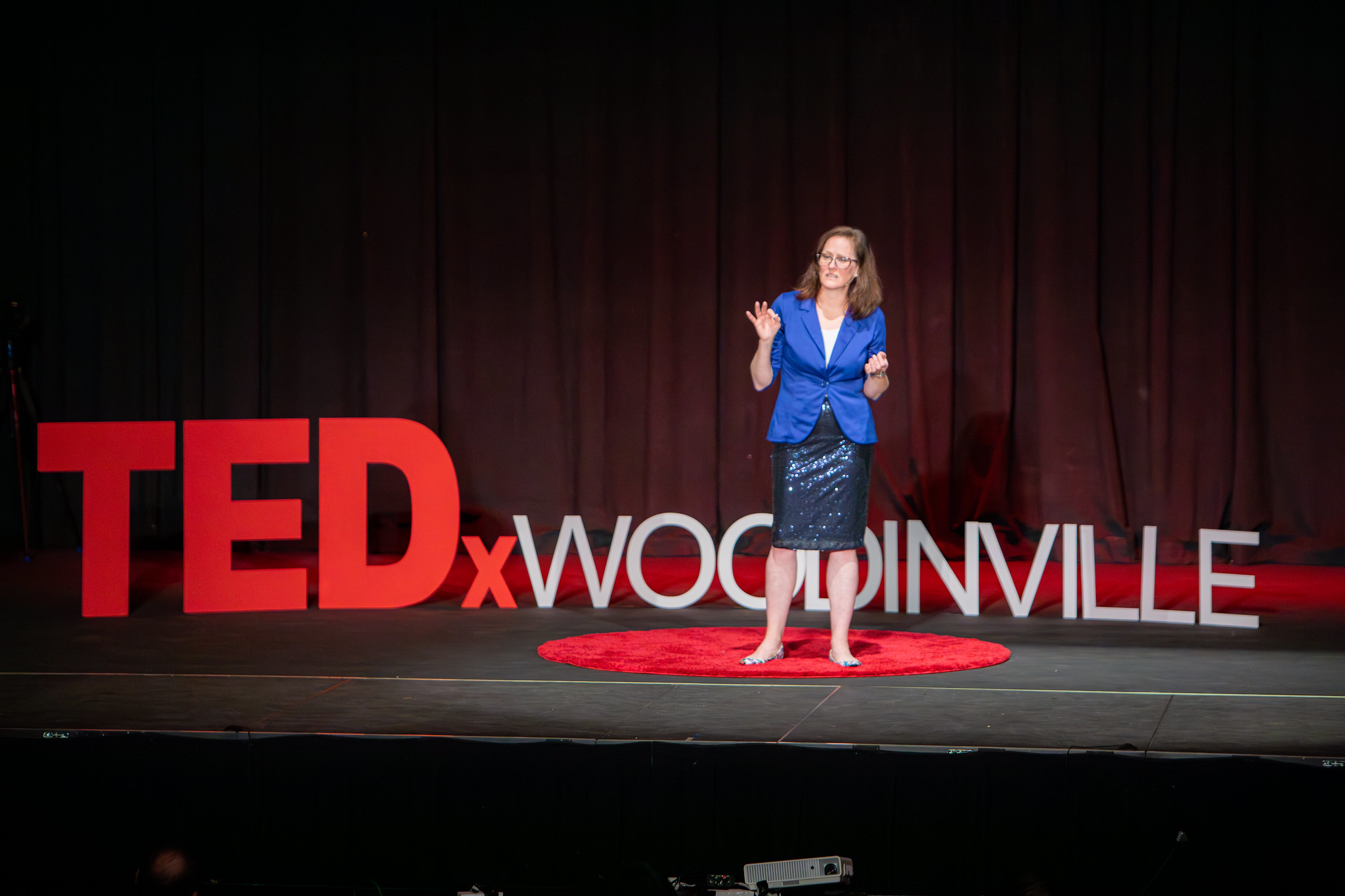
Kimberly, before we move on to more of these sorts of questions, can you take some time to bring our readers up to speed on you and what you do?
The most ironic thing about me is I’m a personal stylist who never cared much about fashion.
In high school, I was a jock who lived in ponytails, sweats, and boxers. Then came my freshman year of college where I took a fashion merchandizing and a literary theory course, where I was introduced to literary feminist theory in the same semester. I decided that the liberal arts felt much more liberating than the “rules” of fashion, and too the road less traveled as an English major for seven years. From there, I spent the next 16 years following my true passion as an academic teaching religion. I’ve always been a deep thinker and soul seeker, so diving deep into theology, philosophy, spirituality and teaching about soul work and personal growth were perfectly aligned for me. Although I was never a fashion hater, during those years, I often often mentioned fashion when talking about “egoic distractions.”
And then life happened.
As I mentioned before, two months after my youngest was born, I lost my health, marriage, and career all at the same time. Everything that had defined my success and confidence was pulled out from under me, and itt pushed me into what I call my “rebranding period”—not just professionally, but personally. Without the old “costumes” of my identity, I had to do the deep soul work I’d spent years teaching others about.
I joke that, at the time, it was hart to put my skill set to work, as there aren’t a lot of corporations looking for “religious consultants.” Because there weren’t a lot of places to apply my background and education, and needing to find a job I could do from a bed on my living room without any clue of what my quality of life would be, I started coaching.
I started as an authentic alignment coach, helping clients rediscover their core identity and escape burnout. My signature personal development programs (Unlock Your IT Factor™ and Unleash Your IT Factor™) helped people align with who they truly are. But then an old college roommate—fresh out of my coaching program—threw me a curveball. She called and said, “Now that I know who I am, my outside doesn’t match my inside. I’ve been dressing like my mom my whole life. Let’s play dress-up like we used to!”
So we did. I threw her in a dressing room and grabbed clothes that fit her body and her personality. Based on the archetypal coaching work we’d done together, it was fun to find patterns, styles, and colors that were uniquely HER.
As we were talking, other women started coming out of their dressing rooms, asking what we were doing.
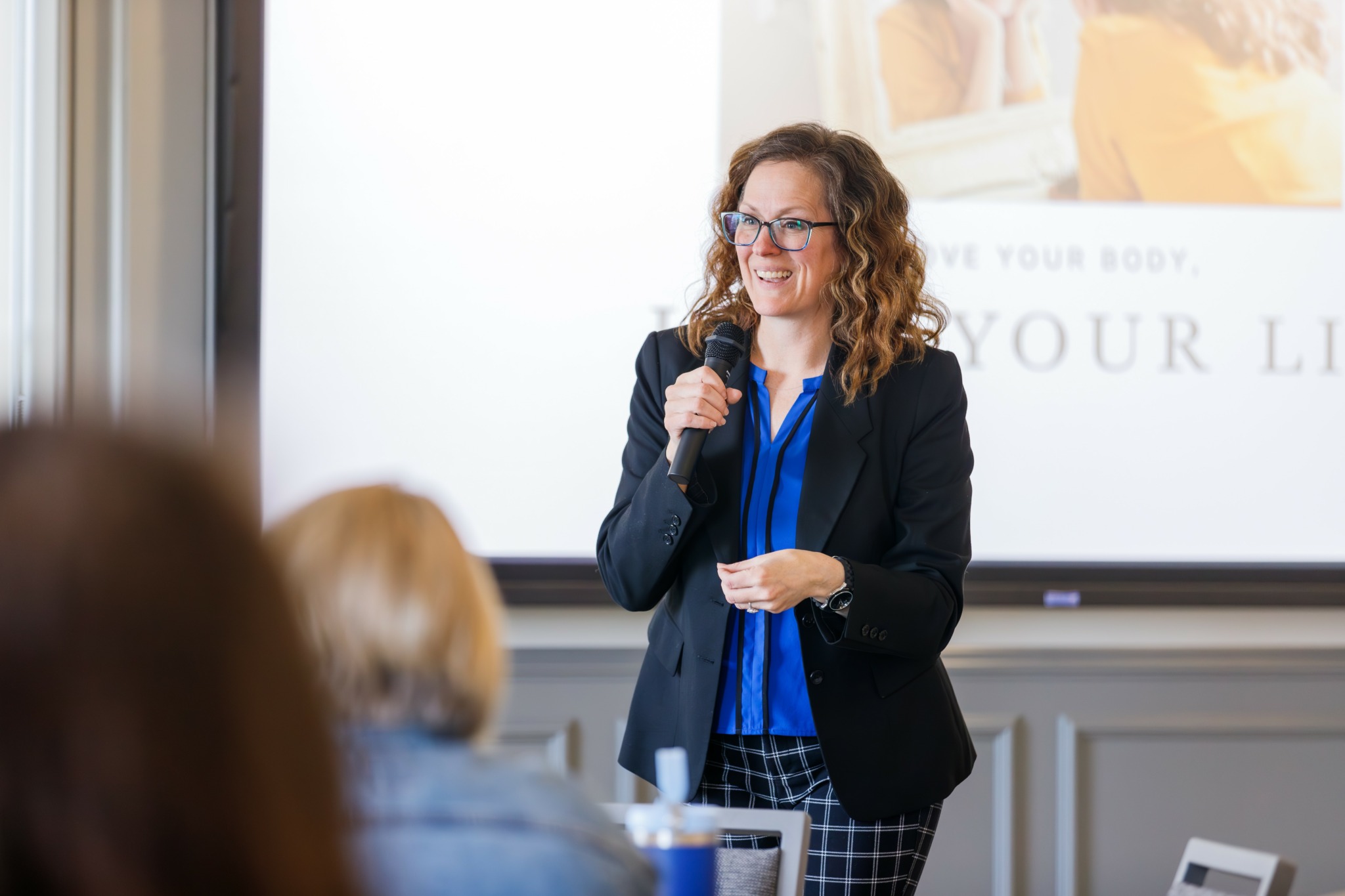
That’s when I saw how helping someone align their wardrobe with their identity could be a powerful extension of the soul work I was already doing. Now I’m Your Real Life Fairy Godmother™, combining personal development coaching with personal styling to help individuals and organizations transform their lives and succeed with style.
Can you tell us about a time you’ve had to pivot?
The last eight years of my life have been a masterclass in pivoting.
When I first started my business, I had just set everything up and taken on my first clients when—two months later—the pandemic hit. Suddenly, I was homeschooling three kids ranging from kindergarten to junior high while navigating the chaos of quarantine.
During that time, my divorce and required a move to a new neighborhood, so my kids lost their familiar environment and friends at a time they couldn’t socialize and make new ones. When quarantine was lifted, my kids had to start over in new schools with no friends. Throughout all of that, life demanded more pivoting than a championship basketball game.
What I’ve learned is this: the key to navigating pivots is finding the opportunity in the adversity.
Change can feel uncomfortable. Our brains crave consistency. But every challenge comes with a chance to grow. Pivots force us to develop new skills, expand our networks, or stretch into the next version of ourselves. They’re opportunities to use our talents in ways that serve others more powerfully—if we’re willing to lean into them.
Clutching onto the past for comfort only makes transitions more painful–at least that’s been my experience. I’ve learned to embrace the pivot, knowing it’s a chance to build something even better.

Can you share a story from your journey that illustrates your resilience?
My mom is what I’d call pathologically perky—the “don’t worry, be happy” type. So let me start by saying, this is not that kind of advice.
When people ask me, “How did you get through it? I couldn’t do that,” the truth is: I didn’t have a choice. When life backed me into a corner, the options were to curl up and give up—or figure out a way through it. I chose to get through it.
The key for me was developing a “can do” attitude—not in the annoyingly chipper way my mom would say it, but in a practical way.
When you’re faced with obstacles, it’s easy to fixate on what’s out of your control, but that just drains your energy. Instead, I acknowledged the reality of the crappy suckfest I was in, let myself acknowledge that I hated it. But then I focused on what I COULD do.
Some days, the only thing I could do was wake up—not even get up, just wake up. My kids would watch Netflix while I lay there, praying things would get better.
Sometimes, they did. Sometimes, they didn’t. But every day, I focused on one thing I could do.
Now, I’m in a place where I can do so much more than I could back then, but that has come by slowly and surely taking it one day at a time and doing what I can do that day.
Resilience isn’t about taking giant leaps—it’s about doing what you can, every single day. One step at a time.
Contact Info:
- Website: https://www.emergencelifecoaching.com
- Instagram: https://www.instagram.com/emergencelifecoachingut/
- Linkedin: https://www.linkedin.com/in/kimberly-parry/