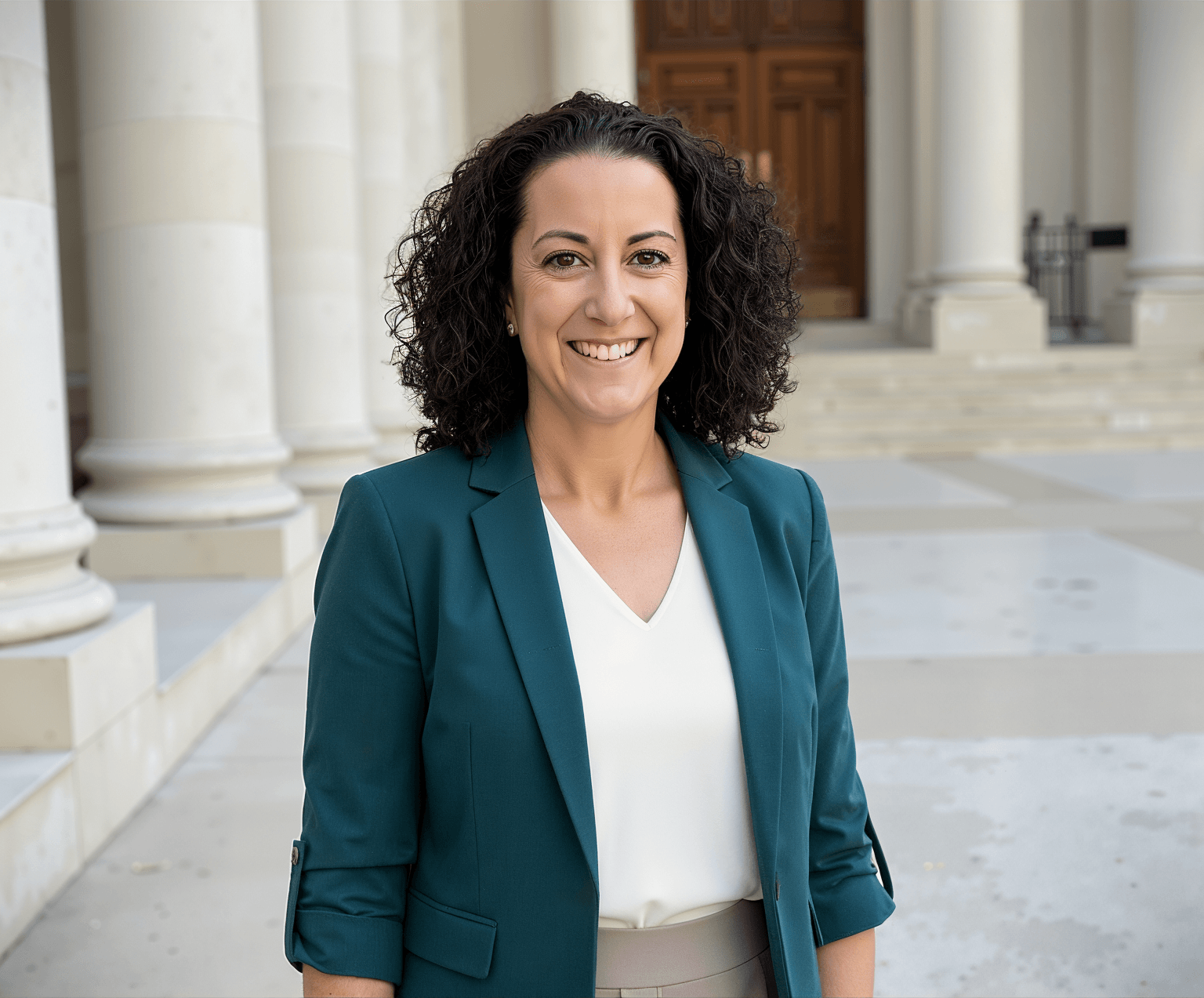

We recently connected with Kimberly Lamke and have shared our conversation below.
Alright, Kimberly thanks for taking the time to share your stories and insights with us today. What were some of the most unexpected problems you’ve faced in your business and how did you resolve those issues?
One of the most unexpected challenges I faced in my business came when COVID hit. At the time, I owned a pediatric occupational, physical, and speech therapy practice with 10 employees. Practically overnight, everything we relied on—face-to-face interaction, hands-on treatment, and consistent routines—was disrupted.
I remember the moment it all became real. Schools were shutting down, families were canceling appointments, and my staff was looking to me for answers I didn’t yet have. There was an overwhelming sense of uncertainty. My first thoughts weren’t about the business itself, but about the people—my employees who depended on their income, and the children and families who relied on us for critical services.
One of the biggest problems was that our entire model of care was built around in-person therapy. Pediatric therapy is deeply hands-on, and suddenly I was faced with an impossible question: how do we continue providing meaningful care while also keeping everyone safe?
That tension—between care and safety—was one of the hardest parts.
I was responsible not only for the survival of the business, but for protecting my staff, our clients, and their families. Many of the children we serve have additional medical or developmental vulnerabilities, and the risk of exposure felt incredibly real. At the same time, stopping services altogether could lead to regression for these children. There was no perfect answer.
In those early days, it felt like we were building the plane while flying it.
To address this, I had to shift quickly. We explored telehealth, even though none of us had experience with it. I spent long nights researching regulations, reimbursement policies, and platforms. We trained as a team, learning how to coach parents through sessions and adapt activities using whatever was available in the home. It wasn’t ideal, but it allowed us to continue supporting families while reducing risk.
For the clients who required in-person care, we implemented strict safety protocols—screenings, sanitation procedures, modified schedules, and smaller, controlled environments. Every decision was made through the lens of: “Is this safe for our staff? Is this safe for our families?” That question guided everything.
At the same time, one of the most difficult realities I faced as a leader was that not everyone agreed with the policies we put in place. Despite my efforts to be thoughtful, transparent, and safety-focused, I ultimately lost three team members due to disagreements around COVID protocols and expectations. That was incredibly hard. These were people I had worked alongside for years—people I respected and cared about. It forced me to confront a deeper truth about leadership: that even when you lead with integrity and intention, not every decision will be accepted by everyone. In that moment, I had to stay grounded in what I believed was right for the greater good, even when it came at a personal and professional cost.
I had to make difficult leadership decisions—balancing financial realities with my commitment to my team. Transparency became essential. I communicated openly, even when I didn’t have all the answers, and we leaned on each other more than ever. Looking back, what felt like a crisis also became a turning point. It forced us to innovate, to become more flexible, and to deepen our relationships with families by involving them more directly in their child’s care. Most importantly, it reinforced the responsibility that comes with leadership—not just to run a business, but to protect and support the people within it.
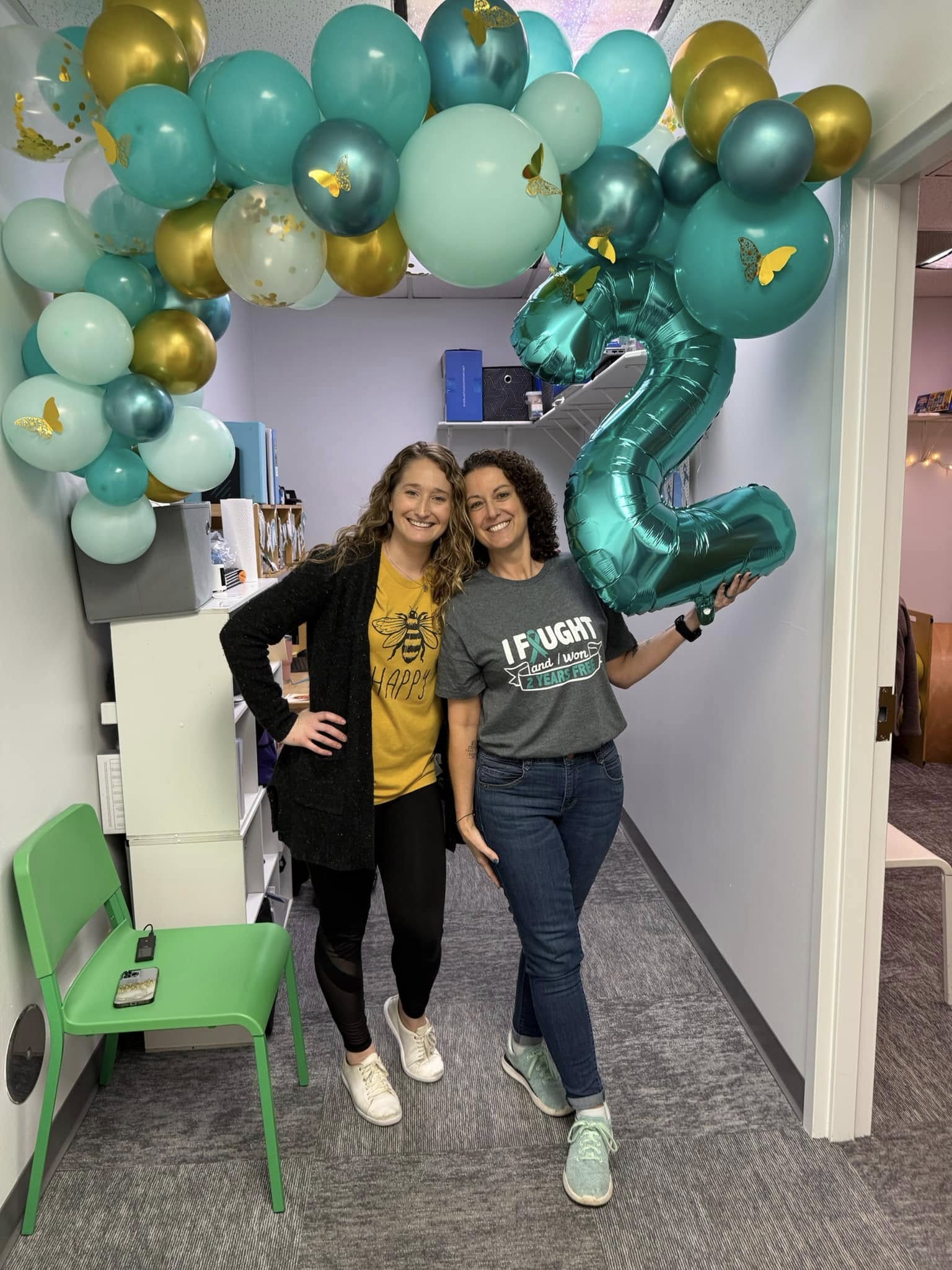
As if navigating a global pandemic wasn’t enough, in 2022 I was also facing a deeply personal and unexpected challenge—I was diagnosed with stage 4 ovarian cancer. In the middle of trying to lead my team through uncertainty, I was suddenly confronting my own. There were moments where the weight of both roles—business owner and patient—felt overwhelming. Yet, that experience also sharpened my perspective. It deepened my empathy for the families we serve and reinforced how critical our work truly is. I was blessed to have more support from my own team members that I could have ever imagine. Everyone pulled together to make sure the business ran as it had been so I did not have to worry and could take care of myself.
It was one of the most challenging periods I’ve faced as a business owner, but it ultimately made us more resilient, more creative, and more connected.
Great, appreciate you sharing that with us. Before we ask you to share more of your insights, can you take a moment to introduce yourself and how you got to where you are today to our readers.
I am the owner of a pediatric therapy practice providing occupational, physical, and speech therapy services. My journey into this field began with my own career as an occupational therapist, where I spent over 26 years working directly with children and families. I always knew I loved the work—the connection, the progress, the small wins that mean everything—but I never initially set out to become a business owner.
That changed when the opportunity arose to take over the practice where I had been working. When the previous owner retired, I stepped into a role I hadn’t fully planned for, transitioning from colleague to leader almost overnight. In October 2018, I officially became the owner, inheriting not just a business, but a team, a community of families, and a responsibility to carry forward the level of care they had come to trust.
What we provide goes far beyond traditional therapy services. Yes, we offer occupational, physical, and speech therapy—but at the core, we help children build independence, confidence, and the skills they need to participate fully in their everyday lives. Whether it’s a child learning to communicate for the first time, gaining the strength to walk, or developing the ability to regulate their emotions and engage with others, these milestones are life-changing not just for the child, but for their entire family. One of the biggest problems we solve is helping families navigate the uncertainty that comes with developmental challenges. Parents often come to us overwhelmed, unsure of what their child needs or what the future will look like. We don’t just treat the child—we support the whole family, providing education, guidance, and reassurance along the way.
What sets us apart is the way we approach care. We believe therapy should be collaborative, compassionate, and individualized. We take the time to truly understand each child and their environment, and we involve families as active participants in the process. Especially through challenges like COVID, we learned how powerful it is to empower parents to carry over strategies into daily life, making progress more meaningful and sustainable.
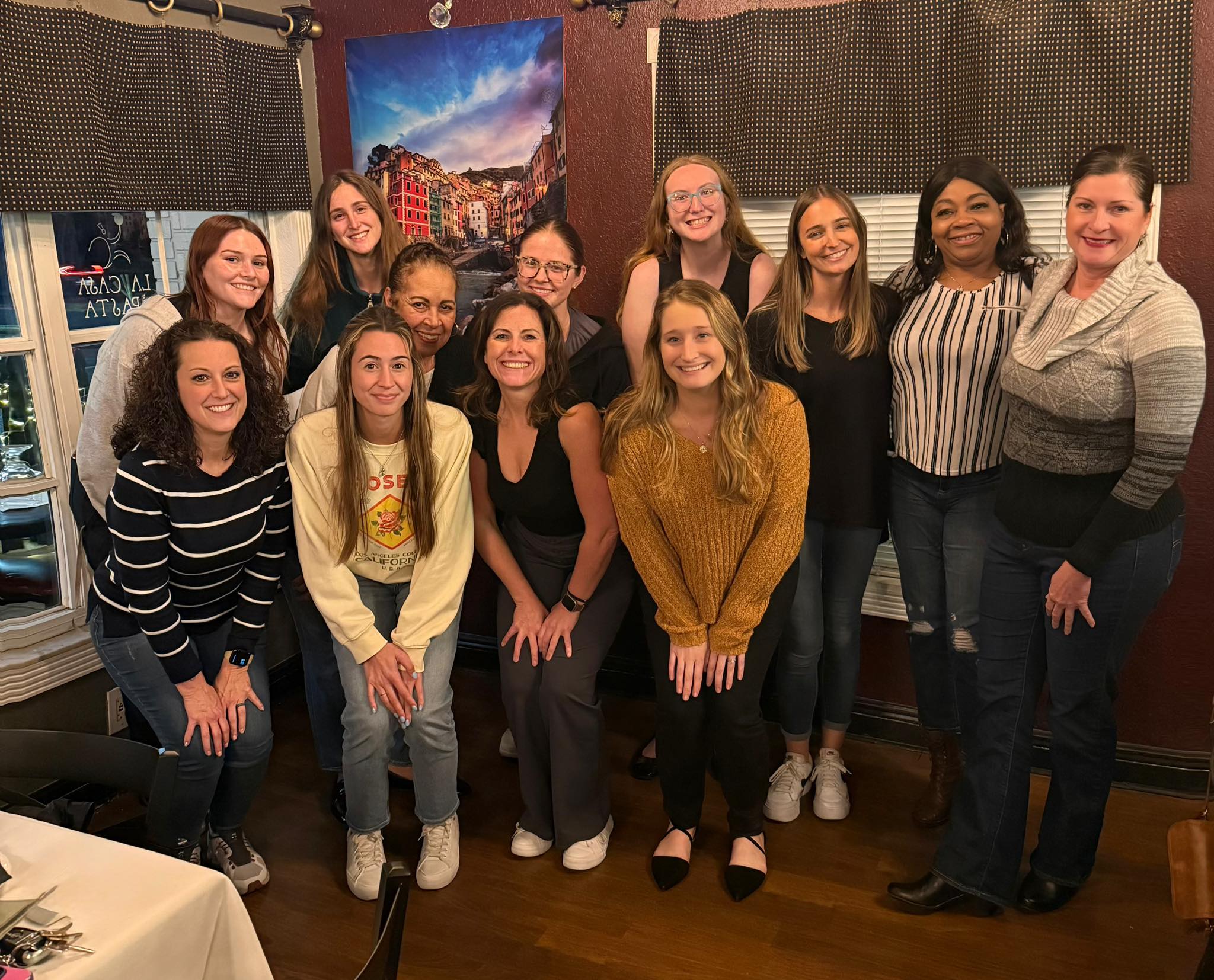
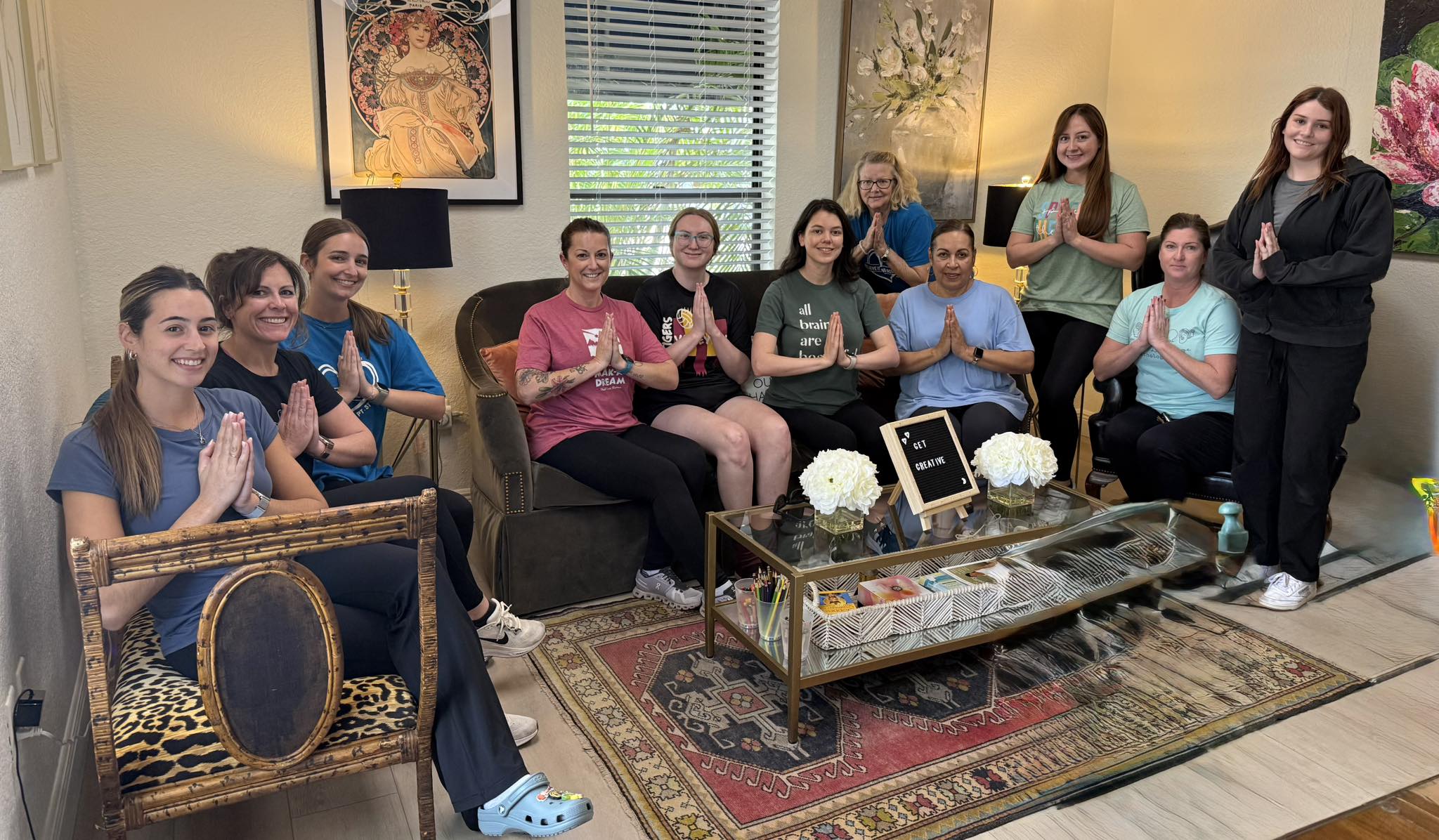
I’m most proud of the culture we’ve built. We are not just a clinic—we are a team that genuinely cares about one another and the families we serve. Leading through difficult times, including a global pandemic, tested every part of that culture, but it also strengthened it. We adapted, we supported each other, and we stayed committed to our mission even when it was hard.
What I want people to know about me and my work is that this is deeply personal. This isn’t just a business—it’s a commitment. I care about doing things the right way, even when it’s not the easiest way. I care about my team feeling supported and valued, and I care about every child and family who walks through our doors. At the end of the day, our goal is simple: to help children reach their fullest potential and to make sure families never feel like they’re navigating that journey alone.

How do you keep your team’s morale high?
Managing a team and maintaining high morale isn’t about having all the right answers—it’s about creating an environment where people feel seen, supported, and valued, especially during difficult moments. One of the most important lessons I’ve learned is that transparency builds trust. Your team doesn’t expect perfection, but they do need honesty. Whether things are going well or there’s uncertainty, communicating openly helps people feel included rather than left in the dark. During challenging times, I’ve found that simply acknowledging, “I don’t have all the answers yet, but we’ll figure this out together,” goes a long way.
Leading with empathy while still maintaining clear expectations helps people feel understood as individuals—especially in a field like pediatric therapy, where burnout can be real—but they also need structure and consistency. It’s about finding that balance between compassion and accountability. I believe strongly in creating a sense of purpose. When team members feel connected to why they do what they do, morale naturally improves. In our work, that means constantly bringing the focus back to the children and families we serve—the progress, the breakthroughs, the impact. Celebrating even the smallest wins helps remind everyone that their work matters.
Recognition is another powerful tool, and it doesn’t have to be complicated. A genuine “I see what you did, and it made a difference” can mean more than any formal reward system. People want to know their effort is noticed. At the same time, I’ve learned that maintaining morale doesn’t mean avoiding hard decisions. Sometimes leadership requires making choices that not everyone agrees with. In those moments, staying grounded in your values and being consistent in your decisions is what ultimately earns respect, even if it’s difficult in the short term.
Finally, I think one of the most underrated aspects of strong leadership is modeling what you want to see. If you want a culture of respect, support, and resilience, it has to start at the top. Your team is always watching how you respond to stress, how you treat others, and how you handle challenges.
At the end of the day, high morale isn’t built through big gestures—it’s built through daily consistency, trust, and a shared sense that what you’re doing together truly matters.
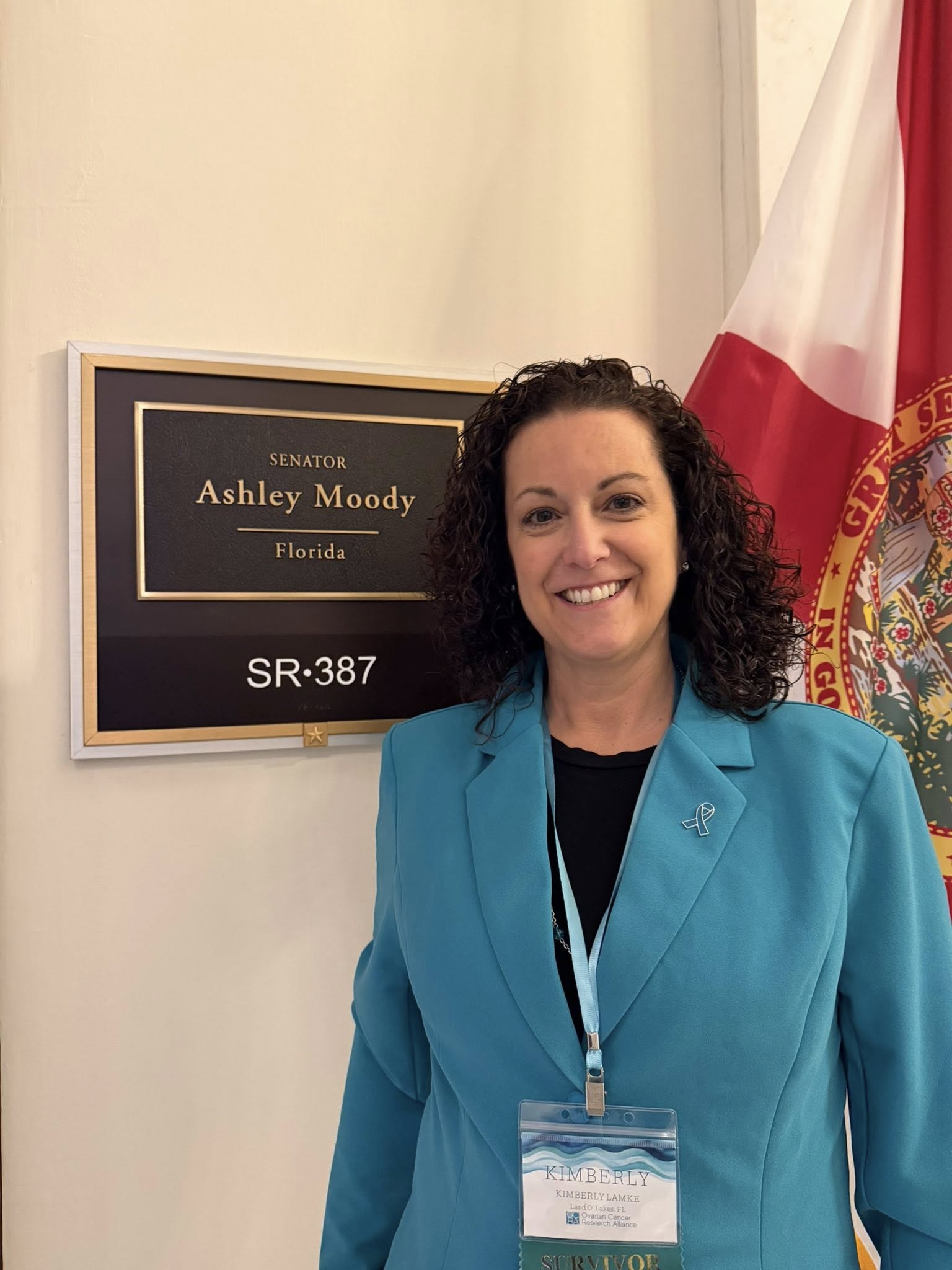
How’d you build such a strong reputation within your market?
What helped build my reputation in my market was consistency, trust, and relationships. From the beginning, I focused on providing high-quality, individualized care and making sure families felt heard and supported—not just during sessions, but throughout their entire journey. Word of mouth became one of the biggest drivers of growth. When families trust you with their child and see progress, they share that experience with others. I also built strong relationships with referral sources and other professionals, which helped establish credibility in the community.
I prioritized my team—supporting them, holding high standards, and creating a culture of care. That translated directly into the experience our clients had. Over time, it wasn’t one big moment that built my reputation—it was doing the right thing, over and over again, even when it was hard.
Contact Info:
- Website: https://www.believeittherapy.com
- Facebook: https://www.facebook.com/believeittherapy/
- Linkedin: Believe It and Achieve It