



We were lucky to catch up with KIMBERLY A MCNEAL recently and have shared our conversation below.
KIMBERLY, thanks for taking the time to share your stories with us today Can you open up about a risk you’ve taken – what it was like taking that risk, why you took the risk and how it turned out?
One of the biggest risks I ever took was stepping out on my own to start Disciplined Design with only $374 in my bank account. No investors, no safety net, no backup plan—just determination, faith, and a belief that I could build something meaningful.
At the time, I knew I had talent, vision, and a strong work ethic, but knowing that and betting your livelihood on it are two very different things. I had an opportunity to help a client sell his townhome, and I decided to use what I had instead of waiting for what I didn’t have. I used my own furniture from my home to stage the property. That meant sacrificing our own comfort and taking a leap without guarantees.
My daughter, my son, and I became the crew. We painted walls, packed boxes, deep cleaned, moved furniture, and transformed that townhome room by room. We worked long days and did whatever needed to be done to make the home market-ready. Because so much of our own furniture was in the property, we slept on the floor for three weeks while it was listed, hoping it would sell quickly.
Those weeks taught us more than any business class ever could. We learned resilience, teamwork, sacrifice, and what it truly means to build something from the ground up. We learned that excellence is often created in unseen moments—late nights, sore backs, uncertainty, and persistence.
The home sold quickly, and that first success changed everything. It gave me confidence, credibility, and proof that the risk was worth it. More importantly, it laid the foundation for the company we would become.
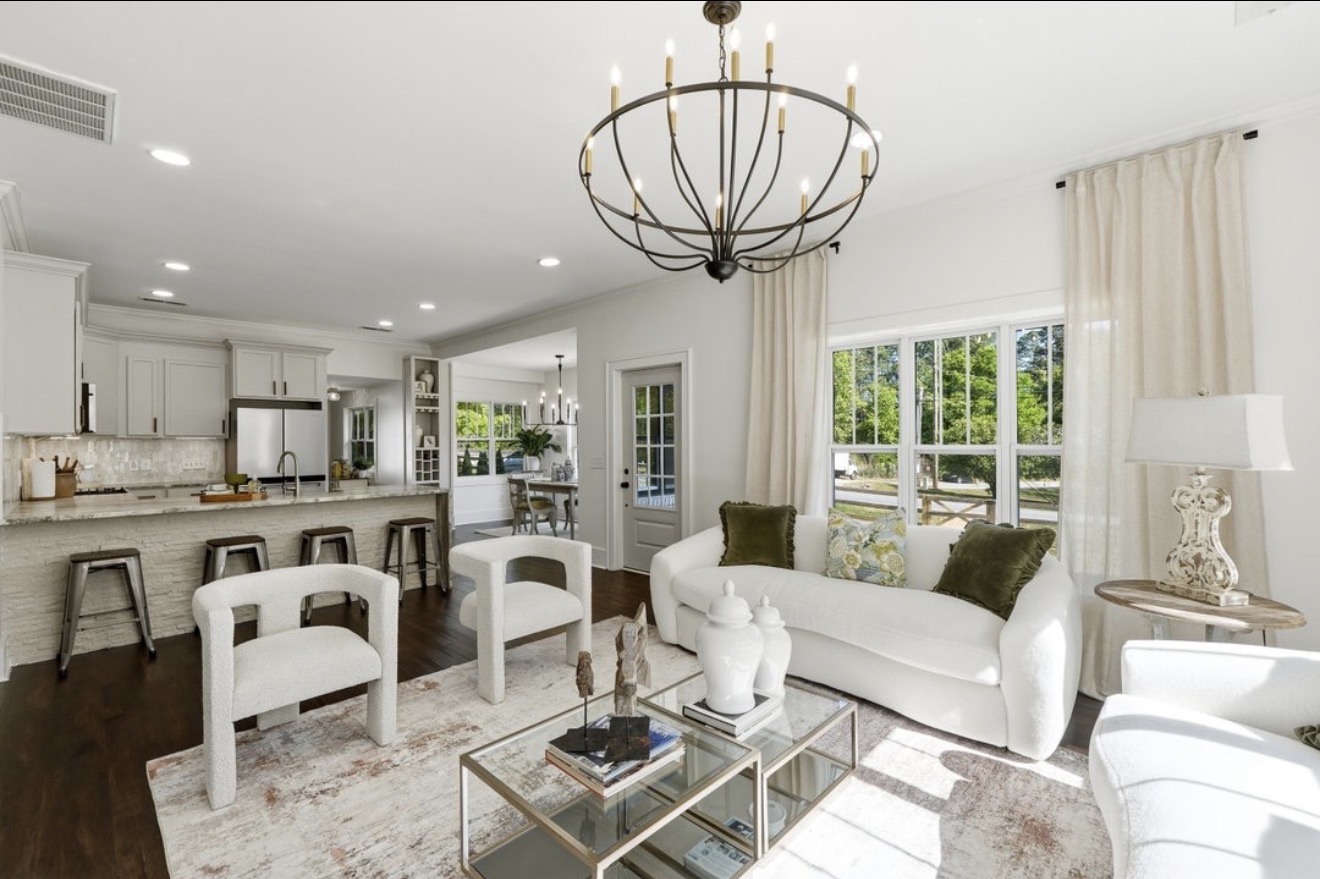
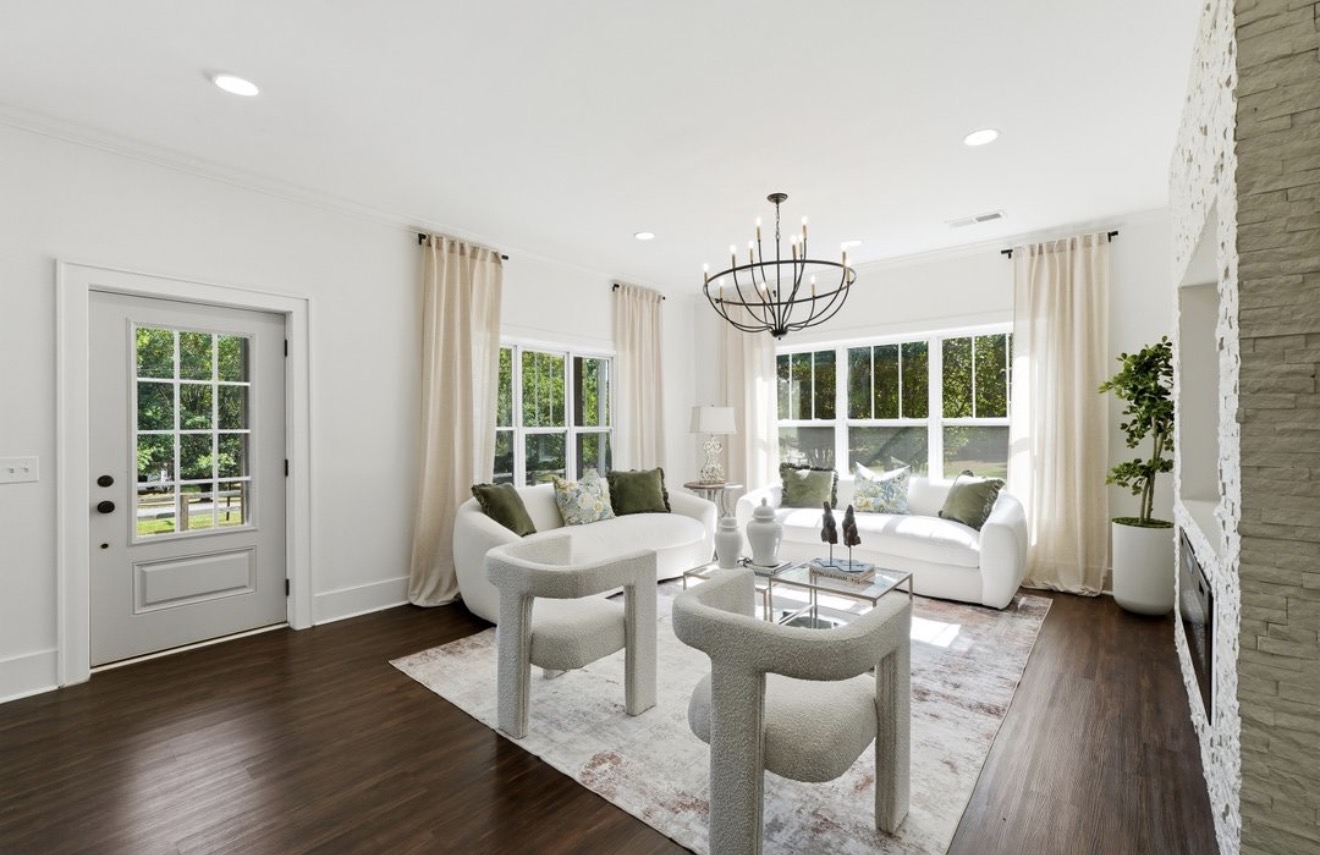
From that experience, Disciplined Design built a reputation for being more than a staging company that simply drops off furniture. We became known for preparing homes fully—painting, decluttering, organizing, repairing, styling, and doing whatever it takes to help a property look its absolute best and stand out in the market.
Starting a business takes grit. It takes risk. It takes discipline. That is exactly why I named my company Disciplined Design.
Looking back, the greatest risk was not having only $374. The greatest risk would have been not believing in myself enough to begin.
As always, we appreciate you sharing your insights and we’ve got a few more questions for you, but before we get to all of that can you take a minute to introduce yourself and give our readers some of your background and context?
I’ve always been creative. Long before social media made “before and after” transformations popular, I was already redesigning spaces, improving homes, laying brick, building features, and constantly reimagining what a space could become. I was a major DIYer before DIY became a trend, and a creator before content creation was even a category. For years, I poured that energy into my own home, helped friends with theirs, and naturally became the person people called when they wanted something to look better, function better, or feel elevated.
When I moved to Georgia, I decided to formalize that passion and began pursuing my Associate’s degree in Interior Design. I wanted to pair natural instinct and hands-on experience with professional training. Design had always lived in me, but education helped sharpen the craft.
Before my divorce, my former husband and I started a renovation company. We were building momentum, but when the 2008 market crash hit, that chapter came to a halt. Like many people during that time, life shifted dramatically. After going through divorce and rebuilding personally and financially, I made the decision to bet on myself and start over.
That is when I launched Disciplined Design.
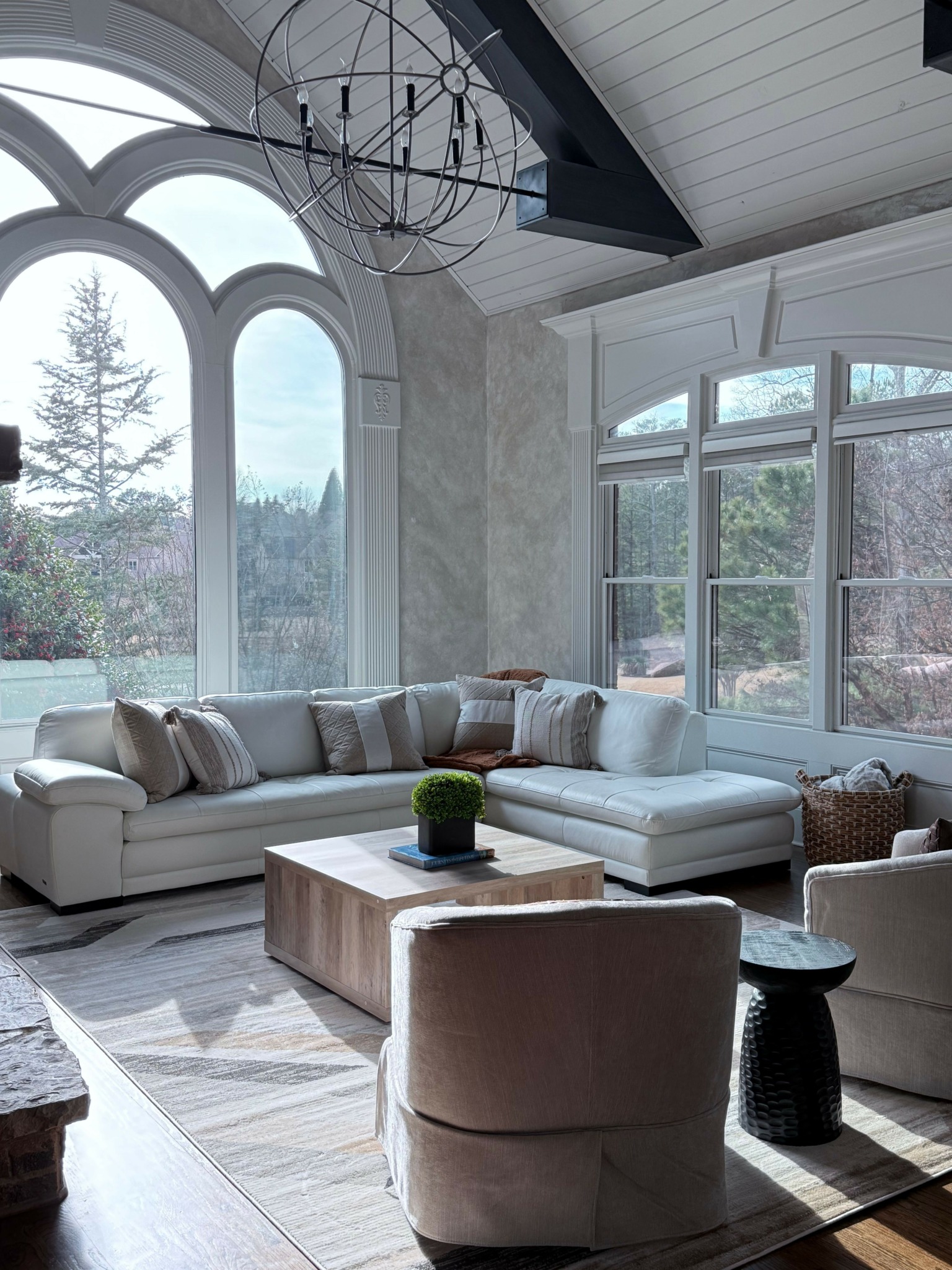
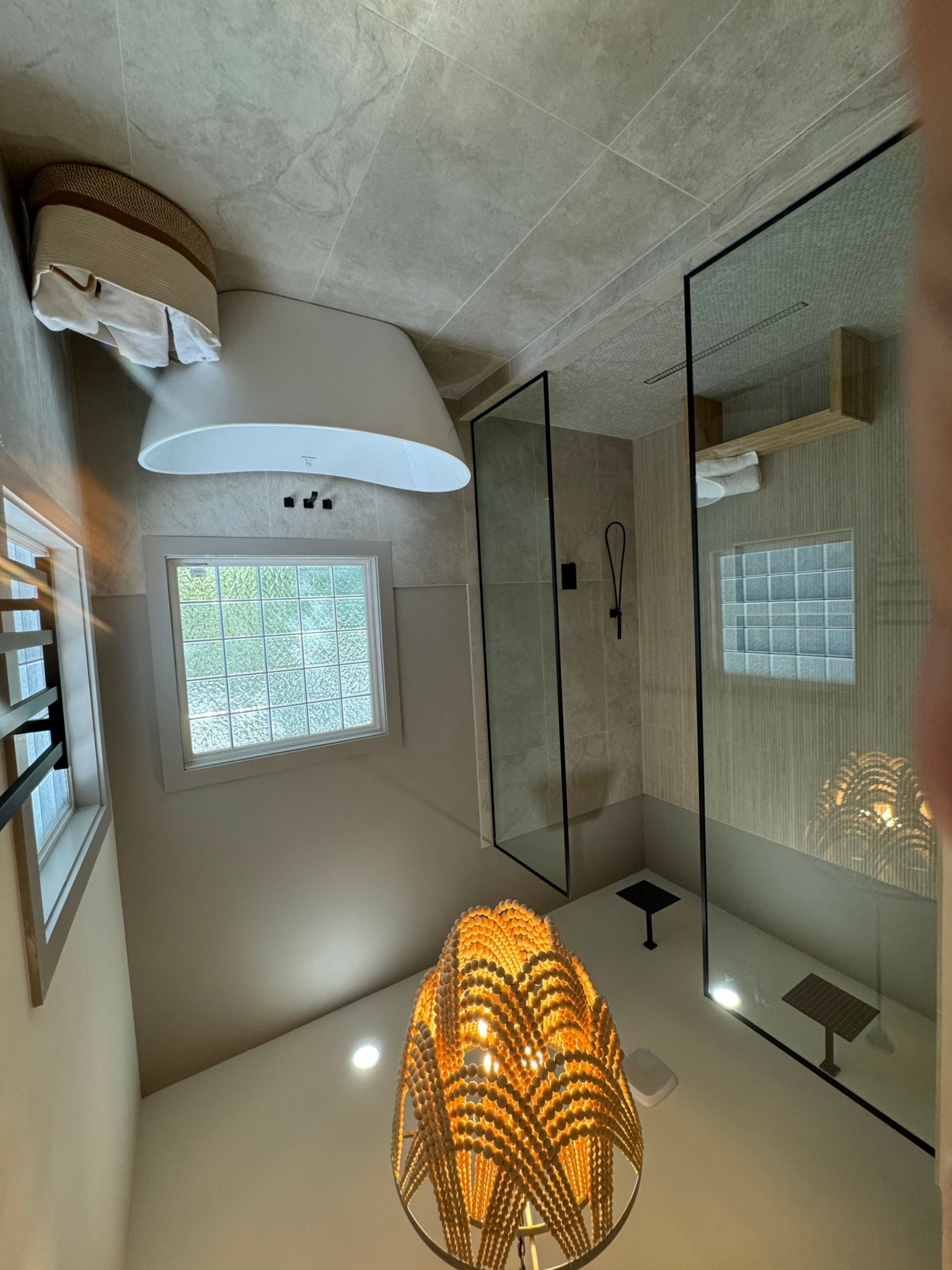
What began as a home staging company grew into a full-service design firm built on grit, creativity, and results. Over the years, I expanded into residential interiors, commercial design, and luxury staging. I’ve had the opportunity to work on restaurants, offices, therapy practices, plumbing offices, and a wide range of residential properties.
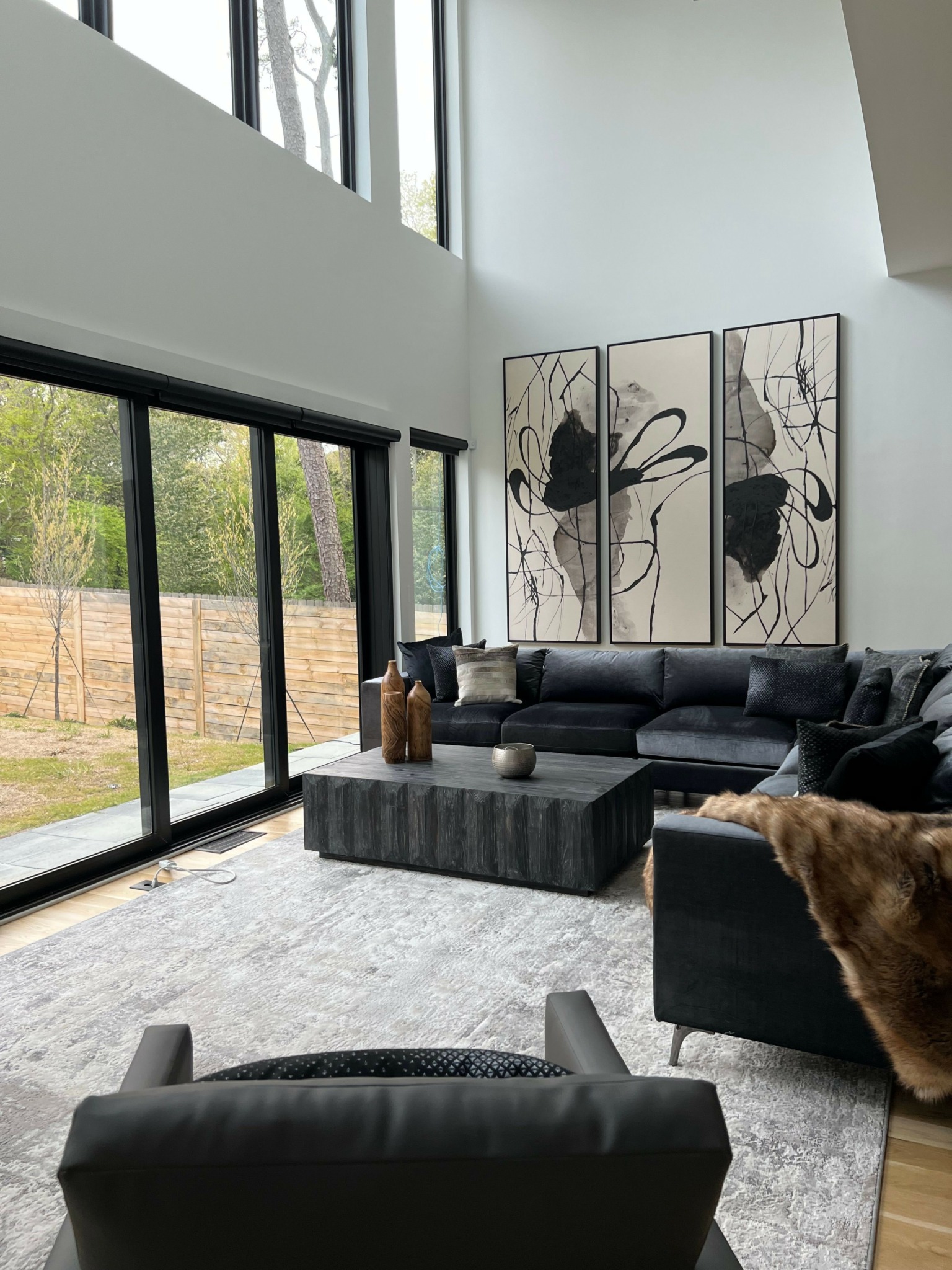
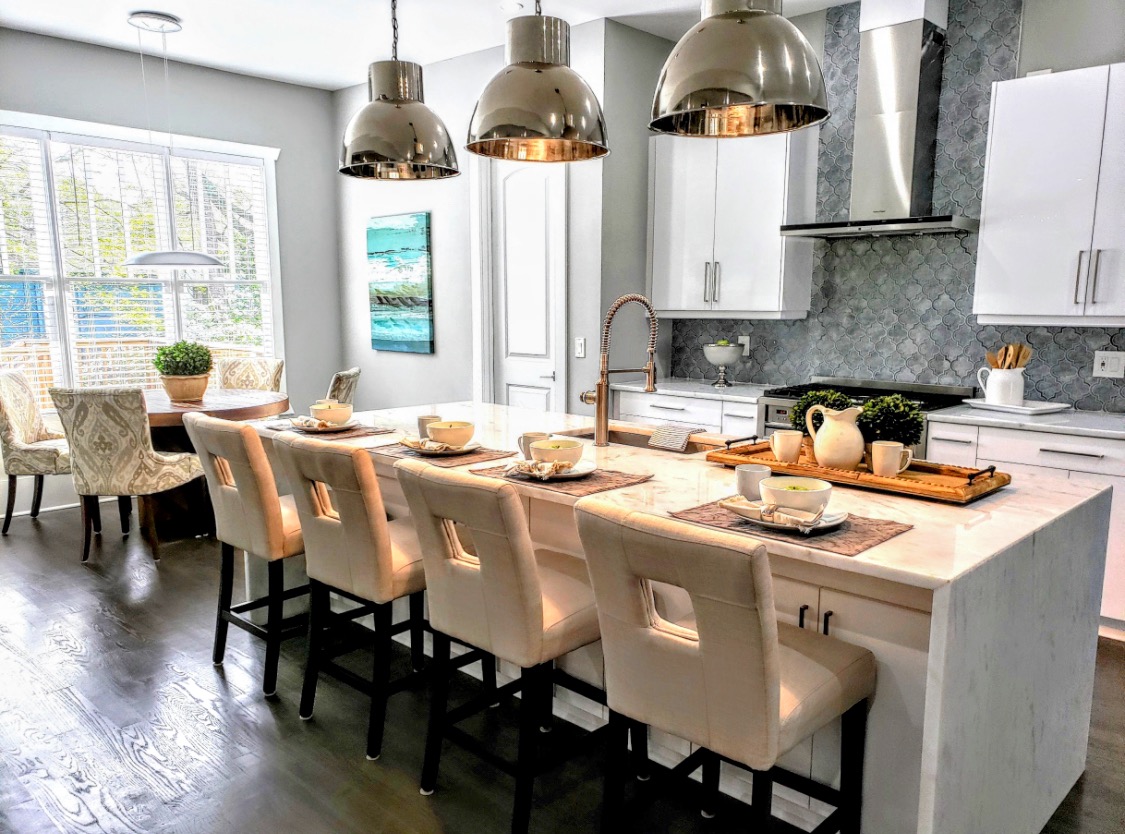
Today, we primarily serve higher-end homes and clients who value thoughtful design, elevated presentation, and strategic results. Many of the homes we work on are valued at $900,000 and above. Our staging portfolio also leans luxury, where presentation matters deeply and every detail can influence perception and value.
We provide services such as:
* Luxury home staging
* Interior design and furnishing selections
* Renovation guidance and finish selections
* Commercial office and business design
* Space planning and layout improvements
* Seller preparation for market
* Styling and visual presentation for listings
What problems do we solve? We help clients bridge the gap between what a property is and what it could be.
Sometimes a beautiful home is not being seen properly. Sometimes a business space lacks identity or polish. Sometimes a seller is overwhelmed and doesn’t know where to begin. Sometimes a homeowner wants a luxury result but needs someone with vision to guide the process. That is where we come in.
What sets us apart is that we combine real-world experience, design instinct, construction understanding, and hands-on hustle. We are not just selecting pillows and paint colors. We understand how spaces function, how they sell, how people emotionally respond to them, and how to maximize potential with intention.
I’m especially proud that this business was not handed to me. It was built through adversity, reinvention, resilience, and a willingness to keep going when life got hard. Every chapter—successes, setbacks, reinventions—helped shape the company and sharpened my perspective.
What I want potential clients to know is simple: we care deeply about the outcome. We bring creativity, honesty, work ethic, and vision to every project. We know how to elevate a space, but we also know how to navigate real budgets, real timelines, and real life.
Disciplined Design is about more than making things look pretty. It is about transformation, strategy, and helping people step into the next version of their home, business, or life with confidence.
Do you have any stories of times when you almost missed payroll or any other near death experiences for your business?
One of the most intense close-call moments in my business happened during the early days of building my home staging company. We were still new, still proving ourselves, still figuring out systems—and then we landed a contract to stage a $1.8 million home.
At the time, that felt huge. It was the kind of opportunity that could elevate our reputation and open doors to more luxury listings. But there was one major problem: I had underquoted the project by $3,000.
That may not sound catastrophic to some people, but when you’re building a business from the ground up and operating lean, $3,000 can feel like $300,000. My bank account went negative. I remember looking at the numbers and feeling physically sick. I thought, How am I going to get through this? How do I finish the job, keep my word, and survive this financially?
But I also knew something important in that moment: quitting was not an option.
If I walked away or delivered anything less than excellence, it would damage my reputation before I had even truly built one. In service businesses, especially design and staging, your name is everything. So I had to go the distance.
I used every bit of inventory I had. Furniture from my own home, accessories, pieces I had collected over the years—anything that would help elevate the property and make it feel worthy of a $1.8 million price point. In those first years, I often used what I personally owned because that was the season I was in. Resourceful, hungry, determined.
I remember explaining the situation to the Realtor at the time, hoping maybe there would be some understanding. He simply looked at me and said, “You’re under contract with me. You’ve got to finish it.”
And he was right.
That was not his mistake—it was mine. I had jumped too quickly, wanted the opportunity badly, and failed to quote the project correctly.
So I finished it. I honored the commitment. I carried the stress, learned the lesson, and kept moving. Soon after, more projects came in, and I was able to recover financially. But I never forgot how that felt.
That experience changed the way I run my business forever.
Today, I have clear systems in place to quote projects accurately, protect profitability, deliver excellent service, and ensure quality execution. I understand margins, labor, logistics, inventory wear, transport, and what it truly takes to stage a home at a high level.
I also believe luxury homes deserve appropriate presentation. We do not place low-grade furnishings in high-end properties. We curate spaces that match or exceed the level of the home. If a house is selling for $1 million, I want it to feel like $2 million when buyers walk in.
That near-miss taught me one of the most valuable lessons in entrepreneurship: opportunity is exciting, but discipline must lead the way.
And trust me—I never underquoted a project like that again.
Any advice for managing a team?
Managing a team and maintaining high morale starts with understanding one truth: people do their best work when they feel respected, valued, and connected to the mission. Money matters, of course, but culture, leadership, and energy matter just as much.
One of the best pieces of advice I can give is to lead with both standards and humanity. People want structure, expectations, and accountability—but they also want to know they are working with someone who sees them as human beings, not just labor.
1. Be clear, not confusing
Nothing kills morale faster than chaos. Team members need to know:
* What is expected
* What success looks like
* Deadlines and priorities
* Who is responsible for what
* How decisions are made
Confusion creates frustration. Clarity creates confidence.
2. Appreciation should be regular, not rare
People often leave environments where they feel invisible. A simple acknowledgment goes a long way.
* “You handled that beautifully.”
* “Thank you for staying late.”
* “I noticed the extra effort.”
* “That client mentioned how great you were.”
Recognition costs little and returns a lot.
3. Protect the energy of the team
Every workplace has stress, but leaders set the emotional temperature. If leadership is reactive, disrespectful, moody, or disorganized, the whole team feels it.
Stay steady. Stay solution-oriented. Be the thermostat, not the thermometer.
4. Hold standards fairly
High morale does not mean low standards. Great people want to work with other great people. If one person is lazy, negative, or constantly underperforming while others carry them, morale drops fast.
Address issues early. Be fair. Be direct. Protect the culture.
5. Include people in wins
Celebrate progress, not just perfection.
* Closed a big sale? Celebrate.
* Finished a hard project? Celebrate.
* Best month yet? Share it.
* Positive review? Let everyone know.
People want to feel they are part of something growing.
6. Know what motivates each person
Not everyone is driven by the same thing.
* Some want money
* Some want flexibility
* Some want growth
* Some want praise
* Some want stability
Strong leaders learn their people individually.
7. Communicate during hard times too
Silence creates rumors. If business is slow, if changes are coming, if there’s pressure—communicate honestly and calmly. Teams can handle hard truth better than uncertainty.
8. Lead by example
If you expect punctuality, be punctual.
If you expect excellence, model excellence.
If you expect ownership, take ownership.
Your behavior trains the team more than your speeches ever will.
9. Create pride in the work
People feel better when they know their work matters. Whether it’s staging a luxury home, serving clients, building events, or solving problems—connect daily tasks to a bigger purpose.
10. Never underestimate kindness
A strong leader can be kind and decisive at the same time. Check in on people. Ask how they’re doing. Be human. Loyalty often grows from simple moments.
⸻
What I’ve learned personally
The best teams are not built through fear. They are built through trust, standards, respect, and momentum.
When people feel appreciated, challenged, and proud to be there, morale rises naturally.
One line I live by:
People may work for a paycheck, but they stay for how you make them feel.
Contact Info:

Image Credits
I have all rights to the photos