

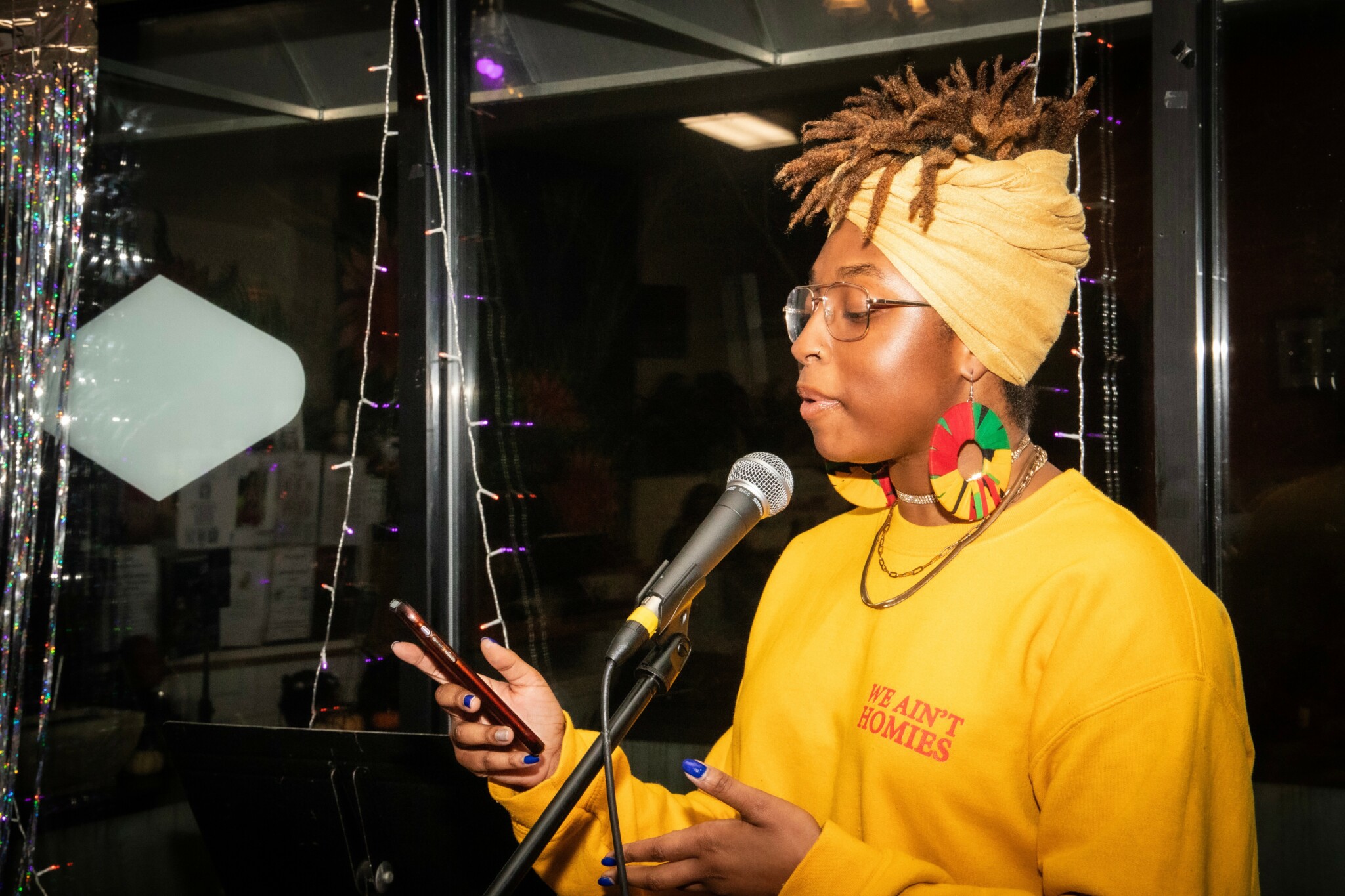

Alright – so today we’ve got the honor of introducing you to Khalisah Hameed. We think you’ll enjoy our conversation, we’ve shared it below.
Khalisah, thanks for taking the time to share your stories with us today Are you happy as a creative professional? Do you sometimes wonder what it would be like to work for someone else?
Anytime people ask me how I am doing since I transitioned into focusing on my business full-time, I say that I am the happiest and most stressed I have ever been in my life. Happiest because I can wake up Monday through Thursday knowing that I am doing what I love with people I deeply enjoy and respect, though that joy I feel often gets dampened by the reality that I can’t afford the life that I’m accustomed to living yet. The key word here is YET. I still work a part-time job as a barista on the weekends, so I am still very honest with myself about the limitations of pursuing art and entrepreneurship full-time, but I have sustained a massive income cut by reducing my hours at the cafe.
I don’t allow myself to dwell in the image of what it would be like if I worked a “regular” job because I know what that life was like, the pros and the cons, and, ultimately, I made my decision to go full-time with entrepreneurship and poetry because that life was not sufficient for me. The thought does pass sometimes, though, and thinking about my post-graduation plans is when the thought comes up the most. I am getting my Master’s in Writing from Sarah Lawrence College, and I have a solid plan of how I can maximize my degree to scale the business structure I’ve already created, but then there’s the thing of student loans. Thankfully, there is a six-month grace period to figure myself out, but I think about how I can realistically continue this business while also making sure that financial responsibility is taken care of.
Am I completely opposed to working more hours at the cafe again to stay on top of those payments? Not at all, but am I dedicating almost every waking moment to how I can avoid that? Absolutely. I’m very fortunate to have a family and village support system that alleviates some of the pressure I feel, so I don’t have defining moments of family or friends questioning if I’m going to make it, or how I’m going to make everything work with the income that I am making. My mother is also a strong woman of faith, and she has instilled this almost delusional faith that, no matter what, God will provide as long as I am intentional and sincere in what I do and who I do it with. I think because of that, I’ve been nurtured to have this unwavering faith in what I’ve been called to do so I don’t have many instances of entertaining the thought of doing anything else.
So when my mind tries to conjure up a question of what it would be like to work a regular, consistent job again, my main thought is: if that is where I was supposed to be, I would not have felt such an urgent pull to get out of that environment. That trust in intuition, pulls in the spirit, or strong inner dialogue calling you to higher and more fulfilling things, plus realistic pacing in transitioning out of a previous job is so key to finding resolve during the tougher periods of going full-time.
Great, appreciate you sharing that with us. Before we ask you to share more of your insights, can you take a moment to introduce yourself and how you got to where you are today to our readers.
I am a poet, spoken word artist, music and podcast producer, teaching artist, event curator, and audio engineer originally from Roselle, New Jersey, though I am currently based in Philadelphia, PA. I’ve been writing for about ten years now, but I’ve been taking it seriously as an intentional writer and performer for seven years now. I didn’t get started in poetry through reading “the classics” or exposure to the American literary canon, I first learned about the power of words and storytelling through the biographies and autobiographies of Black activists and major figures that my father and maternal grandfather would have me read as our way of bonding. I come from a very socially conscious, Pro-Black family, so I was raised on Black art forms and Black artists who used their craft to not just entertain but also to impart wisdom, raise awareness of injustice, and foster a pride in our heritage that moved me greatly from a young age.So, when I started going through the quintessential woes of adolescence and early teen years, I turned to writing because that is where I saw my voice being most impactful for myself, even if I didn’t plan on sharing it at the time. That was in 2014, and writing was mainly a therapeutic outlet, but when I was seventeen, in 2017, this cafe opened up around the corner from where I lived, called Ohmie’s. Either every week or every other week, I forget, Ohmie’s hosted an open mic called Ohmie’s Write or Die, and being there changed my life completely.
I still consider myself an Ohmie’s community member because the love I cultivated for the people in that space is something that never leaves, even when I couldn’t really be there anymore when I went to college in 2018. I went to Ramapo College of New Jersey for my Bachelor’s in Music Production, and I picked up a minor in Creative Writing in my junior year. I graduated in 2022 Summa Cum Laude, at the top of my class, with a whole bunch of internships and extracurriculars under my belt, and, to this day, I had the hardest time finding a job in audio engineering or podcasting. I felt so discouraged in that job search, and I had just moved in with someone I was dating at the time, so I didn’t really have time to lick my wounds and figure out how I was going to fight to do what I had gone to school for. We were living in Trenton at that time, so I resolved to work as a barista since that’s what I did part-time for a little bit in school, but I only looked for jobs in Philadelphia because I at least wanted to be in the area of the art scene and see what networking I could do while I was in the city.
Fast forward a few months, I ended up taking a job through AmeriCorps ArtistYear to be a full-time teaching artist at a high school in Philly. That was one of the most transformative periods of time for me because that unlocked a love for teaching and using art to engage community that informs everything I do with my business and the space I’ve created with my open mic now. I was actually living in Philly once I took that job, and I had gotten more immersed in the scene through this space for creatives called Rec Philly. As fulfilling as that position was, it took up so much of my free time with lesson planning, time sheets and accountability work with my AmeriCorps leaders, and it left me very little time to actually write and netowrk for myself. From that point, I committed myself to working a low-maintenance job that I didn’t have to take home once I clocked out, which ended up taking me back to working as a barista. That’s how the foundations of The Olive Press Media got started.
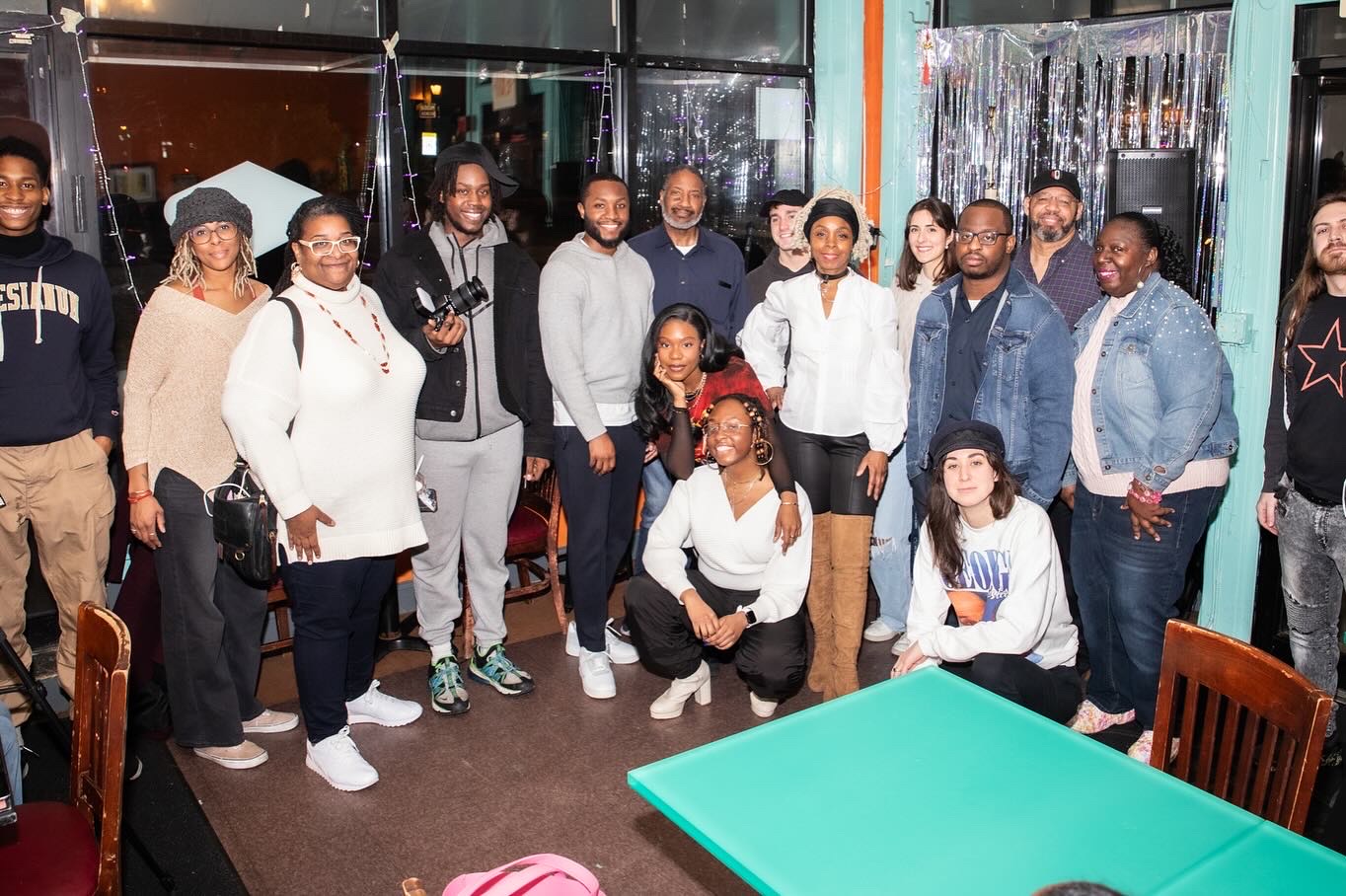
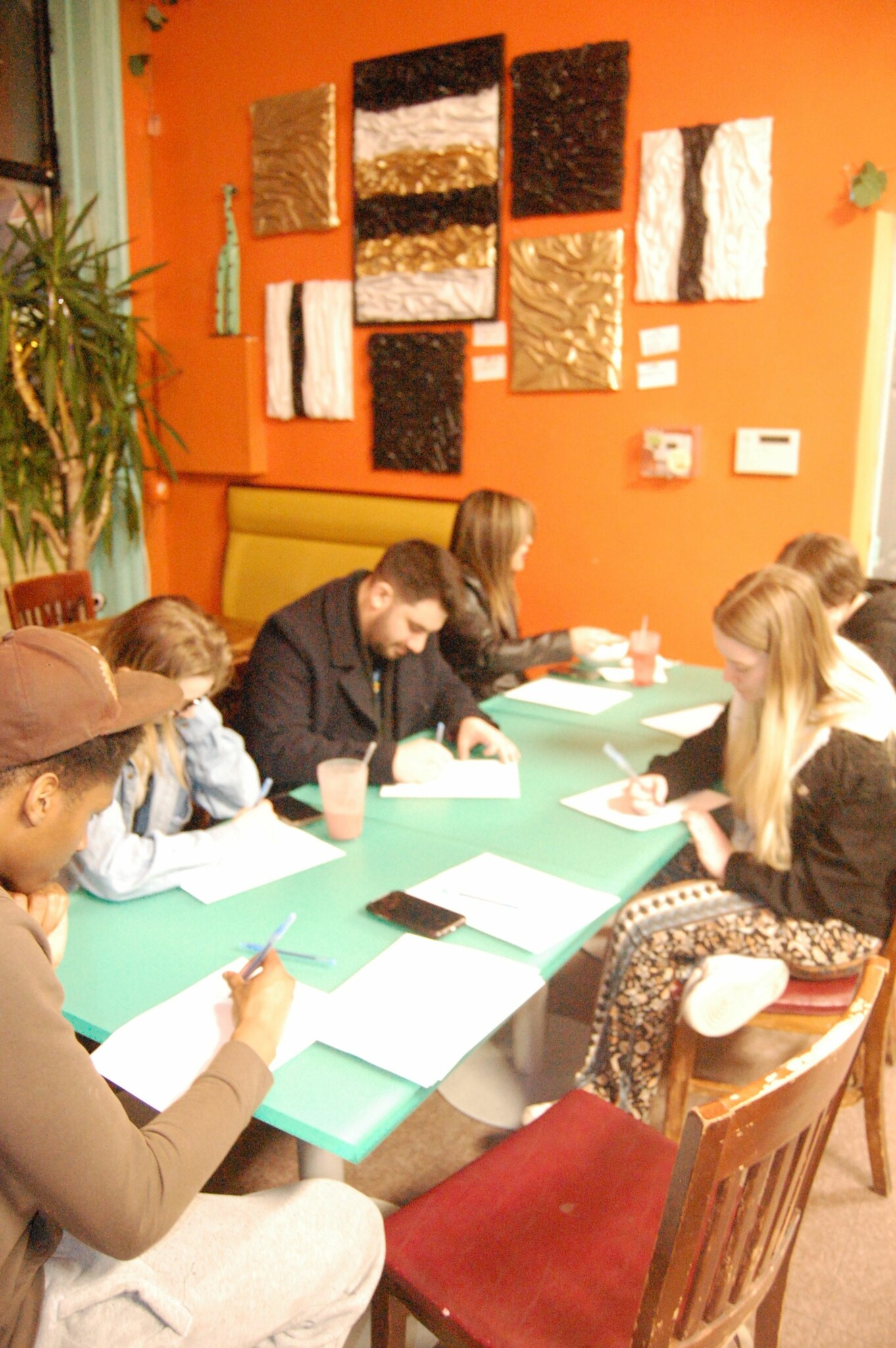
The Olive Press Media is a multimedia production company that specializes in literary, audio, and event production. Our biggest focus is on producing podcasts, manuscript editing and publishing, and post-production for poetry albums. We also host a bi-weekly open mic in Germantown, Philadelphia that is a safe space for poetry and music performers. The brand’s core adage is “Good Pressure” because we believe that an artist’s best comes from an environment that is rooted in productive discomfort: that threshold we all have to cross to release the most beneficial parts of ourselves–it is often on the other side of internal limitations, negative self-talk, labels, and ascribed boxes.
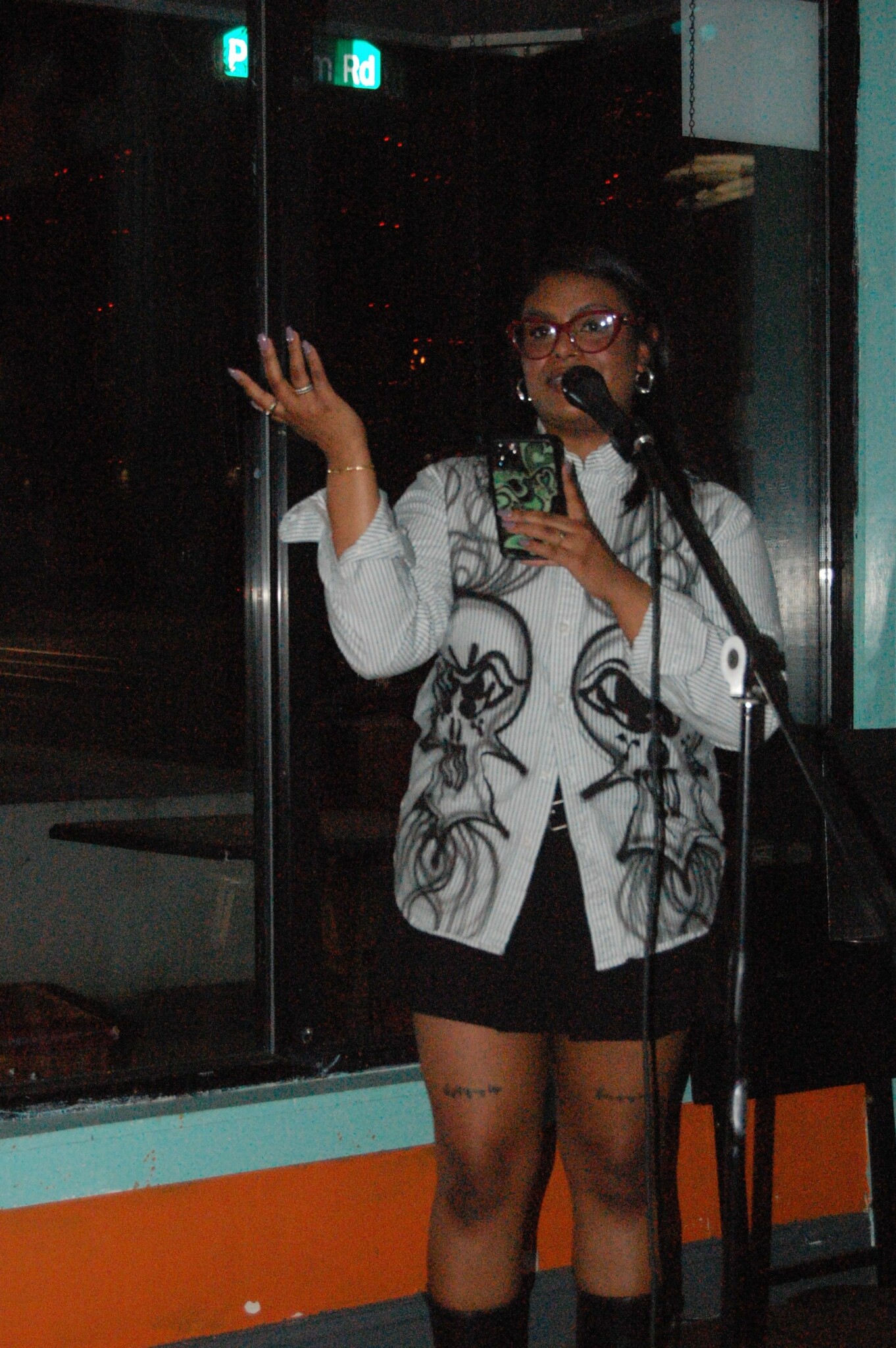
The thing I’m most proud of about The Olive Press Media is the same thing that sets us apart from other media production companies: the commitment to serving the artistic community that is built on mutual benefit, equity sensitivity, and integrity. As an artist myself, when I work with other creatives, it’s not about prioritizing content, numbers, competition, or maintaining facades, I put the artist’s vision and development first and come to all of my clients with the respect and consideration of their best interests in the same way I’d want if I were looking for services. This community-oriented approach has been the cornerstone of the open mic I host, Say It Wit Ya Chest, which makes it one of the spaces in Philly that people feel comfortable coming to if they’re new to the poetry community or are trying out the mic for their first time. Throughout every interaction I have with a community member or a client, I tap into the feeling I felt with the members of Ohmie’s and use that as a guiding light to create a space that can ignite that same level of passion and comfortability in others.
Learning and unlearning are both critical parts of growth – can you share a story of a time when you had to unlearn a lesson?
It’s not really a lesson, it’s more of a mindset, but I am still unlearning and unsubscribing from the “grind culture” that is prevalent in the entrepreneurial community. I used to be a person that was always on the go, could un on 2-3 hours of sleep to get things done, and I would intentionally schedule my days from waking up to bedtime with work because that is what we’ve been taught is required to “make it.” And I think this idea is very rooted in capitalistic individualism and this “self-made” ideal that trains us to see our peers as competition and keeps us stuck in a scarcity mindset. Under this way of living, my life was so out of control as I was working full-time hours at the cafe, taking a four-hour commute to New York for the Master’s Program twice a week, building the foundation of The Olive Press Media, and trying to maintain the Superwoman-caretaker image I had cultivated within my personal circle. I was constantly exhausted, my physical health wasn’t the greatest, and I wasn’t prioritizing my community and village, so I ended up isolating myself trying to make everything work. The second to last class of my first semester at Sarah Lawrence, I fell asleep while driving to the train station that took me up to New York, and I crashed into the concrete barrier.
By the grace of God, I was fine, and my car only sustained body damage, but that was my wake-up call to stop playing around with rest and self-care and move away from this idea that I don’t have time to take care of myself. This grind mentality is so detrimental to our well-being and is antithetical to our body’s natural rhythms. The best alternative I’ve found to this programming is building a quality team and circle around me that I trust to be vulnerable with and I know I can depend on if I need help. If you’re an ambitious person, and you have more ideas than time in the day, the answer is not to push your body to its limit, it’s to expand your connections to a point where you can delegate, confide in people, cry, laugh, argue lovingly, brainstorm and execute, and be recognized as human and a creator.
In your view, what can society to do to best support artists, creatives and a thriving creative ecosystem?
I don’t think there is much common society can tangibly do to support artists that it isn’t already doing. People streaming music, people are buying concert tickets, people are going to festivals, going to the movies, watching plays, going to museums, etc. The issue that I see when it comes to the lack of support for artists is companies and corporations not doling out wages, percentages, and royalties we deserve because it doesn’t fit a corporate bottom line. Spotify and Apple Music do their yearly wrapped reports every year, and you can see local and bigger artists alike putting up considerable numbers globally. Now, if these artists got one dollar for every stream, as opposed to a fraction of a penny, a lot of us would be in MUCH better financial positions just for putting out the art we want and the art people consume. As for service or gig-based artists, our livelihood is directly impacted by our economy. As essential as art is to a functional society, it requires expendable income to get your hair done, get your nails done, go see a show, commission art or buy art for sale, and so if the general public no longer has access to expendable income because cost of living is increasing and pay rates are decreasing or stagnant, art isn’t a priority for a lot of people. And the working class can’t be blamed for that.
In terms of moral support, just being there for us, believing us when we say we have a plan, and not pressuring us to rethink our lives. Trust me, if other paths in life fulfilled us and paid our bills all the time, we would’ve chosen it. The majority of us go into this field knowing the horror stories, knowing our predecessors who died in poverty and received their flowers posthumously, weighing the risk and reward, and choosing art anyway. We create the things that people go to to escape, to feel, to be seen or heard, and to make experiences they’ll never forget, knowing that it is mainly a thankless job. Just believe that pursuit is worth it.
Contact Info:
- Website: https://theolivepressmedia.com
- Instagram: plp.express
- Facebook: Khalisah Hameed
- Other: https://linktr.ee/khameed
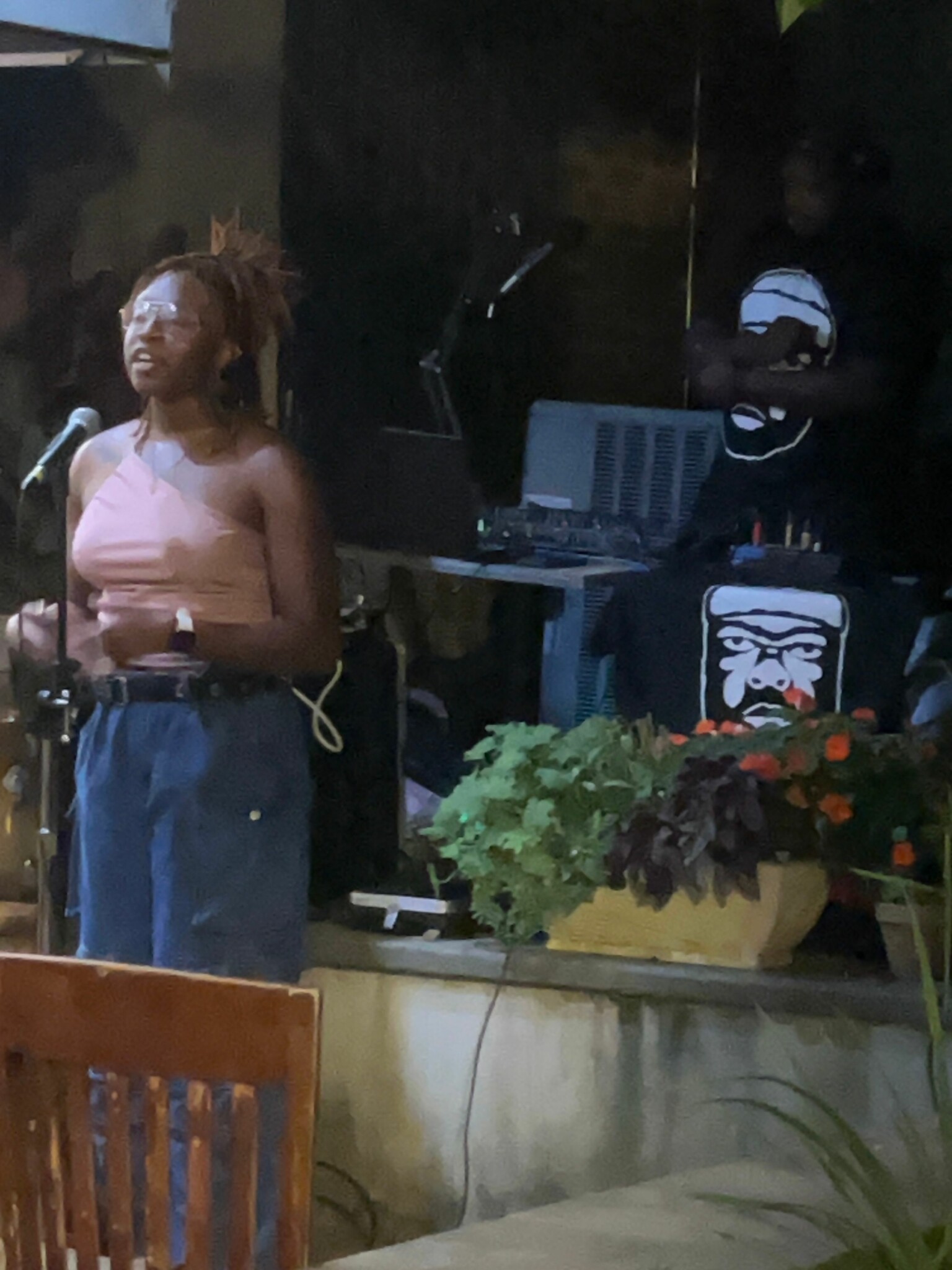
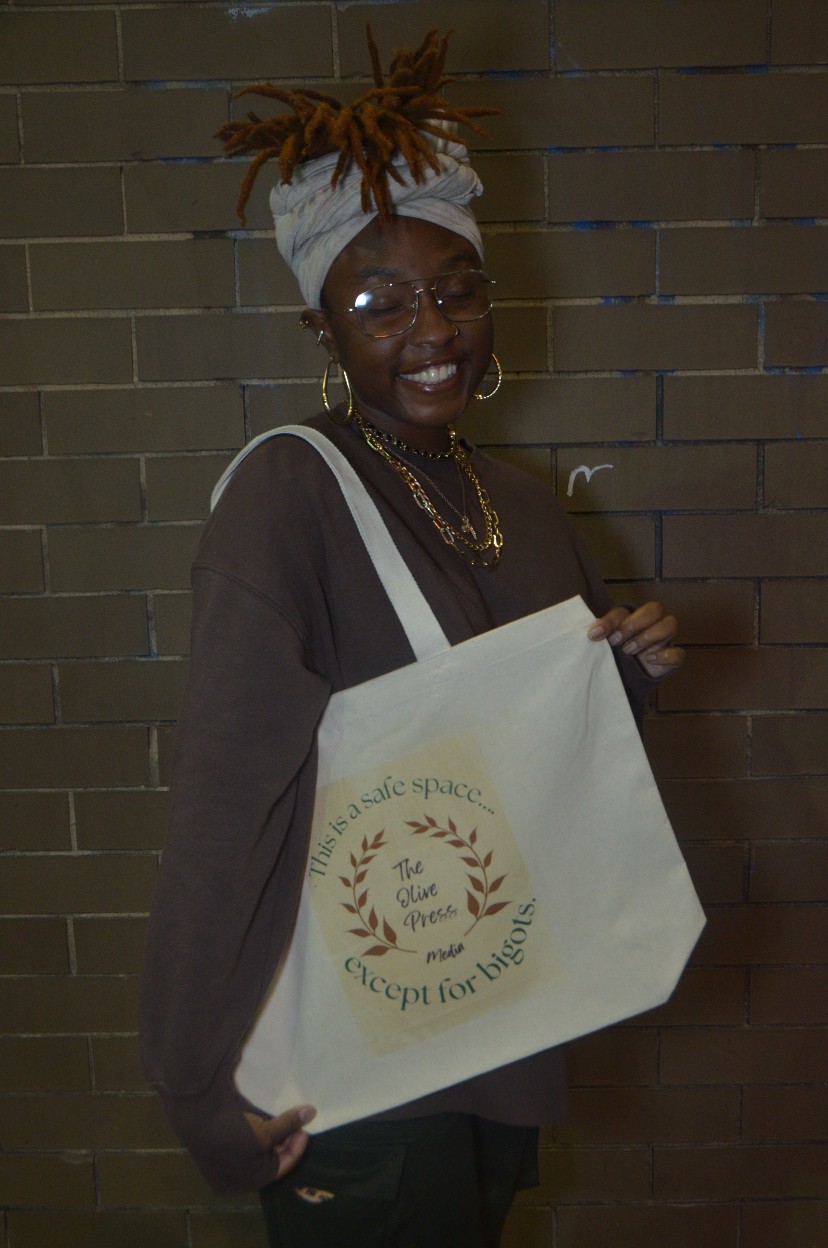
Image Credits
Terrell Marquis
JustJonavin