 We caught up with the brilliant and insightful Ken Peters a few weeks ago and have shared our conversation below.
Ken, thanks for joining us, excited to have you contributing your stories and insights. Do you wish you had waited to pursue your creative career or do you wish you had started sooner?
I’ve been in a creative field for over 30 years, just in a different form. I studied fine art, but moved into advertising and graphic design early on, and eventually into brand strategy and consulting. I’ve owned my own business for more than two decades, and that work has been both challenging and rewarding.
Along the way, I’ve had the opportunity to work with a wide range of people—entrepreneurs, architects, filmmakers, business owners, writers, and others—each with their own ideas and ambitions. Helping them shape those ideas into something real has been a deeply creative process in itself, and for a long time it fully satisfied that part of me.
It wasn’t until around 2018 that I came back to making art for myself. It started casually, just experimenting with a few ideas, but it didn’t stay casual for long. I realized pretty quickly how much I had missed it. The work opened up in a different way—less constrained, more exploratory—and I found myself developing a visual language that pulled together everything I had been doing up to that point: design, composition, narrative, and the subjects I’ve always been drawn to.
In that sense, I don’t think I started late at all. If anything, the timing was right. Everything that came before—the years in design, the strategic thinking, the exposure to different industries and perspectives—fed directly into the work I’m doing now.
So I wouldn’t change the sequence. It all led here.
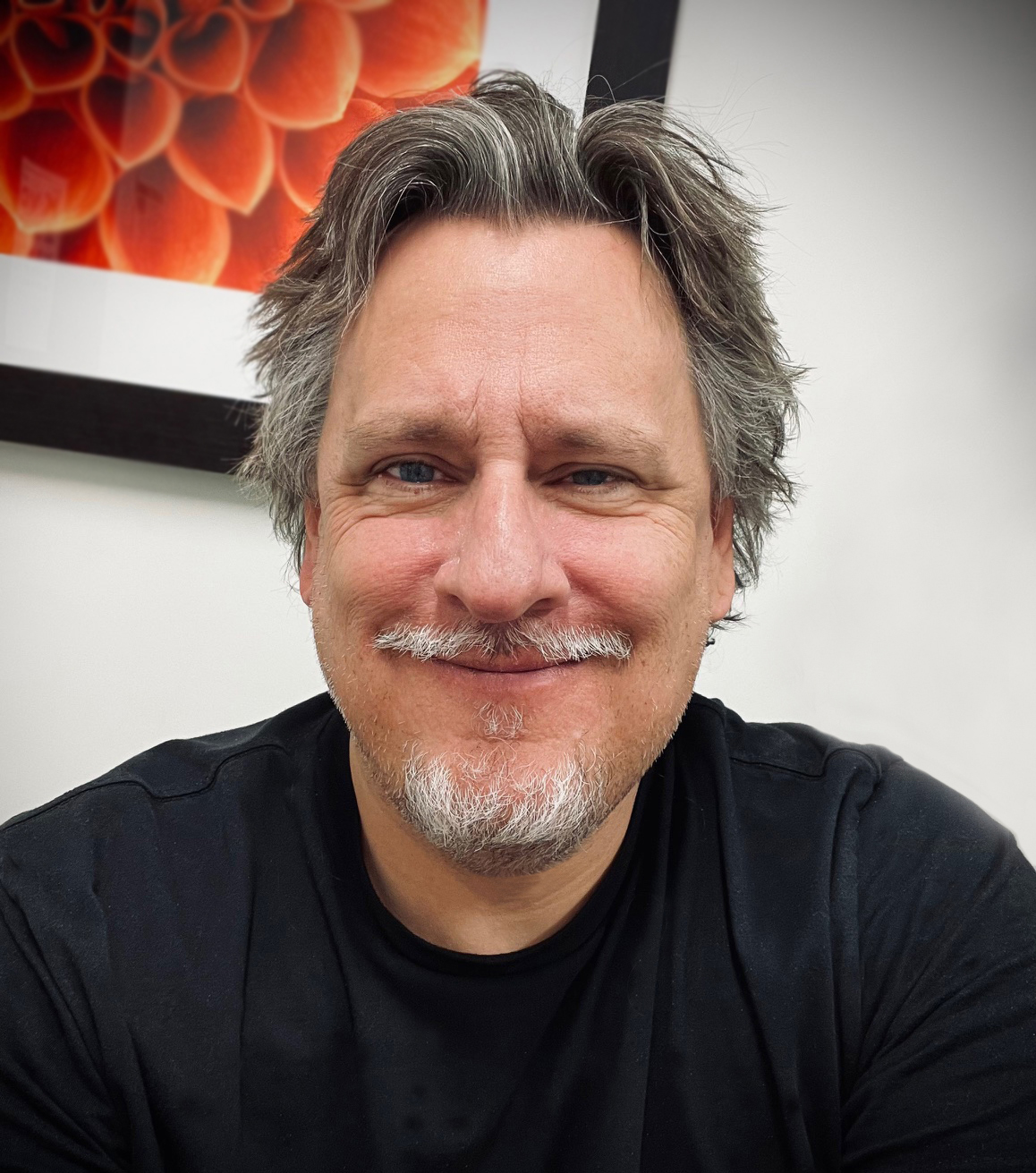
As always, we appreciate you sharing your insights and we’ve got a few more questions for you, but before we get to all of that can you take a minute to introduce yourself and give our readers some of your background and context?
As I stated, I’ve been working in design and brand consulting for about 30 years. I own Nocturnal Branding, a strategic brand consultancy based in Phoenix, where I work with organizations to take ideas—sometimes rough, sometimes fully formed—and develop them into clear, cohesive brands.
At a certain level, what I do in branding is straightforward. It’s about bringing clarity to something that isn’t fully defined yet. Every organization has something to say, but not all of them know how to say it in a way that’s focused, consistent, and meaningful. That’s where I come in—helping them figure out what they actually stand for, and then building the structure around that so it holds up over time.
People don’t connect to products the way they connect to brands. They connect to belief, to identity, to something that feels aligned with how they see themselves or how they want to see themselves. The work is about defining that core and making sure everything that follows is in service of it.
My art comes out of a different place, but it’s tied to the same underlying interest—how meaning is formed.
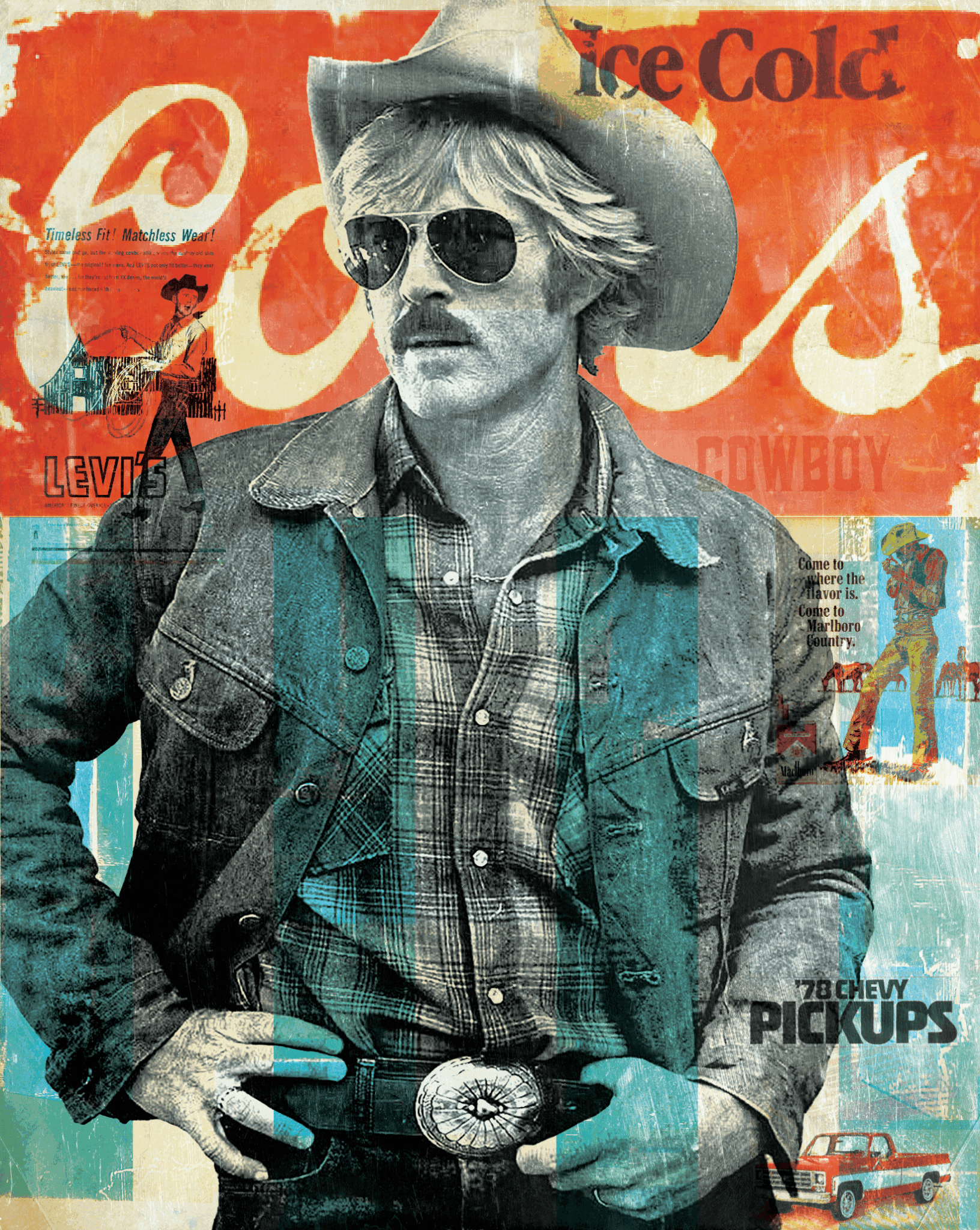
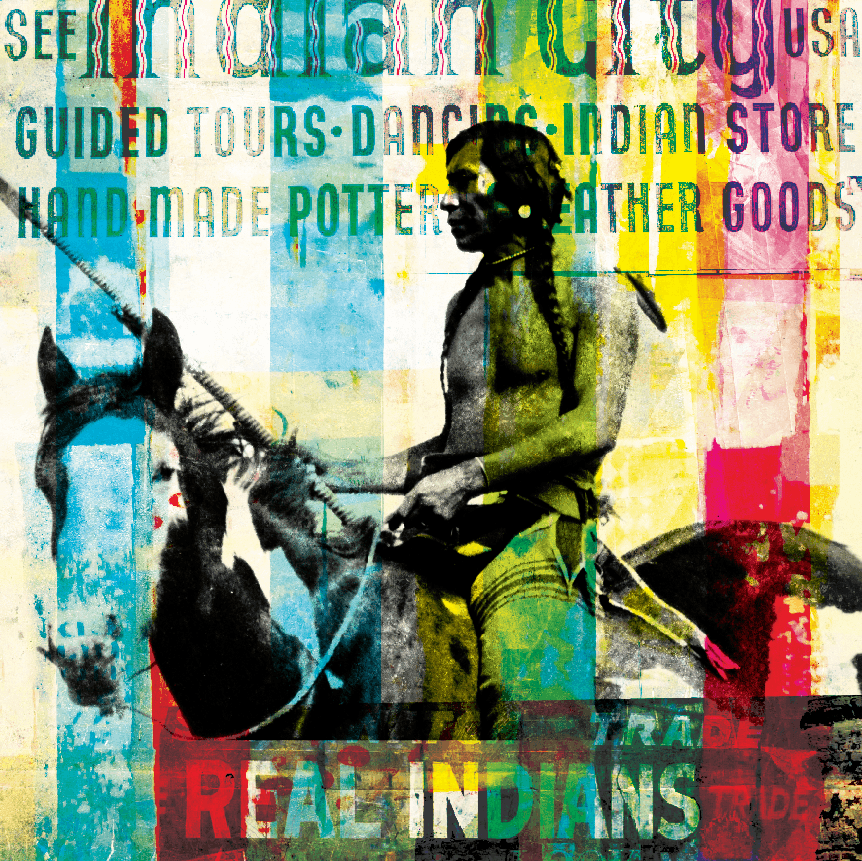
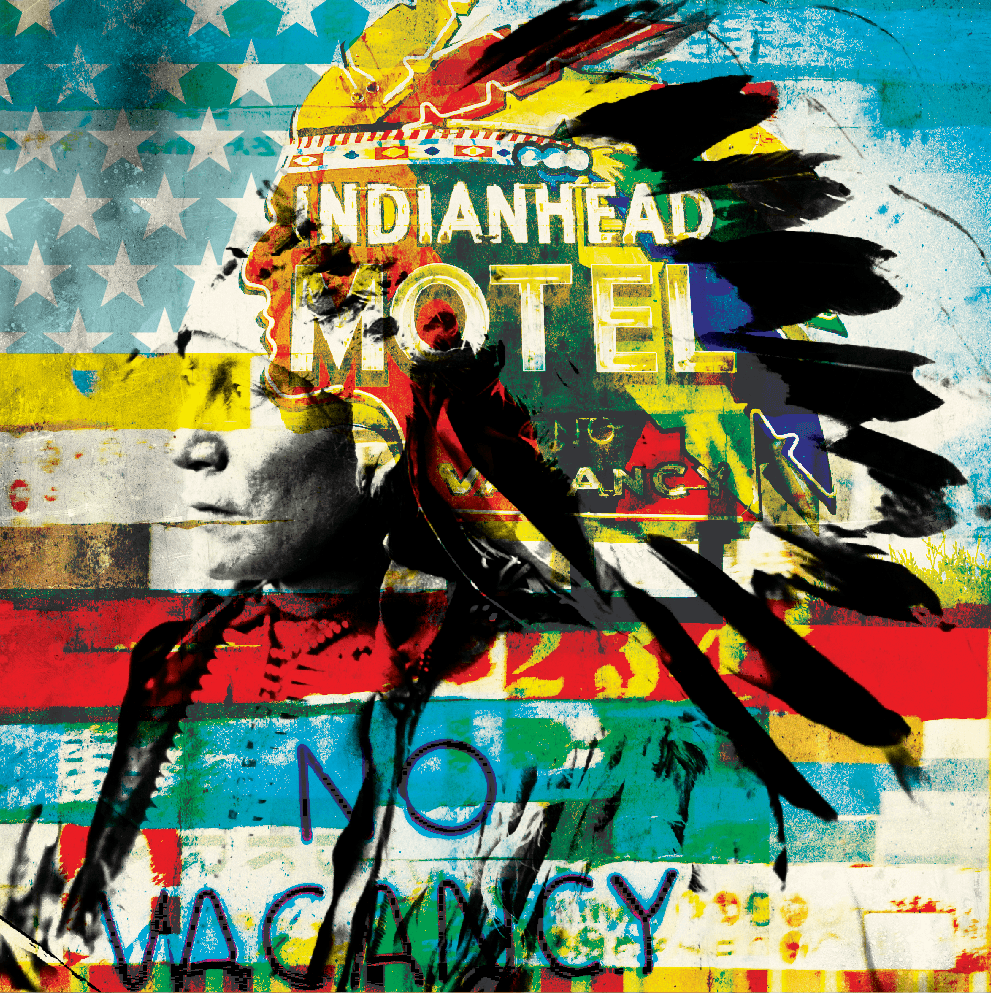
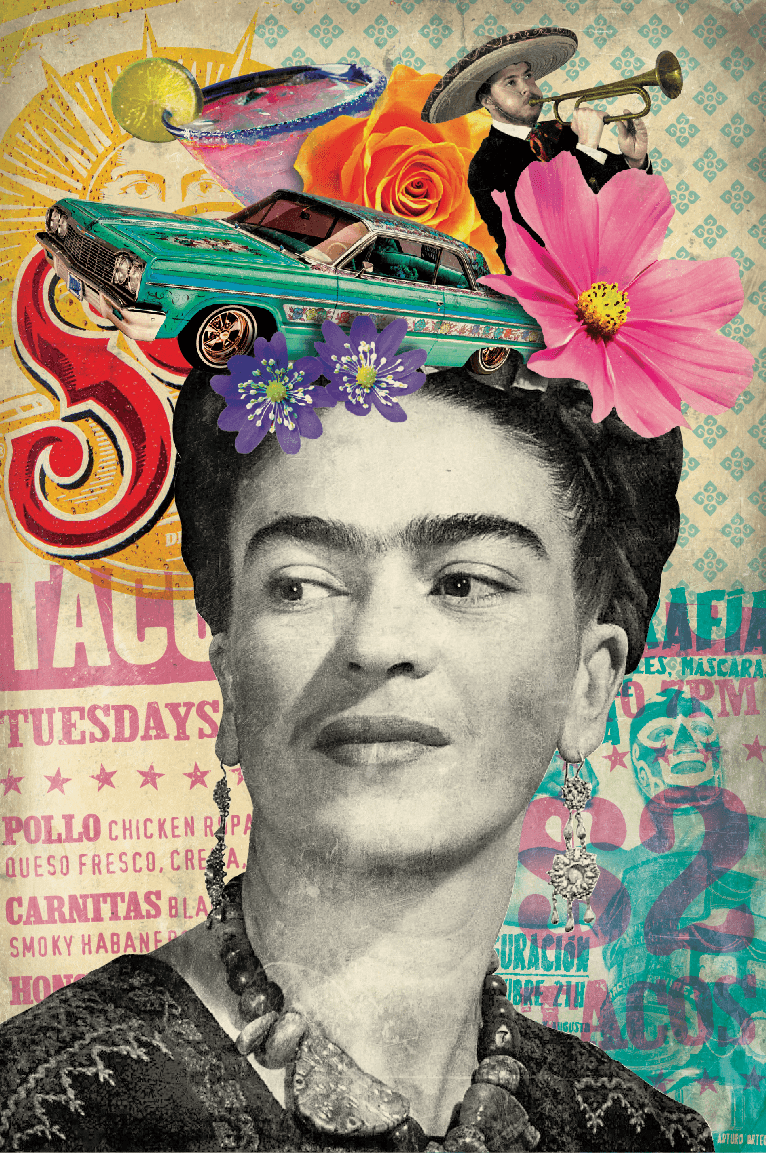
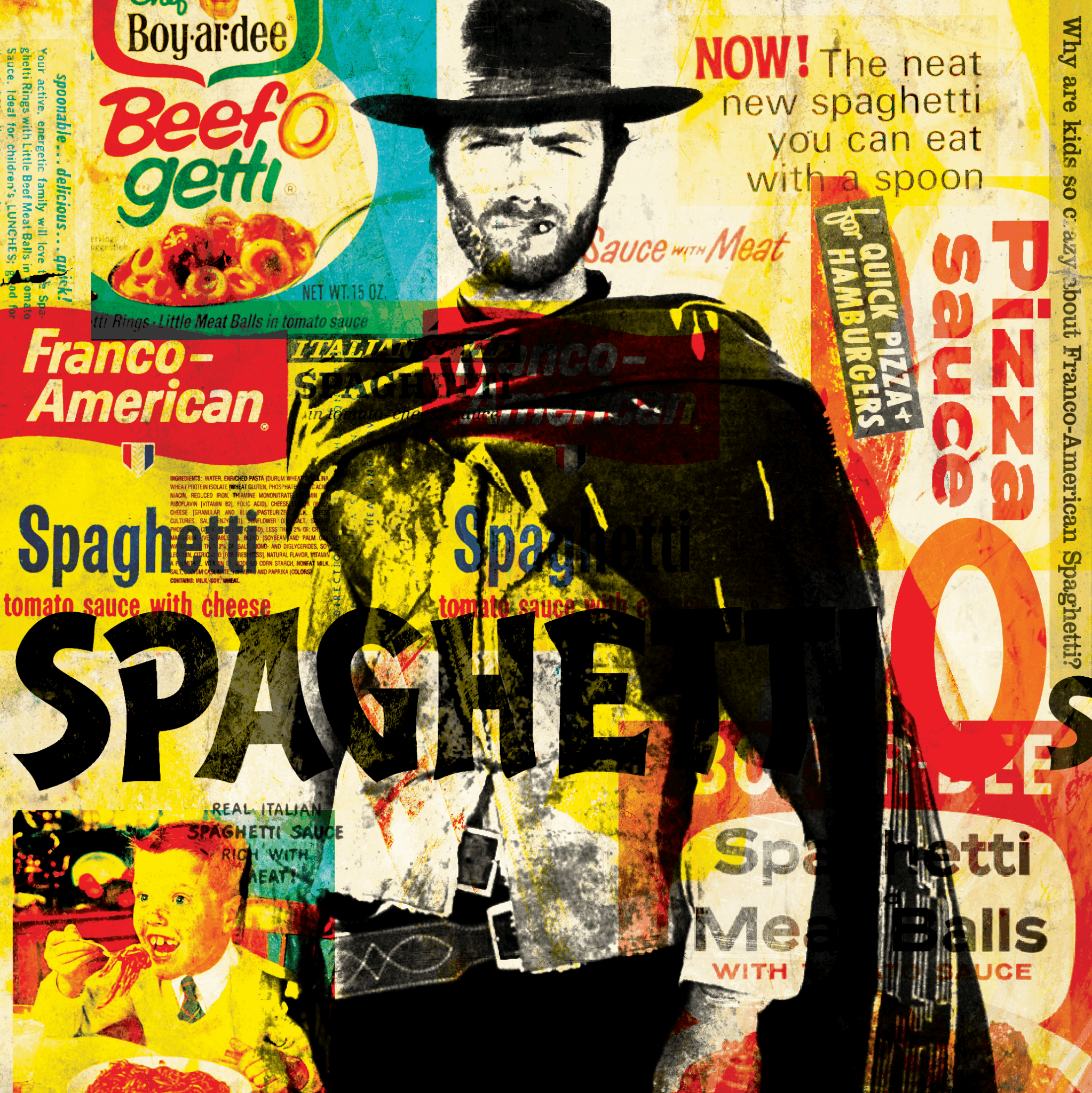
I work in mixed media collage, using imagery pulled from American popular culture—vintage advertising, typography, logos, Western archetypes, comics, pulp, roadside imagery. These are things most people recognize on some level, even if they can’t immediately place them.
The work is less about the imagery itself and more about how it functions. I’m interested in how those fragments accumulate over time and become part of how we understand ourselves. Not history as it actually happened, but the version of it that lives in our heads—filtered, simplified, romanticized, and repeated until it feels real.
The pieces are built in layers, the way memory works. Something familiar draws you in, but the longer you look, the less stable it becomes. Elements overlap, interrupt each other, break down, or disappear entirely. There isn’t a single narrative to land on—it’s more about letting the viewer move through it and start to question what they’re seeing.
Each piece is constructed as an object, not just an image. The imagery continues around the sides, extending beyond the front surface. I finish them in resin, which gives them a polished, almost preserved quality, but underneath that surface there’s always some level of wear, disruption, or loss. That contrast matters. It’s the difference between how things are presented and how they actually exist.
My background in design shows up in the structure and composition, but the work isn’t trying to resolve cleanly. It’s meant to hold a bit of tension—between clarity and distortion, between what’s remembered and what’s actually there.
What I’m ultimately interested in is how we construct identity, both individually and culturally. The work isn’t offering answers as much as it’s creating a space where those questions can sit.
Let’s talk about resilience next – do you have a story you can share with us?
I don’t think of resilience as a single defining moment. For me, it’s been the throughline.
I started my business without much of a runway, so it forced a decision early on—either make it work or don’t. I built Nocturnal from the ground up, and over time it grew into a long-term practice working with clients at a high level across multiple industries.
Since then, the pattern has been fairly consistent. The Great Recession, the pandemic, shifts in the market—times like those test the structure of what you’ve built. Each time, I was forced to adjust, and recalibrate, in order to keep moving forward. Not just maintaining the business, but continuing to do meaningful work through it.
Along the way, there have been a few forced pivots. An injury slowed me down in a way I hadn’t experienced before, and that shift led me back into my art in a more serious way. What started as a way to fill recovery time became a second body of work that now runs parallel to my branding practice.
That path hasn’t been linear either. Early gallery opportunities were disrupted—first by COVID, later by the Palisades fire—but the work continued to develop, and the direction became clearer.
If there’s a common thread through all of it, it’s not just persistence. It’s the ability to adapt without losing direction, to evolve the work, the business, and the focus.
That’s really what resilience has meant in my experience: not just staying in it, but continuing to build something of value, regardless of the conditions around you. Life comes at you fast, you need to be quick on your feet.
Is there mission driving your creative journey?
At the core, I’m interested in meaning, finding it, shaping it, and expressing it in a way that actually lands with people.
In both my branding work and my art, I’m looking for the same things: the underlying idea, the metaphor, the character, the point of view. I’m not interested in surface for its own sake. The goal is to create work that engages, something that makes people pause, look a little longer, and see something they didn’t initially expect. Ideally, there’s a moment where it shifts, where it moves from recognition into realization.
Branding and art approach that from opposite directions.
With branding, you’re guiding people to a conclusion. You’re building a framework that shapes how something is understood and experienced. There’s intent behind it, you’re engineering clarity, alignment, and a specific response.
With art, it’s more open. Yes, you bring intent and meaning to your work, but you’re not trying to resolve anything for the viewer. You’re creating something that invites interpretation, something people can enter into from their own perspective. The meaning isn’t delivered; it’s discovered.
What connects both is the idea that the work should do more than just exist. It should engage, challenge, and reward attention. Whether it’s a brand or a piece of art, if it doesn’t hold someone long enough to think—or feel—then it’s not doing enough.
That’s really the mission: to create work that people don’t just see, but experience and carry with them.
Contact Info:
- Website: www.kenpetersart.com and www.nocturnaldesign.com
- Instagram: ken_peters_art