
We caught up with the brilliant and insightful Kemual “KJ” Jones a few weeks ago and have shared our conversation below.
Kemual “KJ”, thanks for taking the time to share your stories with us today How did you learn to do what you do? Knowing what you know now, what could you have done to speed up your learning process? What skills do you think were most essential? What obstacles stood in the way of learning more?
learned filmmaking the same way a lot of creatives do — by doing it before I felt ready.
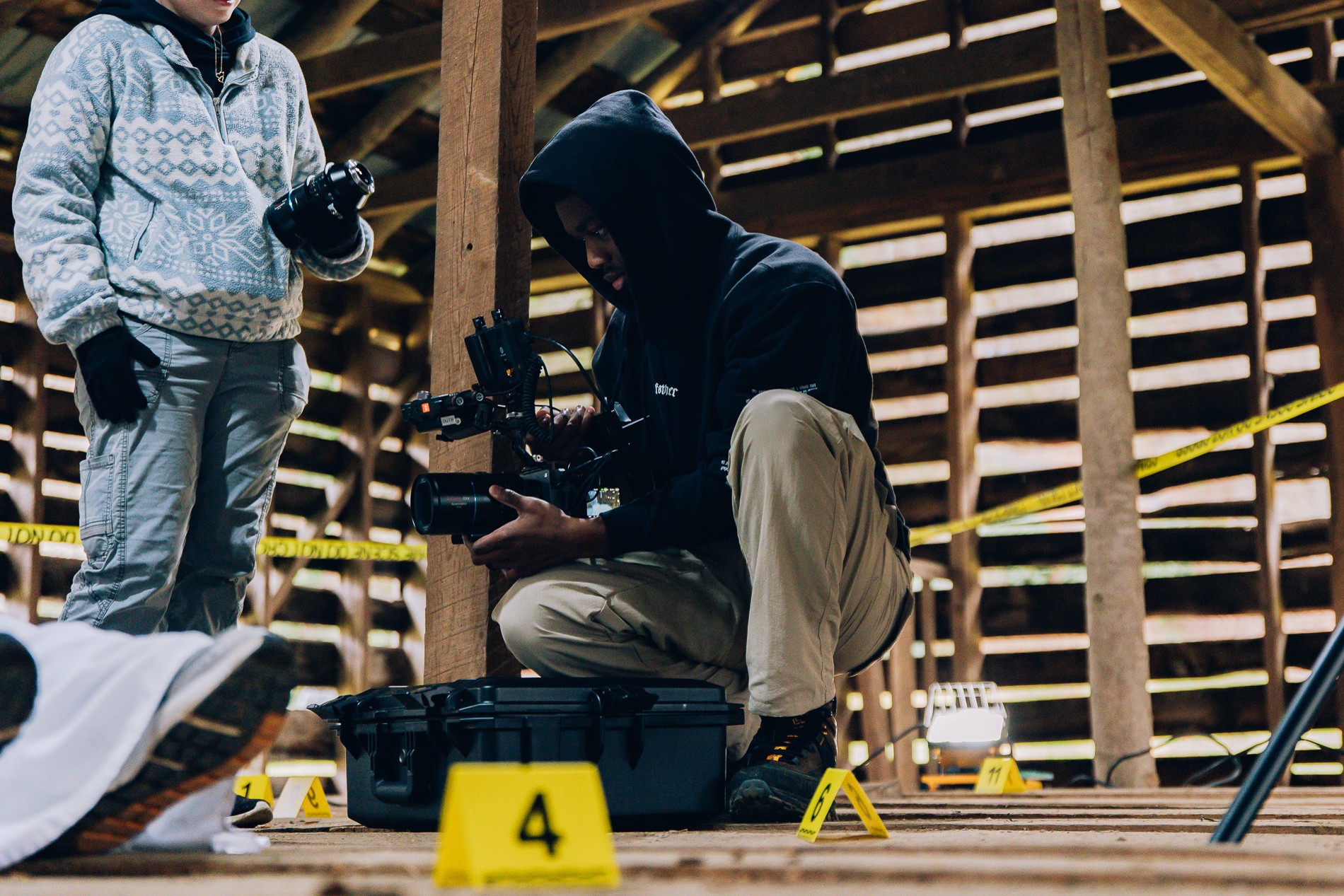
When I first got interested in filmmaking, I didn’t have a formal roadmap. I had curiosity, a camera, and a desire to tell stories visually. A lot of my early learning came from experimentation. I’d watch films, pause them, study the framing, the lighting, the pacing — and then try to recreate that feeling with whatever equipment I had at the time. Over time, those experiments slowly turned into real projects, collaborations, and eventually professional work.
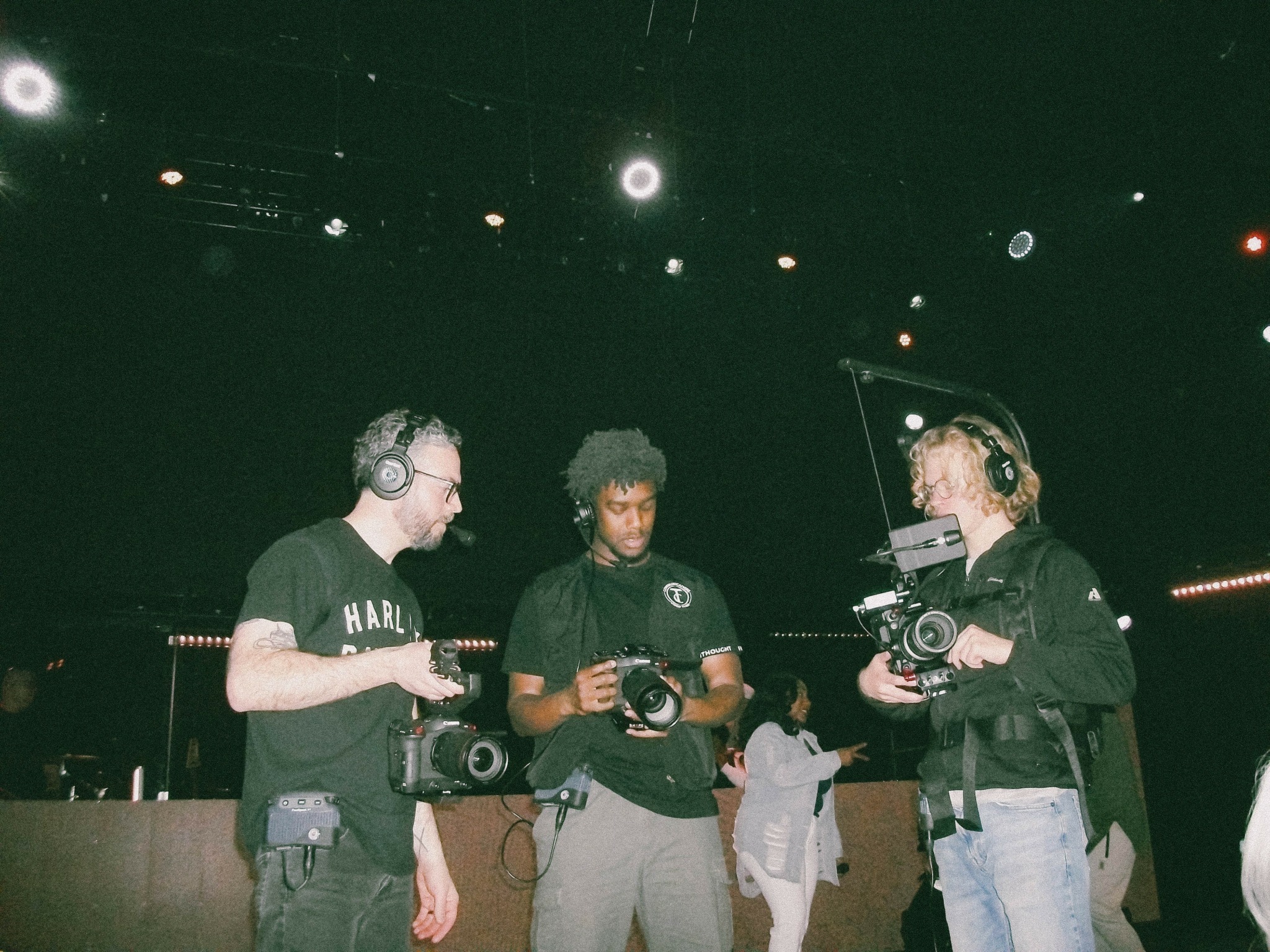
Looking back now, I think the biggest accelerant to learning would have been putting myself around other filmmakers sooner. Filmmaking is such a collaborative craft, and being on set with people who know more than you can compress years of learning into months. Watching how a director communicates, how a cinematographer shapes light, or how a sound mixer solves problems in real time — those moments are incredibly educational.
Some of the most essential skills weren’t just technical ones like lighting, composition, or camera movement. Those are important, of course. But storytelling, communication, and problem-solving are just as critical. Every shoot comes with unexpected challenges, and being able to stay calm, adapt, and still serve the story is what separates good filmmakers from great ones.
One of the biggest obstacles early on was access — access to equipment, access to mentorship, and access to opportunities to practice at a higher level. But in a strange way, those limitations also forced creativity. When you don’t have the “perfect” setup, you start learning how to shape light with whatever is available, how to frame shots differently, or how to make the most of a location.
Kemual “KJ”, before we move on to more of these sorts of questions, can you take some time to bring our readers up to speed on you and what you do?
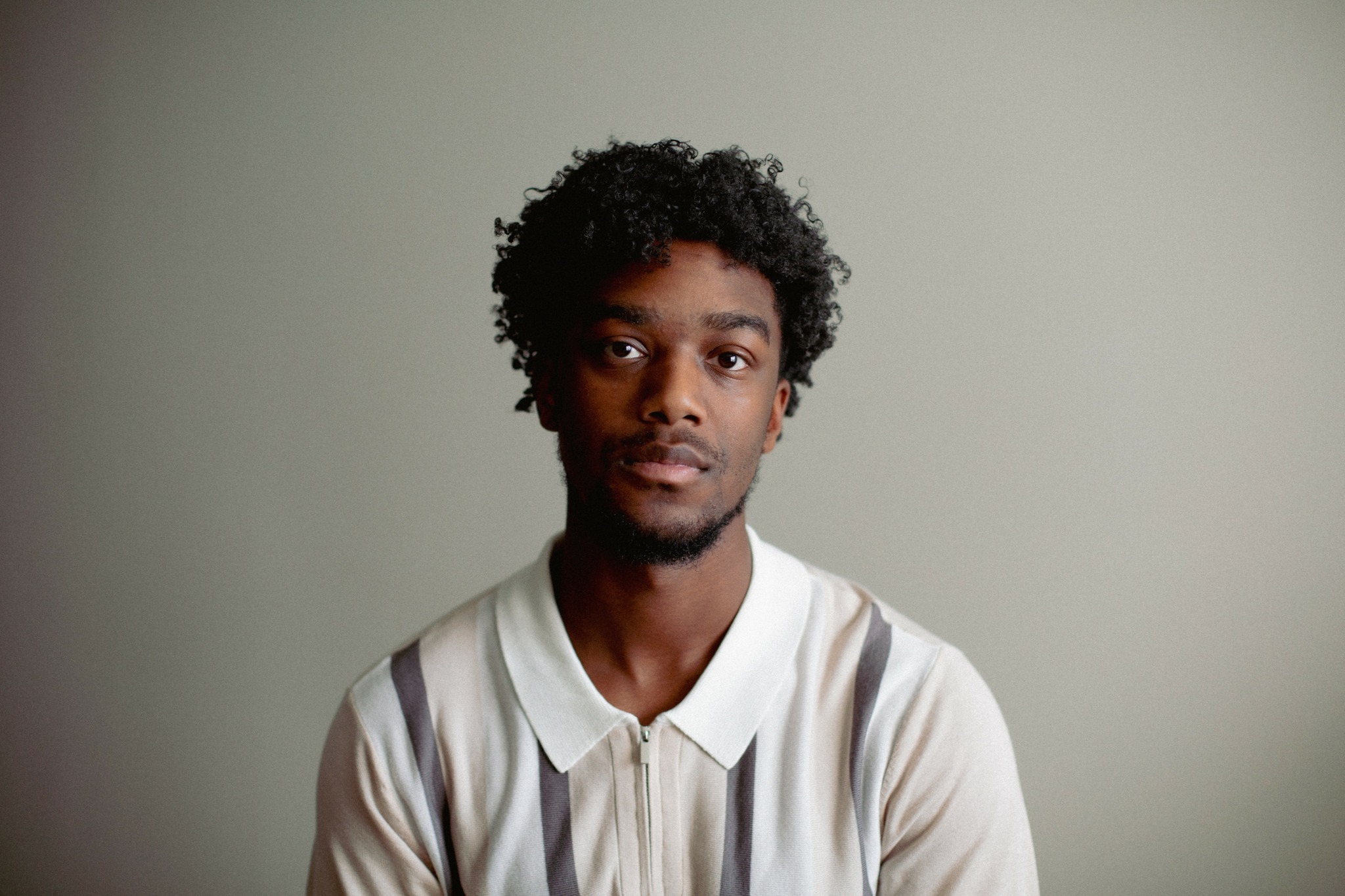
I’m a filmmaker and cinematographer who’s deeply passionate about storytelling through visuals. My work lives at the intersection of creativity, purpose, and collaboration. Over the years, I’ve had the opportunity to work on a wide range of projects. From cinematic films and music videos to branded content, podcast production, and documentary-style storytelling. At my core, I’m drawn to stories that make people feel something and reflect on life a little differently.
My journey into filmmaking started back in high school. I always had this idea of becoming a YouTuber, which did not happen, and I’m so very grateful for it because it allowed me to truly experience the beauty of the camera and filmmaking. I’ve always been intrigued by how a camera captures a story, emotions, atmosphere, and perspective in ways that words sometimes can’t. While studying film and new media design in college, I had the chance to intern at a production house. I felt a little spoiled because this company had every piece of high-end industry equipment you could think of. This is where I was introduced to the “cinematic” world.
What began as experimenting with cameras and learning through trial and error eventually grew into a professional path. Over time, I started working with teams in various spaces. From commercial work to docu-style film and narrative work, my knowledge of this industry began to grow.
Today, a big part of my work involves helping brands and creators communicate their message through compelling visual stories. Whether it’s producing a narrative piece, filming interviews, or crafting a documentary-driven video, the goal is always the same – to create something that resonates with people and carries meaning beyond the screen.
Film has a unique ability to capture moments of transformation, purpose, and connection, and I’m grateful to contribute to that kind of storytelling.
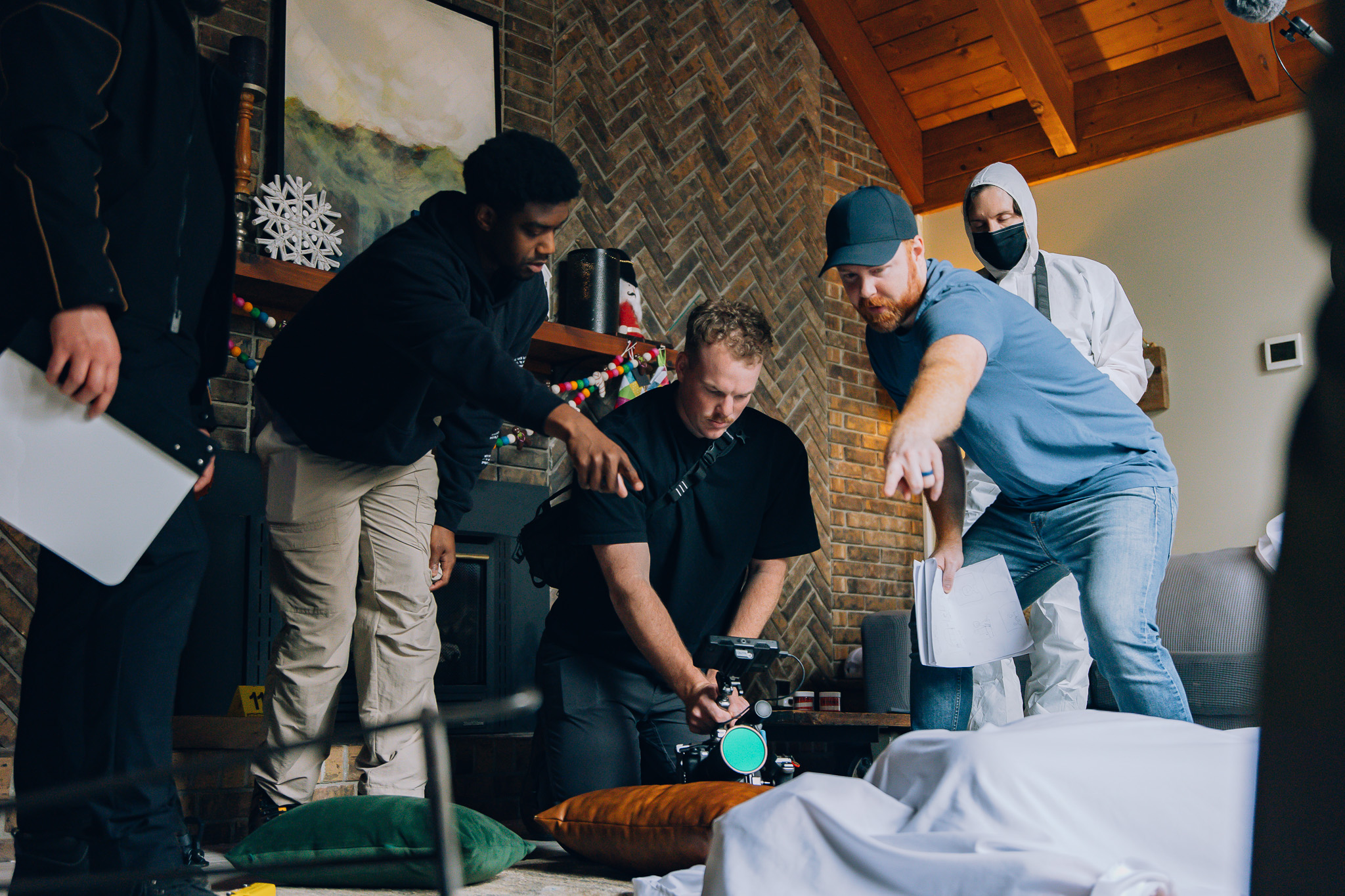
At the same time, I see filmmaking as a collaborative craft. Some of the projects I’m most proud of are the ones where talented crews, artists, and creatives come together to build something bigger than any one person could create alone.
What I want people to know about me and my work is that I’m always learning, always experimenting, and always looking for ways to grow creatively. Every project is an opportunity to push the craft a little further. At the end of the day, my goal isn’t just to make things that look good, it’s to create an internal movement in people’s hearts.
What’s the most rewarding aspect of being a creative in your experience?
The most rewarding aspect of being a creative is the ability to take something that only exists as an idea or emotion and turn it into something people can experience.
Film is powerful because it allows you to translate thoughts, struggles, and truth into moments that others can connect with. There’s something incredible about seeing a story move from a conversation or a note in your phone to something living on a screen.
I also love that creativity is a constant journey. There’s always something new to learn, a new way to frame a shot, shape light, or tell a story. Every project pushes you to grow.
For me, creativity is a gift. When I think creatively in my filming process, it gives me the chance to resonate with someone and make them pause, reflect, or feel encouraged; that’s when I’m reminded why I love doing this in the first place.
Is there a particular goal or mission driving your creative journey?
At the end of the day, I want to keep learning, keep growing in the craft, and create stories that genuinely impact people’s lives.
Contact Info:
- Website: https://www.kemualjones.com
- Instagram: https://www.instagram.com/its.kj_/
- Linkedin: https://www.linkedin.com/in/kemualjones/
- Youtube: https://www.youtube.com/@kemfilmmaker