

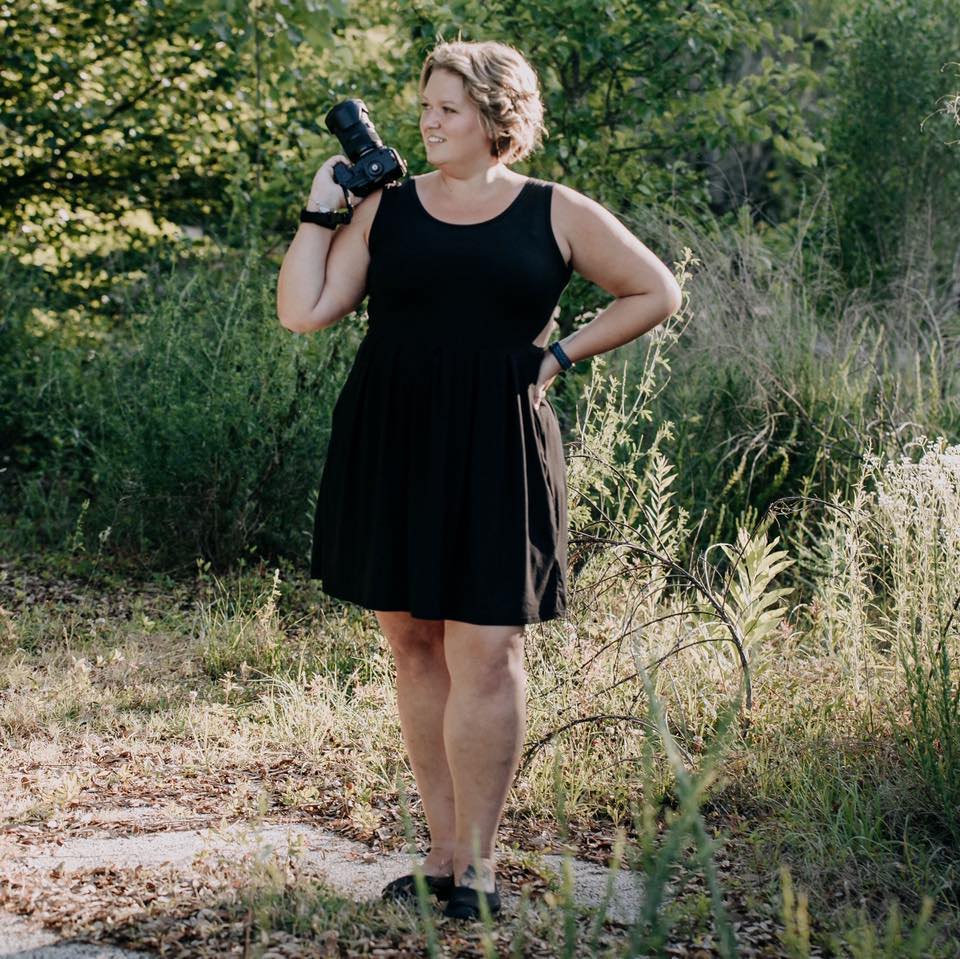

We recently connected with Kelly Simmons and have shared our conversation below.
Kelly, looking forward to hearing all of your stories today. Can you tell us about an important lesson you learned in school and why that lesson is important to you?
One of the most important lessons I learned in school, especially in college, was how to receive criticism without interpreting it as a personal attack. I had been exposed to critiques in high school, but college fine art classes truly required me to grow in this area. Any art student knows that creative fields leave a lot of room for interpretation and opinion. Sometimes instructors have personal preferences, sometimes they expect a skill level you are still developing, and sometimes comparisons are made. While grades were typically based on how well we followed the assignment criteria rather than whether the instructor personally liked the piece, critique days were a different experience entirely.
In drawing, design, metalsmithing, sculpture, and photography, we regularly presented our work to the class. We would stand in front of everyone, explain our concept, how it met the assignment requirements, and discuss our process and materials. Then came the questions and critiques from both classmates and instructors. Most feedback was constructive and balanced with positive observations. Occasionally, however, feedback could feel overwhelmingly negative. No one ever told me I did not belong in the field, but early on, criticism sometimes felt that way internally.
Learning to separate feedback about my work from my identity as an artist took time and intention. That growth has translated directly into my current career. In today’s world, creative work is incredibly public. Anyone, from anywhere, with any perspective, can comment on what I create. While the majority of feedback I receive is positive, there have certainly been critical voices as well.
Because of the critique culture I experienced in school, I am able to thoughtfully consider constructive feedback and apply what strengthens my work, while also recognizing when a comment is simply negative rather than helpful. In the past, criticism might have shaken my confidence or made me question whether I should continue. I have seen other creatives struggle deeply with that weight, sometimes stepping away from their craft or feeling pressured to completely rebrand.
Those early classroom critiques built resilience in me. They taught me to take the good with the bad, to keep refining my skills, and to not allow outside opinions to dictate my passion or my direction. That lesson has been foundational to sustaining both my confidence and longevity in my work.
As always, we appreciate you sharing your insights and we’ve got a few more questions for you, but before we get to all of that can you take a minute to introduce yourself and give our readers some of your back background and context?
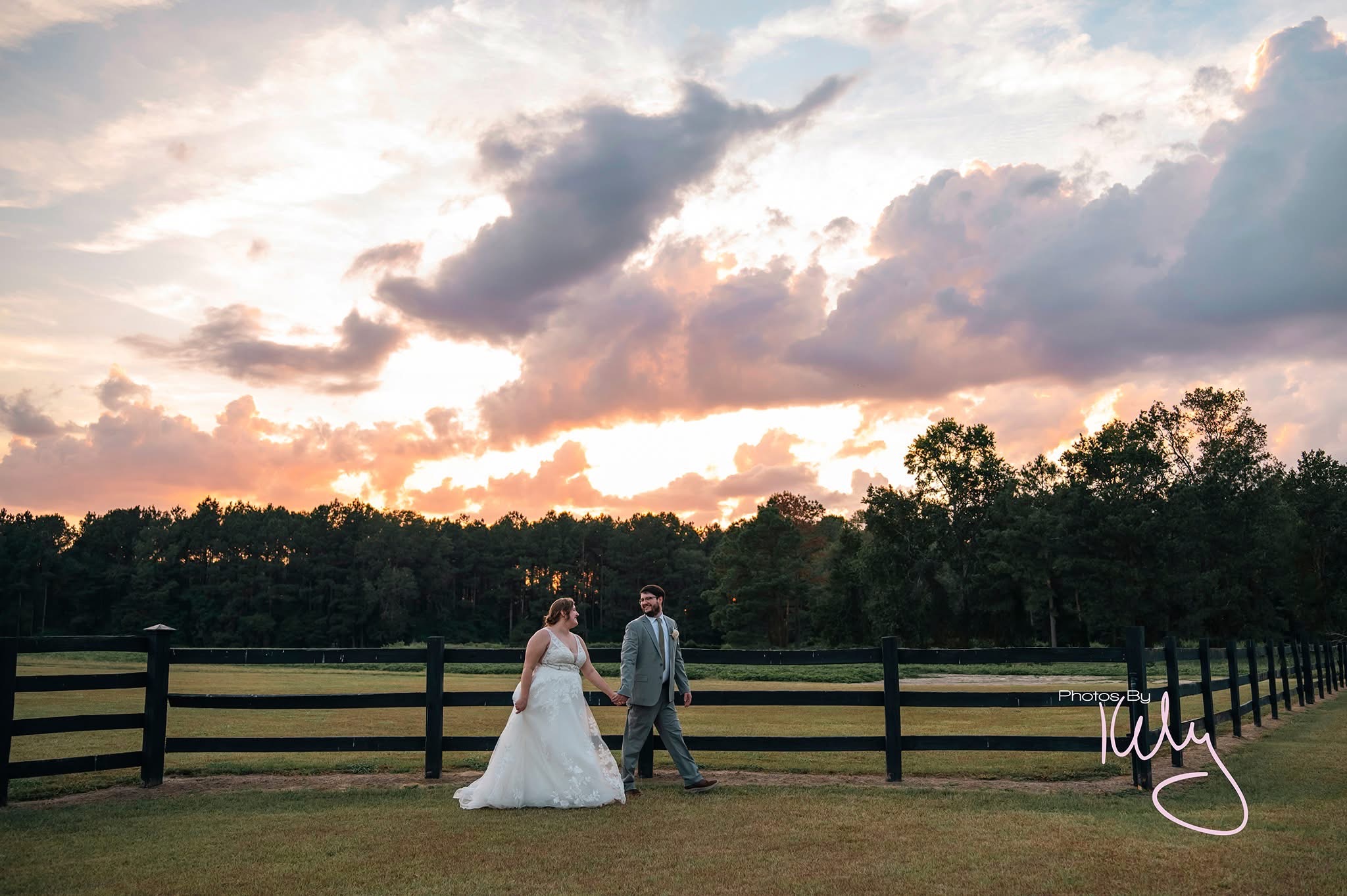
I’m a wedding and portrait photographer based in the Charleston, South Carolina area, and I also work in commercial product photography and graphic design. At the heart of everything I do is storytelling. Whether it’s a wedding day, a growing family, or a small business launching something new, I’m drawn to the moments that feel honest and lived in.
My love for art started early. I was always creating something, drawing, painting, sewing, rearranging my room just to make it feel different. In my freshman year of high school, I was accidentally placed into Yearbook because of a scheduling error. At the time, the instructor didn’t allow freshmen in his class because it required a lot of independence and responsibility. Students were trusted with expensive camera equipment and free movement around campus. He wasn’t thrilled about the mix up.
But that class changed everything for me.
Yearbook wasn’t just taking pictures. We learned layout, design, deadlines, storytelling, and how to capture real moments as they unfolded. I proved myself pretty quickly, both creatively and responsibly, and I ended up taking yearbook or photography classes every year of high school. Somewhere along the way, photography shifted from something I loved doing to something I could actually build a life around.
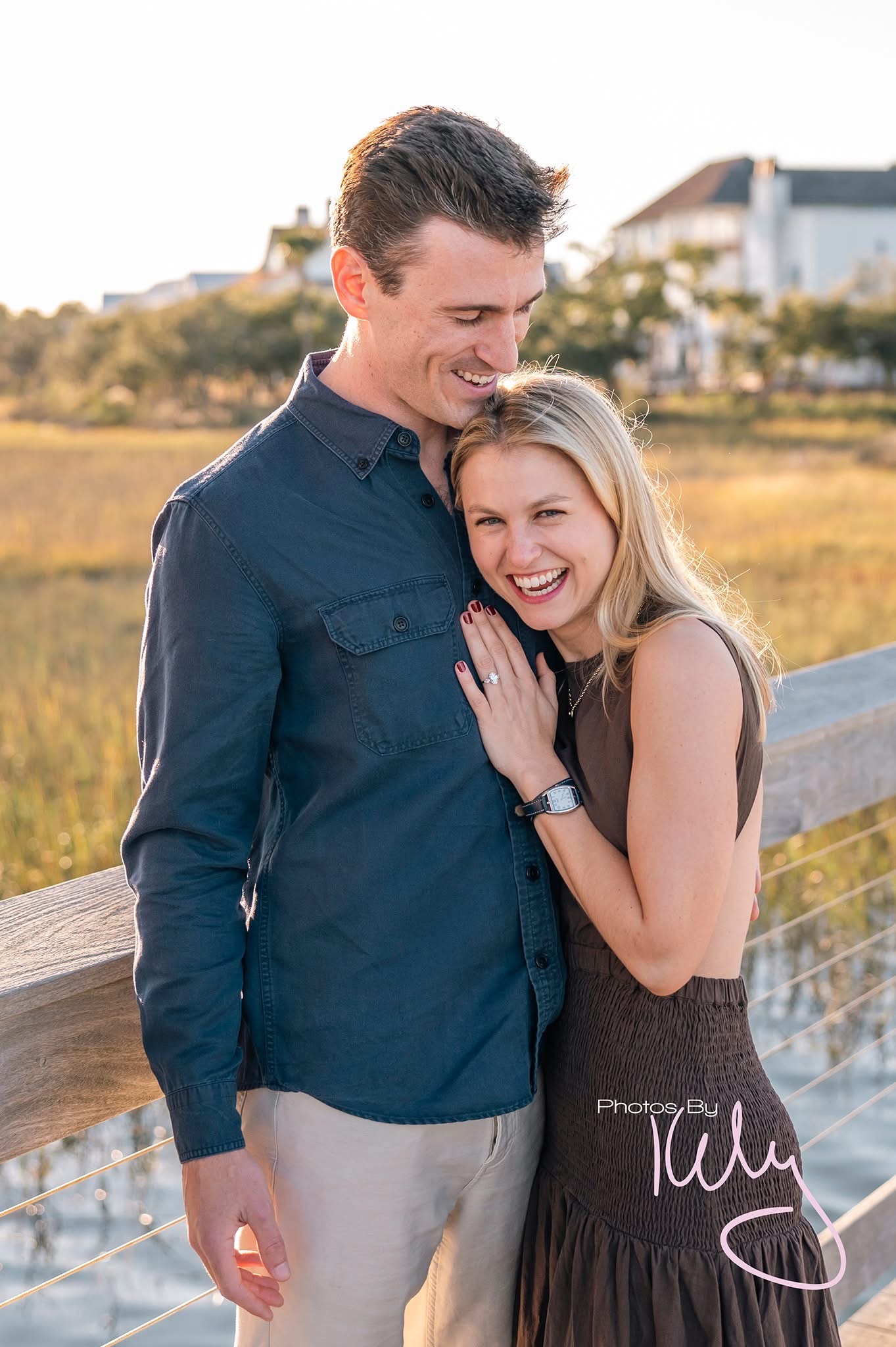
I went on to earn a BFA in Visual Communication and Design, which blended graphic design, web design, and photography. I originally thought I would pursue photojournalism, especially sports. I loved the unpredictability and the emotion. During college, I photographed weddings and portraits on the side for extra income, and unexpectedly, I fell in love with it. Weddings felt like live, unscripted storytelling. There’s anticipation, movement, emotion, tiny glances and big reactions all happening at once. It felt like photojournalism, but more personal.
After college, I continued photographing weddings and portraits, mostly through word of mouth. There were seasons of uncertainty. I moved to a new state. I became a mother. There were moments when I genuinely wondered if I could turn photography and design into something sustainable long term. Growth was steady but gradual. Each year built on the last.
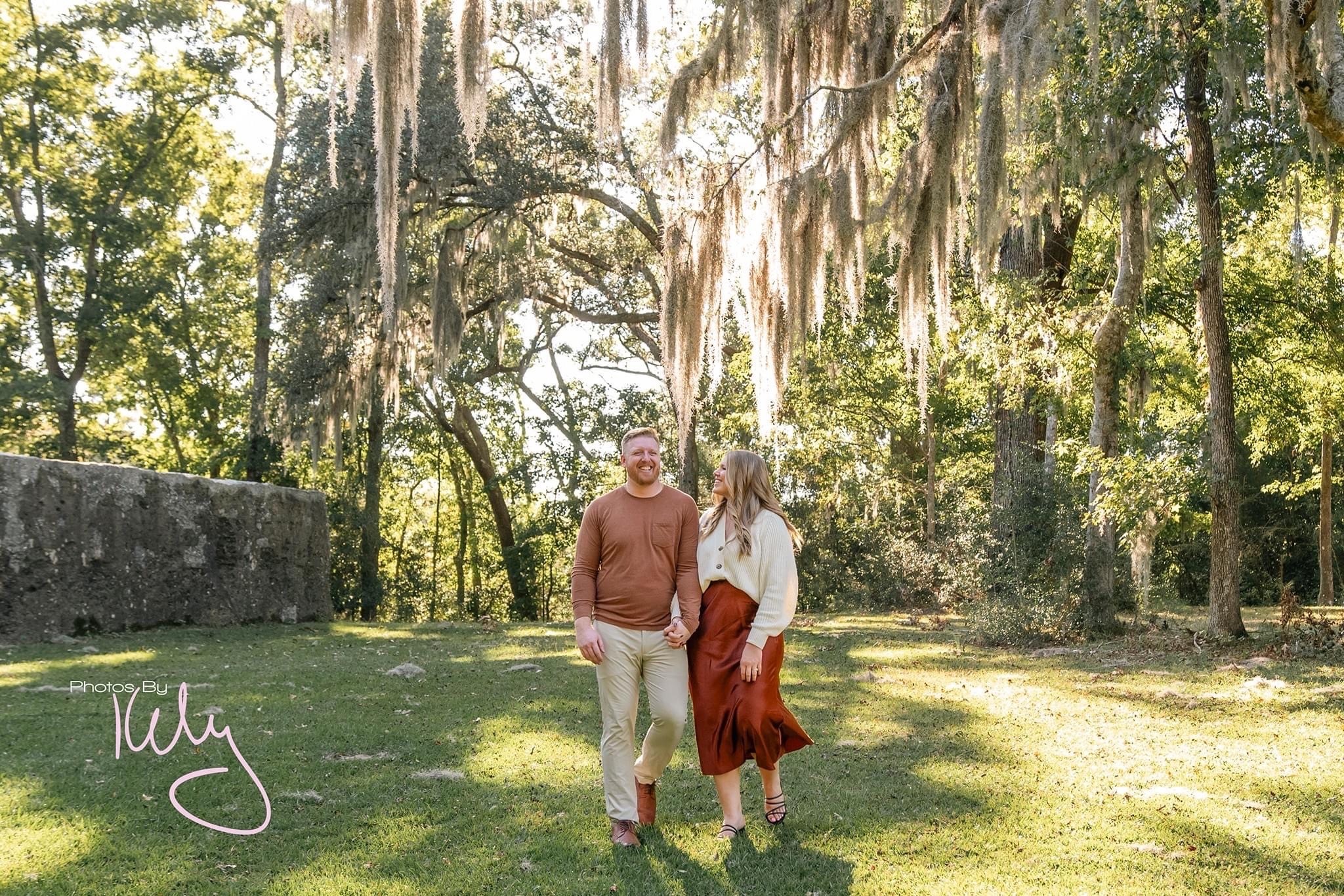
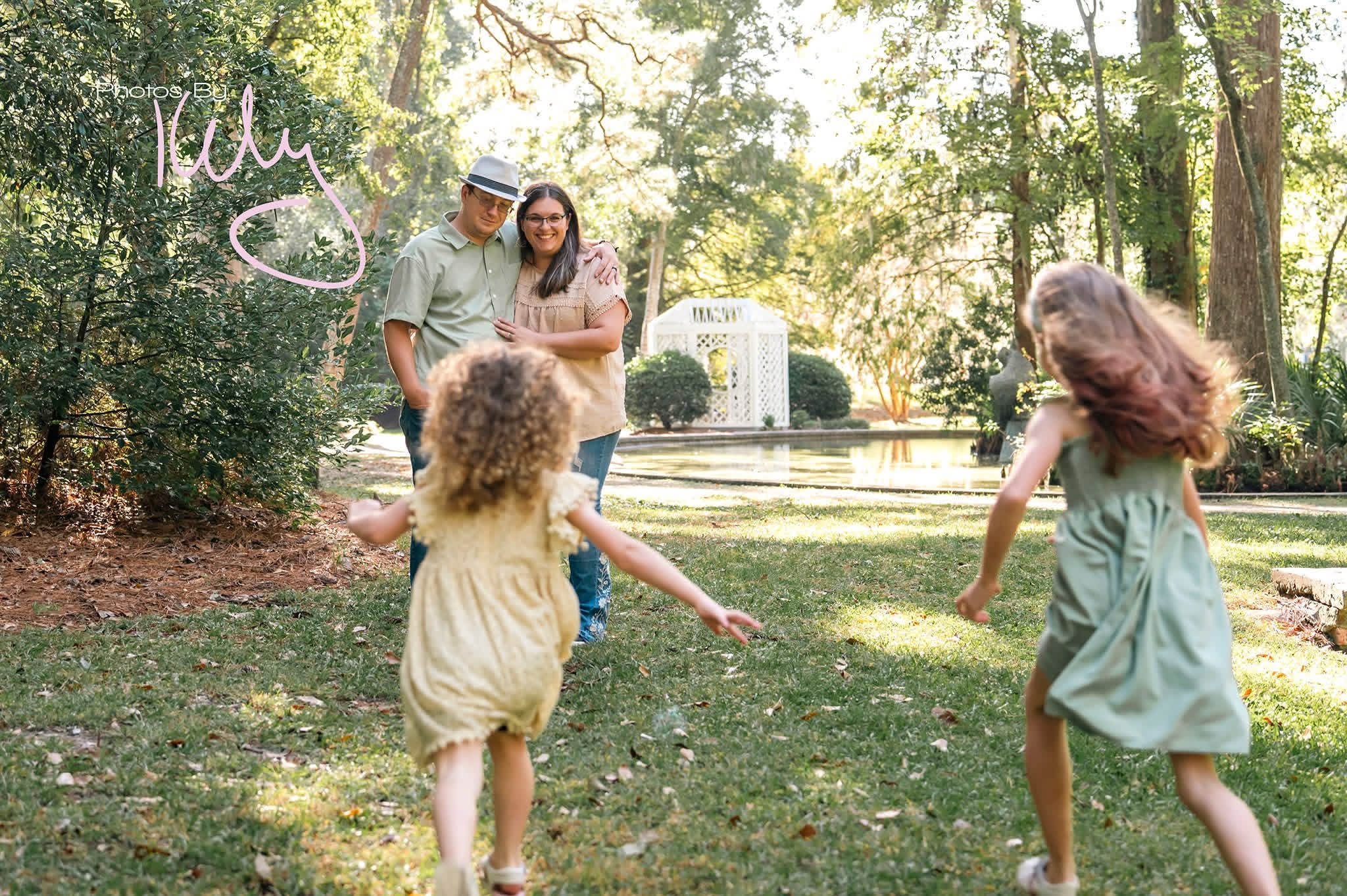
Becoming a mother added a completely new depth to how I see my work. I notice the way a parent instinctively reaches for their child’s hand. I notice the look in a mom’s eyes during a quiet moment. I understand how quickly stages pass. Photographing families now feels different because I’m not just documenting smiles. I’m preserving connection. I know firsthand how priceless those small, ordinary interactions become over time.
Now this is my full time career, and what I love most is walking alongside clients as their lives evolve. I might photograph an engagement session, then their wedding, then maternity photos, and eventually family portraits with toddlers running through the frame. Being trusted to document those milestones is something I don’t take lightly. It’s incredibly meaningful to witness those chapters unfold.
What sets me apart is my photojournalistic approach paired with bright, colorful editing. I focus on capturing moments as they genuinely happen rather than over directing every second. Of course I guide when needed, but I’m always watching for the in between moments, the laughter, the emotion, the quiet gestures that often mean the most. I want my clients to look back at their images years from now and feel transported, not just see something that looks pretty.
I solve the problem of people worrying whether their memories will be documented authentically and beautifully. Weddings move fast. Childhood moves even faster. I help people hold onto those seasons in a way that feels true to them.
I’m also proud of building a business rooted in collaboration over competition. The Charleston area is full of incredibly talented creatives, and I truly believe there is room for all of us. I want to be someone who uplifts others in this industry.
More than anything, I want potential clients to know that I care deeply about their experience, not just the final gallery. Yes, I want the images to be beautiful and vibrant. But I also want the process to feel calm, supportive, and trustworthy. I’ve built this career step by step, through uncertainty and growth, and that resilience shows up in how I care for the people in front of my camera.
At the end of the day, I’m still someone who loves to create. I just get to tell love stories and preserve legacies now.
How’d you build such a strong reputation within your market?
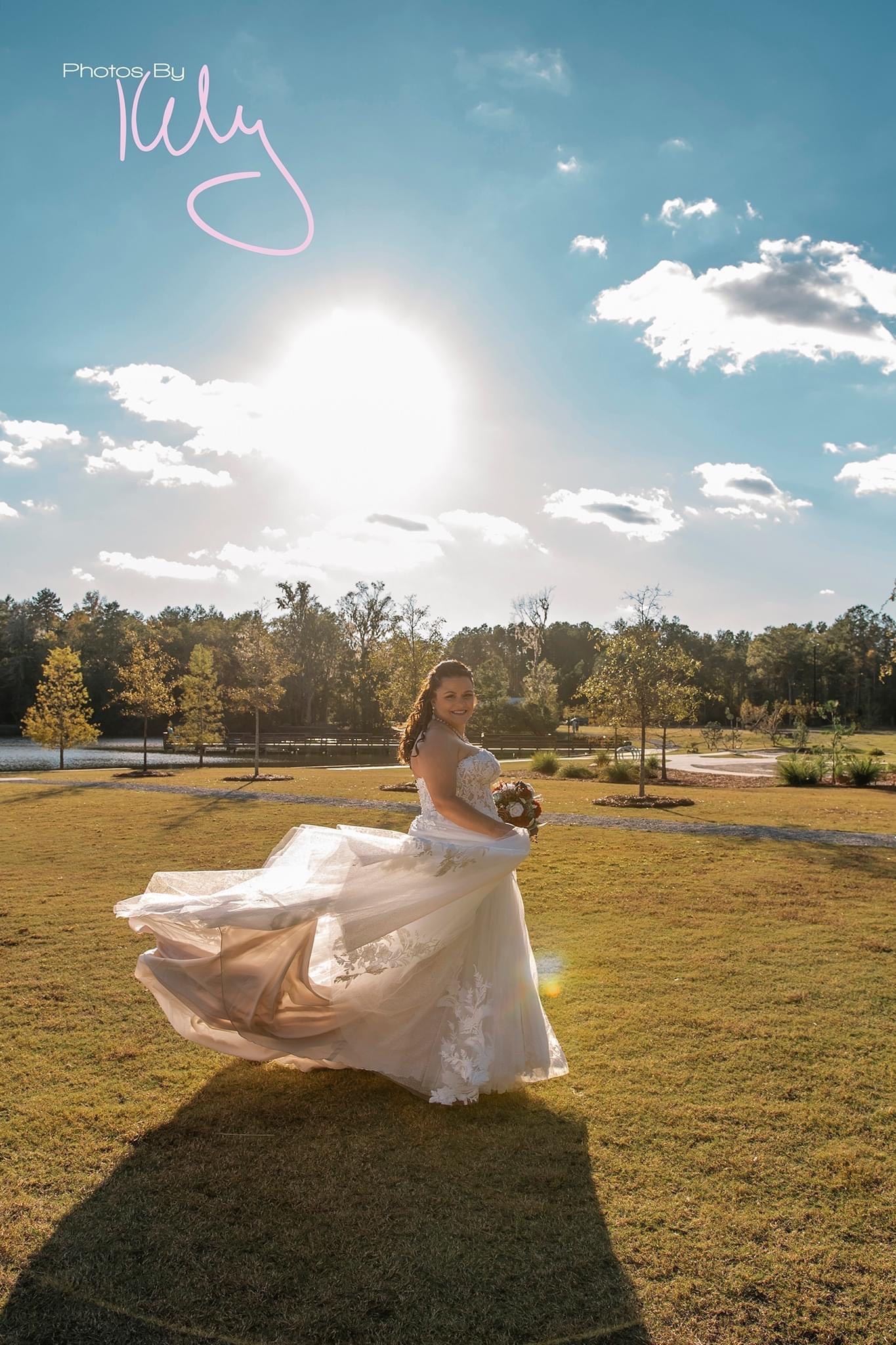
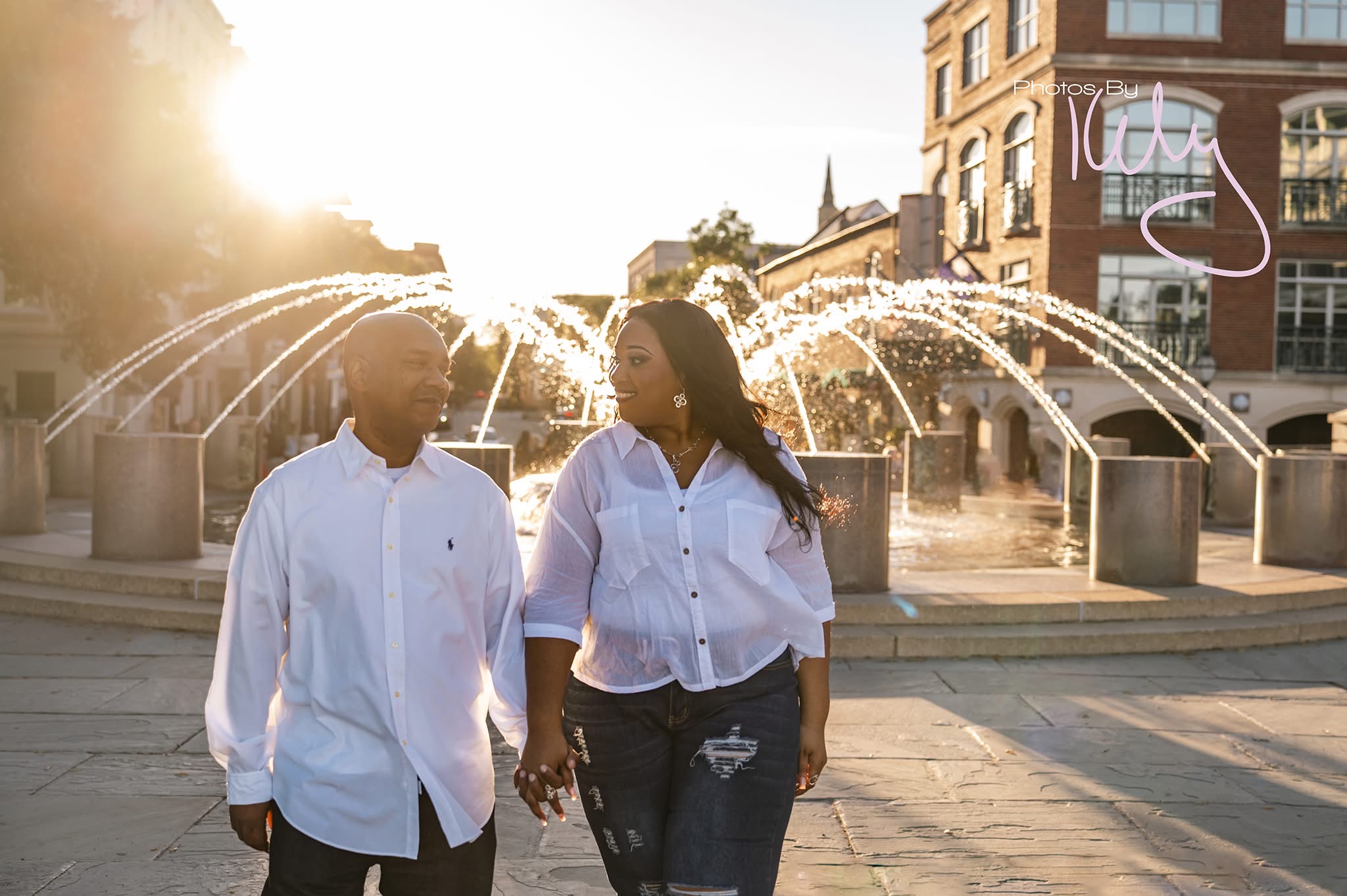
I think one of the biggest factors in building my reputation within my market has been consistency in both style and experience. Any client who has worked with me knows that I approach weddings and sessions in a very documentary way. I’m much more prompt based than pose based. I absolutely give direction when it’s needed, especially for couples or families who feel unsure in front of the camera, but I’ve found that the most meaningful images usually happen in the in between moments. When people are interacting naturally, that’s when the emotion feels real.
That approach stands out in my area because not everyone works that way. I’ve intentionally leaned into capturing the day as it unfolds rather than heavily staging it. Because of that, my galleries feel honest and sentimental, and clients know what to expect. I’m careful to share work that truly reflects my style, not just the perfectly posed, Pinterest ready images. When someone visits my website or social media, they’re seeing a genuine representation of how I photograph. There are no surprises.
Word of mouth has also played a huge role in my growth. Personal recommendations carry so much weight, especially when they come from someone you know and trust in real life. Many of my couples and families come to me because a friend or sibling had a great experience. That kind of referral is incredibly meaningful, and I don’t take it lightly.
Another piece of it is the client experience itself. I’ve been told often that I’m easy to work with and personable, which is one of the best compliments I can receive. I’ve always been someone who can talk to just about anyone, and my years working in food and beverage and retail gave me a strong foundation in customer service. On a wedding day, my goal is to feel like a calm, supportive presence. I want to blend in when appropriate and step forward confidently when direction is needed.
One of my favorite things to hear from couples is that it felt like I was a friend who just happened to have a camera in my hands. They’ve described me as unobtrusive and attentive, not someone who pulls attention away from the people the day is truly about. I think that balance, professionalism with warmth, direction with authenticity, has helped me not only attract new clients but also retain them as their lives continue to grow and change.
What else should we know about how you took your side hustle and scaled it up into what it is today?
Photography has technically never been just a side hustle for me. I’ve been working with a camera since high school, and my focus has almost always been people. Sports, portraits, weddings, events. If there was emotion or movement involved, I was interested.
The true “side hustle” chapter came during COVID. When the world shifted, so did business. Many small businesses were suddenly relying almost entirely on online sales, and a lot of them did not have strong product photography. Their websites and social media needed visuals that matched the quality of what they were selling.
That’s when I started offering product photography more intentionally. At first, it was a way to fill a gap during a time when weddings and events were uncertain. I worked with local businesses, sometimes through paid projects and sometimes by bartering services and cross promoting each other. It was collaborative and community driven, and it allowed me to build strong working relationships with other small business owners.
When things began opening back up, product photography was no longer as urgent for many brands. But by that point, it had already grown beyond a temporary solution. I had built trust, repeat clients, and a portfolio that showed I could bring the same storytelling and attention to detail to products as I do to people. What started as a practical pivot became a fully integrated service within my business.
A major milestone came in January 2025, when I began working regularly with a local business that specializes in web design for e commerce brands. The owner needed an additional photographer who could both photograph and edit clean, consistent e commerce images as well as lifestyle and social media content. Because of the foundation I had built during that earlier season, I was ready for that opportunity. I have been working with that company since, and it has added a steady commercial arm to my business.
One of the biggest realizations along the way was that I did not have to choose just one lane. I can photograph weddings and families while also offering commercial product work. The variety has actually been healthy for me creatively. Photographing people is dynamic and emotional. Product photography requires precision, lighting control, and strategy. Switching between the two keeps me sharp and helps prevent burnout.
What I’m most proud of in that season is that I responded instead of retreating. I saw a need, stepped into it, and built something sustainable from it. What began as a side hustle during a difficult time has grown into a meaningful and consistent part of my career.
Contact Info:
- Website: https://www.pbkpix.com
- Instagram: https://instagram.com/pbkpix
- Facebook: https://facebook.com/pbkpix
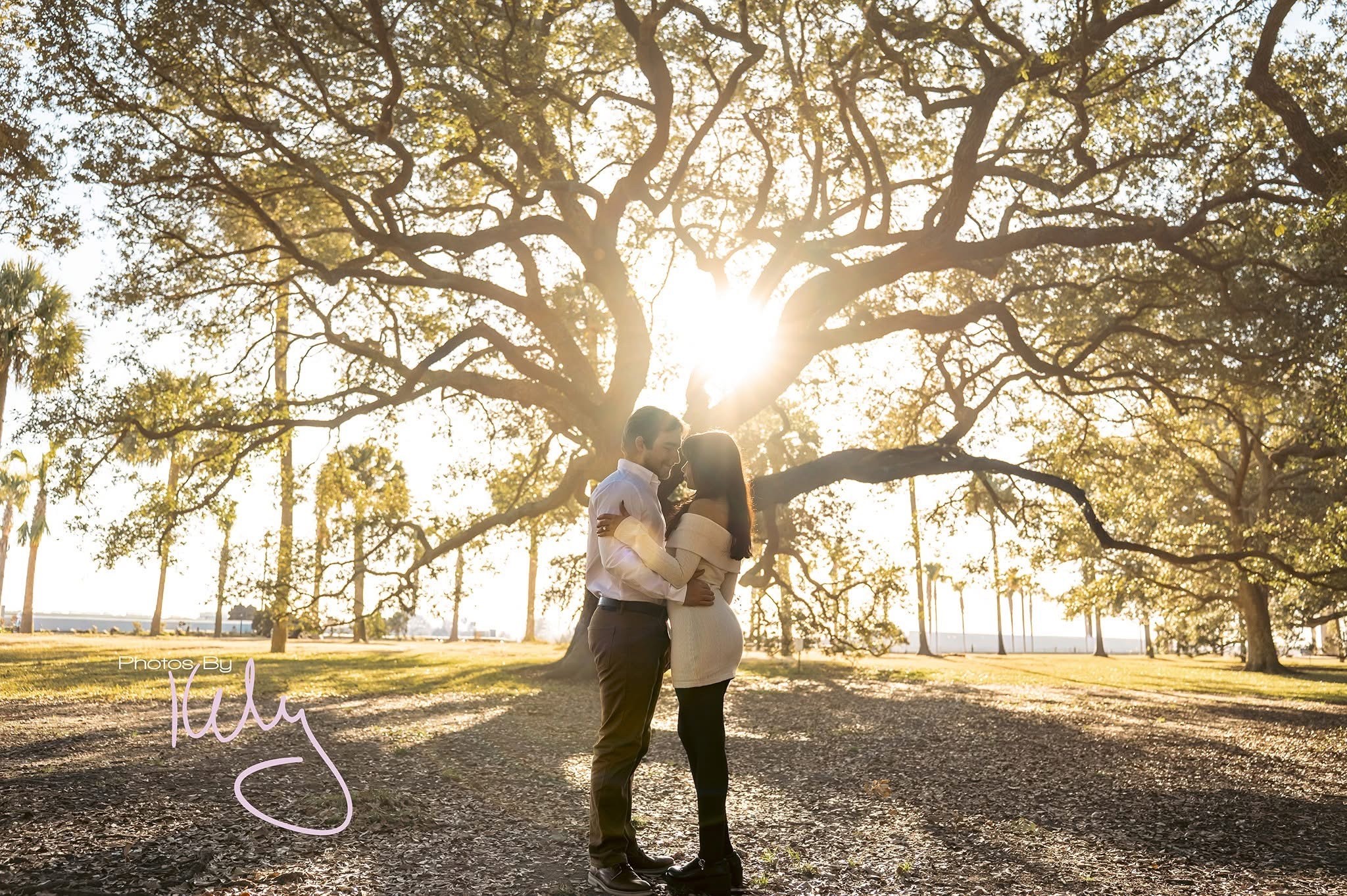
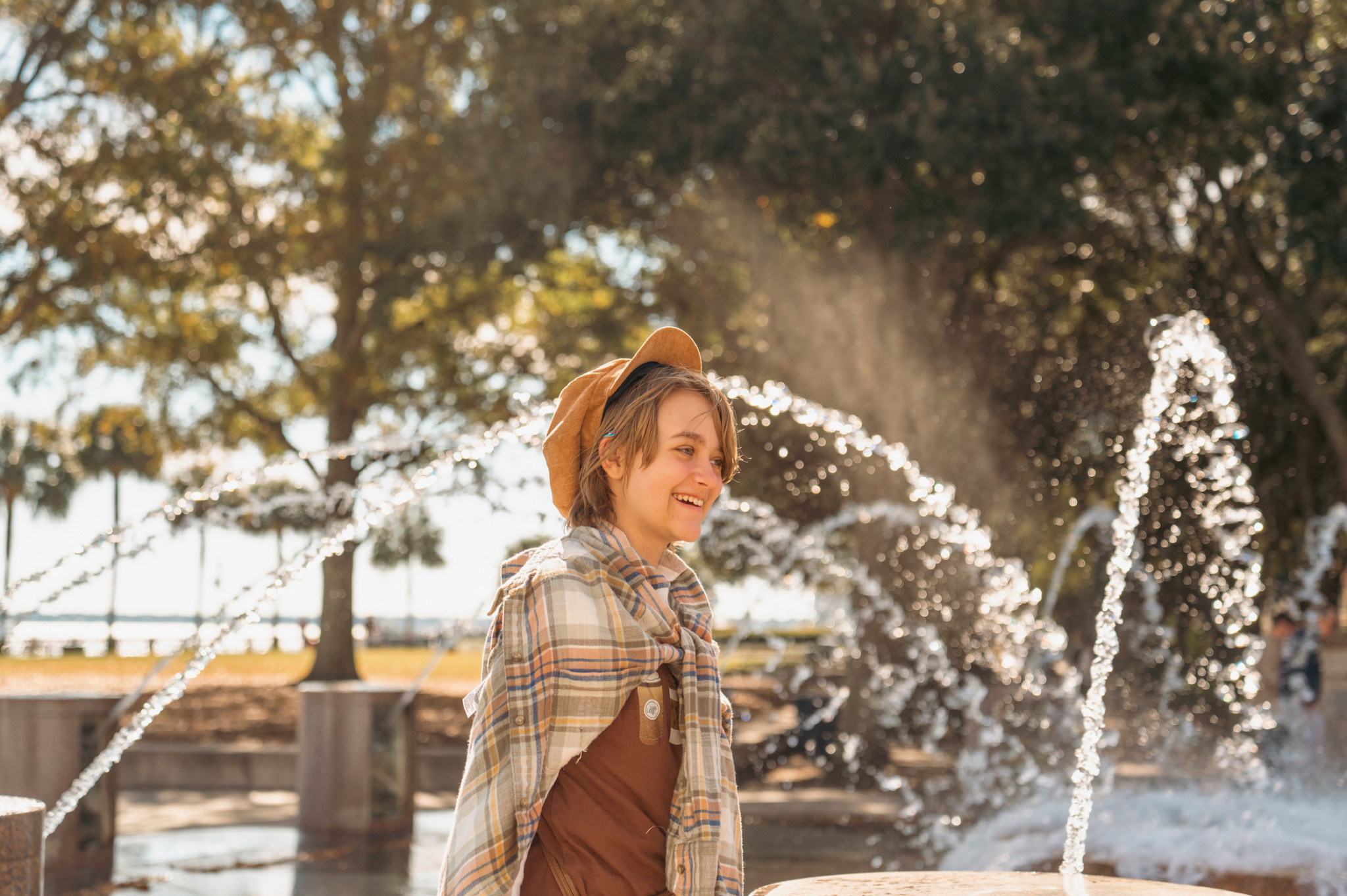
Image Credits
Kelly Simmons, Photos By Kelly