


We caught up with the brilliant and insightful Kelly McKay a few weeks ago and have shared our conversation below.
Hi Kelly, thanks for joining us today. We’d love to hear about a project that you’ve worked on that’s meant a lot to you.
As a former semi-professional athlete, storytelling has always been rooted in sport for me – it just eventually found a different outlet through film. The transition into directing wasn’t a clean break; it felt more like a continuation. The mindset I developed as an athlete – discipline, adaptability, learning how to respond in real time – naturally carried over into the way I approach storytelling.
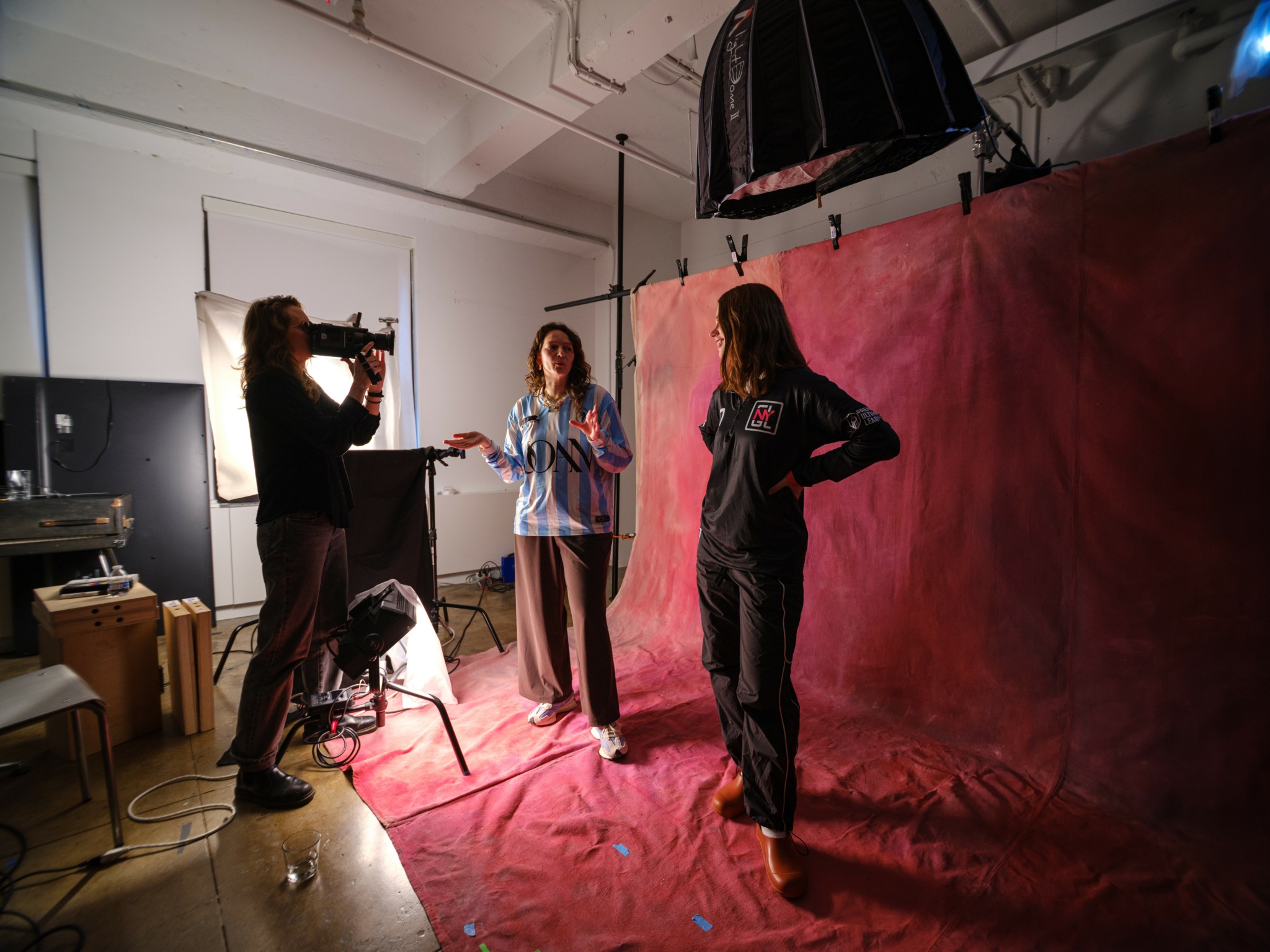
I’ve found myself drawn to projects that feel personal and grounded in real experience, especially stories that explore the emotional side of sport – the parts that aren’t always visible. Recently, I collaborated with the United States Soccer Federation on the U.S. Soccer World Cup kit reveal, which felt like a full-circle moment. It’s the kind of project my younger self would have been incredibly excited about, and one I’m equally proud to have been part of now.
I also really value intimate, character-driven work. I worked with Yina Cartagena on a short branded documentary with Salt Athletic, telling her story in a way that felt honest and collaborative. Those kinds of projects stay with me because they require trust – you’re not just capturing what someone does, but trying to understand who they are.
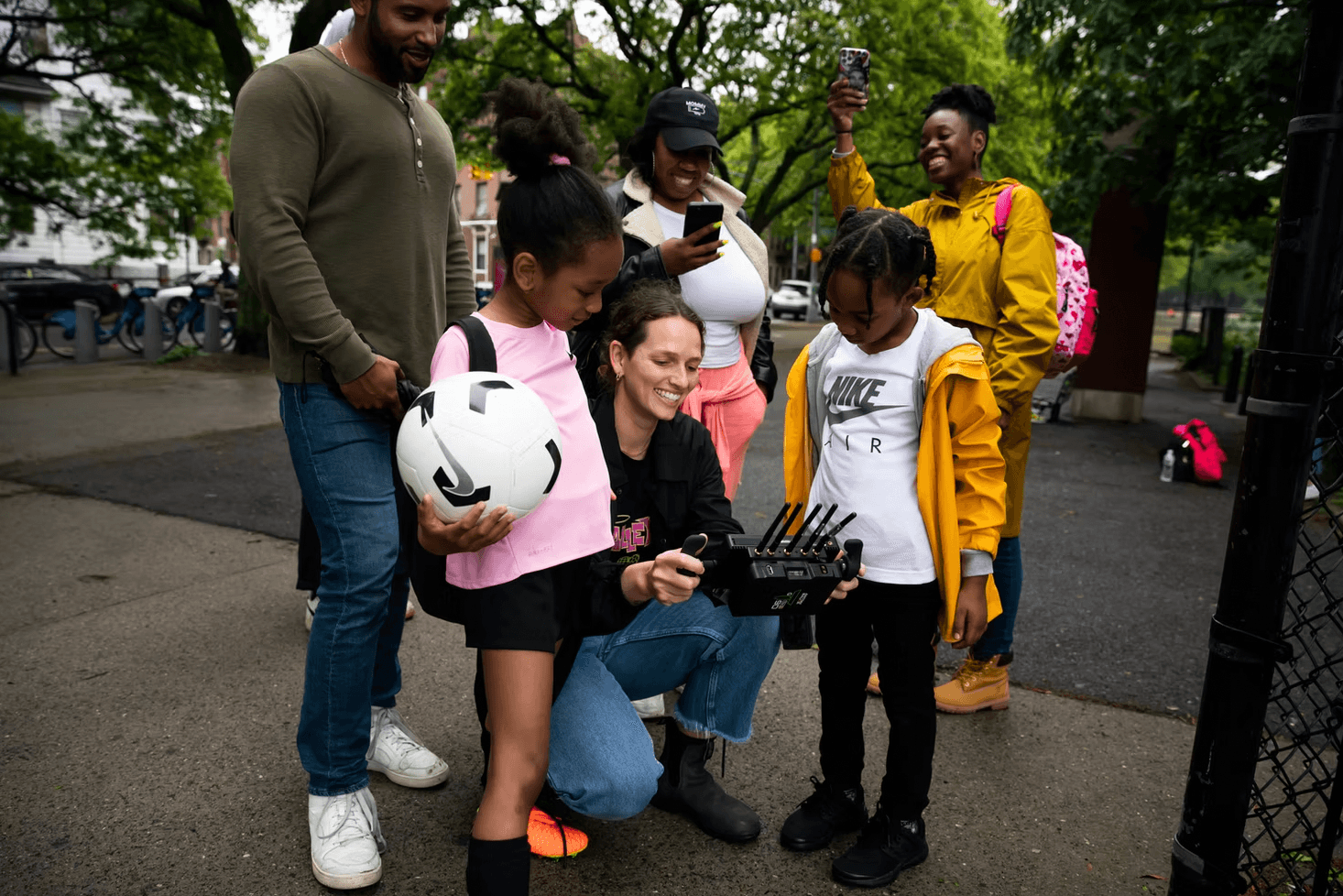
I’ve also been interested in stories rooted in community. I collaborated with two mothers in my local New York City soccer community to explore what it looks like to stay connected to the game outside of a professional path – balancing life, commitment, and a deep love for both the sport and the people around them. Those stories feel just as meaningful to me as anything at the highest level of sport.
Awesome – so before we get into the rest of our questions, can you briefly introduce yourself to our readers.
I came into filmmaking through a deep interest in people – how they move through the world, what drives them, and the quieter, often overlooked moments that define who they are. Sports were my first lens for understanding discipline, identity, and community, and over time that naturally evolved into a visual storytelling practice.
My work sits at the intersection of documentary and branded content. I create short films, campaigns, and visual treatments that are rooted in real stories – often with a focus on athletes, women, and community-driven narratives. I’m especially drawn to projects that feel character-led and emotionally grounded, whether that’s a World Cup campaign or a small, intimate portrait of someone’s everyday life.
In terms of what I offer, I work with brands, agencies, and individuals to develop and direct visual stories from concept through execution. That includes creative direction, treatment design, and full production. I think one of the key problems I help solve is how to make branded work feel honest – how to create something that resonates beyond the surface level and actually connects with an audience.
What sets my work apart is the perspective I bring. Having been an athlete myself, I understand that world from the inside – the nuance, the pressure, the identity shifts and I approach storytelling with a lot of care and empathy. Stylistically, I tend to favor a more intimate, run-and-gun approach that blends documentary realism with subtle, sometimes surreal elements. I’m less interested in perfection and more interested in feeling.
At the core of my work is a belief in the importance of giving people a chance to be understood, and of helping audiences understand what it means to be alive. There are so many different experiences in the world, yet beneath those differences, we often share more in common than we realize. I want my work to reflect that, to show the humanity in every story and to foster empathy across different walks of life.
What I’m most proud of are the stories that feel true to the people in them – whether that’s working on the U.S. Soccer World Cup kit reveal, collaborating with professional ultimate frisbee player Yina Cartagena on a branded documentary, or telling the story of mothers in my local soccer community continuing to play for the love of the game. Those projects all reflect the kind of work I want to keep making: grounded, human, and connected to something bigger than just the final product.
At the core, I want people to know that my work is about care – care for the subject, the story, and the audience. I’m interested in building trust and making work that people can see themselves in, and in reminding us that despite our differences, we’re more alike than we think.
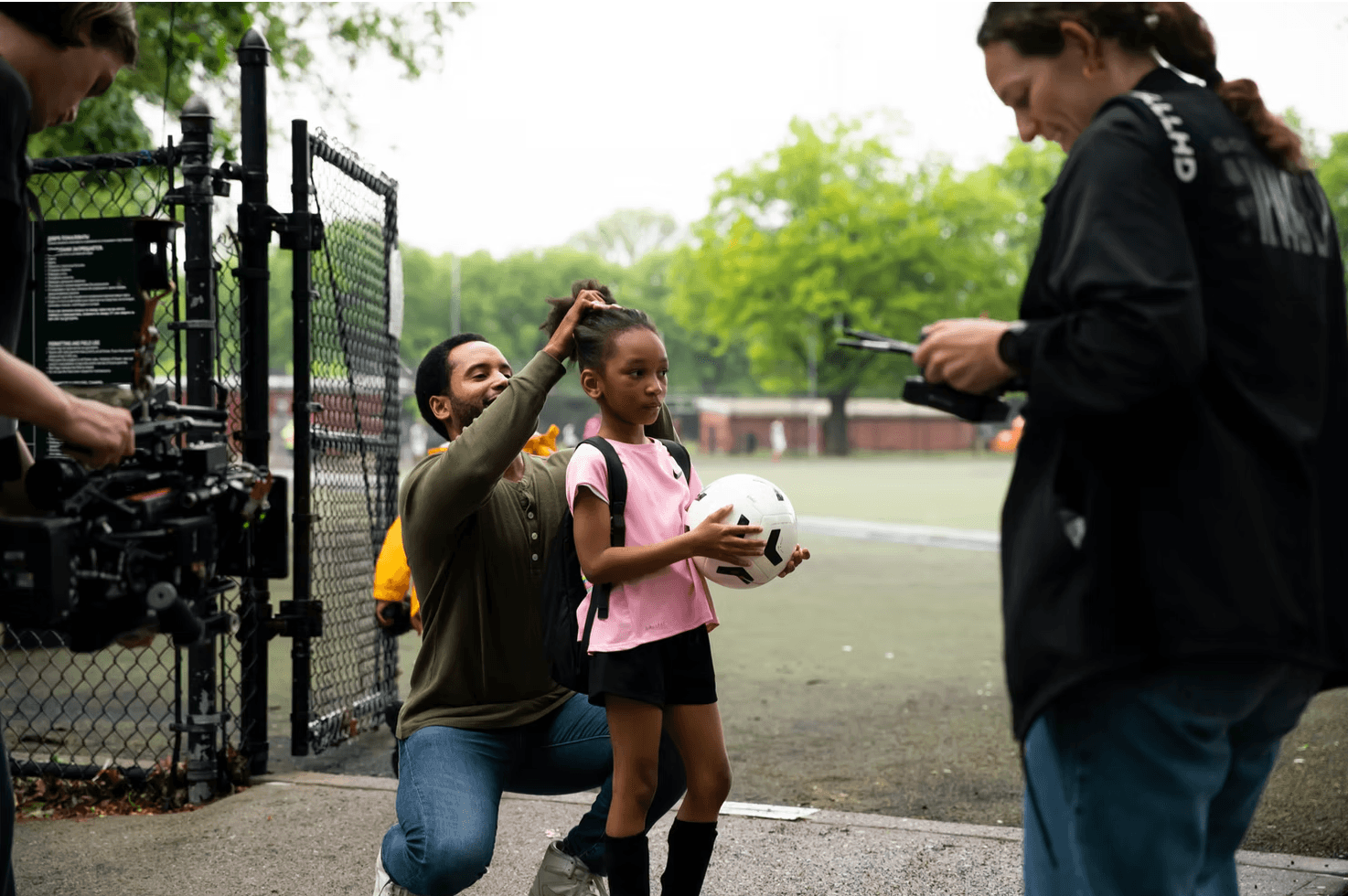
How do you keep your team’s morale high?
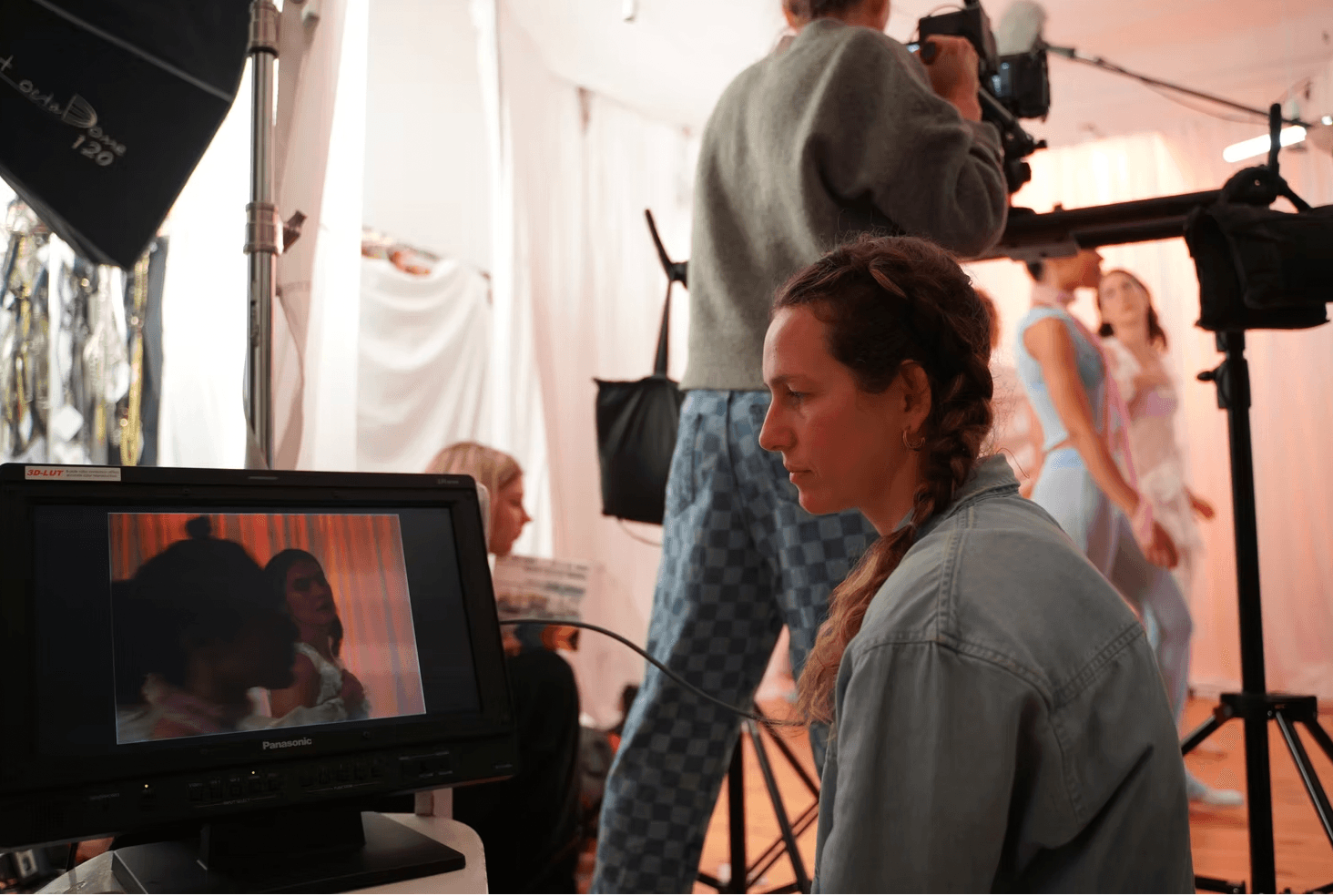
My approach to managing a team is to lead as a teammate first. Making a film is important, but it’s often not life or death – keeping perspective helps everyone stay grounded. I can’t do it without my production assistants, camera team, producers, agency leaders, DP, and everyone else – we’re all on the same team. No one is better than anyone else; we just have different roles working toward the same goal.
I make a point to laugh, smile, and connect with people before production starts – asking about them, their day, their interests. Creating a space where people feel seen and safe goes a long way toward maintaining morale. When people know they’re respected and that their contributions matter, the work naturally flows better, and everyone enjoys the process more.
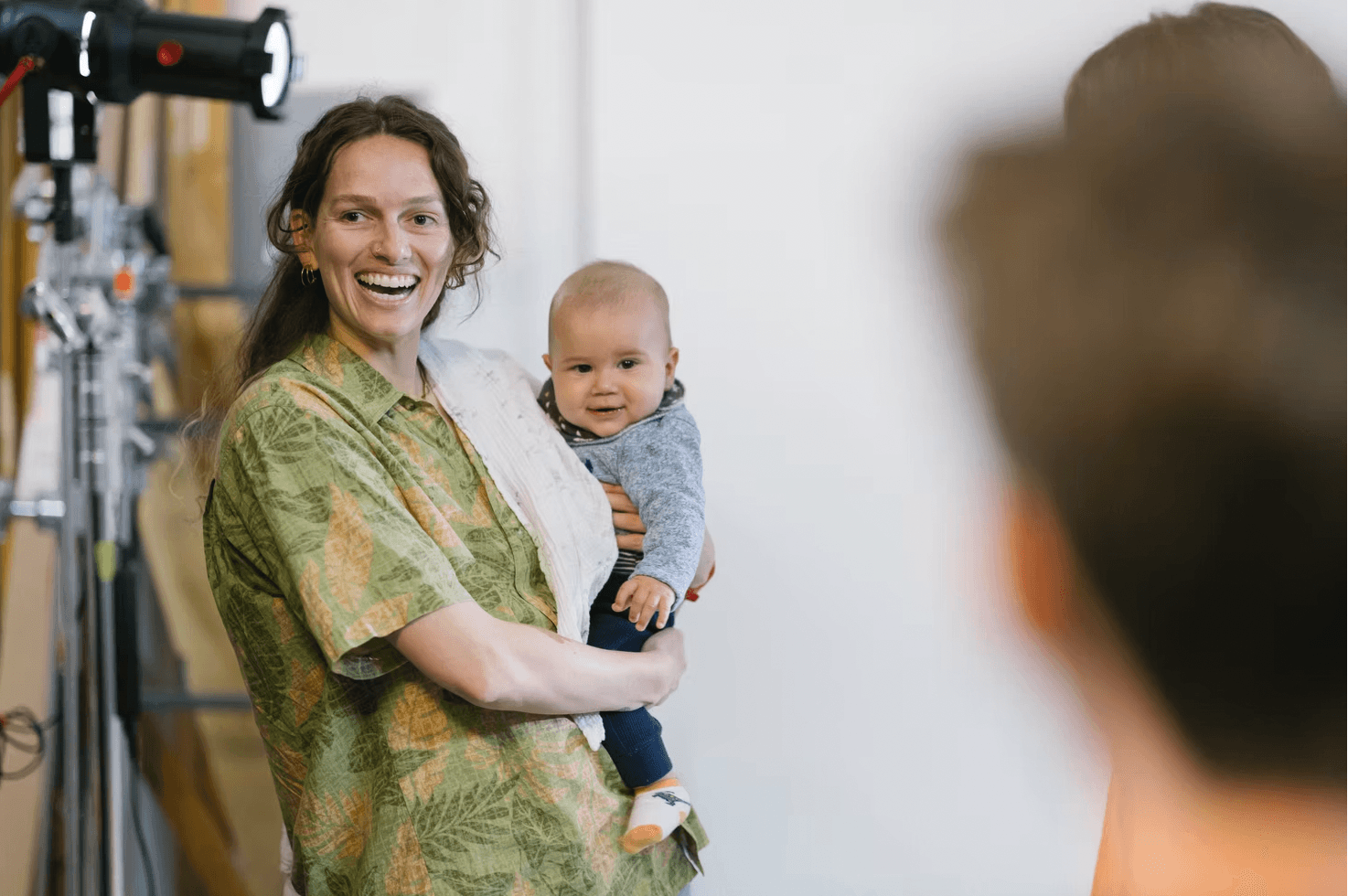
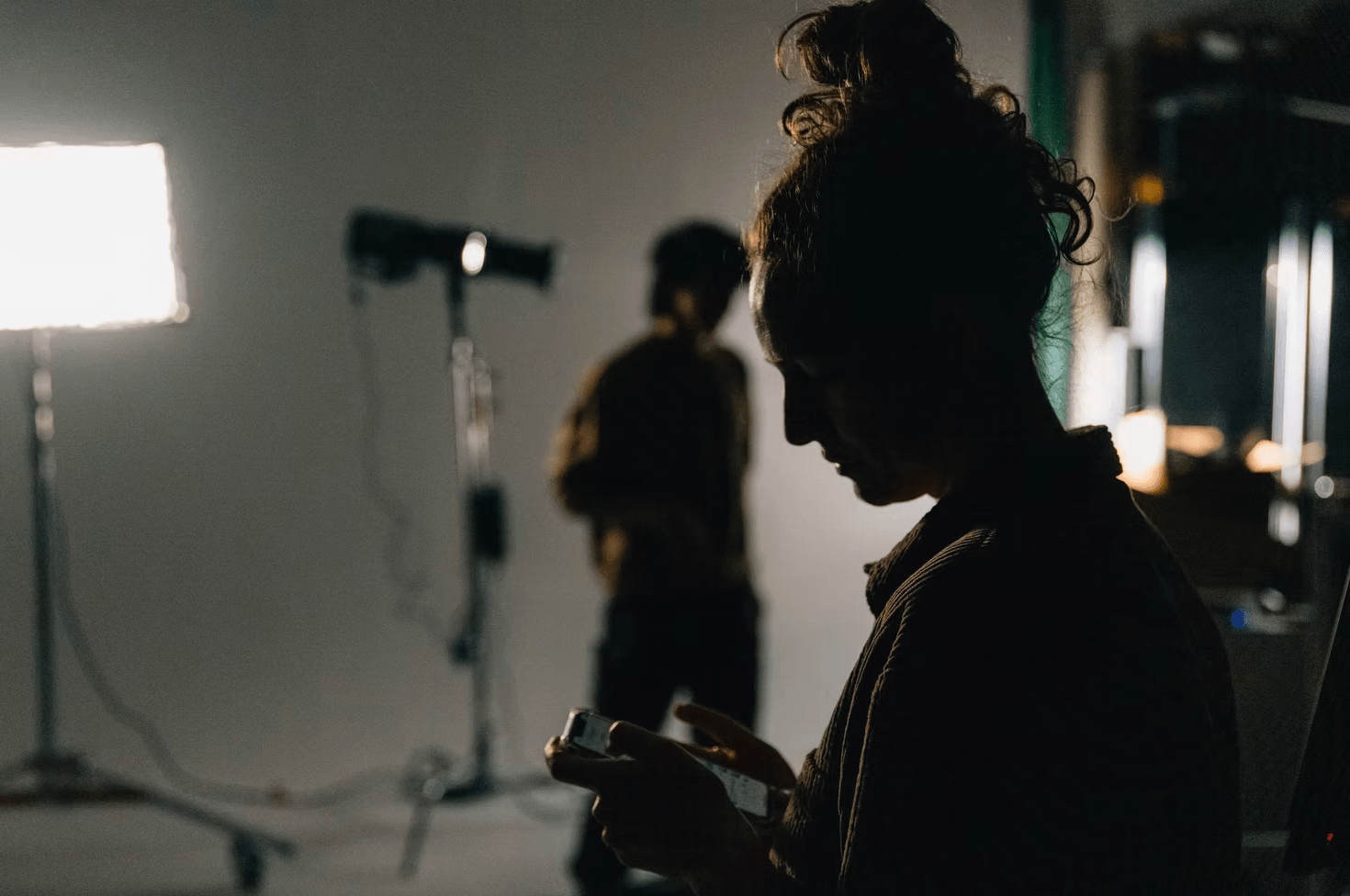
Can you tell us about a time you’ve had to pivot?
I’ve had to pivot many times in my life and career, and sports have taught me a lot about how to do this. I started out in Atlanta working in the feature film industry as a location scout, but I realized I wanted a different challenge – directing had always been my goal. That led me to move to Berlin, Germany, where I decided to fully pursue directing. That pivot meant learning a new culture, a new language, and how to navigate an entirely different market.
Sports taught me that you have to be able to pivot in real time – when something isn’t working on the field, you adjust, adapt, and keep pushing. When I later moved to NYC, it was another pivot – figuring out how to keep momentum going in a competitive industry, building new networks, and adapting my work to a new audience. Each pivot has reinforced the lessons I learned from sports: resilience, flexibility, and the drive to keep moving forward even when the path isn’t clear.
Contact Info:
- Website: https://thekellymckay.com
- Instagram: @thekellymckay
- Linkedin: https://www.linkedin.com/in/thekellymckay/
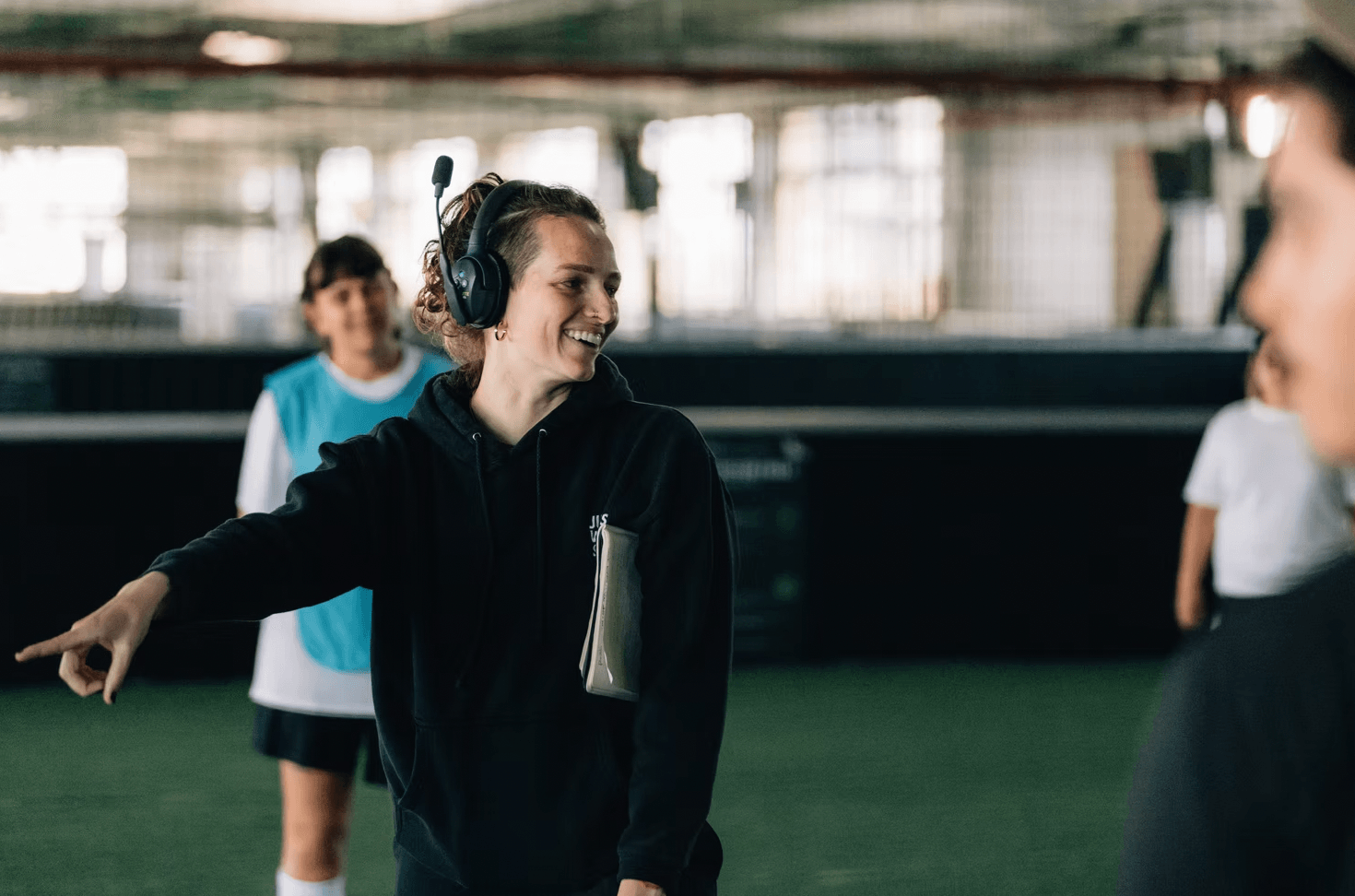
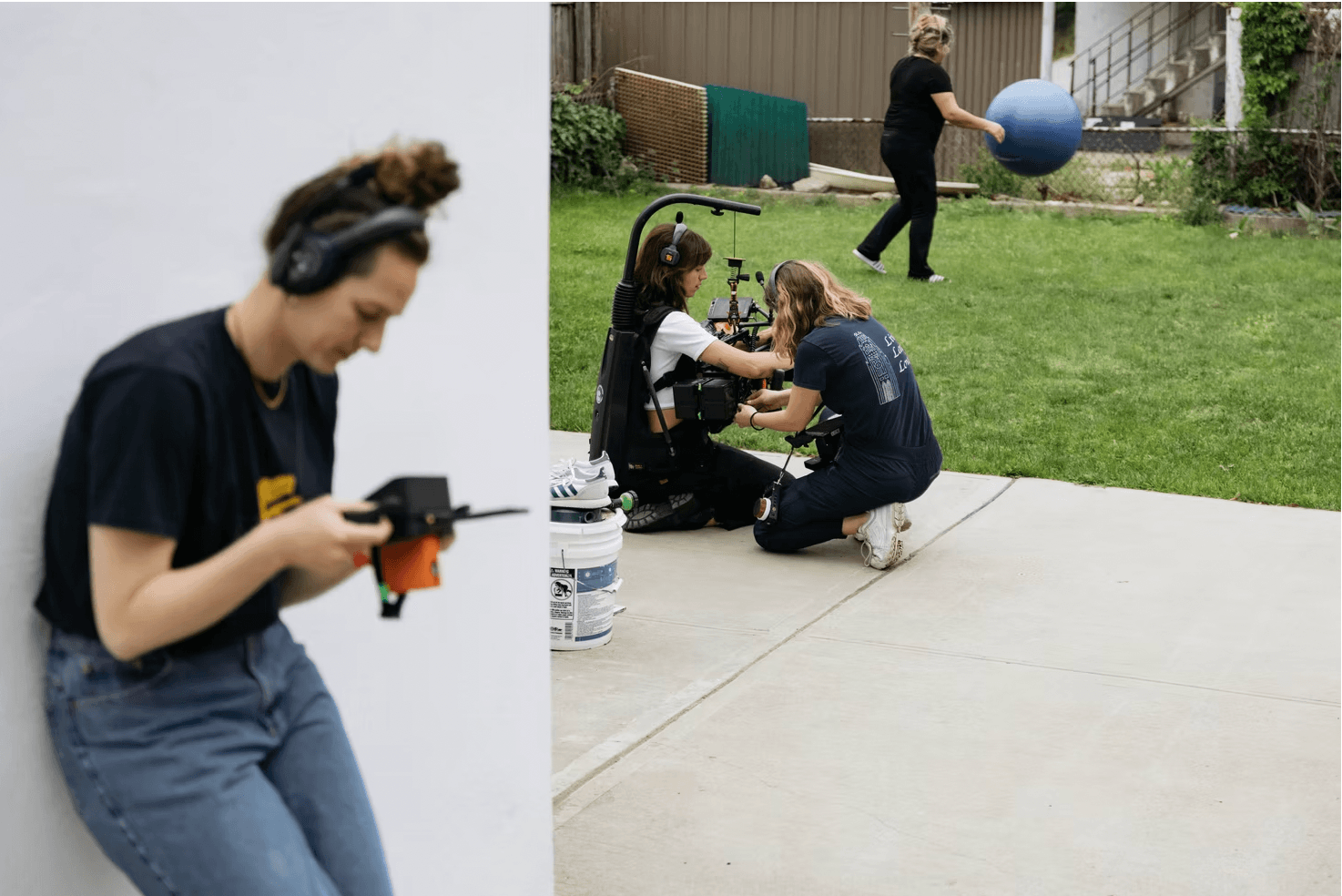
Image Credits
Photos by Kristina Sikora, Carlos Bido, and Jonathan O’Sullivan