

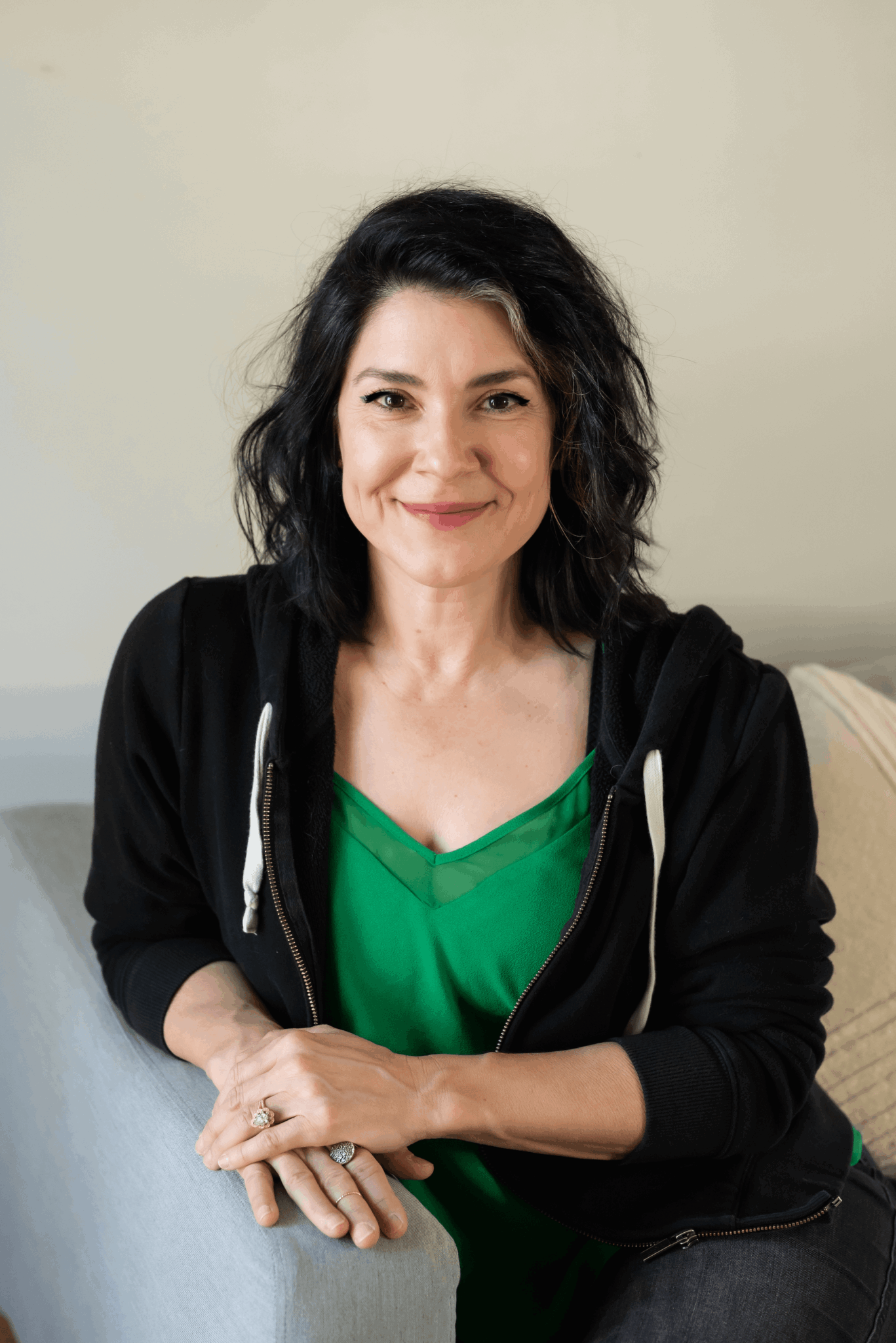

Alright – so today we’ve got the honor of introducing you to Kd Holmes. We think you’ll enjoy our conversation, we’ve shared it below.
KD, thanks for joining us, excited to have you contributing your stories and insights. It’s always helpful to hear about times when someone’s had to take a risk – how did they think through the decision, why did they take the risk, and what ended up happening. We’d love to hear about a risk you’ve taken.
Straight out of graduate school, and after two additional years to earn my licensure, I leaped and started my own private practice. At the time, that was practically unheard of. How dare a young woman venture into private practice in a field dominated by seasoned therapists? But that’s my nature—I follow my gut, do what feels right, and give it everything I’ve got. For the next 12 years, I worked relentlessly, training, consulting, and immersing myself in my specialties to become the most informed and effective therapist I could be.
This profession, however, is not without its challenges. It’s littered with what I call “placeholders”—individuals who listen passively but fail to truly connect with their clients. Then there are those who deeply care but don’t use science to guide their work and others who have personal issues so deeply entrenched that they inadvertently bring them into their practice. It’s a delicate dance between supporting clients’ progress and not letting your history cloud the process. Therapy is a unique job—we work alone, with no one consistently watching over or dictating how we practice. The onus falls entirely on the therapist to evaluate their effectiveness, which is why science, continuous training, and consultation must lead the way.
After those 12 grueling but rewarding years, I decided to take another leap. I moved from insurance-based practice to private pay—a daunting transition. I’m quirky and different, living in the deeply conservative culture of Southern Louisiana. I’m an artist, a world traveler, and someone who stands out, tattooed and clad in unconventional outfits, in a town where that’s considered “weird.” These differences often left me wondering—would people be willing to pay for my expertise? Walking into my office, clients would notice the bone décor on my shelves and cast curious glances at me. It’s hard to escape the nagging thoughts that maybe the things that make you distinct also make you unworthy. When your field is built on being seen as an expert, these insecurities bubble up to the surface.
But I didn’t take this private pay leap with crystals or oils. I rolled up my sleeves and got practical. I sought business consultation from my brother, an expert in his own right, and worked closely with an advertising company. The solutions they offered weren’t easy to implement. But after years of grinding to build my reputation, I was determined to follow through with their advice, no matter how uncomfortable it was. And guess what? It worked.
At the time, only white, religious, male therapists held the top billing rates in my town. That’s changed now, and I’ve earned my place in that tier. But the climb hasn’t been without challenges. There’s been judgment—especially from other therapists. “How dare you charge such a high rate?” they’d say. My response is always the same, “Come talk to me when you have 20 years of experience in the field.” Building credibility, developing expertise, and earning respect in this profession takes dedication, time, and consistency. It often means upsetting people, taking risks, and facing skepticism head-on.
Recently, I expanded my practice by hiring diverse therapists, each with a unique voice and perspective. Together, we’ve taken on the challenge of writing blogs and addressing tough and often ignored topics within our community. It’s not always popular. Doing what’s right rarely is. But we’re planting seeds of change—small, significant changes that ripple through our community.
This brings me to a central question I’ve been testing throughout my career—can you make money while doing the right thing, even when you’re not part of the mainstream? Right now, the answer seems to be yes. Our clinic is thriving, and as we grow, we remain focused on combining ethical practice with business success. It’s not an easy road, but if there’s one thing I’ve learned, it’s that hard work and staying true to my values can lead to both personal and professional fulfillment.
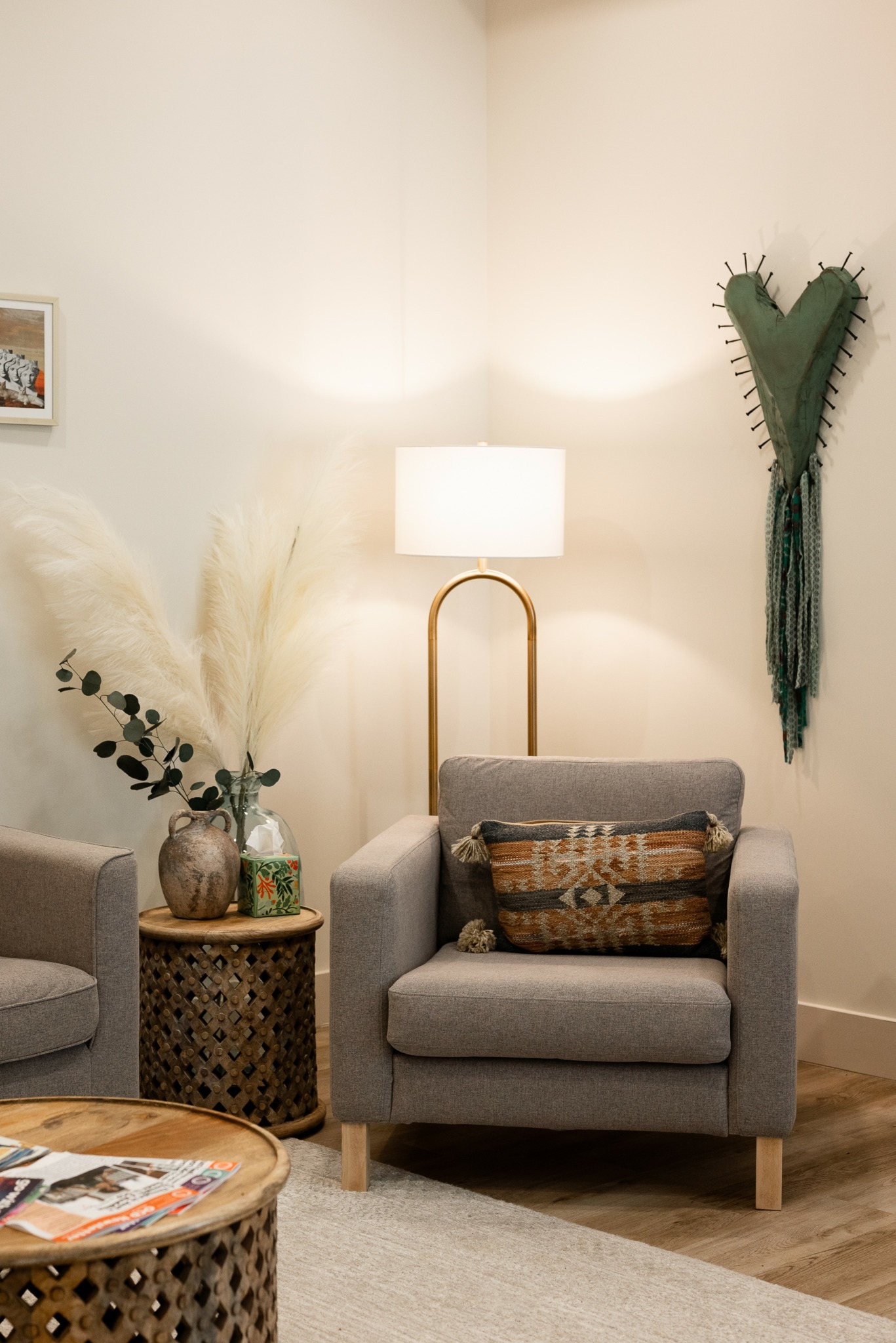
Awesome – so before we get into the rest of our questions, can you briefly introduce yourself to our readers.
I am a lifelong learner, captivated by immersing myself in foreign cultures (when I travel) where every detail—language, sights, and customs—feels refreshingly unfamiliar. These moments of novelty breathe life into my personal and professional growth, embodying a value I hold close. With 19 years of experience as a therapist, I’ve had the privilege of helping individuals untangle the complexities of OCD, trauma, and anxiety disorders. My current passion lies in understanding the intersection between Neurodivergence (Autism, ADHD, and many more) and mental health. Recognizing the influence of neurological differences is essential—these variations shape how we perceive, process, and engage with the world. Yet, I’m astonished that this consideration is often overlooked in therapy. It’s a blind spot that prevents a deeper understanding of a person’s mental health.
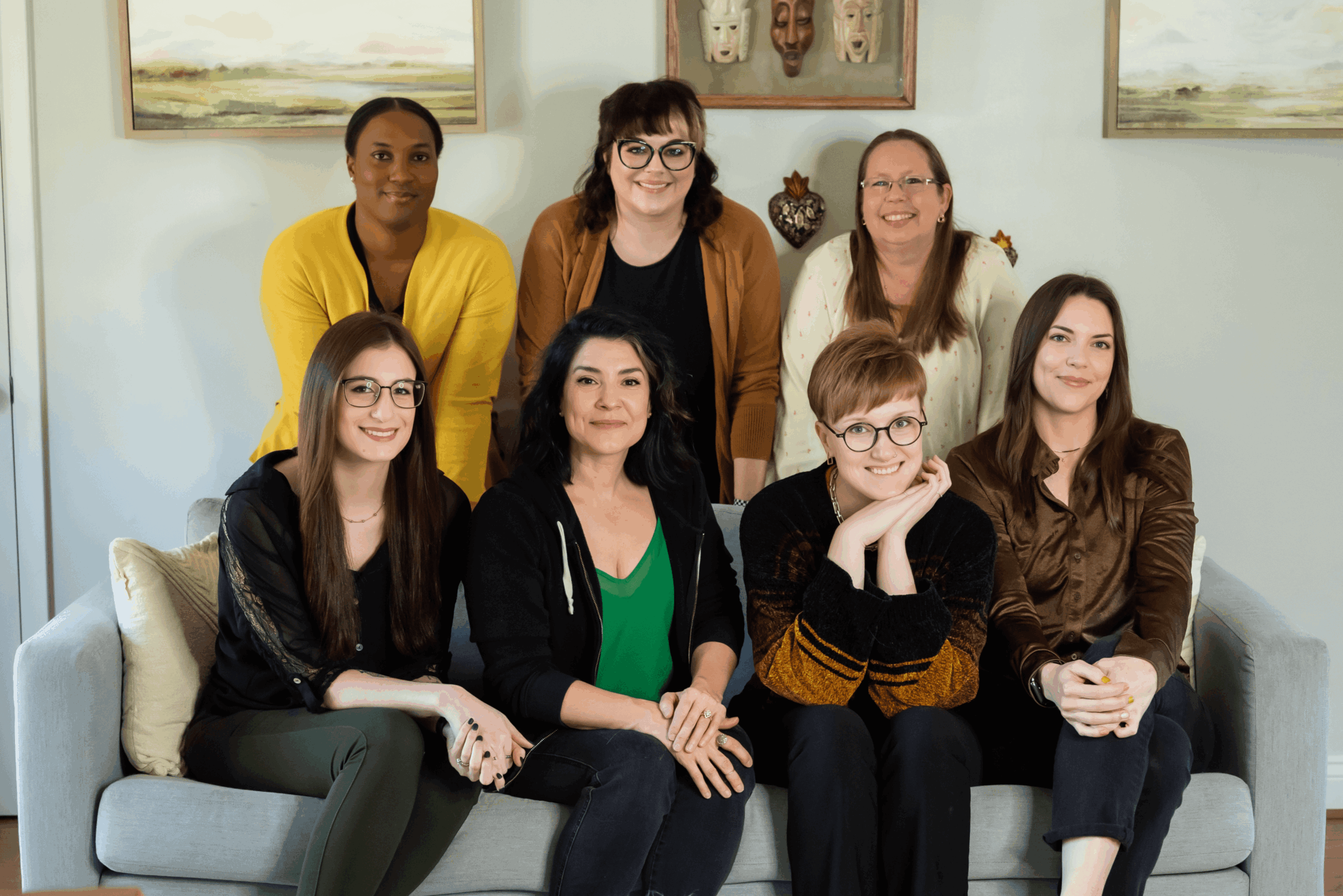
At the heart of my work is a clinic that celebrates and embraces diversity in all its forms. Our doors are open to people of every background—be it Neurodiversity, BIPOC, LGBTQIA, or varying religious affiliations. We specialize in supporting those navigating trauma, OCD, anxiety, depression, ADHD, and late-diagnosed Autism in adulthood. Each client’s story is a combination of differences, and by honoring this diversity, we can meet them where they are.
What started as an extension of my passion for learning has grown into KDH Collective, a continuing education platform for therapists. At KDH, we believe that the collective brain is infinitely more powerful than an individual one. By pooling shared knowledge (through research), and exploring perspectives, and differences, we can elevate our field and, most importantly, provide effective solutions for our clients. We offer specialized training in areas like Neurodivergence, sexuality, OCD, and Trauma-Informed Therapy. There’s something energizing and contagious, about learning together. Growth flourishes in the exchange of ideas.
KDH strives to be a home for all conversations—a place where diverse viewpoints are not just accepted but explored. Reflecting on differences, even when those perspectives challenge our own, is fundamental to truly understanding others. Much like Star Trek, where dialogue fosters connection across galaxies, we make it a priority to avoid the insularity of echo chambers. Genuine objectivity and a willingness to listen are at the core of effective therapy. Through this commitment, we promote respect for differences and a deeper capacity for connection.
A key hurdle in building these bridges is ethnocentrism—the belief that one’s own perspective is the only “correct” lens. At KDH, we’re passionate about creating a space where our own biases are examined. As therapists, this is where our work begins—exploring our own biases deepens connection and understanding across the divides present in a diverse world. Through this process, we learn to connect, to learn, and to truly respect each other.
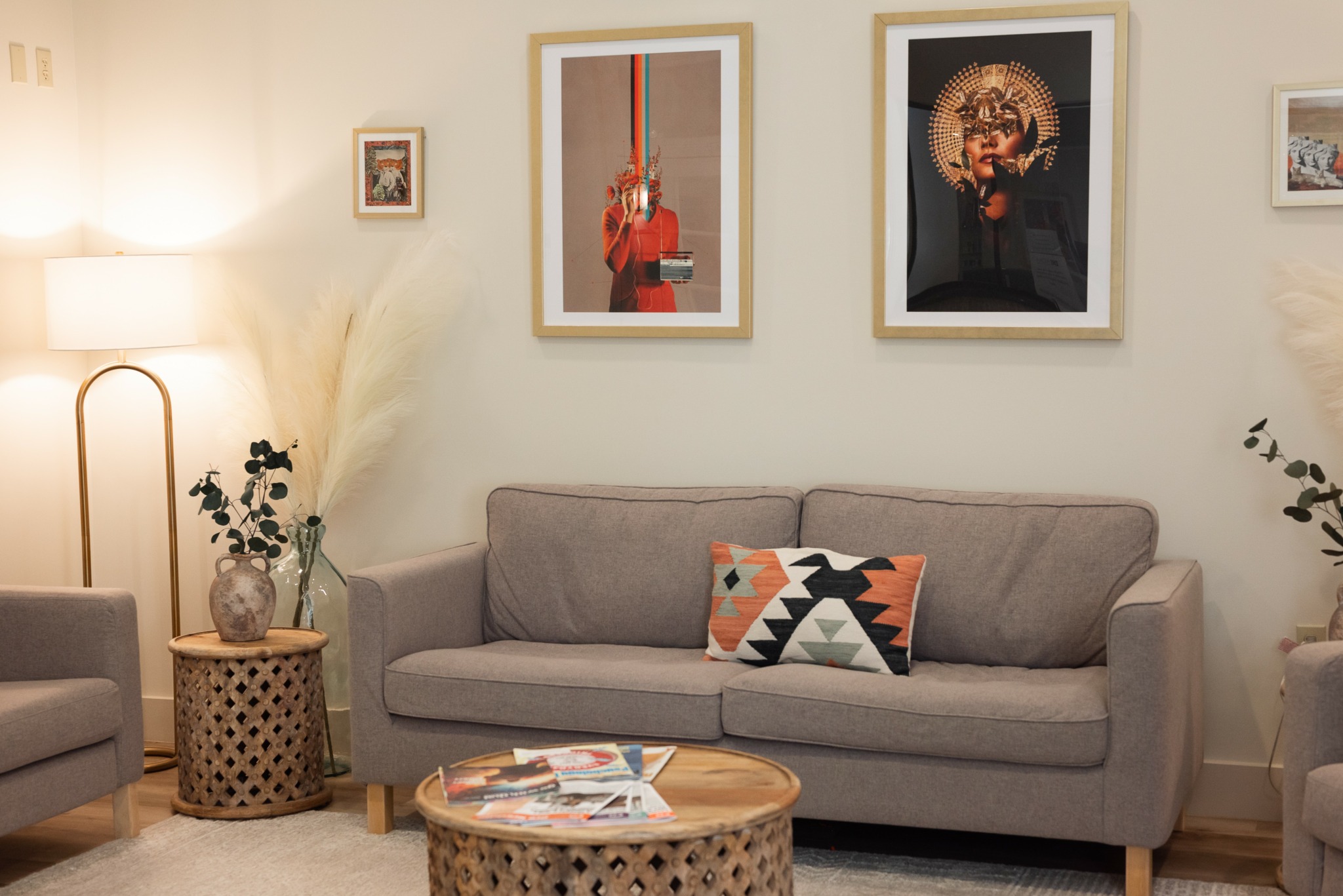
Learning and unlearning are both critical parts of growth – can you share a story of a time when you had to unlearn a lesson?
I’ve always known I was different. Not in a superficial way, but in a multifaceted sense that shapes everything I do—how I think, how I dress, and how I approach life. It’s intrinsic; I was born this way. Yet, being different hasn’t always felt empowering. People have labeled me “nervous,” “too much,” or “odd”—as if my uniqueness were a flaw to correct rather than a strength to celebrate. The weight of shame from being so fundamentally different often became a barrier, limiting me at every turn.
For many years, anxiety acted as both a cage and a protector. It kept me in line, ensuring that I said the “right” things, masked my ADHD symptoms, and abandoned parts of myself to fit into spaces that demanded conformity. It was exhausting. Anxiety stole my ability to openly learn, as making mistakes was implicitly forbidden. And with ADHD? Mistakes are inevitable. I have and still, mix up acronyms even after diligent practice, overshare in personal situations, and struggled in my 20s with with maintaining emotional balance.
My perspective often diverges from the norm, particularly in therapeutic settings. While this difference is a source of insight and creativity, it often brings conflict. Expressing my thoughts authentically sometimes clashes with a world that favors uniformity.
But life is a process, and I’ve done the hard work. Through extensive therapy, particularly using DBR (Deep Brain Reorienting), I’ve addressed the layers of trauma and released the hyper-vigilance that once controlled me. Without the constant hum of anxiety dictating my every move, I’ve embraced the courage to speak openly, even when my words challenge or discomfort others—it’s an intentional choice in pursuit of learning.
The truth is, that learning is messy. It requires objectivity, humility, and a willingness to step into discomfort. Far too often, people cling to the belief that they are “right,” a mindset that creates walls where openness should exist. I’ve felt the sadness that comes from this resistance—being myself often means being at odds with others. But what’s the alternative? Suppression? Silence? For me, the cost of not showing up authentically is far greater than the conflict it may provoke.
I hold onto the hope that, with time, I’ll continue to find communities of open learners—places where curiosity is valued over certainty and vulnerability is met with understanding. I’ve already begun to find this at KDH, and it’s a reminder that objectivity while challenging, is worth cultivating. It’s a practice for all of us, and I choose to remain committed to it.
Being different has never been easy, but it’s my greatest gift. My uniqueness allows me to bring something meaningful to the world. That’s why I’ll keep showing up, embracing who I am, for the sake of those who come after me—those who need to know it’s okay to simply be their Neurodivergent selves.
Can you share a story from your journey that illustrates your resilience?
Five years ago, my father passed away unexpectedly. Throughout my life, our relationship was anything but smooth—a tumultuous mix of love and conflict. He was a paradox of a man, deeply flawed yet loveable. A devoted nature lover with an observational mind, he had an insatiable curiosity for the world around him. And, true to form, he loved his beer, a daily pattern in his life.
One day, a doctor’s visit culminated in the terrible news that he needed a quadruple bypass. The news was jarring, yet not surprising. This was a stark reminder of the toll his choices had taken on his body. We hoped for the best, even as doubt crept in. He suffered a stroke, plunging us into a month of waiting and grieving. Watching him die slowly, piece by piece, was a grueling process that I wouldn’t wish on my worst enemy.
The task of staying by his side fell to me, not because I had to but because I couldn’t fathom him being alone. Perhaps it was my career or the way life had shaped me—an ingrained habit of witnessing others in fear and discomfort. Every part of me wanted to run away from the trauma unfolding before my eyes, but I didn’t. I stayed. I held his hand. I bore witness to his pain.
Our difficult history melted into irrelevance in those final days. The arguments and the disappointments all quieted in the face of his suffering. What mattered was that I could be there, a steady presence in a sea of chaos. I didn’t see a flawed man lying in that hospital bed; I saw a person, deeply human, deserving of grace even in his most fragile state.
After his passing, I sought out trauma therapy. My nervous system was frayed, my emotions tangled in the aftermath of grief and unresolved memories. Therapy not only brought me resolution but also a fuller understanding of my father. The man who had been, at one time, a source of so much pain had also been capable of change. When a therapist years ago challenged him to confront his failings, he did. He owned his guilt, and in doing so, he allowed space for forgiveness. Not everyone gets to say their personal “villain” repented—but I can.
One phrase he would repeat often, almost as if preparing me for life’s inevitabilities, now circles in my mind. “When you know better, you do better.” It wasn’t just a sentiment; it was his way of showing me he had tried to evolve. That small piece of wisdom made it easier to forgive. It fortified me for those final moments by his side and shaped how I approach the relationships in my own life.
Being present at his death is a moment I hold with profound significance. It reminded me that presence is the most sacred gift we can offer another—whether to a loved one or a client. Truly being there, fully engaged, isn’t always easy, but it’s what builds bridges across life’s deepest chasms. This lesson has stayed with me, shaping the way I show up in the world.
In the end, it’s not our mistakes or pain that define us—it’s our ability to hold space for others, to witness them in their most vulnerable moments. That is resilience. That is what my father taught me, even in his final moments.
Life is messy. Learning, connecting, and loving authentically is a mix of pain and joy, but it’s through this messiness that we find meaning. I strive to embody those lessons—grit, fire, and love—the values my father instilled in me. I hope to live as an example and inspiration, carrying his legacy forward with intention and heart.
Contact Info:
- Website: https://www.kdholmeslpc.com https://kdhcollective.kdholmeslpc.com
- Instagram: https://www.instagram.com/kdhcounseling/ https://www.instagram.com/kdhcollective/
- Facebook: https://www.facebook.com/kdholmeslpc https://www.facebook.com/kdhcollective/
- Linkedin: https://www.linkedin.com/in/k-d-holmes-lpc-2b784242/ https://www.linkedin.com/company/83693123/admin/dashboard/
- Youtube: https://www.youtube.com/@KDHCollective
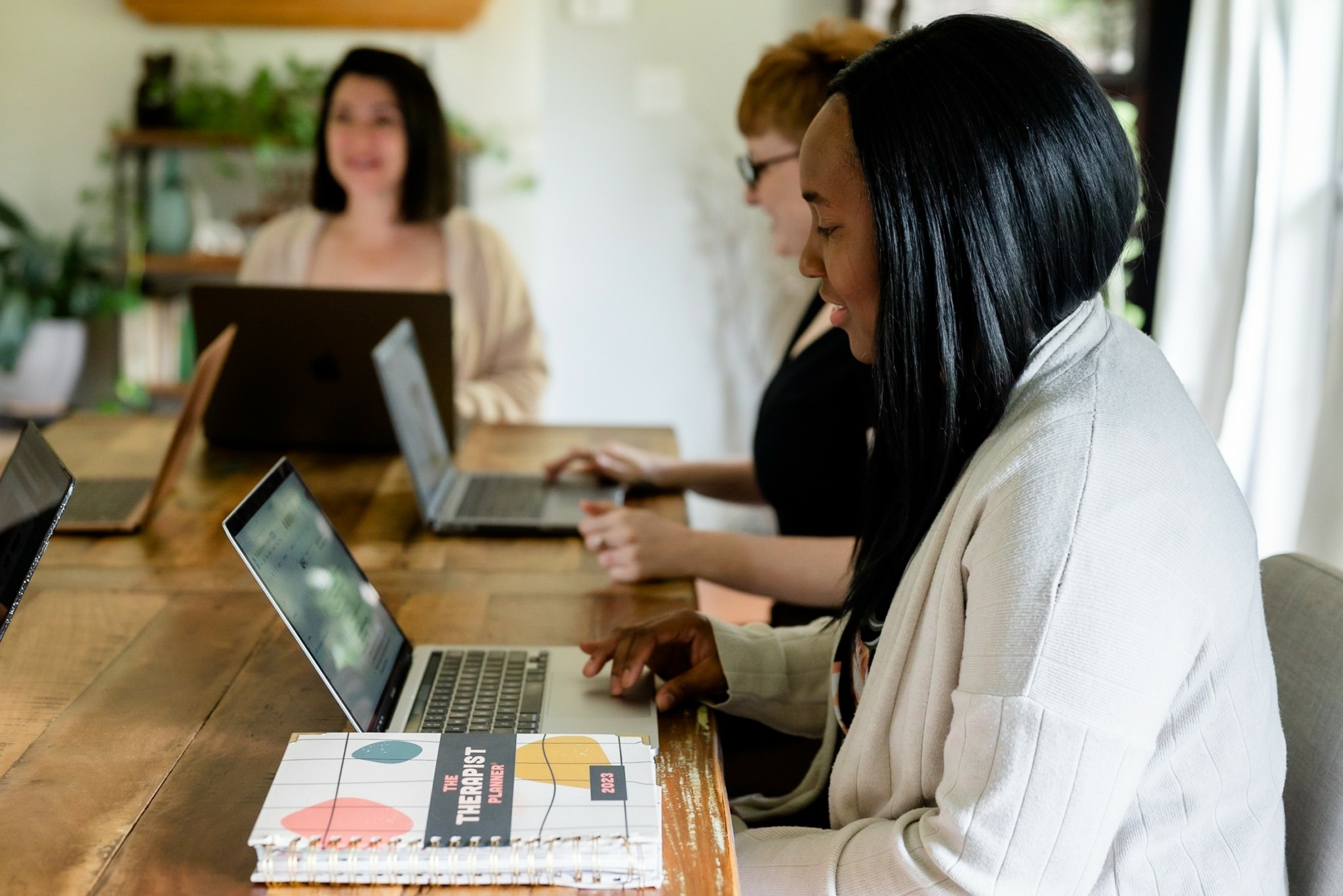
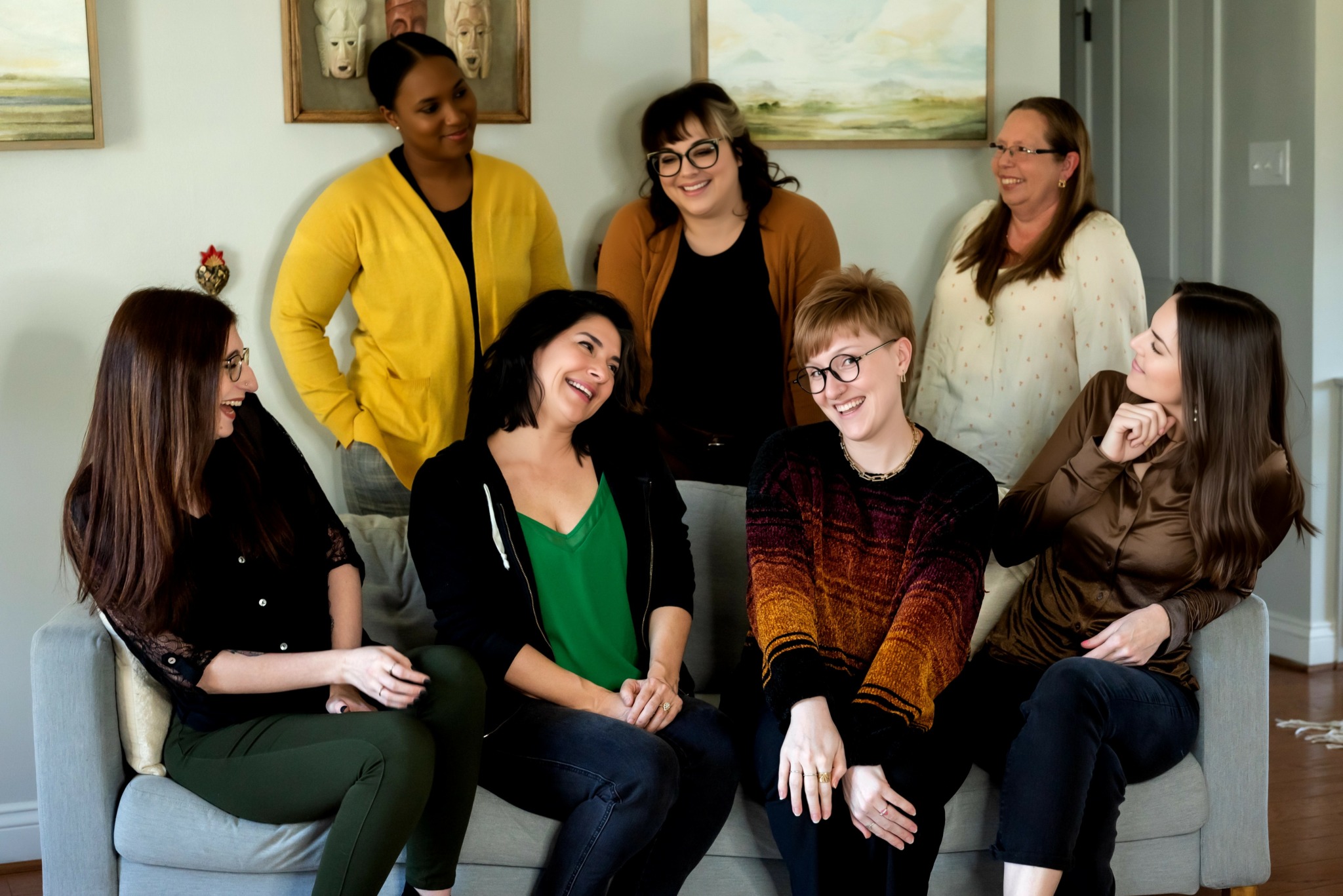
Image Credits
Jamie Broussard took pictures