
We’re excited to introduce you to the always interesting and insightful KC Nnamani. We hope you’ll enjoy our conversation with KC below.
KC, looking forward to hearing all of your stories today. We’d love to have you retell us the story behind how you came up with the idea for your business, I think our audience would really enjoy hearing the backstory.
For me, Café Nubia was never just about opening a restaurant. It was about creating a cultural experience — a place of connection, pride, and elevation.
The seed for this idea was planted almost 20 years ago. I had written the business plan back in 2005, long before Café Nubia ever existed physically. At the time, I was building my career in corporate America — leading analytics, strategy, and transformation across healthcare, biotech, and global brands. But even as my career grew, this vision never left me. I knew one day I wanted to build something deeply meaningful, something rooted in culture, hospitality, and community. My business partner, James Ogbunne, was the catalyst. His energy, optimism and business savvy was the push we needed to take the leap of faith.
Part of that inspiration came from my upbringing. I grew up in Nigeria in a home where hospitality was a way of life. My mother was a renowned cook, and our home was always filled with people, flavors, and experimentation. Food wasn’t just nourishment — it was storytelling, celebration, and belonging. Kids wanted to come to our house because there was warmth, culture, and experience attached to it. That stayed with me. 
But the deeper “why” behind Café Nubia came from something we felt was missing.
I looked around and realized that, too often, Black cultural experiences were fragmented or boxed into stereotypes. We had amazing food here, great music there, nightlife somewhere else, upscale experiences in another place — but very few spaces intentionally brought it all together in a refined, elevated, and unifying way. Too often, our communities experienced culture in silos.
We wanted to challenge that.
I envisioned a space where professionals, creatives, families, entrepreneurs, Africans, African Americans, Caribbeans, and people from every background could gather under one roof and feel connected — through food, music, conversation, and shared experience. A place that celebrated Black excellence and culture without limitation, while still being welcoming to everyone. A space where people could feel proud to bring a date, celebrate a birthday, host a business dinner, or simply reconnect with community.
That’s why we named it Café Nubia.
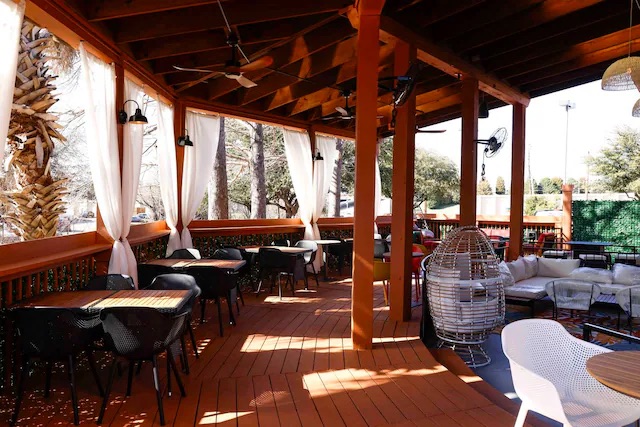
Ancient Nubia represented cultural richness, power, trade, and the intersection of civilizations along the Nile. That symbolism mattered to me. We intentionally built Café Nubia as a modern intersection of cultures — blending African and Mediterranean influences, hospitality, music, and ambiance into one experience. Even the location in North Dallas was strategic because it sits at the crossroads of many communities across DFW. 
The logic behind why I believed it would work was actually pretty simple: people crave meaningful experiences and authentic connection.
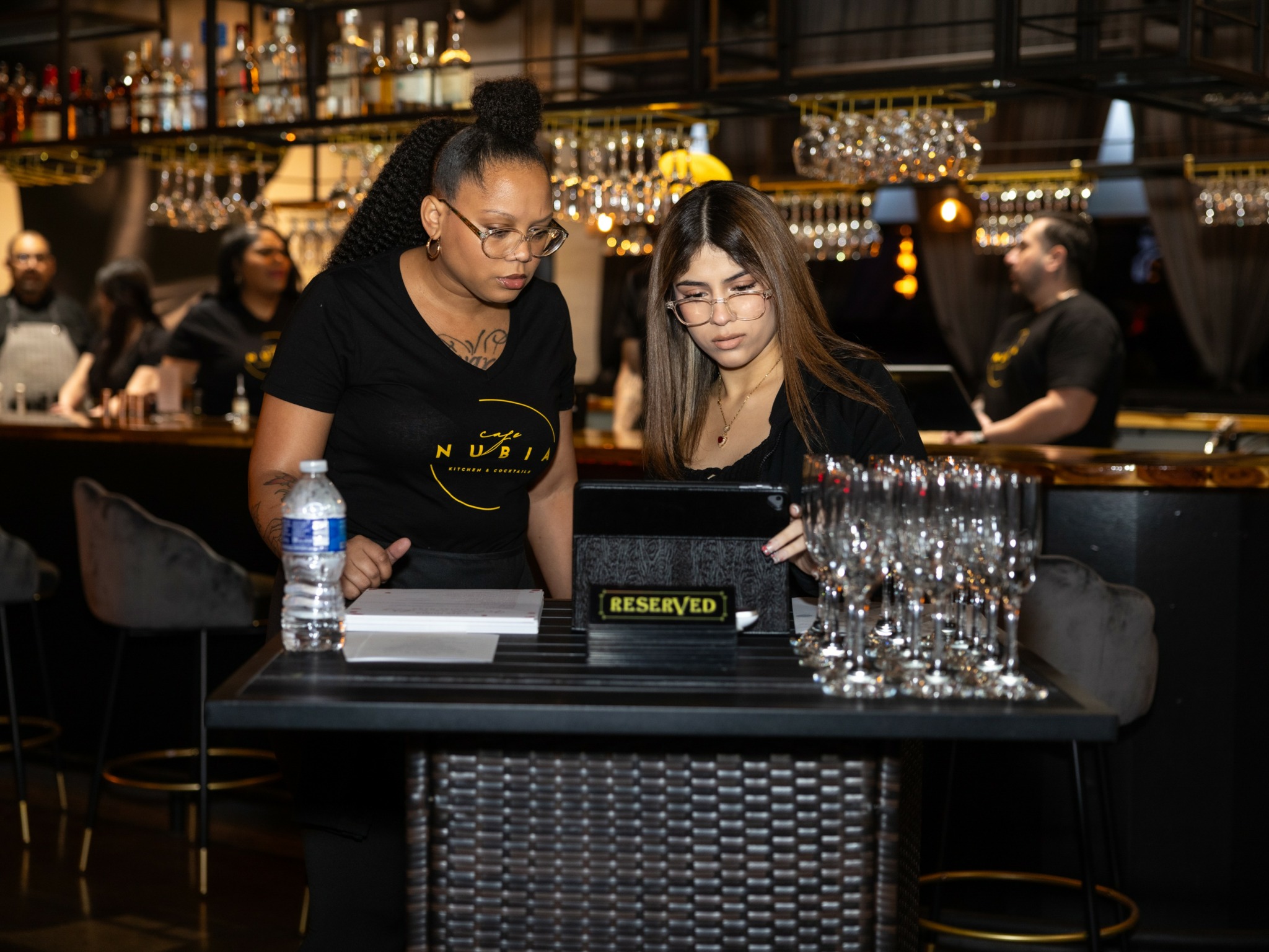
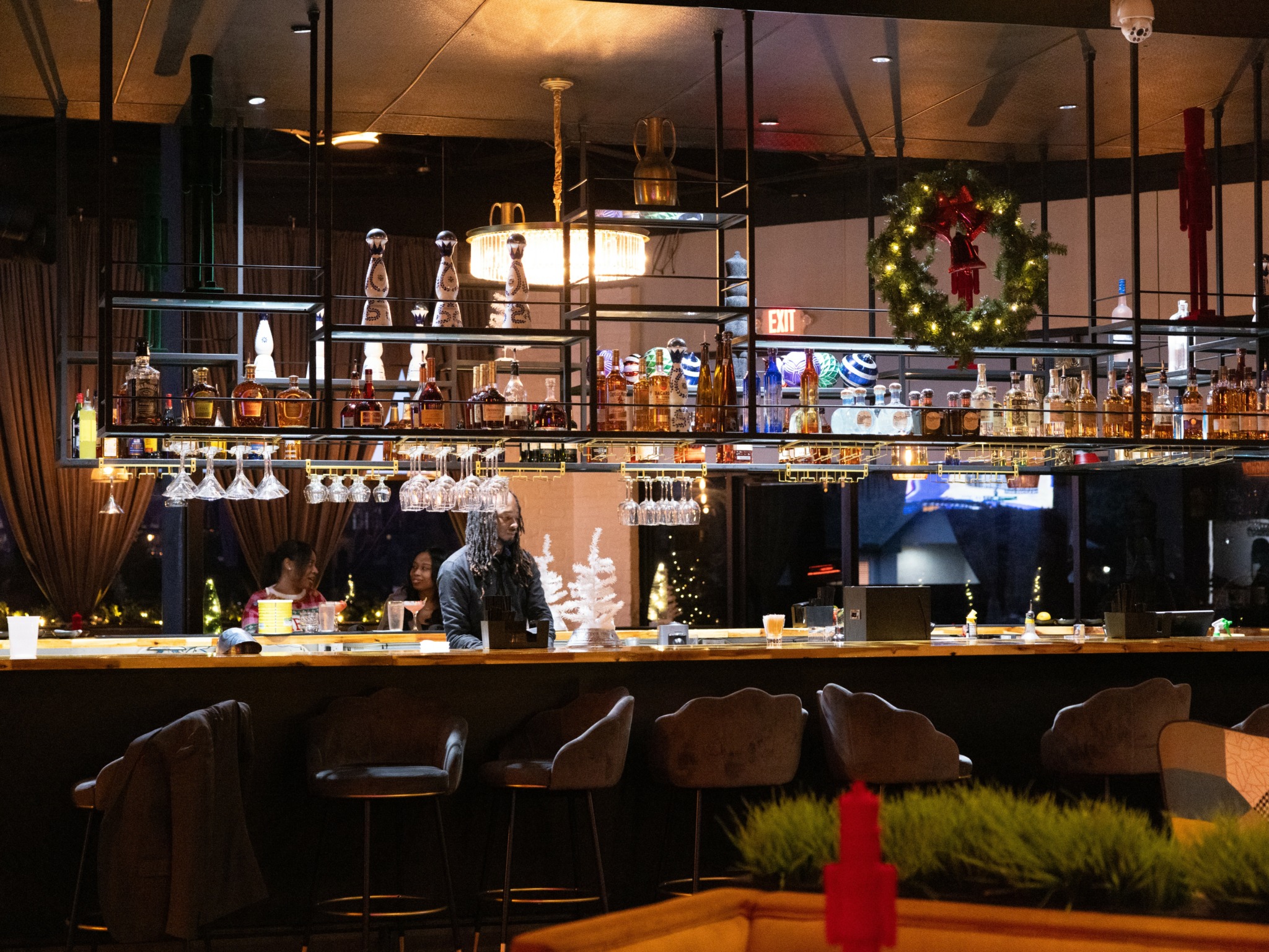
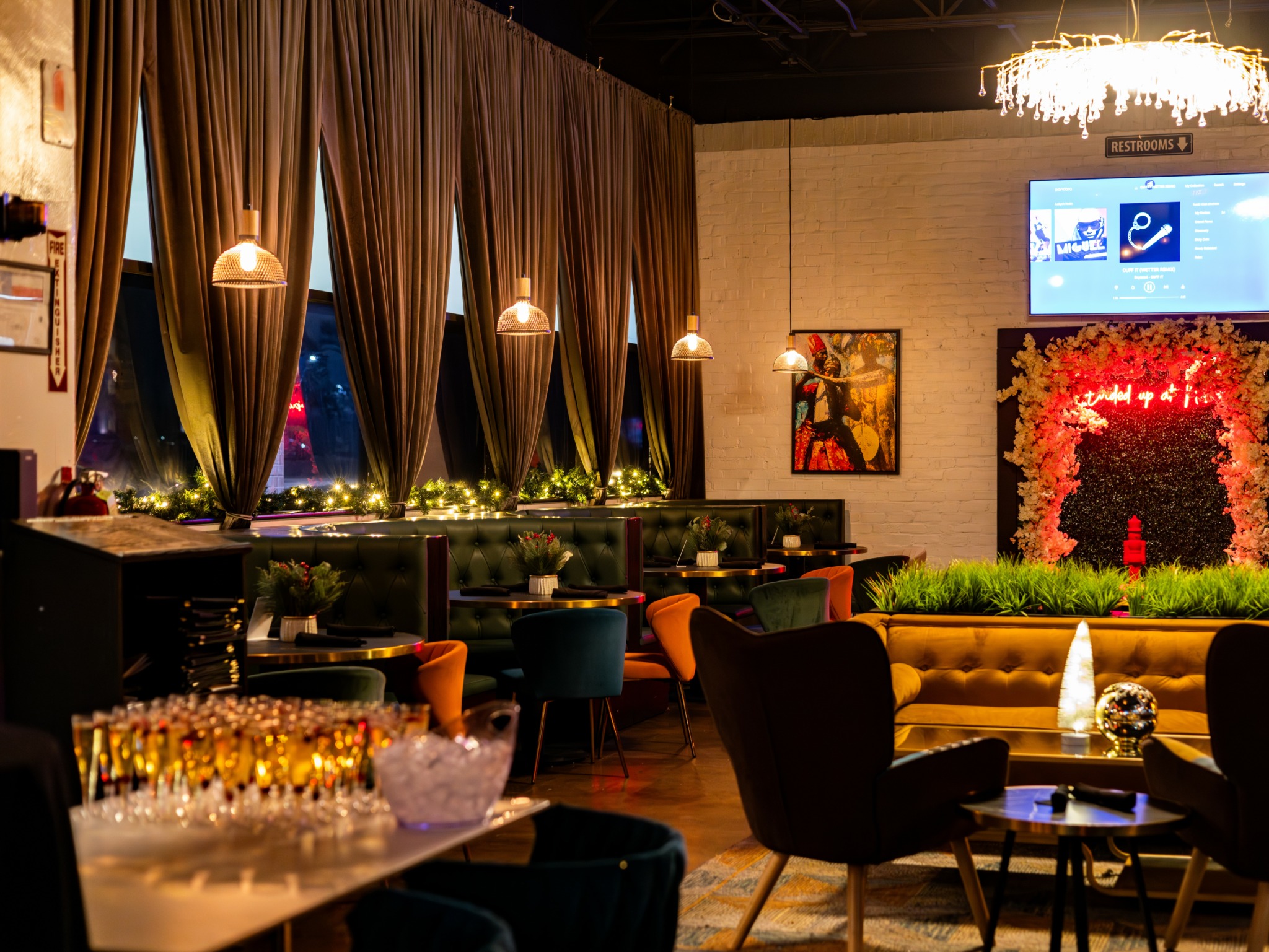
We are living in a time where people don’t just want food — they want story, energy, belonging, and memories. They want spaces that feel intentional. At Café Nubia, every detail matters — from the music and design to the menu and hospitality — because we wanted guests to feel transported into something memorable and culturally rich. That intentionality is central to our brand and guest experience. 
And yes, we were solving a problem.
We saw a gap for an upscale, culturally immersive experience that authentically celebrated African and Black culture while also bridging communities rather than separating them. We wanted to create a place where culture feels elevated, not niche; celebrated, not commoditized.
What excites me most is seeing the vision come alive in real time.
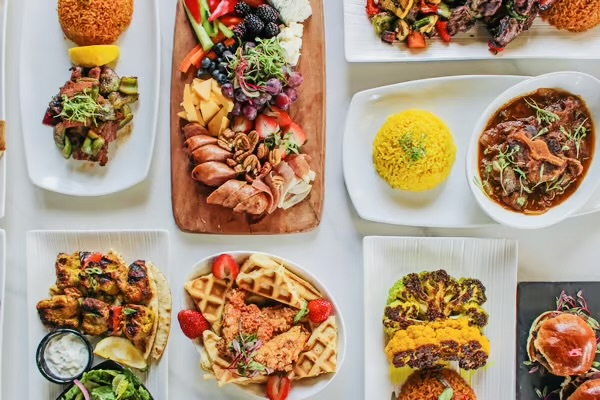
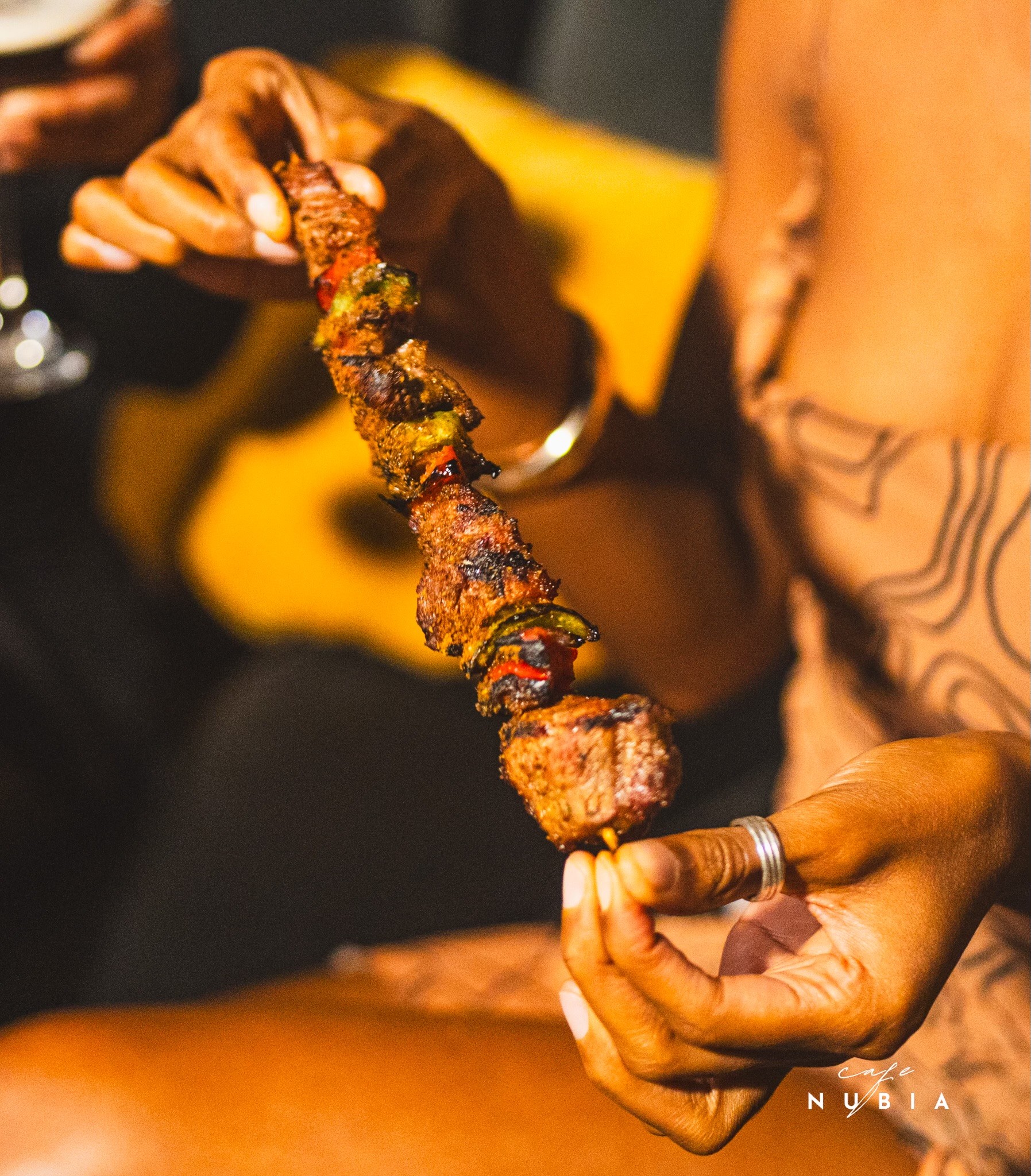
When I walk into Café Nubia and see people from different backgrounds dancing to Afrobeats, listening to live music, eating jollof rice next to Mediterranean dishes, celebrating life together — that’s the dream. We’re not just serving meals. We’re creating moments of joy, pride, and togetherness.
At its heart, Café Nubia is an attempt to remind people that culture can unite us — and that when done intentionally, hospitality can become a bridge between worlds.
As always, we appreciate you sharing your insights and we’ve got a few more questions for you, but before we get to all of that can you take a minute to introduce yourself and give our readers some of your background and context?
I’ve spent my career at the intersection of data, strategy, human behavior, and culture — and in many ways, everything I’ve built has been rooted in understanding people and creating meaningful experiences.
Professionally, my background is in corporate leadership, analytics, and business transformation. For much of my career, I worked in healthcare, life sciences, media, and data strategy, helping some of the world’s largest organizations make smarter decisions through analytics, customer insights, and innovation. I’ve led enterprise analytics, data governance, customer intelligence, and transformation efforts across healthcare organizations, Fortune 500 companies, and global brands.
But entrepreneurship has always been part of my DNA.
Long before opening a restaurant, I was fascinated by the idea of building brands and creating experiences that brought people together. I’ve always believed business should solve real problems and leave people better than it found them. Besides growing up in hospitality, my first real venture in hospitality was running a AirBnbs. The smiles and heartfelt gratitude from my guests was intoxicating. I added more units and soon became the largest operator in my suburban city.
That philosophy ultimately led to the creation of Café Nubia, and the strategy to scale subsequently led to creation of Kings Cave Sports Bar and Coded Lounge & Cafe; making my partner and I the first independent minority-owned group to grow and scale at such a rate within two years in business.
Too often, Black cultural experiences existed in silos. You could find great food in one place, nightlife somewhere else, live music elsewhere, and professional or social networking in another. There were very few spaces intentionally designed to bring those experiences together in an elevated, sophisticated, and welcoming way.
I wanted to build something different. Go beyond experiences, but also create a pathway for younger restauranteurs to navigate through the complexities of the business, build technology solutions that solve specific problems that are unique to the sector, and expand our footprints across the supply chain (a farm-to-table approach).
The Café Nubia Group has grown in direct ownership of or through strategic partnership with the following brands: Cafe Nubia, Kings Cave, Coded Lounge, Enitona Vacation Rentals, Valido Spices, Everything Meat, and a host of small tech startups. A cultural identity where food, business, good times and celebrations can all co-exist in one environment.
In many ways, we are solving a connection problem.
People today are craving experiences. They want more than a meal — they want connections, belonging, energy, storytelling, and memories. We provide an environment where culture is elevated rather than stereotyped, where hospitality feels intentional, and where innovation can exist in the same frame as celebration of life’s moments.
What sets us apart is our commitment to growth and an unwavering pursuit of excellence.
We don’t always get it right, but we are constantly looking to get better. For us, every detail matters — the ambiance, music, menu design, customer experience, entertainment, audience segment and atmosphere are all curated to create something memorable.
I think my background also gives me a unique perspective. I care deeply about the guest experience. I’m also constantly thinking about systems and operations, and how to continuously improve. My business partner, James, handles operations and logistics. He has more experience as an entrepreneur than I do, and less risk averse than I am. Together, we strike a delicate balance that is measured yet aggressive.
What I’m most proud of is seeing the impact.
I’m proud when people make meaningful connections at or through Cafe Nubia. I’m proud when guests travel far and near with their family because they wanted to showcase culture in a beautiful way. I’m most proud that we’ve shared our platform to spotlight other businesses and individuals to foster a community focused on growing relationships and building networks. We are all we got.
I’m also proud of the resilience behind the journey. Entrepreneurship — especially in hospitality — is not easy. There are highs, lows, lessons, and sacrifices. But I believe meaningful things are worth building. But to do that, we need the undying support of our patrons. Many independent minority-owned restaurants are closing at a rapid rate. We ask for grace, kindness, understanding and continued support.
We’d love to hear about how you met your business partner.
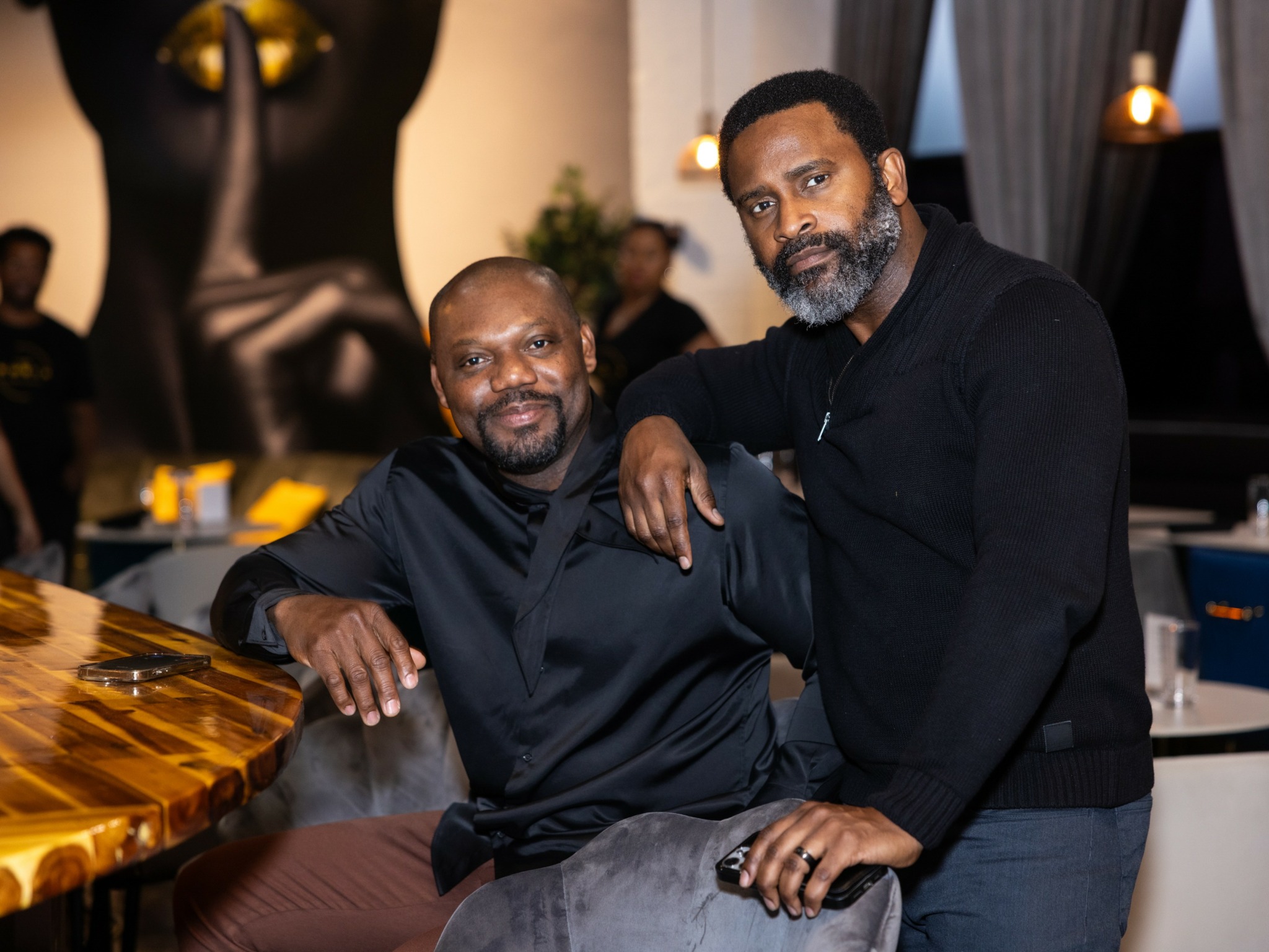
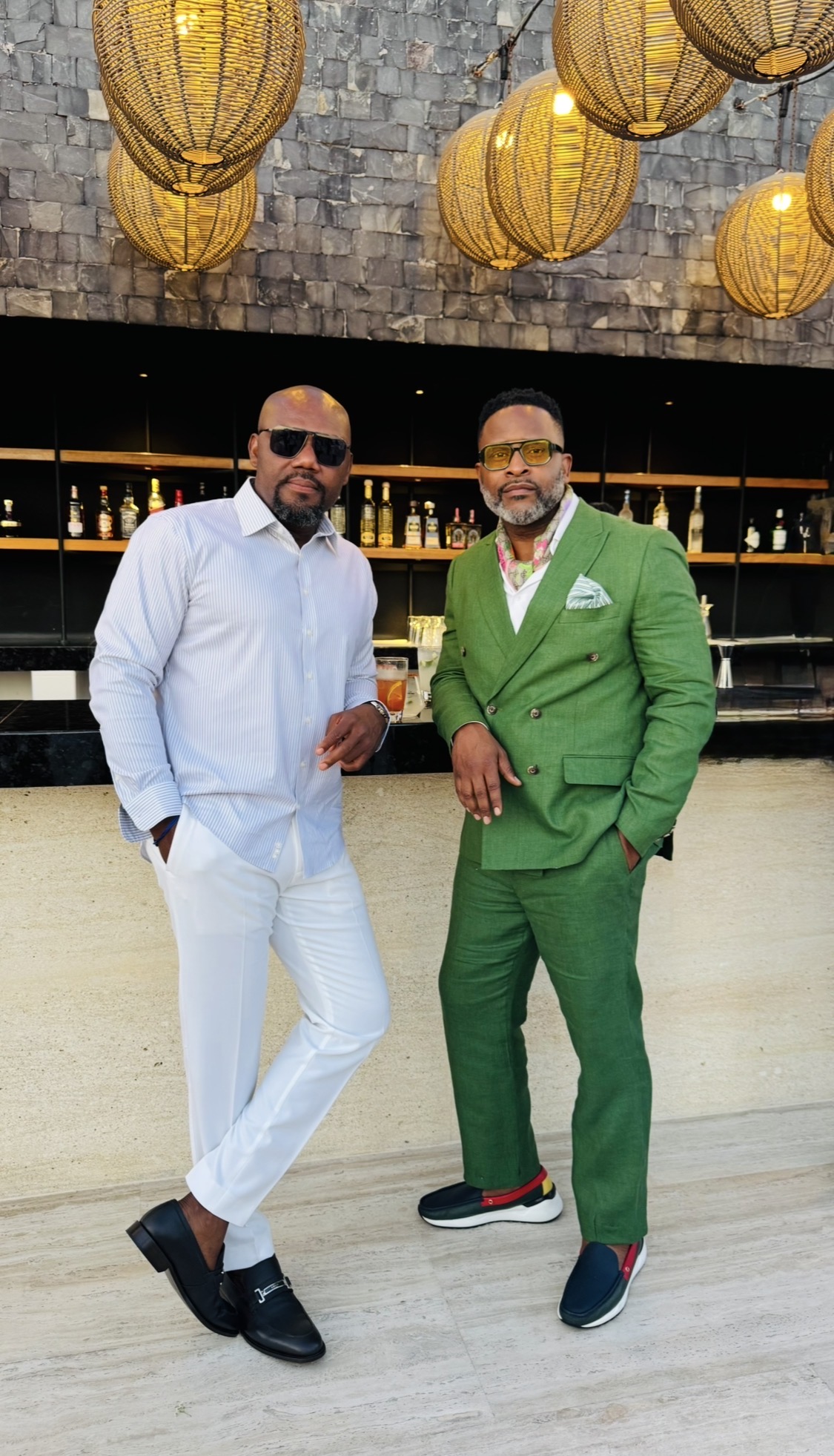
My business partner, James Ogbunne, and I grew up together in the same neighborhood We never knew that one day we would be building businesses together in an entirely different country.
There was something uniquely special about growing up in Aba — often called the “Taiwan of Africa.” Entrepreneurship was woven into the DNA of the city. Everywhere you looked, people were building, trading, creating, and hustling. Industry flowed through the streets. Families became so synonymous with their businesses that people often knew them more by their trade names than their actual surnames. Enterprise was not just encouraged — it was a way of life.
Fast forward to 2014, when I moved to Dallas from Chicago (by way of Boston), and we reconnected instantly. By then, he already had a few businesses in Dallas. I shared my vision and plans with him, and without hesitation, he said, “I’m in.” No lengthy negotiations. No contracts. Just instinct, trust, and a good old-fashioned handshake.
Can you open up about how you funded your business?
The restaurant industry is widely known to be one of the most challenging and high-risk businesses to enter — particularly for two entrepreneurs with no prior restaurant ownership experience. Naturally, raising outside capital proved difficult. Many potential investors viewed the venture as too risky, and understandably so. As a result, we made the decision to self-fund the initial stages of the business.
However, what may have appeared from the outside as limited resources was, in reality, a highly intentional strategy.
One of the principles I now teach within my entrepreneurship membership community — and a framework that has helped several restaurant concepts successfully launch — is the importance of prioritizing opening capital with discipline. We approached our buildout and launch through a three-tier investment model:
1. What is absolutely necessary to open
These were the non-negotiables — the critical infrastructure, equipment, permits, staffing, and operational essentials required to legally and functionally open the doors and begin generating revenue.
2. What is necessary to sustain and optimize operations, but not required to open
This category included investments that would improve efficiency, guest experience, and scalability, but were not immediate barriers to opening. Our strategy was to allow early business cash flow to fund these enhancements over time rather than burden the business with excessive upfront capital requirements.
3. What is nice to have, but not mission-critical
These were aspirational improvements — aesthetic upgrades, premium enhancements, expanded experiences, and non-essential features that could elevate the brand but were not necessary for operational viability. We intentionally deferred these investments with a target of implementing many of them by the end of year one.
Rather than overbuilding upfront and over-leveraging ourselves financially, we focused our limited capital almost exclusively on Category One. The plan was simple but disciplined: open lean, execute aggressively, generate cash flow quickly, and allow the business to fund its own evolution. That strategy not only got us open, but also gave us the flexibility to adapt, learn, and grow in an industry where survival often depends on capital discipline as much as vision.
Contact Info:
- Website: https://www.cafenubiadfw.com
- Instagram: https://www.instagram.com/cafenubia/
- Facebook: https://www.facebook.com/profile.php?id=61554824251011
- Linkedin: https://www.linkedin.com/company/cafe-nubia