

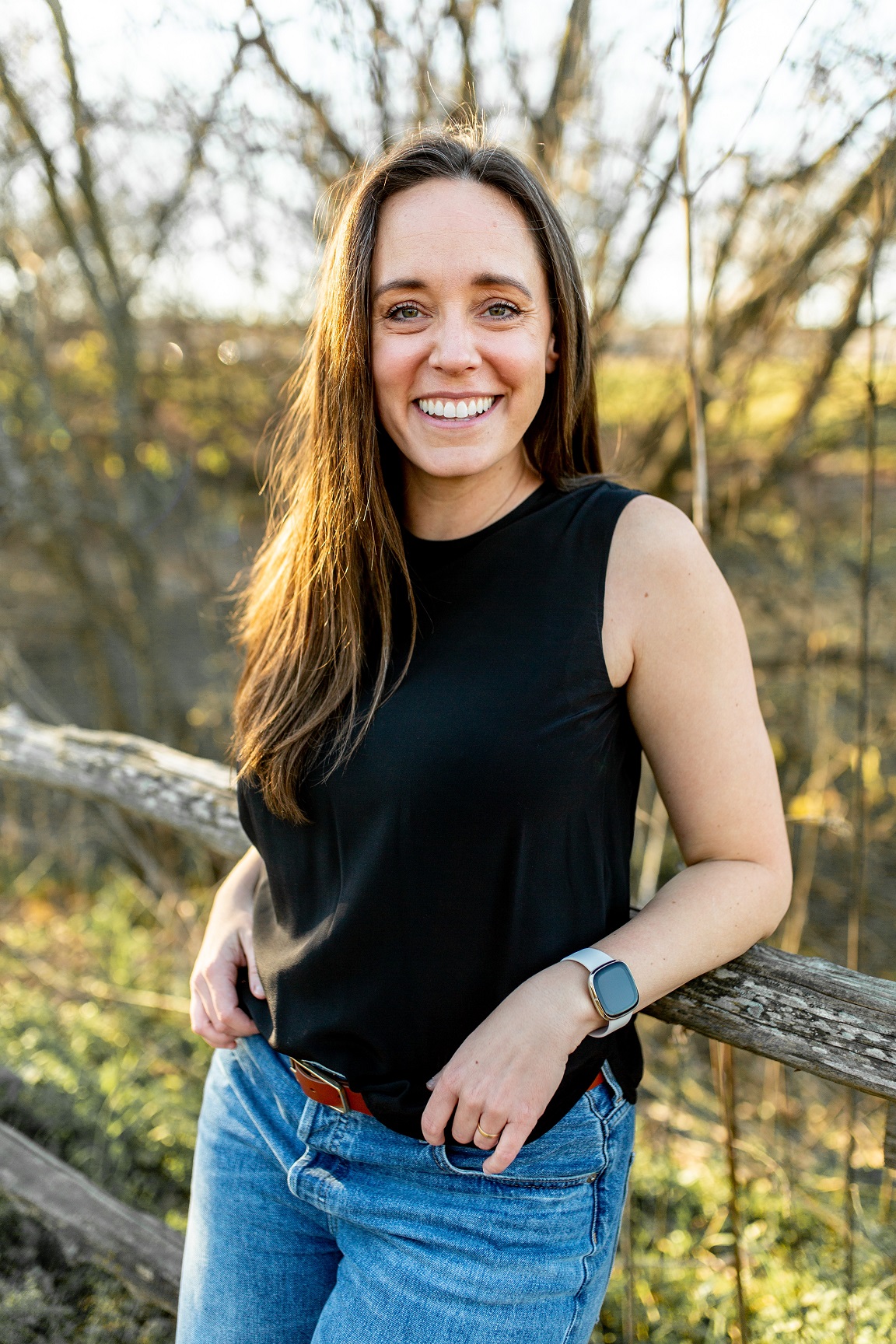

We’re excited to introduce you to the always interesting and insightful Katy Manganella. We hope you’ll enjoy our conversation with Katy below.
Katy, appreciate you joining us today. Can you recount a time when the advice you provided to a client was really spot on? (Please note this response is for education/entertainment purposes only and shouldn’t be construed as advice for the reader)
I am a therapist in private practice, specializing in working with anxiety. This is something I tell all of the people I work with: All emotions are messengers trying to tell you something about what you need. Our emotions and needs go hand-in-hand. When we are experiencing difficult or painful emotions, they usually point to an unmet need. When we’re experiencing pleasant or happy emotions, they are telling us something about what meets our needs.
Many of us were raised to believe our needs didn’t matter, or that it was bad for us to have needs (which may sound like, “I don’t want to be needy.” Or, “I don’t want to be a burden.”). If that’s you, you probably have a long history of trying to minimize or avoid your own needs, making yourself small so you don’t take up too much space or worse, risk rejection from those you love.
Having needs is human. We have physiological needs (like thirst, hunger, sleep). Folks tend to be okay with those. But we also have emotional needs, like the need for validation, acceptance, acknowledgement and hope. Those emotional needs tend to be harder to accept as valid in ourselves, but they are just as real as our need for food and water.
If you’re experiencing a surplus of difficult emotion, rather than avoiding or minimizing it, try this instead: 1. Emotion mindfulness (I’m experiencing this specific emotion right now). Name the specific emotion you’re feeling. 2. Treat yourself compassionately while you feel this way. 3. Decode the emotion to hear the unmet need behind it. 4. Prioritize meeting the need (which might mean setting a boundary, advocating for yourself, or asking for help).
It’s important to mention that this can be very deep, complex, and tender work. If this is resonating with you, I highly encourage you to work with a therapist or another mental health professional.


As always, we appreciate you sharing your insights and we’ve got a few more questions for you, but before we get to all of that can you take a minute to introduce yourself and give our readers some of your back background and context?
My name is Katy Manganella and I’m a Licensed Professional Counselor (LPC) in Texas. I own a virtual private practice, called Austin City Counseling based in Austin, TX. I work primarily with Millennials and Gen-zs who feel anxious.
I’m try to talk to the clients I work with like I’d talk to my best friend. Look, it can be hard to be a person. And it’s even harder to be a person who knows themselves well and loves that person with compassion, kindness, and understanding. That’s basically what I do. I come alongside the people I work with to help them build a better relationship with themselves. Together, we move away from self-criticism, imposter syndrome, perfectionism, and anxiety and we move toward a balanced, fulfilling, connected life.
As an elder Millennial myself, I understand the unique challenges our generation faces, because I live them, too. I opened Austin City Counseling at the beginning of the pandemic in 2020 to focus on increasing mental health support options for folks like me.
If you could go back, would you choose the same profession, specialty, etc.?
Ab-so-freaking-lutely. I have my dream job!
When I finished grad school in 2011, I did not go straight into private practice. I got my start in the helping profession working in homeless services. I did that work for a long time (8 years), and then I realized I was burning out. In an effort to take better care of myself, I recognized I needed to refocus what I was doing professionally to better align with my unique needs and skills as a human. It was my own experience learning to understand my emotions and needs that I created my current job. And now I get to help other people do the same for themselves.
I’d pick the same profession and speciality a hundred out of a hundred times.


What do you think helped you build your reputation within your market?
Honestly? Instagram. I started an Instagram account for my practice when I started the business (shameless plug, @austincitycounseling). I post about mental health topics that impact Millennials and Gen-zs, like unlearning people-pleasing and perfectionism, how to cope with overwhelm and burn-out, and how to become mindful in your daily life. I also show my face on there quite a bit, which has helped folks see that I’m a real person, too.
Instagram helped me grow my reputation with other business owners and therapists like myself. It’s been a way to connect with potential clients. And it’s become a little community of folks learning how to feel it all.
Contact Info:
- Website: www.austincitycounseling.com
- Instagram: @austincitycounseling
- Other: www.counselingwithkaty.com
Image Credits
Misty Mclendon