


We recently connected with Katrina Harris and have shared our conversation below.
Katrina, looking forward to hearing all of your stories today. How did you come up with the idea for your business?
The idea for this wasn’t born in a boardroom. It was born in a prison cell.
There was a time when I sat behind bars feeling like my life was over, like every bad decision had permanently defined me. Prison didn’t just take my freedom; it tried to take my identity, my voice, and my sense of worth. And for a while, I let it. I carried shame like it was my name. I believed the lie that this was the end of my story.
But somewhere in that broken place, God met me. He began to show me that even though I was incarcerated, I wasn’t discarded. That even though I had made mistakes, I wasn’t a mistake. And as I began to heal, one truth kept rising up in my spirit: everything has an expiration date. My sentence had an expiration date. My shame had an expiration date. The pain, the regret, the labels, they all had an expiration date. What didn’t expire was purpose.
When I came home, most people would expect me to run as far away from prison as possible. But 28 years later I felt the opposite. I felt called to go back, not as an inmate, but as a vessel. The very place that once took life from me became the place I wanted to pour life back into. I knew there were women sitting in cells just like I had, believing they were worthless, believing there was nothing left for them. I couldn’t ignore that.
I didn’t know if it would “work.” I didn’t have statistics or guarantees. What I had was obedience. I knew that if my story could shift one woman’s perspective, if it could help her see that she is more than her past choices, then it was worth the risk. This wasn’t about starting a program for the sake of having a program. It was about reframing identity. The system deals with behavior, but I wanted to speak to the heart. I wanted to rebuild women from the inside out so that when they walked out those gates, they didn’t just have freedom, they had vision.
What excites me the most is watching a woman’s eyes change. The moment she realizes she is still valuable. The moment hope flickers again. The moment she understands that her story isn’t over. That’s why I do this. Because I am living proof that freedom isn’t just about walking out of prison, it’s about walking out of shame.
Freedom ain’t free. It cost me everything. But now, I use what almost destroyed me to help rebuild others. And that, to me, makes every step of faith worth it.
Katrina, before we move on to more of these sorts of questions, can you take some time to bring our readers up to speed on you and what you do?
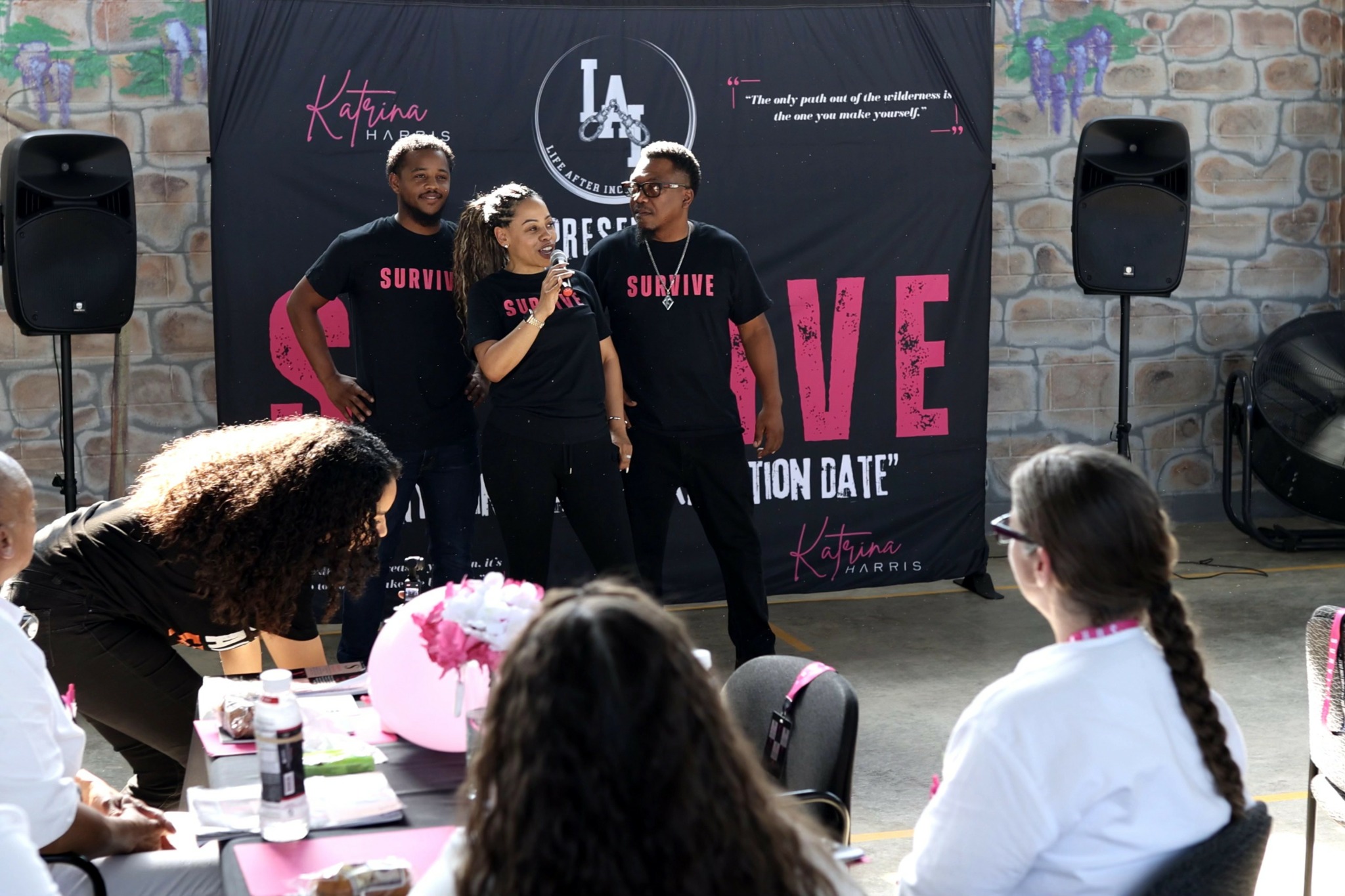
My name is Katrina Harris, also known as Lady K. I am the founder of Life After Incarceration (LAI) and Lady K’s Survivors Initiative, and the author of Freedom Ain’t Free. But before any title, I am a woman who survived incarceration and experienced firsthand what it feels like to believe your life is over.
There was a time when I sat behind prison walls carrying shame, regret, and the weight of my choices. I know what it feels like to think your worst mistake defines your future. But during that season, God began rebuilding me from the inside out. He showed me that although I had made decisions I regretted, I was still valuable. I was still called. I was still capable of purpose.
For years after coming home, I rebuilt my life quietly. But 28 years later, I felt something stirring that I could not ignore. I felt called to go back, not as an inmate, but as a messenger. I returned to the very place that once took life from me because I knew there were women sitting in cells just like I once did, believing the same lies I had believed about myself.
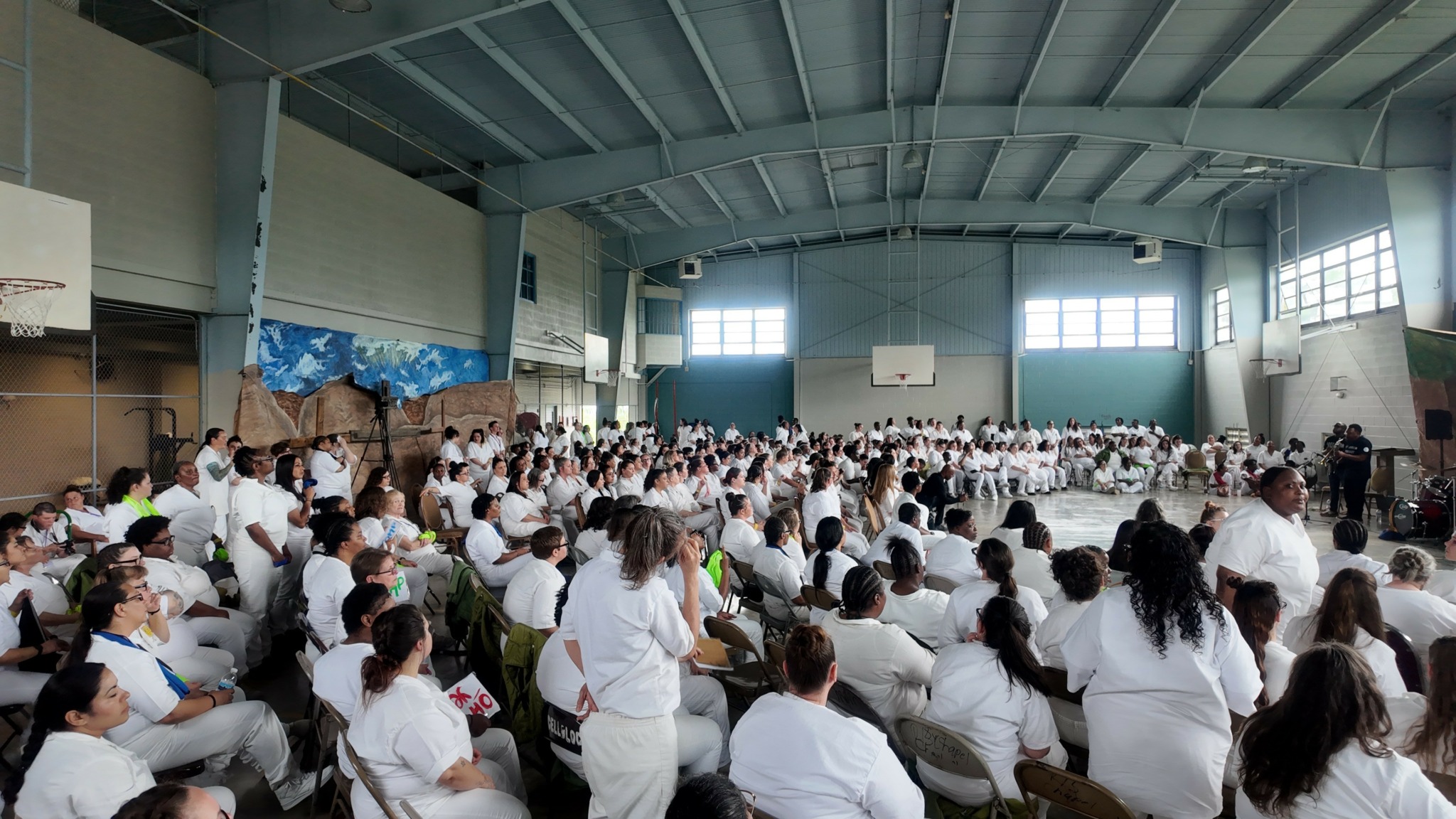
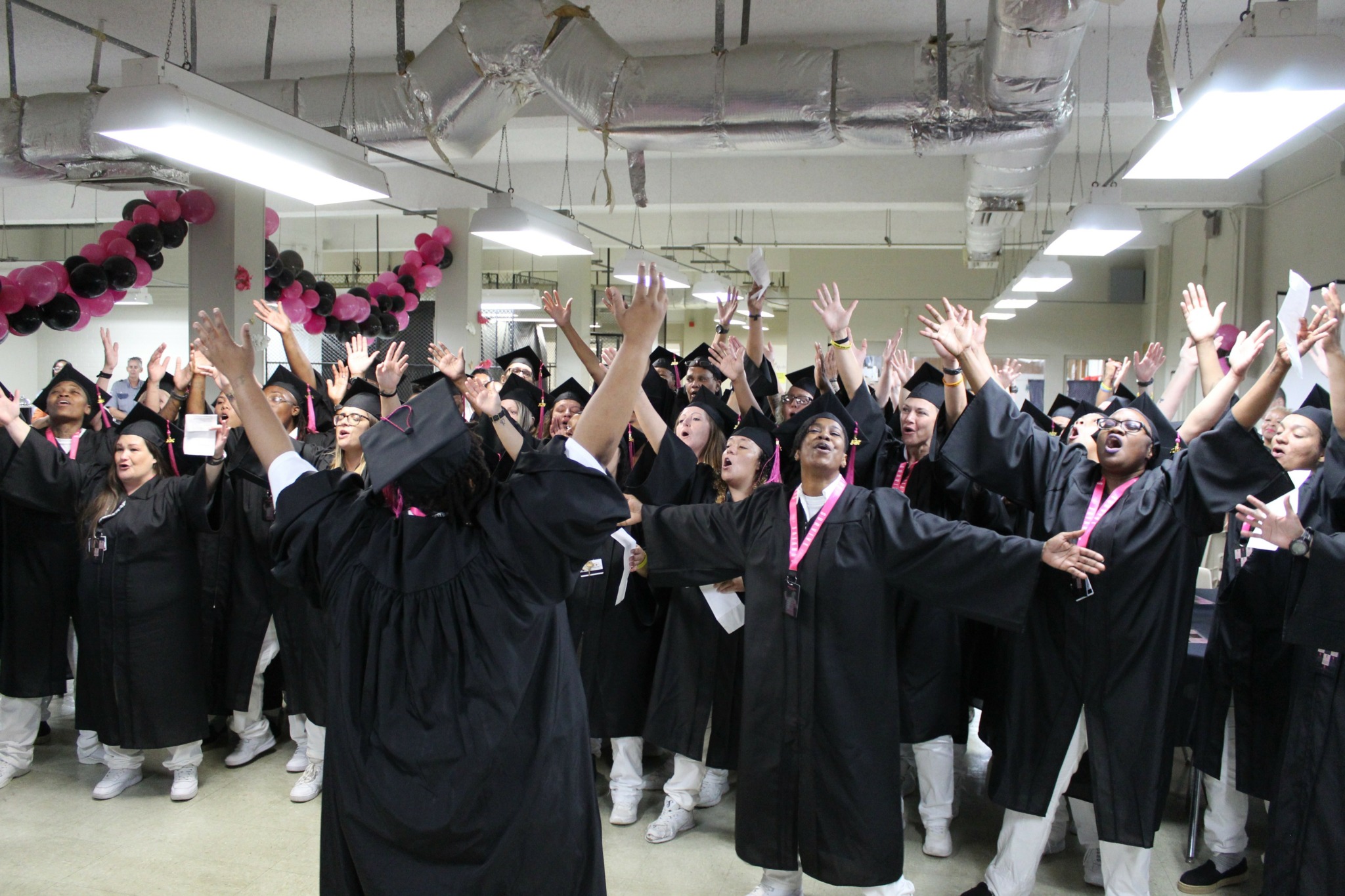
Through Lady K’s Survivors Initiative, we implemented the SURVIVE Trauma Program inside women’s prisons. SURVIVE is a structured, trauma-informed curriculum focused on healing, identity restoration, accountability, and wholeness. We address the root, the pain, the unresolved trauma, the internal narratives that keep women bound long before and long after incarceration. What sets this work apart is authenticity. I am not teaching from a textbook. I am teaching from lived experience. The women don’t just hear motivation, they see proof.
Through Life After Incarceration, the mission continues to expand, but the heart remains the same: restoring dignity and reframing identity. We believe that everything has an expiration date, including shame, guilt, and the labels society places on you.
What I am most proud of is watching a woman’s perspective shift. The moment her posture changes. The moment hope reappears in her eyes. The moment she realizes she is more than her past. This work is deeply personal. It is faith-driven. And it is rooted in the belief that the place that once broke you can become the place where healing begins for someone else.
Are there any books, videos or other content that you feel have meaningfully impacted your thinking?
Two resources that have significantly shaped my management and entrepreneurial philosophy are Atomic Habits by James Clear and Killing Comparison by Nona Jones.
Atomic Habits transformed the way I approach growth and leadership. It taught me that lasting impact isn’t built in one powerful moment, it’s built in small, consistent choices. As a leader, that shifted my focus from hype to systems. Sustainable vision requires structure, discipline, and daily excellence. That principle influences how I build programs, lead teams, and think long-term about impact.
Killing Comparison impacted me on a much deeper level. It didn’t just reshape my entrepreneurial thinking, it reshaped my identity. In leadership, especially purpose-driven leadership, comparison can quietly erode confidence. Watching others grow faster, gain more visibility, or receive more recognition can make you question your own pace and path. Nona Jones exposed how comparison steals joy and distorts calling. But most importantly, that book taught me how to love me. It reminded me that my assignment is unique, my timing is intentional, and my value is not measured against someone else’s platform.
Together, these books shaped how I lead and how I see myself. One taught me how to build consistently. The other taught me how to build confidently, grounded, secure, and free from comparison.
We often hear about learning lessons – but just as important is unlearning lessons. Have you ever had to unlearn a lesson?
One of the biggest lessons I had to unlearn was the belief that I had to shrink to belong. For a long time, I carried the mindset that I needed validation before I could fully show up, that someone else had to invite me, approve me, or affirm me before I deserved a seat at certain tables. Coming from a background of incarceration and rebuilding my life, there were rooms I walked into where I felt like I didn’t quite measure up. Even after the healing, even after the growth, there was still a quiet voice asking, “Do you really belong here?”
I had to unlearn that.
The backstory is layered. When you’ve made public mistakes, when you’ve had a season where your identity felt reduced to a number, it can subtly shape how you see yourself long after you’ve been restored. Even while teaching women to reclaim their identity and stand confidently in their worth, I had to confront whether I was fully doing the same in my own life.
I realized something powerful: you cannot preach confidence and privately practice doubt. You cannot teach women to reclaim their voice if you are still questioning your own. At some point, I had to decide that I am my own person. I have my own assignment. I have my own lane. And I deserve to be in the rooms that align with my purpose, not because of ego, but because of calling.
That shift required me to practice what I preach. To love me. To believe in me. To stop comparing my journey to others and stop minimizing my growth. It meant understanding that confidence isn’t arrogance, it’s agreement with who God says you are.
The lesson was this: it starts within you.
If you don’t believe you belong, you’ll shrink even when the door is open.
If you don’t love yourself, you’ll question opportunities meant for you.
Now, I stand differently. Not louder. Not boastful. Just secure. And that security allows me to lead from a place of authenticity instead of insecurity.
Contact Info:
- Website: https://www.ladykharris.com
- Instagram: https://www.instagram.com/ladykharris/
- Facebook: https://www.facebook.com/katrina.harris.1023
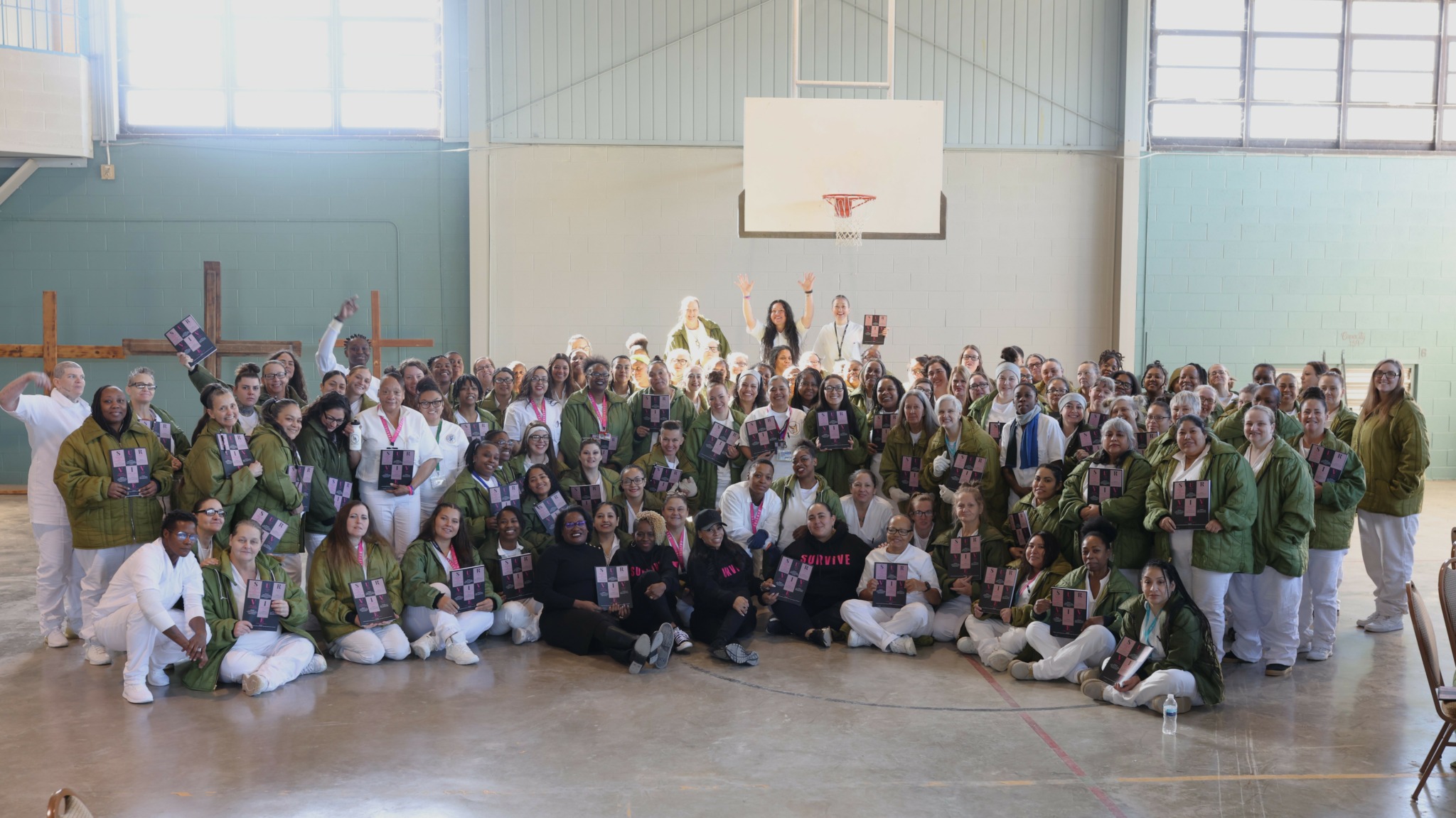
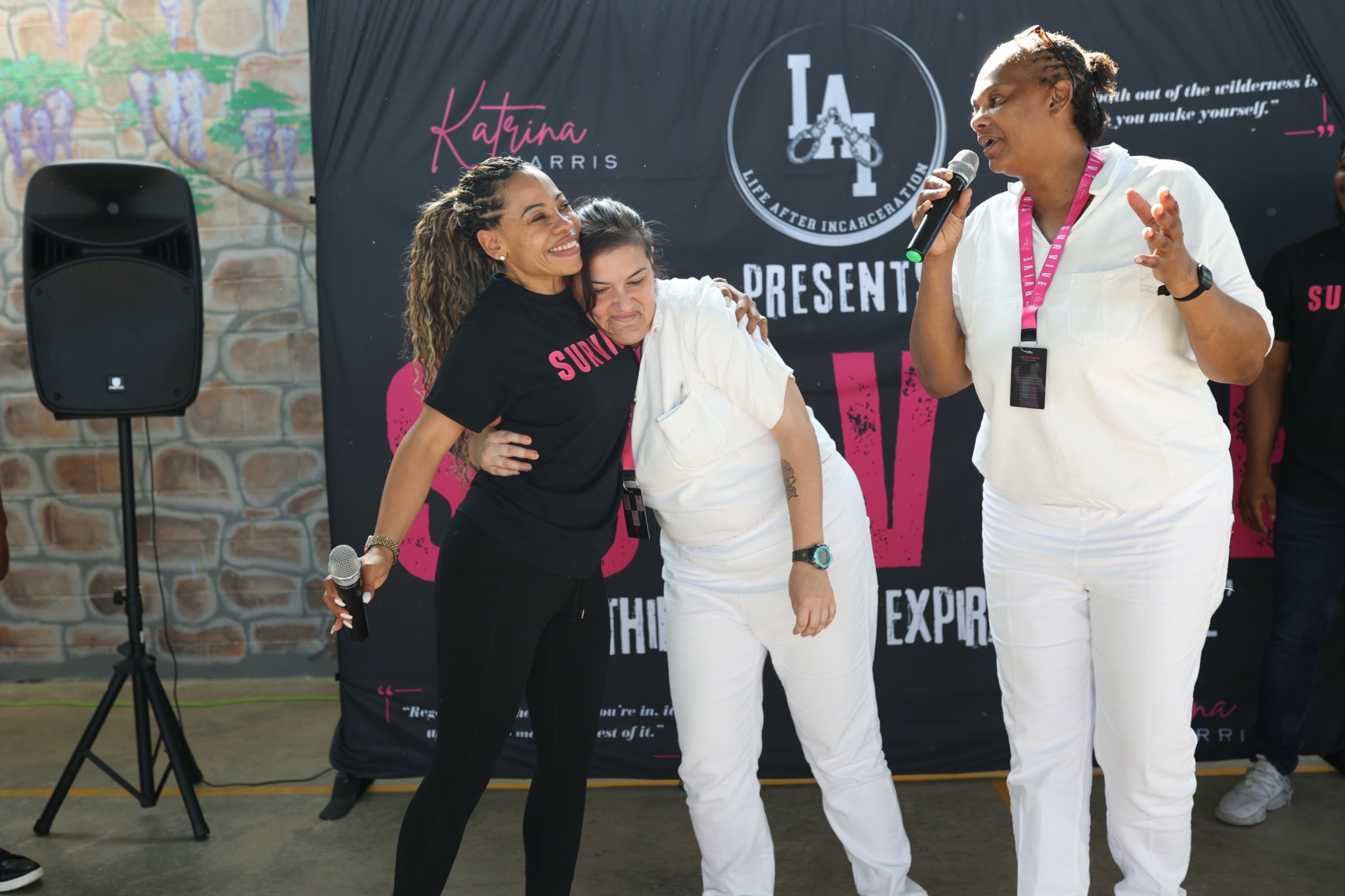
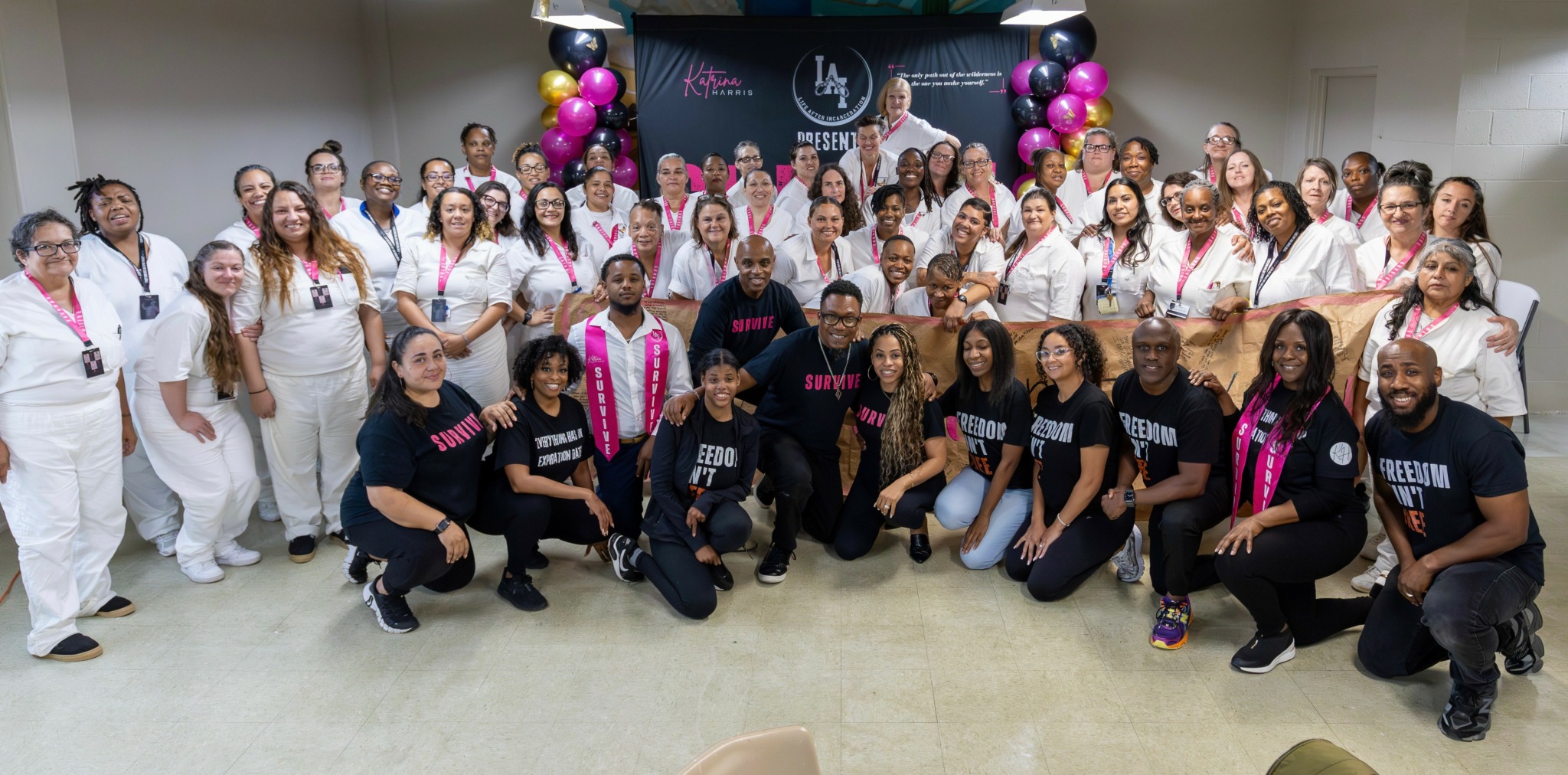
Image Credits
RSanders Photography