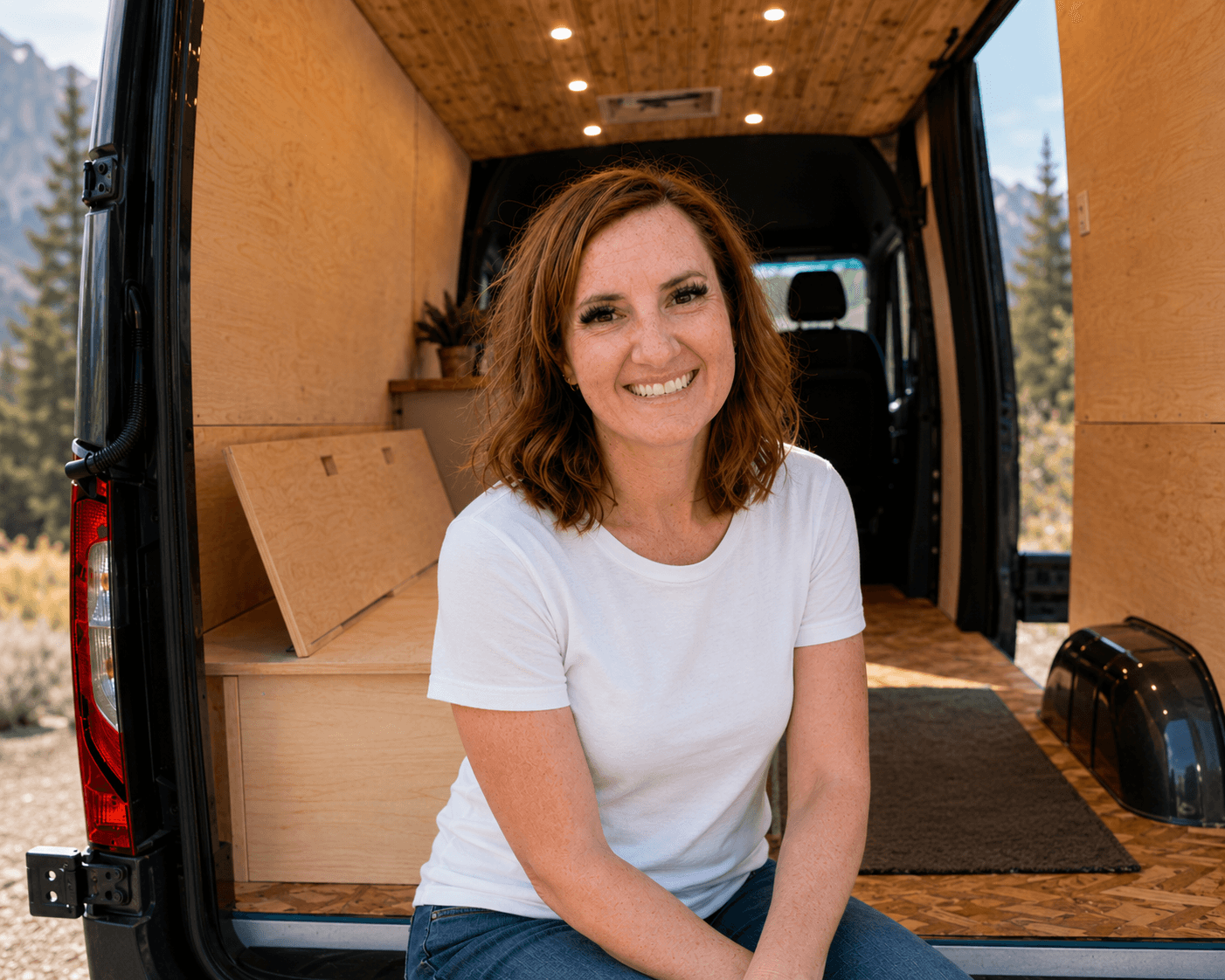

We were lucky to catch up with Katie Walz recently and have shared our conversation below.
Alright, Katie thanks for taking the time to share your stories and insights with us today. What was it like going from idea to execution? Can you share some of the backstory and some of the major steps or milestones?
We started a Pest Control business in 2009, so by the time we got the idea for Discover Campervans, we already knew what it was like to build a business from scratch. We were young when we started our first company, which honestly worked in our favor because we were flexible. We made mistakes, learned lessons the hard way, and figured out how to run a business through experience. That gave us confidence when a new opportunity came along.
In 2019, some friends of ours took a trip to Iceland and rented a campervan. They absolutely loved the experience and came back saying, “Someone should do this in Denver.” The idea immediately clicked for us. Because we already owned a business, it didn’t feel as intimidating. We weren’t quitting our jobs or risking our livelihood, so instead of overthinking it, we just started taking the first steps.
That same day, we registered Discover Campervans as an LLC and secured the website. We knew those first steps weren’t the hard or expensive part, and we also knew it was possible to start small with very little risk. From our previous business experience, we already knew how to set up a website, open business bank accounts, purchase company vehicles, and handle the basic logistics of launching a company. More importantly, we understood that opportunities come fast, and if you’ve done enough preparation beforehand, you can act quickly when the right one appears.
That mindset shaped everything we did. We intentionally kept the business lean in the beginning because keeping the risk low made the whole thing feel much less scary. We bought a used van we could afford to pay cash for, built it out ourselves, and listed it for rent. Instead of trying to create the perfect campervan right away, we focused on building a minimum viable product — something functional that people could actually use. We offered it at a discount and paid close attention to renter feedback. Every trip taught us something new about what people actually cared about and what wasn’t worth spending time or money on.
We also learned a lot through trial and error in those early days — everything from what renters actually needed in a campervan, to pricing, insurance, systems, operations, and how to create a great customer experience. A lot of it was learning as we went and improving each time.
That approach helped us avoid a huge trap a lot of entrepreneurs fall into: waiting until everything is perfect before launching. Starting smaller made the first step feel manageable, and once we were moving, we could improve things over time.
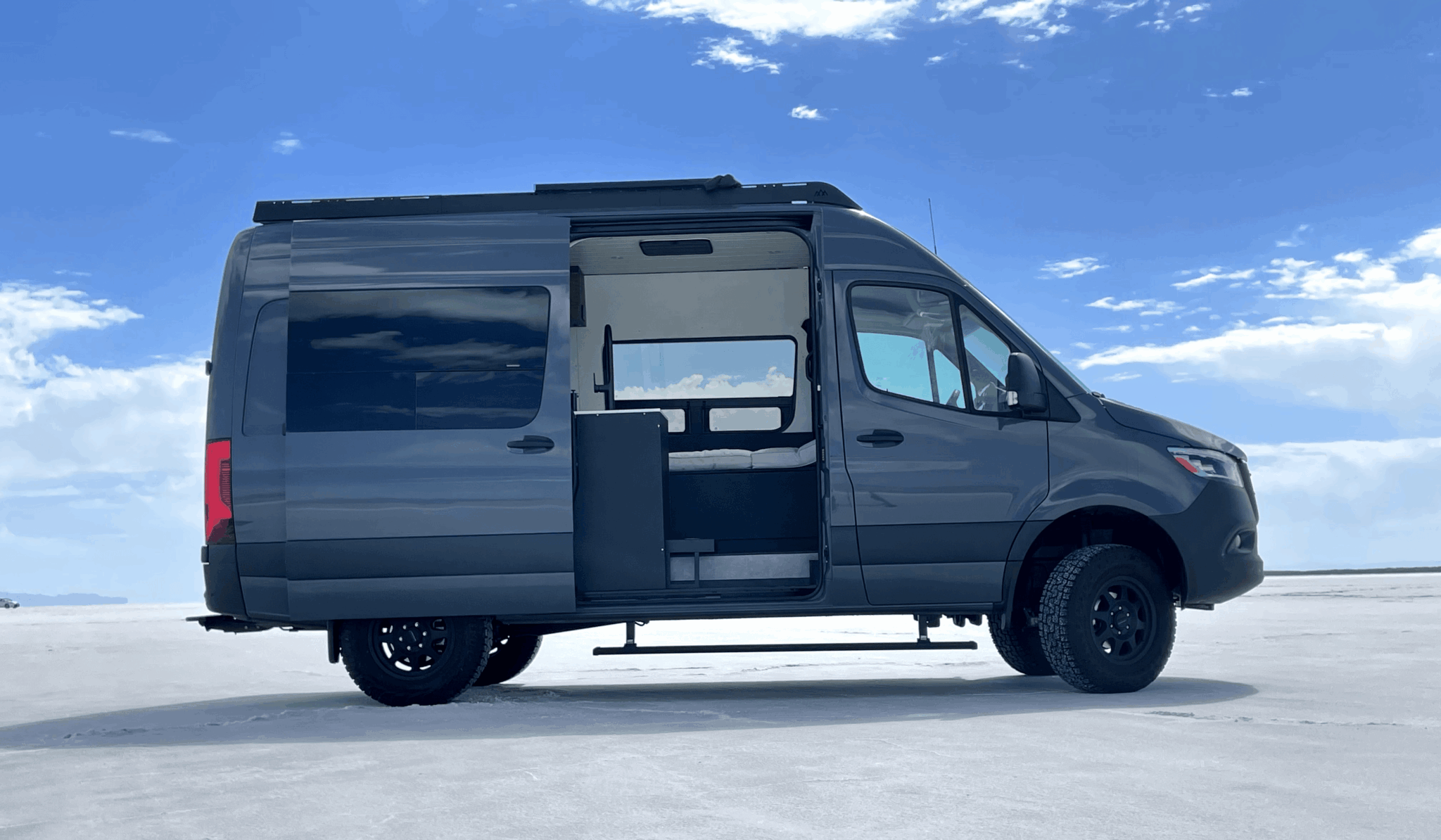
Our first rental went out in May 2020, and then it was booked solid. That was the moment where we realized there was real demand, so we said, “Okay, let’s get a second van.” When we had enough cash, we found an opportunity to buy a smaller van at a really good price and decided to test a completely different style of campervan. Since we had already spent so much time researching the market and thinking through the possibilities, we were ready to move quickly when the opportunity came up.
Once the second van was up and running, we finally had something even more valuable than opinions — actual data. We could compare booking rates, renter preferences, and profitability between the two vans, and that helped shape the direction of the business moving forward. Every step after that became less about guessing and more about learning, testing, and refining as we grew.
Awesome – so before we get into the rest of our questions, can you briefly introduce yourself to our readers.
In 2015, my husband and business partner, Jarom, convinced me that renovating a vintage Airstream would be a fun project. (If you’ve ever searched “Airstream renovations” on Pinterest, you probably understand the appeal.) We bought a 1963 Airstream and spent the winter of 2015–2016 completely renovating it ourselves. We definitely learned some lessons along the way, but we had it ready in time for summer camping season.
Then in 2017, we decided to update the walls, flooring, couch, and bed… which somehow turned into essentially rebuilding the entire thing again. Thankfully it went much faster the second time around.
What started as a fun project quickly turned into a real passion for creating comfortable, functional spaces that made traveling easier and more enjoyable. Having a comfortable setup completely changed the way we traveled and allowed us to spend much more time outdoors and away from home.
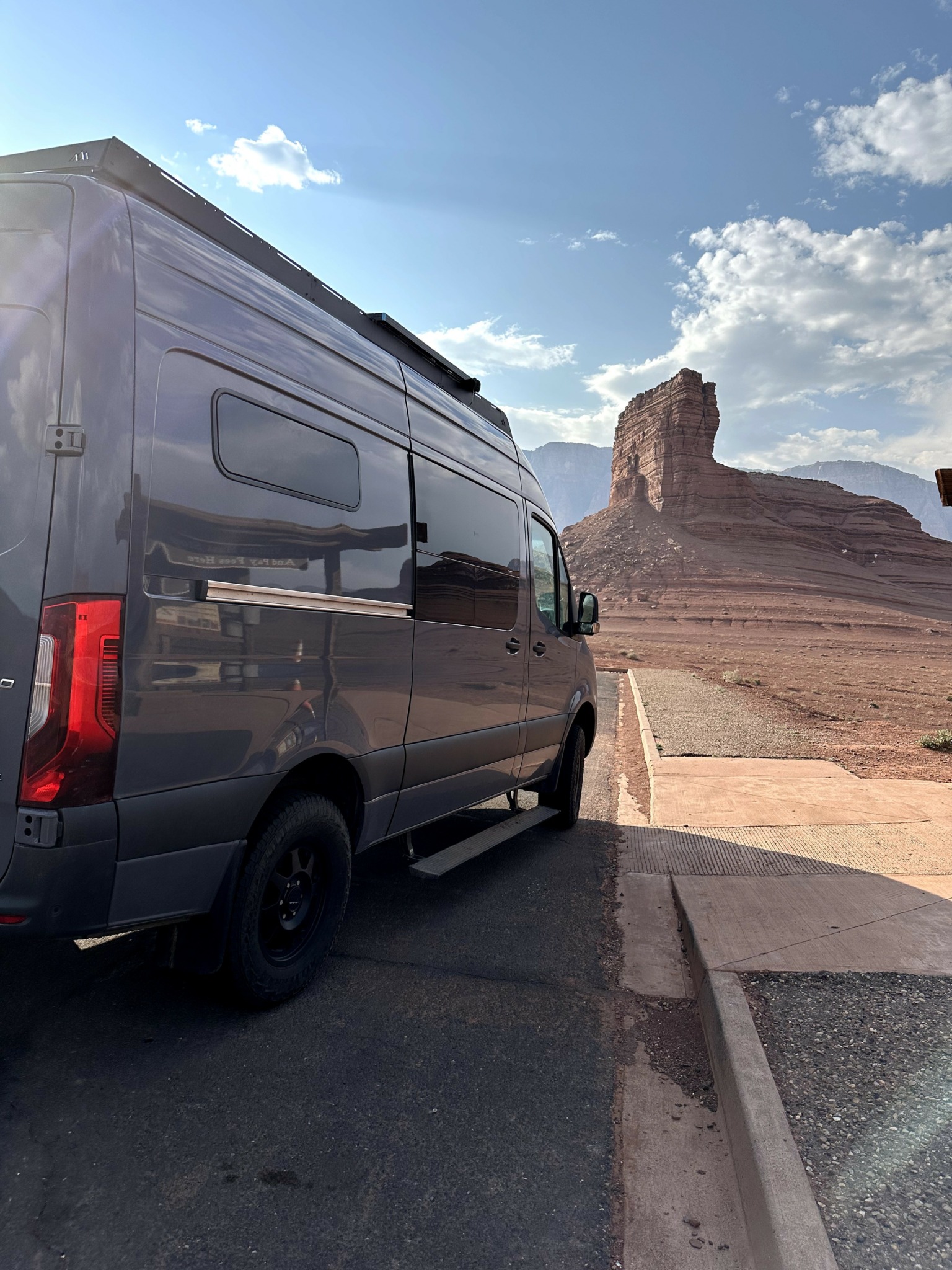
In 2019, we took the Airstream through Yellowstone. The trip was incredible, but towing a trailer through crowded parks and small parking lots made us realize how limiting it could be. That was when we seriously started looking into campervans. As we researched the industry, we noticed campervan rentals were everywhere internationally, but there were still very few options in the U.S., especially in Colorado.
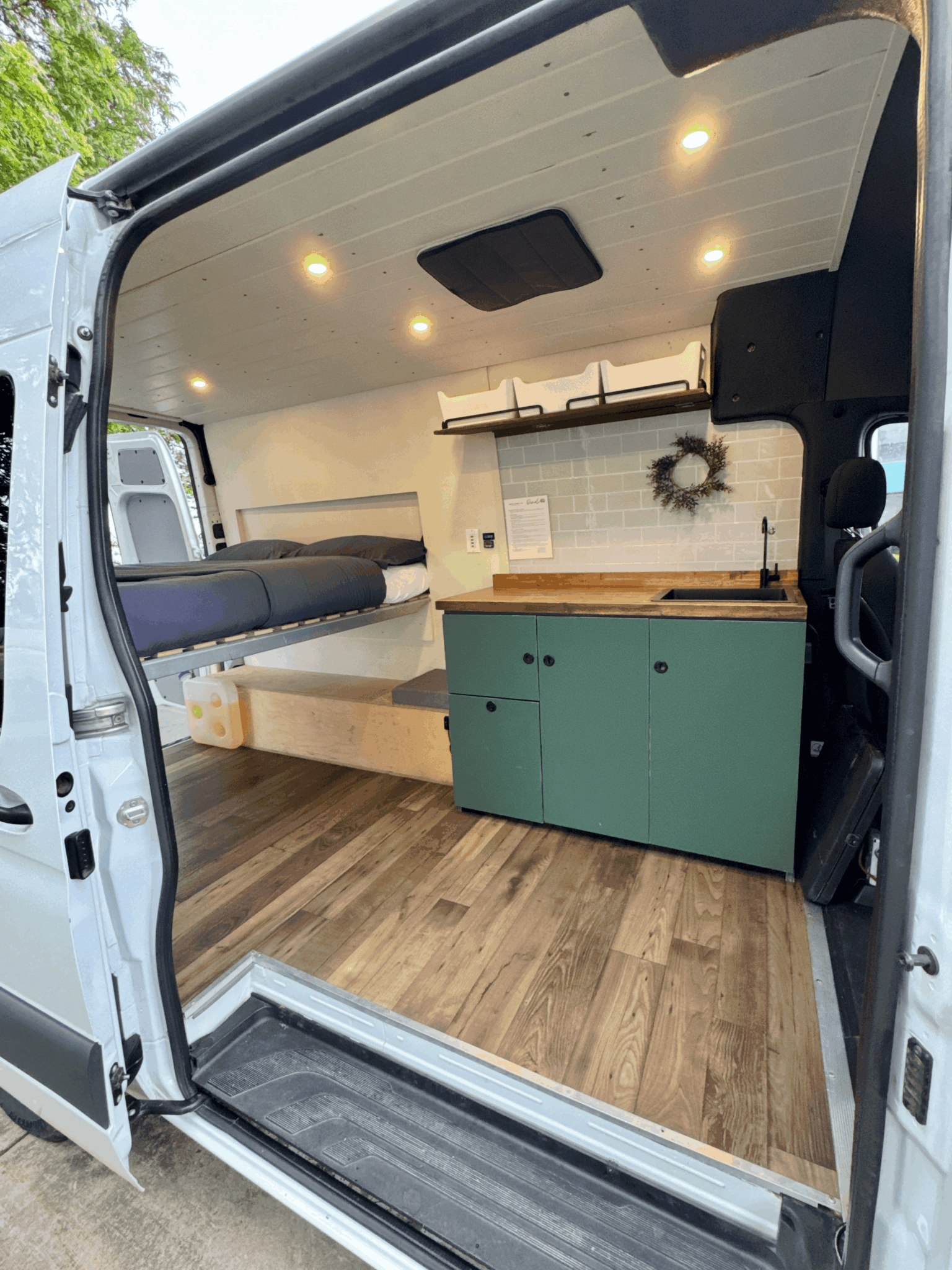
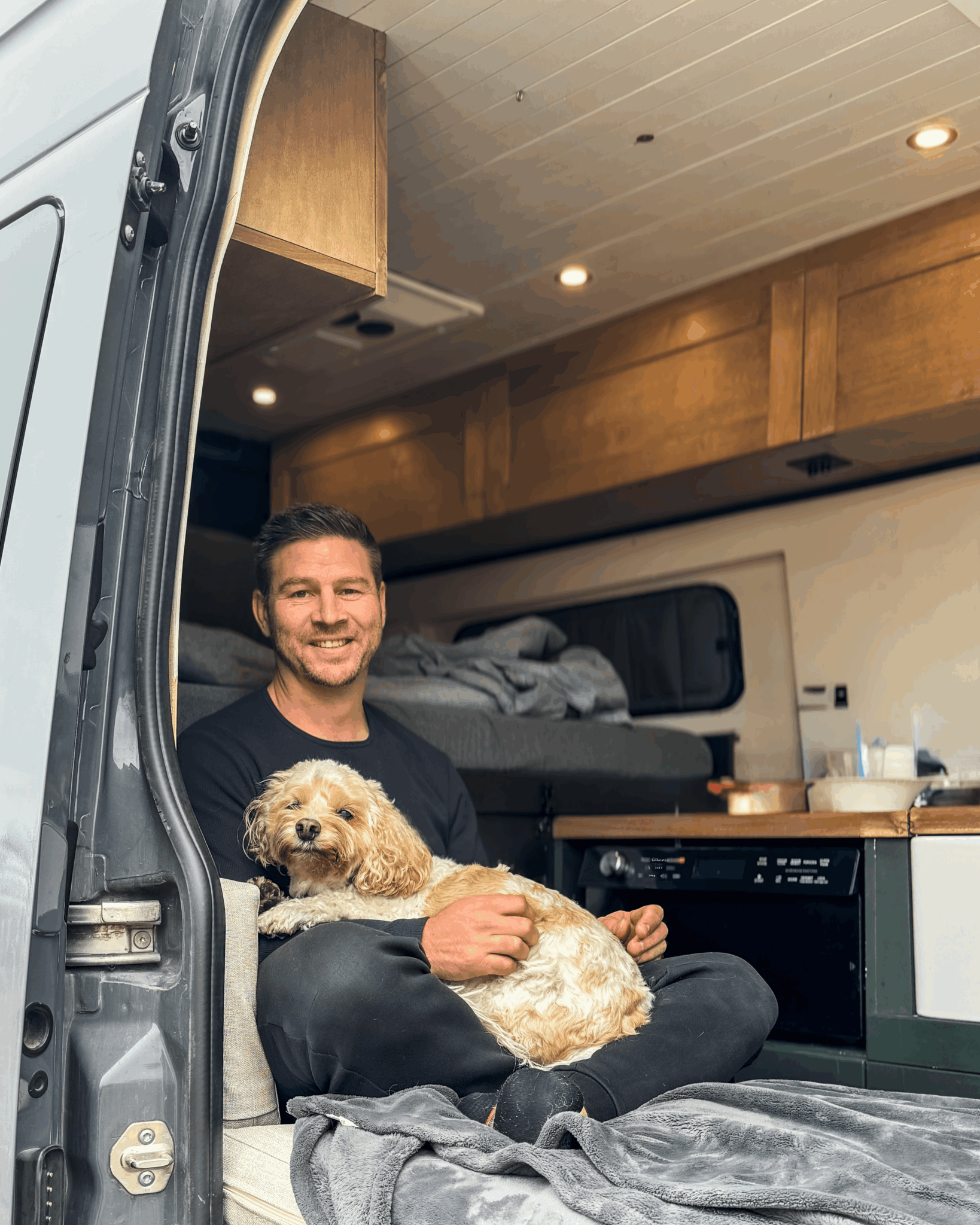
That’s what led us to start Discover Campervans. Today, we offer both campervan rentals and custom campervan builds. One thing that sets us apart is that we actually use the products ourselves. Every layout, feature, and design choice comes from real-world travel experience and feedback from renters. We focus heavily on building vans that are functional, comfortable, easy to use, and designed for the way people actually travel.
Because we started small and grew organically, we’ve also been able to stay very hands-on with the business. We still personally design and build our vans, work directly with customers, and continually improve our builds based on real renter experiences and data.
Any stories or insights that might help us understand how you’ve built such a strong reputation?
I think a huge part of building our reputation has come down to how we treat people. I’m naturally a very friendly person, and I genuinely believe we have some of the best renters and clients. Of course, every once in a while there are challenges or difficult situations, but I try to start every interaction assuming someone is a good person who is excited for their experience and wants things to go well just as much as we do.
That mindset carries through both our rental customers and our custom build clients. With rentals, people are trusting us with their vacation. With custom builds, they’re trusting us with something even bigger — a significant investment and often a dream they’ve been thinking about for years. Either way, it’s a lot of trust, and we don’t take that lightly.
I think that approach makes our company feel much more personal and understanding instead of transactional or corporate. We also try really hard to handle problems reasonably and with empathy. If something goes wrong on our end, we are quick to apologize and make it right. And if a renter or client makes a mistake or something unexpected happens, we try to approach it with understanding instead of immediately becoming confrontational.
We also stand behind our builds. If something needs to be fixed or adjusted, we take care of it. That commitment matters, especially in custom work, because people need to know that we’re still there after the project is complete.
I think people can tell when a company genuinely cares about their experience versus when they’re simply trying to protect themselves or maximize profit. Because we stay very hands-on in both sides of the business — rentals and builds — we’ve been able to build a reputation for being responsive, fair, and easy to work with. That personal connection has been one of the biggest drivers of our growth through repeat customers, word of mouth, and referrals.
Do you have any insights you can share related to maintaining high team morale?
I think my approach to managing a team and maintaining high morale really comes down to three core pillars, and honestly they also apply to how I work with my spouse and business partner.
The first is practicing empathy. I know I’m a flawed person and I make mistakes too, so I try to lead with understanding when other people fall short. Most of the time, issues come from misunderstanding, stress, or simply being human — not from a lack of care. Starting from that place makes it much easier to have productive conversations instead of reactive ones, and it helps create a culture where people feel safe being honest when something isn’t going well.
The second is trusting people to do their job, their way. I try really hard not to micromanage. If someone is hired for a role, it’s because we believe they can do it well. That means giving them space to find their own rhythm and approach, even if it’s not exactly how I would do it. I’ve found that when people feel trusted, they take more ownership, and the quality of their work actually improves. Constant checking, correcting, or nagging tends to do the opposite — it drains morale and slows everything down.
The third is working *with* your people. For me, “working with people” doesn’t mean controlling how they do things — it means being willing to step in and support the work, while still giving them full ownership of how they execute it. I’ve found that morale stays high when people don’t feel like tasks are being handed down, but instead feel like we’re all in it together. That might mean jumping in alongside someone when things are busy, helping carry the load, or just being willing to do any part of the process when needed. That shared effort builds trust and keeps energy up.
Overall, I’ve found that people do their best work when they feel respected, trusted, and supported rather than controlled. When those three things are in place, morale tends to take care of itself.
Contact Info:
- Website: https://www.discovercampervans.com
- Instagram: @DiscoverCampervans