

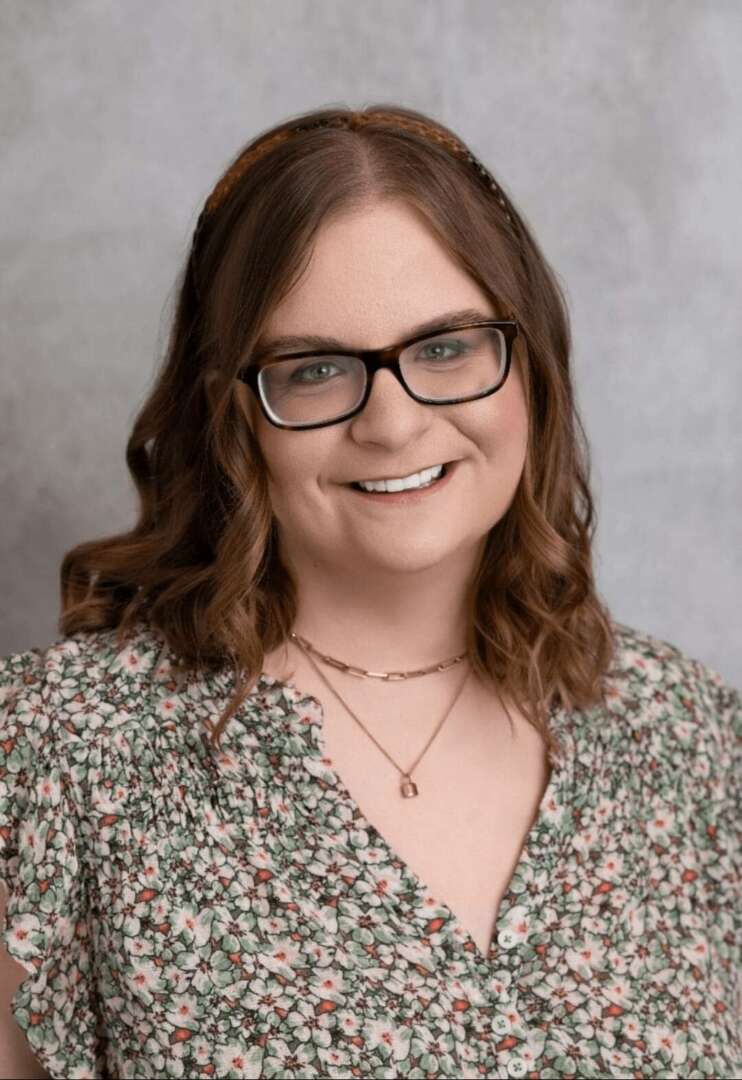

We caught up with the brilliant and insightful Katie Green a few weeks ago and have shared our conversation below.
Katie, looking forward to hearing all of your stories today. We’d love to hear the backstory of how you established your own practice.
My process to start a business was more out of necessity than desire that most business inclined people start with. My education is in psychology and I had hoped to find employment that I can secure with a livable wage. Unfortunately many pre-licensed mental health clinicians are subjected to minimal compensation for a number of reasons related to the behavioral health profession as a whole.
After completing a Masters in Forensic Psychology, I spent approximately three thousand dollars on addiction certification through California Consortium of Addiction Programs and Professionals as well as continued education classes. Only to find the majority of addiction counselors had a high school education and this certification process. I did not feel equipped to be able to tend to the complex clinical mental health and social service needs of the population but I did my best with the training I did have at the time.
After watching patients make significant progress in session and the skills they learned with me evaporating off of them when they went to the places and people that made them sick I knew I needed a different option that would allow me to do the best for patients without being dealing with being held captive by documentation needed for Medi-Cal and Medi-Care.
I created Hope Reignited Consulting as an LLC in California in 2021 because I needed a way to use my education, set my rates in a way that is commiserate with my education, and use my education non-clinically. It comes with significant cost, however worth it because people need more help than the options insurance companies provide.
Even once mental health clinicians become licensed, the insurance system severely undercompensates them and makes them focus more on paperwork than human connection.
For further information look up ZDogg MD “Health 3.0” That is what I want to be apart of.
Great, appreciate you sharing that with us. Before we ask you to share more of your insights, can you take a moment to introduce yourself and how you got to where you are today to our readers.
I got into my industry because it is a calling to help people build momentum in their recovery from life controlling issues. I want to communicate to others that when they are in the hands of a healthcare professional that are competent and ethically sound that their honesty about their habits, behaviors, beliefs, and thoughts will lead to better care not penalty. I got into mental health because I love to know the why and the how of human behavior,
Everyone that is criminally inclined was at one point a child who did not use to engage in the ways they do currently. It is about seeing the humanity behind the person, and understanding people are either chemically combative (alcohol or drug related) or reactive combative (they are outside their own ability to cope, they are in survival, or they are protecting people/things they perceive they cannot go without).
I do believe people have the ability to make positive changes once they step out of survival and into a space they are safe, healthy, and encouraged to be the best version of them.
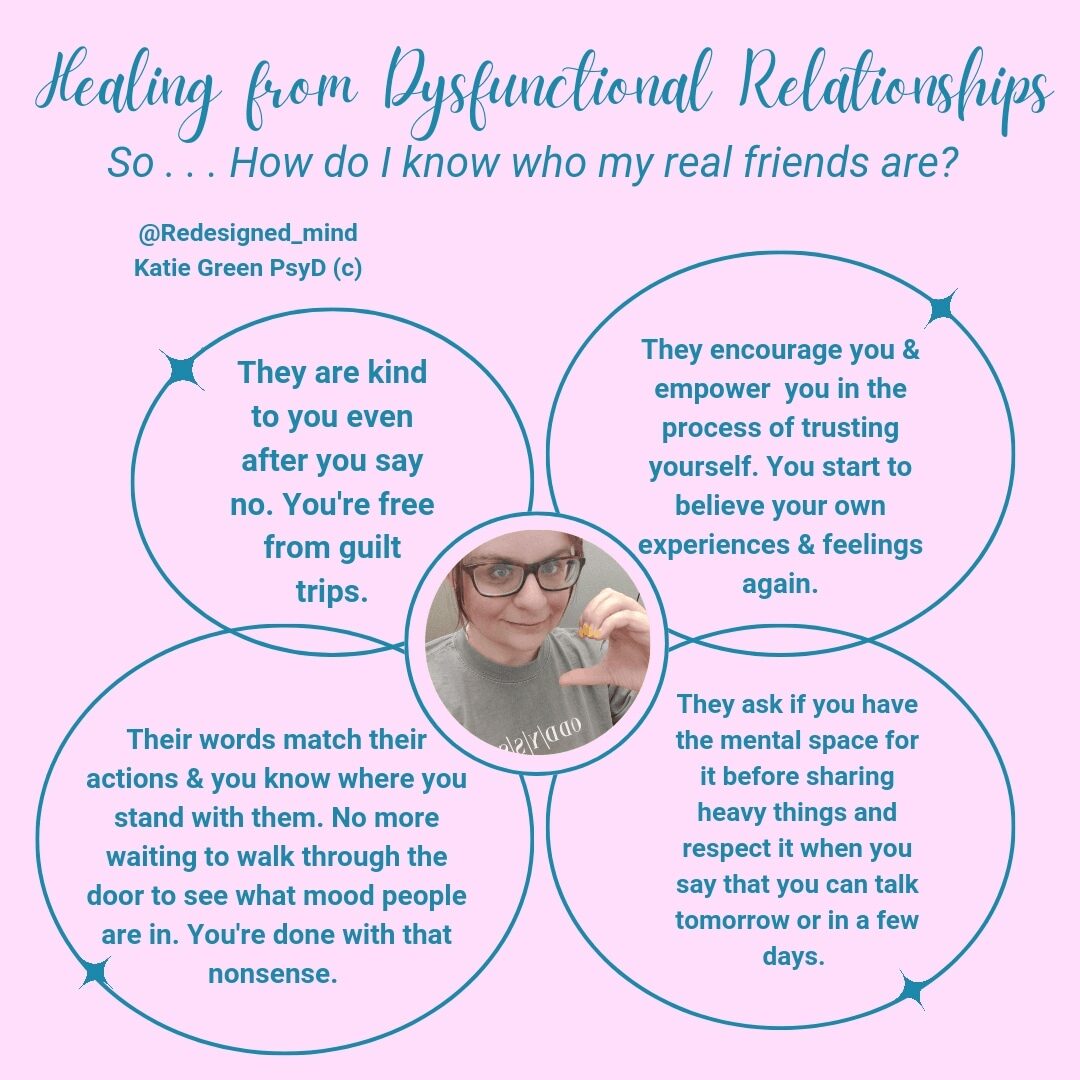
The biggest catalyst for true healing and rapport is showing up with kindness, consistency, and altruism. Truly having the intent to do right for people, do right to people, and do right with people, then being quick to apologize and course correct when mistakes are made.
—-
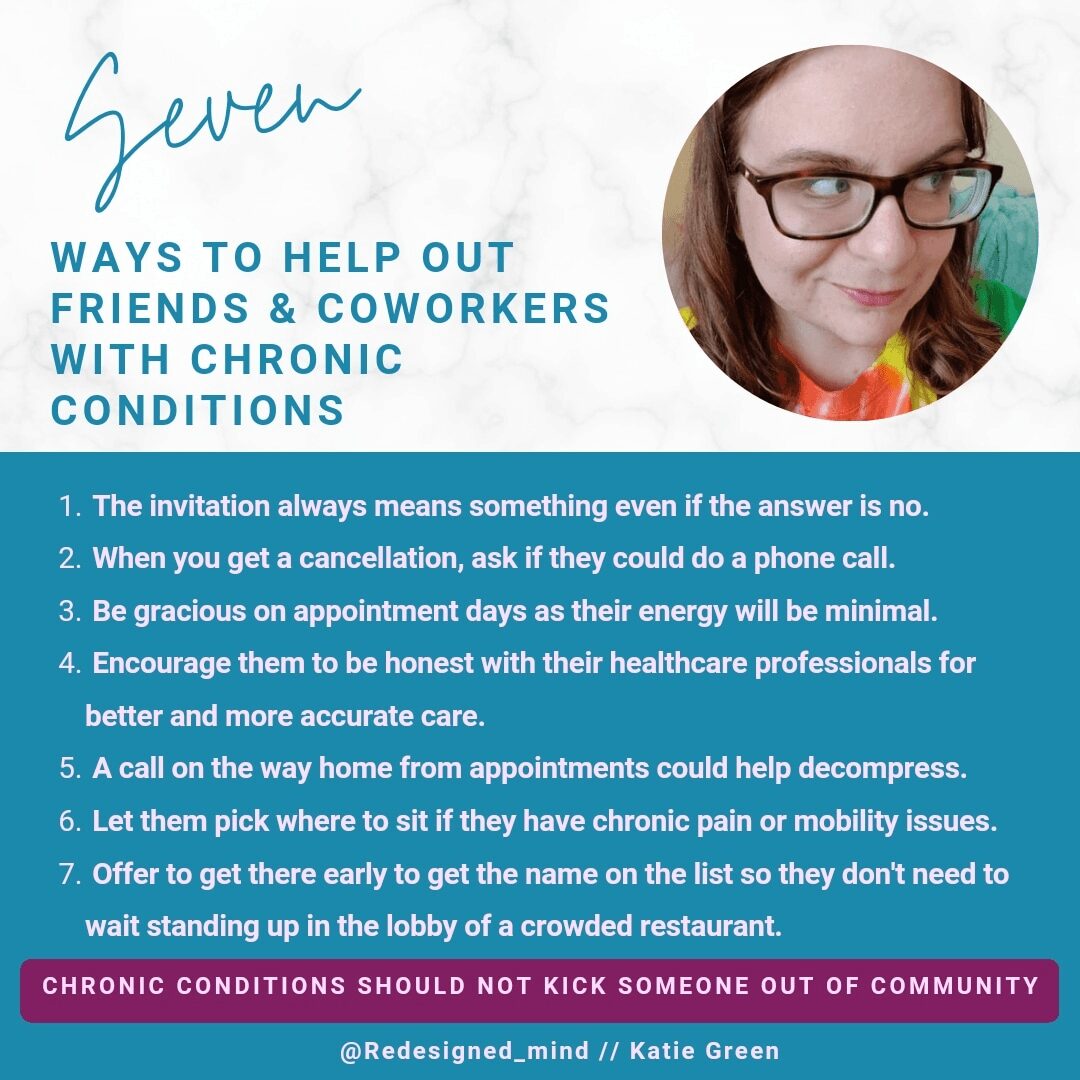
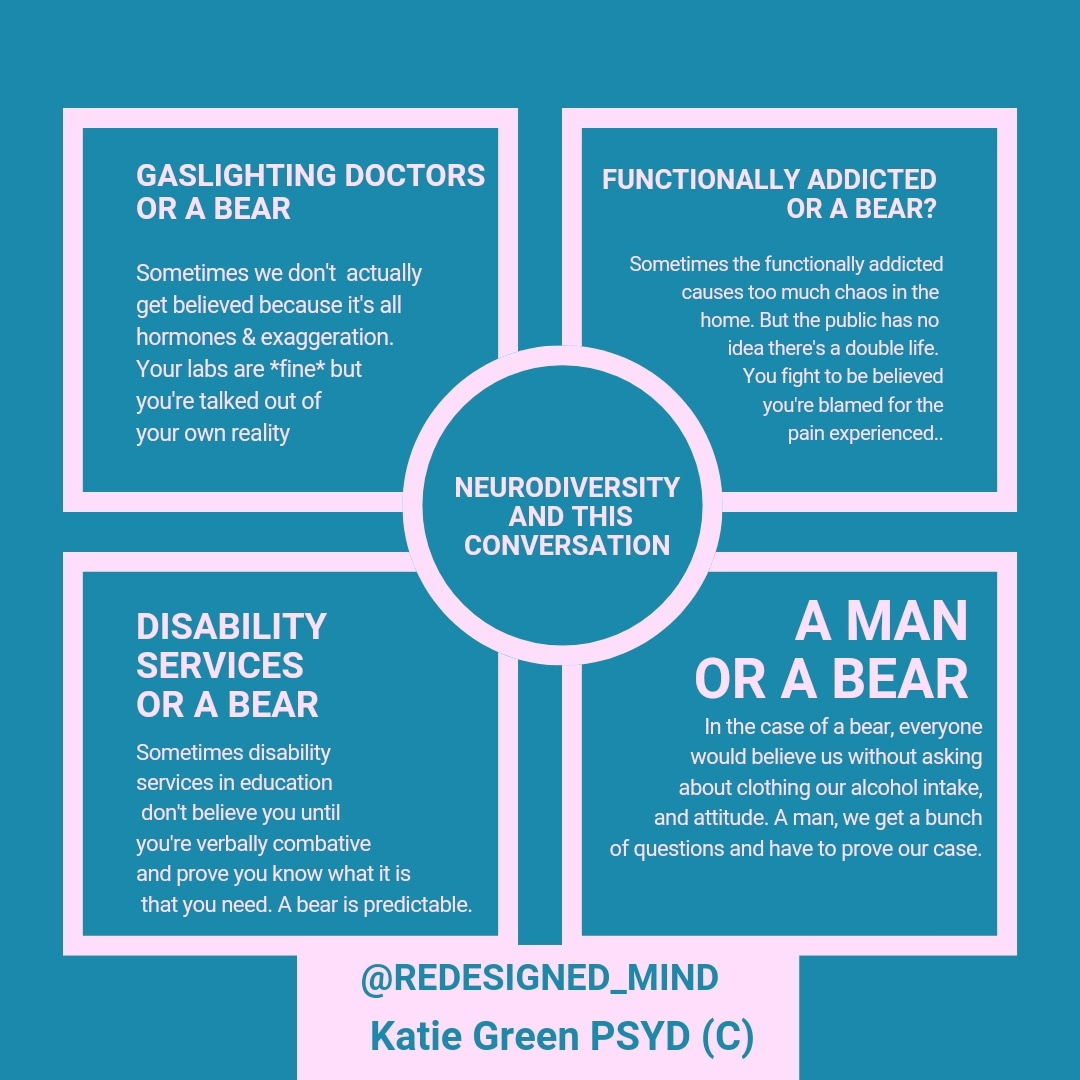
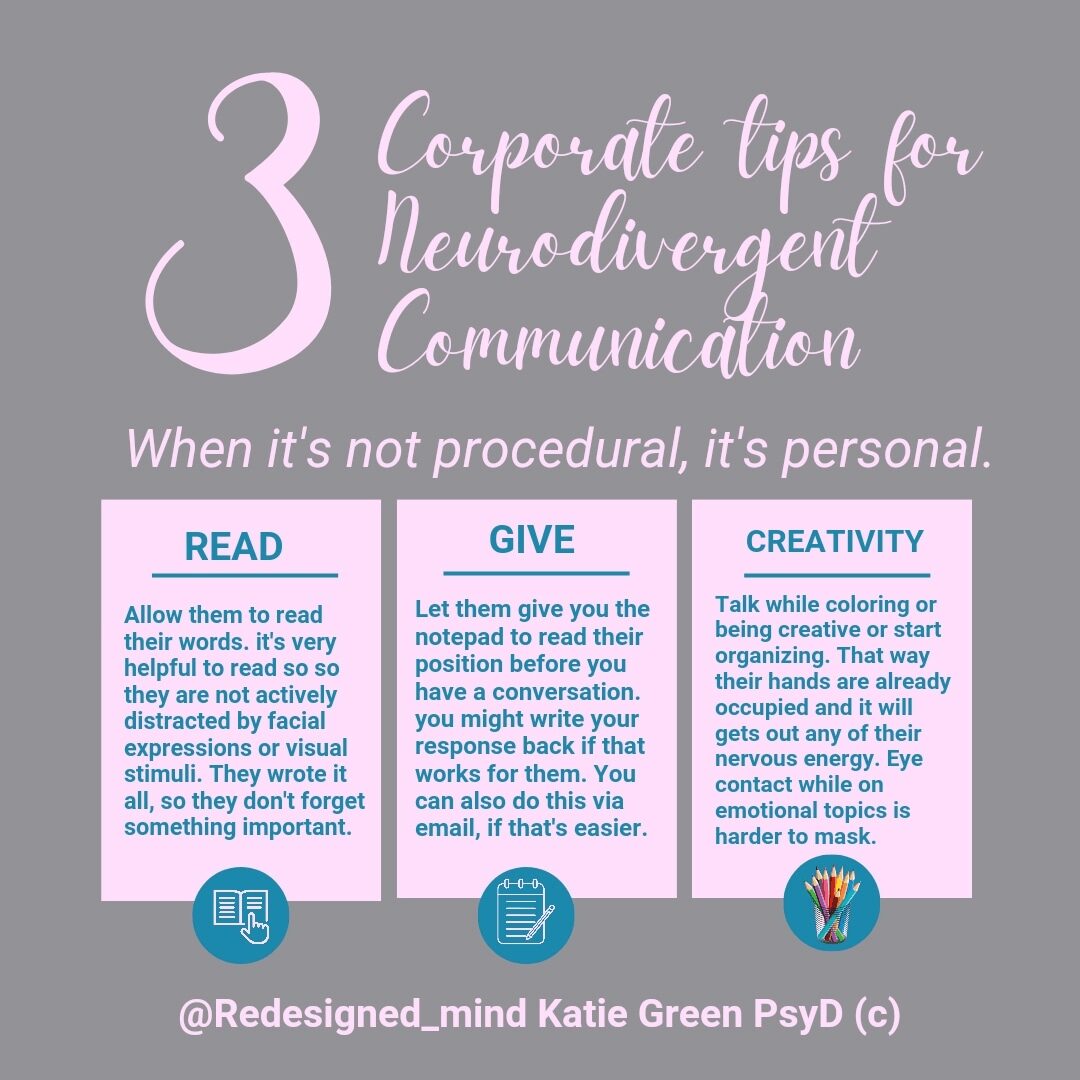
Today I work with neurodivergent adults to equip them to live in a way that honors and celebrates how their brains work. I teach self-advocacy, somatic peace, dignity preserving conflict resolution, and emotion regulation and expression. Self-advocacy is the ability to identify what needs they have and be able to articulate it so they can move through the world with minimal stress whenever possible. Somatic peace is being friends with the body, identifying when the body is raising a red flag that something in the environment is not right (i.e. stomach upsets, migraines, brain fog, unexplained sleep issues). Dignity preserving conflict resolution is focused on how to have conflict resolution without any shame, self-doubt, or negative self talk taking over. Once people choose to preserve the relationship and value the relationship over the conflict they can be against the problem instead of being against each other.
—
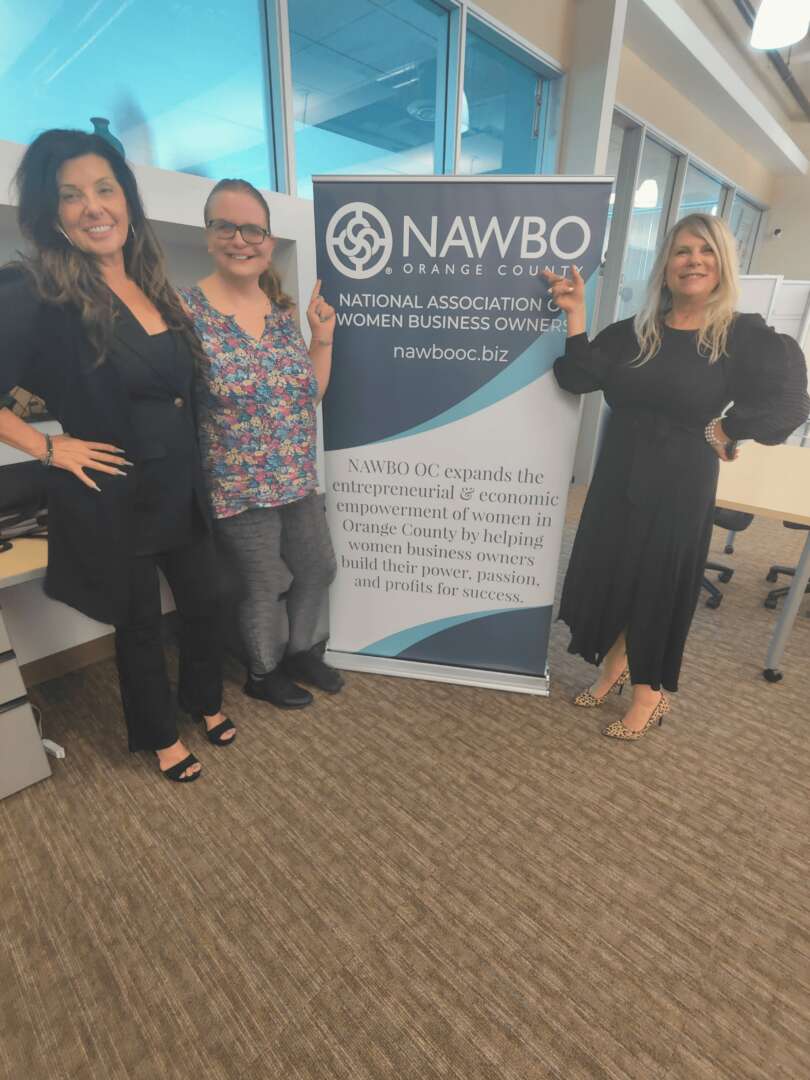
I’m most proud of my ability to build and sustain relationships with other professionals from different stages of career. The adults I work with need to be in the hands of those that are competent, creative, and caring that will believe them when they speak of their experiences. When I give a client a referral it is a referral to someone I have a steady relationship with for at least six months, it is never a 1-800 number with a list of extensions.
—
Something to know about me is I love creativity. I knew how to kick across a pool before I could effectively walk because of physical therapy. I love anything relating to the ocean or the mountains. I am a native Southern California. Seeing everyone together and doing life with those I love brings me more joy than anything.
Other than training/knowledge, what do you think is most helpful for succeeding in your field?
Definitely having grit and staying close to your why. This is a marathon not a sprint, you must be intrinsically motivated to be effective in anything related to mental health.
In this profession it is very hard to learn how to not take stories home with you. Have a buffer before bed so you can sleep with a clear head. For me, its Disney or Pixar movies. Lilo and Stitch is my favorite.
Do you think you’d choose a different profession or specialty if you were starting now?
Absolutely, however I would have applied to be a CASA (Court Appointed Special Advocate) way earlier. I think that would have lead to a quicker career start. I did not know about CASA until maybe six months ago. But I advise anyone going into mental health as soon as they finish bachelor’s, go get involved with CASA in some capacity. You will get a great insight into enough of a variety of topics and it will help you draw out a desired specialty.
Contact Info:
- Website: http://hopereignitedconsulting.com/home-page
- Instagram: @Redesigned_mind
- Facebook: Katie RG //// facebook.com/desertrose211
Image Credits
www.devinmariesims.com
@devinmariesims