

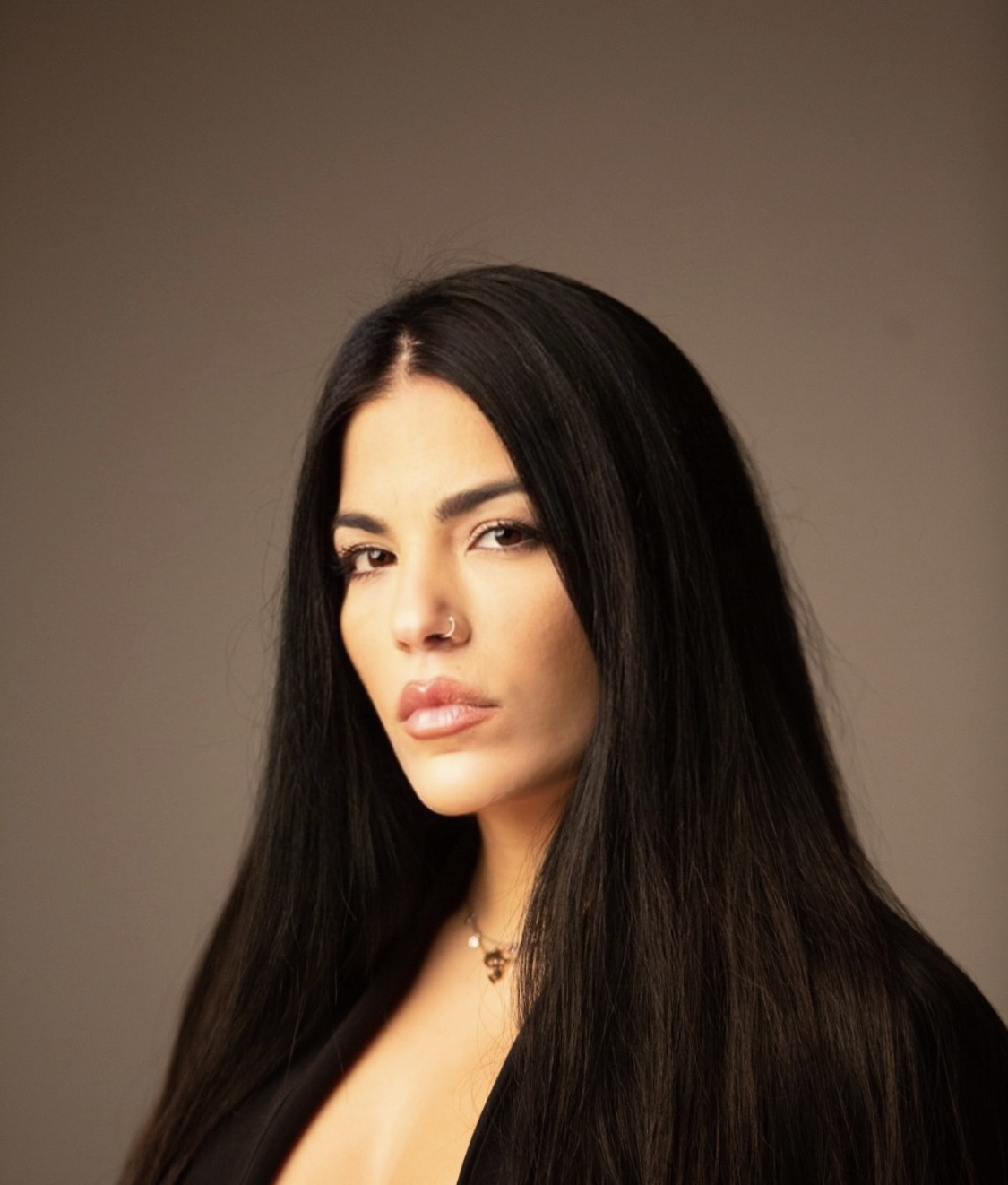

Alright – so today we’ve got the honor of introducing you to Katerina Sigala. We think you’ll enjoy our conversation, we’ve shared it below.
Katerina, thanks for taking the time to share your stories with us today What’s been the most meaningful project you’ve worked on?
One of the most meaningful short film projects I’ve written and created is called “A Hero Is Not Only Superman.” It tells the story of childhood cancer. The lead actor is my godson, who has been battling osteosarcoma and lost his right leg.
As you can imagine, this project is deeply personal to me. I truly believe that every film begins with its screenplay, and that the most powerful stories come from real life. Life itself is the greatest storyteller.
This film has been, and still is, one of my most cherished works. There are times when I can’t even watch it without breaking down in tears. I feel a very strong emotional connection to it, and I believe I always will.
Katerina, love having you share your insights with us. Before we ask you more questions, maybe you can take a moment to introduce yourself to our readers who might have missed our earlier conversations?
I started writing as a child, around the age of six, creating my first short theatrical pieces, scripts, and poems. I won my first poetry award at eight—possibly even earlier. Writing has always been my greatest love and passion. It feels like both a blessing and a curse; once I start, I can’t stop. I write constantly, because through writing I create the world I want to live in.
From the age of five, I was immersed in the arts. I began with ballet, then moved into theater workshops and joined a theater group at a very young age. Art has always been my natural environment—my body and soul have always belonged to it. I truly believe you are born an artist; you don’t become one later in life.
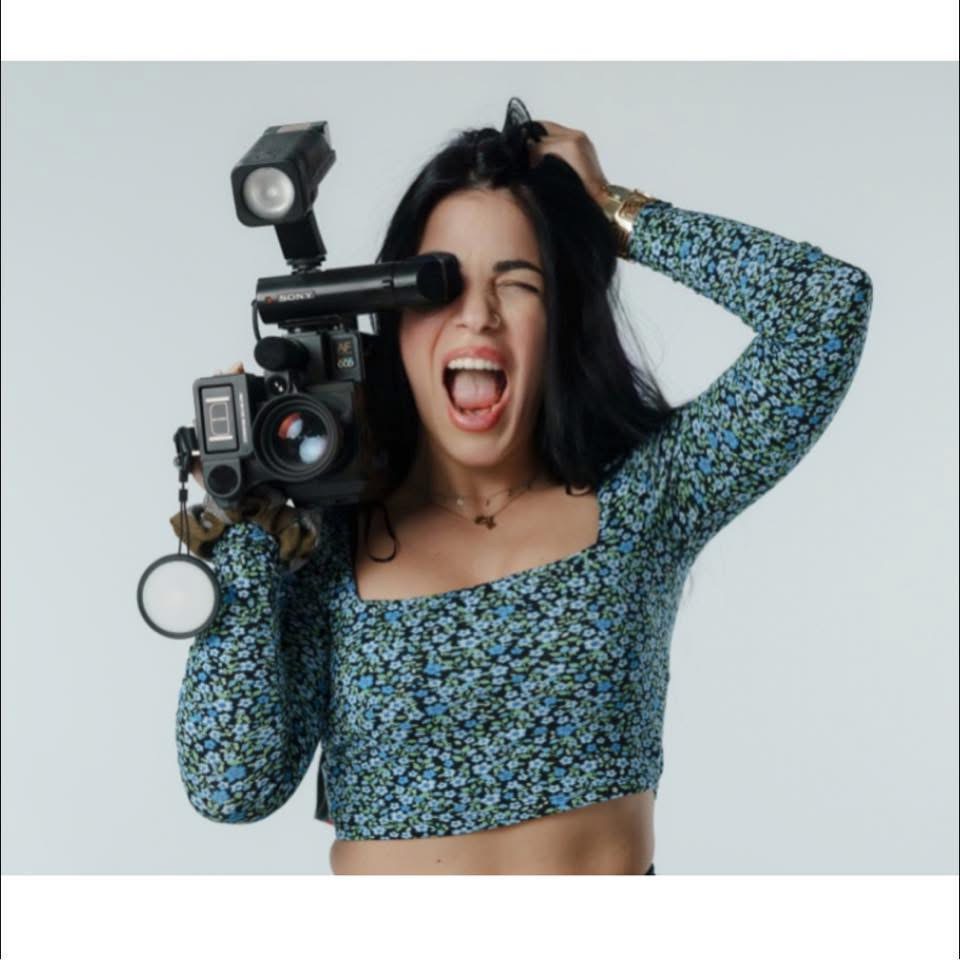
I wasn’t a typical child. Instead of ordinary toys, I asked for a typewriter or a camera. I would take my father’s camera and create stories through photographs—capturing everyday moments with friends, as well as scenes I observed in the street, long before this kind of storytelling became popular.
Because of this, I feel deeply connected to every aspect of creation: writing, acting, photography, video, and editing. In each of these, I give 100% of myself.
In Greece, I have collaborated on projects connected with platforms such as Netflix, Disney, and Hallmark Channel. My goal is to create films and theatrical works that address social issues—stories that raise awareness and inspire people, especially children, who are our future.
About a year and a half ago, I moved to the United States without knowing anyone and had to start from zero. It hasn’t been easy. I’m proud of myself for continuing, because being an immigrant comes with real challenges. During a period of depression—which I’m open about and still navigating—I created a comedic character called “Souvlaki Girl.” This character blends Greek and American culture and became a way for me to cope, to express myself, and ultimately to survive.
I’m proud of that. And I believe every artist should be proud simply for continuing. Art is not easy. Rejection is part of the journey, but it’s something we must learn to embrace—because it makes us stronger and pushes us to grow.
For you, what’s the most rewarding aspect of being a creative?
For me, the most rewarding aspect of being an artist is the ability to transform my emotions and experiences into something that can truly touch others. Art is not only a form of expression—it’s a way of survival. Through it, I can give a voice to feelings and stories that are often difficult to express.
What matters most to me is when I see that what I create affects even one person—when someone relates to it, feels moved, or feels less alone. That’s when I know art has a real purpose.
I vividly remember moments from my shows that I will never forget. Recently, during one of my performances with my comedic character “Souvlaki Girl,” a Latina woman who didn’t speak any Greek stood up at the end, hugged me, and started speaking to me in Spanish. I didn’t understand her words, but I understood exactly what she felt. Through expression, energy, and that natural expressiveness we Greeks have, we connected without language. That hug, right after my bow, was something truly unique.
Another time, a child came up to me, hugged me, and said that I took them out of their comfort zone and made them get up and dance. That hug felt like medicine to me. And there was also a young girl who was going through a difficult time—she had just gone through a breakup and was being bullied at school—and she told me that, for a while, she forgot all her problems.
These moments are the reason I love live performance so much. That’s why I prefer doing shows and connecting directly with people—talking, sharing energy—rather than just posting videos on social media.
In the end, the most beautiful part of being an artist is not only expressing myself, but also giving something meaningful to others—helping them feel better, even if just for a moment. And to me, that is the greatest gift an artist can have.
Can you tell us about a time you’ve had to pivot?
I have my own film production company in Greece, where I create both films and theatrical performances—something I’m now working toward bringing to the United States. Expanding my work internationally has always been part of my vision.
I always knew I wanted to leave Greece at some point to gain new experiences, which is why I’ve traveled to many places around the world. During that journey, I met my husband, who is American, and that’s what led me to move to the U.S.
As I mentioned before, it wasn’t easy. At first, it felt like a two- or three-month holiday over Christmas—but then reality hit, and I had to truly adapt. I didn’t know a single artist here, and my husband didn’t have connections in the industry either, so I had to start completely from zero.
I remember being at a Christmas parade and spotting a guy holding a camera. I turned to my husband and said, “Go talk to him—he has a camera, I need to start somewhere.” My husband was too shy, so I just went straight up to him myself, in the middle of everything, and asked for his business card. That moment changed everything. Today, that person is not only a close collaborator but also a very good friend—and even our koumbaros (best man).
I also remember my first audition in the U.S. In Greece, auditions are usually in front of three or four people. But here, I walked into a room with about 45 people. English is not my first language, and even though I had prepared and made it to the third round based on my self-tapes, I completely froze. I forgot everything. I didn’t perform—I probably gave less than 10% of what I’m capable of. They didn’t cast me and told me I had an accent.
Of course I didn’t get the role—I hadn’t shown who I really am. But what stayed with me was that comment about my accent. One of the casting directors later messaged me and said, “What happened? Your self-tape was amazing.” I told her honestly—I blanked.
That moment became a turning point. Instead of seeing my accent as a weakness, I chose to turn it into my strength—something unique, something that sets me apart. It might not fit every role, but it’s part of who I am.
Since then, everything has changed. I’ve been consistently booking roles, creating my own projects, and developing my comedic character “Souvlaki Girl.” Within just one year, I managed to perform in 12 live shows and take part in more than 30 commercials and film projects.
What this experience taught me is simple: never give up. If you have your health, you have everything. There are no excuses—only persistence, faith, and the willingness to keep going no matter what.
Contact Info:
- Instagram: @sigalakaterina
- Facebook: https://www.facebook.com/share/1B9uurdm3D/?mibextid=wwXIfr
- Linkedin: https://www.linkedin.com/in/katerina-sigala-6b5510118?utm_source=share_via&utm_content=profile&utm_medium=member_ios
- Youtube: https://youtu.be/1H1mK7gOGCI
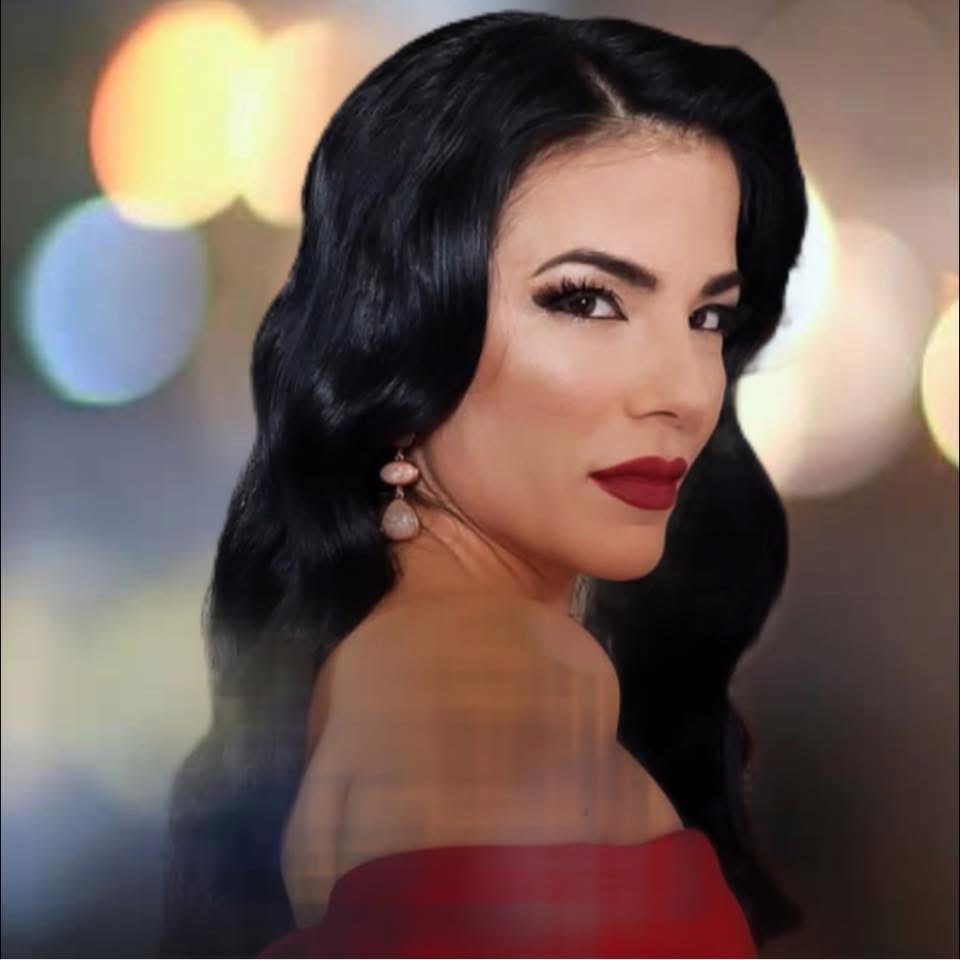

Image Credits
Nikos Artopoios , Markellos Plakitsis ,