
Alright – so today we’ve got the honor of introducing you to Karyl Sands. We think you’ll enjoy our conversation, we’ve shared it below.
Karyl, thanks for taking the time to share your stories with us today We’d love to have you retell us the story behind how you came up with the idea for your business, I think our audience would really enjoy hearing the backstory.
My business was born from a pattern I kept seeing: people committed to their health—stretching regularly, staying active, following expert advice—yet still trapped in chronic pain. The problem wasn’t their effort or dedication. It was that everyone was missing the same critical piece: the conversation happening between their brain and body. I realized that sustainable relief doesn’t come from doing more of the same movements, but from rewiring how the nervous system communicates with muscles during movement and recovery. That’s why I developed an approach that targets the root cause rather than just chasing symptoms.
Karyl, love having you share your insights with us. Before we ask you more questions, maybe you can take a moment to introduce yourself to our readers who might have missed our earlier conversations?
I work in neuromuscular recovery and performance, focusing on how the nervous system drives pain, movement, and lasting results. I started this business after seeing countless people doing everything “right” — stretching, working out, going to rehab — yet still stuck in pain. The issue wasn’t effort; it was that most approaches treat symptoms rather than the underlying brain-body communication.
My work centers on neuromuscular therapy, movement assessment, and nervous-system-based recovery. Instead of quick fixes, I identify why the body compensates and help clients retrain movement patterns for results that last. I work with people dealing with chronic pain, mobility restrictions, and past injuries, as well as those wanting to move and perform better.
What sets my approach apart is the focus on neurological connection. Every session is individualized, combining hands-on work, corrective movement, and education. I also offer digital tools and app-based support so clients can stay consistent between sessions.
The most rewarding part is helping people reconnect with their bodies. Many clients arrive frustrated, and watching them regain trust in their movement — often returning to activities they thought they’d lost — is what drives me.
My brand is built on longevity, not quick wins. It’s about sustainable change, client education, and helping people move through life with less pain, more confidence, and better body awareness.
How about pivoting – can you share the story of a time you’ve had to pivot?
I started in personal training and athletic training, helping people build strength and move better. While I developed a strong foundation in biomechanics, I kept seeing the same issue: clients doing everything right but still stuck with pain and recurring injuries.
I expanded into stretching and bodywork, which helped short-term, but results rarely lasted. Even after traditional PT, clients would plateau. I realized the problem wasn’t effort—something was missing.
That drove me to study neurological dysfunction and how the nervous system controls movement, stability, and pain. I learned that while traditional PT is valuable for tissue healing, it doesn’t always address how the brain and body communicate during real-world movement.
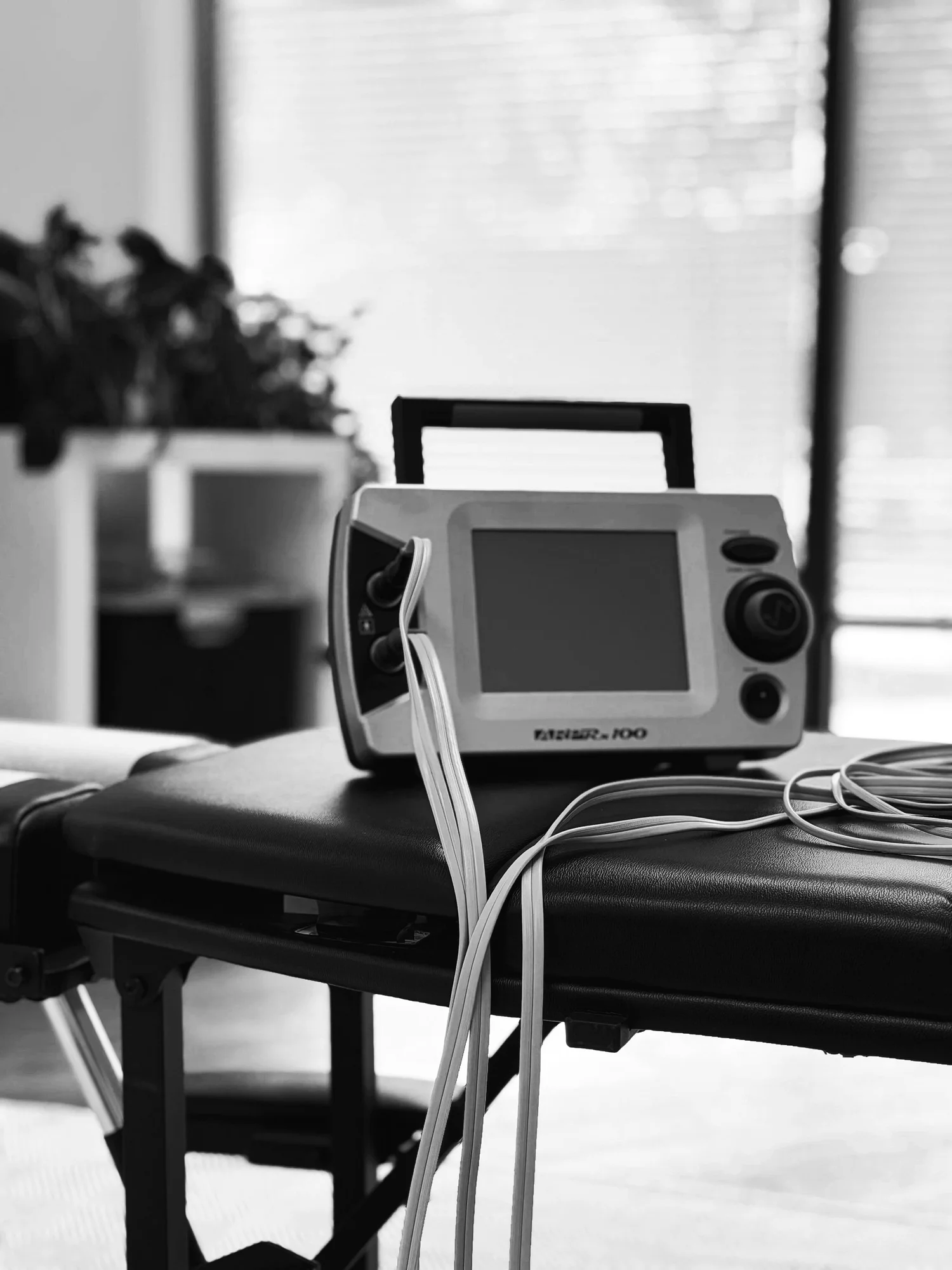
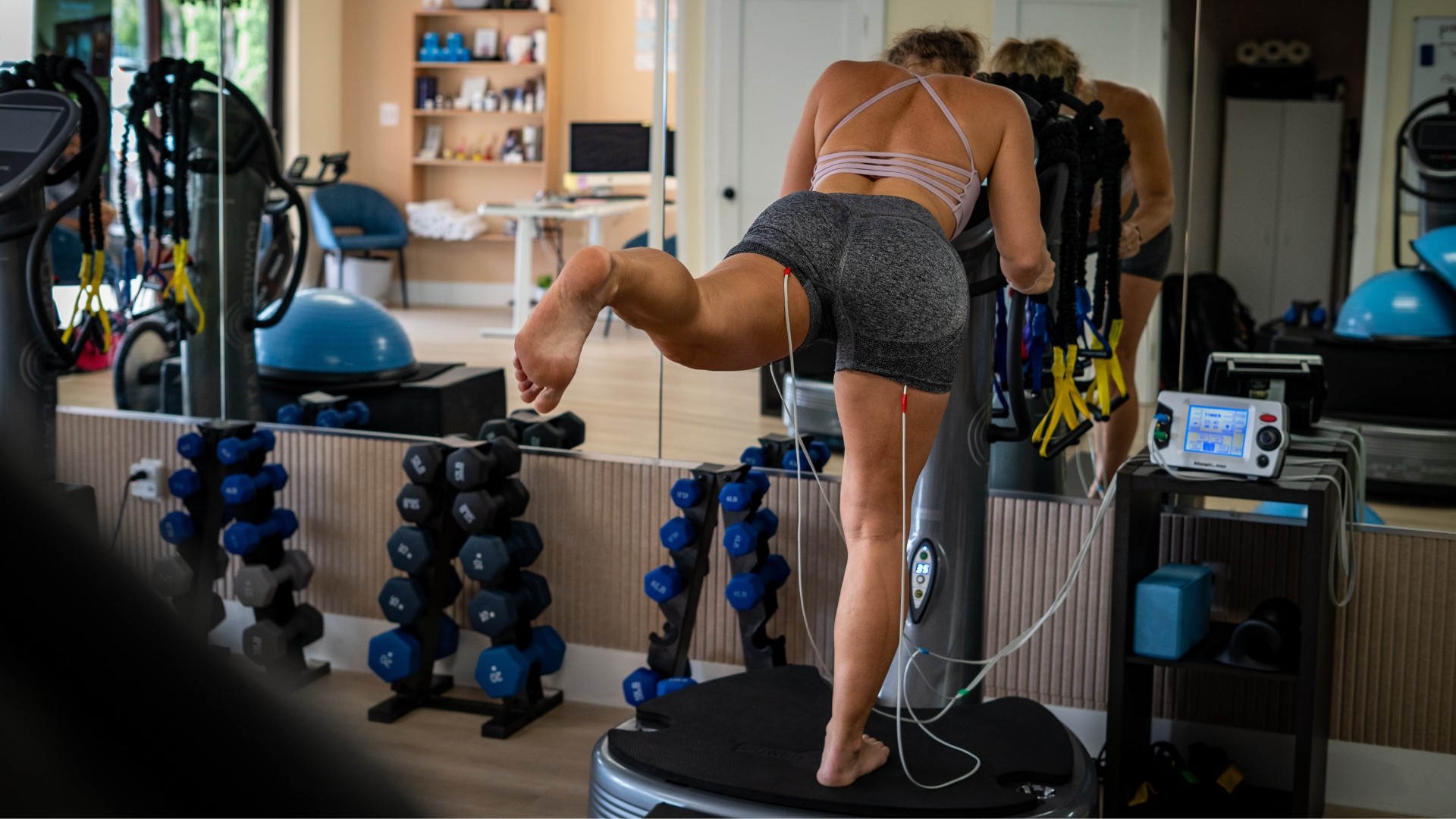
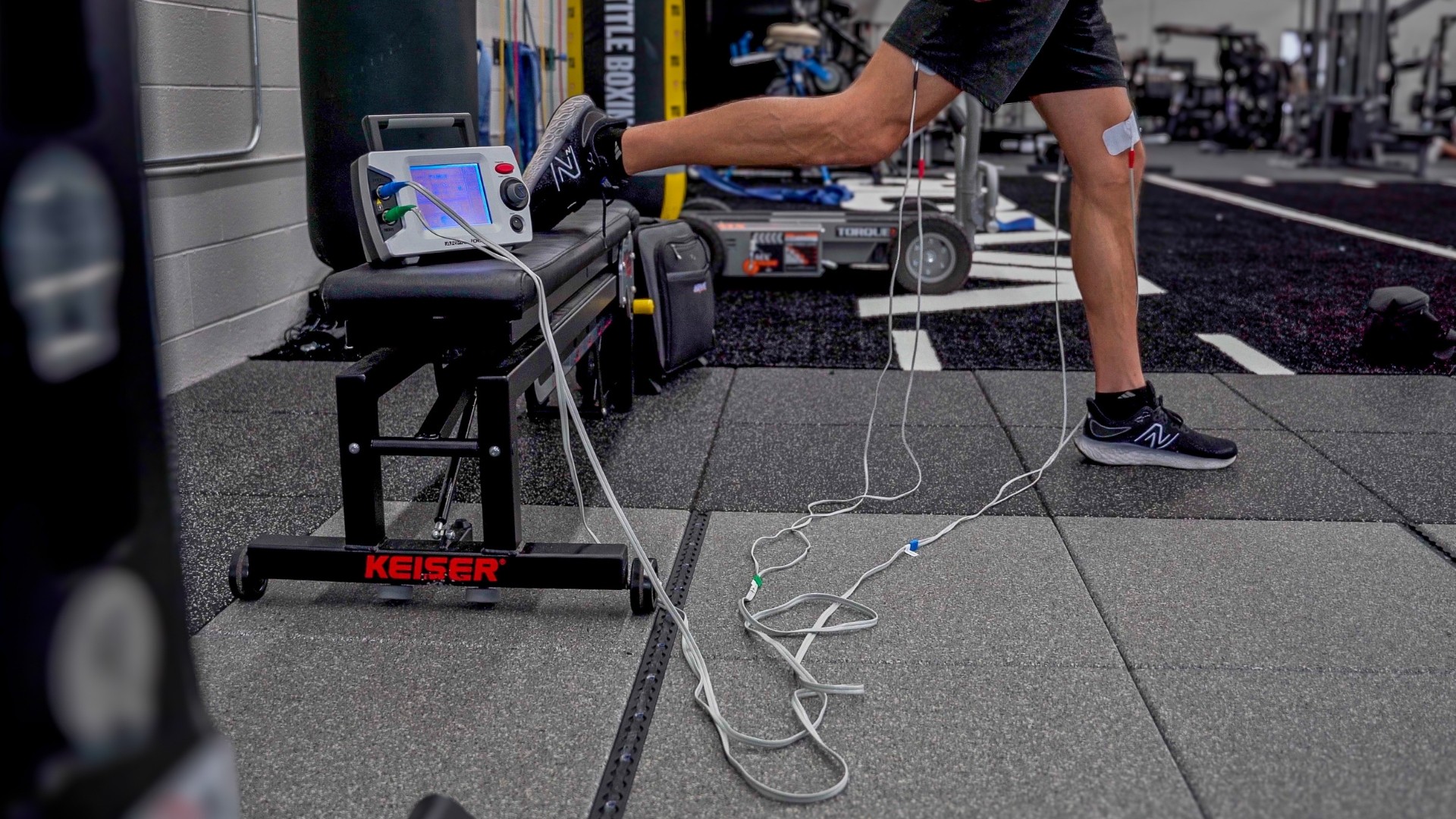
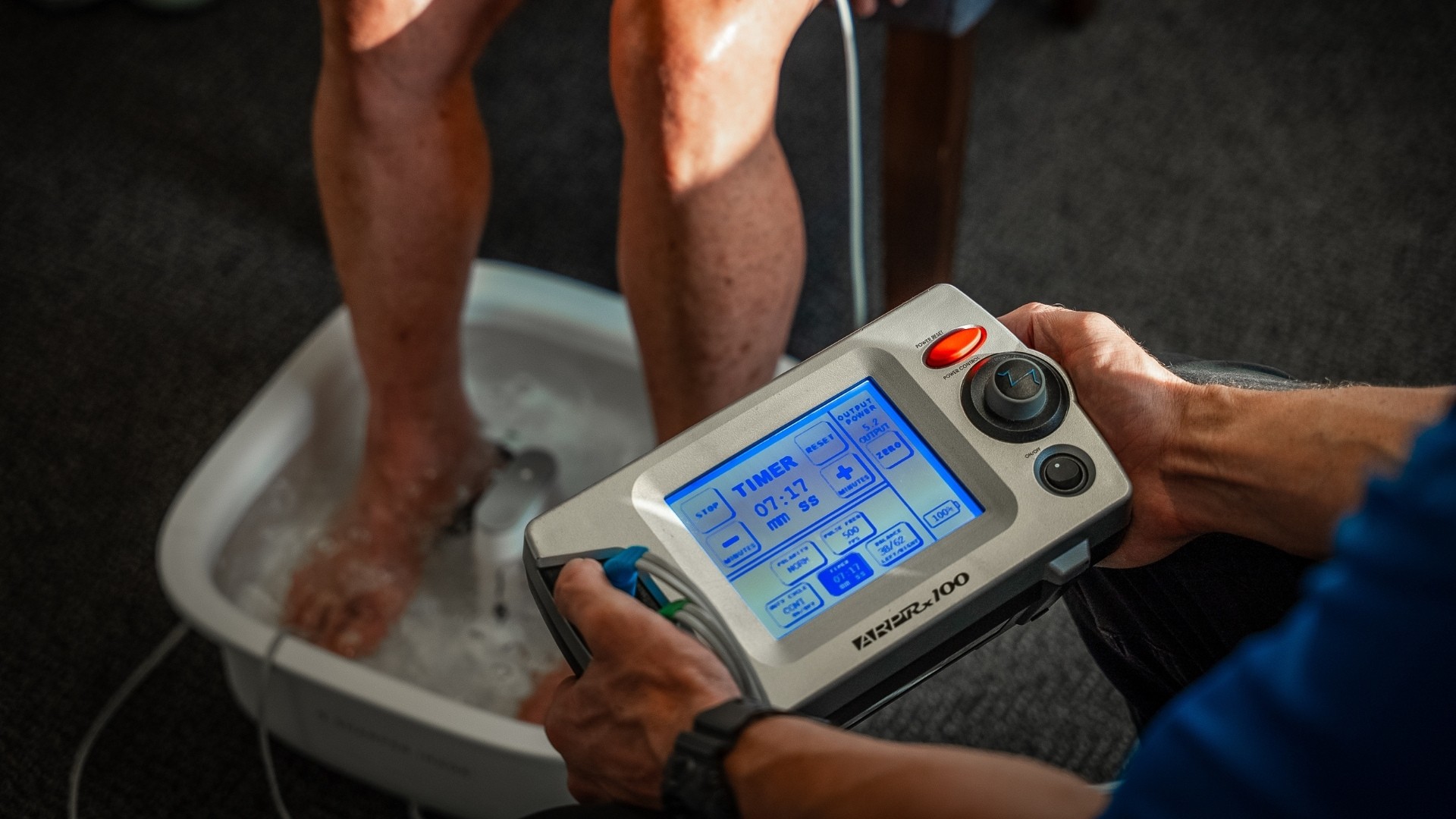
This led me to neuromuscular therapy and tools like NerveOTX, which restore proper neural signaling rather than just treating symptoms. Once I integrated this nervous-system-first approach, client outcomes transformed—faster improvements, better carryover, and results that held.
Now my work blends personal training, athletic training, and neuromuscular therapy to bridge the gap between “better” and fully restored. I help clients move from stuck to confident and resilient.
What sets my work apart is refusing to settle for temporary fixes. I’m most proud of helping people finally experience lasting change and truly understand their bodies.
What’s been the most effective strategy for growing your clientele?
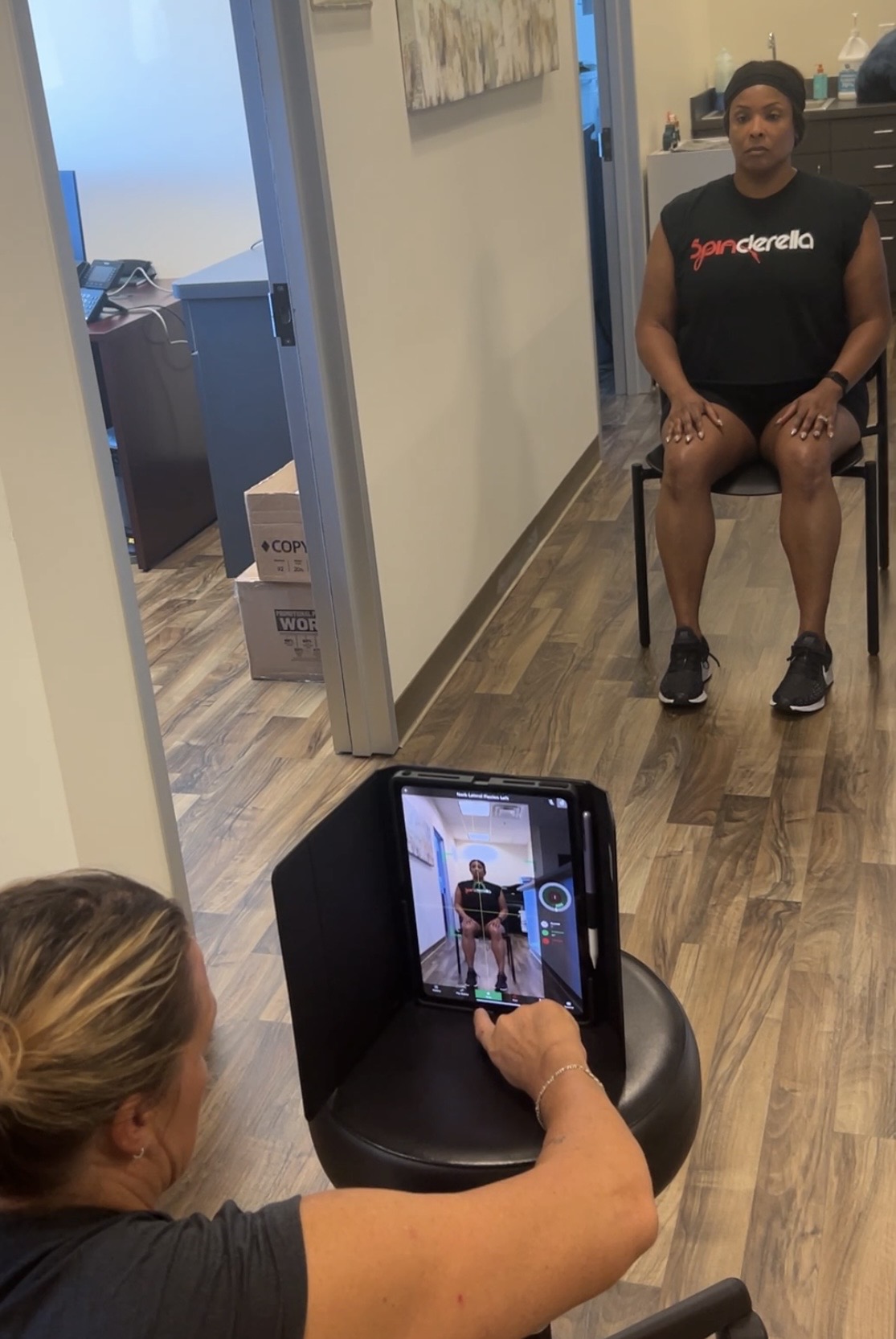
A major part of growing my business has come from live events, in-person demos, and referrals. I believe neuromuscular therapy is something people need to experience to understand. At events, I give short demos that often create immediate changes in movement, range of motion, or pain—sometimes within minutes. Those moments are powerful because people feel the difference, not just hear about it.
Live demos also let me educate in real time. I explain what’s happening neurologically, why the body compensates, and how restoring nerve signaling unlocks better movement. That education is just as important as the hands-on work because it connects symptoms to their underlying cause.
Referrals have grown naturally from these experiences. When people feel real change—especially unexpectedly—they talk about it. Many clients come through word-of-mouth from friends, family, coaches, and practitioners who’ve seen results firsthand. That organic growth is meaningful because it’s built on trust and outcomes, not aggressive marketing.
What I value most is that this approach keeps the business grounded in results and community. Events aren’t just about exposure—they’re about creating understanding and showing people a more effective path to recovery when you address the nervous system.
Contact Info:
- Website: https://Precisionneurotherahy.com
- Instagram: Precisionneurotherapy
- Other: https://Precisionneurotherapy.RepeatMD.com