

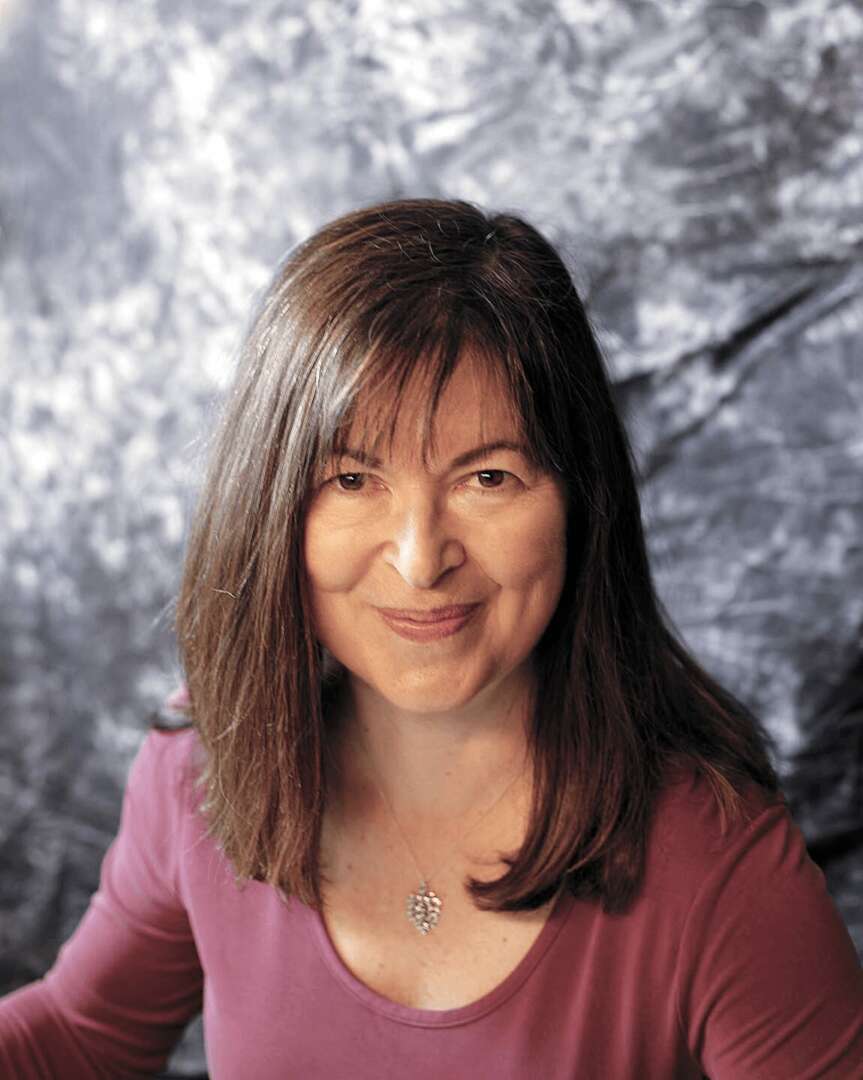

Alright – so today we’ve got the honor of introducing you to Karen Spafford-Fitz. We think you’ll enjoy our conversation, we’ve shared it below.
Karen, thanks for taking the time to share your stories with us today Do you think your parents have had a meaningful impact on you and your journey?
My parents excelled at DIY (“do it yourself”) long before that expression was commonplace, and long before YouTube videos were available for guidance. On my childhood farm in eastern Canada, it was simply a way of life and there were few things my parents couldn’t grow (corn, potatoes, alfalfa), few things they couldn’t make (clothing, metalwork, canned goods), and few things they couldn’t fix (rail fences, tractors, plumbing). They seldom shopped or hired tradespeople and instead relied on hard work, determination, and creative problem-solving skills.
As for my siblings and me, we lived at a distance from our friends and classmates and with just three staticky TV stations to choose from, we similarly had to rely on creativity when it came to entertaining ourselves. As a result, we spent hours building “forts” in the woods and barn, and inventing games using materials found on the property. Tools from the blacksmith shop, for example, became pirate treasures. My family also enjoyed music and after I learned some basic ukulele chords in sixth grade, my dad helped me retune an old guitar so I could practice playing my makeshift “uke” at home. (I just ignored the two extra guitar strings.) Reading was also encouraged and those farmyard forts we built were ideal spots for savoring a fresh haul of library books!
In this environment, imagination and creative thinking were central to our daily lives, as was the work ethic that farm life demanded. My parents modelled these skills and mindsets well. And while this might not have been their intention when they opted to raise us on a farm, I believe this environment helped nurture the creativity and the work ethic that helped shape my writing career.
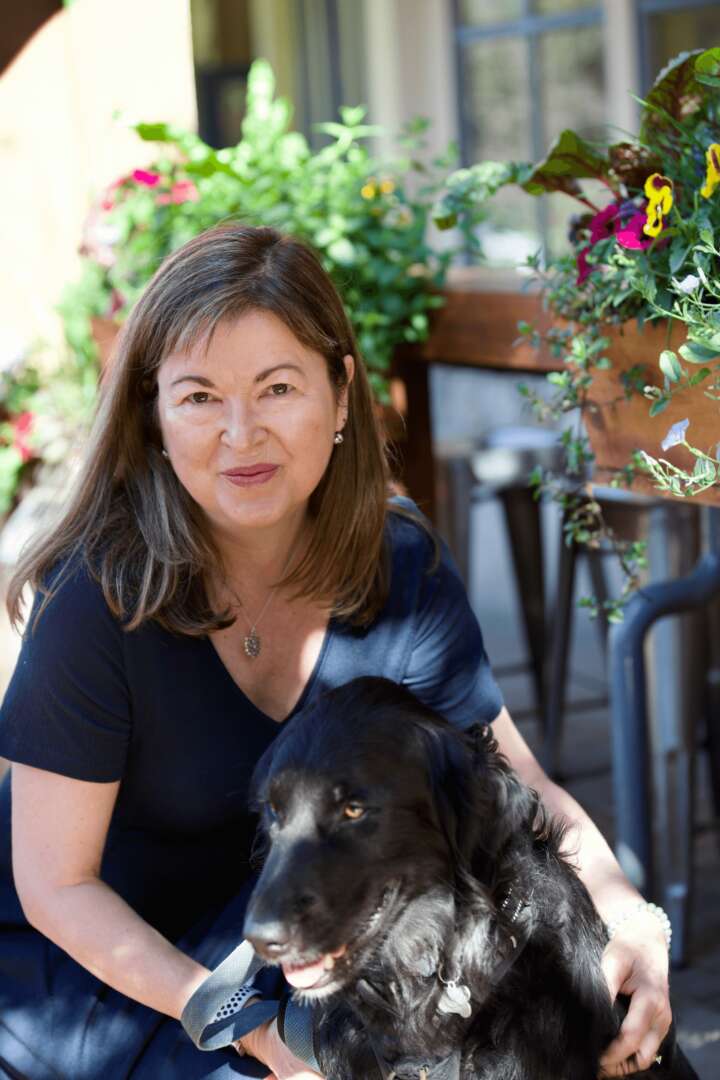
Karen, before we move on to more of these sorts of questions, can you take some time to bring our readers up to speed on you and what you do?
I was born in Kingston, Ontario and for many years now, I have lived across the country in western Canada. I’ve always been a voracious reader and in my earlier career as an elementary and junior-high teacher, I saw firsthand the profound impact books have on young people. It didn’t occur to me, though, to begin writing professionally until after my children were born, when I left teaching and launched a home-based business as a freelance writer-editor. In the early stages, I mostly wrote ad copy for small businesses, although I was soon contracted to write educational material for an online publishing house. I loved that project and when it ended a few years later, I missed writing stories for young people. A “lightbulb moment” followed and I realized then writing books for kids and teens was my dream career.
I began writing my first novel, which featured a teenager who discovered that when you walk dogs, girls sometimes stop you to ask about the dog and to maybe chat a bit further. This gave my protagonist the idea to start a dog-walking business to hopefully meet some girls and maybe even find a girlfriend. (He also finds greater maturity along the way!) Although DOG WALKER is a humorous book, it contains some serious, heartfelt moments. Kids, teens, and reviewers were enthusiastic about it, and I immediately began working on my next book.
My seven novels that followed DOG WALKER were more serious, and they addressed issues such as parental abduction, domestic violence, teen exploitation, and youths in the criminal justice system. Regardless of the story, however, my goal has remained the same: to write compelling stories which spark young people’s interest in reading yet more books… books that will foster hope, empathy, and positive connections with others. Although I haven’t worked as a full-time teacher for many years now, I still write with the heart of an educator and have a particular soft spot for students who don’t naturally gravitate toward reading.
Especially when it comes to reluctant and striving readers, I believe there is a pivotal book that will make all the difference to them… a book they haven’t yet discovered or which hasn’t yet been written. A book which will transform their relationship with literacy and help them enjoy the many advantages inherent to being an avid reader. If possible, I would love to write that book.
Looking back, are there any resources you wish you knew about earlier in your creative journey?
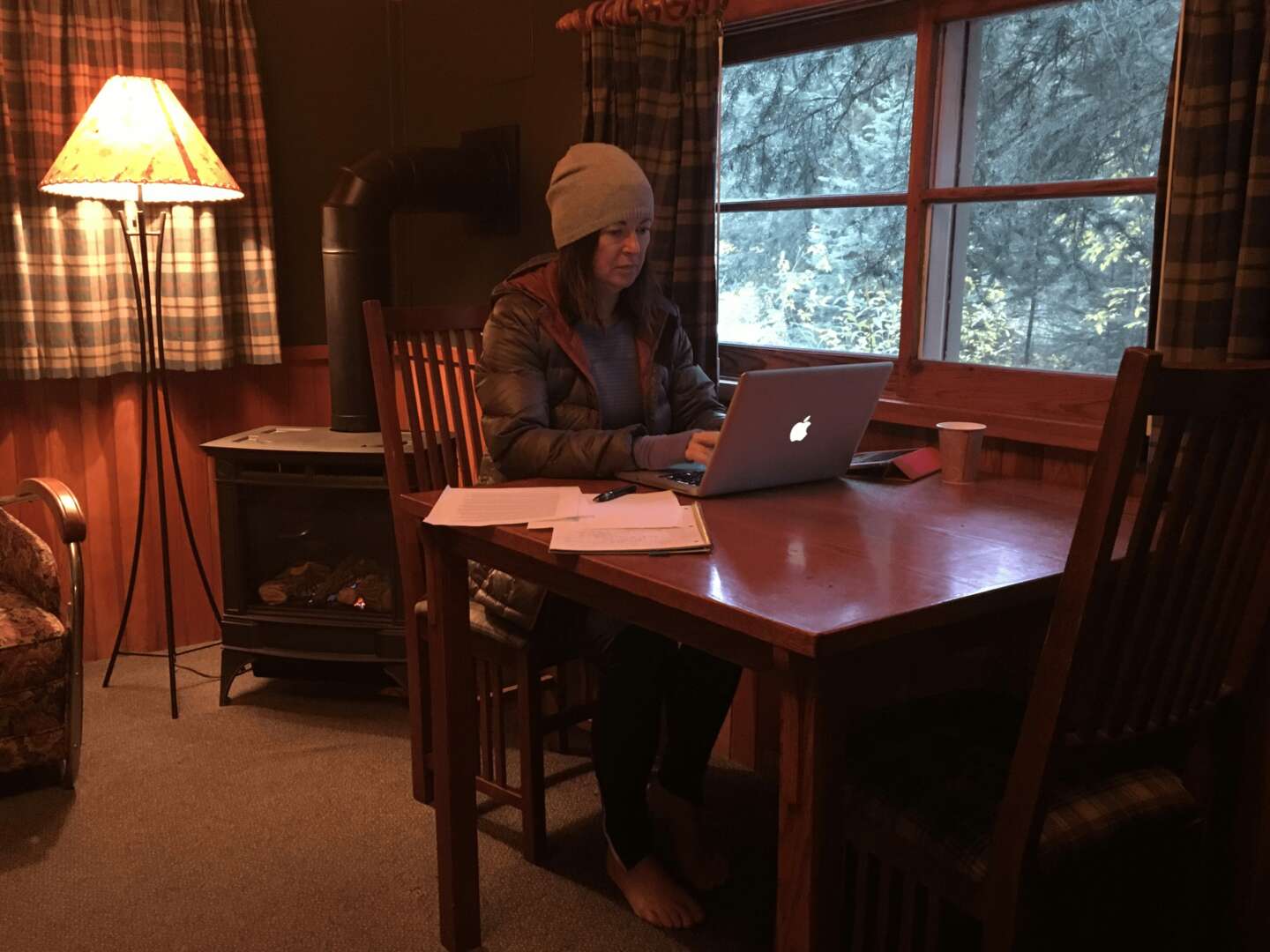
Although aspiring and experienced writers alike can learn a great deal from instructional books and from online information, the best resources are often humans. This extends to the individuals who work as Writers in Residence at public libraries. Let me explain…
Many larger public library systems hire a Writer in Residence (WIR), who is an experienced and often award-winning author whose role is to promote the local arts scene and to support area writers. Especially at early career stages, writers might not know where to access industry-related information or how to seek feedback on their writing. This is where the library’s WIR can prove invaluable—and at no cost to individual artists. While Writers in Residence generally can’t critique full manuscripts for the public, they often provide online or in-person feedback on an excerpt, and they can answer specific questions.
I didn’t know about Writers in Residence when I first began to write but whenever I’m teaching children’s writing courses, I share this information. Many participants have later told me that the one-on-one mentoring they received from a Writer in Residence had a great impact on their careers—citing greater confidence, and a better understanding of the publishing industry and the craft of writing .
Is there something you think non-creatives will struggle to understand about your journey as a creative? Maybe you can provide some insight – you never know who might benefit from the enlightenment.
Throughout my creative journey, I’ve learned that many book decisions which I previously thought were made by authors are actually determined within the publishing house… by the publisher themselves, the marketing team, or the editorial staff. Non-creatives might also be surprised to learn that:
• The publisher generally has the final say on the book title. For example, I originally called my second book TAKEN, which was later changed to VANISH. Before signing off on a subsequent book, I was struggling to find a title for it when my editor and publisher came up with PUSH BACK, which is perfect for the story… and which I would never have hit upon myself!
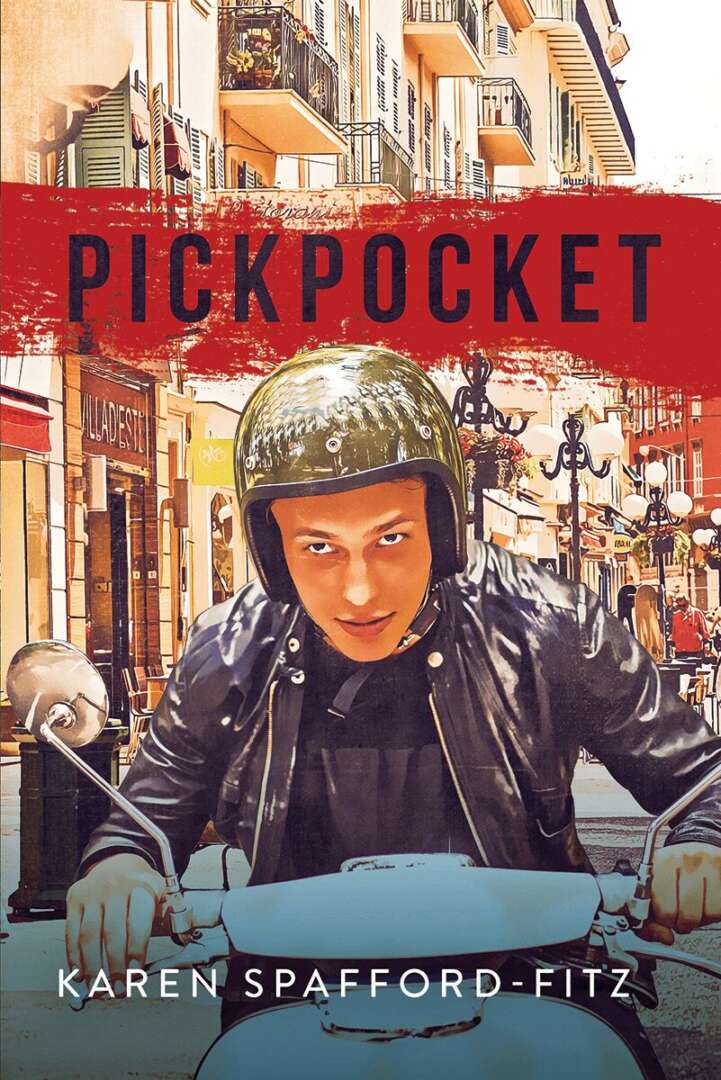
• The marketing team at a publishing house often determines the book cover. So far, my publishers and the marketing team have created the illustrations and cover designs without my input. My publishers have, however, given me the opportunity to revise the back-jacket blurb.
• If publishers and editors like the writing and the general story concept an author submits to them, they sometimes ask the author to rewrite the story in fairly significant ways. For example, after I submitted my first manuscript to a teen editor, the middle-grade editor at the same publishing house contacted me to say that the entire editorial team liked the story, but they thought it would better appeal to a younger readership. The editor asked me if I would be willing to rewrite the story to remove the sexual references and to dial down some of the content to render it middle-grade-appropriate. I agreed to rewrite it and where one of the scenes in the first version involved a wild teenage party, I turned it into a birthday celebration with some awkward dancing and minor food fighting. Further rewriting followed and upon completion, I realized the editorial team was right—that DOG WALKER indeed worked better as a middle-grade title.
Throughout my writing journey, I’ve remained grateful for the insights so many industry experts have offered me—complete with whatever surprises unfolded along the way.
Contact Info:
- Website: https://www.karenspafford-fitz.com
- Instagram: karenspfitz
- Facebook: Karen Spafford-Fitz
- Twitter: @karen_sp_fitz
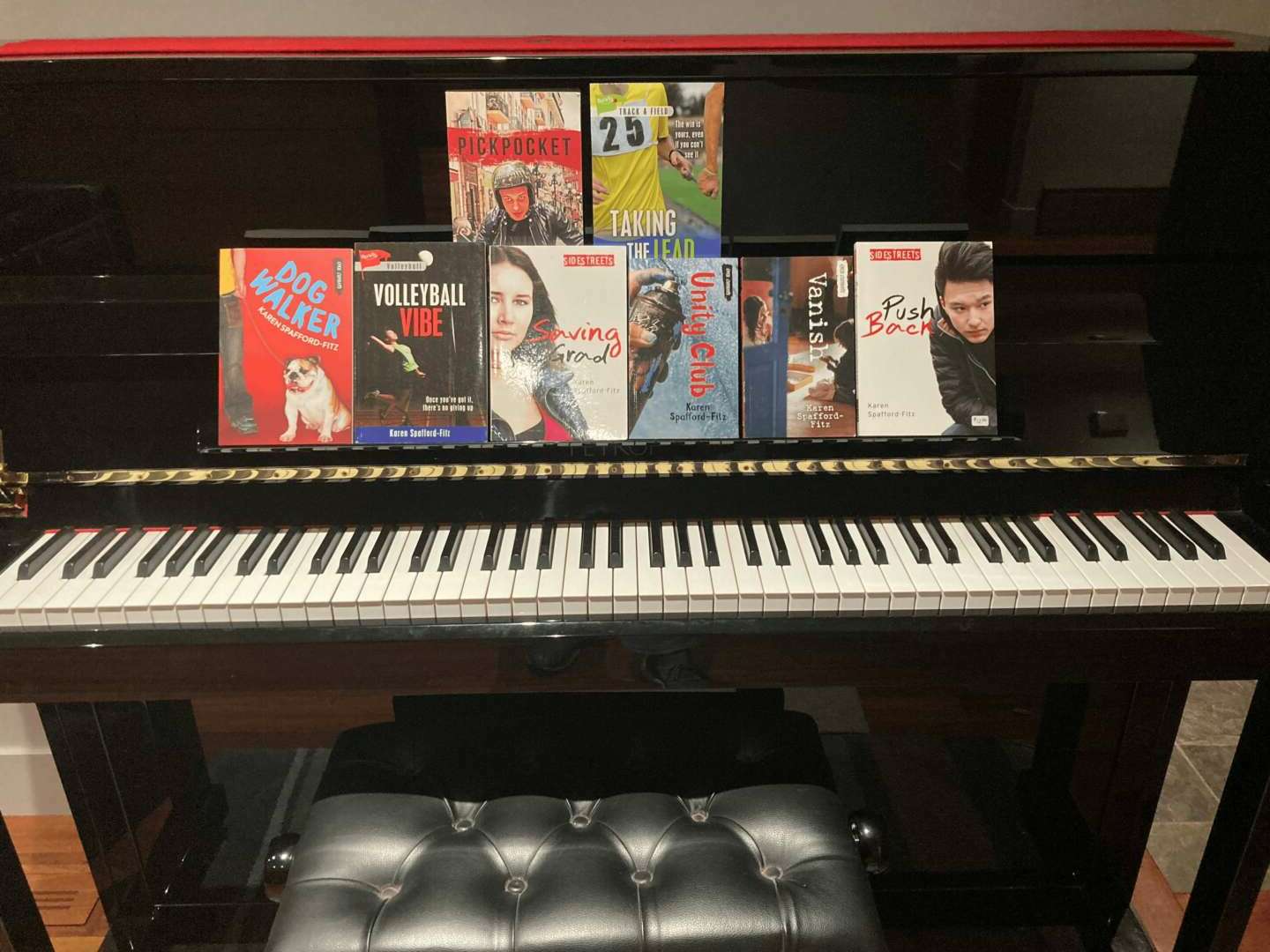
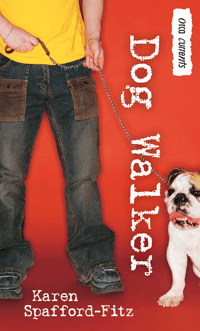

Image Credits
Photosmith Design