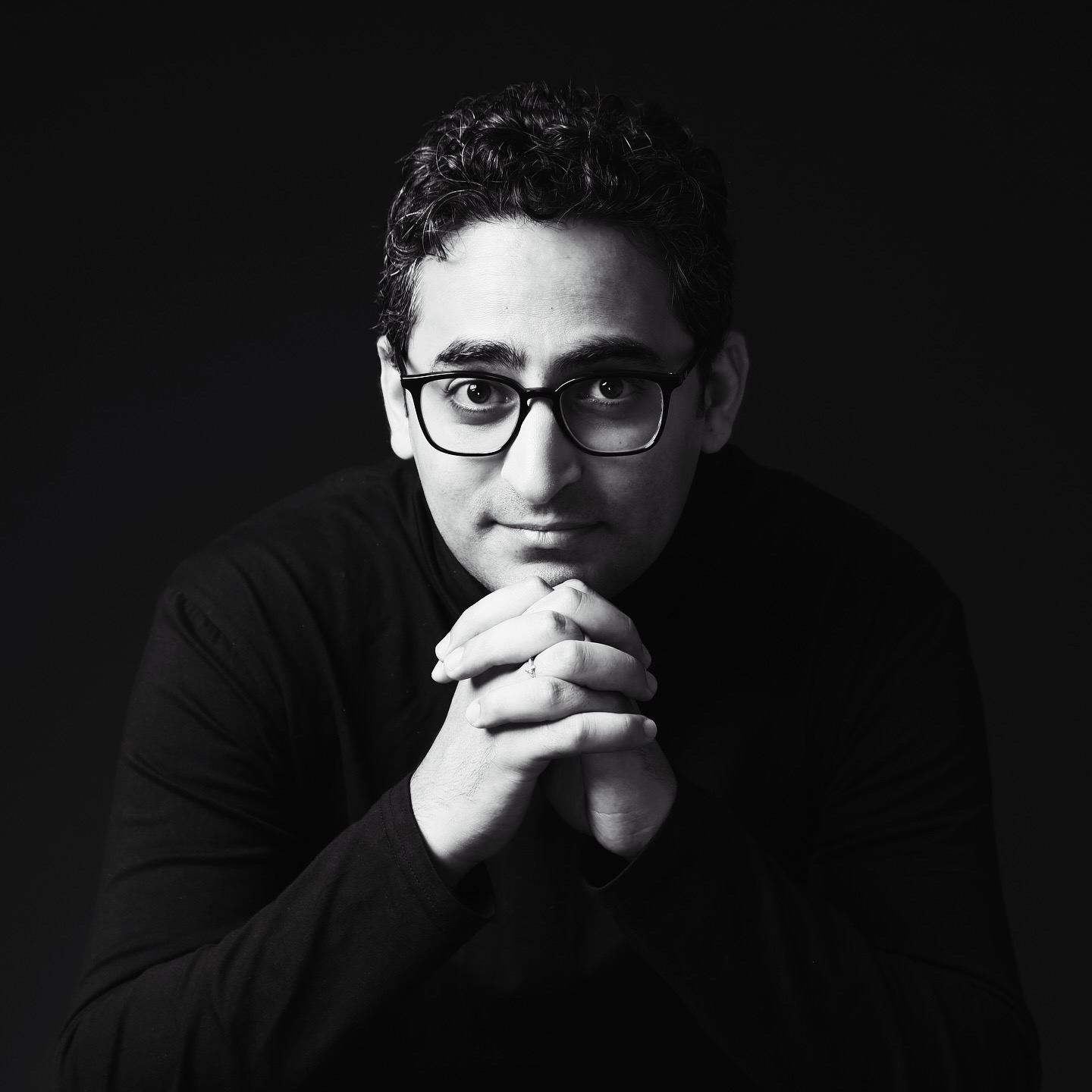

We’re excited to introduce you to the always interesting and insightful Karam Salem. We hope you’ll enjoy our conversation with Karam below.
Hi Karam, thanks for joining us today. When did you first know you wanted to pursue a creative/artistic path professionally?
I don’t think there was a single “lightbulb” moment—it revealed itself gradually, through experience rather than decision. Music entered my life very early, first as a pianist, and even then it felt less like a hobby and more like a language. I was drawn to it instinctively, as a way to process emotion, atmosphere, and stories around me.
That feeling became clearer when I began performing at a young age on historic stages across the Middle East, including Babylon. Standing in those spaces, I became aware of how sound could carry memory, identity, and emotion far beyond the notes themselves. At 16, when I was invited to represent Iraq as a pianist and perform in front of the First Lady of Jordan, something shifted. I realized that music wasn’t just something I loved—it was a way to speak when words weren’t enough.
Later, life reshaped that calling in a deeper way. Leaving Iraq in 2006 and relocating to Syria as a refugee forced me to redefine stability, home, and expression. During that period of displacement, music became an anchor. It was no longer about performance—it was about survival, storytelling, and preserving a sense of self. That’s when I understood that creativity wasn’t optional for me; it was essential.
Through the Iraqi Student Project, I eventually received a full scholarship to Holy Cross College—an opportunity that enabled me to continue my education and begin a new chapter in the United States while shaping my creative path in music and storytelling. The Iraqi Student Project is a U.S.-based nonprofit organization that supports Iraqi students whose education was disrupted by war, helping them continue their studies and pursue their passions. I later studied film scoring at UCLA, where the path finally aligned. Film and television scoring gave shape to everything I had felt instinctively from the beginning: music as narrative, emotion, and world-building. Looking back, the decision wasn’t made in a single moment—it was confirmed again and again, every time music helped me make sense of where I’d been and where I was going.
Awesome – so before we get into the rest of our questions, can you briefly introduce yourself to our readers.
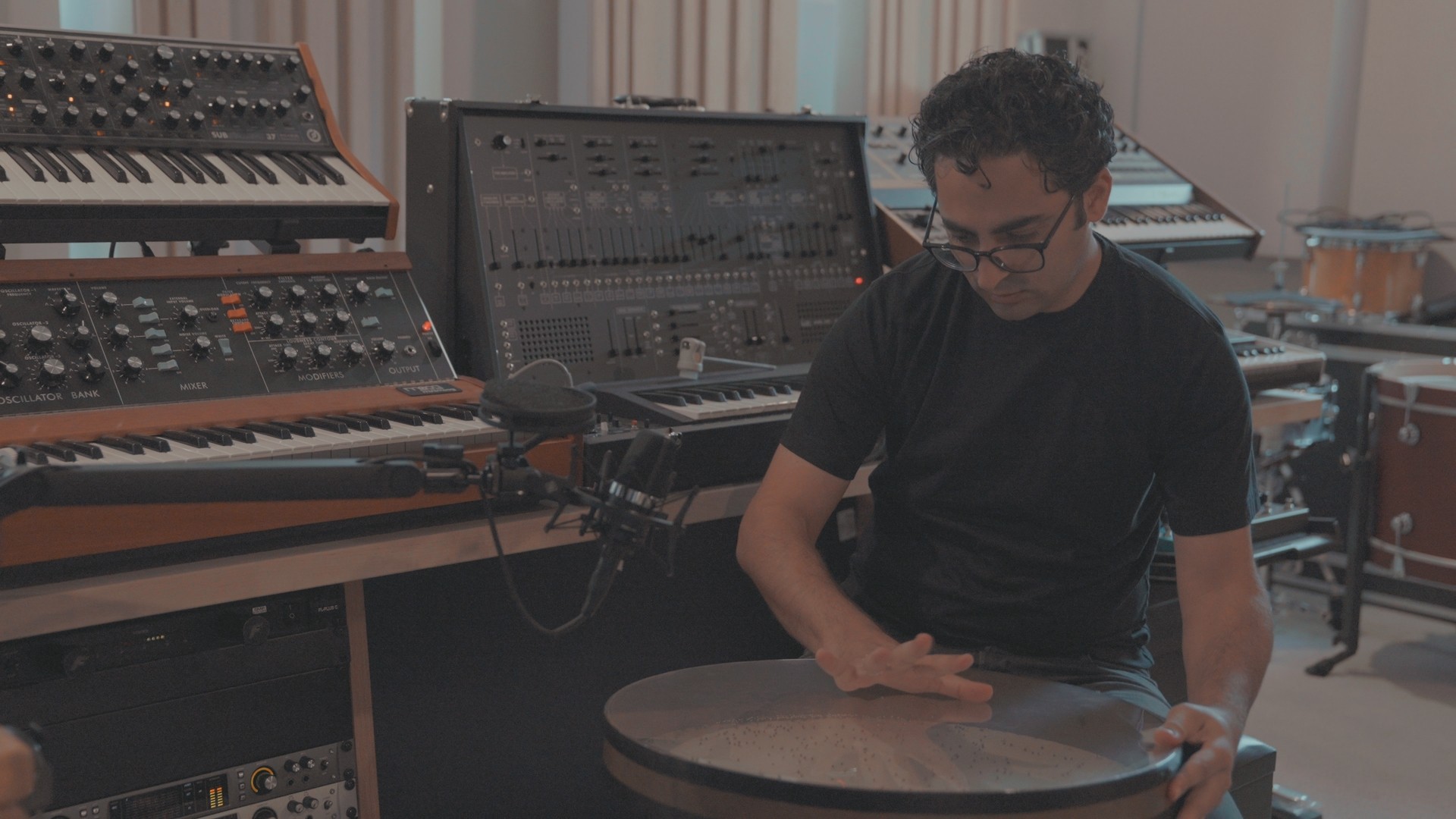
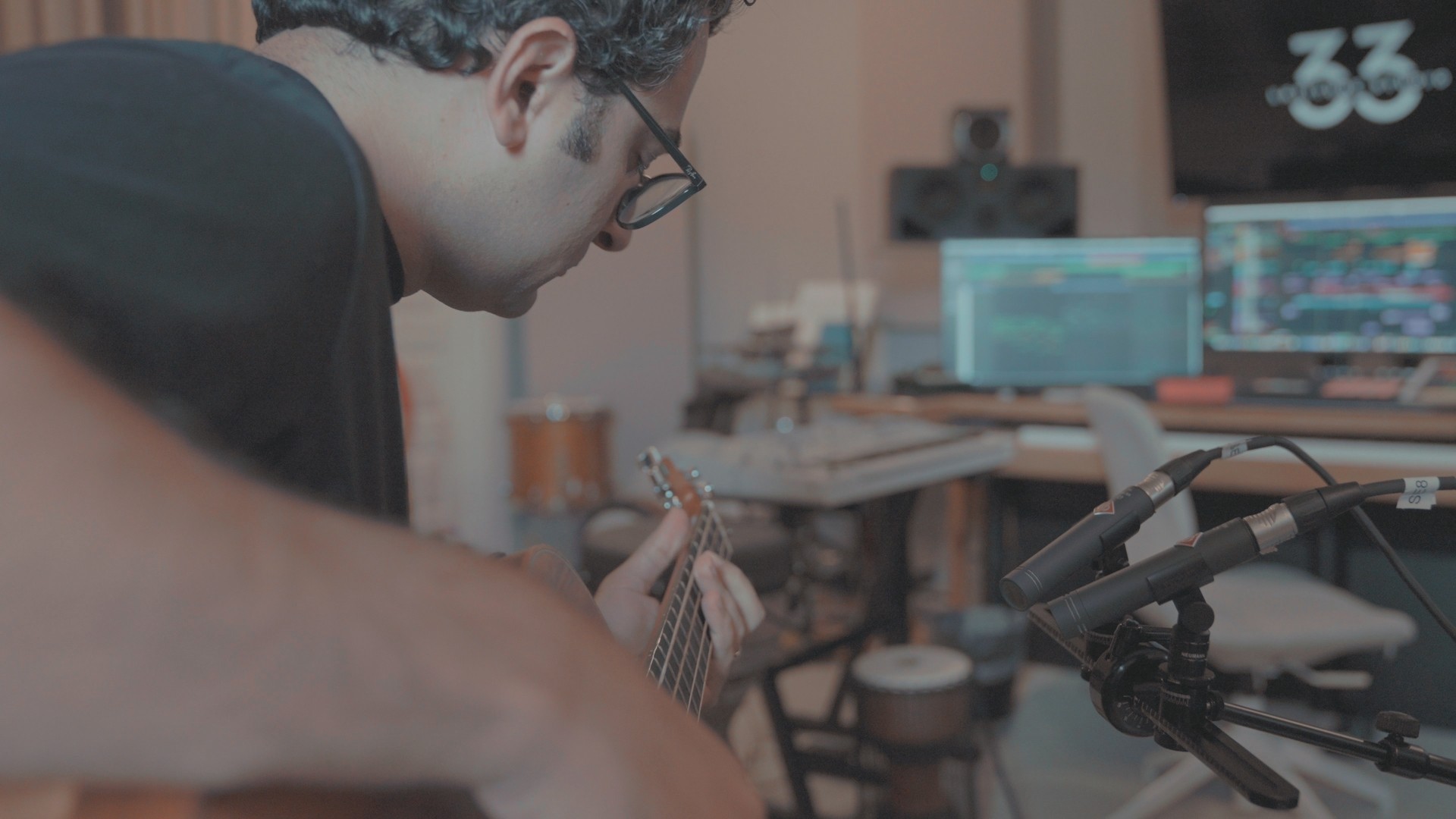
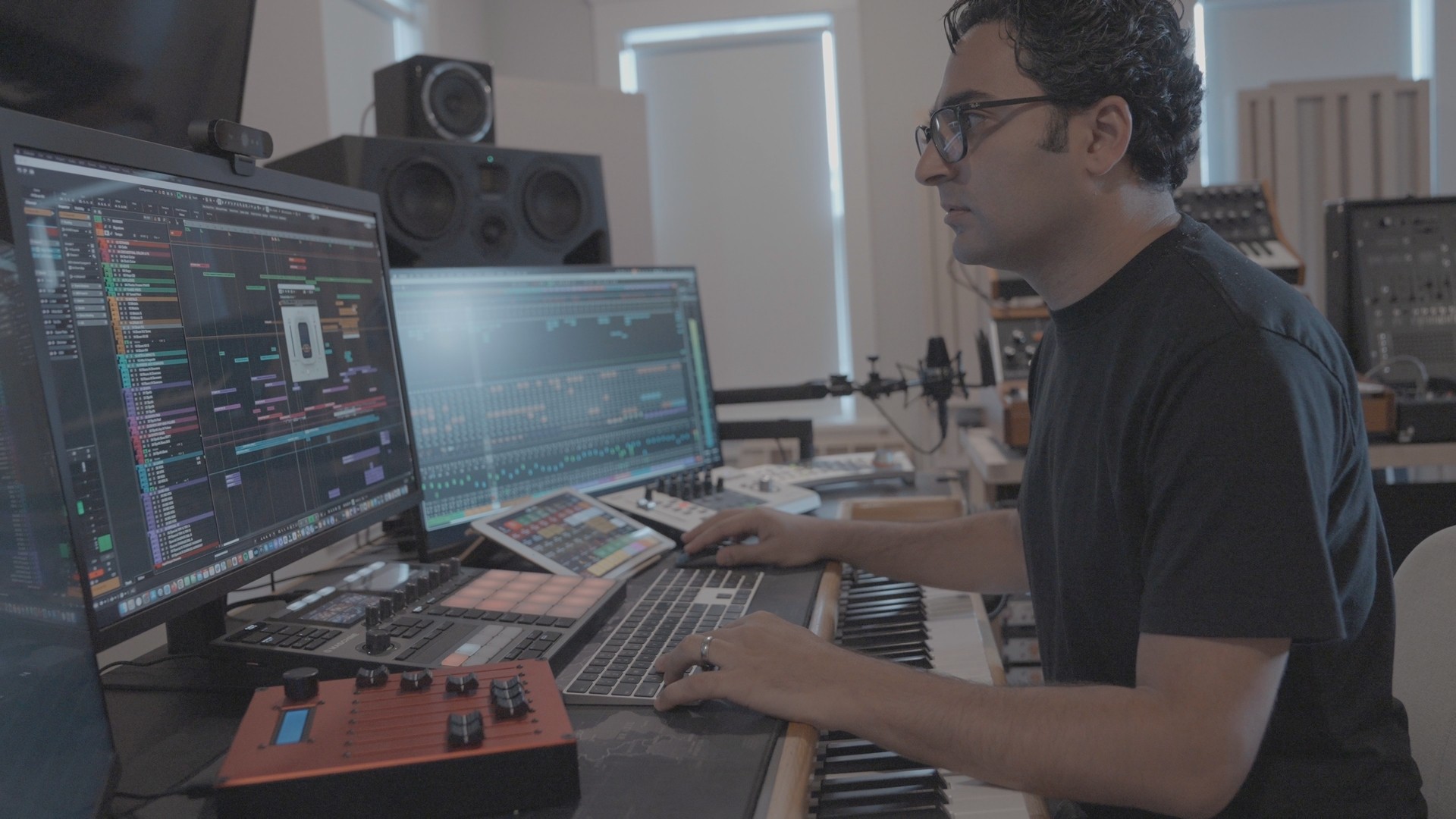
I’m a film and television composer and multi-instrumentalist, originally from Baghdad, Iraq, now based in the United States. My work lives at the intersection of story, emotion, and texture—where music doesn’t just support an image, but deepens its meaning. I came into this industry through a lifelong relationship with music that began as a pianist and eventually evolved into scoring for visual storytelling.
After relocating to the U.S., I studied music and later completed the Film Scoring Program at UCLA, where I immersed myself in the language of narrative composition—learning how music functions psychologically and emotionally within film and television. Since then, my career has spanned feature films, documentaries, and television series across a wide range of platforms and studios, including Netflix, Hulu, Disney Jr., DreamWorks, Universal, PBS, and major cable networks. My recent work includes the thriller feature film Stone Creek Killer, Young King, and the Emmy Award–winning documentary L.A. Rebellion: A Cinematic Movement, which earned me an Emmy nomination.
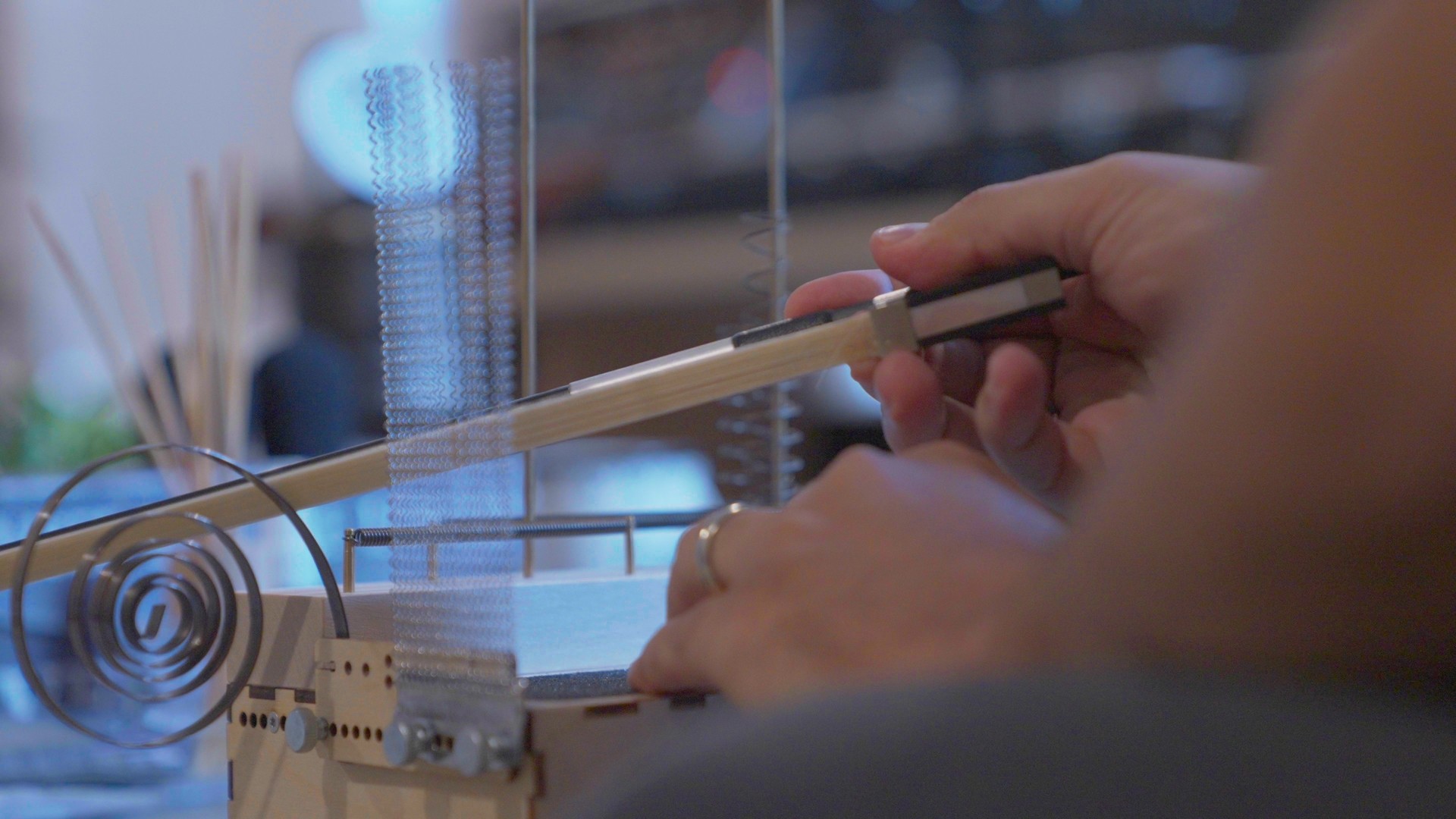
At its core, what I provide is storytelling through sound. I create original scores that help filmmakers articulate what can’t be said aloud—whether that’s tension, intimacy, cultural identity, or emotional subtext. I often work with directors and producers who are looking for music that feels intentional and emotionally grounded, rather than generic or purely functional. Many of my projects call for blending orchestral writing with organic, electronic, or global textures, and that’s where my background becomes an asset.
What sets me apart is my lived experience and the way it informs my musical voice. Having grown up in the Middle East, performed across different cultures, and navigated displacement and reinvention, I bring a global sensibility to my work. I’m deeply attuned to nuance—how small harmonic shifts, subtle rhythms, or imperfect textures can make a story feel human and specific. I don’t approach scoring as filling space; I approach it as building an emotional architecture around a story.
I’m most proud of the trust I’ve built with collaborators over time—directors who come back project after project because they know I care deeply about their vision. I’m also proud of contributing to projects that carry cultural, social, or emotional weight, especially when music can help elevate underrepresented voices or narratives.
For potential collaborators, followers, and listeners, I want them to know that my work is driven by intention and empathy. I’m not interested in trends for their own sake—I’m interested in music that serves story, respects silence, and leaves a lasting emotional imprint. Whether it’s a feature film, a television series, or a documentary, my goal is always the same: to create music that feels inseparable from the world on screen.
Is there mission driving your creative journey?
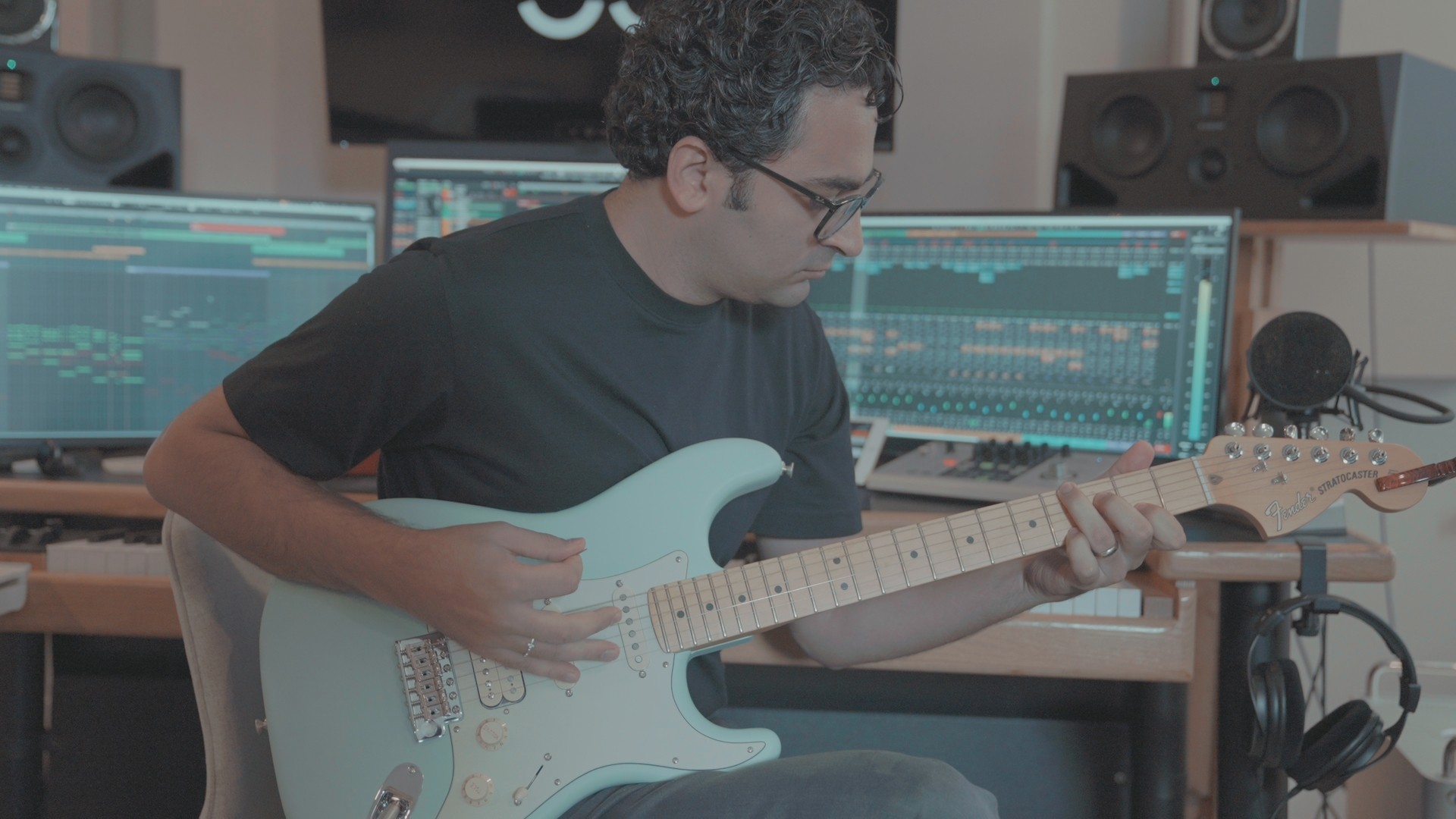
Yes—at the heart of my creative journey is a desire to tell human stories with honesty and emotional depth. My mission is to create music that doesn’t simply accompany an image, but reveals something essential about the people, cultures, and emotions within it. I’m driven by the belief that music can act as an emotional translator—giving voice to experiences that are complex, fragile, or difficult to articulate with words alone.
On a broader level, I’m committed to bringing a global perspective into film and television storytelling. Having lived across different cultures and navigated displacement, I’m deeply aware of how identity, memory, and belonging shape the human experience. I aim to reflect that richness in my work—whether through subtle musical language or more overt cultural textures—always in service of the story, never as ornament.
Another core part of my mission is collaboration. I see scoring as a shared creative process built on trust, listening, and empathy. My goal is to be a creative partner who helps filmmakers feel supported and understood, and to elevate their vision with music that feels intentional and emotionally precise.
Ultimately, I’m working toward a body of work that stands the test of time—stories where the music lingers long after the screen goes dark. If my work can move people, create connection, and quietly deepen the way a story is felt, then I know I’m fulfilling the purpose that drives me.
Let’s talk about resilience next – do you have a story you can share with us?
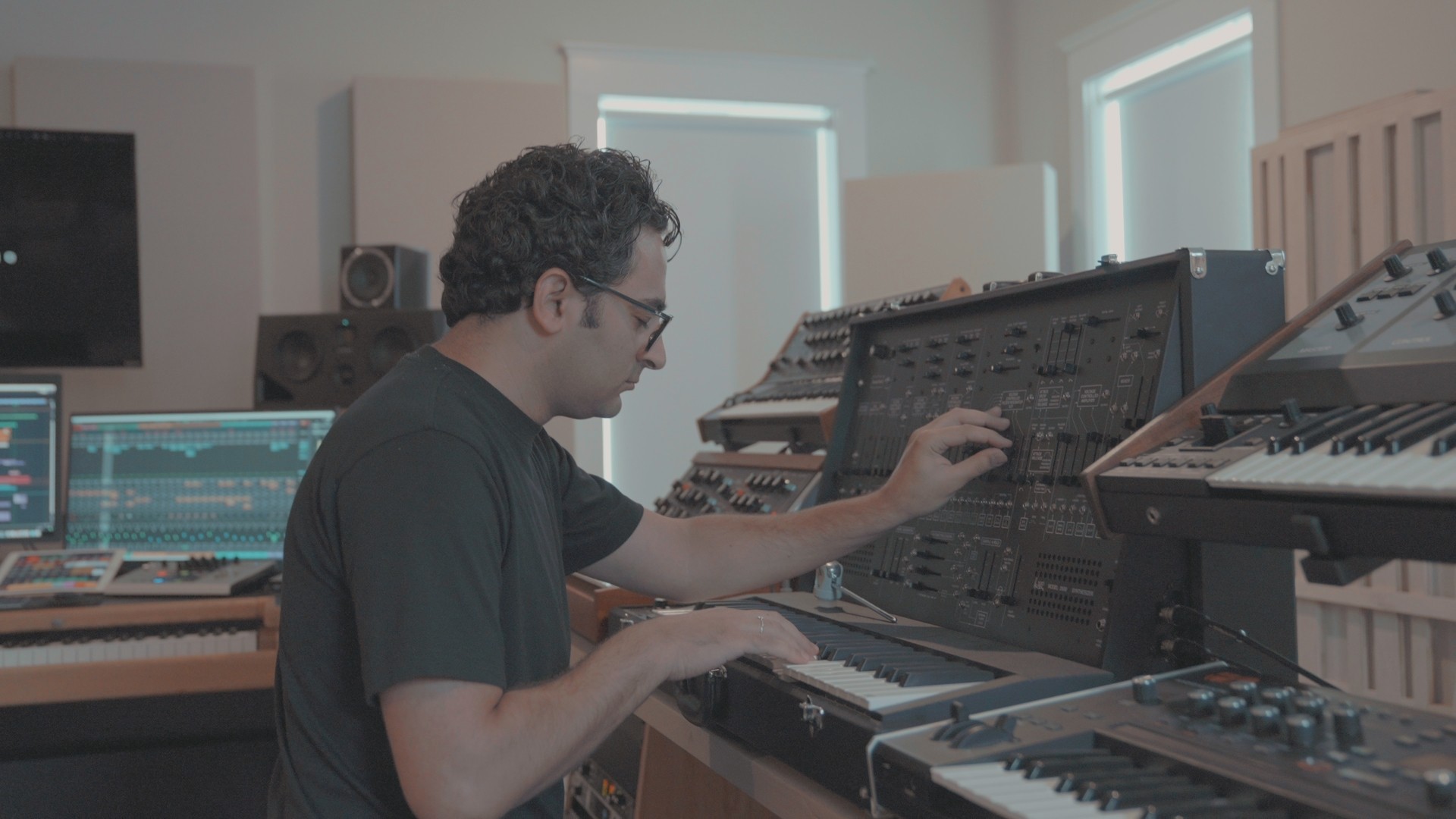
One of the clearest examples of resilience in my journey came early, long before my career felt stable or predictable. Music was always my constant, but the path to pursuing it professionally was anything but straightforward. I experienced abrupt changes in environment, culture, and opportunity that forced me to adapt quickly, often without a safety net. Each transition meant starting over—new schools, new systems, new expectations—while holding onto the same creative dream.
When my family was forced to relocate, music became more than an aspiration; it became a form of survival. It was the one place where language barriers, uncertainty, and instability didn’t exist. Practicing piano, studying composition, and writing music gave me a sense of control and identity during a time when everything else felt temporary.
Later, as I entered the professional world of film and television, resilience took on a different form. Building a career in this industry required patience, humility, and persistence—years of assisting, collaborating, writing music that would never be heard publicly, and trusting that each step was preparing me for the next. There were long stretches without recognition, but I stayed focused on the craft, knowing that consistency would eventually create momentum.
What I’ve learned is that resilience isn’t about dramatic moments—it’s about showing up repeatedly, even when progress is invisible. Every challenge reinforced my belief that adaptability, discipline, and emotional honesty are just as important as talent. Those experiences continue to shape how I work today: grounded, focused, and deeply committed to the long game of storytelling through music.
Contact Info:
- Website: https://www.karamsalem.com
- Instagram: https://www.instagram.com/karamsalemmusic/
- Other: IMDb:
https://www.imdb.com/name/nm7716103/?ref_=ext_shr_lnk