

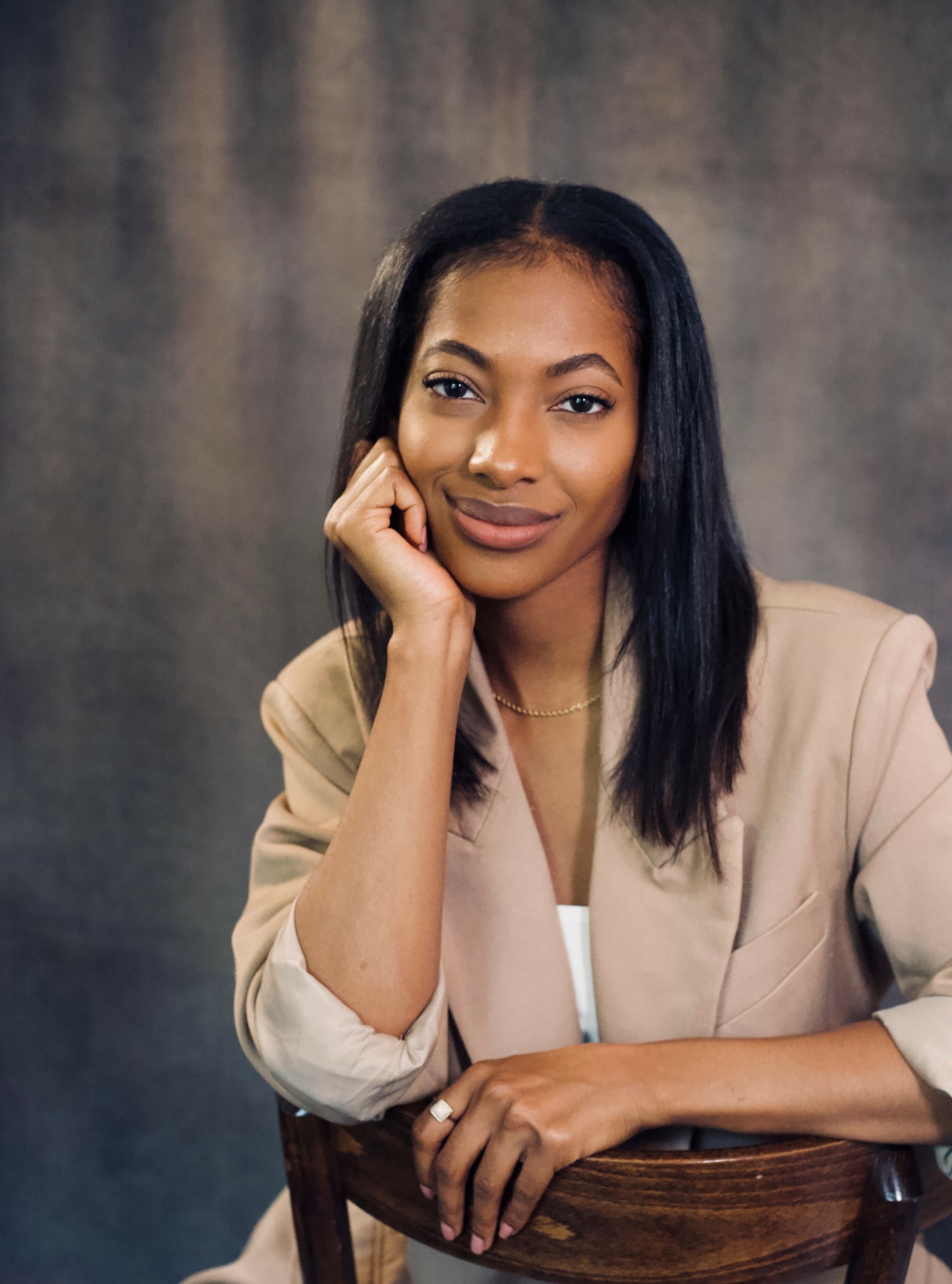

We recently connected with Kamri Cole and have shared our conversation below.
Kamri, appreciate you joining us today. Are you happy as a creative professional? Do you sometimes wonder what it would be like to work for someone else?
Yes, I’m happiest when I’m creating. Not just as an artist in the traditional sense, but as a storyteller, a builder, someone translating feeling into form. Creativity is the way I understand myself and the world. It’s where I feel most honest, most alive, and most aligned with who God created me to be. When I’m creating, I’m not chasing validation, I’m simply listening—co-creating with my creator, and that’s when it all feels right.
That said, yes, I’ve absolutely thought about what it would be like to live life with a “regular” job. A while back, I had noticed myself gravitating toward the structure and promise of the tech world, and when I thought about acting, I would find myself sitting with the thought, “What if I just let go of all of this? What if I chose ease over calling?” But even in that moment, I realized that what I was craving wasn’t a different life — it was safety. Rest. Financial peace. Room to breathe. And I had momentarily confused that with abandoning my creative path altogether.
I realized that creativity doesn’t have to mean chaos, and structure doesn’t have to mean abandoning purpose. I don’t want to ever stop creating, I just want to create from a grounded place. I want systems that support my creativity, not replace it. I want to honor both the artist and the woman building a life.
So no, I don’t dream of escaping creativity anymore. I dream of expanding it, letting it evolve, letting it mature, letting it coexist with wisdom, stability, and faith. Creativity isn’t just what I do. It’s how I move through the world, and every time I try to silence it, it finds another way to speak.
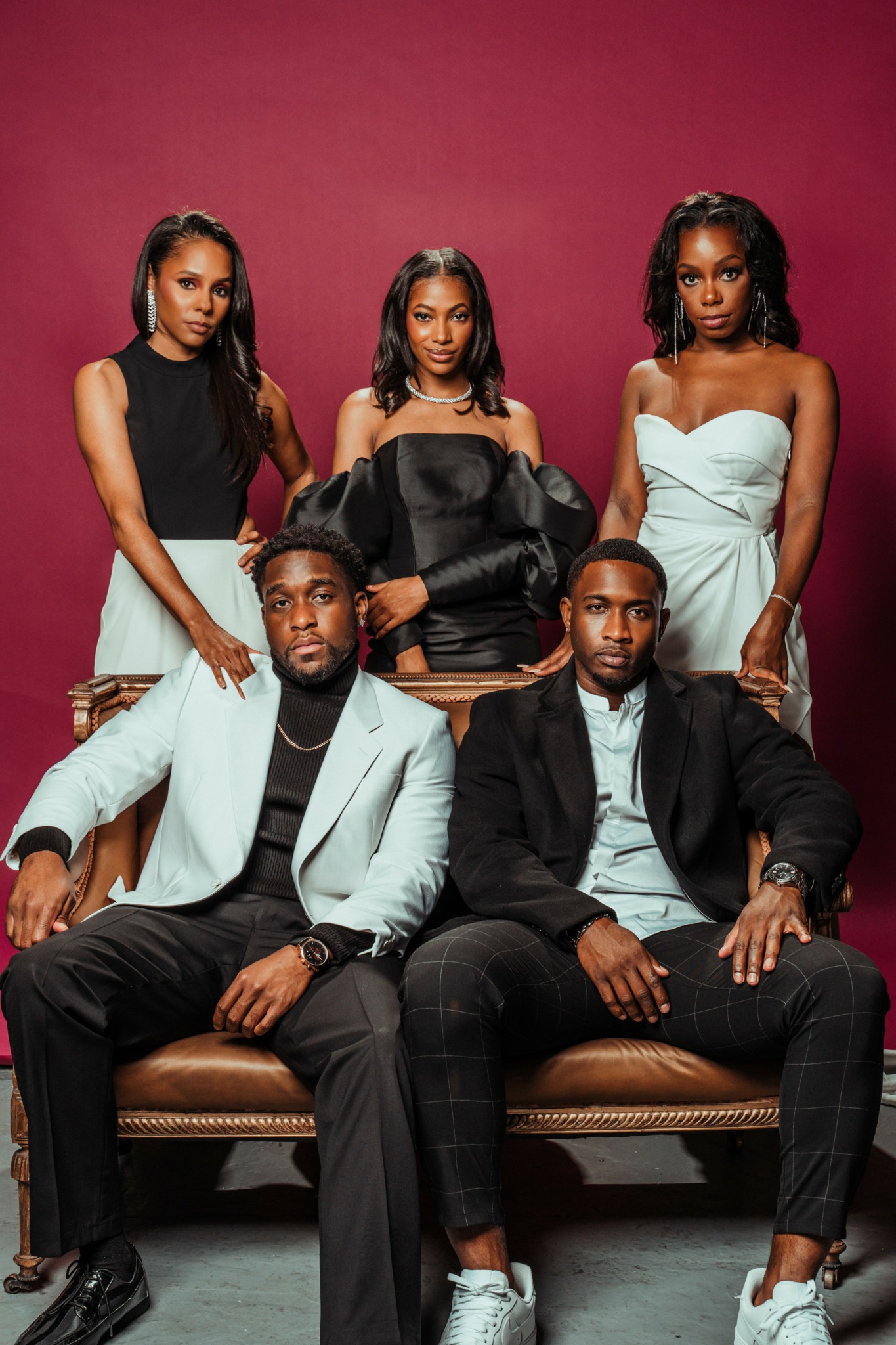
As always, we appreciate you sharing your insights and we’ve got a few more questions for you, but before we get to all of that can you take a minute to introduce yourself and give our readers some of your back background and context?
I’m a storyteller at heart, no matter the medium. I began my career in film and TV as an actor drawn to stories that explore identity, family, and what it means to belong. From a young age, creativity was my way of making sense of the world, whether that looked like performing, writing, or quietly observing human behavior and translating it into narrative. That instinct eventually led me to pen my first book centered on mindfulness and presence.
My curiosity expanded beyond storytelling on screen or in books to storytelling through systems. I found myself becoming interested in how products are built, how technology shapes human behavior, and how intention (or the lack thereof) gets encoded into the tools we use every day. Working in digital and streaming platform-focused environments sharpened my understanding of operations, distribution, and user experience. What once felt like two separate worlds—creativity and technology—has now begun to merge.
Today, my work sits at the intersection of storytelling, product thinking, and emerging technology. I build and contribute to digital products, content, and creative ecosystems that are human-centered, emotionally intelligent, and purpose-driven. Whether I’m developing narrative-led media, or exploring AI as a creative and operational partner, the throughline is the same: I help bring clarity to complexity and meaning to systems that often feel cold or overwhelming.
What sets me apart is that I don’t see creativity and structure as opposites. I understand both the inner world of the artist and the external demands of building something sustainable. I ask different questions. My background in storytelling allows me to think intuitively and emotionally, while my work in tech and with AI tools trains me to think strategically, ethically, and long-term.
I’m most proud of allowing my career to evolve without abandoning myself. Of choosing integration over reinvention. Of honoring the artist while becoming a builder. I’m proud of the projects I’ve brought to life, the stories I’ve told, and the fact that I continue to create from a place of faith, intention, and curiosity rather than fear.
What I want people to know about my work and my brand is that it’s rooted in depth. I’m not interested in chasing trends or noise. I’m interested in building things that are interesting, that serve, that make people feel seen and supported. Whether you encounter my work through film, writing, digital products, or AI-driven systems, my hope is that it leaves you feeling more grounded, more thoughtful, and more connected to what’s possible when creativity and wisdom are allowed to coexist.
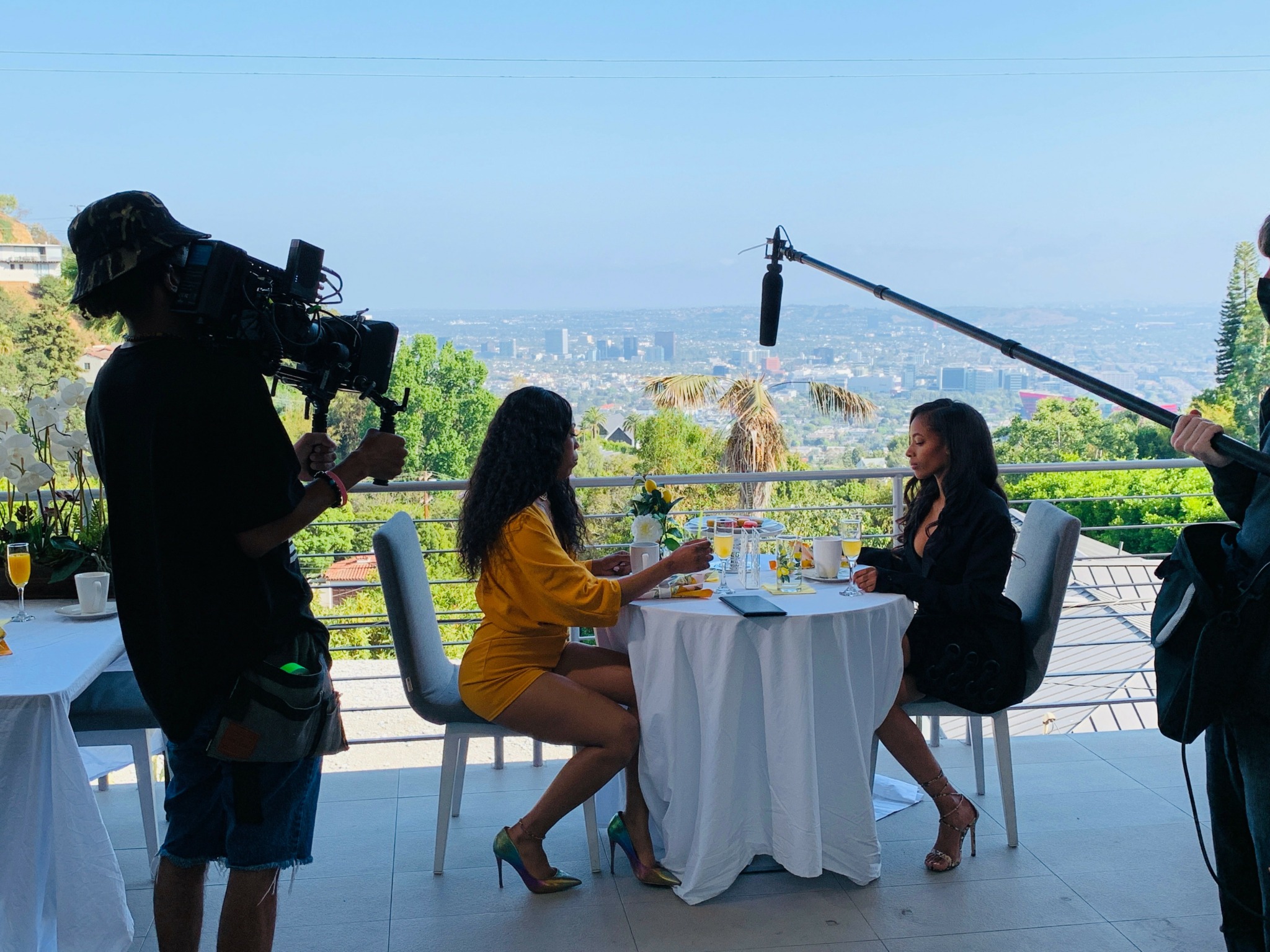
In your view, what can society to do to best support artists, creatives and a thriving creative ecosystem?
To truly support artists and creatives, society has to first stop romanticizing the “struggling artist.” We’ve held on to the myth that suffering is the price of making meaningful work, and that instability is somehow noble or necessary. It isn’t. Artists don’t need to be rescued––we need to be resourced. We need access to financial literacy, fair compensation, healthcare, mentorship, and systems that allow us to create without constantly being in survival mode.
A thriving creative ecosystem also requires structural respect for creative labor. That means transparent pay, ownership, and credit. It means protecting IP in a digital age where work is easily copied, scraped, or devalued, especially as AI becomes more embedded in our creative and commercial systems. Artists should be apart of the conversation when these tools are built, not an afterthought once the damage is done.
I also think society needs to expand its definition of what an artist looks like. Creativity doesn’t only live in galleries or on stages, it lives in product design, technology, storytelling, education, and community building. When we allow creatives to move fluidly across industries without questioning their legitimacy, we open the door to more sustainable careers and more innovative work.
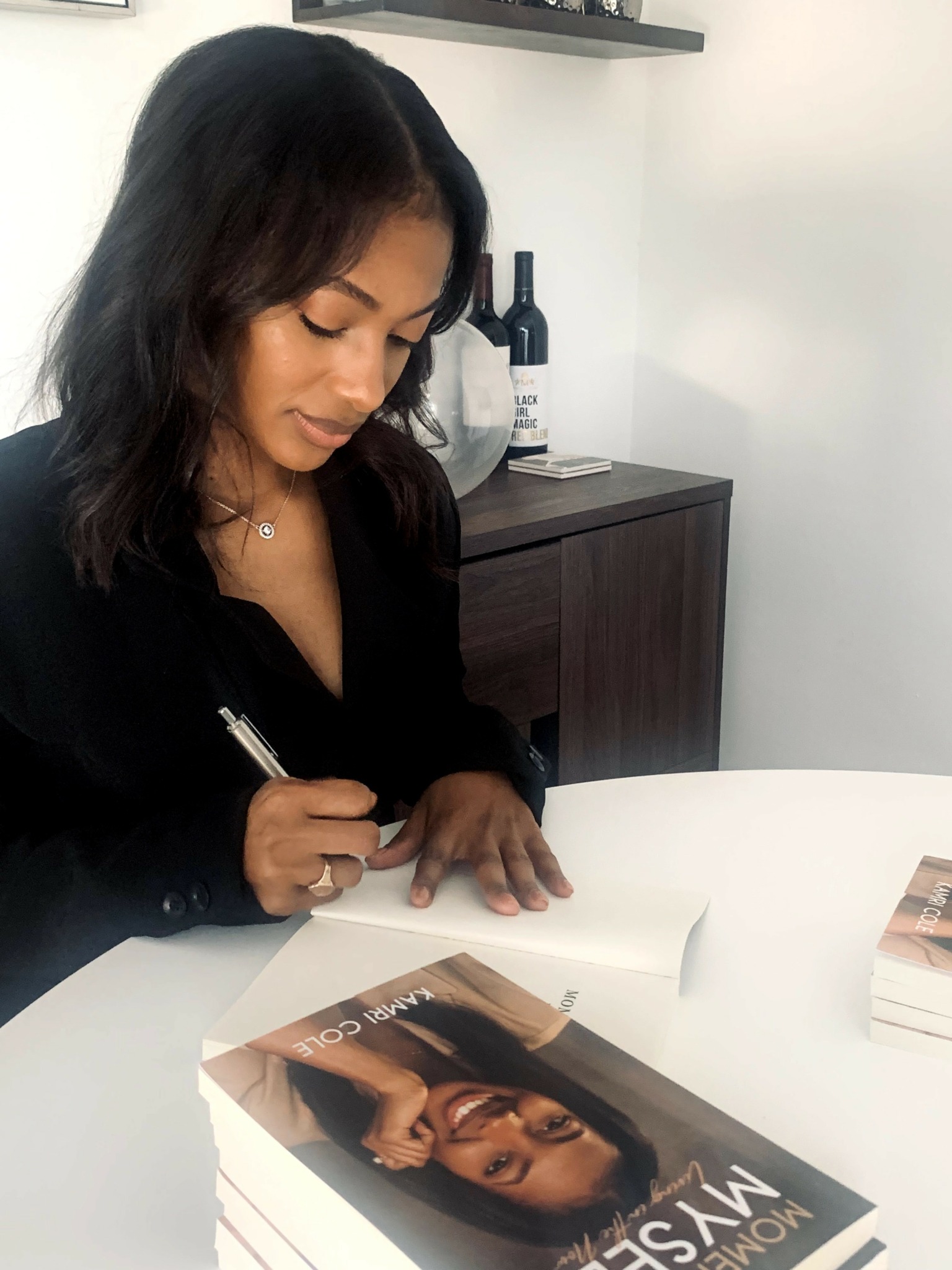
Do you think there is something that non-creatives might struggle to understand about your journey as a creative? Maybe you can shed some light?
From the outside, a creative life can look nonlinear, inconsistent, or even risky, but from the inside, it’s deeply intentional. We’re constantly responding to an inner compass that doesn’t always align with traditional timelines or metrics of success. There are seasons where the work is invisible. Seasons where nothing is released, announced, or publicly validated yet everything is being formed. Skills are deepening. Perspective is sharpening. Faith is being tested. To someone measuring progress by titles or paychecks, those seasons can look like stagnation. In reality, they’re often the most formative chapters of the journey.
Another thing non-creatives may not realize is how much courage it takes to keep choosing alignment over approval. There are easier paths. Safer ones. However, once you’ve felt what it’s like to be fully alive in your work, it’s very hard to unknow that feeling. The creative journey is refusing to abandon yourself in order to fit into a life that looks good from the outside but feels empty on the inside.
If there’s one thing I’d want people to understand, it’s this: creativity isn’t a phase or a hobby for us. It’s a responsibility. And when honored properly, it doesn’t just shape our lives, it contributes something meaningful to the world.
Contact Info:
- Website: https://www.kamricole.com
- Instagram: @kamricole
- Facebook: Kamri Cole
- Linkedin: https://www.linkedin.com/in/kamri-cole-545a5899
- Twitter: @kamricole
- Youtube: @kamricole
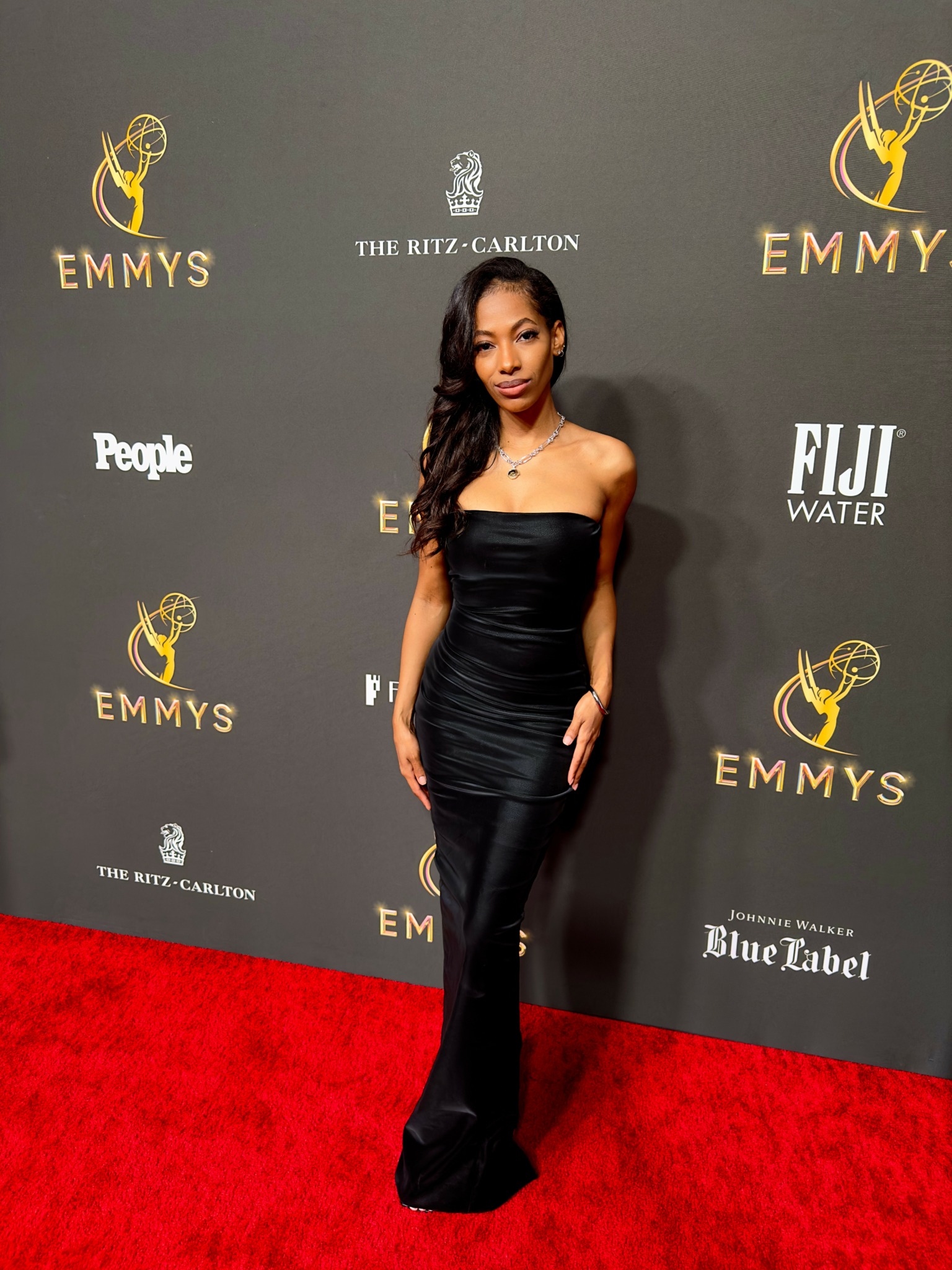
Image Credits
Tough Love LA: Season 1