

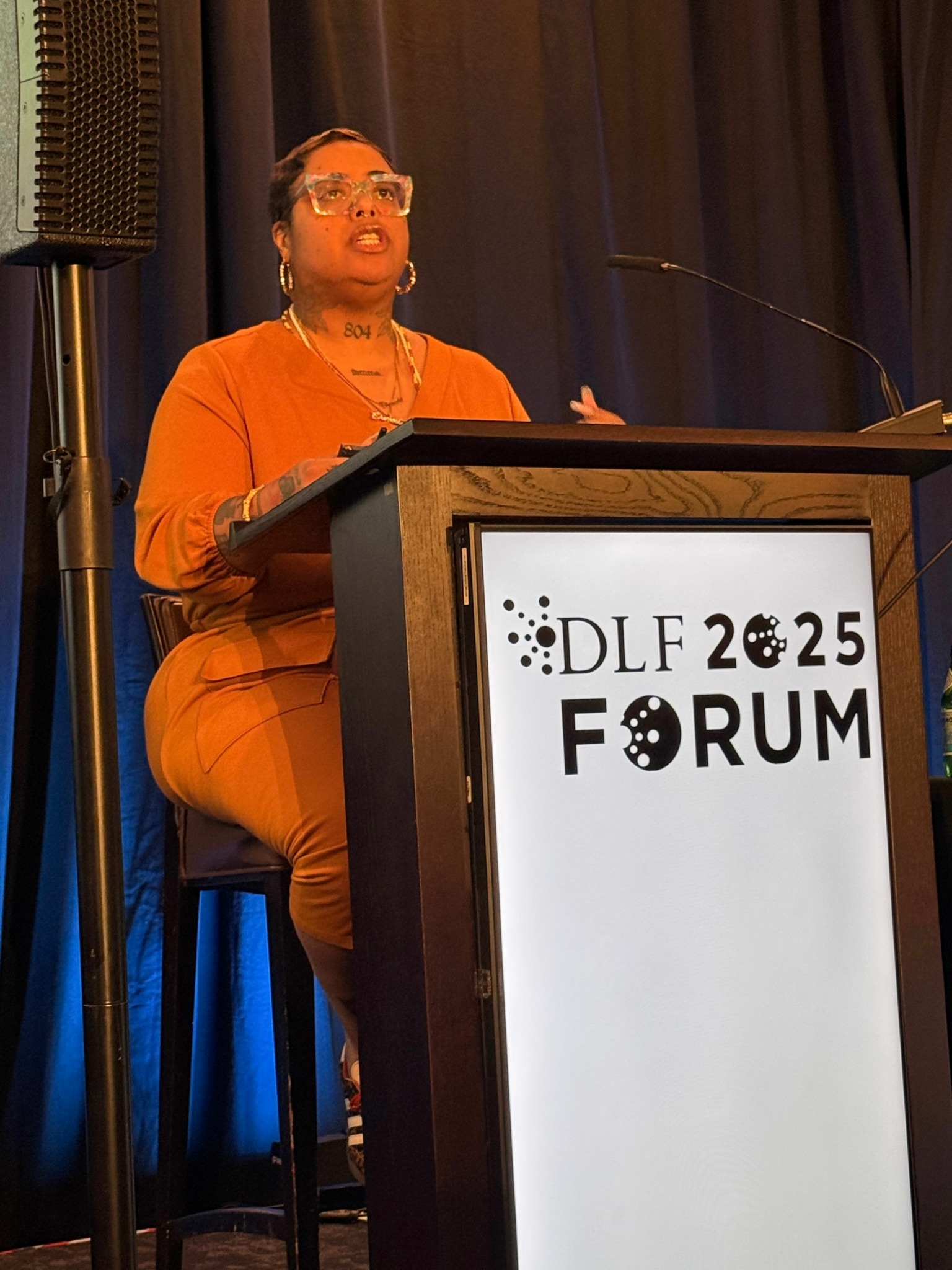

Alright – so today we’ve got the honor of introducing you to KáLyn Coghill. We think you’ll enjoy our conversation, we’ve shared it below.
Alright, KáLyn thanks for taking the time to share your stories and insights with us today. Have you been able to earn a full-time living from your creative work? If so, can you walk us through your journey and how you made it happen? Was it like that from day one? If not, what were some of the major steps and milestones and do you think you could have sped up the process somehow knowing what you know now?
I have always had an entrepreneurial spirit, even as a young child. I taught piano lessons, I tutored, I had an online thrift store at one point, and as I got older, I realized that I had a desire to provide services for people, particularly in my community, that they may not have access to or the skill to complete. As a creative person, I found myself in 2011 doing a lot of music journalism and assisting with marketing for our local hip-hop festival here in Richmond, Virginia, called Epic Fest. From there, I began to really lean into my marketing background and started providing digital marketing services for small, Black owned women-owned businesses in the DC, Maryland Virginia area. I also began doing a lot of speaking engagements on the side to talk about my research and my life experiences, which became very lucrative, so when I started my doctoral program in 2020 I decided that I wanted to lean into making my business official. I created my first LLC and then my second LLC in 2025, and once I had lost my Director-level job, I decided that I did not want to go back into the workforce full-time, and I wanted to use my talents to impact my community on a day-to-day basis. I have officially been working for myself full-time for an entire year, and it has not been easy. I went from an income that was unheard of in my immediate family to having to replicate that income just on my own consultant work, workshops, and speaking engagements. I would say that this past year, I learned a lot about scaling and a lot about celebrating small milestones. I also learned a lot about my ability always to find a source of income and to really reflect on what work is worth my time and worth my capacity.
KáLyn, love having you share your insights with us. Before we ask you more questions, maybe you can take a moment to introduce yourself to our readers who might have missed our earlier conversations?
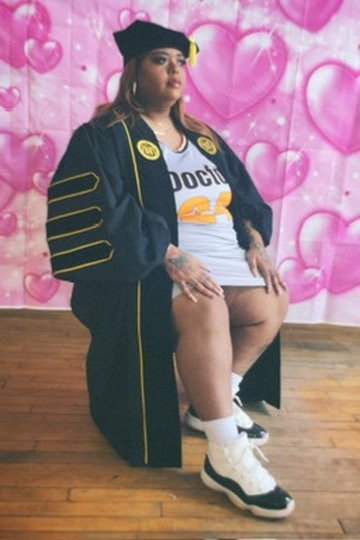
I have always been a person with their hands in a lot of different pots. Even as a young person, I was extremely involved in extracurricular activities, and also enjoyed fostering my own creative pursuits. I started writing poetry at a very young age, and that became one of my main sources of release due to having a very tumultuous childhood. That led me to pursue my bachelor’s degree in poetry, creative writing, and linguistics, which led me to continue going to get my master’s and doctoral degrees in my 30s. I have always loved School, and I have always loved learning, so those two things played a huge role in my creative pursuits and the types of things I provide for my community now. I use my writing ability at first to be a music journalist and then to become an active personal essay writer on many different blog sites. I used my experiences and observations of how Black women were treated on social media to push me to do research in my master’s and doctoral programs. My own experiences with the digital space influence a lot of the products that I provide and also my academic research. I have particularly looked at digital misogynoir, which is a term coined by Moya Bailey which is defined as the anti-Black harassment and sexism that Black women, non-binary, and gender-expansive people experience in digital spaces over the last decade. That research opened me up to not only being able to create innovative ways to mitigate harm online, but also gave me a chance to be a prolific speaker, award-winning practitioner, and activist. I am extremely proud of how tethered I am to my community as an organizer, particularly in the reproductive justice space, disability justice space, and also the online gender based violence space. Through my passion for writing and learning, I have really turned to content creation that educates people on the experiences of Black women and femmes. I also focus a lot on the digital experiences of Black girls. These topics, which are important to me, also influence the courses I create for different colleges as an adjunct professor. Many of my friends would say that I always “get to a bag” because I have never been without a source of income that was rooted in what I truly believed in. I think what sets me apart from others is that I am always going to remain true to myself, no matter what environment I am in. I am not a traditional academic, and I do not look like one. I do not consider myself connected to the institution in the ways that some other people may feel connected, and my work focuses on the community. I am indebted to the community because of the ways that they have held me in my darkest moments and have celebrated me in my winning moments. I am extremely dependable, thorough, and straightforward, which really works for my clients because there is no fluff when it comes to completing a project, facilitating a workshop, delivering a keynote, or meeting deadlines. I have no problem with setting boundaries in my life, but especially within the work that I do, and I also prioritize the impact of the work that I’m doing over what the optics should look like.
Any insights you can share with us about how you built up your social media presence?
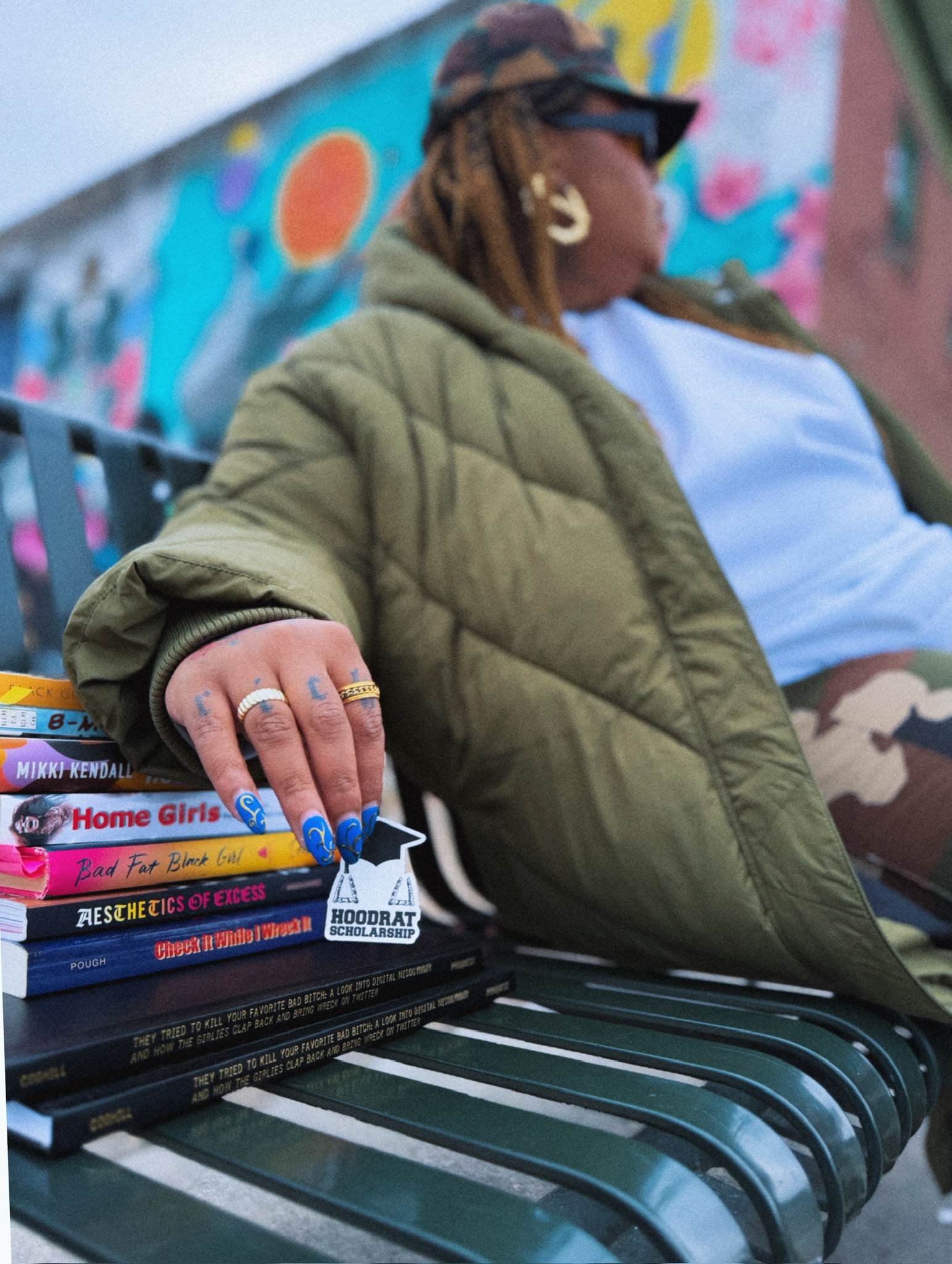
I am a child of the Internet, and my audience first began on AIM, for those who don’t know, that’s AOL’s messenger. From the moment I was able to access the Internet, I have been able to build a following on every platform that I have gone to. The way I’ve built my audiences on these different platforms is by being my authentic self and being transparent. I have always been a storyteller, and I love learning about other people, so I find it important to also share my own story as a way to connect to others in the digital space. I’m also very mindful of the different ways in which people learn, so I try to make sure that my content is accessible, and as someone who is neurodivergent, I have learned over the years that the more accessible your content is, the more expansive your audience will be. I also do not focus on numbers, and I know a lot of people probably say this, but I focus on engagement and interactions. So when people comment on things, I make sure that I engage with them. I also make sure that I support people within my audience, whether that is engaging with their content, reposting things that they’re doing, or even referring them to others that they may be able to connect to. This has really helped me create a long-standing relationship with thousands of people over the past 25 years. One thing that I will say to those who are just starting to build their social media presence is not to focus on making money. Focus on creating genuine relationships, and the money will come. Drive people to your products or your creative pursuits by being open and honest and showing them your true personality. Don’t be afraid to share when you make a mistake or when you learn something new, because people like to know that others are human. Lastly, you do not have to respond to everything that connects to your specific interest or business in real time. You can take the time to do your research and sit back and see how people are engaging with this new information before saying your piece. Also, you do not have to monetize everything that you post online. It is okay to share some of your things with people for free.
We’d love to hear a story of resilience from your journey.
I don’t usually share much about my personal life, especially my childhood on online to everyone, but I think it’s important for me to share this with those who are reading along. I grew up in a very abusive environment, and I experienced abandonment and neglect for most of my childhood from those who are supposed to love me and protect me from the harms of the world. Statistically, there are a lot of things that I should not have been able to accomplish, and I do not think a lot of people thought that I would persevere through the amount of violence and harm I experienced as a child. My childhood defines me. It is what fuels my desire to work on personal growth and to work really hard to understand others. It fuels my desire to create a life that I thought was impossible as a child for myself. It is also a constant reminder that I can do hard things, no matter what others may say or do to hinder the process of completing hard things. I open with this because I want to paint a clear picture that life for me has been extremely difficult and soul-crushing, and my childhood is a perfect example of how I used resilience as a foundation to survive. Now, as an adult, I use my childhood as a looking glass into how not to treat myself, others, and to remind me that I will never neglect the parts of me that keep me going. This is an ongoing practice, and this is something that I know I will have to continue to work on for the rest of my life because childhood trauma does not go away. But what I do know is that as of today, my childhood trauma is only a story in my journey and not my entire journey.
Contact Info:
- Website: https://www.kalyncoghill.com/
- Linkedin: https://www.linkedin.com/in/kalynbanks/
- Youtube: https://www.youtube.com/@Drkalyncoghill
- Other: Bluesky: https://blacksky.community/profile/did:plc:v2zokqmhtb4trssgokog5342
Image Credits
RL Wesley
Tatianna Barry