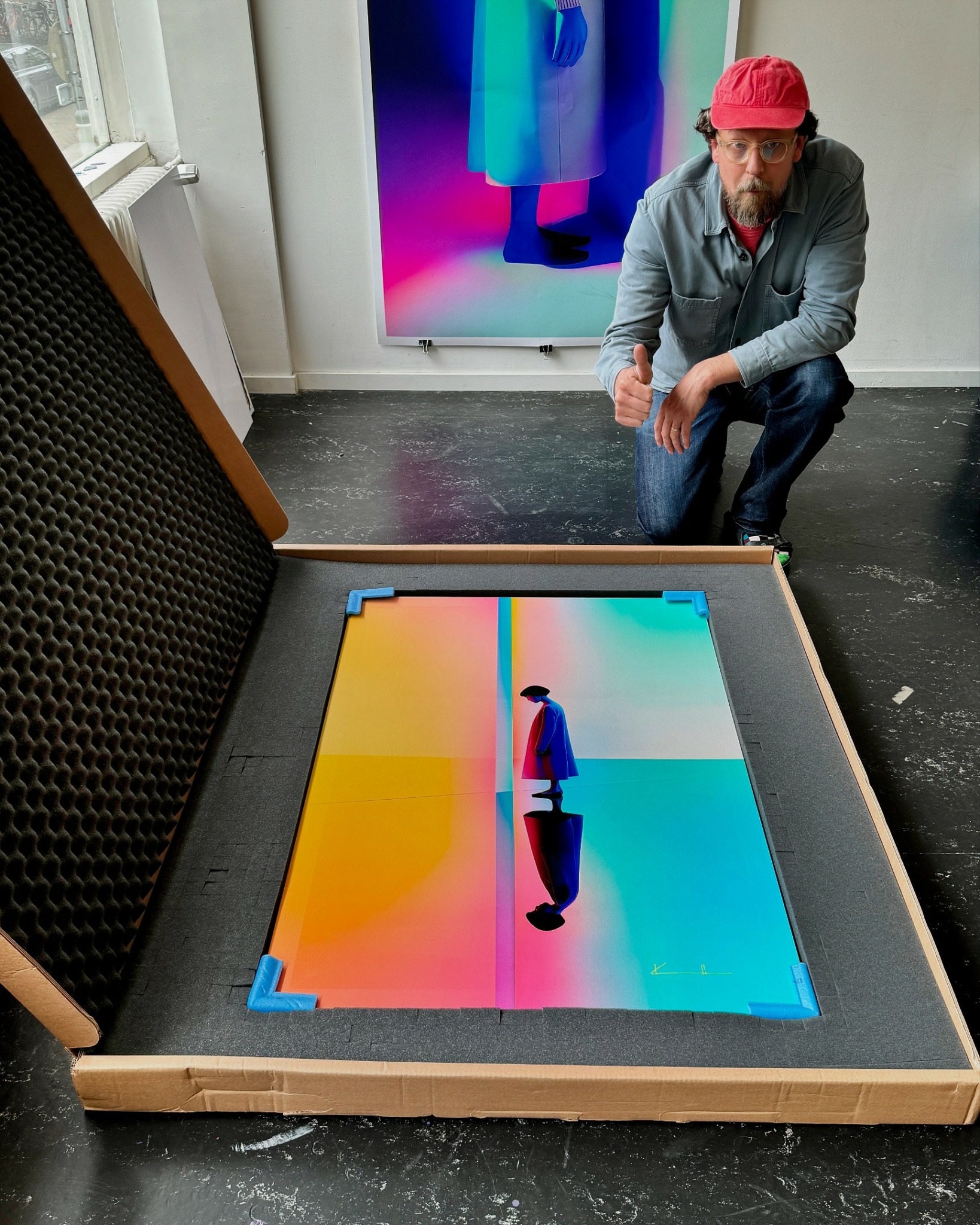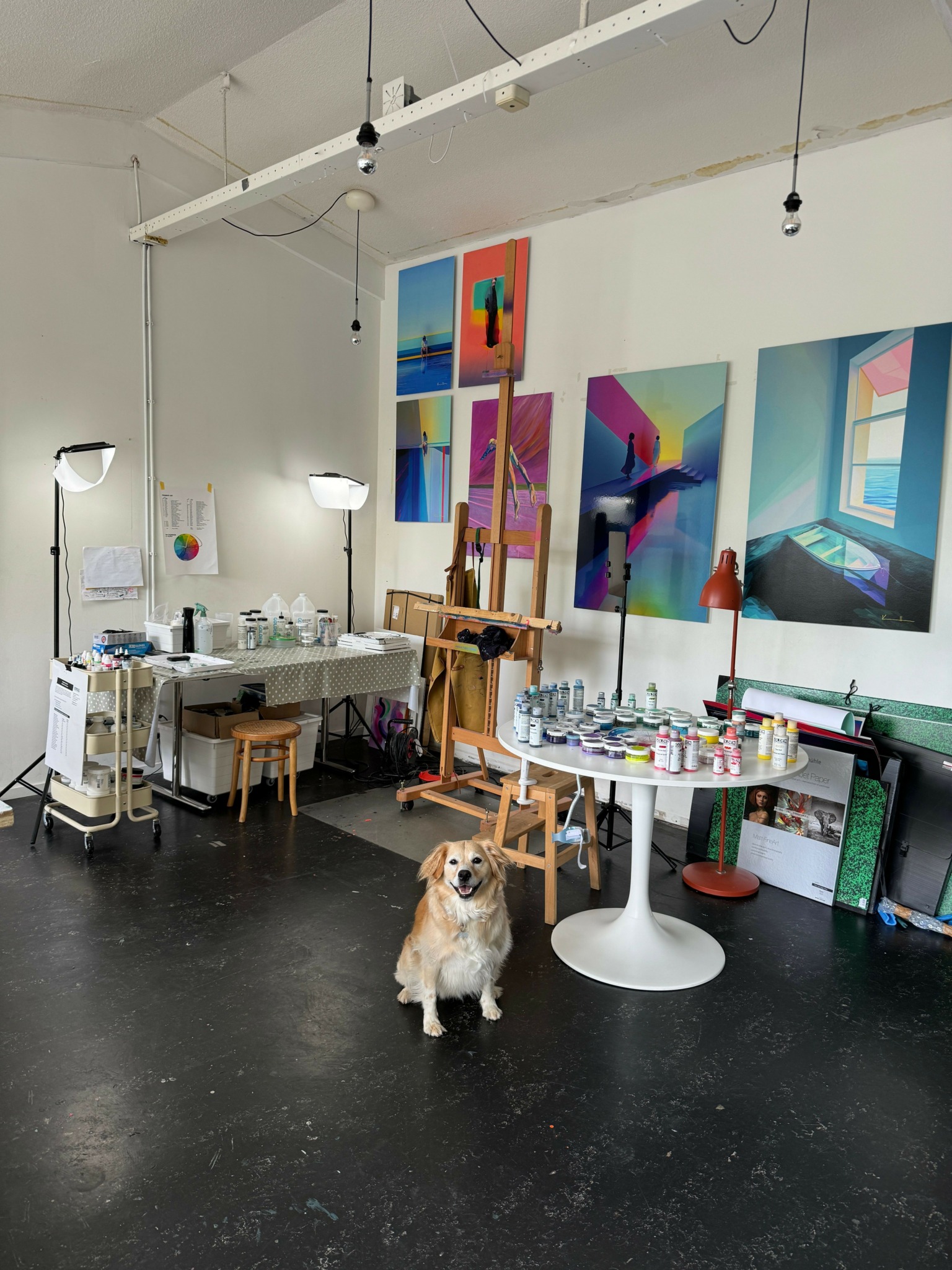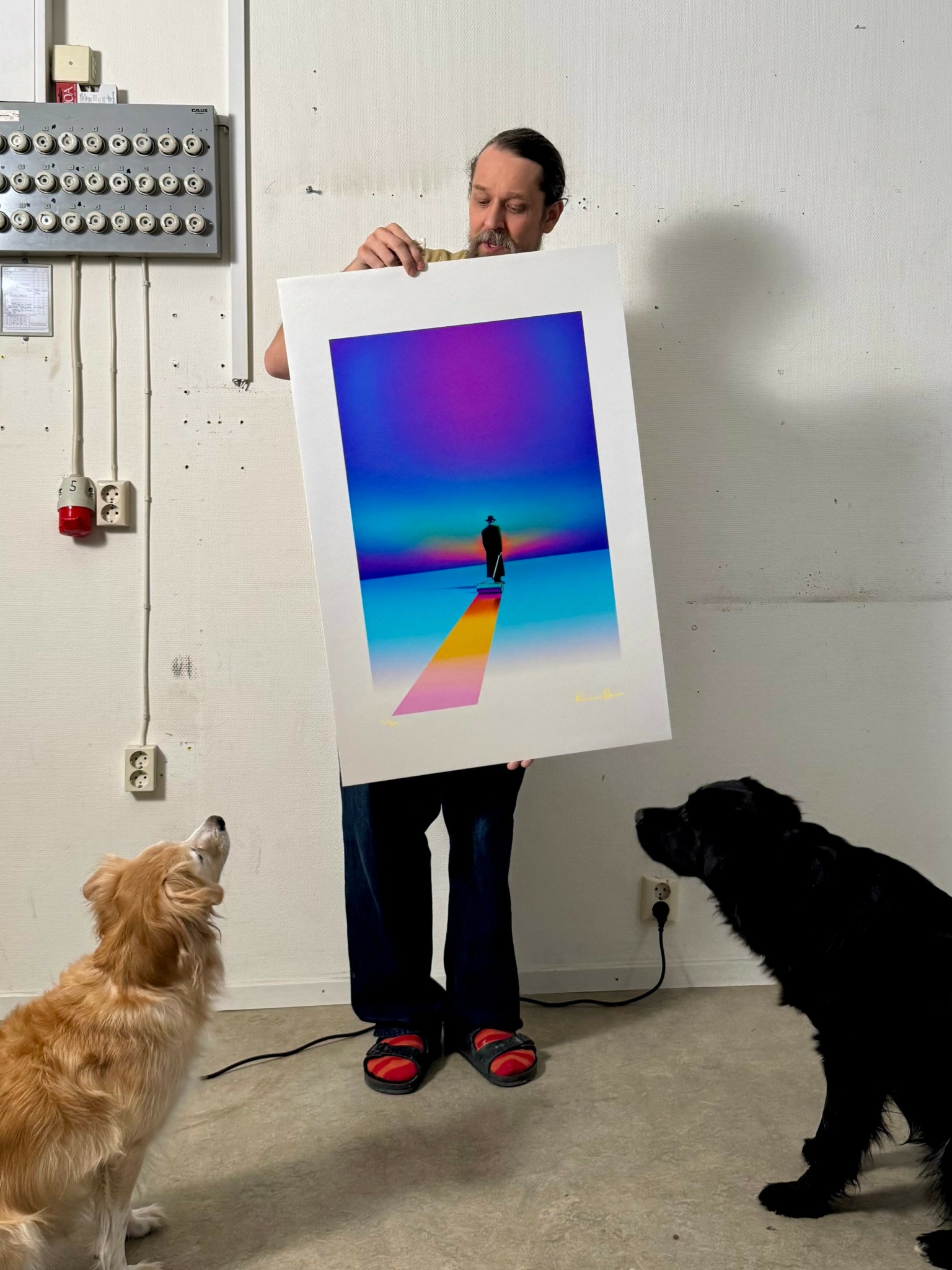

We’re excited to introduce you to the always interesting and insightful Kalle Hellzén. We hope you’ll enjoy our conversation with Kalle below.
Kalle, thanks for taking the time to share your stories with us today We’d love to hear the backstory behind a risk you’ve taken – whether big or small, walk us through what it was like and how it ultimately turned out.
Taking a risk usually implies a fear of losing something secure. For me, the actual risk was remaining exactly where I was.
My background is in advertising, digital innovation, and film. In the beginning, I viewed creativity as a tool to build something meaningful, even within a commercial framework. But as I moved up the corporate structure, the work became entirely about creating friction-free experiences for clients. The commercial stakes grew as creativity took a back seat. I spent two decades operating in that space. It required pushing myself in every direction. I used alcohol as medicine. I stopped sleeping. I created distance between myself and my family. Ultimately, I stopped making anything real.
The break happened when I stopped drinking. I started therapy, began taking actual medication, and realised I had to stop saying yes to that environment. I did not leave a well-paying career with the grand intention of becoming a professional artist. I left because I needed to live on my own terms. I wanted to create things exactly how I wanted to make them, and I needed to invite friction back into my days.
Awesome – so before we get into the rest of our questions, can you briefly introduce yourself to our readers.
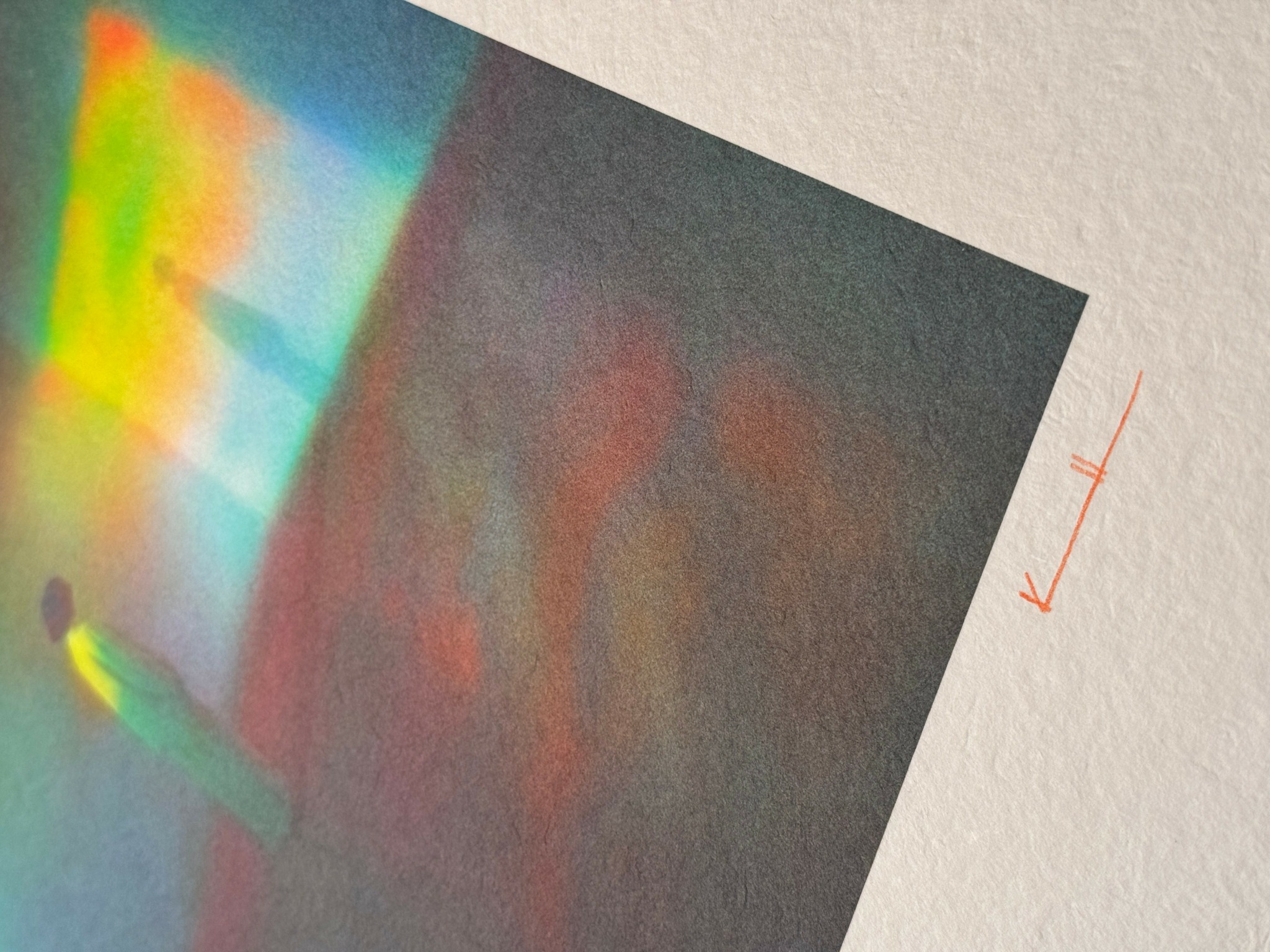
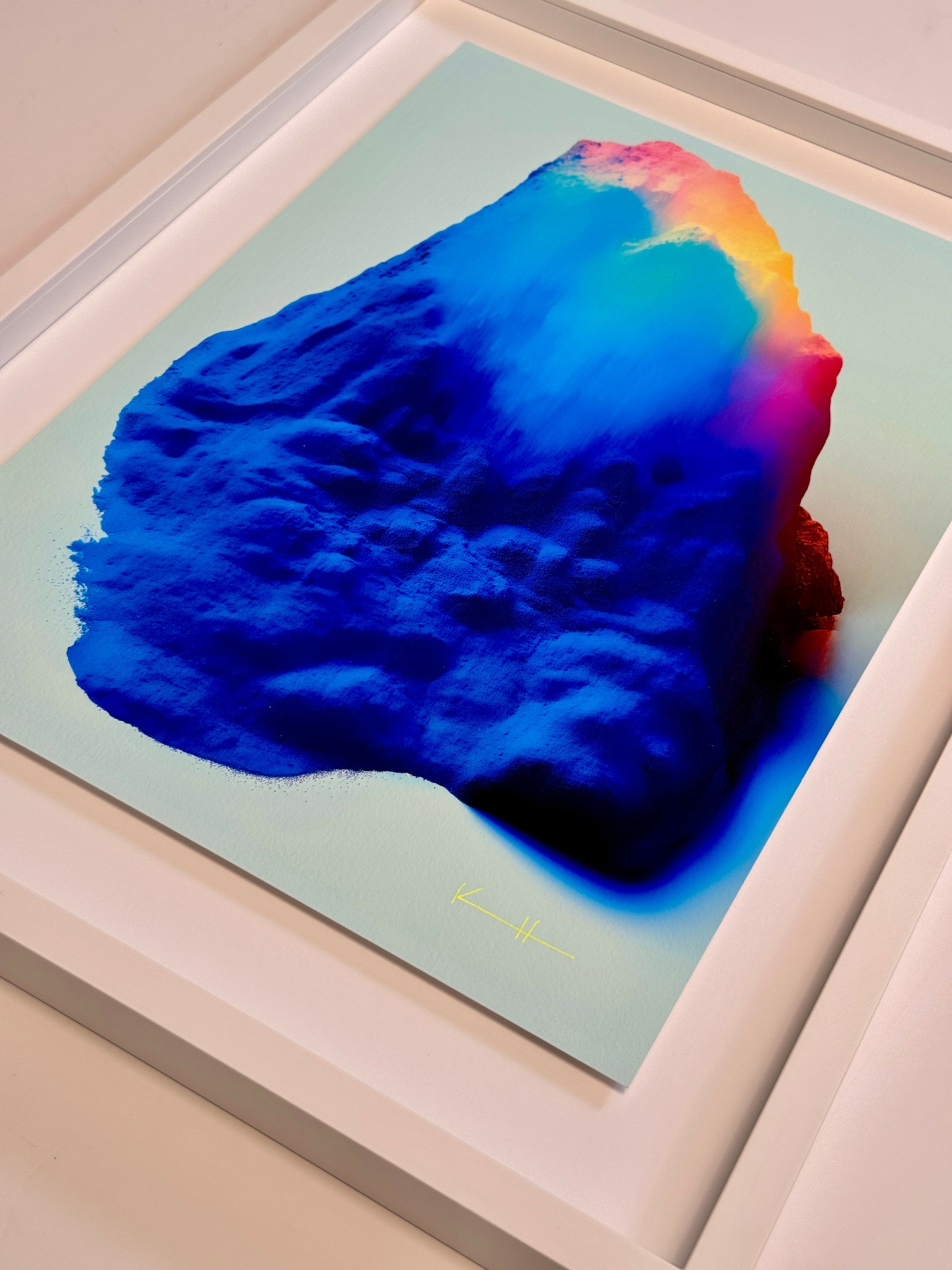
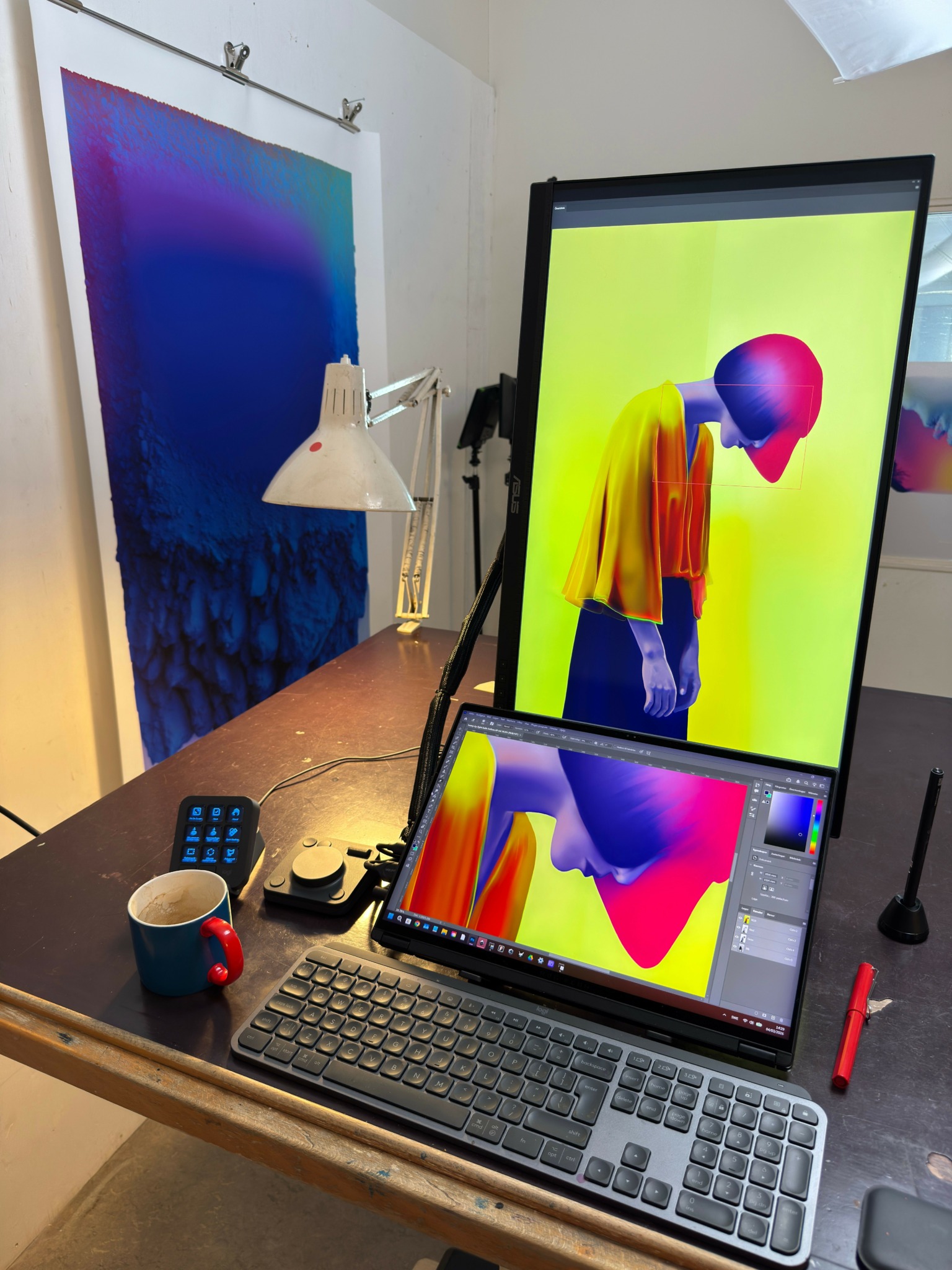
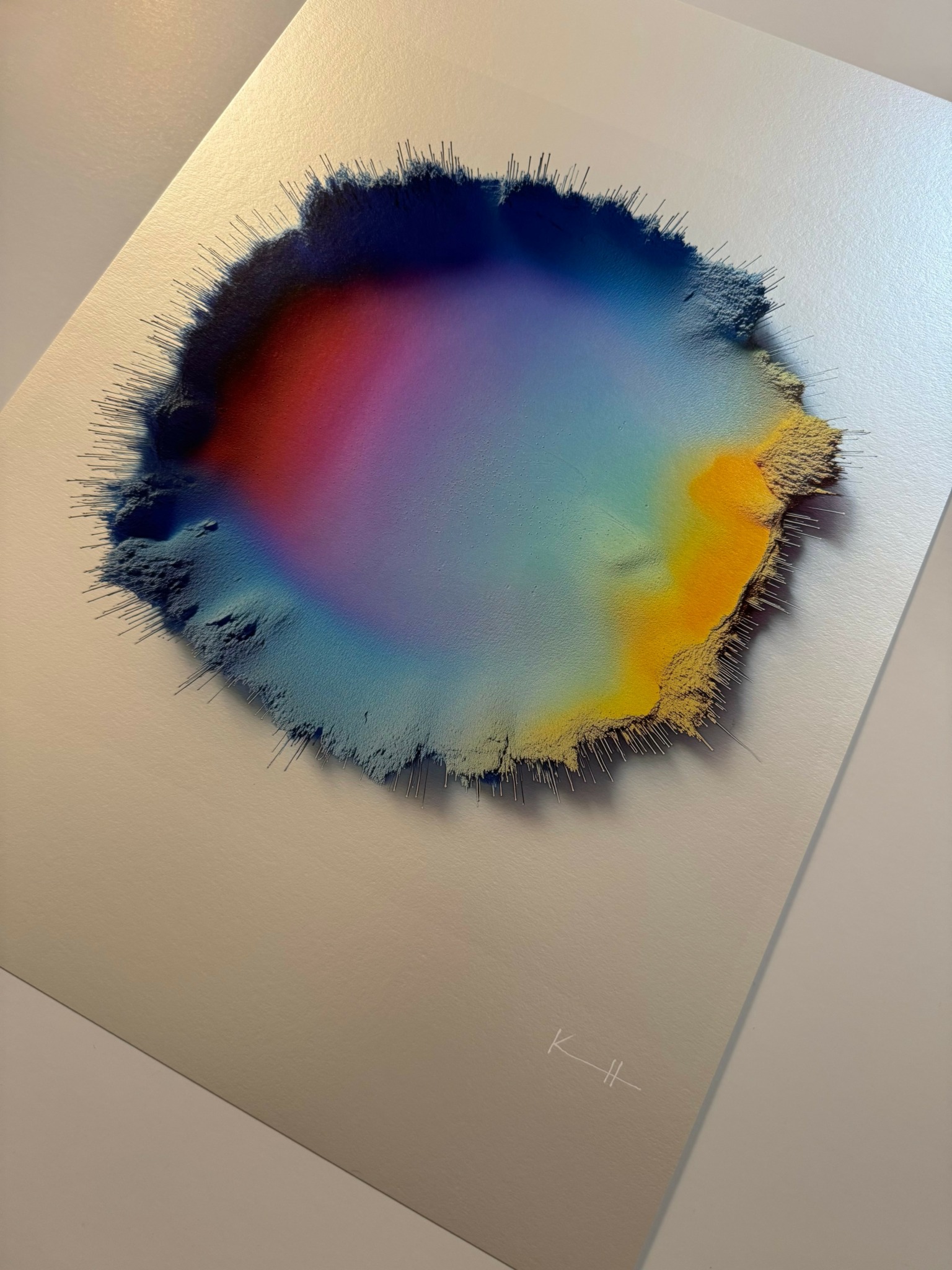
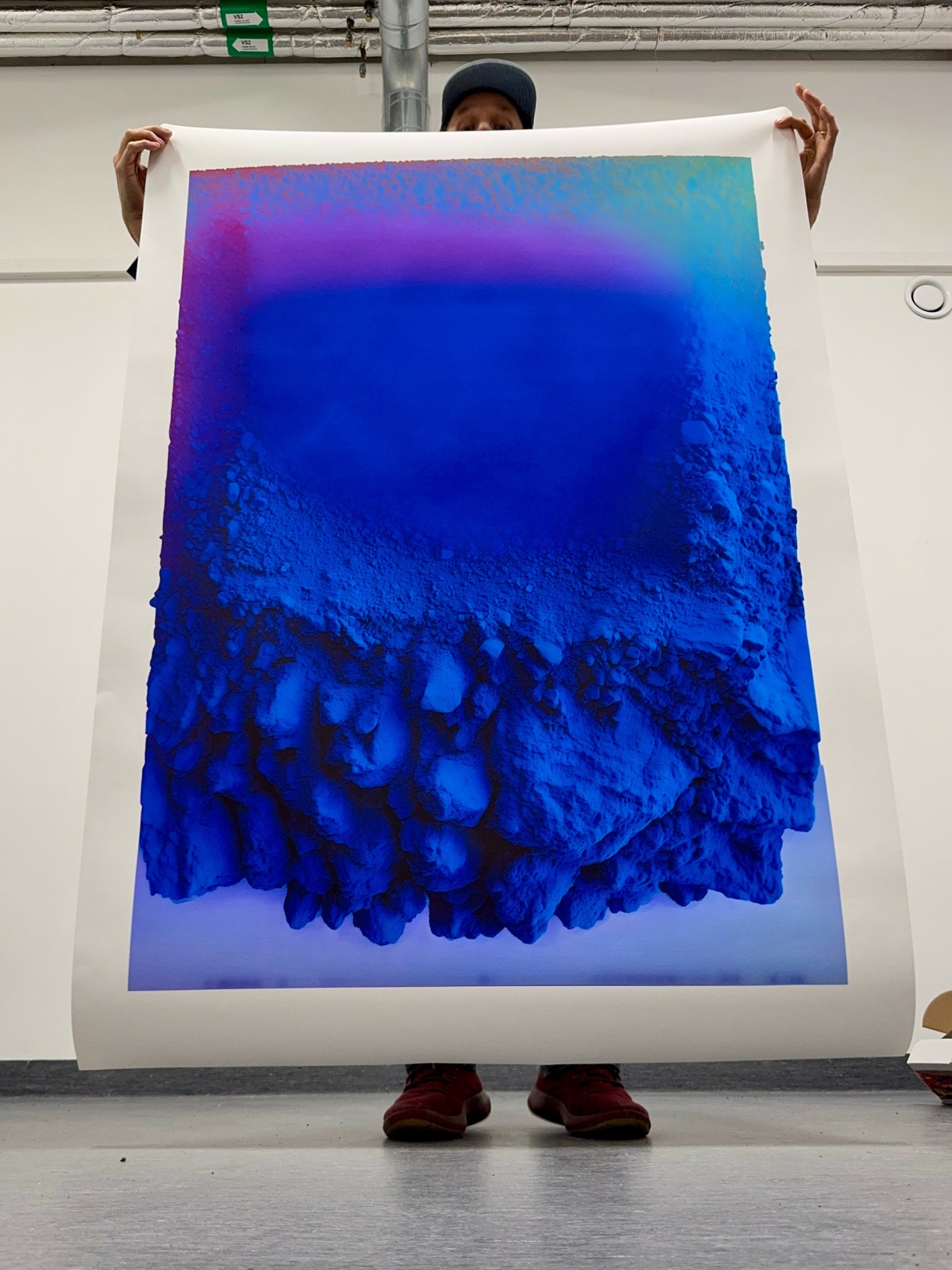
I create physical works that exist at the collision point between digital precision and physical imperfection. My process is a continuous loop. I often paint on screen or work with materials like oil, acrylic, and pigment to build a base. I digitise that surface and push it through digital, generative, and physical loops, finding new patterns and fractures. Finally, I realise the work in the physical world as fine art prints, paintings, or modular sections. What collectors acquire are the final physical records of this tension, released as either singular one-of-one works or editions.
I approach this practice not just as a process of making art, but as a way of living a creative life. The pieces that leave the studio are artefacts from this exploration.
My background in commercial arts provided the tools needed to navigate a new art economy reliant on social media and ecommerce. Building an independent atelier requires an immense amount of infrastructure. Much of what is required relies on doing the work yourself. That level of involvement brings authenticity to the practice, but it also drains your time and energy.
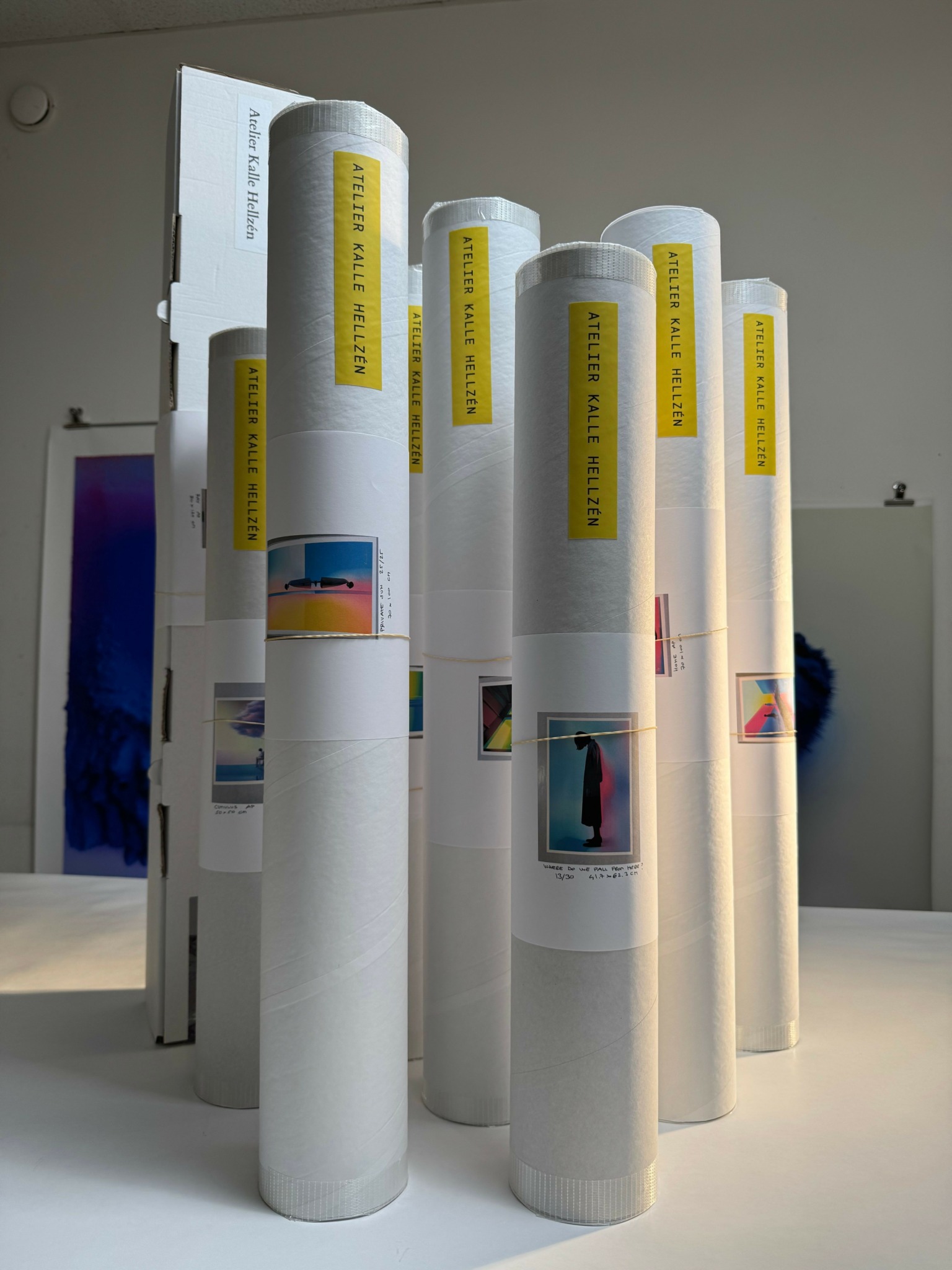
Over the years, I have had to learn how to build, maintain, and optimise an ecommerce system, moving from Squarespace to Shopify. I manage SEO, handle logistics, and design packaging. I constantly navigate my own pricing, supplier pricing, inflation, currency dynamics, and changing algorithms. I manage suppliers, arrange insurance, and deal with inevitable accidents. The list extends to email marketing, list building, understanding local and import taxes, duties, and handling press and interviews. It helps to be naturally interested in how systems work.
The hardest part has not been any single task on that list. The real challenge is keeping up the momentum when you realise how insufficient your knowledge actually is. Often, you need to learn a system to perfection yourself before you can even think about outsourcing it. The irony is, once you become good at it, you end up enjoying the process and keeping the task anyway. Having said this, I lean heavily on my partner, Johanna, who manages much of this daily infrastructure with me.
What sets this practice apart is that level of total integration. I do not simply apply pigment to a surface and hand the work over to a gallery or a manager to figure out the rest. The system is the art. From the first sketches to the unboxing in a collector’s home, the decisions, the friction, and the responsibility are held within the atelier.
What can society do to ensure an environment that’s helpful to artists and creatives?
For society, the most important shift we can make is to stop treating art as frictionless digital content. We currently operate in an economy that demands endless novelty and rewards artists for performing online rather than making tangible work. To support a thriving creative ecosystem, we need to return our focus to physical consequence.
However, this requires intervention and a rethinking of what actually gives us meaning. Support must come first from the artists themselves. Too many creatives spend hours engaging in conversations of outrage, trapped in a cycle of thinking and feeling. They are so stuck that they cannot see that the only exit is through direct action. Modern platforms give users endless ways to disappear into survival loops of doomscrolling and unhealthy debate. If you want to survive as a creative, you have to figure out how to navigate these systems in the service of your own art, rather than being consumed by them.
Ultimately, no one will come and rescue you. Putting aside societal grants, which few ever learn how to navigate, you have to build a sustainable practice yourself. This is about defining what you are actually willing to do to get paid. It requires building a practical ikigai: finding the exact collision point between what the world needs, what you are highly capable of, what you can be paid for, and what you actually want to spend your days doing.
Any resources you can share with us that might be helpful to other creatives?
The resource I wish I had is the one I am currently writing. I am finalising a practical field guide of sorts that distills the learnings of the last five years into a resource for the business of creativity. It is of course rooted in my own transition from a corporate career to a self-reliant practice, but should be for anyone interested in living, and how to fund, a creative life. Corporate, digital, and social systems often trigger survival loops, keeping people stuck in a state of reaction rather than creation. My approach is to move past these loops and focus on action over thinking, and contact with reality over planning too much.
In my previous career, I was paid to remove friction for others. I now realise that friction is necessary for meaning and evolution. My entrepreneurial philosophy is built on the principle that the system is the art itself. The field guide covers the practical mechanics of this transition, from building an integrated ecommerce infrastructure to managing the psychological pressure of a solitary practice. It addresses the reality of pressure and uncertainty without relying on self-help gloss. Anyone interested can sign up on my site and get notified once it’s available.
Contact Info:
- Website: https://atelierkallehellzen.com
- Instagram: @artbykallehellzen