

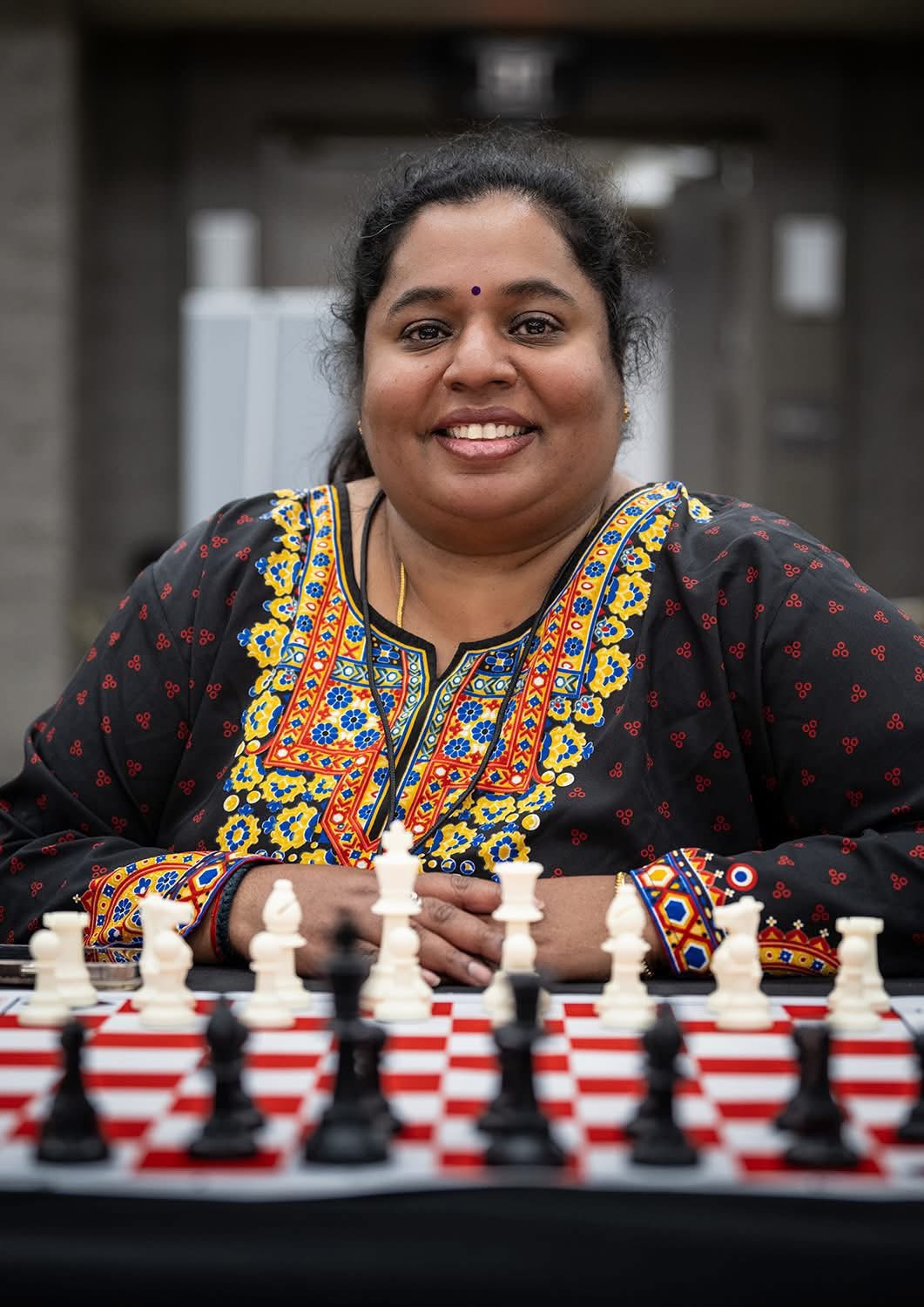

We caught up with the brilliant and insightful Kalanithi a few weeks ago and have shared our conversation below.
Kalanithi, thanks for taking the time to share your stories with us today We’d love to have you retell us the story behind how you came up with the idea for your business, I think our audience would really enjoy hearing the backstory.
The idea for Chess for Cure grew naturally from my belief that chess can be more than a game because it can be a platform for meaningful change. Through my work with Discovery Chess Learning Academy, I have seen how chess builds confidence, discipline, and leadership in young people. I wanted to take that same powerful platform and connect it to a cause that truly matters. Chess for Cure was created to bring the chess community together while raising awareness and support for women’s gynecologic cancer research and treatment, particularly through initiatives at the Cleveland Clinic. As someone who strongly believes in empowering women and giving back to the community, I felt that combining competitive chess with philanthropy would create a unique way to make an impact.
By hosting tournaments, galas, and community events, Chess for Cure celebrates the game of chess while also championing women’s health, education, and leadership—turning every move on the board into a step toward a greater cause.
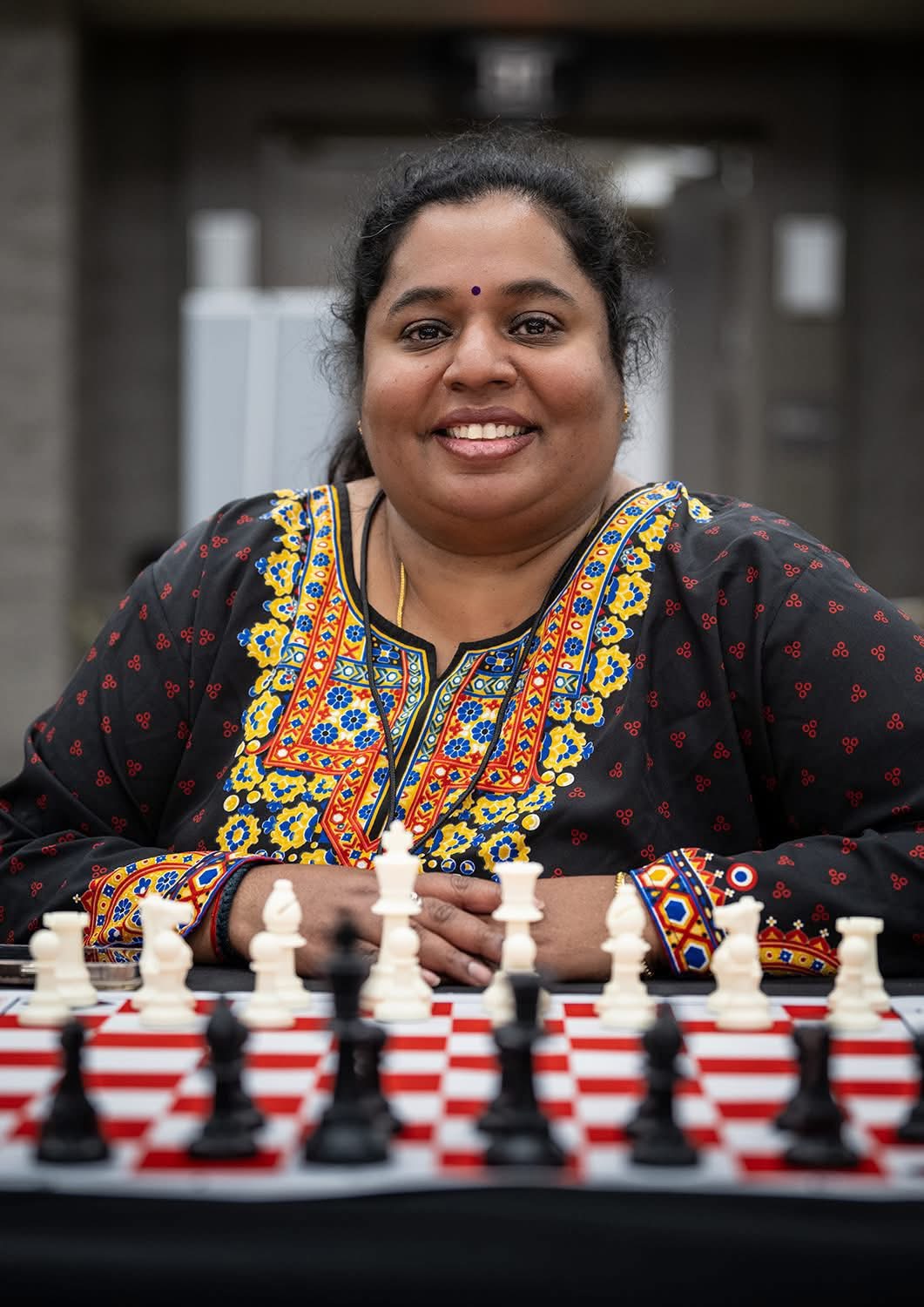
As always, we appreciate you sharing your insights and we’ve got a few more questions for you, but before we get to all of that can you take a minute to introduce yourself and give our readers some of your back background and context?
My journey into the chess world began with a deep appreciation for the game’s ability to teach life lessons beyond the board. I have always believed that chess develops critical thinking, patience, resilience, and leadership—skills that are valuable in every aspect of life. What started as a passion for the game gradually grew into a commitment to share its benefits with others.
This belief led me to establish Discovery Chess Learning Academy, where my focus has been on using chess as an educational and developmental tool for students of all backgrounds. Through coaching, tournaments, and community programs, I have worked to create opportunities for young players to grow not only as chess players but also as confident and thoughtful individuals.
Over time, my involvement in the chess community expanded beyond teaching. I became increasingly interested in how chess could serve a larger purpose—bringing people together, supporting meaningful causes, and creating opportunities for leadership and mentorship. This vision eventually inspired initiatives such as Chess for Cure, where the game of chess is used as a platform to support community impact, raise awareness for important causes, and promote greater participation in the game, especially among women and young players.
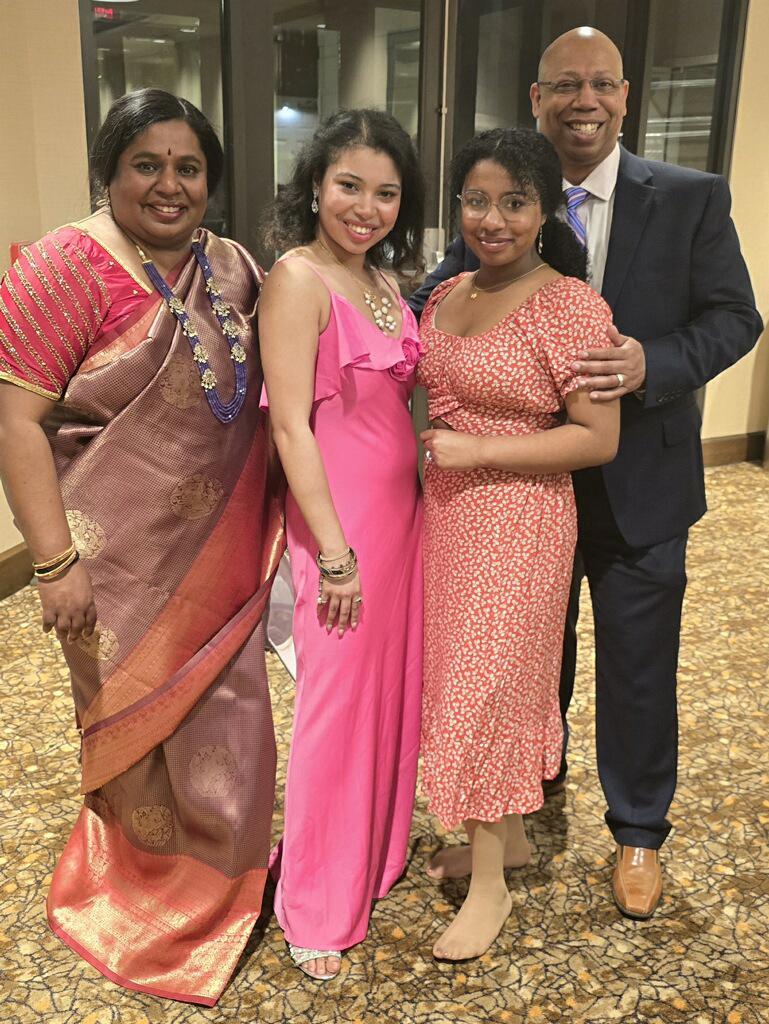
Any stories or insights that might help us understand how you’ve built such a strong reputation?
My reputation in the chess community has been built through years of dedication to teaching, mentorship, and community service. Through Discovery Chess Learning Academy, I have focused on developing strong players while also helping students build life skills such as discipline, strategic thinking, patience, and resilience. Parents and students trust our academy because our mission goes beyond winning games—we emphasize personal growth and character development through chess.
An important part of my work has also been giving back to the community. I volunteer as a chess coach at the Cuyahoga Hills and Indian River Juvenile Detention Centers, where I use chess as a tool to mentor young individuals. In these settings, chess becomes more than a game; it helps students learn to think ahead, manage emotions, take responsibility for their decisions, and develop confidence in their abilities.
Through coaching, organizing tournaments, mentoring young players, and launching initiatives like Chess for Cure, I have worked to create opportunities for players while also using chess as a platform for positive change. This combination of competitive excellence, mentorship, and community impact has helped establish my reputation within the chess community.

Let’s talk about resilience next – do you have a story you can share with us?
One moment that reflects my resilience came during the early years of building Discovery Chess Learning Academy. Establishing a chess academy was not easy. Chess is often seen as a niche activity, and convincing parents, schools, and the community that it could be a powerful educational tool required persistence. There were times when resources were limited, tournaments were difficult to organize, and building trust in a new program took time.
Instead of seeing those challenges as obstacles, I treated them as opportunities to grow. I continued teaching, mentoring students, and creating programs that demonstrated the real value of chess. Gradually, the community began to see the impact—students gaining confidence, improving their critical thinking, and developing discipline both on and off the board.
One particularly meaningful experience was volunteering at the Cuyahoga Hills and Indian River Juvenile Detention Centers. Teaching chess to young individuals in those environments reminded me why the work matters. Seeing how a simple chessboard could help them learn patience, responsibility, and strategic thinking reinforced my belief that chess can change lives.
Those moments strengthened my resolve to continue building programs, organizing tournaments, and launching initiatives like Chess for Cure. Each challenge along the way has only deepened my commitment to using chess as a platform for education, mentorship, and community impact.
Contact Info:
- Website: https://discoverychess.org
- Instagram: discovery.chess.learning.academy
- Facebook: https://www.facebook.com/profile.php?id=100057337214120
- Linkedin: https://www.linkedin.com/in/kalanithi-kanapathy-bagley-4bb8a437/
- Other: https://give.ccf.org/event/chess-for-cure-gala-2026-an-evening-of-strategy-cinema-and-elegance/e776723

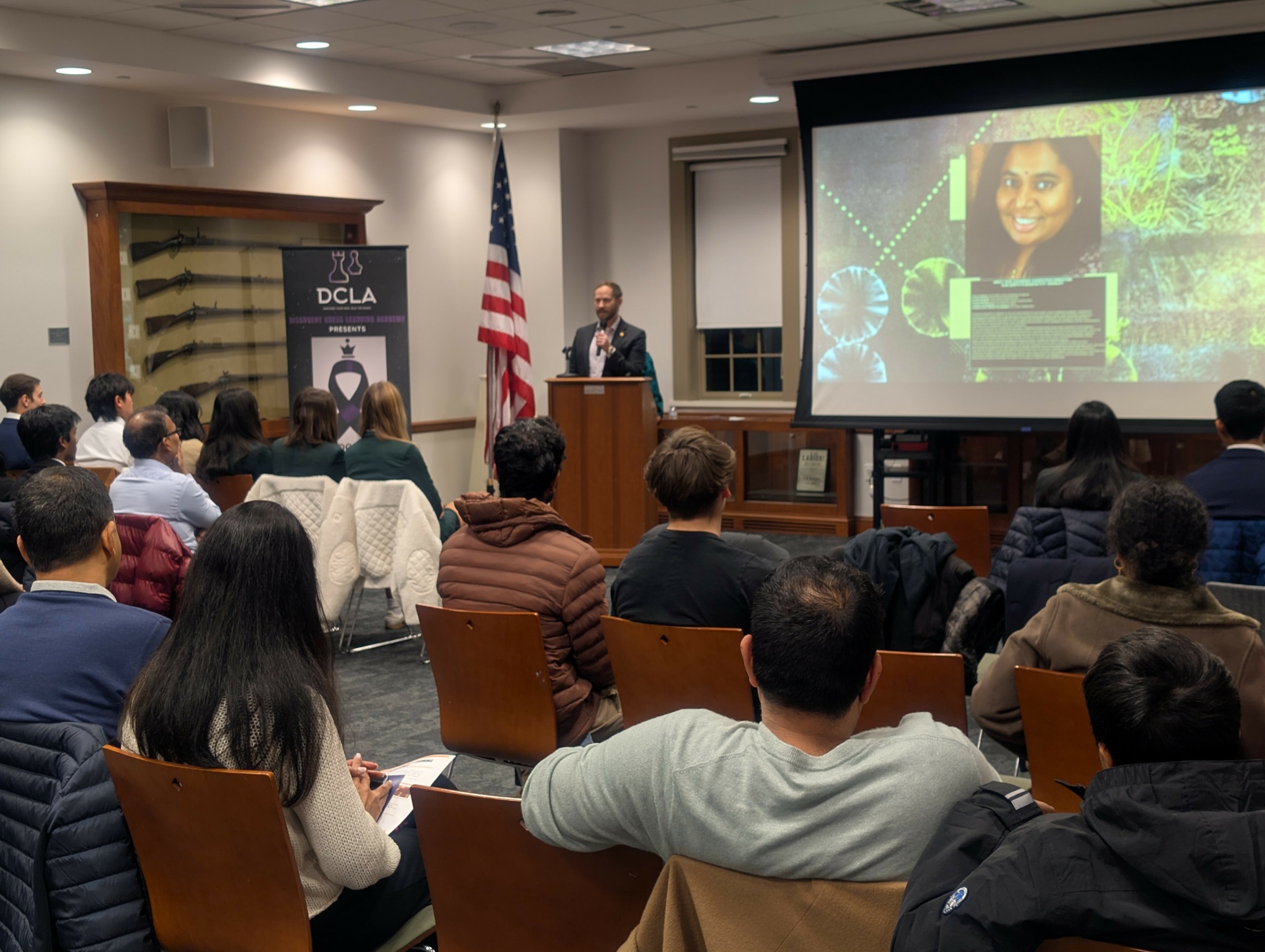
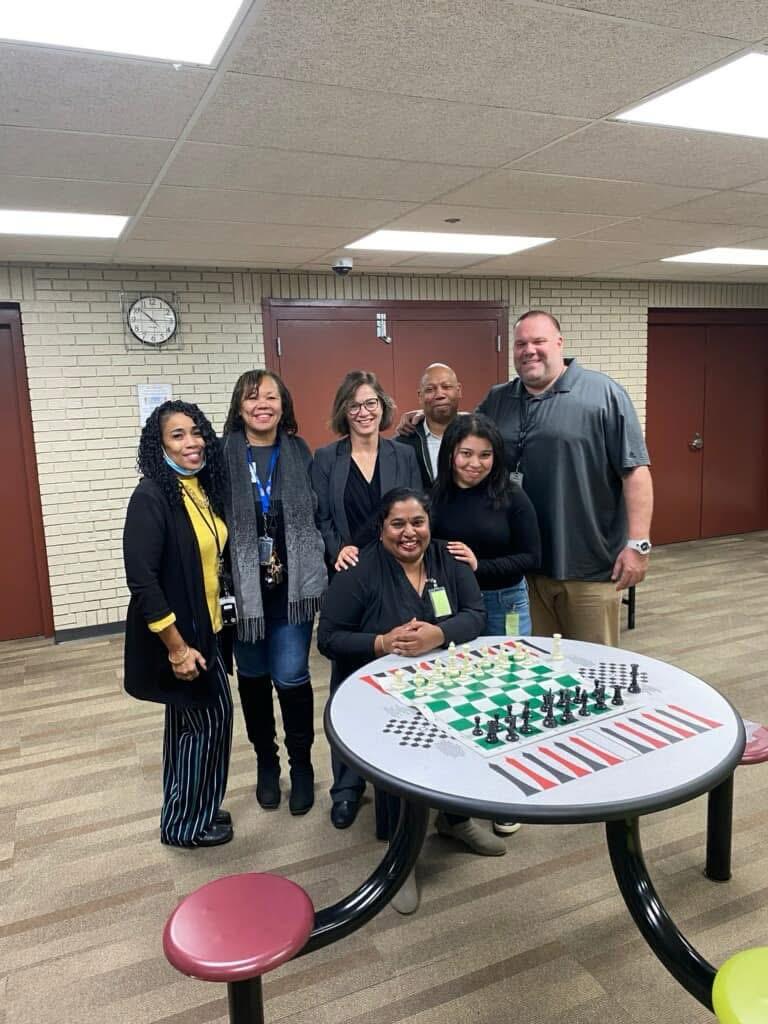
Image Credits
Indian River Juvenile Detention center for picture 6