


We recently connected with Ely Hemnes and have shared our conversation below.
Ely, looking forward to hearing all of your stories today. Folks often look at a successful business and imagine it was an overnight success, but from what we’ve seen this is often far from the truth. We’d love to hear your scaling up story – walk us through how you grew over time – what were some of the big things you had to do to grow and what was that scaling up journey like?
Here’s a strong, article-ready response in your voice and aligned with how you think about growth, systems, and storytelling:
⸻
Most people assume growth happens in a moment. For us, it was a series of very unglamorous, very intentional decisions made over nearly a decade.
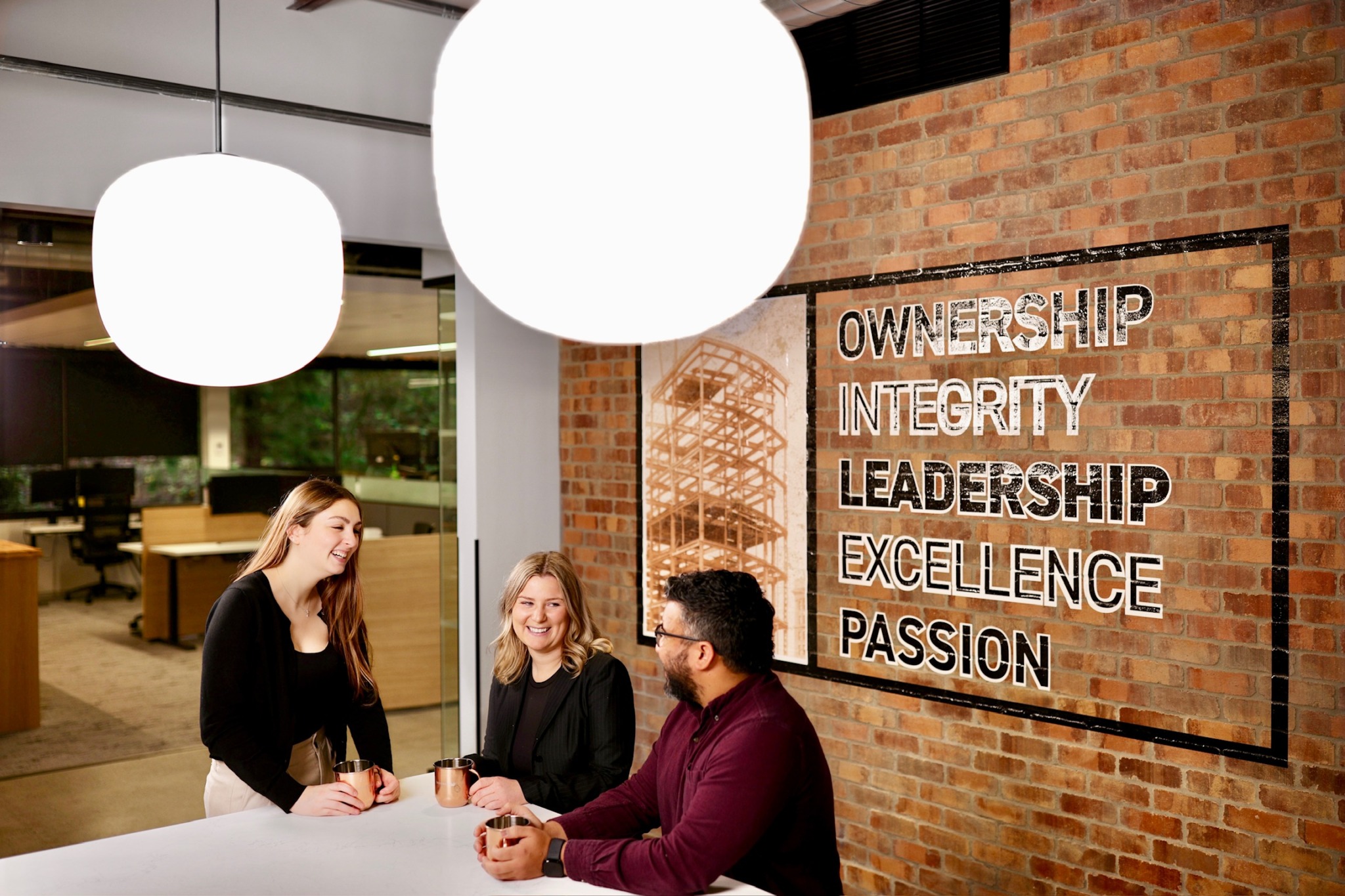
We started as a small, scrappy production company taking on anything we could to build momentum. Early on, I was doing everything. Shooting, editing, client communication, scheduling, invoicing. That phase was critical because it built a deep understanding of both the creative process and the operational gaps that exist in our industry.
The first real shift in scaling came when we stopped thinking of ourselves as a “photography and videography vendor” and started positioning as a production partner. That changed everything. Instead of one-off projects, we began building long-term relationships with clients who needed consistency across offices, teams, and timelines. That shift allowed us to move from transactional work to recurring, scalable work.
From there, growth was less about taking on more and more about building systems.
We invested heavily in structure. Databases to track every project. Standardized workflows from discovery to delivery. Clear scopes of work. Defined post-production processes. We focused on creating a “single source of truth” internally so that projects didn’t live in someone’s head. That operational clarity is what allowed us to grow without breaking.
At the same time, we made a deliberate decision to build a national contractor network instead of a large in-house production team. That gave us flexibility and geographic reach without the overhead. We could serve clients in multiple states while maintaining a consistent standard of quality, because we had clear processes, expectations, and creative direction in place.
Another key moment was realizing that photography and videography should not be treated as separate efforts. By capturing both simultaneously, we were able to create more cohesive and versatile asset libraries for our clients. That increased the value of every production and made our work more scalable across marketing, recruiting, and brand storytelling needs.
There were plenty of challenges along the way. Scope creep on projects that were underbid. Hiring too quickly or not clearly defining roles. Bottlenecks in post-production. Moments where we were at full capacity and still trying to say yes to everything. Those were all learning moments that forced us to refine our pricing, tighten our processes, and be more intentional about the work we take on.
One of the biggest mindset shifts was moving from reactive to proactive. Early on, we were constantly responding to client needs. Now, we help shape them. We guide clients on what to capture, how to structure content, and how to build long-term asset libraries. That shift not only improved the work but made our business more sustainable.
Scaling, for us, was not about a single breakthrough. It was about layering. Better clients. Better systems. Better communication. Better positioning. Over time, those layers compound.
Ten years in, the foundation we built allows us to operate nationally, support complex clients, and deliver consistent, high-quality work. But the reality is, the “middle phase” never really ends. We are still refining, still adjusting, still building toward what’s next.
That’s the part of the story people don’t see, and it’s the part that matters most.
As always, we appreciate you sharing your insights and we’ve got a few more questions for you, but before we get to all of that can you take a minute to introduce yourself and give our readers some of your back background and context?
Here’s your revised version with that industry positioning woven in naturally and clearly:
⸻
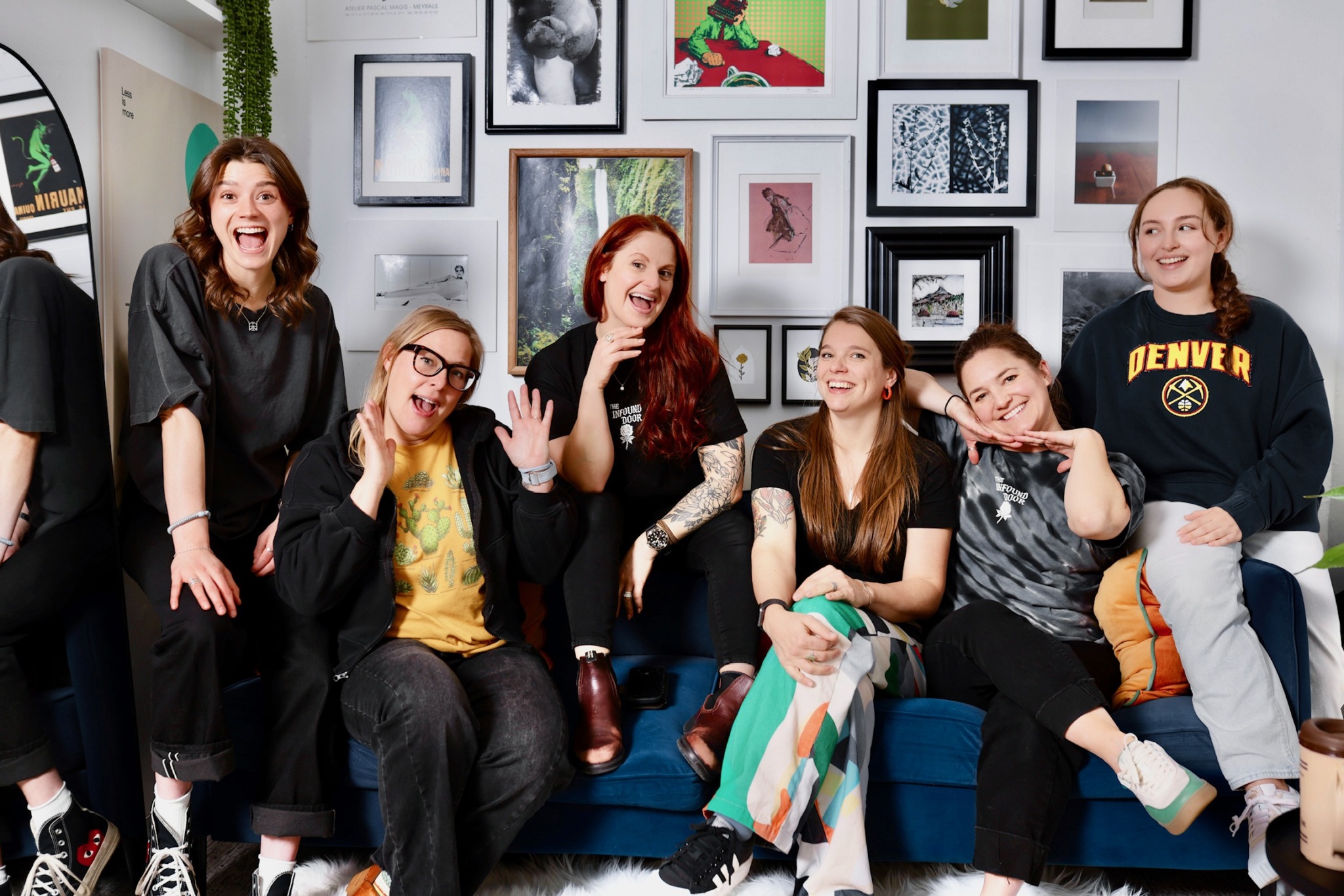
I’m Ely Hemnes, the CEO and Founder of The Unfound Door, a creative production company specializing in photography, videography, drone, and motion graphics.
I didn’t start this business with a perfectly mapped-out plan. I started it because I saw a gap. Creative work in professional industries was often treated as an afterthought, or executed in a way that didn’t reflect the scale, intelligence, and humanity of the work being done. At the same time, clients were stuck between hiring individual creatives with limited capacity or large agencies that felt overly complex and expensive. There wasn’t a clear middle ground.
That’s where The Unfound Door came in.
We built the company to be a bridge between the creative process and the business process. We understand how to create compelling visual content, but we also understand timelines, communication, stakeholder alignment, and the realities of working in active environments.
Today, we primarily work within architecture, engineering, and construction, while also partnering with clients in hospitality, small business, and other professional industries. Across all of these sectors, our focus is the same. We help organizations create cohesive, long-lasting visual asset libraries that support marketing, recruiting, internal communications, and brand storytelling.
Our services include people-centric photography, architectural and project photography, drone photo and video, b-roll videography, interviews, and motion graphics. A large part of our work is not just capturing content, but helping clients think strategically about what they capture and why.
We often come in when a company is going through a brand refresh, trying to unify multiple offices, or looking to better tell their story. Instead of approaching each shoot as a one-off project, we build systems. One production can generate a full library of assets that can be used across platforms and over time.
What sets us apart is how intentional we are about both the experience and the outcome.
On set, we prioritize making people feel comfortable and seen. Many of the individuals we work with are not professional talent. They are engineers, project managers, executives, and operators. Creating an environment where they can show up naturally is critical to getting authentic content.
Behind the scenes, we are extremely structured. We’ve built workflows, databases, and processes that allow us to manage complex, multi-location projects while maintaining consistency in quality and brand.
We also intentionally capture photography and videography together. That ensures visual alignment across all assets and maximizes the value of every production day. Clients walk away with content that is cohesive, versatile, and built to last.
What I’m most proud of is the trust we’ve built. Many of our clients have worked with us for years and across multiple states. They bring us into important moments. Brand launches, leadership interviews, major project milestones. Being trusted to capture those moments and represent their people and their work is something we take seriously.
I’m also proud of the team and network we’ve built. We operate nationally with a core team and a trusted group of creatives who align with our standards and approach. That allows us to scale while still maintaining the quality and care that defines our work.
At the core of everything we do is a simple idea: people first, always.
We believe the most impactful content comes from listening first, understanding what matters to our clients, and capturing it in a way that feels intentional, genuine, and true to who they are. The work should not just look good, it should feel right and function well across the many ways our clients need to use it.
For anyone discovering us for the first time, I would want them to know that we are not just here to create content. We are here to help build something that lasts.
Any stories or insights that might help us understand how you’ve built such a strong reputation?
Our reputation wasn’t built from one big moment. It was built from consistency over time.
Early on, we made a commitment to treat every project, no matter the size, as something that reflected our brand. Whether it was a small headshot session or a large multi-day production, we approached it with the same level of care, professionalism, and attention to detail. In industries like architecture, engineering, and construction, word travels quickly. People remember who shows up prepared, communicates clearly, and delivers what they promised.
Reliability became one of our strongest differentiators.
We work in environments where timelines matter, safety matters, and there are often many stakeholders involved. Being organized, responsive, and easy to work with has been just as important as the creative itself. Clients don’t just hire us for what we produce, they hire us because they trust how we operate.
Another major factor was staying focused on a core set of industries. By working primarily in architecture, engineering, construction, and related sectors, we developed a deep understanding of how those industries function. We understand job sites, PPE requirements, scheduling constraints, and how to work around active operations. That level of familiarity builds confidence and allows us to move efficiently on-site without disrupting the work.
We also built our reputation by thinking beyond a single deliverable.
Instead of handing off a gallery or a video and moving on, we help clients think about how their content will be used over time. How it supports recruiting, marketing, proposals, and internal communications. That strategic layer has helped position us as a long-term partner rather than a one-time vendor.
Consistency in visual quality has also played a big role. When clients work with us across multiple offices or projects, they know what they’re going to get. That consistency strengthens their brand, and in turn, reinforces ours.
Relationships have been everything, and that extends beyond our direct clients.
We’ve intentionally invested in the organizations that support and shape the industries we serve. That includes participating in industry groups, providing in-kind services, sitting on boards, sponsoring initiatives, and volunteering our time. Not as a sales strategy, but as a way to be more involved, more informed, and to contribute meaningfully to the communities we work within. That level of involvement has deepened our understanding of our clients’ worlds and strengthened our relationships in a very real way.
A large portion of our growth has come from referrals and repeat clients. We’ve built that by being collaborative, listening closely, and genuinely caring about the outcome of the work. When clients feel supported and proud of what we create together, they naturally bring us into future projects and recommend us to others.
There have also been moments where things didn’t go perfectly. Tight timelines, shifting scopes, unexpected challenges on-site. How we handled those moments mattered just as much as when things went smoothly. Staying solutions-oriented, communicating clearly, and following through built trust in a different, deeper way.
Over time, all of those small actions compound.
Our reputation is the result of showing up consistently, doing what we say we’re going to do, investing in the industries we serve, and continuously improving how we support our clients. It’s not something we built once. It’s something we maintain every day.
Do you have any insights you can share related to maintaining high team morale?
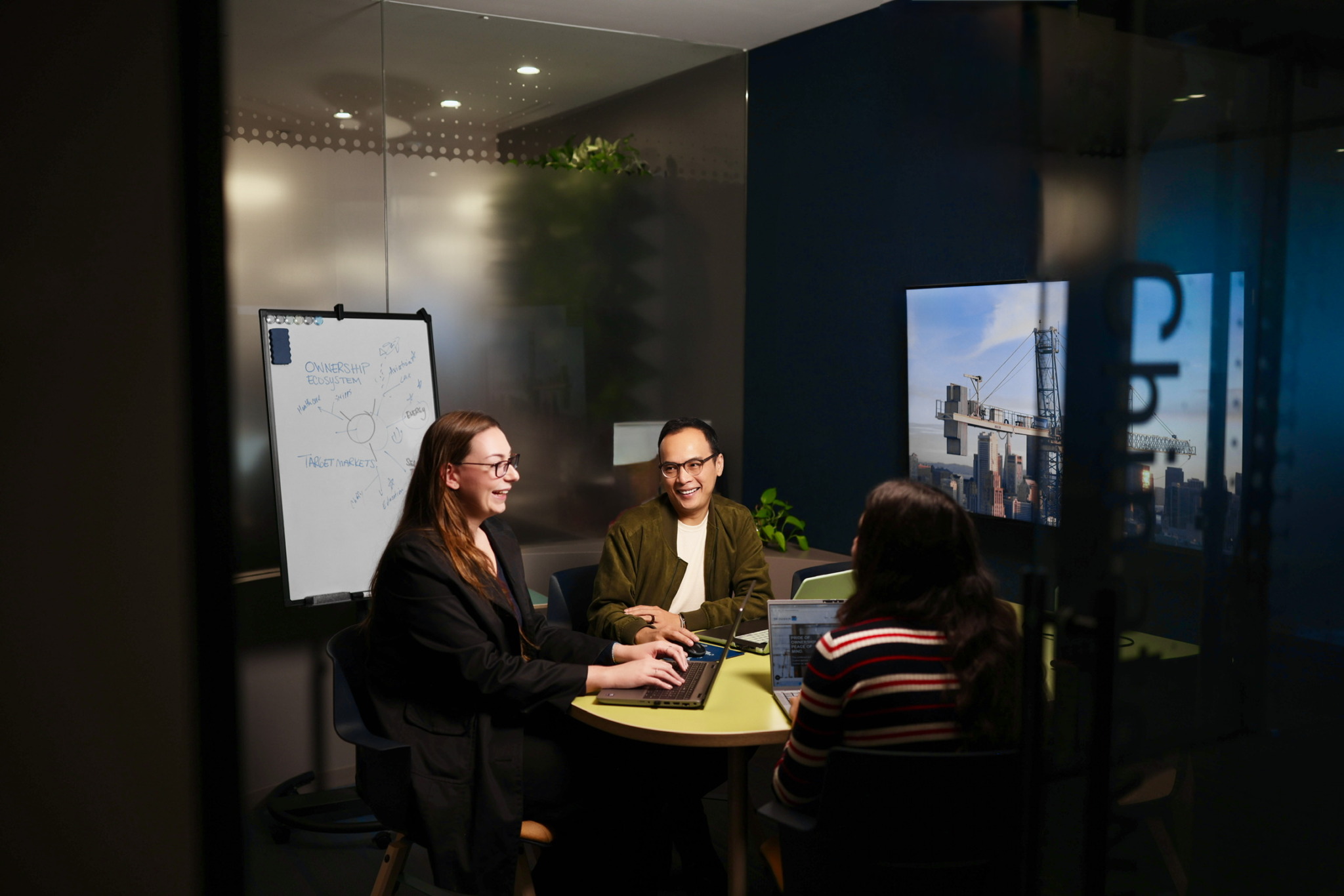
Managing a team and maintaining high morale is less about big gestures and more about consistency, clarity, and creating an environment people actually enjoy being part of.
One of the biggest things we’ve learned is that clarity reduces stress. When people understand their roles, priorities, timelines, and what success looks like, they can focus on doing great work instead of navigating confusion. That alone makes a huge difference in day-to-day morale.
At the same time, how people feel at work matters just as much as what they produce.
We’ve been very intentional about building a team environment where people can show up as themselves. Everyone works differently, communicates differently, and brings a different energy. Instead of trying to standardize personalities, we lean into that. We want people to feel comfortable, confident, and valued for who they are, not just the output they deliver.
We also make space for actually enjoying our time together.
We spend a lot of time as a team, both in and outside of work. Whether it’s being on set, working in the studio, or spending time together outside of projects, those moments build real relationships. That connection translates directly into how we collaborate and support each other during busy or high-pressure periods.
Efficiency plays a big role in morale as well.
A lot of burnout doesn’t come from working hard, it comes from working inefficiently. Disorganized workflows, unclear communication, or constant last-minute changes can make even reasonable workloads feel overwhelming. We focus on building systems, keeping meetings intentional, and streamlining how we work so the team can spend more time doing meaningful work and less time dealing with friction.
Accountability is important, but it has to be paired with support.
We have high standards, and we’re clear about that. But feedback is always meant to be constructive and forward-moving. People need to know what to improve and feel supported in getting there.
Recognition is also simple but important.
Calling out wins, acknowledging effort, and taking a moment to recognize progress goes a long way, especially in a fast-paced environment where it’s easy to move from one thing to the next.
We’re also realistic about the nature of the work.
There are going to be intense weeks and demanding projects. That’s part of what we do. But it shouldn’t be constant. Creating space to reset and protecting people’s energy is just as important as delivering strong work.
At the end of the day, morale comes from a combination of clear expectations, efficient systems, real relationships, and giving people the space to be themselves. When those pieces are in place, the work tends to follow.
Contact Info:
- Website: https://Www.theunfounddoor.com
- Instagram: https://Www.Instagram.com/theUnfoundDoor
- Facebook: https://Www.facebook.com/theUnfoundDoor
- Linkedin: https://Www.linkedin.com/company/theUnfounddoor
- Youtube: https://Www.youtube.com/theUnfoundDoor-ufd
Image Credits
The Unfound Door