



We’re excited to introduce you to the always interesting and insightful Kacie Swaffield. We hope you’ll enjoy our conversation with Kacie below.
Kacie, looking forward to hearing all of your stories today. Can you open up about a risk you’ve taken – what it was like taking that risk, why you took the risk and how it turned out?
Choosing a path as an artist is a risk in itself. And the best performers are ones who take risks in their career and in their performances. Spontaneity is crucial to have that magnetic impulsive energy bouncing around on stage or in front of the camera and it is easy to fall into holes of self deprecation, self consciousness, or insecurity in one’s process. I know those feelings all too well and improving on those feelings involves a lot of unlearning of habits. I took Voice and Speech classes at my time at the Academy and was lucky to have had a teacher that saw me, pushed me, and believed in me. He was always urging us to take risks, to fully go for it even if the work we were doing didn’t feel right or make sense to us. One day in class, he was guiding us through a warmup and some exploratory exercises. When class was over, he pulled me to the side and said that I knew what I was doing more than I thought I did and he could feel that I was making myself smaller in the group. He said whatever it is that is restraining me, I need to cut it out right now and that he never wants have this conversation with me again. I felt an immediate wakeup call and empowered by him and felt it changed my path and my work for the better for the rest of the year. When I start hearing the voices that tell me that I am not good enough, that I am not talented enough, or to make the easy choice, I tune into the words and lessons of my mentors that have lifted me up and encouraged me that taking risks in acting is not just an option, but absolutely crucial.
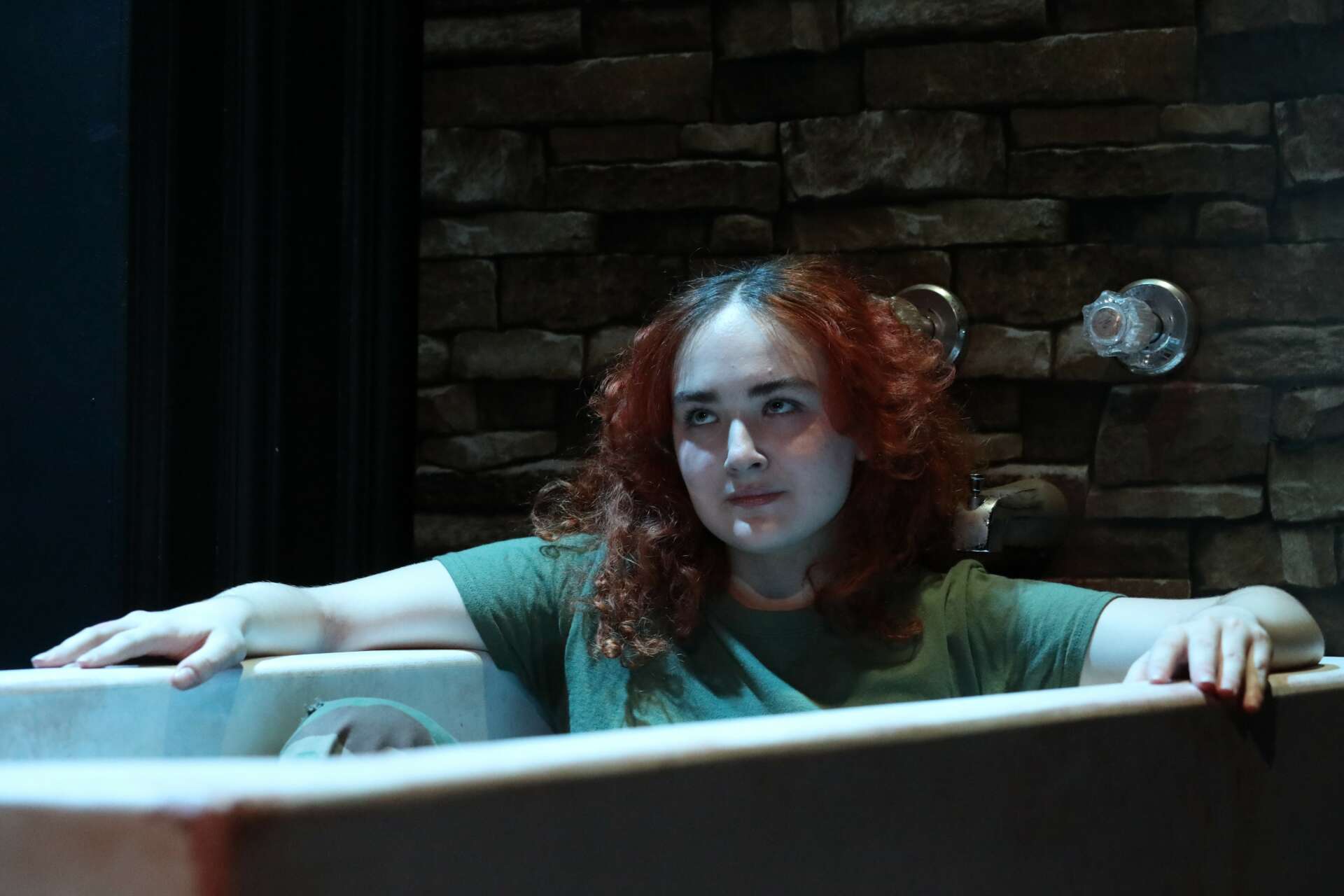
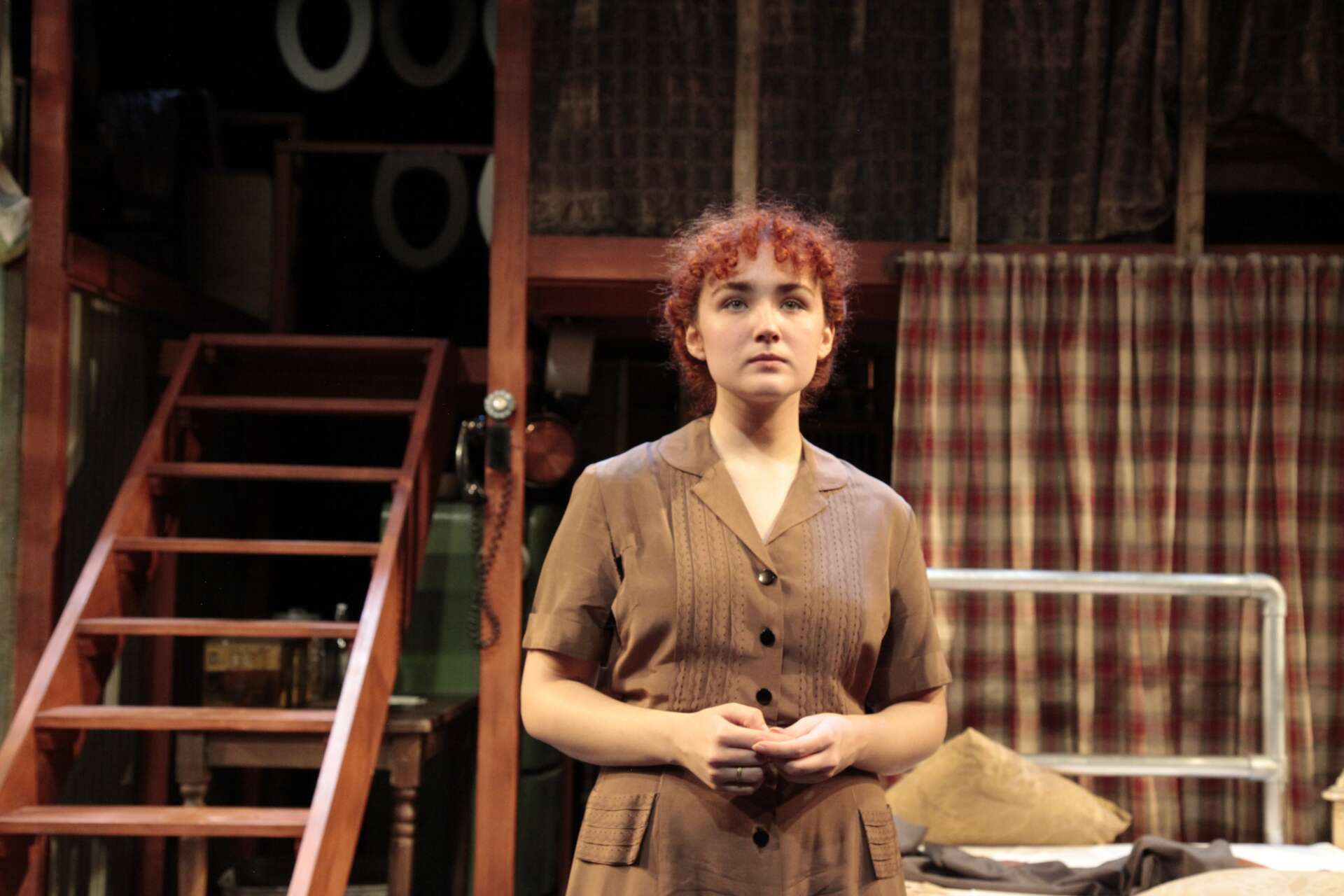
As always, we appreciate you sharing your insights and we’ve got a few more questions for you, but before we get to all of that can you take a minute to introduce yourself and give our readers some of your back background and context?
I started taking acting classes when I was eleven years old. I grew up in a small town that did not provide many outlets for people my age. I was attending a new school and was in a very transitional time in my life, questioning everything about what I wanted to do, what my interests were, who I was, and so on. When I picked acting as an elective that year, I didn’t know what exactly I was signing up for. I went in assuming that it was probably just acting games for junior high students, but that was the farthest from what it was. I was lucky enough to have had a very passionate teacher who was taught by Sanford Meisner himself and was incredibly determined in fostering an environment of truth and dedication to the craft. From the first repetition exercise, I felt like I cracked open a door into the depths of who I might be and what my truth was. I knew that I was irrevocably changed and that my calling had found me. It was exhilarating to work in class and we created a community of artists in a small school in a small town. It was a privilege to have had those experiences and I knew I wanted to carry on my education after high school. I only applied to schools in New York and ended up attending the American Academy of Dramatic Arts. I, along with my mother, three cats, and my dog packed what we could fit into my PT Cruiser and moved to New York together without any place to live. I worked as a production assistant for the Academy’s Company shows while being a full time student, until I too was accepted into the Company the next year, in which I played Masha in “Dying For It,” Boggett in “Phoebe in Winter,” and was most surprised when I was cast to play Macbeth where I felt my abilities stretch beyond my belief. I am extremely grateful for my time at the Academy, for my growth as an actor and as a person, for the connections and relationships I made, and, for the brilliant directors, actors, and artists I was able to work with. I am less than a year out of school and have continued my journey with Shakespeare and the stage, and have been making my shift to more film work as well. But throughout the lulls and breakthroughs this year and while also knowing I have a lifelong amount of effort and continuous work and education ahead of me, I am eternally grateful to look back at where I started in that classroom almost ten years ago, and to see myself in the midst of what I have wanted all this time: pursuing acting in the city of my dreams.
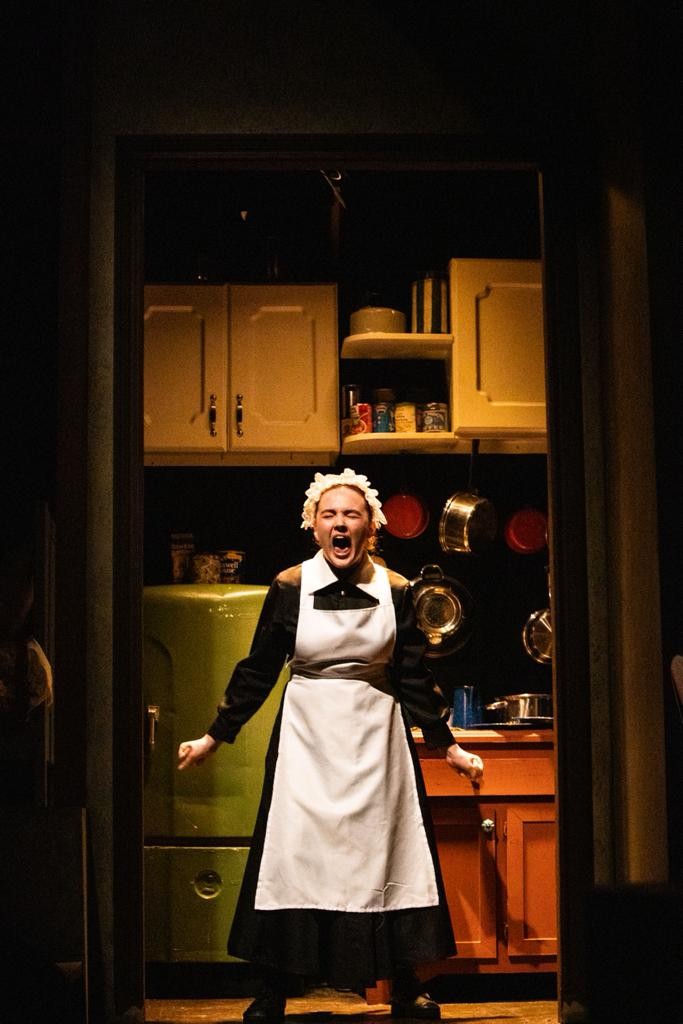
Is there mission driving your creative journey?
Acting is not necessarily a choice you make, it can be something that chooses you. It is something that you must do, not just want to do. Of course you make the choice to show up for your passion and craft in many ways, but it is something that is crucial for me to do to live. The farther I am away from it, the more I lose a sense of purpose and of who I am. I know that sounds extreme, but it’s truly how I feel. It isn’t always easy, and most of the time I am chasing the feeling of when it feels good rather than actually experiencing it. Most of the time, I am filled with the stress and disappointment that involves process, but when it feels good, there is no other feeling like it in the world. I believe most actors’ goals involve wanting to have the privilege to build a life doing what they love. I of course have my big dreams of glory, but I also understand that this career path has its ebbs and flows, its lows and triumphs. But I want to work. To me success is to be able to act for my entire life, even if that means I am eighty years old and doing community theatre in some town. It means I did what I wanted to with my life. Of course there is more to my dreams and goals than that but in terms of success, work is success. Growth is success. Education is success. And it is a lifelong commitment to growth and learning.
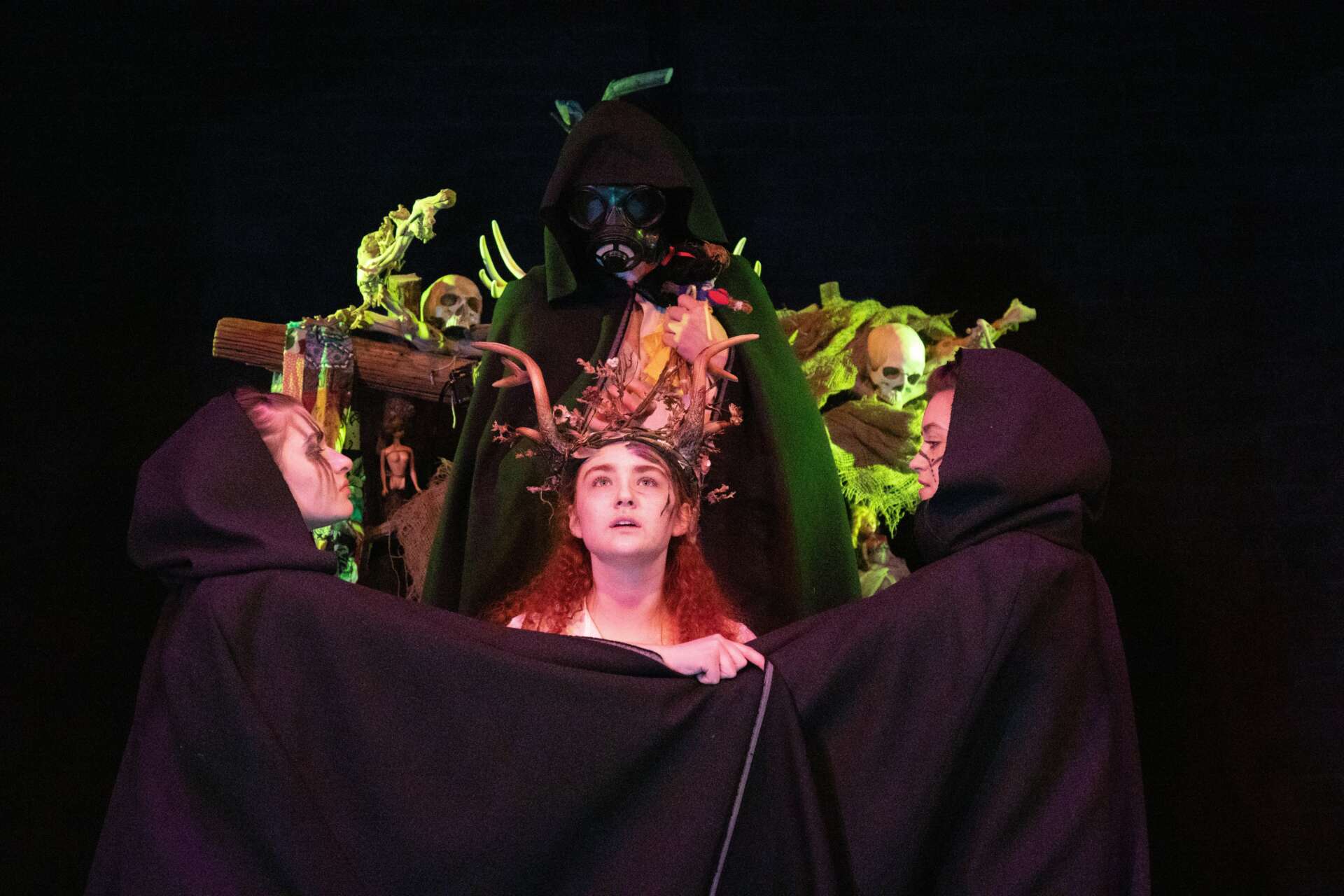
What can society do to ensure an environment that’s helpful to artists and creatives?
Schools need funding and resources for the arts. The arts are crucial to society. Society is constantly consuming art while simultaneously putting it down as a serious career path or option in life. My school district growing up did not fund our theatre department at all. We fundraised to put on our shows ourselves and our acting teacher/director used money from his own pocket to make our productions happen. Not one cent from the district. We didn’t even have an actual theatre but more so a “multipurpose room,” in which we utilized our space the best we possibly could and built our sets from the ground up. It did teach me a lot about resilience and was also a huge lesson about what art you can make out of necessity and how a lack of resources can push you creatively, but it was always hurtful how little art was valued from our district. There are many talented young people who yearn to study their craft and pursue a career in the arts. Their biggest obstacles can be scarcity of resources and support. They don’t have access to certain spaces, some not even existing in their communities, as well as a lack of support from their family who don’t view the arts as a “logical” path in life. The hypocrisy here is that art is all around us and we consume it every day: music, a favorite tv show to settle down at the end of the day with, going to the movies, museums, plays, etc. Therefore, since art surrounds us everywhere, I think there is actually room for everyone who wants to create, yet there is such a lack of access which inevitably gives those who already have an “in” to the industry front row seats. But it doesn’t have to be that way and somewhere in a small town without any theatre community is a child filled to the brim with hope and talent, and the world doesn’t need to do its best to squash it. There are many fads in the world, but theatre and the arts are a constant. There have been debates and discussions for generations about whether or not theatre will ever die, but it carries on a pulse and I believe always will. It is intrinsic to human nature: performance and the arts.
Contact Info:
- Website: kacieswaffield.com
Image Credits