

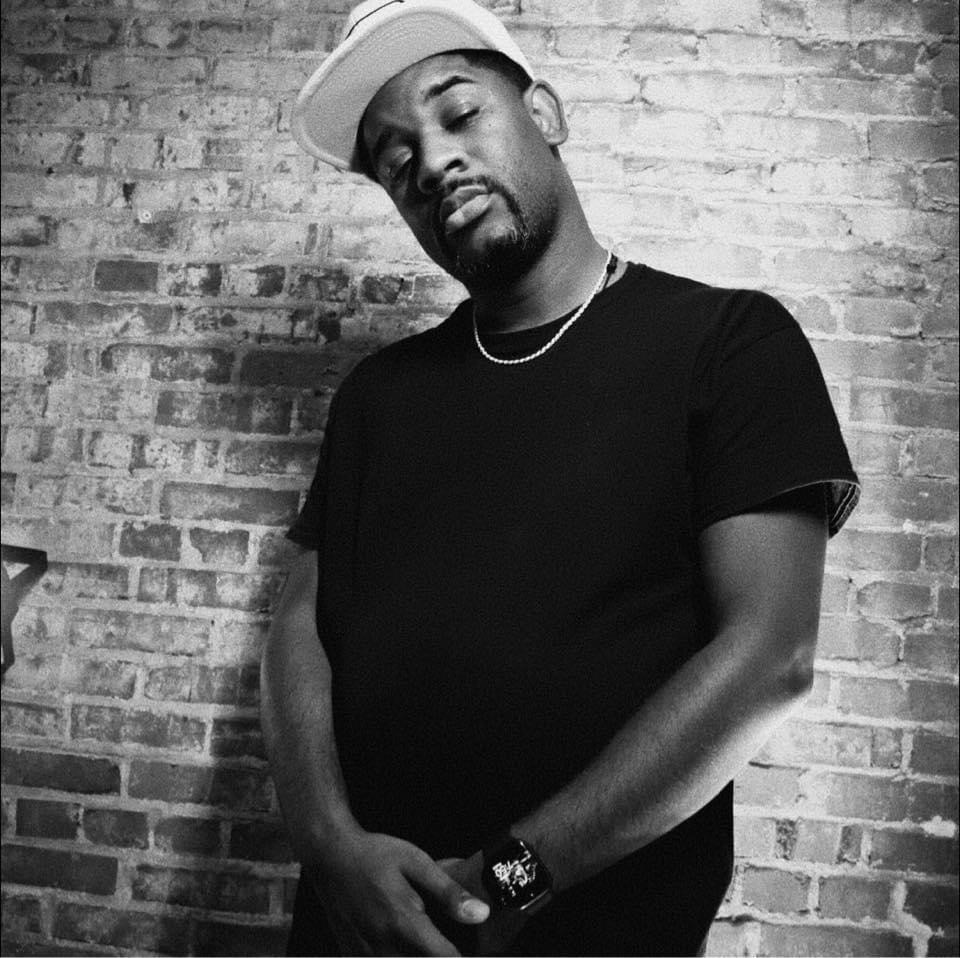

We recently connected with K.Le DaVincci and have shared our conversation below.
K.Le, thanks for taking the time to share your stories with us today The first dollar you earn is always exciting – it’s like the start of a new chapter and so we’d love to hear about the first time you sold or generated revenue from your creative work?
I was a freshman in high school when I earned my first real money from music.
A fellow musician let me borrow his CD duplicator. I was about 15 or 16 years old. I stayed up all night pressing CDs. The album had 15 songs on it, all recorded the hard way — I was an analog producer at the time, using 4-track machines, reel-to-reels, splicing tape, and occasionally DAT machines.
The burner could only duplicate one CD at a time, and each copy took about 20 minutes. So every day after school, I’d rush home and start the process immediately. My mom thought I was asleep most nights. In reality, I was in my bedroom with a small nightlight on, quietly duplicating CDs into the early morning hours.
I burned about 100 copies.
At the time, I was attending Bishop Byrne High School. My label mate and vice president, Rico Maples, was still at Kirby High. We split the inventory 70/30 — I kept the majority.
Before first period even started, I had already sold 25 copies at $5 each.
That’s when the principal, Albert Langston, caught wind that I was “selling” music on campus. I was called into the office. He asked me about the money. I denied it. He knew I was lying. We sat there in silence for a moment. Then he said, “Chris, don’t get caught with that money.”
I looked at him and replied, “What money?” and blinked.
He let me go.
By the end of the day, I was completely sold out — $350.
Because I attended a private school, I got out at 3:00 PM. Rico, at Kirby, was out by 2:15 and had to catch the bus home. We met that afternoon in our neighborhood — Easthaven, also known as “Third World” — at the corner of Morning View and Golden Oaks.
I pulled out my money. He pulled out his. He hadn’t sold out, but he had moved enough. Altogether, we were looking at roughly $400. I deducted the cost of the next pack of CDs, and we split the rest evenly.
Later that day, my mom received her paycheck from work. I asked her how much she made. When she told me the amount, I realized Rico and I had made nearly half of her five-day workweek income in one day. This was also back in 2000-2001, inflation of money was quite different then.
That was the moment.
I knew I would never stop doing music.
It wasn’t just about the money — although at that age, it felt huge. It was about proof. Proof that something I created in my mind could move people enough for them to spend their own hard-earned money on it.
That day taught me two lessons:
1. Art has value.
2. If you believe in your work, other people will too.
Long before LLCs, distribution platforms, or brand strategy, I was already testing the market in a school hallway. That sold-out freshman day became my blueprint. I didn’t just want to create — I wanted to own, scale, and build.
And it all started before first period.
As always, we appreciate you sharing your insights and we’ve got a few more questions for you, but before we get to all of that can you take a minute to introduce yourself and give our readers some of your back background and context?
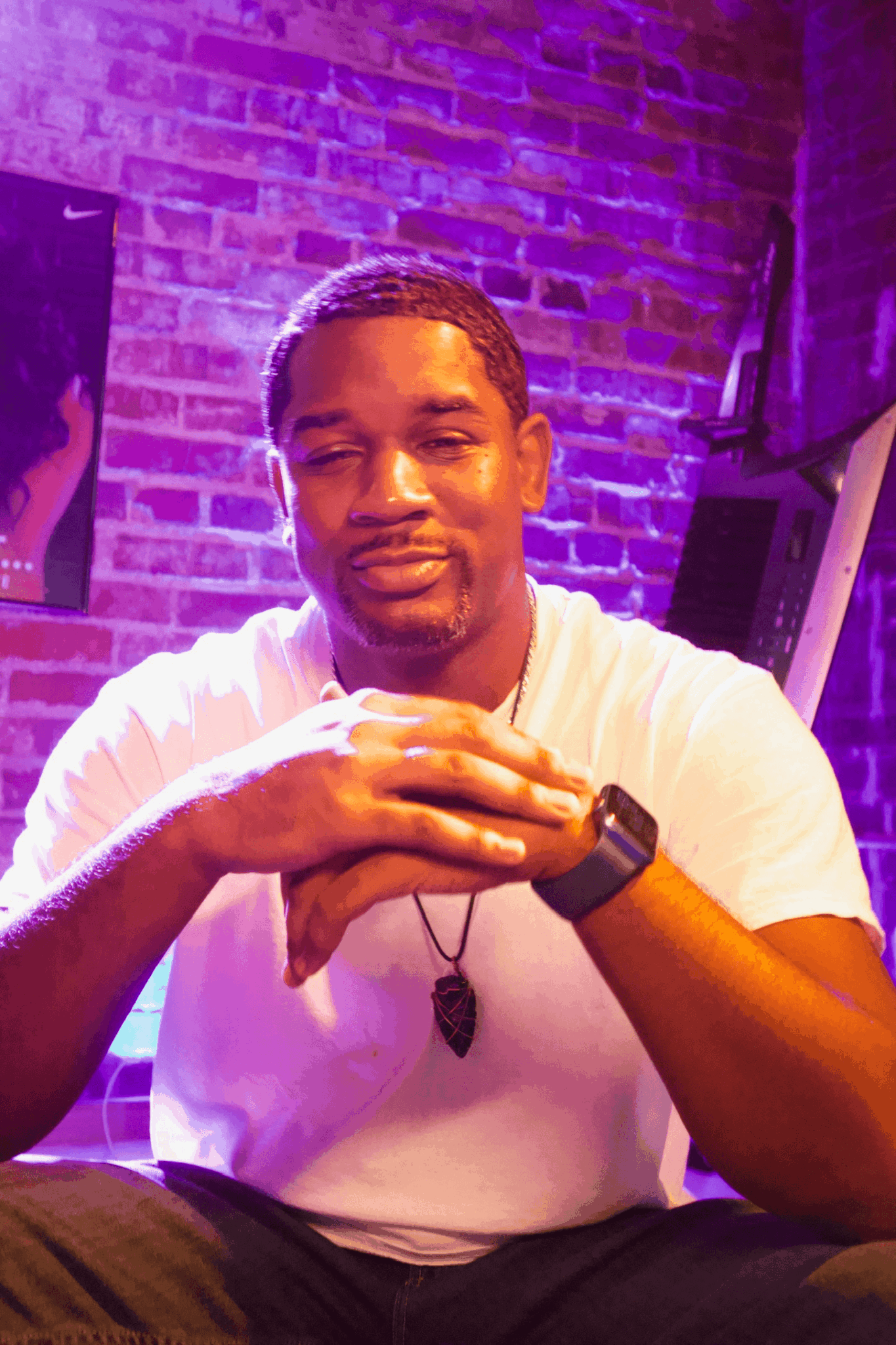
I’m K.Le DaVincci — a recording artist, producer, and founder of KDV ENT 901. I was born and raised in Memphis, Tennessee, and my journey into music started early, long before it became a business.
I began as an analog producer, working with 4-track machines, reel-to-reels, and splicing tape. That foundation shaped my ear and my discipline. I didn’t grow up clicking loops — I grew up building sound from scratch. That technical understanding of music still defines how I create today.
As I matured, I realized music wasn’t just expression — it was infrastructure. It was ownership. It was economics. So I transitioned from simply making songs to building systems around my creativity.
Through KDV ENT 901, I operate as an independent creative enterprise. I provide:
• Original music production
• Recording and vocal direction
• Mixing and mastering
• Artist development and creative strategy
• Brand positioning and rollout planning
But more than services, I provide structure.
A lot of artists struggle not because they lack talent — but because they lack clarity, consistency, and ownership. I help bridge the gap between creativity and business. I believe creatives should understand publishing, masters, contracts, marketing, and long-term positioning just as well as they understand melody and rhythm.
What sets me apart is that I’m both the artist and the architect.
I understand the emotional side of creation — and the strategic side of scaling. I treat music like both art and asset. Every project I touch is approached with intention: sonically, visually, and structurally.
I’m most proud of my independence.
From selling CDs as a freshman to officially launching KDV ENT 901 LLC, everything has been built step by step, organically, without shortcuts. No fake streams. No inflated numbers. Just disciplined growth and real metrics.
My mission is simple:
To build a sustainable, ownership-driven creative ecosystem that proves you don’t have to surrender control to scale.
I want potential collaborators, clients, and supporters to know this:
I’m not chasing moments. I’m building legacy.
Every beat, every rollout, every brand decision is intentional. Memphis raised me with grit, but vision keeps me moving forward.
This isn’t just music.
It’s purpose, performance, and power — driven, and then of course there’s the go kart and formula racing training that I’m into as well.
Learning and unlearning are both critical parts of growth – can you share a story of a time when you had to unlearn a lesson?
One of the biggest lessons I had to unlearn was the belief that great art alone guarantees longevity.
Early on, I operated from a pure creative mindset. If the music was strong, I assumed everything else would align. But my perspective shifted during a pivotal moment in my career when I became involved in strategic conversations surrounding the evolution of iHeartRadio’s transition toward on-demand streaming.
At the time, traditional radio was still the dominant model. But I recognized that listener behavior was changing. Audiences wanted control. Access. Personalization. I was actively advocating for and contributing to forward-thinking discussions about how legacy platforms would need to adapt to survive in a digital-first world.
Watching — and participating in — that shift taught me something critical:
The future belongs to those who understand infrastructure, not just creativity.
I had to unlearn the “artist-only” mentality and embrace systems thinking. Distribution strategy, ownership, licensing, data, and timing became just as important to me as melody and rhythm.
Music isn’t just emotion. It’s architecture.
That experience changed how I build. Now, every project I touch is approached with foresight. I don’t just create songs — I think about platform positioning, scalability, and long-term asset control.
Unlearning that talent is enough allowed me to step into something bigger: strategic creativity.
Have any books or other resources had a big impact on you?
One of the most impactful resources that shaped my entrepreneurial thinking wasn’t a bestselling business book or viral podcast.
It was corporate training manuals.
Specifically, the handbooks and internal training systems from three companies I took seriously: FedEx, Virgin America Airlines, and Telvista Call Center.
At FedEx, I learned logistics and execution. Precision mattered. Timing mattered. Accountability mattered. Packages don’t move efficiently because of passion — they move because of systems. That experience taught me that ideas are meaningless without structure behind them.
At Virgin America, I learned brand psychology and customer experience. Everything was intentional — tone, environment, presentation, communication. It wasn’t just about transportation. It was about how people felt during the process. That taught me the power of perception and curated experience.
At Telvista Call Center, I learned communication strategy. Listening. Objection handling. Tone control. Emotional intelligence. You quickly realize that the way you say something can completely change the outcome. That experience sharpened my ability to navigate conversations, negotiate, and understand people’s needs beneath their words.
Those three environments shaped how I operate today.
FedEx gave me systems.
Virgin gave me experience.
Telvista gave me communication.
When I build music, manage creative projects, or develop brand strategy through KDV ENT 901, I combine all three. Structure, presentation, and psychology.
A lot of creatives focus only on inspiration. But inspiration without infrastructure collapses. Talent without systems stalls. And vision without communication never scales.
Ironically, my most valuable entrepreneurial lessons didn’t come from a book. They came from training rooms where discipline, consistency, and accountability were non-negotiable.
That foundation still drives how I build today.
Contact Info:
- Instagram: KleDaVincci
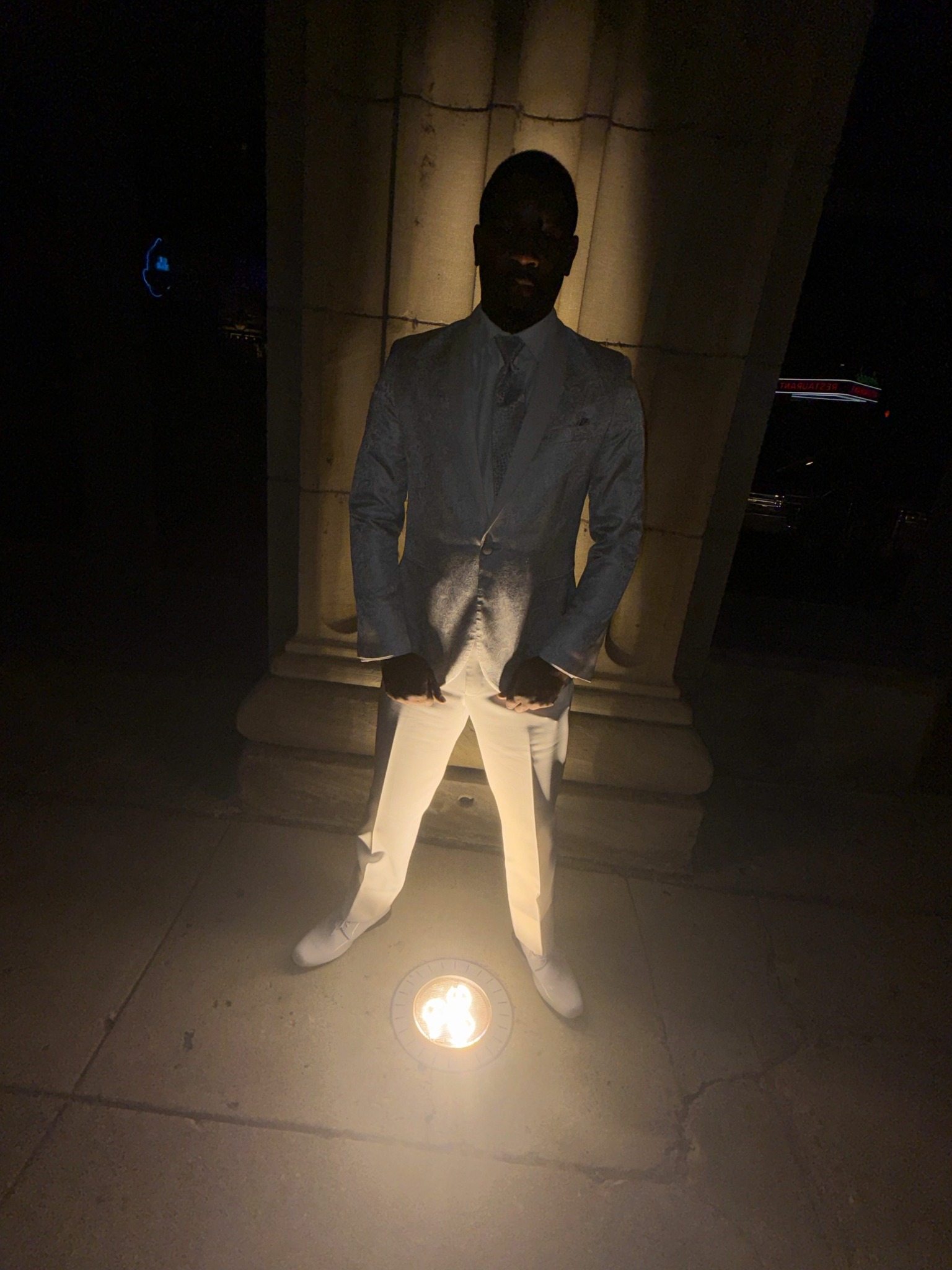
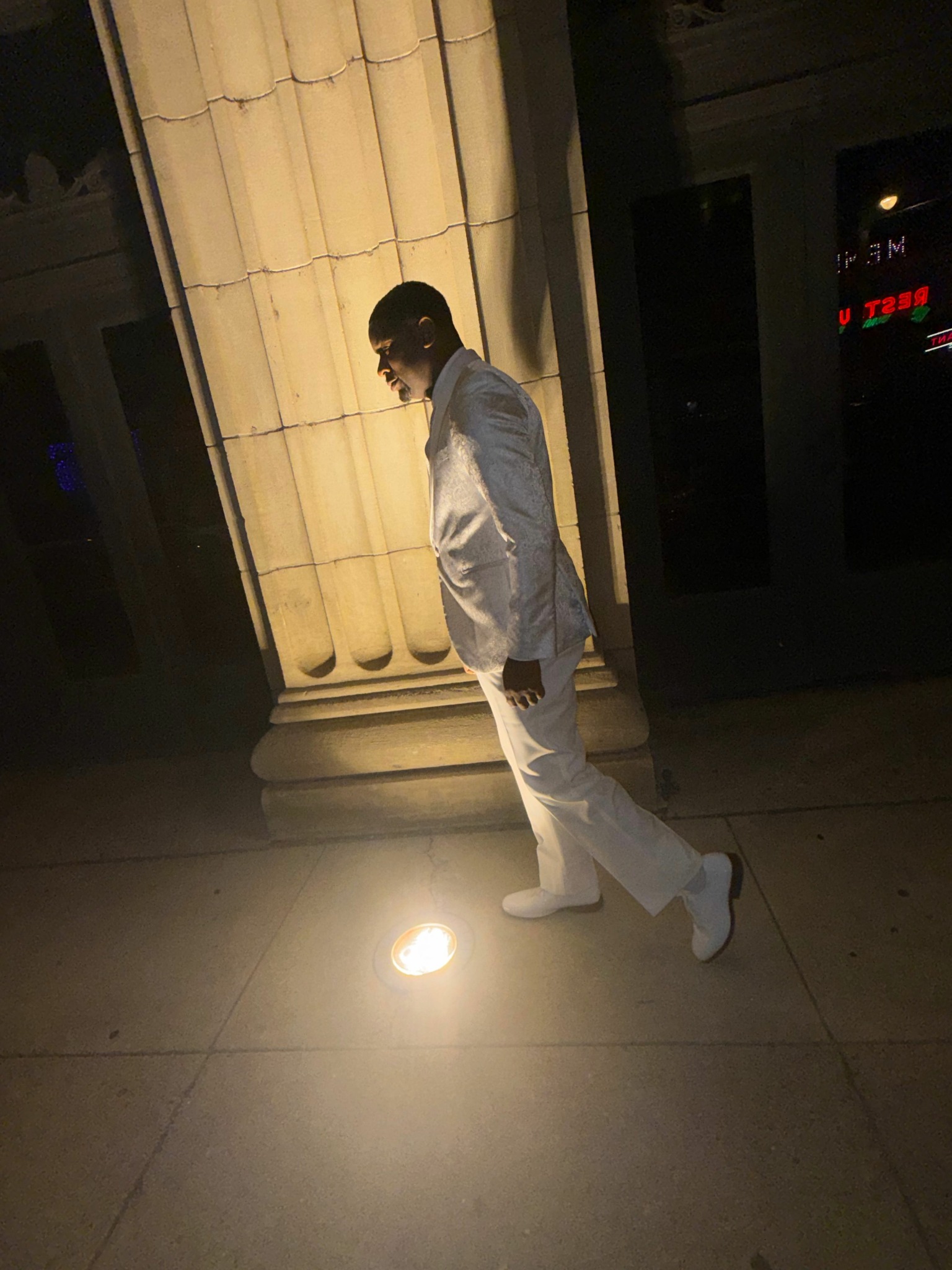
Image Credits
K.Le DaVincci