

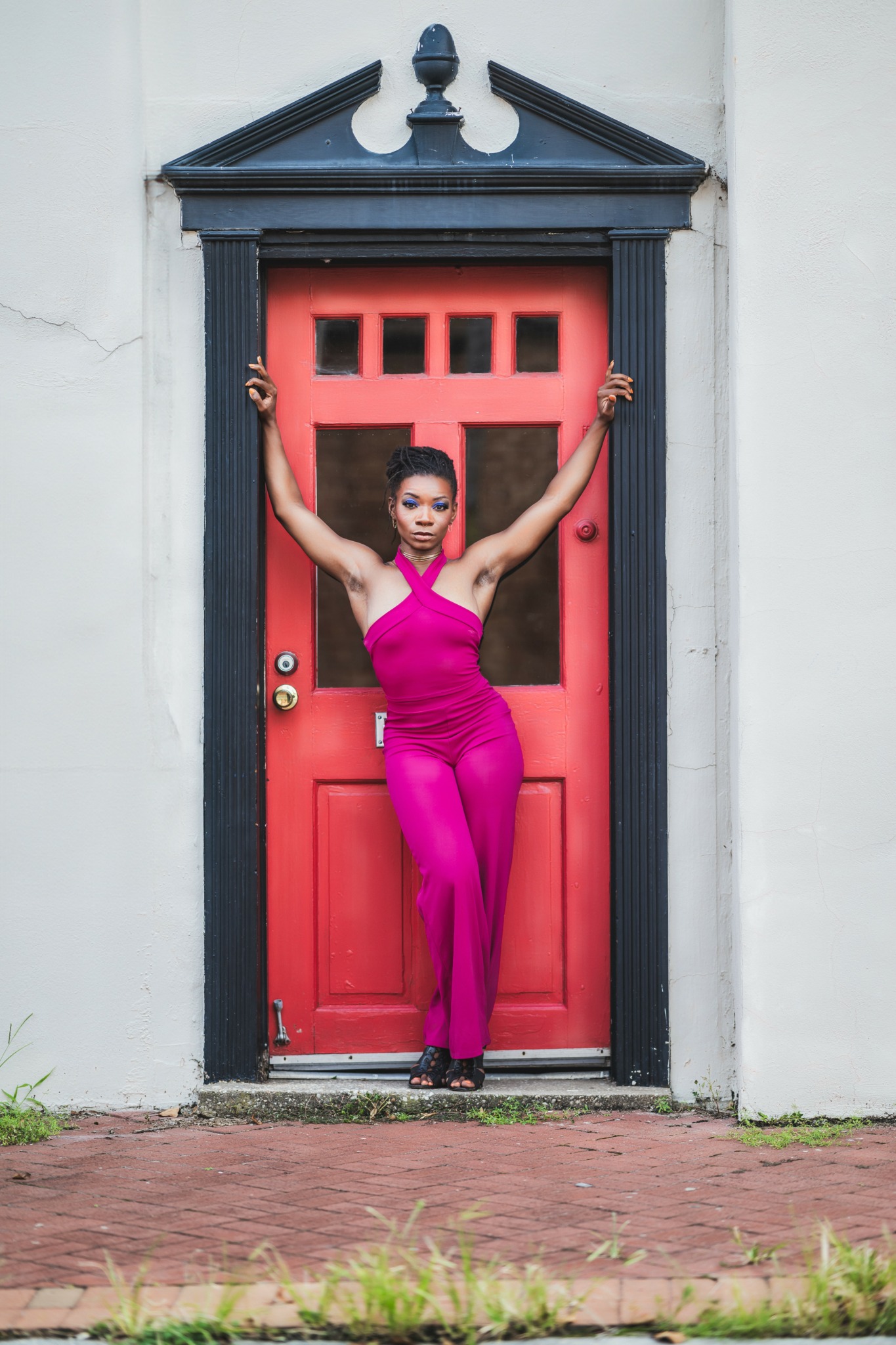

We caught up with the brilliant and insightful Jyreika Guest a few weeks ago and have shared our conversation below.
Hi Jyreika, thanks for joining us today. What did your parents do right and how has that impacted you in your life and career?
Both my parents instilled in me a great deal of resourcefulness and courage to try new things. I remember all of my childhood, my mom always said to me when I was scared to pursue something or ask about an opportunity, she’d say, “well, all they can say is no. If you said no for them (before they got a chance) then you’ll never if they might’ve said yes.” That’s something I still have to remind myself to this day because different doors continue to open and when you’re millennial learning to pivot, you ae mentally up against all the traditional mindsets of what you’re supposed to be doing and what you’re supposed to be asking for at this point in your life. As far as my dad’s words, he’d say most people are not afraid of failure because we experience failure all the time, but success? That’s where people get scared because now you know you have the ability to successful and have to maintain it.” I have had numerous opportunities come across my desk and it’s wild how when I felt the most successful, receiving more of it was overwhelming. I think at this point of my career, it’s about pacing yourself to sustain for the next period of the highs of life. I also remember when COVID struck in 2020, it took me a while (like many other artists) to feel confident in continued success without it all being wiped away. I think I’m learning now the ebbs and flows of my career and trying to make sure life is lived throughout. The same way my parents instilled the tools I mentioned and ones that just from us making each day count in a very big family, I think I am better equipped to survive and found as an adult, the many ways to thrive.
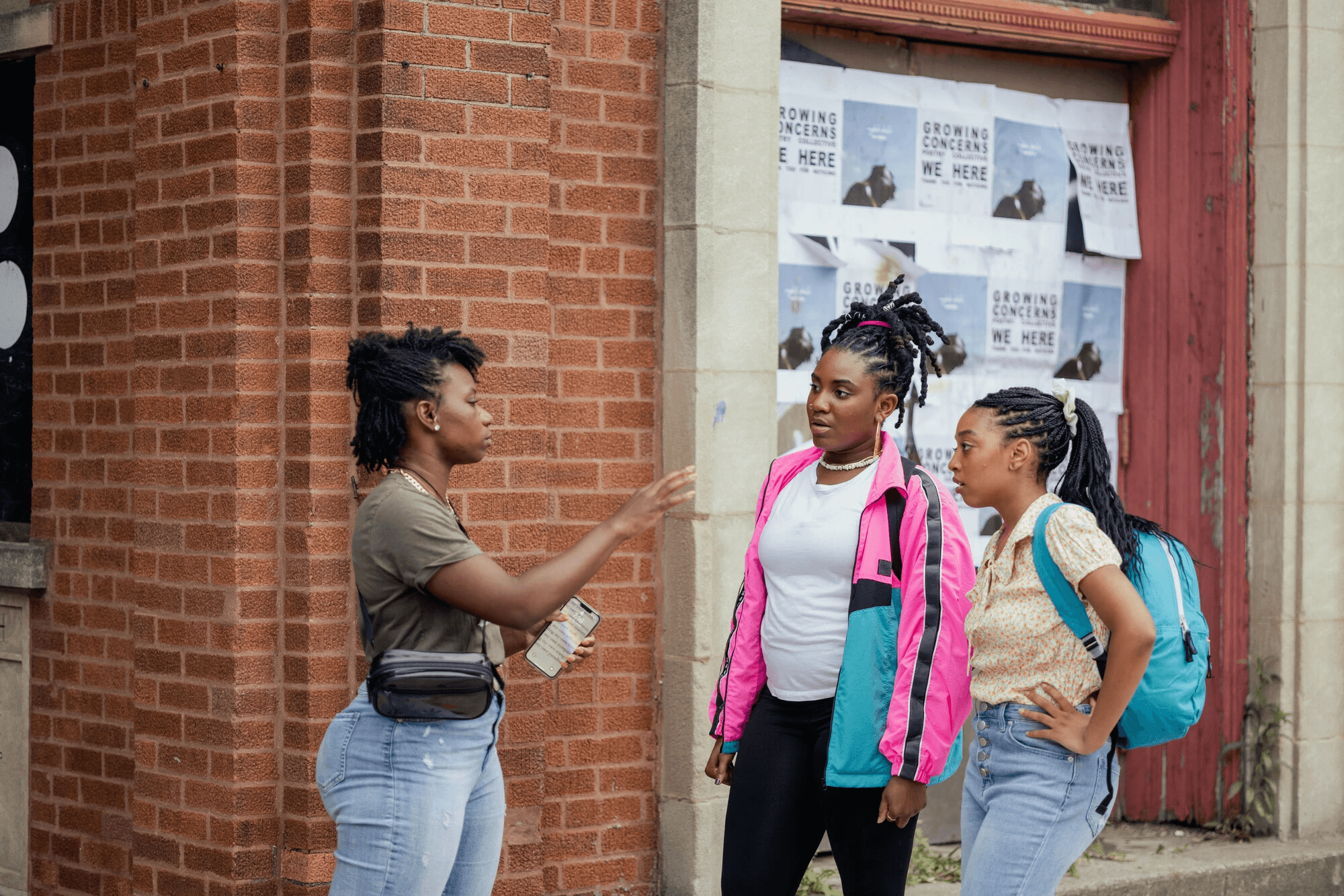
Jyreika, before we move on to more of these sorts of questions, can you take some time to bring our readers up to speed on you and what you do?
My name is Jyreika Guest, and I’m an actor and intimacy director for film/TV and the stage. I’ve been acting for a great deal of my life, as it is my first passion. When I was acting a lead role in 2019 for a storefront theater in Chicago (formally known as Red Tape Theatre), I was introduced to intimacy direction. The play was called “In the Blood” by Susan-Lori Parks about a homeless and illiterate single mother of five children who seeks help from various figures for support, but is instead exploited and abused. The intimacy director for this show was Gaby Labatka. Throughout the rehearsal process, the other ensemble members and I were equipped with effective skills and exercises to build this world safely, allowing us to perform bravely and to support each other mindfully and ourselves while telling that story. From that process, I was inspired by this work and wanted to learn more.
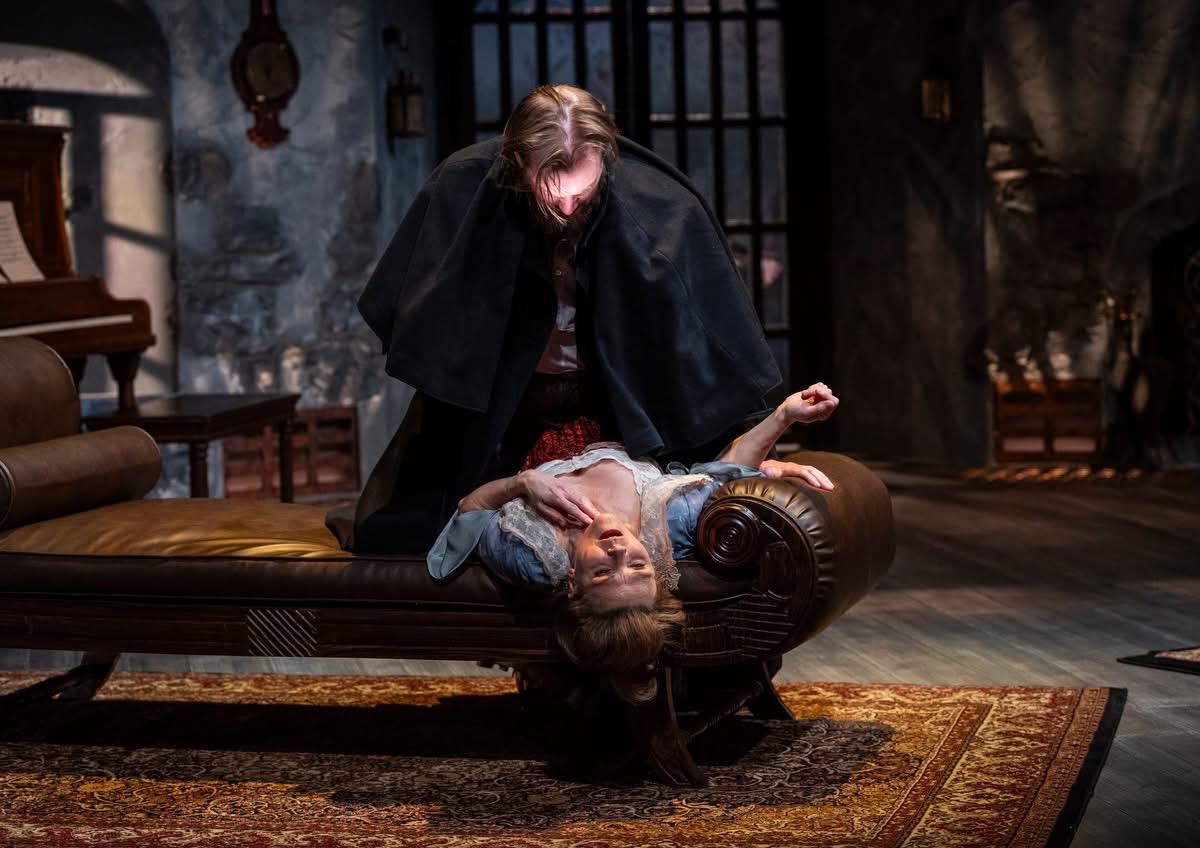
My work as an intimacy director is first and foremost to help cultivate consent-forward performance spaces and to collaborate with artists in creating simulated intimacy through physical storytelling. Through that lens, I work with actors on how to best de-role from these portrayals to reconnect with their “humanness,” or how I like to put it, “the person bowing at curtain call.” We’ve heard of countless stories where actors take the work home or unconsciously continue to embody their characters in their daily lives, and though there are many schools of thought and theory around that, there have been plenty of examples of how that practice can be unsafe, especially if it involves others. When there are power dynamics such as race, class, gender, etc., displayed in intimacy, working with actors on how to establish physical language that exercises communicating and understanding consent provides a space for artists to effectively create together and detach from the dynamics explored by the characters. As we have a lot more contemporary plays and classics in theatre and film that can have any number of intimate moments and choreography, my job involves deciphering how that’s executed with the actors. I tell actors all the time that collaboration is my approach versus me “putting the movement on you.” If I’m not the one performing this (ex. sex scene) choreography 6-8 times a week, then I shouldn’t be the only one determining what this simulated intimacy looks like. I enter spaces with a draft of the choreography, but I ultimately work to have actors claim what that storytelling is for themselves and their scene partners. The work of intimacy direction and coordination was more popularized and taken seriously within the industry in response to countless stories of sexual assault, misuse of power, and so many actors being forced or coerced to perform intimate scenes without protection, discussion, advocacy, or supportive resources in the case that they said no. There’s a fear (still) within this industry of standing up for yourself or speaking against wrongdoing being perceived as a “diva” or “hard to work with,” so actors remain silent to keep working. My job is to help combat that line of thinking and, through workshops, intimacy rehearsals, closed set protocols, and other methods of advocacy and artistic collaboration, serve to support actors, directors, theatres, and production companies in having more equitable agreements for accountability and preventing harm. My work can be found on network shows such as Power: Book IV series: FORCE on Starz, Heist 88, and on numerous stages in Chicago. More recently, I choreographed and designed the fight and intimacy for Steppenwolf’s The Dance of Death by August Strindberg, featuring co-founder and ensemble member, Jeff Perry, and ensemble members, Kathryn Erbe and Cliff Chamberlain. There have been so many rehearsals and shows I’ve worked on through and after the pandemic, so it’s hard to say which production I’m most proud of. I think I’m always proud of moments where actors are communicating what they need without fear of retaliation and people in power, and actively working to meet the needs of folks who have to tell the story with full trust and vulnerability in front of massive audiences. That’s when I know I’m not doing this work alone or expected to be the only person advocating for others. That’s what my mission is.
What do you find most rewarding about being a creative?
Honestly, the most rewarding aspect of being an artist, for me now, would have to be the surrender and strategy. I run my own small business, and I am the asset; I have to step out of my comfort zone to let people know what I’m up to. I have learned and am still being tested in the space of surrendering because I don’t just get every opportunity I submit for. I’ve grown a tough skin like none other, and for that, I’m rewarded with resilience and discernment when I see that something wasn’t meant for me. This industry says no more than it says yes, so the ability to pivot is already built into my backbone.
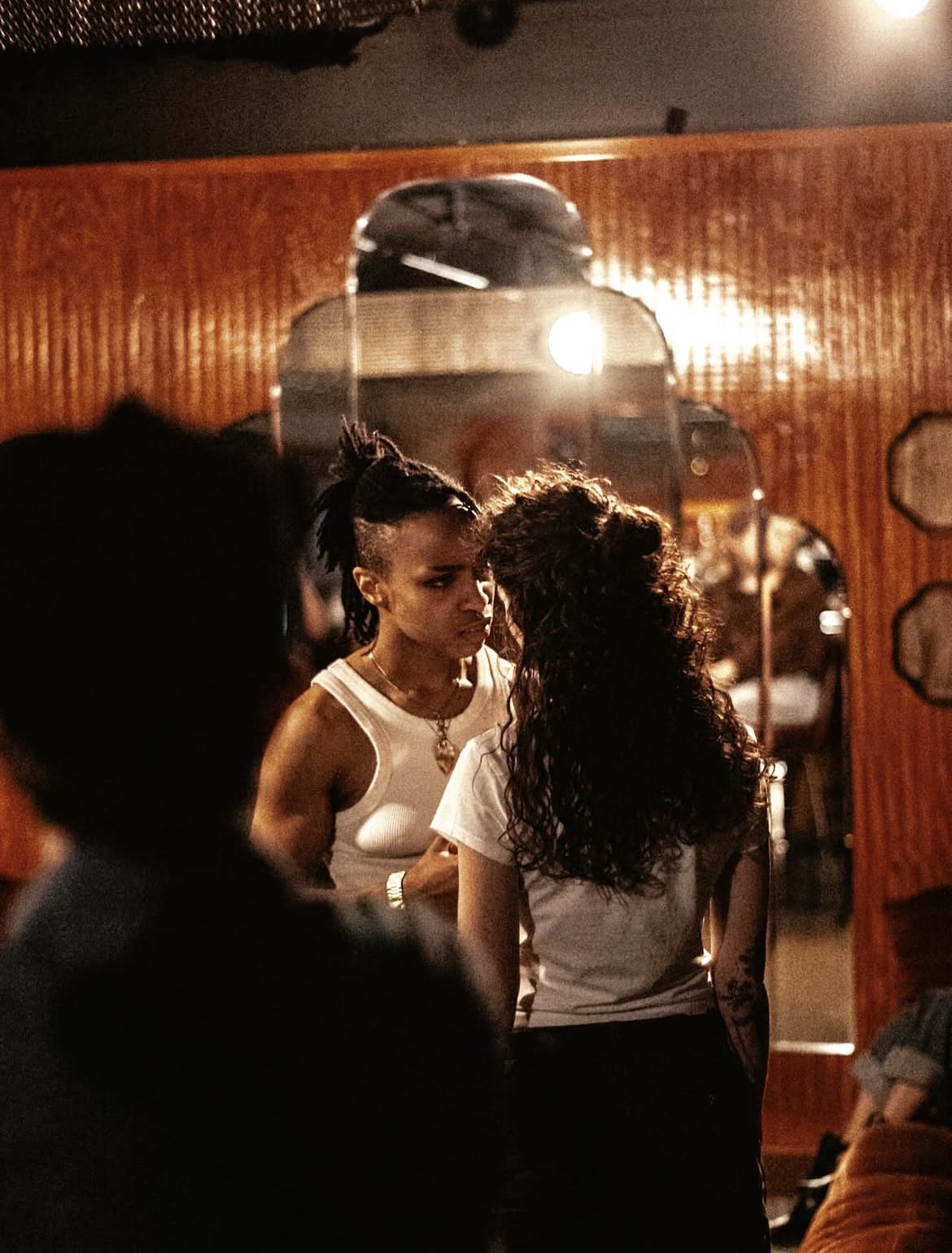
Is there something you think non-creatives will struggle to understand about your journey as a creative? Maybe you can provide some insight – you never know who might benefit from the enlightenment.
My work as an intimacy professional didn’t show up from nowhere. It’s a response to our societal ideologies when we think of power, injustices, marginalized communities, and rape culture as a whole. If art is a reflection of life, then the stories told onstage and onscreen depict how power is still misused, so to have an intimacy professional available to keep the lines clear for artists to perform, sometimes a very dangerous and triggering simulation enables us to see what advocacy can look like. If taken into the office, or the construction site, or the field, having a person or persons intervening in situations that are toxic and ill-supported will shift how we see the world and the many relationships we have in it. That it’s not just on my shoulders to change the culture, it involves the actors, the director, the producers, the artistic director, the CEO, and the designers. So, if it’s not just up to one, then it’s up to all.
Contact Info:
- Instagram: @jevelyng
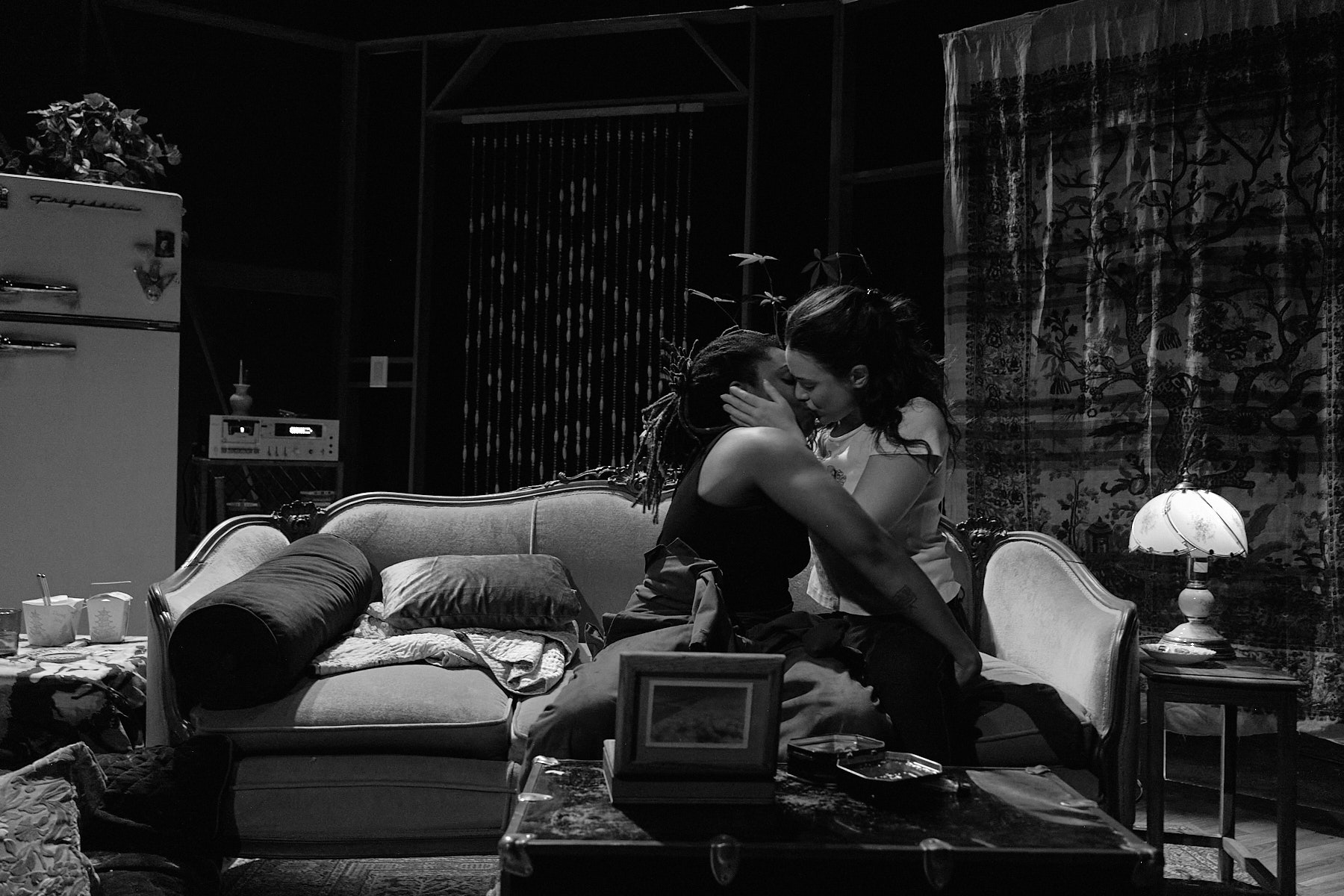
Image Credits
A Real One short film by McKenzie Chinn
Michael Brosilow, The Dance of Death at Steppenwolf Theatre
David Hagan, Pot Girls at Story Theatre
Simone Hobbs, Catacombs at Dorothy Downstairs