


We’re excited to introduce you to the always interesting and insightful Julianne Cerreta. We hope you’ll enjoy our conversation with Julianne below.
Julianne, appreciate you joining us today. We’d love to hear about a project that you’ve worked on that’s meant a lot to you.
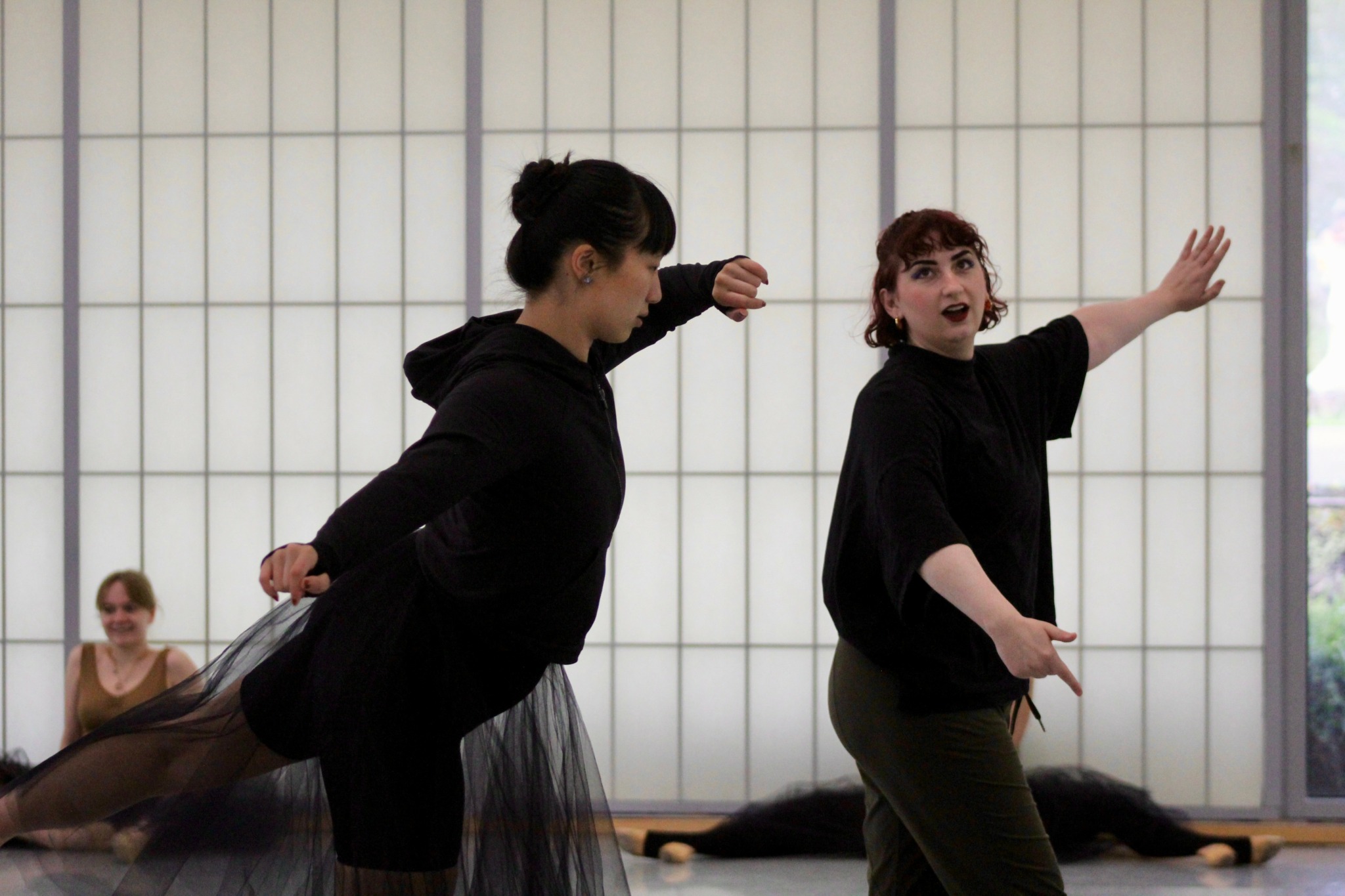
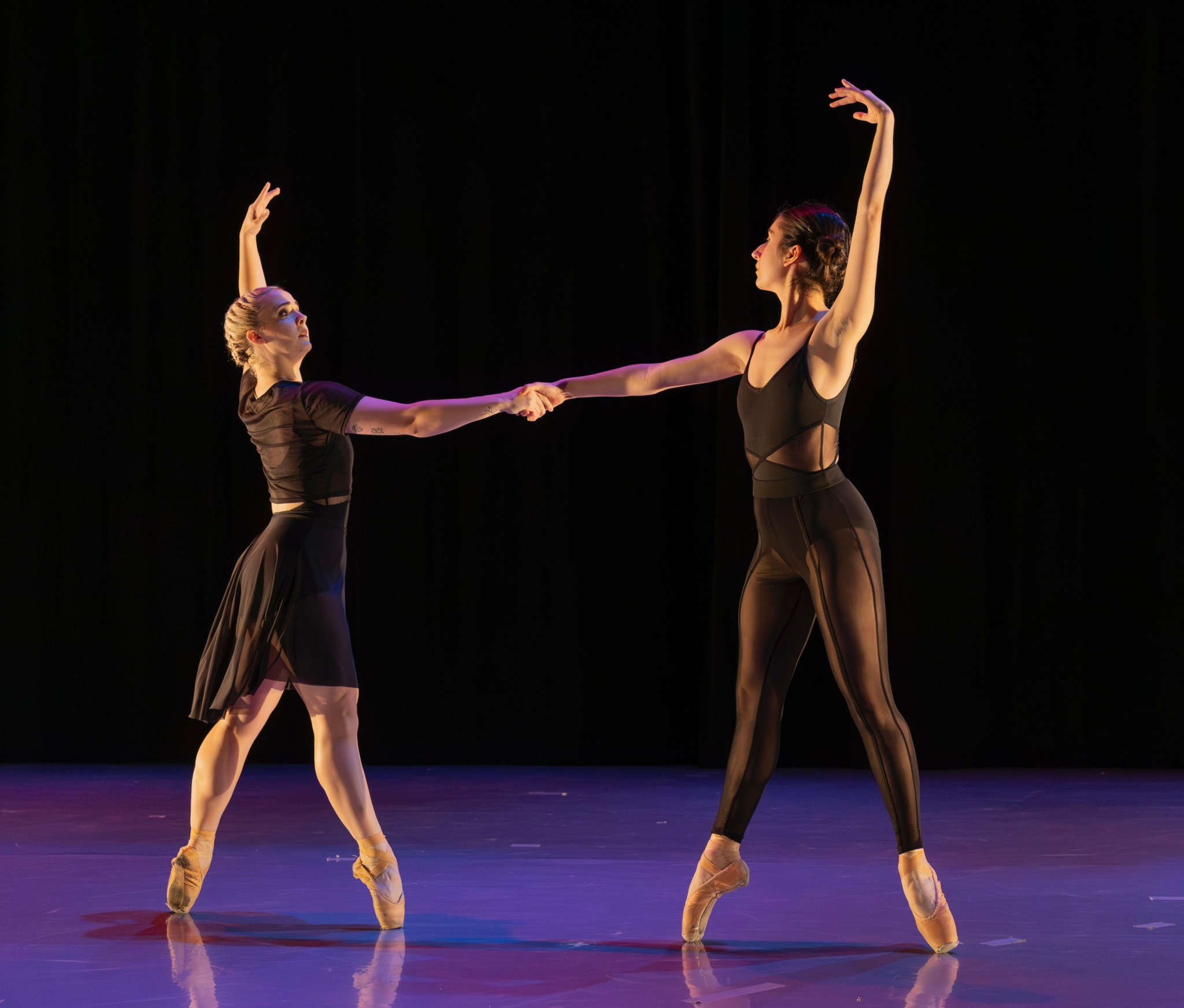
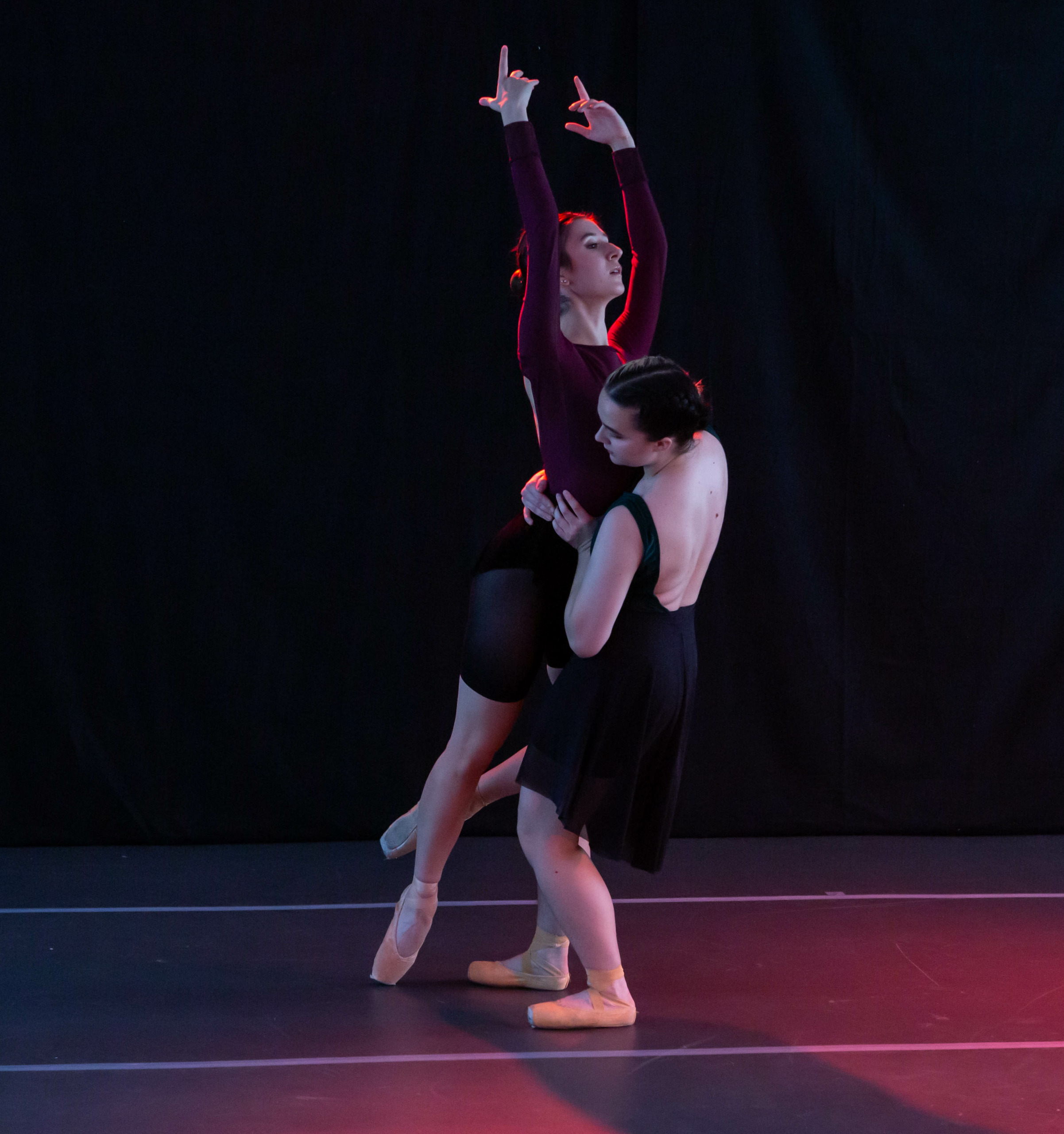
“This is Ballet: an exploration of ballet, identity, and power” was my MFA choreographic thesis at The University of Roehampton. The work premiered in May 2024 at the Michaelis Theatre in London, and excerpts have now been performed in New York, Massachusetts, Pennsylvania, and New Jersey.
Tasked with creating a 45 min-1 hour long research backed work, I began by asking myself the question “why do dancers dance?” This eventually spiraled into a series of questions regarding joy, tradition, representation, identity, and most importantly, power.
Through a democratized process, the dancers and I created a work comprised of a series of “mini ballets” that explored themes of neurodivergence, queerness, feminism, rage, humor, and power dynamics. “Act 4: This is Power” frequently references George Balanchine’s Serenade, as it is often regarded as a neoclassical masterpiece. While there is no denying Serenade’s choreographic beauty, what did it take to get there? What does it take for us to continue to stage this production and others like it nearly 100 years later? Through the lens of Serenade, the act explores who holds power in ballet and if not us, how we can reclaim our power.
Throughout “This is Ballet”, dancers performed on pointe and in flat shoes, often times electing which they would be dancing in for each section. They voted on costumes and the content of the work as well. We had conversations about what they needed from me during the process, and what I as the choreographer needed from them in return. The process and product were far from perfect, but I consistently felt the weight of its importance. As a choreographer, I’ve never felt so wholly supported by my collaborators. Every moment of personal self-doubt was met with unending encouragement and absolute certainty from the dancers. Our mutual respect and faith in one another carried this work to the very end.

As always, we appreciate you sharing your insights and we’ve got a few more questions for you, but before we get to all of that can you take a minute to introduce yourself and give our readers some of your back background and context?
Like lots of young girls, I started dancing at the age of 7, however it wasn’t until 16 that I found ballet. I knew from a young age I was interested in choreographing, teaching, and eventually going to college for dance, so I left my first dance studio in pursuit of a more focused training environment to help me achieve these goals. I landed at Hudson River Performing Arts Center in Fishkill, New York where I met the most amazing and badass teacher, Lisa Joy Davis. Lisa had tattoos, stretched ears, and a wealth of knowledge to offer her students. Her standards were high, but her approach was compassionate. Running a ballet program with a bunch of teenage girls is no easy feat, but she did so with grace, consideration, and technical and artistic rigor all at once. Lisa is still a mentor to me, and now a collaborator and friend as well. I’m thankful that my introduction to ballet was as healthy as it was; we were never shamed or expected to change our physical appearance in any way. Because of this approach, I met ballet as a fierce female driven art form where we held the power. It wasn’t until I began training outside of this environment where I learned this was far from a universal truth.
Despite my less than 3 years of ballet training leading up to it, I did eventually go to college for dance. I earned a BA in Dance from Goucher College and an MFA in Choreography from the University of Roehampton. Today I am a mentor, teacher, and choreographer with a reformed approach to ballet. I’m on a mission to radically transform the art form through inclusive and human-centered practices. While ballet claims to be changing, I argue that it isn’t necessarily happening in the way that it needs to for us to fully feel this shift. Dance has no issue with being inclusive, so long as it stays at an educational and/or recreational level. I’m demanding more than that. I believe we can create work at a high artistic and technical level with dancers of every shape, height, shade, ethnicity, culture, (dis)ability, and gender. As I always say, artistic excellence and inclusivity are not mutually exclusive. Perhaps bold to say, but I believe choreographers who are unable to see past the usual line up are lazy and lack creativity. My dream scenario as a choreographer is to have a corps de ballet that all look entirely different from one another.
It sort of happened by accident, but from my earliest creations in ballet I’ve been told repeatedly by audience members “I don’t usually like ballet, but I enjoy your approach to it”. It’s come up frequently enough throughout the years that I now own it and say “I make ballet for people who don’t like ballet”. I think creating work that resonates with people outside of the ballet bubble is another aspect of making what we do more inclusive. The elitism surrounding the art has left people feeling unwelcome for hundreds of years. After all, ballet’s roots are in the royal courts of Europe and was an art form enjoyed exclusively by the wealthy for a very long time. Now we’re in a place where more people can afford to participate in and see ballet (though it is still very expensive). However, if this (slightly) more accessible path to viewership still ends in stories about cis-het royalty falling in love, portrayed by a cast of entirely thin, white, cisgender, able-bodied, “aesthetically correct” dancers, are we really inviting a diverse audience in? When we see ourselves, our stories, our identities, represented on stage it makes us feel not only considered, but part of the work.
What do you think is the goal or mission that drives your creative journey?
I want to contribute to a mission of making ballet as inclusive and accessible as possible, especially at the professional level. In many ways, ballet is years behind other sectors in its approach to equity and ethics. I firmly believe art made through abuse and disregard of the human condition has no business being made.
Currently, I am on a choreo-research journey alongside my friend and collaborator, Steffi Carter, to determine “best practices for ballet making”. Other genres of dance have long used democratic creative processes, but ballet is severely lacking in this area. The theory is that shifting to an egalitarian approach where dancers get a say in things like phrase work, content, costuming, shoe choices, consent, accessible learning methods, and more, will create a kinder and more sustainable creative process while still upholding high artistic and technical standards. In this method, there is still a “point” choreographer who will be making most of the decisions, but these choices are informed by feedback from the other collaborators. Eventually, I’d like to reach a point in the research where the process is replicable by other ballet practitioners, creating a new standard for artists in our field to lead with respect and empathy.
What’s the most rewarding aspect of being a creative in your experience?
For me, the people I get to interact with in creation is what makes my work fulfilling. Obviously the dancers are a huge part of that, but it even extends to other artistic collaborators and audience members as well. To create work with the intention of sharing, not displaying, is at the heart of what I do.
Contact Info:
- Website: https://www.juliannecerreta.com/
- Instagram: @juliannecerreta.choreography
- Linkedin: https://www.linkedin.com/in/julianne-cerreta
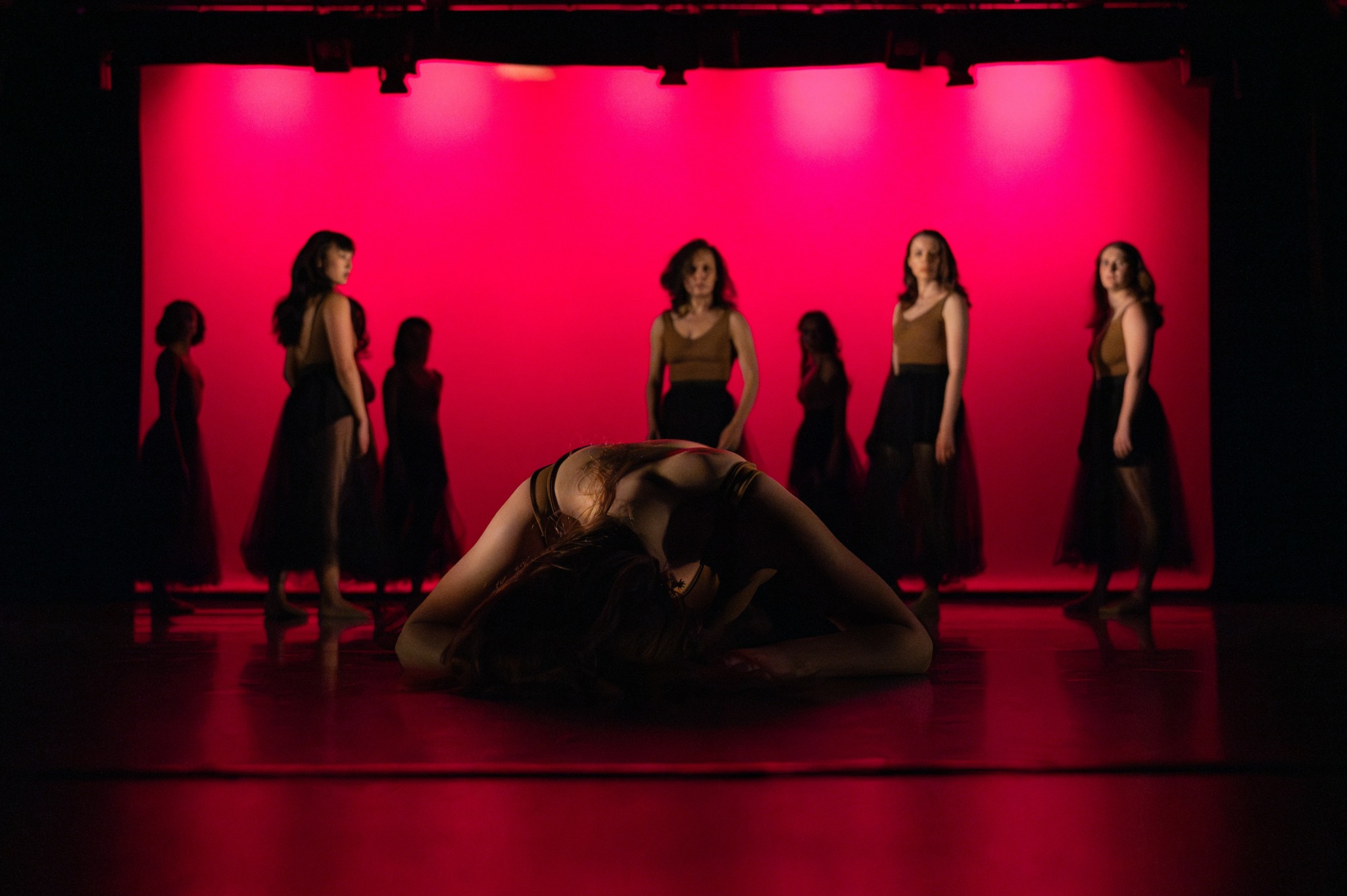
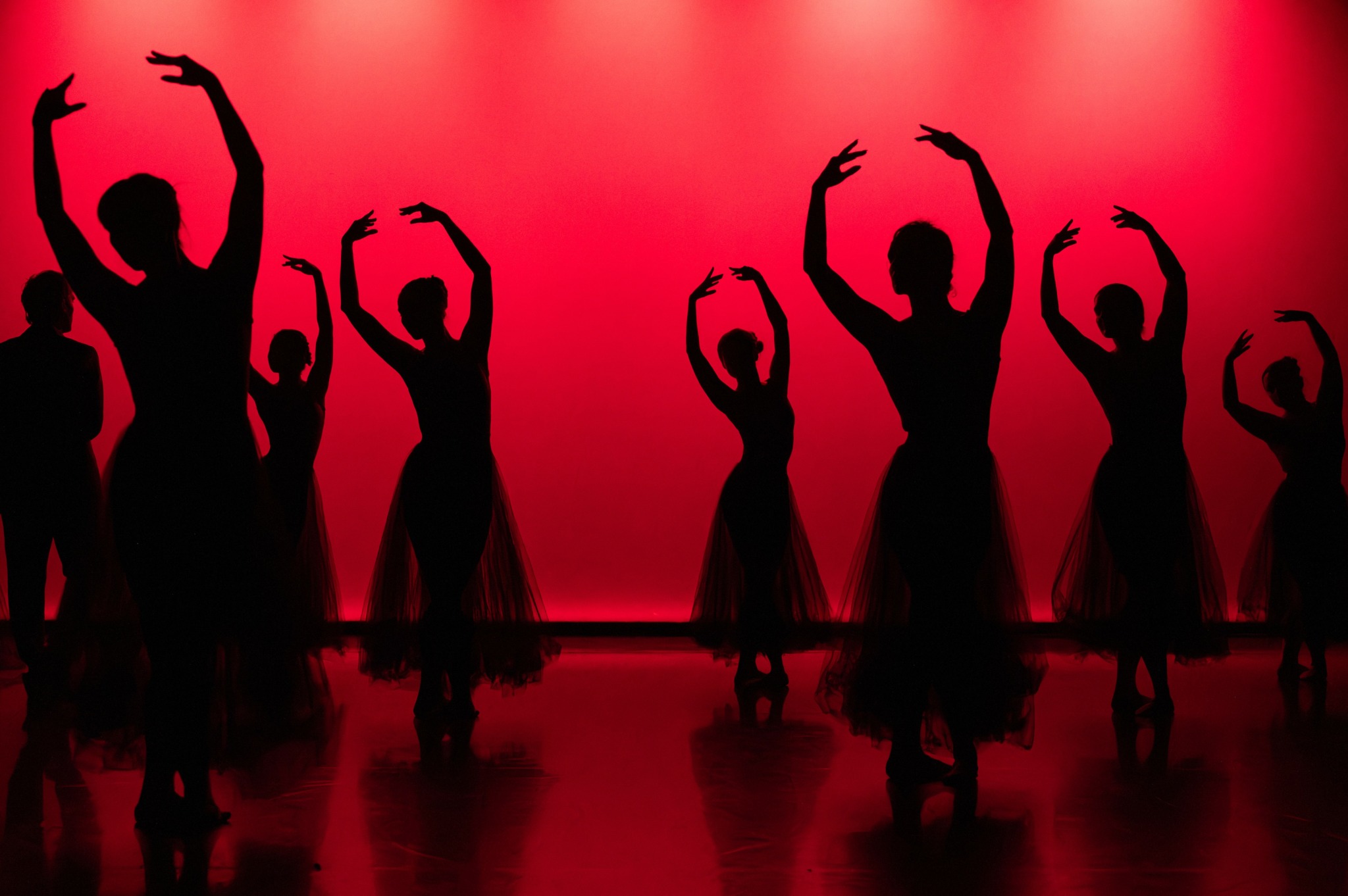
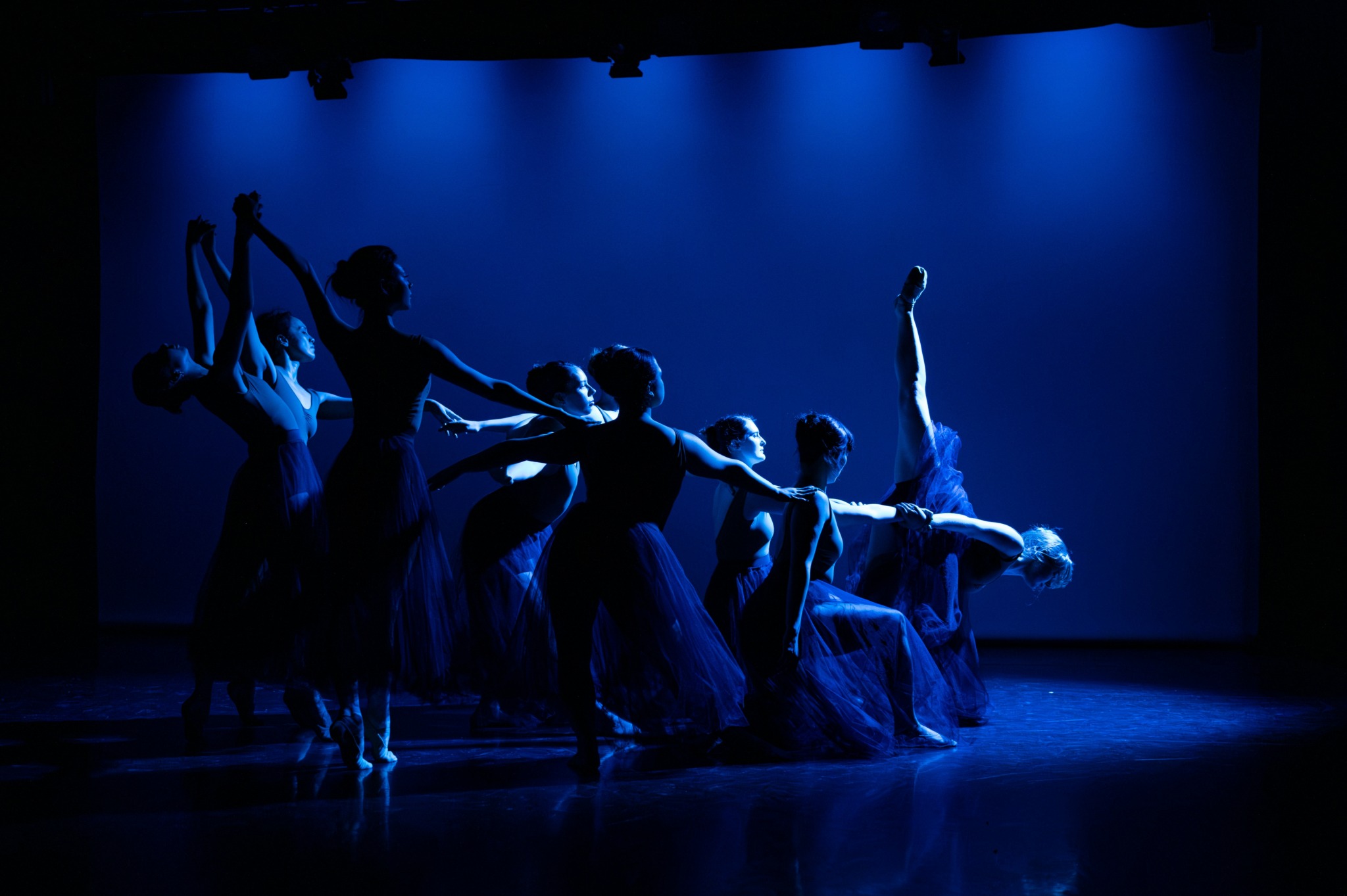
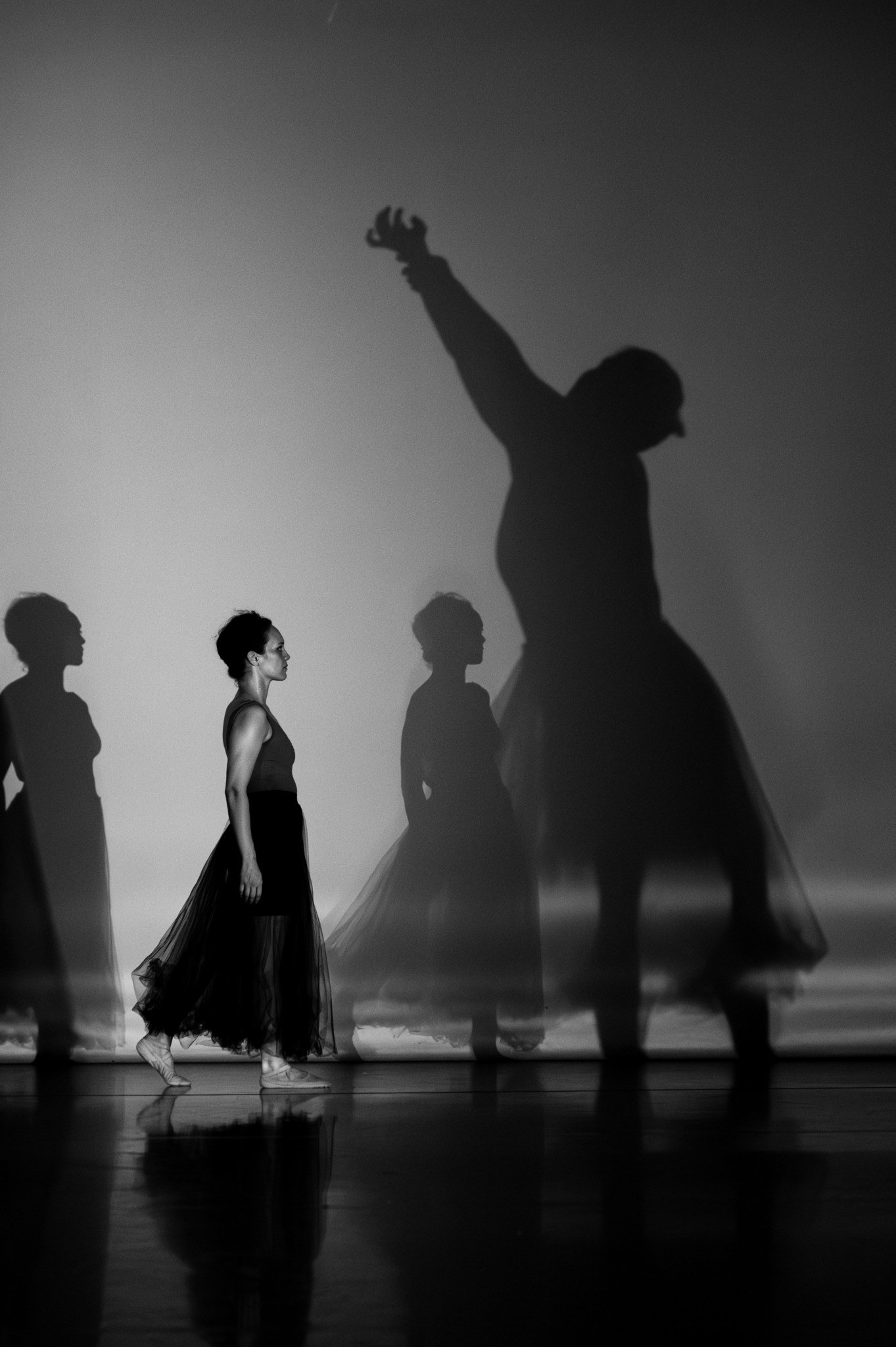
Image Credits
Zoe Knowles
Taylor Nicole Craft
Brian Wolfe
Sara Cristina Silva