


We caught up with the brilliant and insightful Julián Kreimer a few weeks ago and have shared our conversation below.
Julián, thanks for joining us, excited to have you contributing your stories and insights. We’d love to hear about when you first realized that you wanted to pursue a creative path professionally.
I grew up as the only child of Argentine immigrants working for international organizations in Washington, DC. The assumption is that I would be a doctor or scientist, like my cousins in Buenos Aires, I even worked in a hospital lab for a summer in high school. A ton of signs were there: my folks had been adjacent to the art scene in Argentina in the 60s and we would always visit museums when we traveled; I drew and painted so much that my high school created a new class just so I could keep taking art classes, and I was always bicycling to the museums on the National Mall. But the option of being an artist simply didn’t exist, it would have been like proposing to make horse-drawn carriages.
In my freshman year of college, after hating my chemistry 101 class, I finally got into an intro painting class. One day, the professor, Power Boothe, invited us to his loft in Soho and afterwards took us to Fanelli’s for lunch nearby, I still remember the pesto spaghett, it was the cheapest thing on the menu. The next week in class him he asked me if I was going to be an artist, and I didn’t have to think about it, I said yes, and I knew that was true.
Great, appreciate you sharing that with us. Before we ask you to share more of your insights, can you take a moment to introduce yourself and how you got to where you are today to our readers.
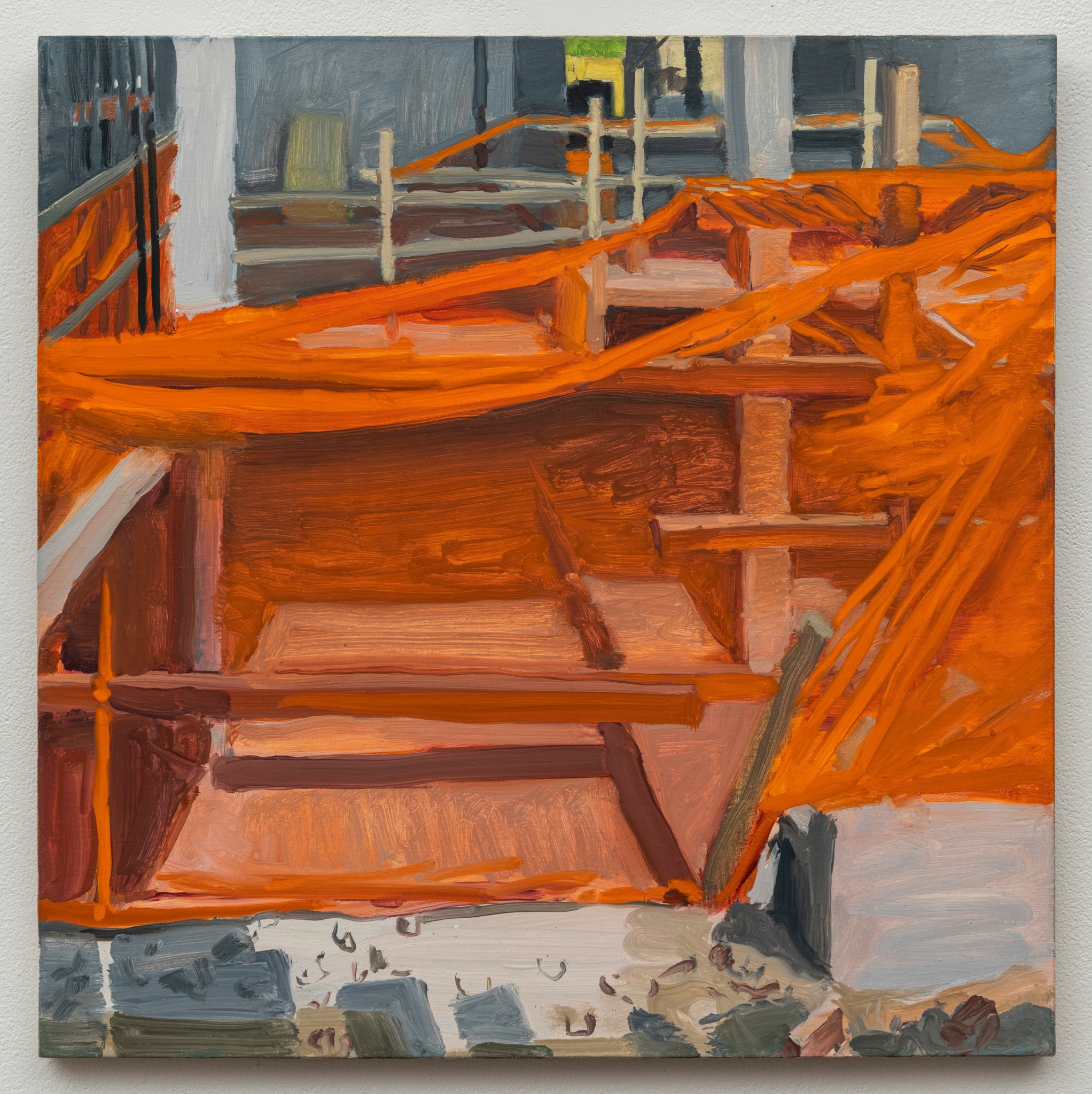
I’m a visual artist focusing on painting and drawing. My practice has always embraced different poles. At one end I make observational paintings of the world around us, standing there with my old-fashioned French easel and finding the sorts of things you stare at when you dissociate a bit and stare into space for a while. Often I highlight weird spots that seem to reveal the psychic unconscious of the city.
Making those paintings of specific spots leaves an pile of after-images, all the things I didn’t get to include, whether onsite or simply walking around with my alertness open. Those after-images spill out in the studio into my abstract practice, where I draw and paint, letting the image build up over time without any pre-planning.
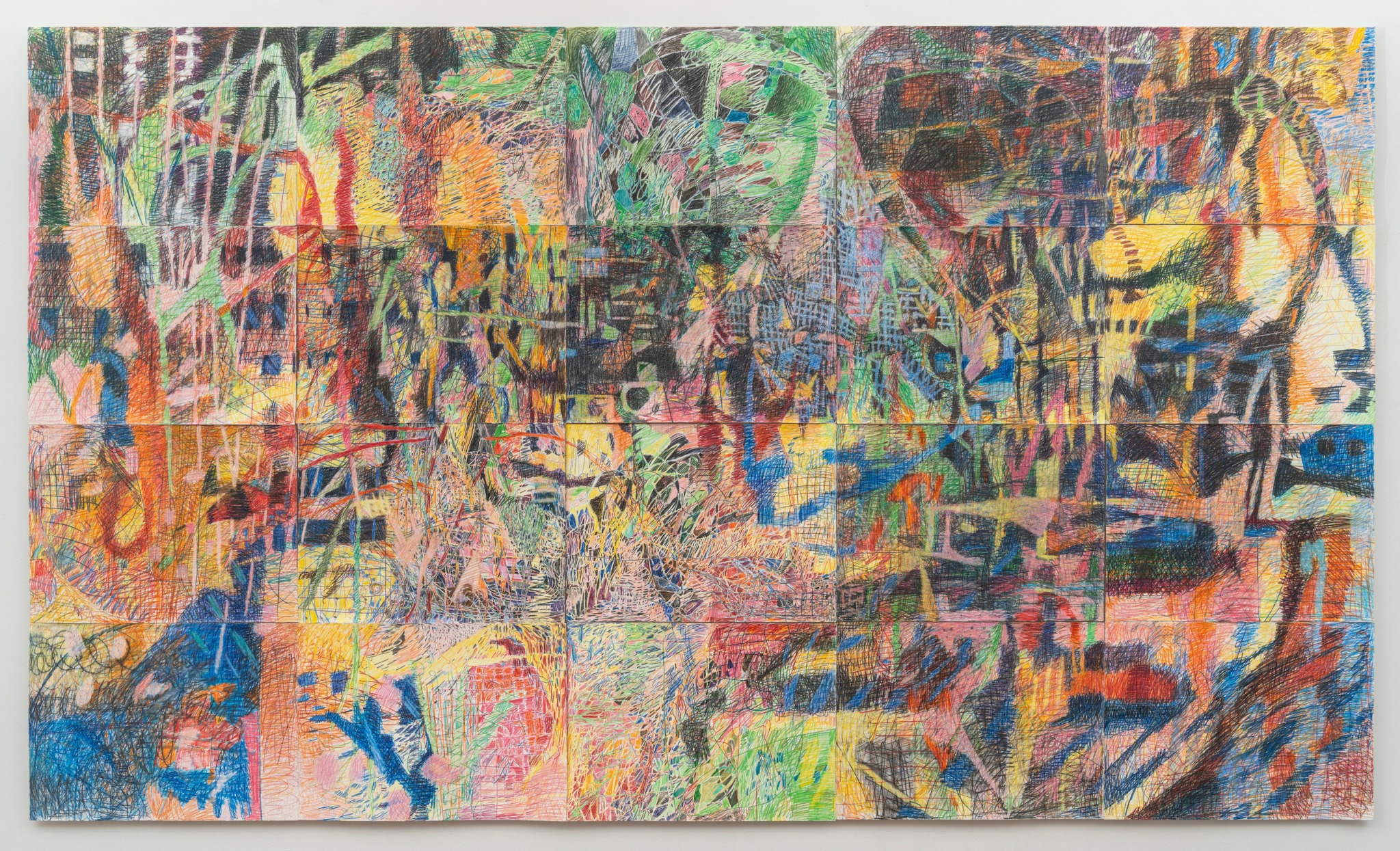
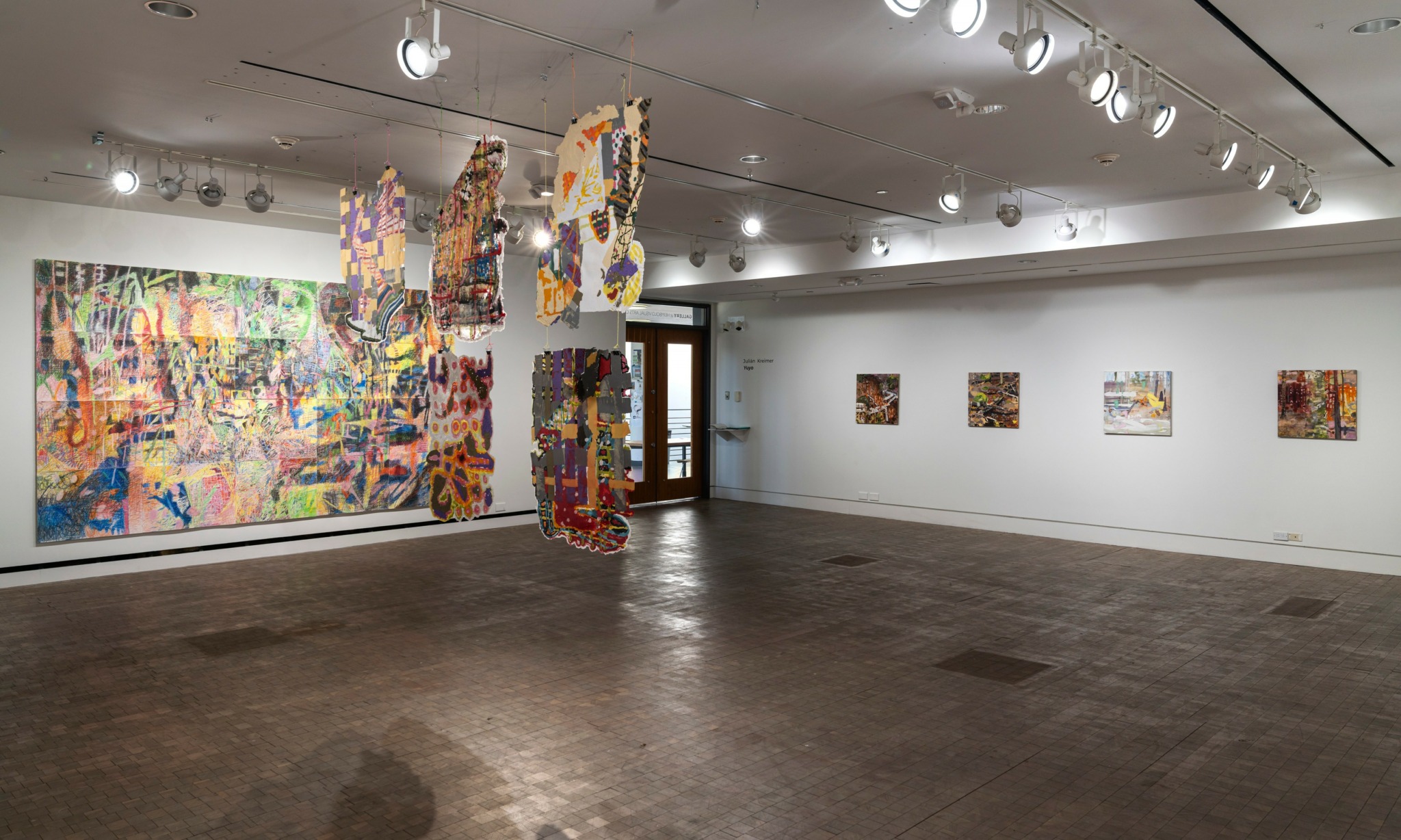
Each project requires me to learn a new, slightly different technique. For example, about 15 years ago I started making colored pencil drawings at the request of my psycho-analyst, starting with the childhood cigar box full of colored pencils I found when my parents downsized. It took five years to figure out which kind of pencils, erasers, and paper would work well. I just completed a big 7 x 12 foot drawing made out of colored pencils for my current exhibition at Sarah Lawrence College.
The practice of drawing and painting trained me to be able to pay deep attention in my day-to-day life. Long walks through the city feel like gathering images for the unconscious to play with and transform in the paintings. Somehow these various processes are about revealing the inextricability of this physical world with the realms of energy or forces that we don’t see, but experience just the same.
Have any books or other resources had a big impact on you?
“The Deming Management Method” from 1986. I picked up the latter from my mom’s guest room on a short visit, when I was desperate for a book to distract myself with.
Despite looking like a forgettable airport book, it described how managers had to truly trusting the workers on the factory floor. That bottom of any pyramid are the people who really know what’s happening, and the job of the managers is to create space for those voices to emerge. Despite being a totally capitalist text (it’s goal is to help a company thrive and be more efficient), it’s a weirdly socialist message–trust the workers!
I use it all the time, not just in how I run the MFA program I chair, but in how I think about existing in a larger eco-system of the art-world. I’m always aware that profound opinions more often come from the lowest folks on the totem pole. Somehow there’s a way that this seeps into my own solo practice–letting my worker self be the boss.
Is there something you think non-creatives will struggle to understand about your journey as a creative? Maybe you can provide some insight – you never know who might benefit from the enlightenment.
Whenever I meet another person who creates art of any kind at a high level, I feel a kind of understanding. We are not monks praying to higher powers, but we move between this world and the unseen energies that suffuse us, our antennas pick up both, and we’re tasked with turning clay into an expression of those energies. I’m basically a 12th-generation Theosophist à la Kandinsky.
I think sometimes it’s a little hard for folks who don’t have this kind of practice to understand what it means to be seeking to bridge these two realms over the course of years. The frustration and joy that accompanies this, which also become part of the work.
Contact Info:
- Website: https://www.juliankreimer.com
- Instagram: @rootlesscosmopolitan
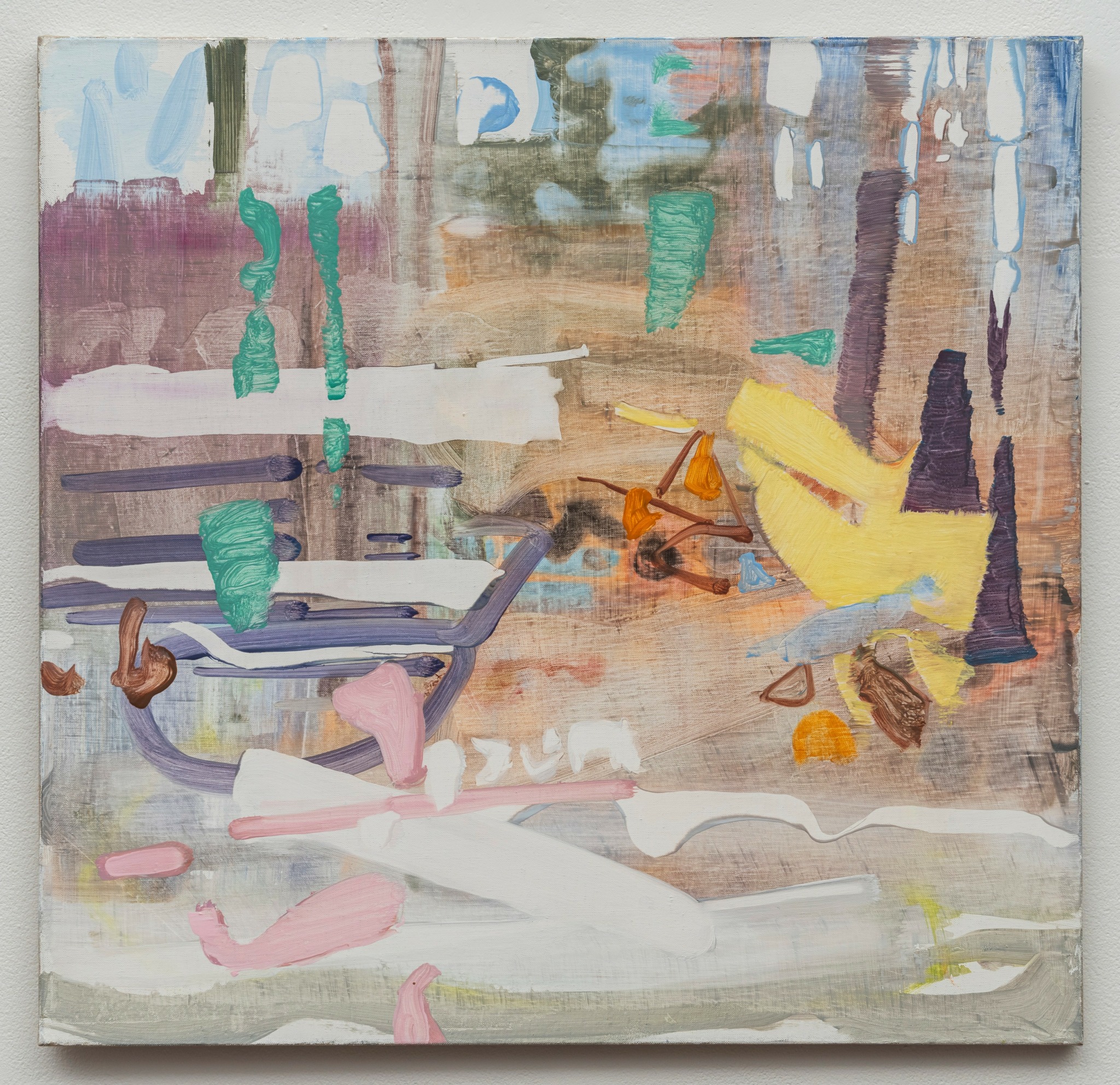
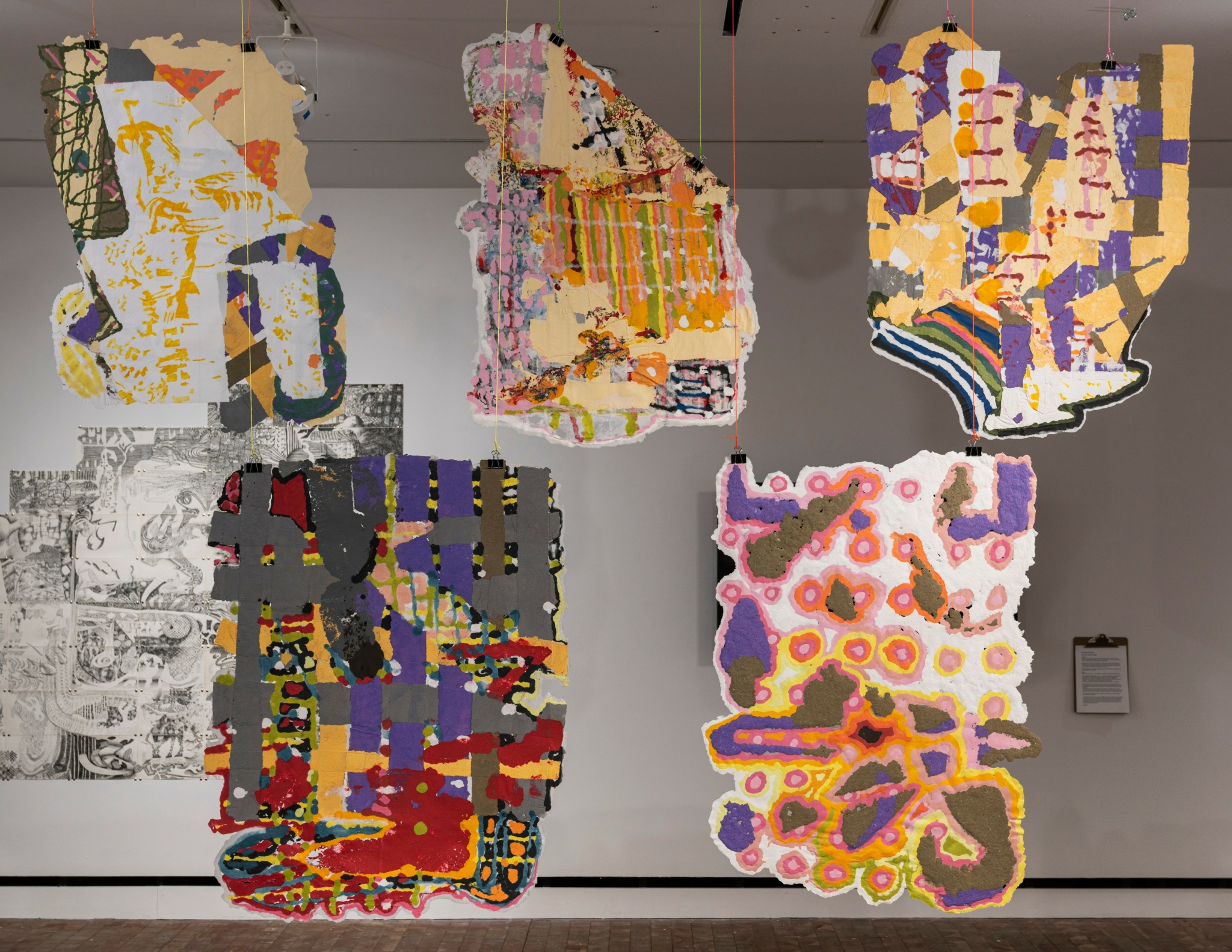
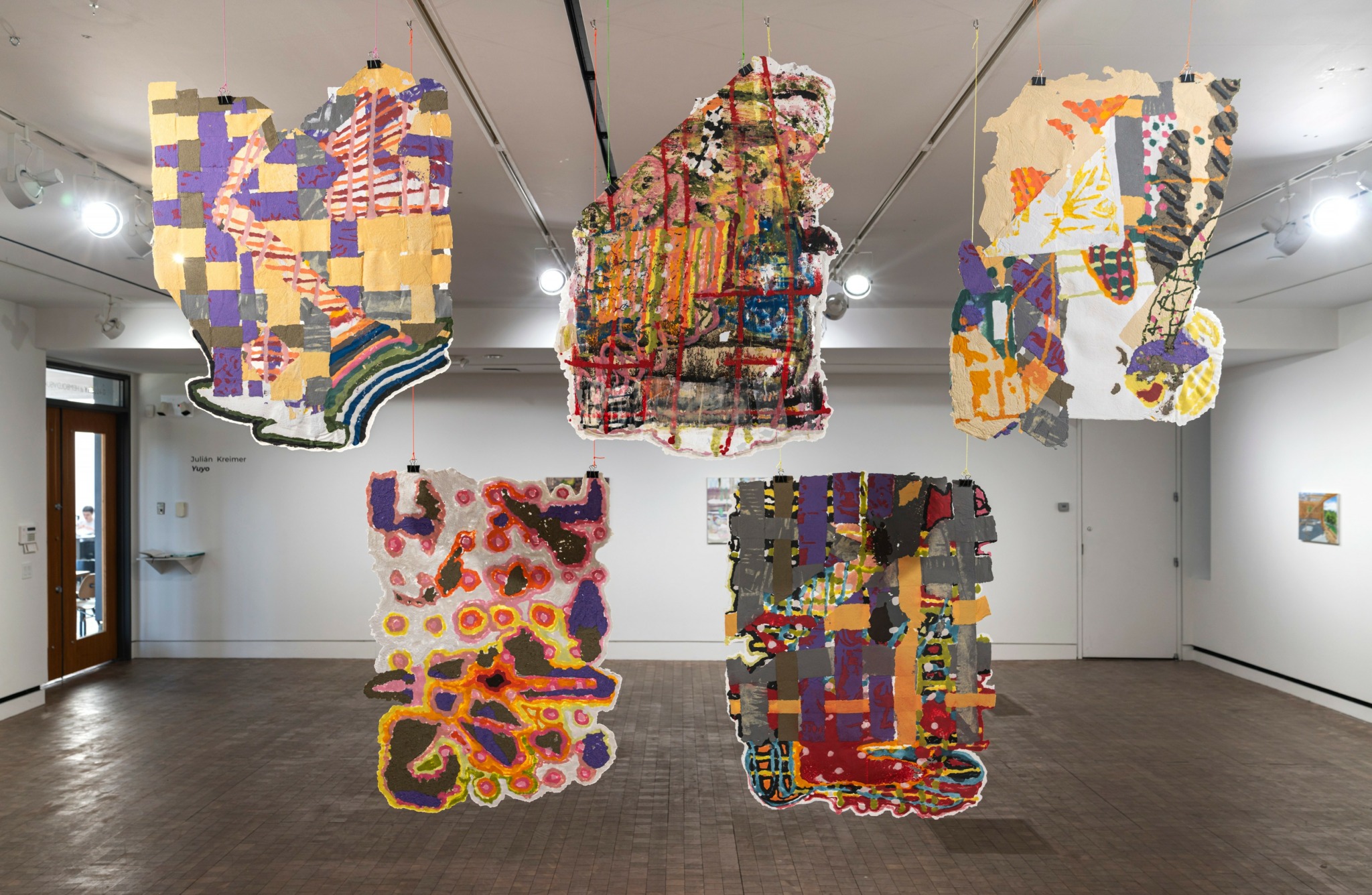
Image Credits
Photos by Cary Whittier