

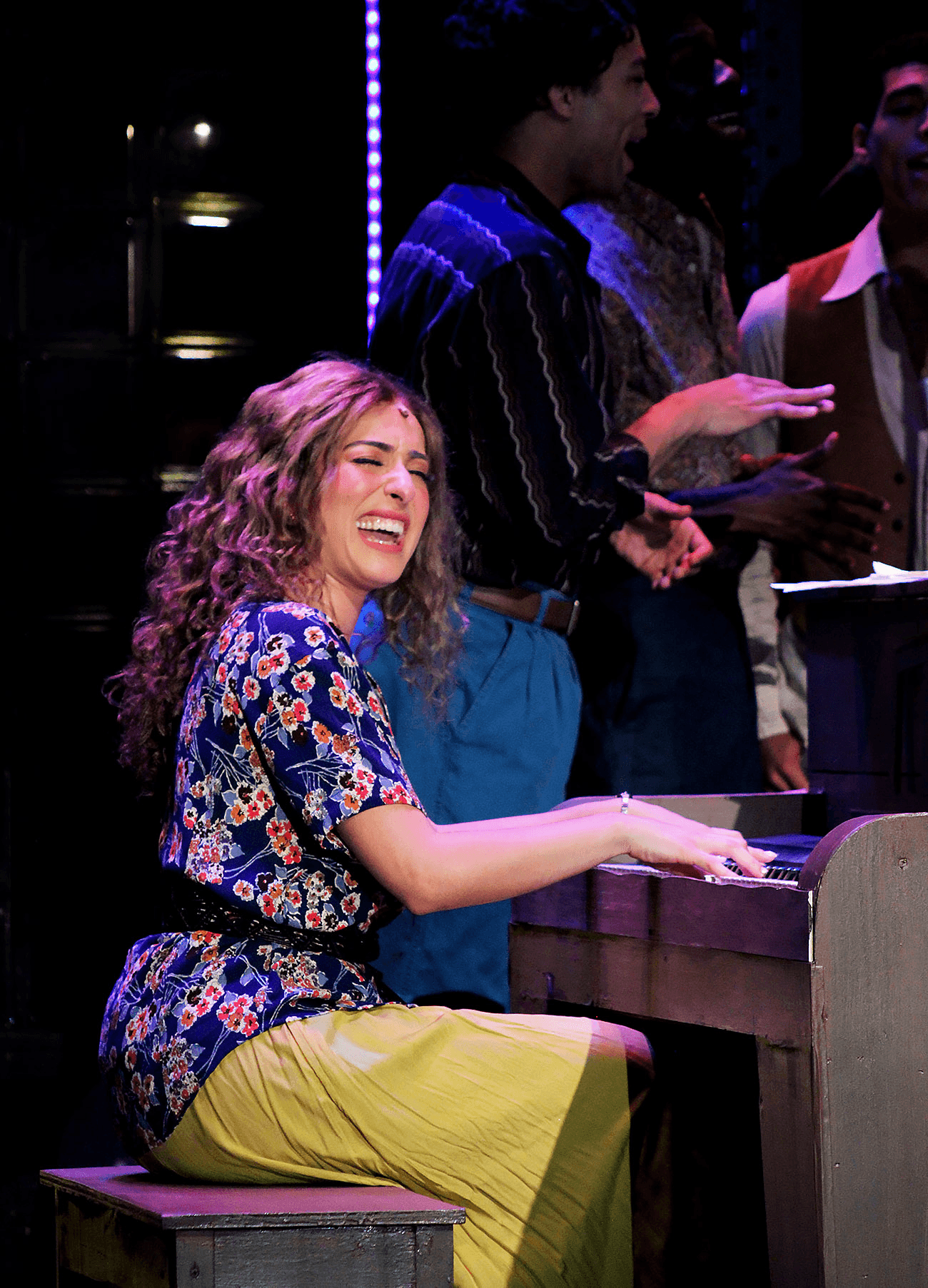

We caught up with the brilliant and insightful Julia Bogdanoff a few weeks ago and have shared our conversation below.
Julia, appreciate you joining us today. One of the toughest things about progressing in your creative career is that there are almost always unexpected problems that come up – problems that you often can’t read about in advance, can’t prepare for, etc. Have you had such and experience and if so, can you tell us the story of one of those unexpected problems you’ve encountered?
The largest obstacle I’ve had to overcome in my career as a musical theater artist whose passion is music has been my own voice. Literally. I’ve been in voice lessons since I was ten years old, and as long as I can remember I’ve had a “unique” quality to my voice. My voice has been called raspy, husky, sultry… the list goes on. I LOVE my voice– it’s mine, and it’s special! In fact, I would say that my voice is so incredibly intertwined with both my artistry on stage and who I am as a person offstage.
As great as it has been to have a distinctive sound, it has also had its trials. I noticed from a young age that my voice would tire very quickly, As exciting as it was to be finding my voice, it was also extremely frustrating. When I started college at NYU, I found that I was losing my voice like clockwork. Monday- Wednesday I would be recovering from a weekend of fun and vocally functioning at 50%. Thursday and Friday I’d make my way back up to “100%” (in quotes, because what does 100% really sound like?). Then the weekend would happen and, once again, on Monday I’d be back to square one. I started seeking the help of an Otolaryngologist to diagnose what was happening, but no one had any concrete answers for me. So, this vocal quality became my new normal. I learned that my voice was seemingly okay and this was just my normal… only, it actually wasn’t.
Upon graduating college, I boarded a cruise ship for a 6 month contract as a Production Cast Principal (singer). A couple weeks into the contract, my voice totally changed. I lost all nuance, about 4 notes from the top of my range both in head-voice and my “mix,” and most of all, my confidence. When I finished my contract I IMMEDIATELY sought the help of a new ENT, who diagnosed me with the root cause of my troubles all along: pseudocysts. Different doctors call these lesions by different names, but the meaning is the same. I had lesions on both of my vocal cords that, due to larger causes like environmental allergies, hormones/menstrual cycle, or amount of sleep, would swell up and harden, causing these lesions to now act and feel like cysts. I also learned that pseudocysts are a biological and chronic issue, meaning they were caused due to physical nature of my vocal folds, and that there is nothing I could have done to prevent it. My vocal cords do not close all of the way at the back, therefore the middle of my voice has been taking the brunt of the pressure my entire life with “adult” cords. The physiology of my vocal folds caused these lesions and, as great as it would be to be able to change this, it is out of my control.
I did learn, however, that I had two options to try and overcome this issue. My first option was to receive voice therapy in order to learn tips, tricks, and methods to help my vocal cords stay healthy and to keep the pseudocysts soft and pliable (allowing my folds to close). The second option was surgery. I chose option one. Since my situation is chronic, the tools that I learned in therapy became tools for life. Everyday I wake up knowing that I am responsible for my own vocal quality, and that means that sometimes I have to make sacrifices. I no longer drink alcohol, as in my personal experience, it escalates my injury, forcing me to have to do more maintenance. I have to sleep a certain amount of hours in order to feel like I am setting my cords up for success. I steam every night before I go to sleep, and when I wake up in the morning, I immediately hydrate and then steam again. If my voice is feeling particularly tired, I MUST go on as much vocal rest as possible, which is especially hard for me as a person who loves to chat.
Of course, doing these things sometimes does feel like a hassle. That being said, when your voice is one of the biggest parts of your identity, it is not only “worth it,” but also crucial.

Awesome – so before we get into the rest of our questions, can you briefly introduce yourself to our readers.
I have been performing and training as a musical theater performer since I was little. I began voice lessons at the age of ten, dance at three, and started doing musicals at seven. I don’t know how, but I always knew deep down that my destiny was to be in this industry. I first started working professionally as an intern at summer stock theaters after my first year of college, and have continued ever since. I graduated from NYU Tisch School of Drama’s New Studio on Broadway in May of 2021, signed with an agent just about a month later, and booked my first professional post-grad show a month after that. As great as it is to have found booking success in this very difficult industry, I have found that what is even more important is the work that we do outside of “booking.” This work is twofold– it’s about constantly wanting to feed your craft (whatever that means for you) and constantly wanting to feed your soul. We hear the phrase “you are enough” a lot in this industry, but it really is true. As a performer, everything we do comes from within: the drive to be in this industry and create, our natural unique talents, the need to learn more and continue to grow. As a human being, it is important to always check in with your happiness. “Am I doing something just because I ‘think’ I should? Or am I doing this because I really do want to?” This is the tradeoff. Sometimes there is going to be work that we do because we need to, and other times it’s important to feed ourselves as artists and do work that we WANT to do. The greatest gift of course, is when you are able to combine necessity with passion and do something that fulfills both of these ideas. This thought brings me to what my mission is for myself as an artist, as well as some advice that I like to share with others. My mission in this industry and in life is to always lead with kindness toward both myself and others. We build reputations around our talent of course, but we also build a reputation around who we are as a person. It is crucial to lead with kindness. My other mantra is the following: I know what I do is unique, and what I can do is all that I have to offer. I can’t do what the person next to me can, and that’s okay! The gifts we each have are special, and ultimately, these are (or should be), the reason that we book “the job.” When I walk into a room and feel I crush it but don’t book the job, I know that it likely is not about me, exactly. It just means that someone else was more suited for the role. I also know that eventually, I will be the person that is better suited for the role, and under that circumstance, THAT will become the opportunity that was meant for me, not something else that wasn’t quite right. Truly, what is meant for you will not pass you by. Placing your worth as a person and performer on one job will do more harm than good, so instead I offer the opportunity to place value on the successes of each and every experience instead. Maybe I didn’t book it, but I DID feel super dropped in during the scene, or maybe I didn’t book it, but I DID sing with the most freedom on the given song. Maybe I didn’t book it, but I booked the room by showing both my talents and my personality, meaning that the work I did in that particular moment will pay off in the future.
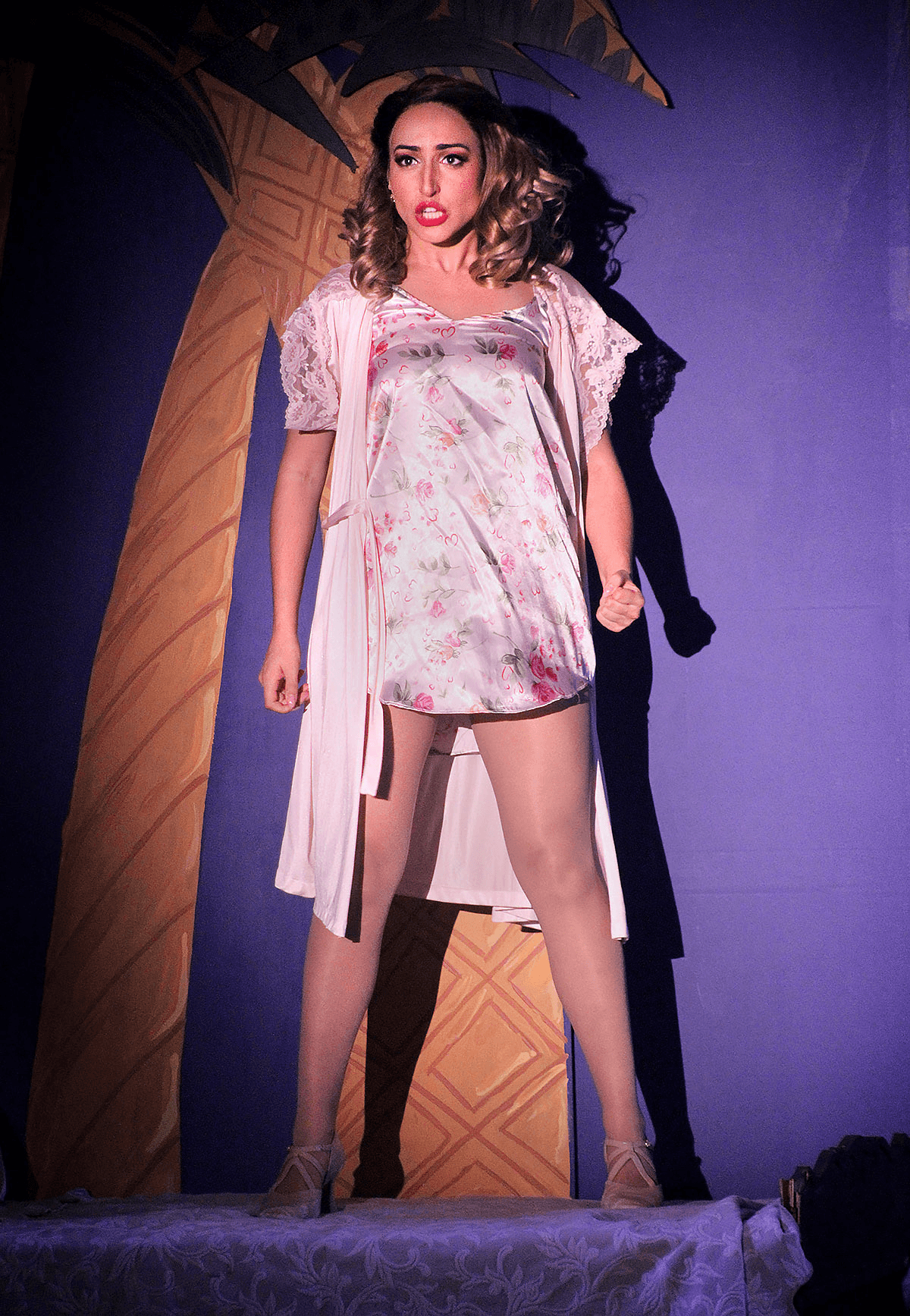
Have you ever had to pivot?
This is not a specific story necessarily, but when applying to college, I knew that my interests were vast. I loved performing with all my heart, but I also craved learning about other subjects. This influenced my choice in college. I went to NYU because I wanted the opportunity to study both Theatre and other majors/minors. I did just that. I graduated with a degree in drama and two minors: psychology and business. Upon graduating, I decided I wanted to have a parallel career to theater, and this has become on of the best decisions I have ever made. Previously, I talked about not placing your worth on booking or not booking a job. This is hard to do, however, when finances are a concern (which of course, they always are). Growing up, I always heard about having a “side hustle” or a “backup plan.” Lucky for me, I entered the “real world” at the time of “parallel careers.” This phrase opened up my world. I always had the desire to have a 9 to 5 working at a desk for a company, but also knew that if I pivoted to doing *just* that, I would have major regrets and also long for my life in theater once again. Believe it or not, the opportunity to do both things at the same time really blossomed during the pandemic. With remote jobs on the rise, this allowed for actors and other creatives to pursue other passions, and also created the opportunity for a secede stream of income in a field that you desired. The field(s) that interested me was social media, marketing, and their intersection. Although it is not a full pivot, I have been lucky to work as both a part-time, contractor, and freelance employee for different companies over the past 4 years as a social media coordinator, and a few other unique positions– both remote and in person. The biggest thing I learned from this experience was that we are never just one thing. I am not JUST an actor, and I am not JUST a digital content coordinator. Rather, I am a person with multiple interests and passions constantly pursuing all opportunities that spark interest and joy.
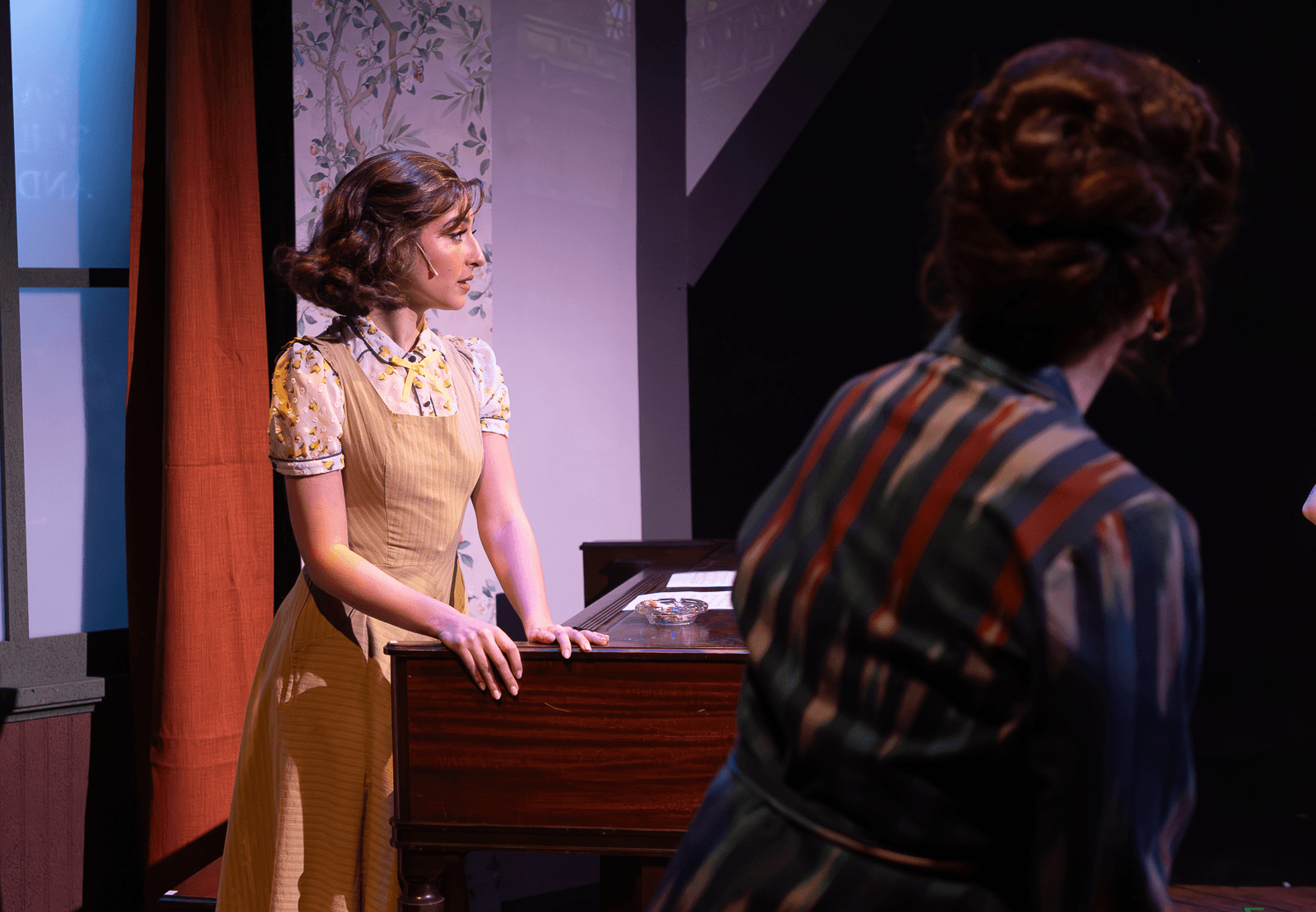
What’s the most rewarding aspect of being a creative in your experience?
The most rewarding aspect of being an artist for me is the opportunity to share stories, lessons, and experiences with audiences. Particularly as an actor working in regional theater, I am working in towns and cities that are not necessarily exposed to arts and culture the way that we are used to seeing in and around New York City. I have seen firsthand both as an audience member and a performer seeing how the art we share directly has an effect on its audience. Some of these small towns are a bubble. People grow up in this bubble and don’t often see or learn about anything other than what is available immediately in front of them. Being a part of organizations that strive to provide these communities with new experiences is one of the most special parts of this job. Of course there is a part of performing that is for us– it feels good to do something you excel at. That being said, the moment that you see an audience member’s world shift in front of their eyes due to a new perspective they had not been offered before from a story that you are telling, you remember that as much as what we do onstage is for us, more importantly, it is for them.
Contact Info:
- Website: https://www.juliabogdanoff.com
- Instagram: @juliabogdanoff
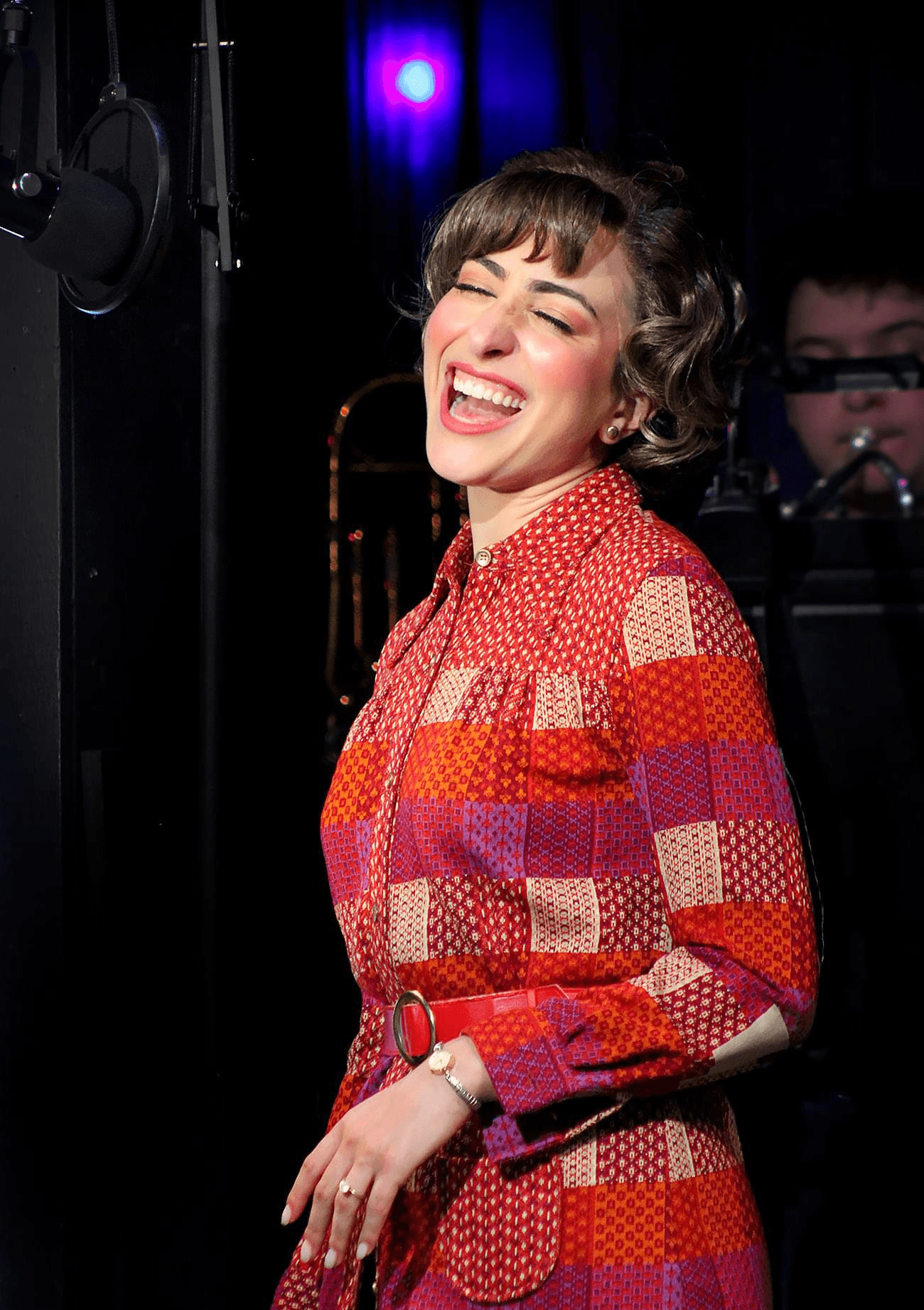
Image Credits
Lew Whitener, Julianna McGuirl, Carrie Greenberg, Indy Ghost Light, Drew Elhamalawy