

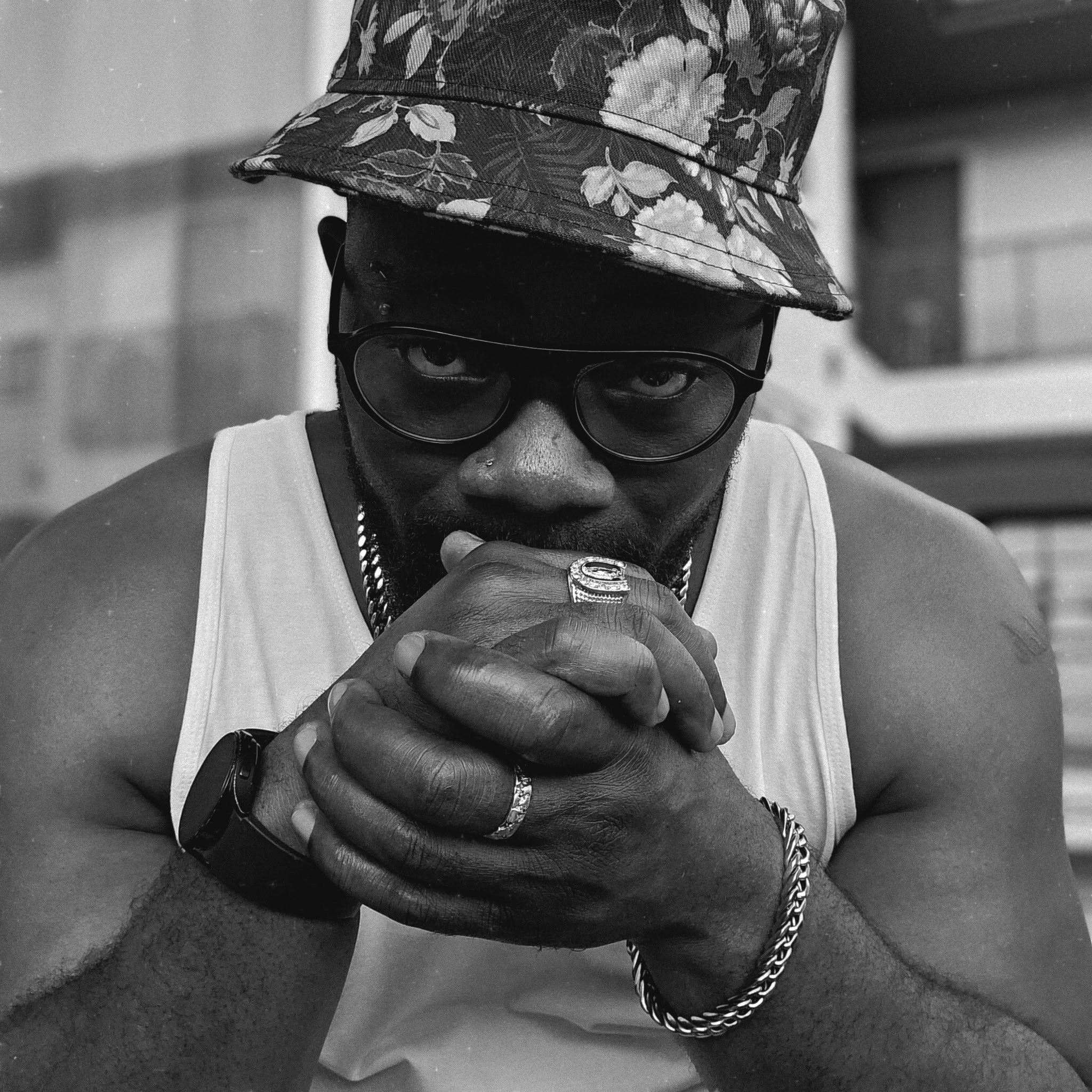

Alright – so today we’ve got the honor of introducing you to Judah. We think you’ll enjoy our conversation, we’ve shared it below.
Judah, appreciate you joining us today. Do you feel you or your work has ever been misunderstood or mischaracterized? If so, tell us the story and how/why it happened and if there are any interesting learnings or insights you took from the experience?
Absolutely.
One of the biggest misconceptions about me is that people often see the camera before they see the activism.
Because I’m a filmmaker, journalist, and storyteller, people sometimes assume my work is primarily about content creation. In reality, I was an activist long before I was ever a filmmaker. The camera came later. It became a tool, not the mission.
I’ve had people label my work as advocacy, journalism, propaganda, community organizing, filmmaking, and even activism disguised as media. The truth is that it exists somewhere at the intersection of all of those things. My goal has never been neutrality for neutrality’s sake. My goal has always been to document communities, preserve stories, and create evidence of what people are experiencing, particularly in communities that are often overlooked or misrepresented.
A good example is my work documenting Sandbranch, Texas, one of the oldest freedmen’s communities in North Texas. Some people viewed the films as activism. Others viewed them as journalism. Some thought I was taking sides. What I was really doing was bearing witness. When a community lacks something as fundamental as running water, the story itself carries weight. You don’t have to manufacture outrage; you simply have to tell the truth carefully and honestly.
I’ve also learned that when you tell stories about race, poverty, policing, or systemic inequality, people often project their own beliefs onto the work. Two people can watch the exact same film and walk away with completely different interpretations. Early in my career, I found that frustrating. Now I see it as part of the responsibility of storytelling.
The biggest lesson I learned is that you cannot control how people receive your work. You can only control the integrity with which you create it. If you are committed to truth, fairness, and the people whose stories you are entrusted to tell, misunderstanding becomes less frightening. In some ways, it becomes proof that the work is reaching beyond your immediate audience and forcing people to wrestle with ideas they may not otherwise encounter.
At the end of the day, I don’t see myself as a traditional creative. I see myself as an activist who picked up a camera. Everything I’ve done—from community journalism to documentary filmmaking—has been an extension of that mission. The stories come first. The art is simply the vehicle.
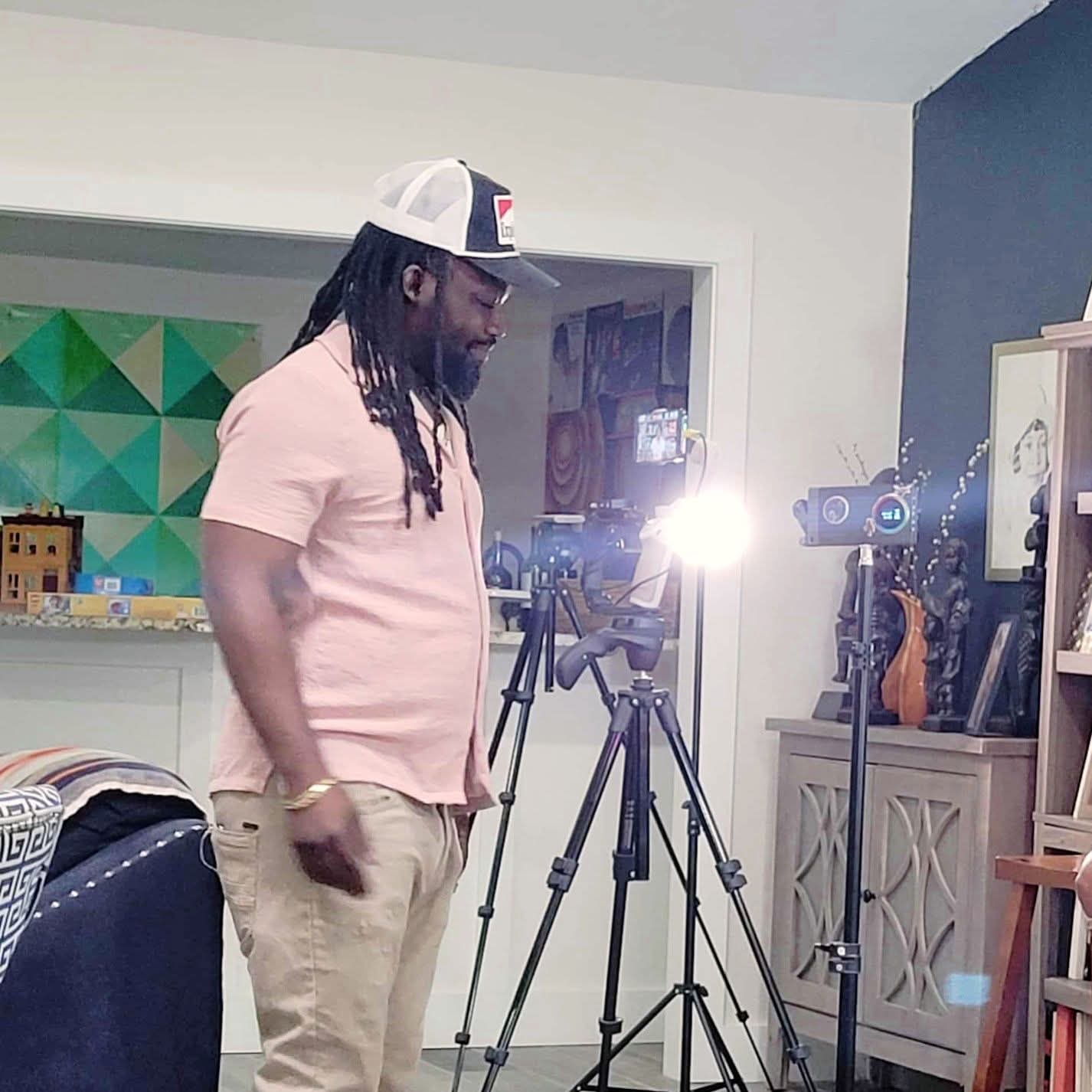
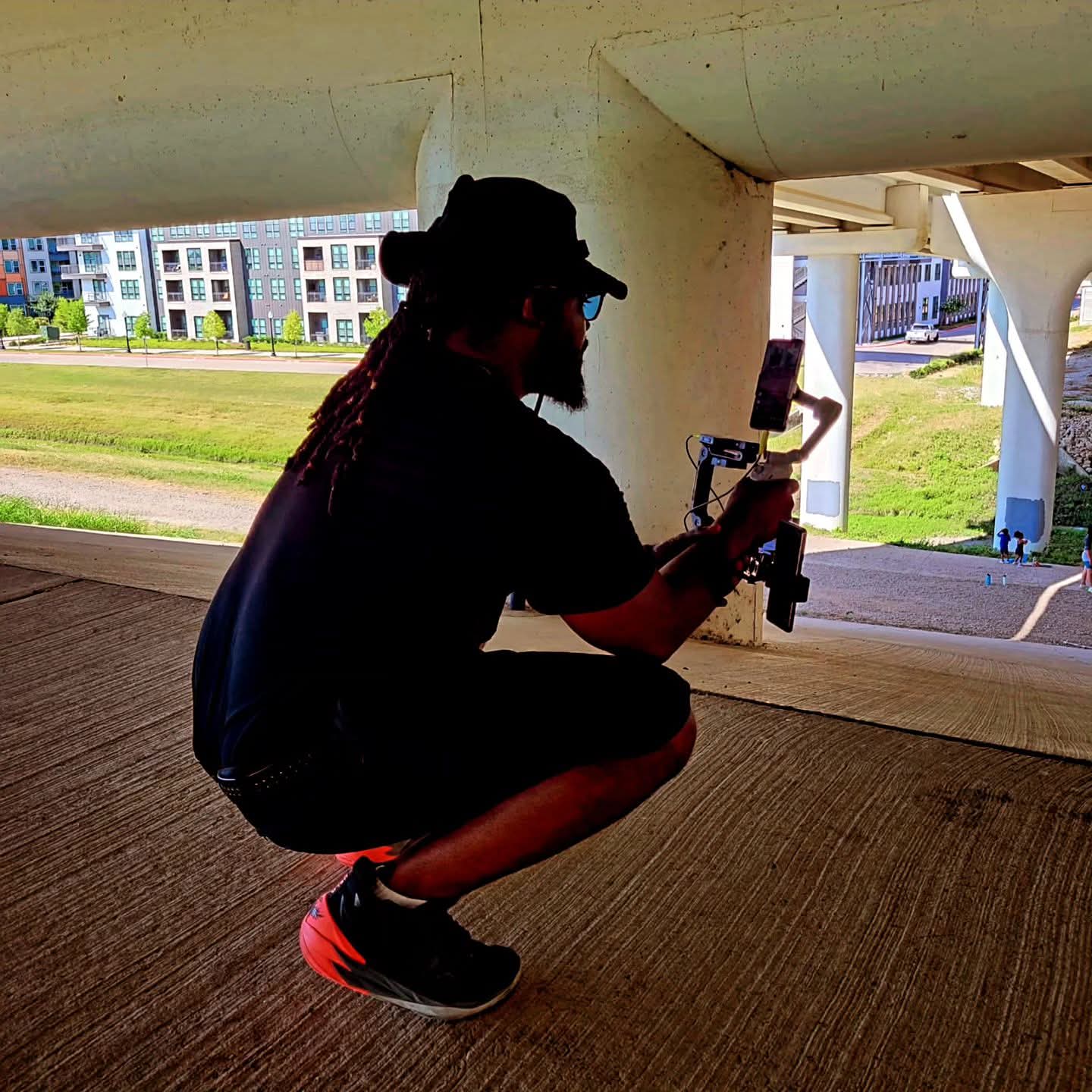
Judah, before we move on to more of these sorts of questions, can you take some time to bring our readers up to speed on you and what you do?
I am Judah Agbonkhina, a 2X Award Winning Director, 6X Award Winning Community Activist, multimedia journalist, author, educator, community organizer, Army veteran, and founder of Word On Da Street W/ Judah, In The BLK Productions, and Suits For Judah.
For more than a decade, my work has centered on one mission: helping communities tell their own stories and preserve their own history. While many people know me as a filmmaker, I consider myself an activist and community storyteller first. Everything else—journalism, documentaries, teaching, publishing, and media production—grew out of that commitment.
One of the accomplishments I am most proud of is founding Suits For Judah. What began as a vision to serve others has grown into a platform built around four pillars: Mentorship, Exposure, Entrepreneurship, and Empowerment. Through community events, youth engagement, leadership development, media training, and advocacy, we have worked to create opportunities for people who are often overlooked and under-resourced. The impact of Suits For Judah is measured not only in programs or events, but in lives changed, confidence restored, and possibilities expanded.
I am also incredibly proud of Word On Da Street W/ Judah. Founded in 2021, it began as a grassroots community journalism platform dedicated to documenting positive stories, community leaders, local businesses, and neighborhood issues that often receive little attention from mainstream media. What started as a small independent platform has grown into a respected community media outlet and opened doors for me to contribute to larger publications and media organizations throughout North Texas. Word On Da Street W/ Judah remains one of my proudest achievements because it proves that community journalism can be both impactful and accessible.
As a multimedia journalist with Dallas Weekly, I have had the opportunity to contribute to one of the most historic Black-owned newspapers in Texas. Through my reporting, I help document the people, movements, challenges, and successes shaping our communities. I view journalism as public service and believe that local media plays a critical role in preserving truth, accountability, and cultural memory.
My work as a filmmaker has earned national and regional recognition, including two Best Documentary awards for directing Behind The Strings: Amplifying Black Feminism in Guitar Culture, a film by Jess Garland and a powerful collaboration with Pegasus Media Project for production support and filming. The documentary has been recognized for amplifying underrepresented voices and exploring the intersection of Black feminism, music, and cultural identity.
I have also produced documentaries and journalistic films covering environmental justice, community activism, arts and culture, and Black history, including my work documenting Sandbranch, Texas, one of the oldest freedmen’s communities in North Texas.
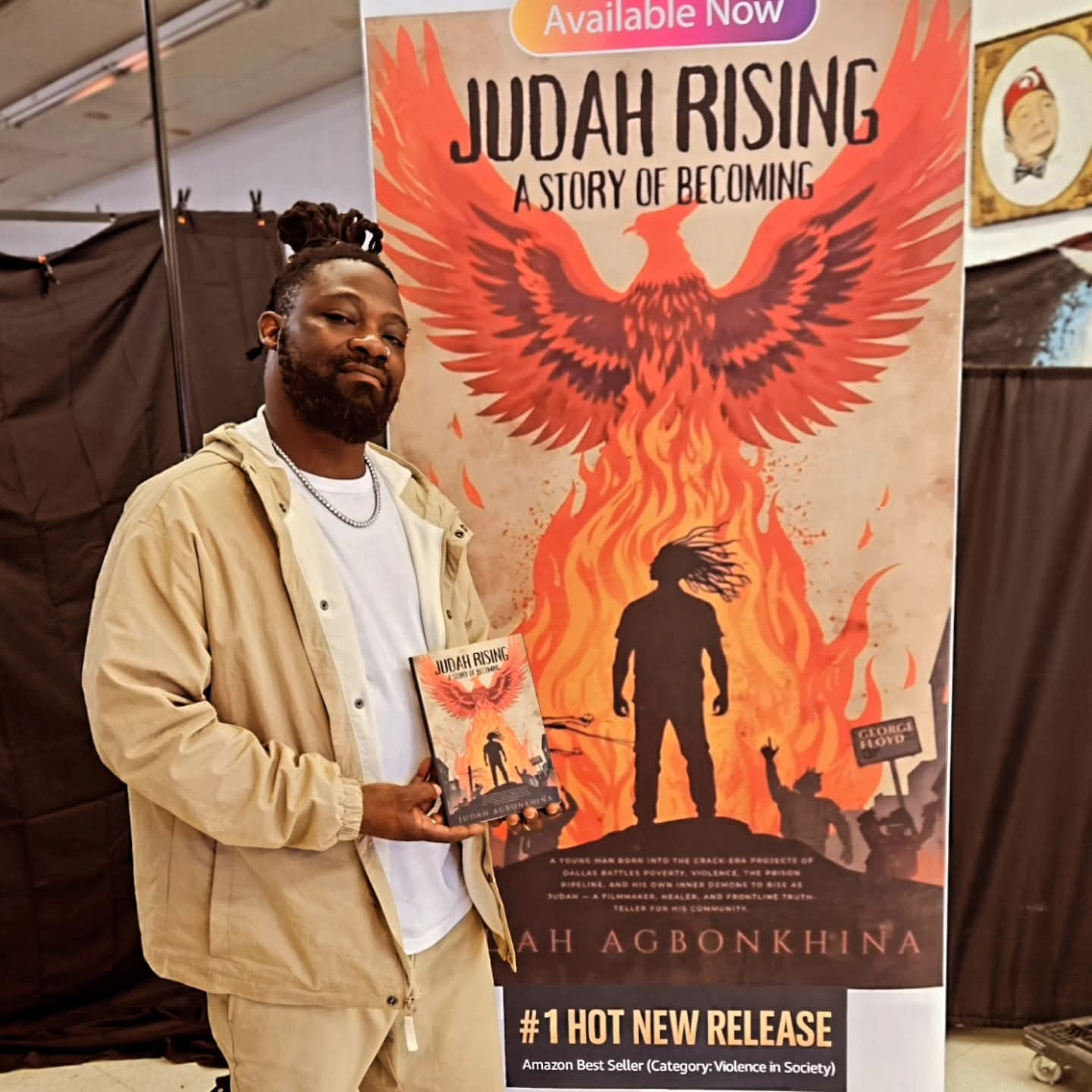
I am also the author of Judah Rising: A Story of Becoming, a memoir that chronicles my journey from poverty, incarceration, and adversity to becoming a filmmaker, journalist, educator, veteran, and community leader. The book is deeply personal, but its message is universal: transformation is possible, and our past does not have to define our future.
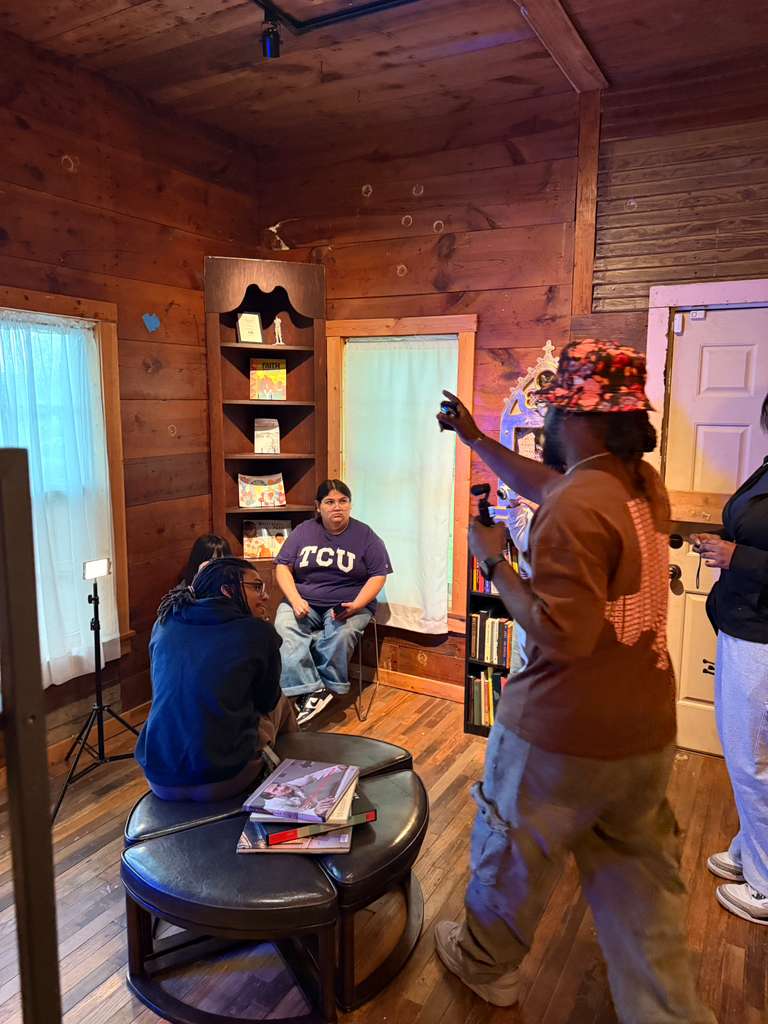
Education and mentorship are equally important parts of my work. Through partnerships with organizations like Kinfolk House and other community institutions, I teach filmmaking, journalism, interviewing, and storytelling to young people. Helping the next generation discover their voice and understand the power of their stories is among the most meaningful work I do.
Through In The BLK Productions, I provide documentary filmmaking, video production, event coverage, photography, media consulting, branded storytelling, nonprofit communications, and content creation services. I help organizations, entrepreneurs, artists, and community leaders communicate their mission in ways that connect with audiences and create lasting impact.
What sets me apart is that I don’t approach storytelling from the outside looking in. I come from the communities I serve. I understand the challenges, the resilience, the humor, the culture, and the humanity of the people whose stories I tell. My work is built on relationships, trust, and a commitment to service.
At the end of the day, I don’t believe stories are simply content. Stories are evidence. Stories are history. Stories are legacy. Whether I am writing an article, producing a documentary, teaching a workshop, mentoring a young person, or documenting a community event, my goal is always the same: to ensure that the voices of everyday people are seen, heard, remembered, and respected.
Is there a particular goal or mission driving your creative journey?
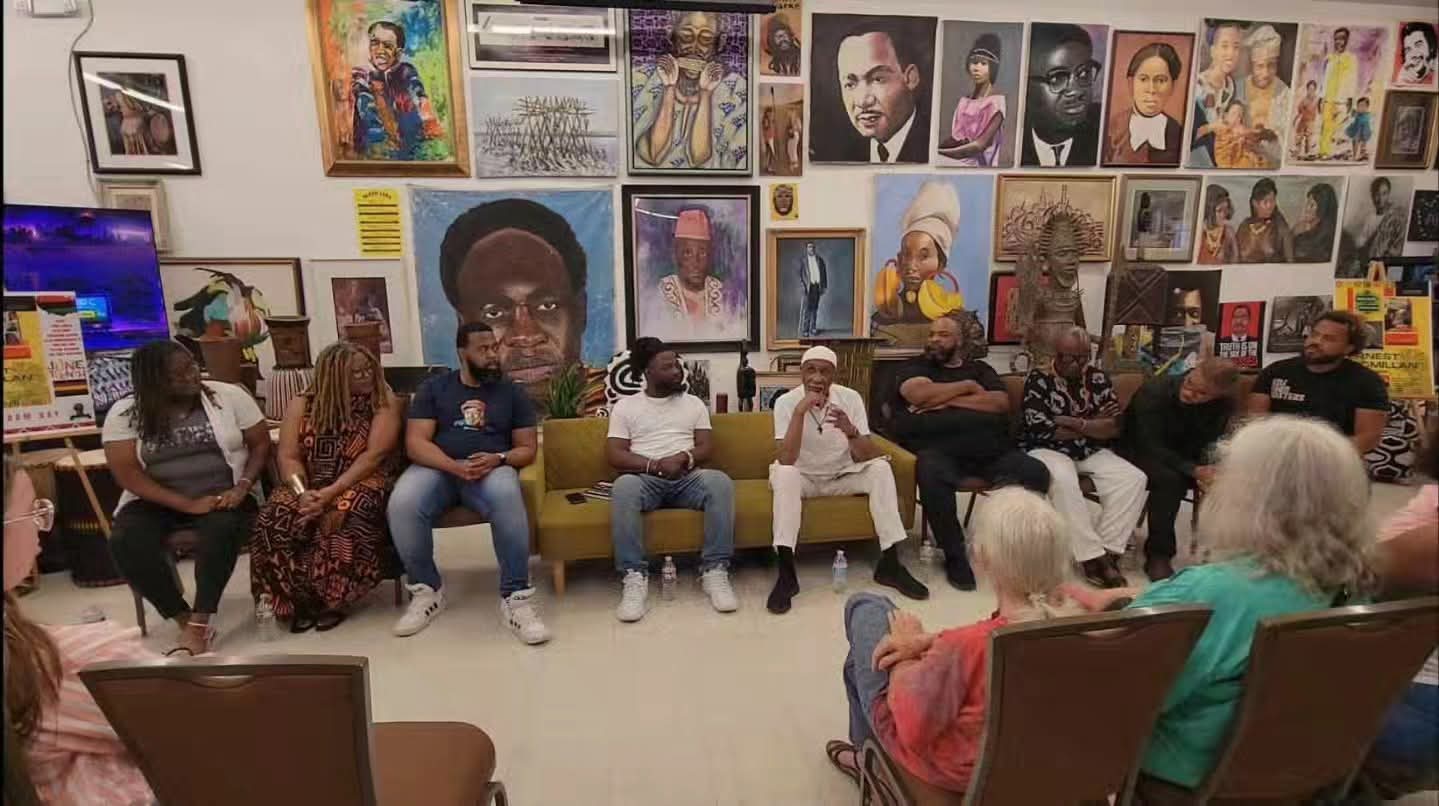
Yes. My mission is to ensure that the stories, struggles, triumphs, and wisdom of everyday people—especially those from historically overlooked communities—are documented, preserved, and shared with dignity.
I often say that I am not a traditional creative; I am an activist who picked up a camera. My work is driven by a belief that storytelling is one of the most powerful tools we have for creating understanding, building community, and inspiring action. Whether I am producing a documentary, conducting an interview, teaching young people how to tell stories, or reporting on local issues, I am ultimately working toward the same goal: helping people see one another more clearly.
I am particularly passionate about documenting Black communities, working-class communities, and grassroots movements because I know how often their stories are reduced, distorted, or ignored altogether. I want future generations to have a record of who we were, what we faced, how we responded, and what we built.
Beyond the work itself, I hope to create pathways for others. Through my journalism, filmmaking, mentorship, and educational initiatives, I want to help people realize that their stories matter and that they have the power to tell them. Too often, communities wait for someone else to document their history. My mission is to help communities become the authors of their own narratives.
If there is a single idea that drives my creative journey, it is this: stories are not just entertainment. They are memory. They are evidence. They are legacy. And preserving them is a form of service.
Do you think there is something that non-creatives might struggle to understand about your journey as a creative? Maybe you can shed some light?
One thing I think many non-creatives struggle to understand is that most of the work happens long before anyone sees the finished product.
People see the documentary, the article, the interview, the award, or the social media post. What they don’t see are the years spent building trust, showing up consistently, learning the craft, questioning yourself, and often creating with very little money or recognition. They don’t see the countless hours spent researching, listening, editing, rewriting, troubleshooting equipment, driving across town, or simply waiting for the right moment to tell a story honestly.
I also think people underestimate how much responsibility comes with storytelling. When someone trusts you with their story, especially during a difficult chapter of their life, you’re carrying more than footage or notes. You’re carrying a piece of their history. That responsibility weighs on me in a good way. It reminds me that the work is bigger than my own ambitions.
Another misconception is that creativity is always driven by inspiration. In my experience, it is driven far more by discipline. There are days when you’re exhausted, discouraged, underfunded, or uncertain whether anyone is paying attention. The work still has to get done. Creativity isn’t just a feeling—it’s a commitment.
Perhaps the biggest lesson I’ve learned is that success rarely arrives all at once. For years, I was building community, volunteering, learning journalism, making films, teaching workshops, and creating opportunities for others while trying to survive myself. Looking back, none of those experiences were separate from the journey. They were the journey.
If I could offer one piece of insight to anyone pursuing a creative path, it would be this: don’t measure your progress only by visibility. Measure it by impact. Some of the most meaningful work I’ve ever done reached a handful of people, changed a conversation, preserved a story, or gave someone a platform they otherwise would not have had. Not every seed grows immediately, but that doesn’t mean it wasn’t worth planting.
For me, being a creative has never been about becoming famous. It’s about being useful. If my work helps a community tell its story, helps a young person find their voice, or preserves a piece of history that might otherwise be lost, then I’ve succeeded.
Contact Info:
- Website: https://www.instagram.com/wodswj
- Instagram: https://www.instagram.com/intheblkprod
- Facebook: https://www.facebook.com/wordondaswj
- Youtube: https://www.youtube.com/@wodswj
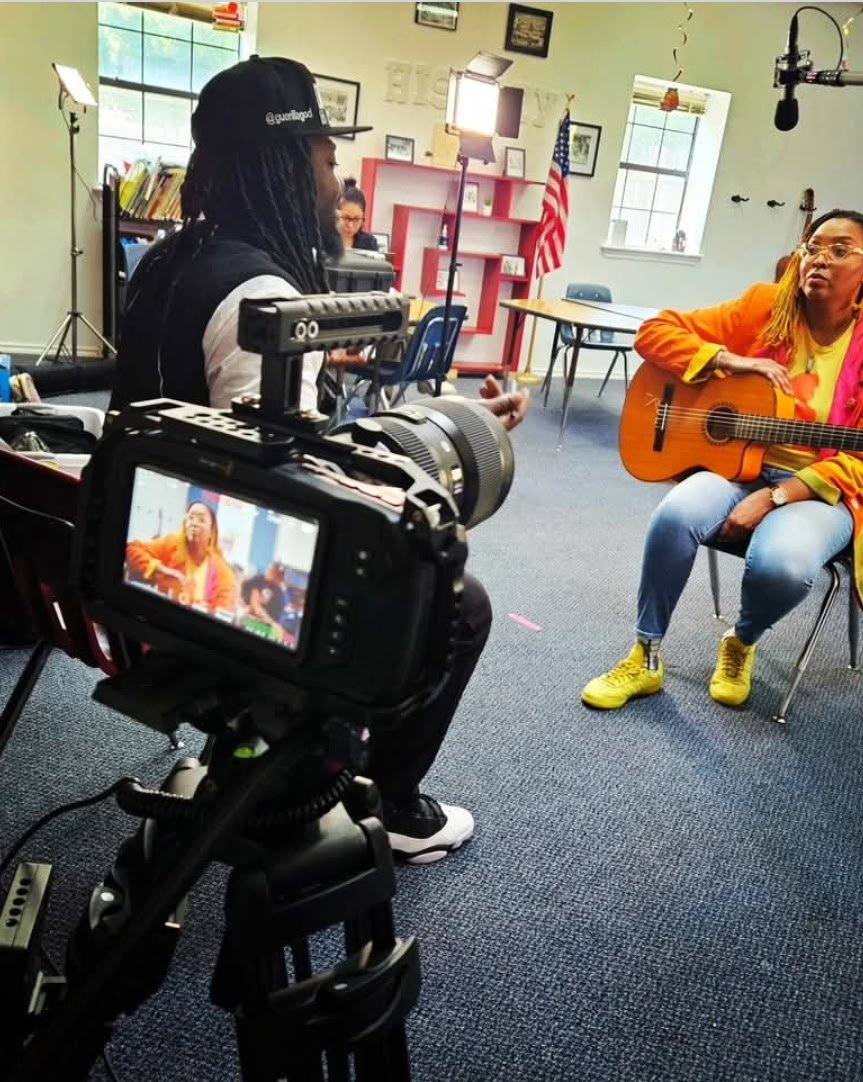
Image Credits
Judah Agbonkhina
N’kole Bryant