

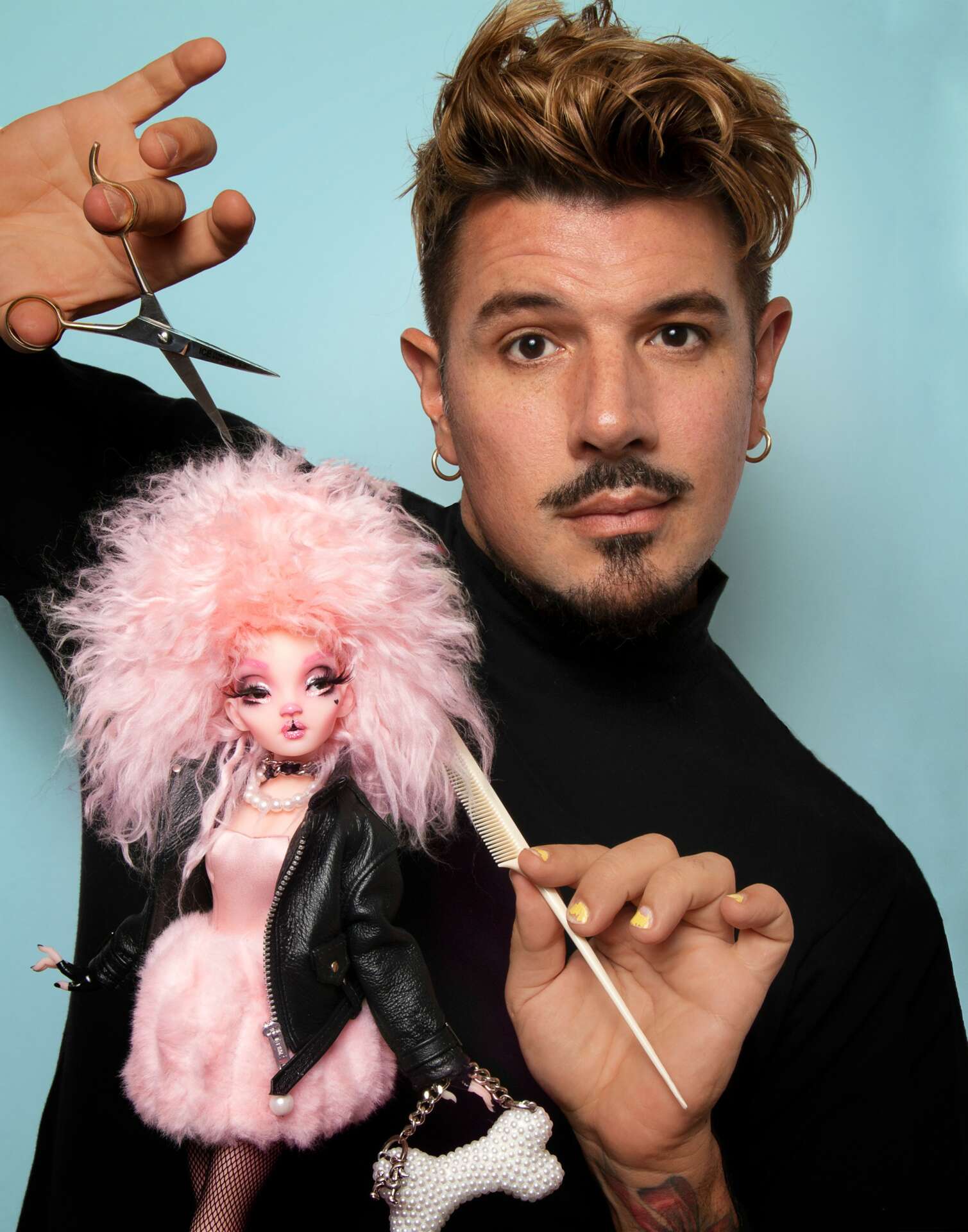

We caught up with the brilliant and insightful Joshua David McKenney a few weeks ago and have shared our conversation below.
Alright, Joshua David thanks for taking the time to share your stories and insights with us today. Do you think your parents have had a meaningful impact on you and your journey?
I grew up in a conservative Christian home in Amish country, which heavily influenced my mother’s views on child-rearing. She decided to homeschool me and my younger siblings from an early age. I was effeminate and mercilessly picked on in elementary school, and homeschooling was common in the community, so it was a natural solution. My upbringing caused many problems I would struggle with as an adult—religion being the big one, but also coming out as a queer person. And there were holes in my education, as I discovered upon entering art school. But despite all that, it was instrumental in helping me become the artist I am today.
From the earliest age, I was very effeminate and loved all things feminine. I also had an irrepressible instinct to draw, and I drew almost exclusively feminine forms and subject matter. Because of their conservatism, my parents had a lot of anxiety about this, and they thought the best way to deal with it was to suppress it. But not my art! Instead, they did everything they could to encourage that side of me. There were other artists in my family, so drawing was an acceptable form of expression. But more importantly, it was a safe way for a little boy like me to express femininity. So when I drew all over the walls as a toddler, instead of stopping me, my parents covered the walls in paper. As a teenager, they encouraged me to enter art competitions and fairs.
Homeschooling was also critical because it gave me independence, both in terms of how I spent my time and how I thought about my place in the world. My mother wasn’t the most focused teacher, so I was given space to explore my natural interests early in life—something many people miss out on. I learned to be self-motivated when it came to things I cared about, which has served me well in my career (I’ve taught myself most of the artistic skills I’ve acquired). Homeschooling also let me sidestep conventional views that might have caused me to second-guess my ambitions. I didn’t get a rigorous formal education, but I also wasn’t saddled with the expectations and social pressure about the right way to live a life. I never questioned that I would be an artist, and as soon as I turned 18 I picked up and left for art school in New York City—a decision that was almost unheard of where I came from at the time.
Joshua David, love having you share your insights with us. Before we ask you more questions, maybe you can take a moment to introduce yourself to our readers who might have missed our earlier conversations?
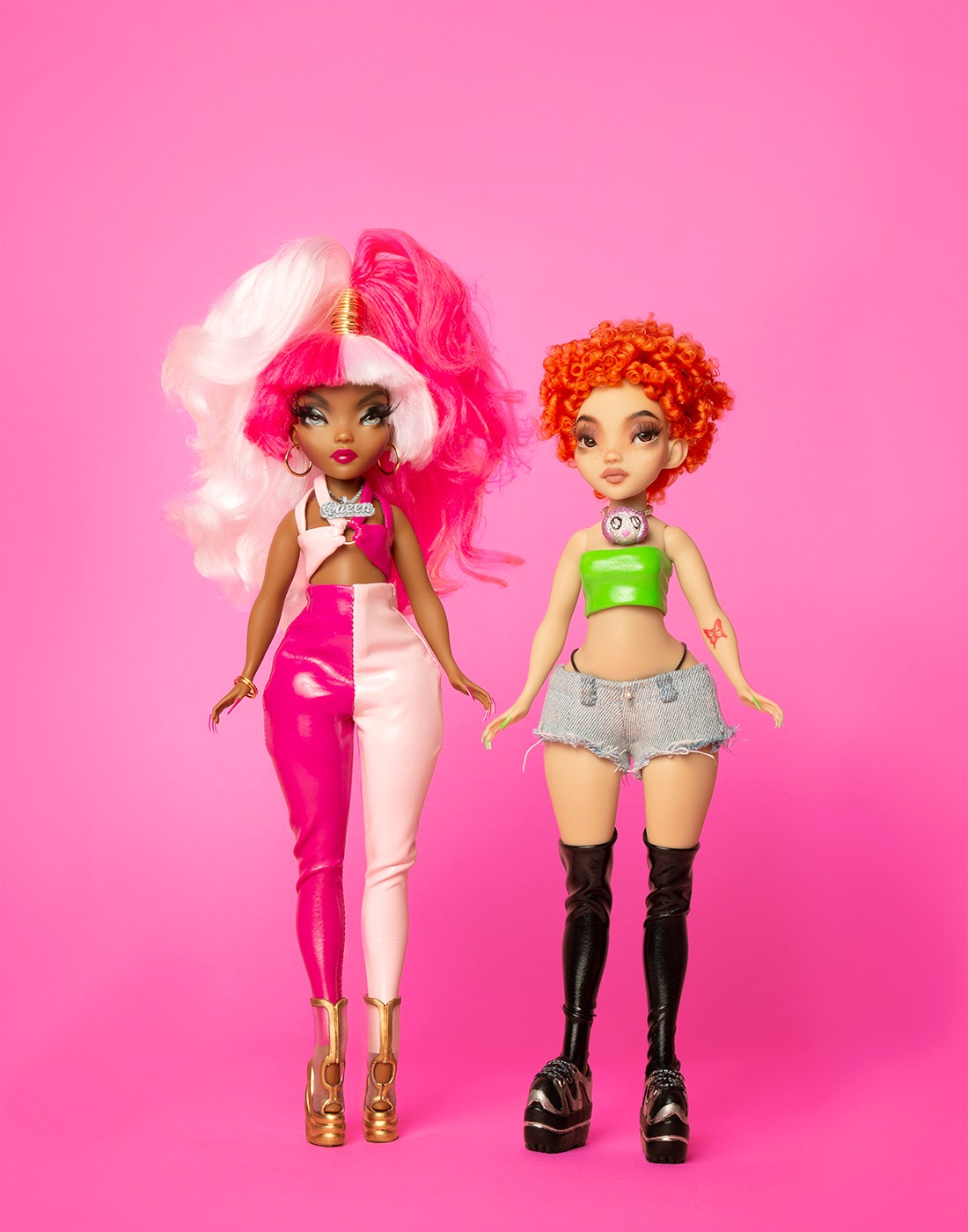
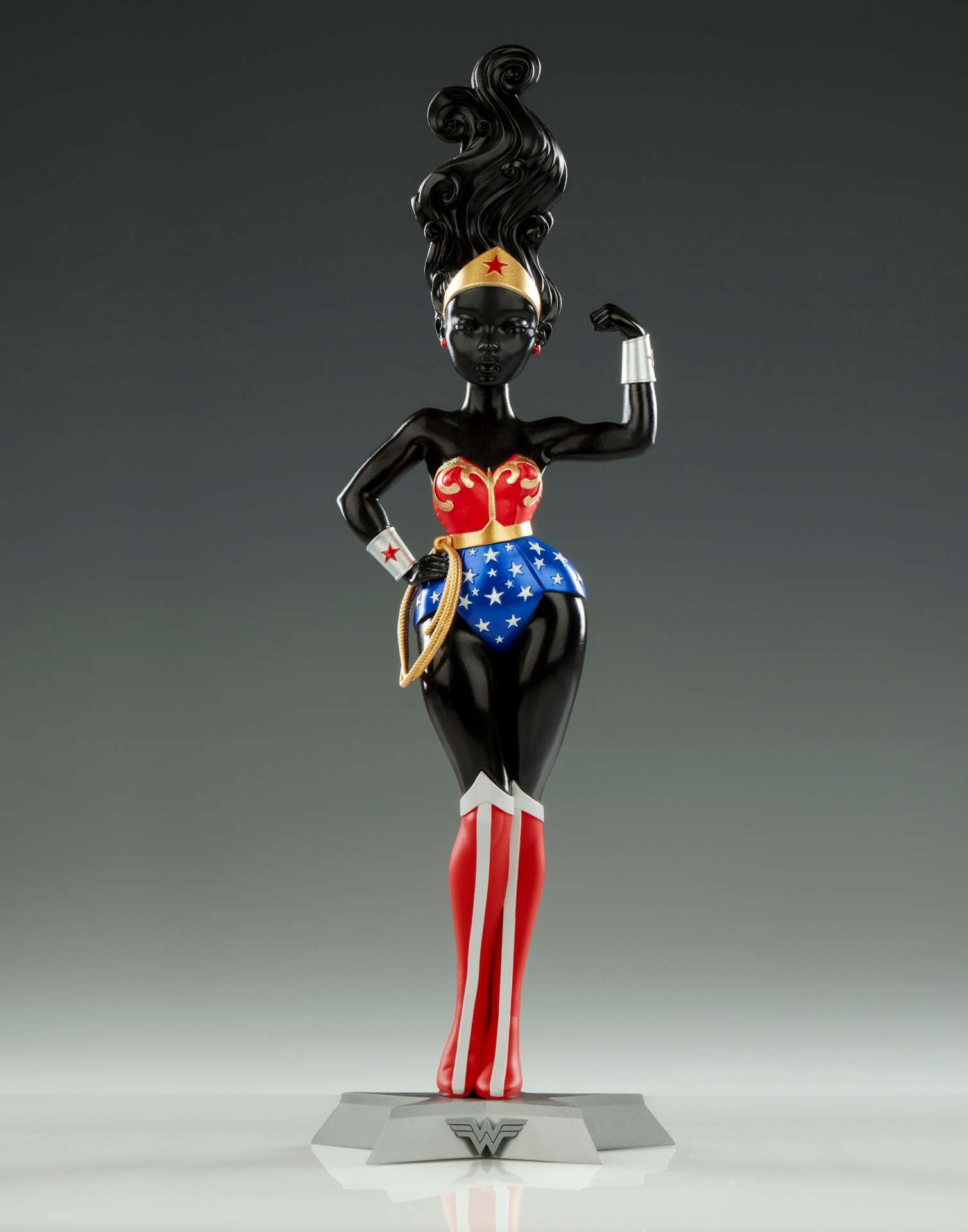
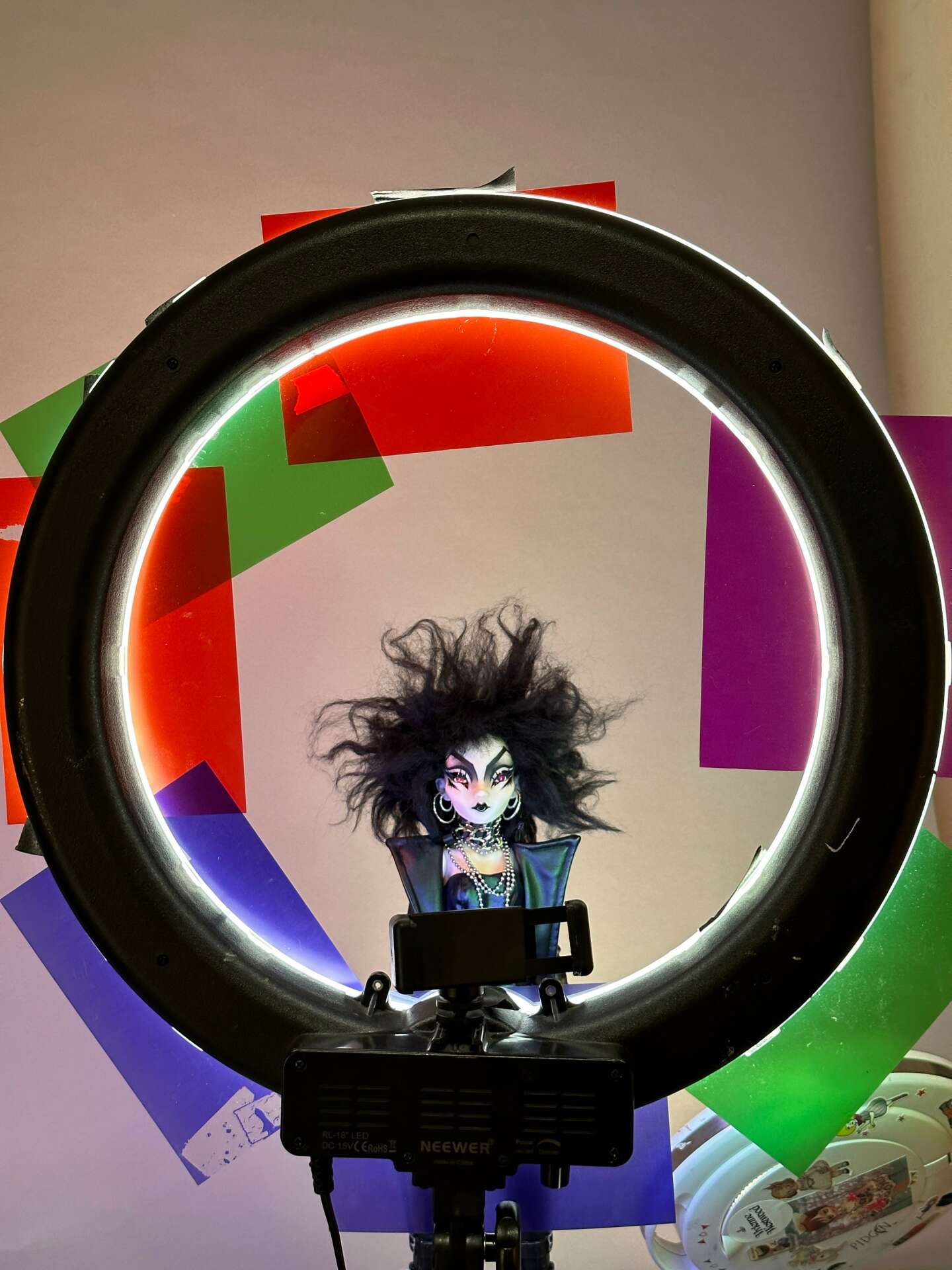
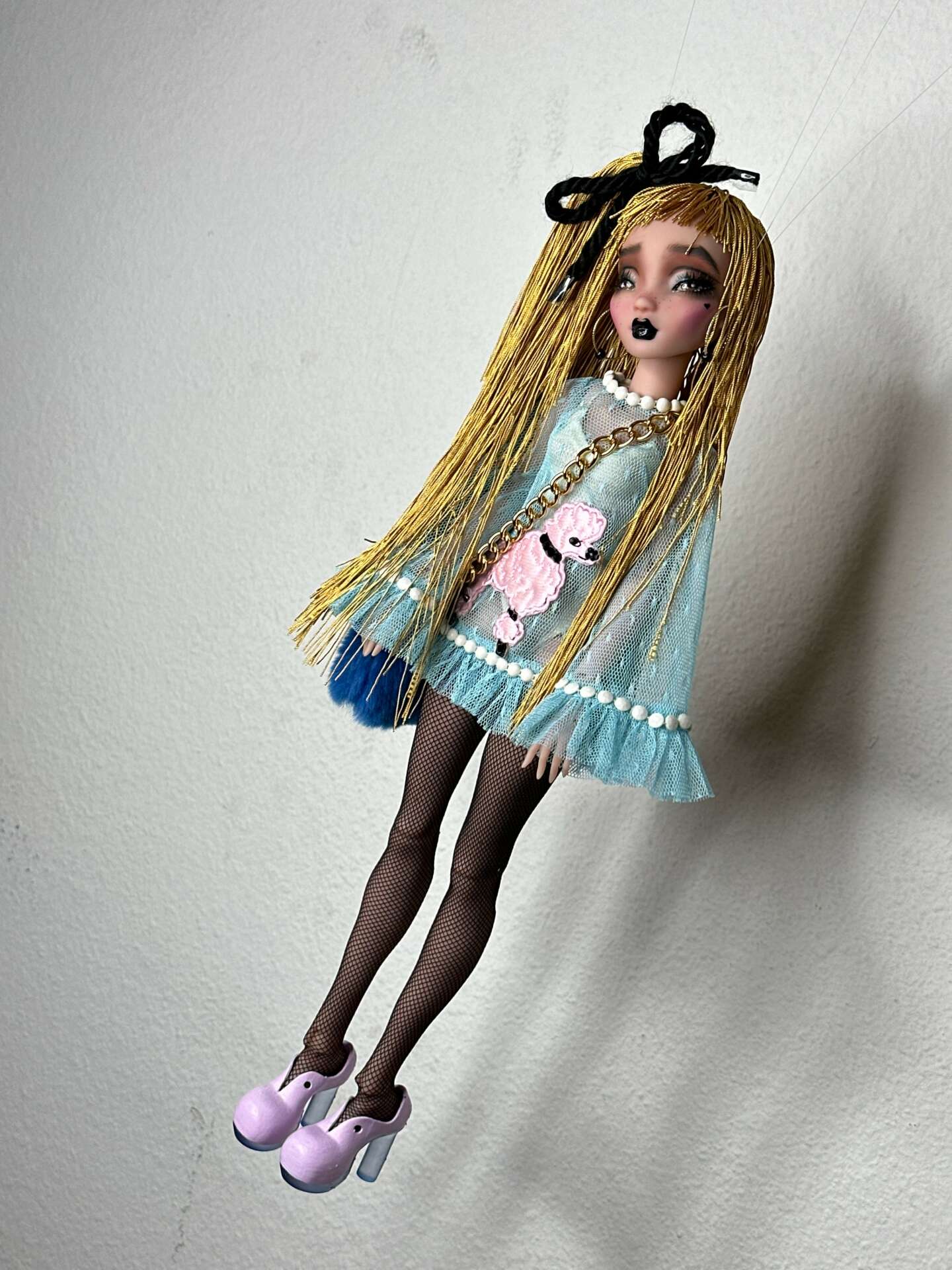
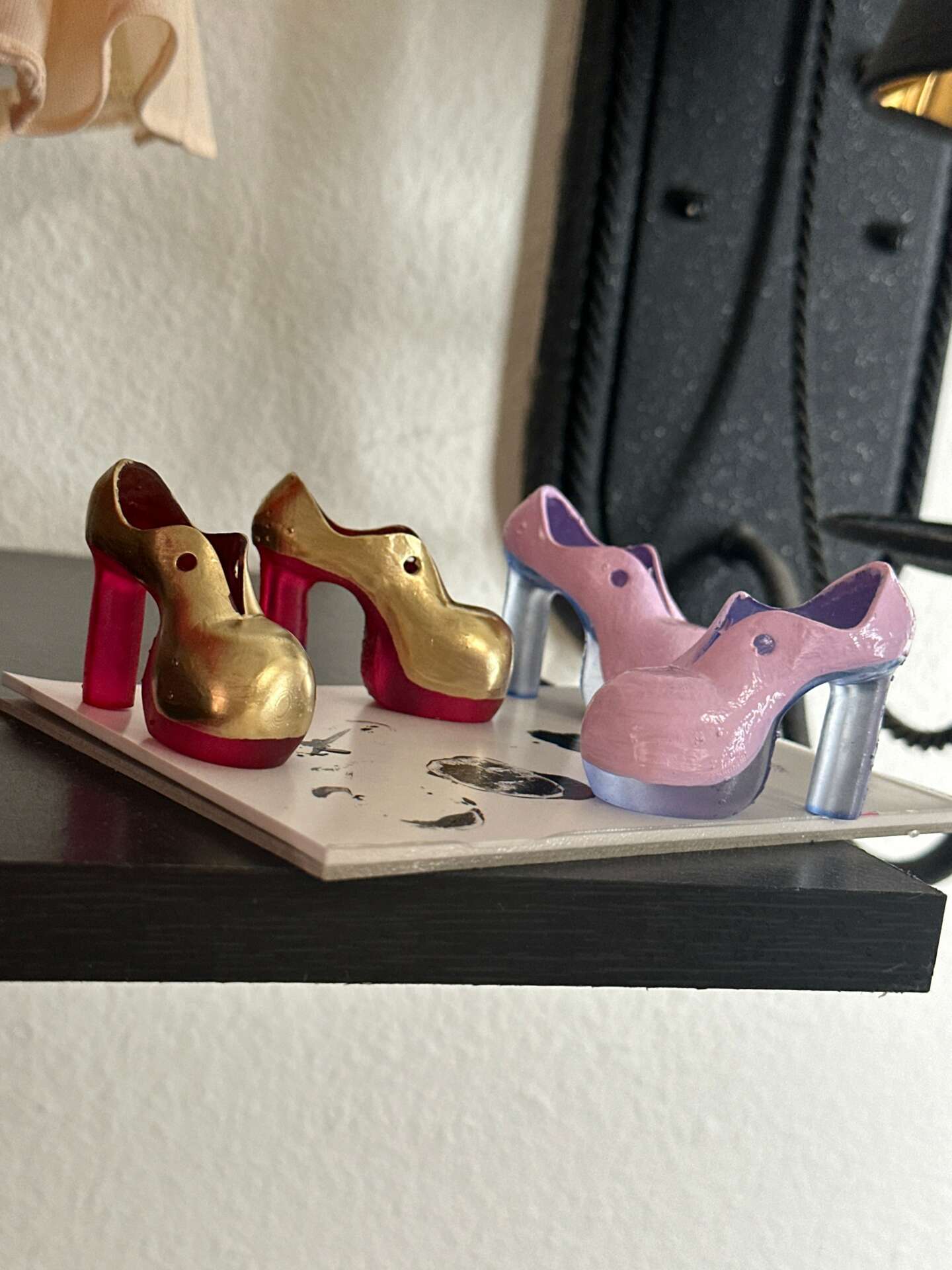
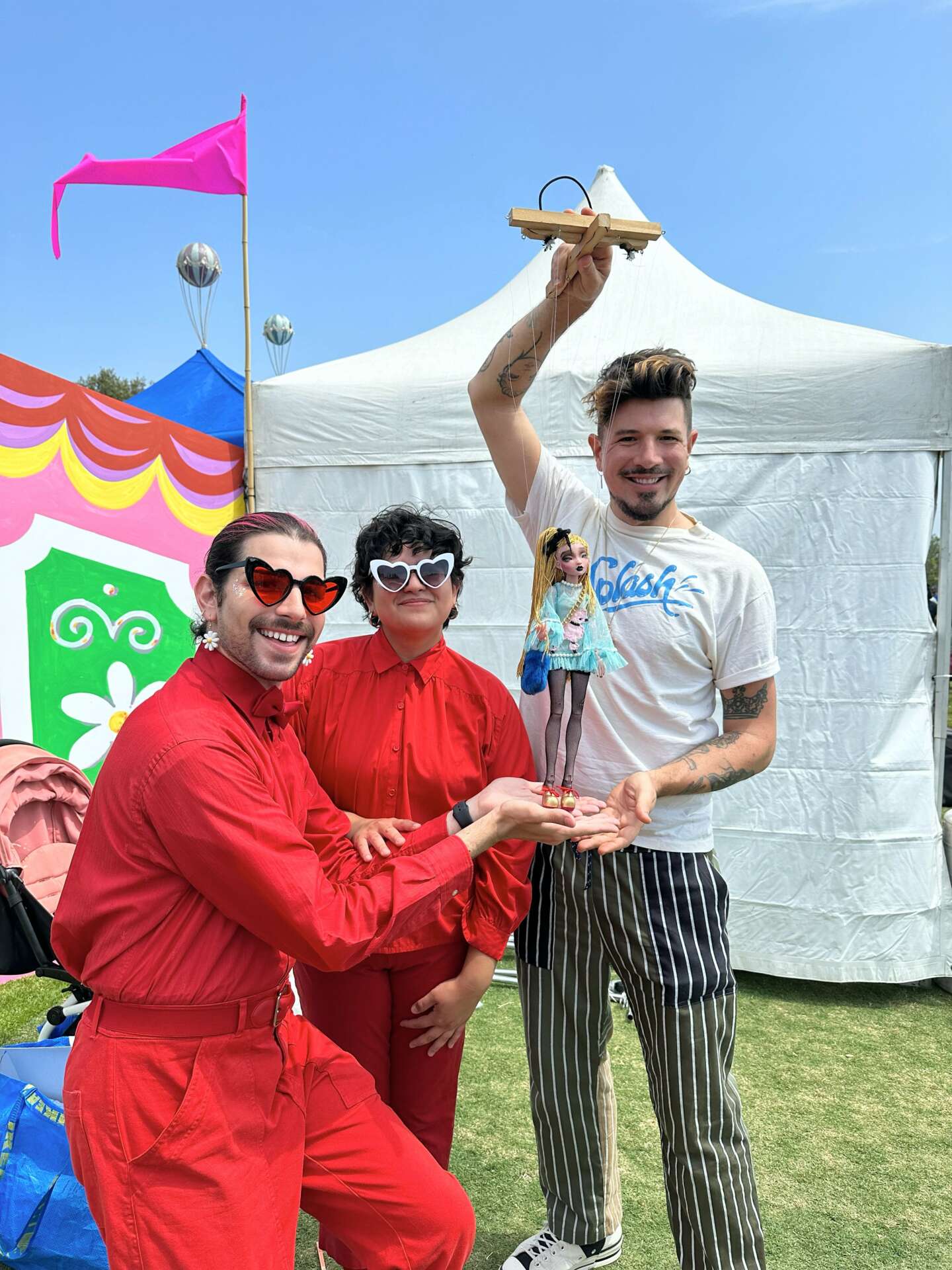
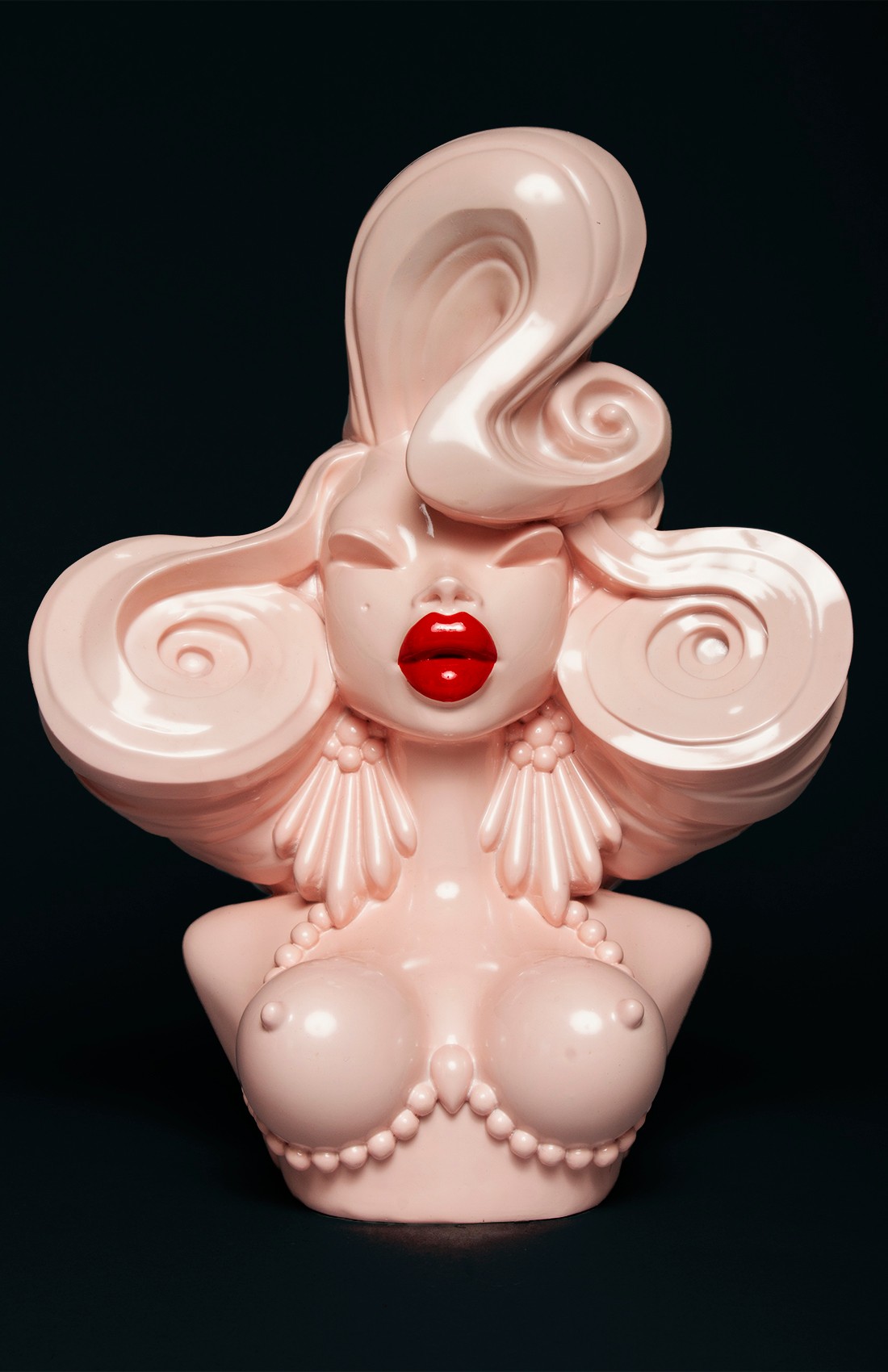
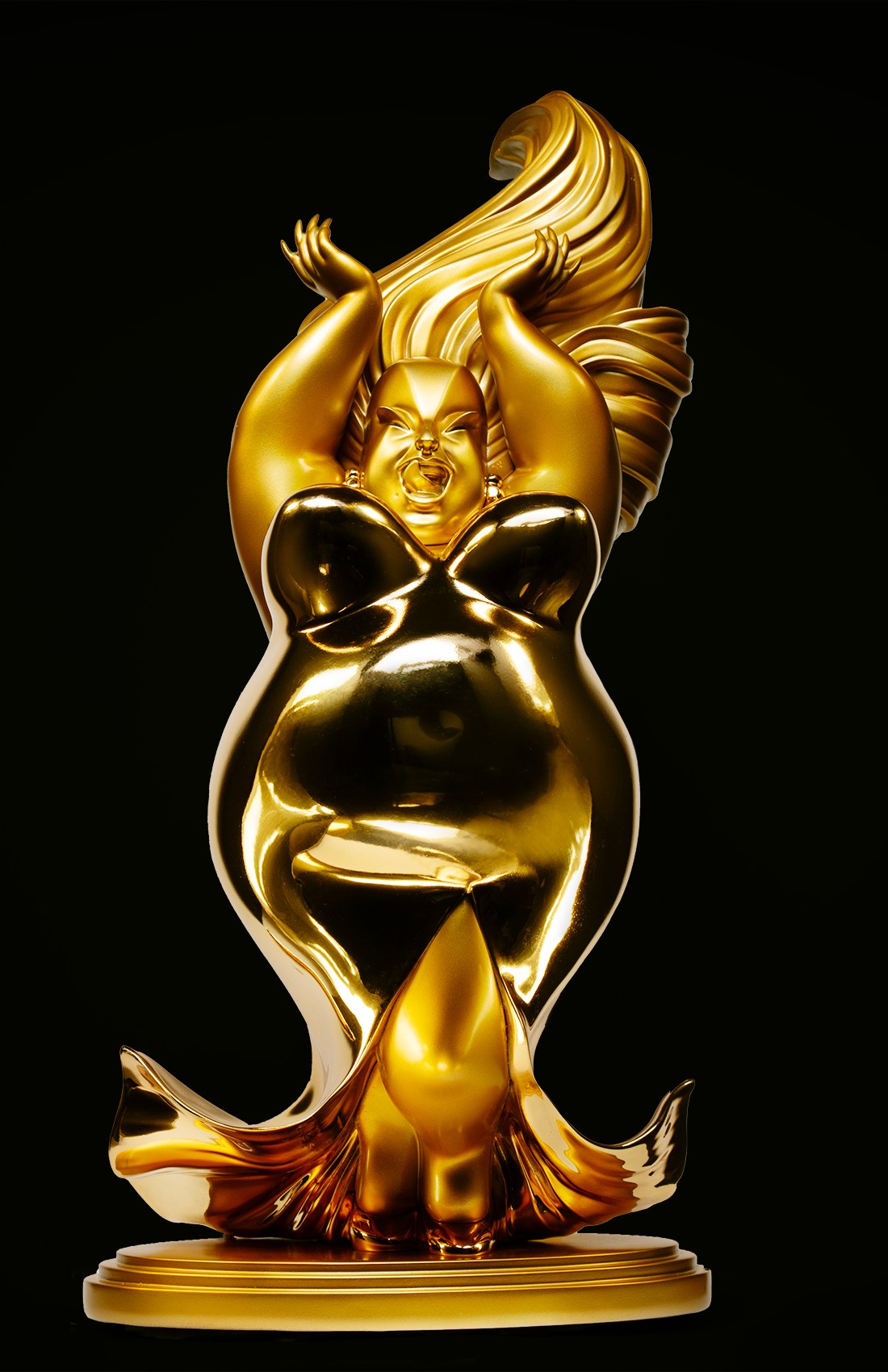
I’m an LA-based artist, sculptor, and designer, but I’m probably best known for being a doll maker. My brand is called Pidgin, which is also the name of my doll. Pidgin is the expression of my design aesthetic and my lifelong love of femininity. I love being a doll maker because it allows me to combine several disciplines in one medium: sculptor, makeup artist, hairstylist, fashion designer, and photographer.
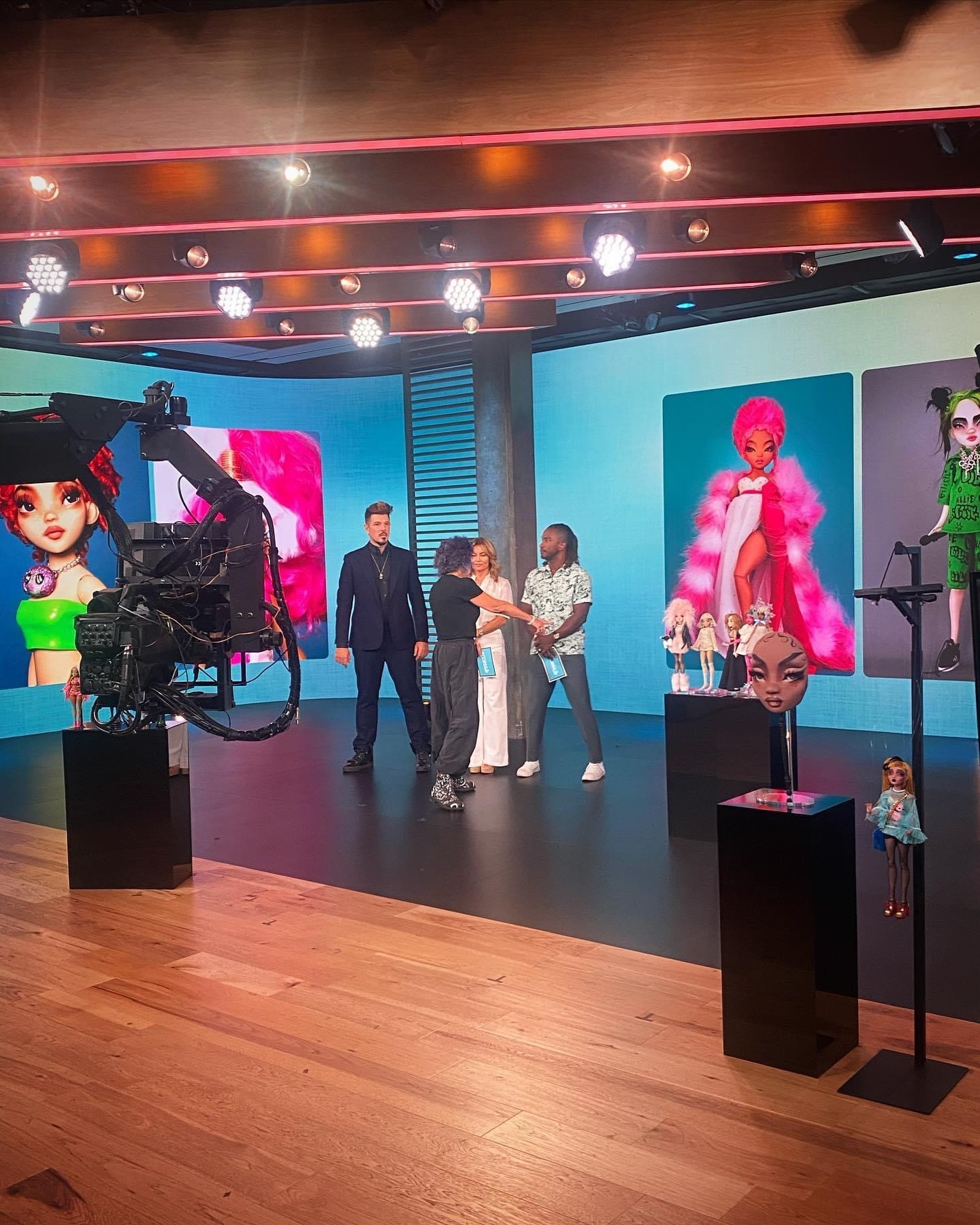
I’m fortunate to have gained a large social media following, so I also make a lot of videos about my artistic journey and process. My audience really took off about 3 years ago, when I started posting process videos on TikTok. Before that, I mainly posted photography of my dolls, and most of my income came from selling handmade art dolls to collectors. In the last two years, I’ve become more of a designer and influencer, creating art and videos for commercial and media projects.
I’m currently working on turning Pidgin into a fashion and beauty brand that reflects my “doll aesthetic.” I plan to launch a collection of Pidgin fashion accessories for humans this February.
Have you ever had to pivot?
The ability to pivot is critical for any independent, artist or otherwise. You’re the one steering the ship, so it’s up to you to recognize when something isn’t working and change course. I’ve had to evolve many times during my career, and as difficult as it was in the moment, it’s usually helped me level up. Learning to sculpt digitally was transformative in creating and producing my art. Moving from photos to video helped me vastly expand my social media following. Exploring new platforms opened me up to new audiences.
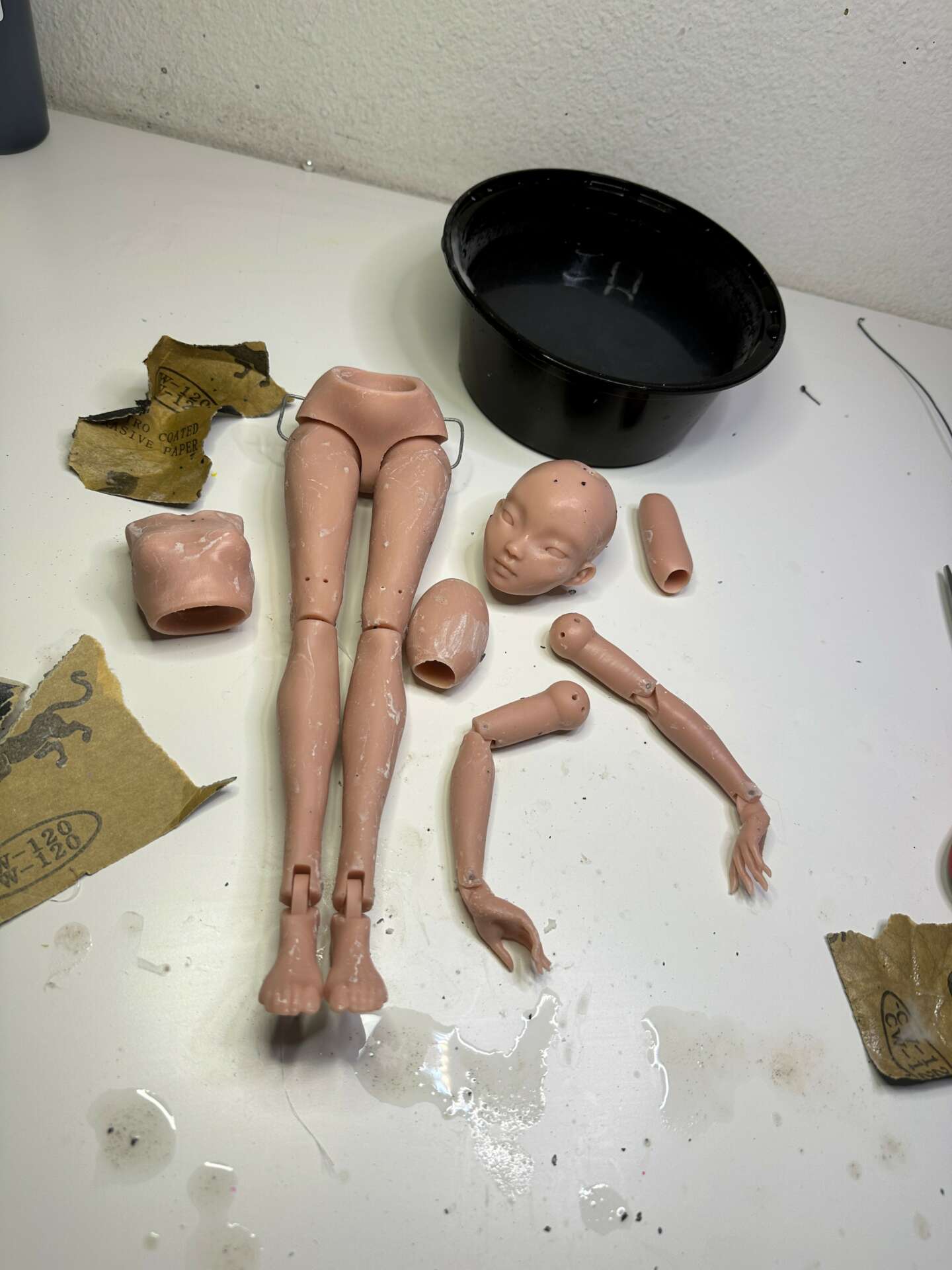
But my biggest pivot was becoming a doll artist. I’d spent years working as a fashion and beauty illustrator. Then print media moved more and more to photography, and I started having more downtime between jobs. I’d always wanted to realize my 2D art in 3D, so I used that time to teach myself sculpting. Doll-making was a natural next step. Since I had a photography background from school, I was able to photograph the dolls and post them on Instagram. The response was overwhelmingly positive. Dozens, then hundreds of people started posting fan art of themselves made up as my dolls. Suddenly, I had an audience. That was the beginning of my brand, Pidgin Doll. Eventually, my husband Eric quit his career in law so we could work together on Pidgin full-time. We began selling one-of-a-kind dolls online, then taking custom orders, and eventually creating editions for conventions. As our social media audience grew, we started creating dolls and videos for commercial and media projects. Six years later, we have 4 million social media followers and are preparing to launch a line of fashion accessories. I never would have predicted that when I made my first doll.
Is there something you think non-creatives will struggle to understand about your journey as a creative? Maybe you can provide some insight – you never know who might benefit from the enlightenment.
A common misconception about artists is that it all boils down to talent. While talent is important to some degree, I think practice, hard work, and perseverance are far more critical. What people perceive as talent is often the result of years of work. In my case, people see a video of me creating a doll, but they don’t see the years of mistakes and skill-building that led up to it—learning to sculpt, paint, make wigs, make videos, etc. They don’t see the lifetime of developing a distinctive artistic voice. Even the videos themselves make it seem effortless because I’ve learned how to edit days, weeks, or months of work down to thirty seconds. So while talent can make some difference, far more important is the drive to work at your art. I do what I do because I feel compelled to. It’s what I want to spend my time doing, and the more I do it, the better I get.
Contact Info:
- Website: https://www.pidgindoll.com/
- Instagram: https://www.instagram.com/pidgindoll/?hl=en
- Facebook: https://www.facebook.com/PidginDoll
- Youtube: https://www.youtube.com/c/PidginDoll
- Other: TIKTOK: https://www.tiktok.com/@pidgindoll?lang=en
Image Credits
Joshua David McKenney and Eric Motika