

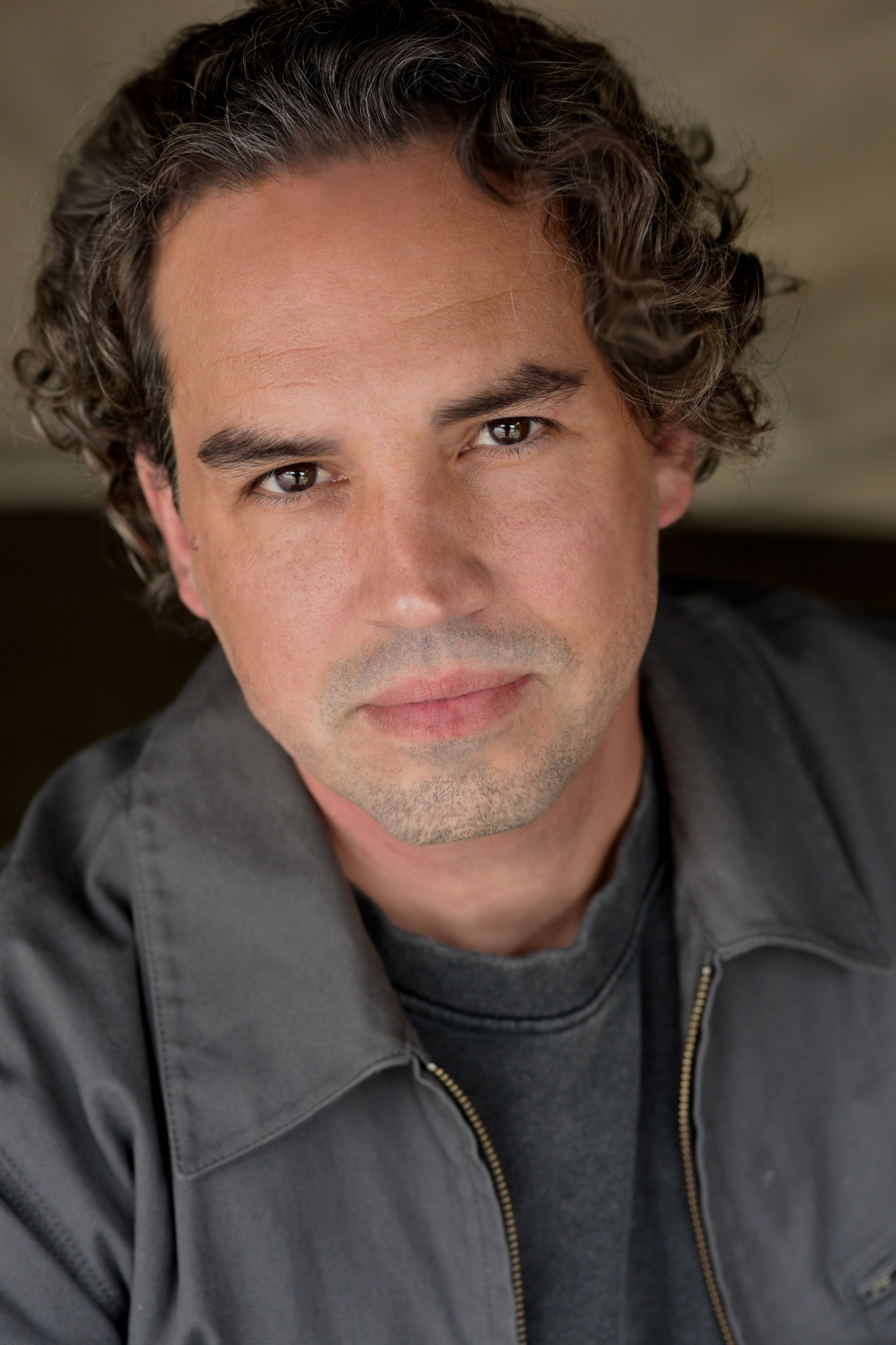

We’re excited to introduce you to the always interesting and insightful Joseph Rendon. We hope you’ll enjoy our conversation with Joseph below.
Joseph, appreciate you joining us today. Can you talk to us about how you’ve thought about whether to sign with an agent or manager?
Throughout my career, I’ve worked with four different agents, all focused specifically on commercial representation—one in Miami, two in Los Angeles, and my current agent in Dallas, Texas. Each relationship came at a different stage of my growth, and each one played an important role in helping me gain on-camera experience and understand the business side of the industry.
My current representation is Clutts Agency, and we connected through an acting coach. While taking her advanced acting class at KD Conservatory, we immediately clicked. She saw my work ethic and range, and she personally recommended me to Clutts, which led to an interview and ultimately our partnership. Since then, they’ve been nothing but supportive, professional, and genuinely appreciative of my work, and I value that relationship greatly.
That said, I’m at a point in my career where I’m ready to take the next step as an actor and performer. I’m now seeking representation at the studio level—an agent or executive in Hollywood who can fully leverage my versatility and depth as an actor and grow with me through meaningful roles in theatrical films and television or streaming series. My goal is long-term collaboration, creative growth, and building work that truly reflects my capabilities.
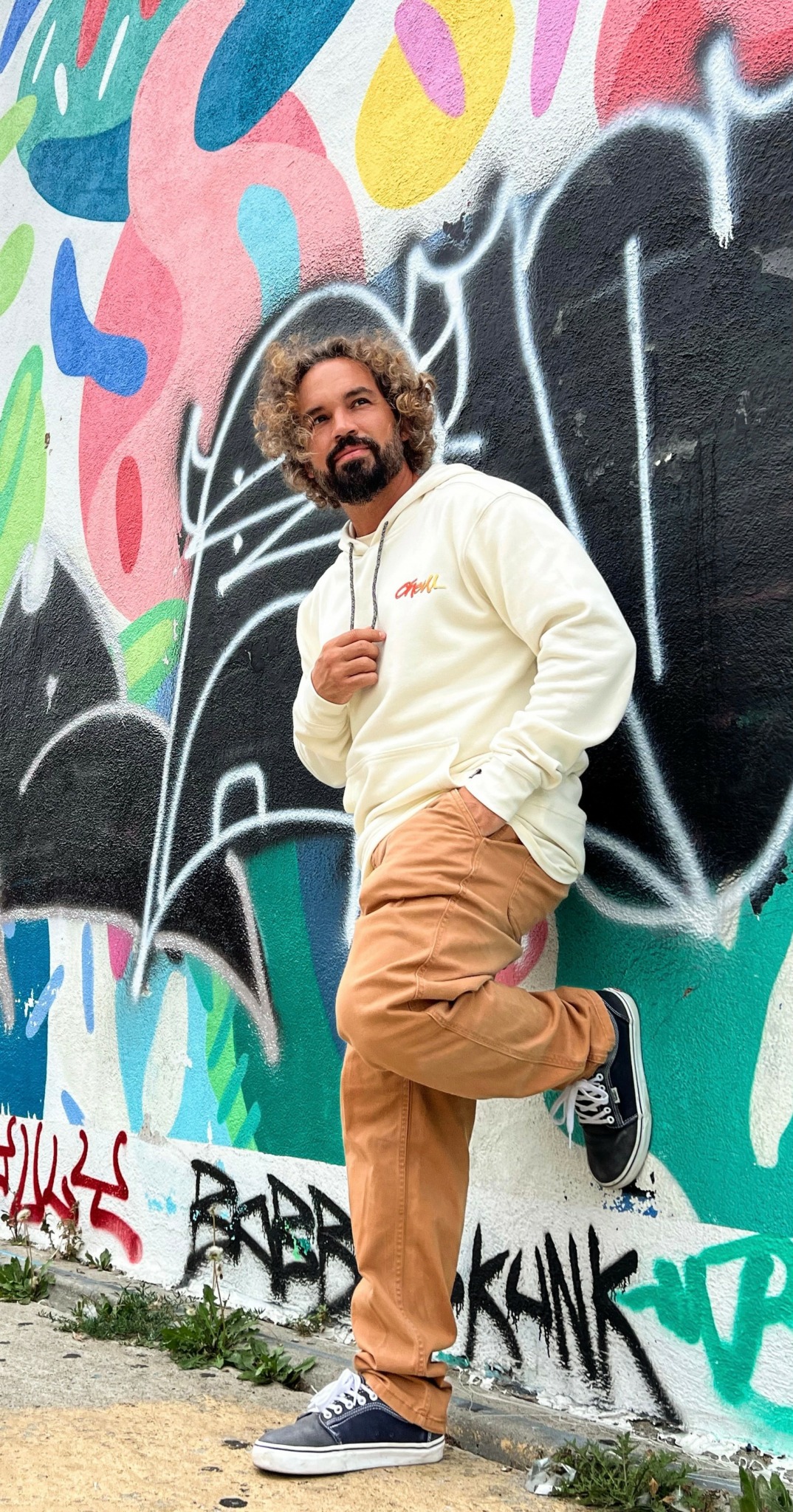
As always, we appreciate you sharing your insights and we’ve got a few more questions for you, but before we get to all of that can you take a minute to introduce yourself and give our readers some of your back background and context?
I got into this industry through a genuine admiration for actors I watched in films and television growing up. Like most kids, I loved performing and stepping into different roles, but for a long time it lived only as a fascination. It wasn’t until later—when life forced me to take myself seriously—that acting became a conscious career choice.
I was 20 years old, living in Venezuela, struggling in college, and studying accounting with no real sense of purpose. Deep down, I knew I needed to believe in myself and commit fully to something I truly cared about.
I enrolled in my first acting class and quit accounting altogether. That decision changed everything.
Shortly after, Venezuela’s political situation became increasingly unstable. In 2002, the government shut down Radio Caracas and Venevisión—the two major television networks I had dreamed of working for, both of which were producing international hits at the time. With those doors suddenly closed, I made the decision to move to Miami and pursue opportunities there.
In Miami, I connected with Venezuelan actor Carlos Augusto Maldonado, who was working on a popular Univision series Angel Revelde. He helped me land a casting opportunity, and I found a few others on my own. I didn’t book anything—but the experience was formative.
Around that time, another good friend said something that would redirect my entire path: “If you love film and television so much, why don’t you study it?” He mentioned Full Sail University, and after researching the program and touring the campus, I knew it was the right move.
My parents supported the idea, telling me that understanding what happens behind the camera would make me a better actor. So I packed and I moved to Orlando and 5 years later earned my Bachelor’s degree in Film with honors—an experience that became one of the most transformative periods of my life. It opened creative doors I didn’t even know existed. I discovered a deep passion for film editing and post-production, writing, set design, wardrobe, cinematography, and lighting. More importantly, it reshaped my identity. I realized I wasn’t only meant to be an actor—I was also meant to be an advocate for the filmmaking process itself, as a writer and director.
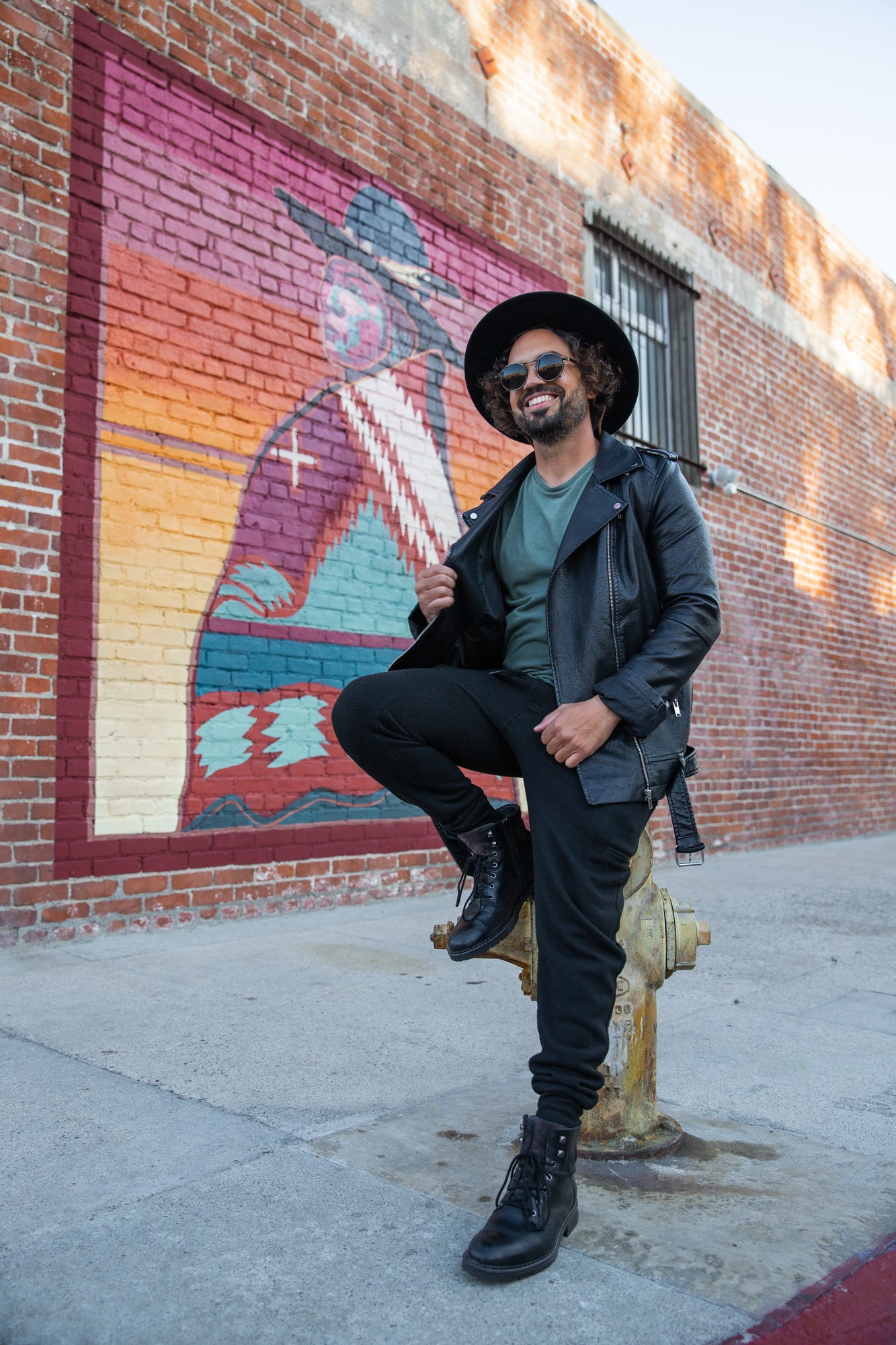
What do you think is the goal or mission that drives your creative journey?
Yes—there is a very clear mission driving my creative journey.
My ultimate goal is to become the best actor I’m capable of becoming and to create work with an impact so expansive that it ripples outward across the world. I want to surprise myself, to go far beyond my own expectations—not out of ego, but out of curiosity for what a human being is truly capable of when they refuse to accept limits.
I don’t believe this means setting the bar unrealistically high. On the contrary, I believe every person has the ability to push the envelope in whatever discipline they choose, if they commit fully and courageously. I have a deep aversion to limitations—especially the idea of “settling down” or shrinking one’s ambitions to fit into comfort. I’d rather live fully, intensely, and truthfully than play it safe for the sake of longevity.
What ultimately drives me is the pursuit of experience. I believe experiences are the only true wealth we carry with us beyond this life. Every role, every story, every risk adds another layer to that collection—and that is what fuels my work, my choices, and my relentless desire to keep going further.
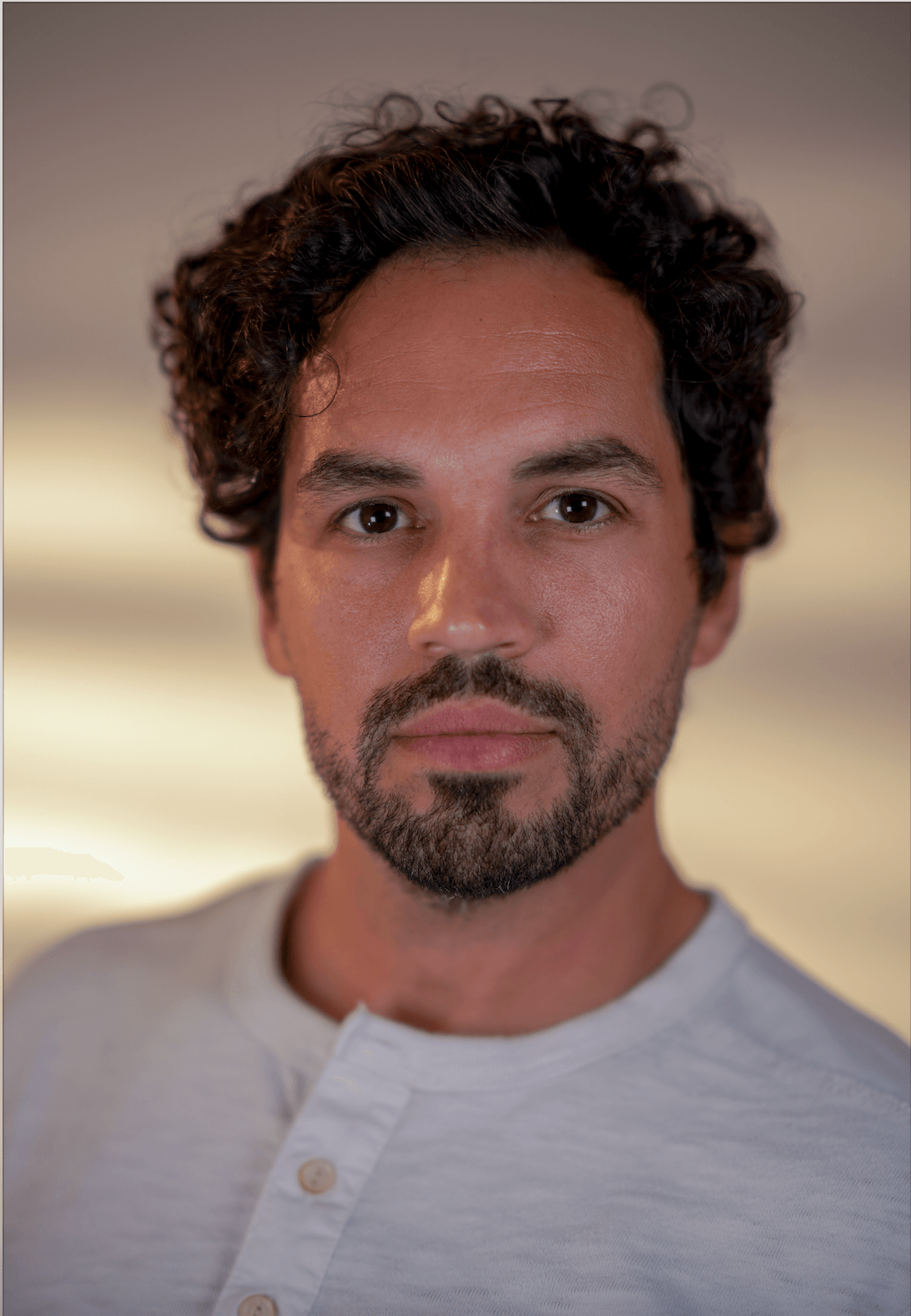
Can you tell us about a time you’ve had to pivot?
I’ve had to pivot many times in my life, and each pivot has shaped the way I approach both my career and my sense of purpose.
I grew up in a middle-class family. We had a good life and a solid education, but we weren’t wealthy. My parents were intentional and practical—they invested in real estate rather than lifestyle—so from an early age I understood that if I wanted more, I would have to build it myself. That meant working consistently to sustain my goals as an actor and filmmaker, often feeling stretched between survival and ambition.
During film school, I supported myself by working long shifts at a call center as a sales representative and bartending on the side. It was exhausting and, at times, deeply frustrating, but it taught me discipline, endurance, and resilience. After graduating, I took a job at a clothing store with a clear mission: grow quickly, prove myself, and earn a transfer to Miami. That move led to my first real industry opportunity—working as a production assistant on music videos—which immediately opened the door to many other opportunities.
Through networking in Miami, I connected with people who helped me secure a Producer-Editor position at Discovery Networks. About a year later, that momentum led to an even larger opportunity at Telemundo, where I was introduced to a new circle of creatives and industry leaders, including Erika de la Vega and Carlos Mesber—professionals who played a key role in my growth as both a filmmaker and an actor.
After seven years of building momentum and experiencing professional success in Miami, I felt called to take the next leap and move to Los Angeles to pursue acting at a higher level. For four years, I worked relentlessly—auditioning, performing in projects both large and small, sometimes as a principal actor, sometimes as a featured extra. That grind paid off when I became a member of SAG-AFTRA, a milestone that represented years of persistence, belief, and commitment to my craft.
Almost immediately after that achievement, the pandemic hit. The industry shut down, productions stopped, and once again I was forced to pivot. I found work as a videographer for a major nonprofit, allowing me to stay close to storytelling while adapting to a new reality. When that contract ended, studios were beginning to reopen, and I was excited and ready to return fully to acting and pursue opportunities as a union performer.
Then the strikes began, and union actors were required to stop work entirely. At that point, I had to make one of the most difficult pivots of my life. Financially strained, I made the decision to leave Los Angeles and relocate to Arizona, where I entered a completely different field as an apprentice electrician at Intel. What began as a necessity quickly became another lesson in growth. I advanced rapidly within the semiconductor industry, and today I oversee electrical QA/QC tool installations on large-scale projects at Texas Instruments in Utah.
This parallel career has given me the financial stability to continue investing in my creative work. It has allowed me to fund my UCLA screenwriting certificate and independently finance original projects, including my podcast The Spellbind Night Show, which I produce and host. All of this work operates under my production company and registered trademark, Spellbind, which serves as the creative umbrella for my storytelling, filmmaking, and original content.
Every pivot I’ve made has been strategic—driven by responsibility, resilience, and long-term vision. This isn’t me settling down; it’s me building a solid foundation. It’s loading the slingshot, not abandoning the target. I believe resilience isn’t about staying in one lane at all costs—it’s about knowing when to adapt so you can return stronger, grounded, and ready for the next defining opportunity.
Contact Info:
- Website: https://www.josephrendon.com
- Instagram: https://www.instagram.com/iamjosephrendon
- Linkedin: https://www.linkedin.com/in/rendonjose
- Youtube: https://www.youtube.com/@thespellbindnightshow
- Other: https://www.youtube.com/@josephrendon6364
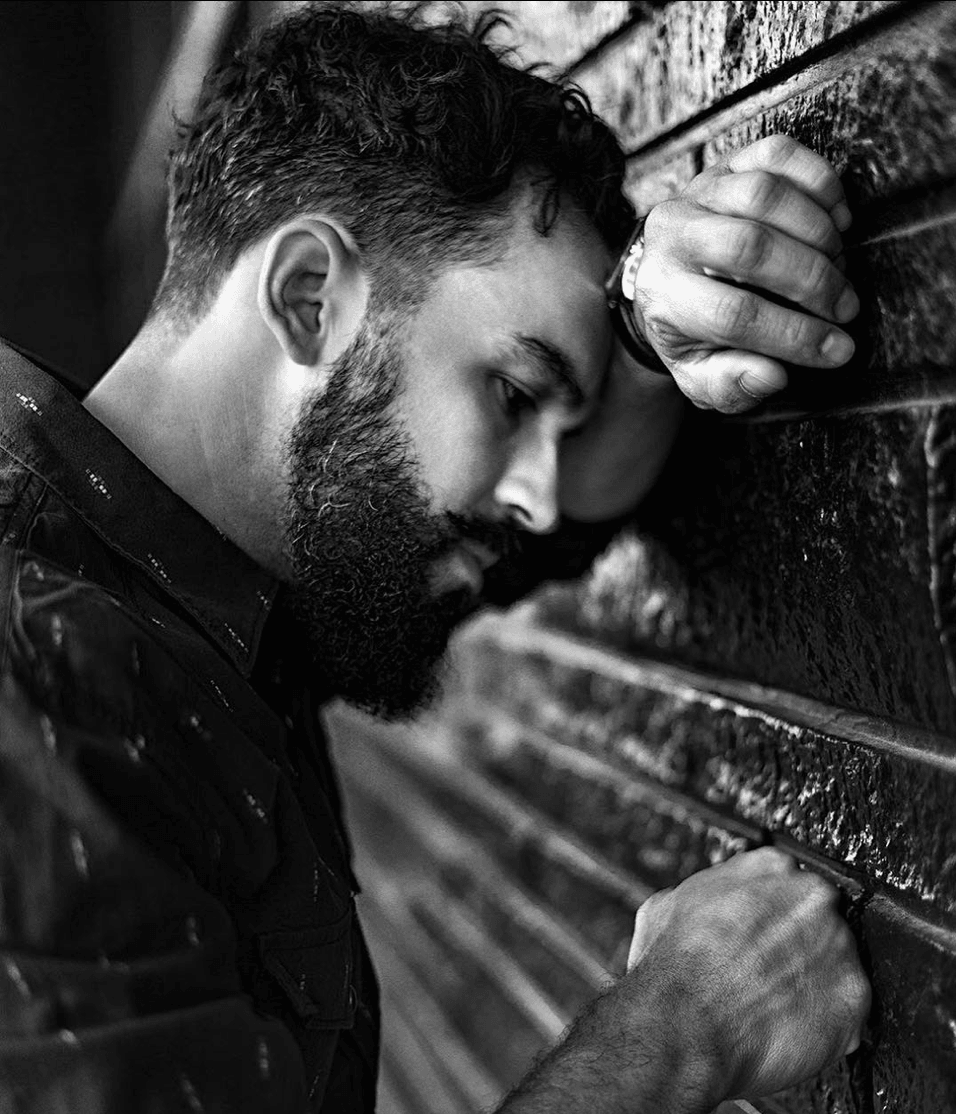
Image Credits
Celeste Machellini and Uliana Smirnova.