



Alright – so today we’ve got the honor of introducing you to Joseph Murphy. We think you’ll enjoy our conversation, we’ve shared it below.
Joseph, appreciate you joining us today. What’s been the most meaningful project you’ve worked on?
There have been three recent projects that hold a special place in my heart, mainly because of the remarkable leadership and creativity demonstrated by the directors with whom I have collaborated. I had the pleasure of working with Gianfranco Fernández-Ruiz, Radha Mehta, and Pablo Riesgo, all of whom have truly made an impact on me as an editor.
With Gianfranco, I was involved in editing a Lynchian comedy-horror titled Saborrrr!, which explored the concept of Latin filmmakers breaking free from the confines of genre limitations. This project allowed me to step into a creative sandbox, where nothing was off-limits. Gianfranco and I would often watch experimental films for inspiration, fostering a collaborative environment where our ideas could flow freely.
Working with Radha on the family drama DOSH was a deeply methodical and sensitive experience. The film delved into the struggles faced by South Asian families when grappling with mental health and needing to challenge traditional norms in the process. In the editing, Radha and I formed a strong bond, sharing thoughts and exploring the performances to best represent the emotional reality of the story. It was an incredibly rewarding experience to contribute to a project that tackled such important societal issues.
Finally, my most recent project, Mis-Alignment, directed by Pablo, delves into the fears and anxieties surrounding AI technology and mental health. This science fiction drama has been such an exhilarating process. Pablo and I share many of the same instincts regarding filmmaking, which makes for an incredibly efficient editing process. My role as an editor extends beyond the technical process of editing the film; it involves actively listening and learning from the director’s vision and finding the art in that ever-evolving conversation.
All three of these projects hold great meaning in the stories they tell. I firmly believe that a successful film stems from a strong collaborative partnership between the director and the editor. The incredible creators behind these projects made them truly impactful, and I am grateful for the opportunity to contribute to their visions.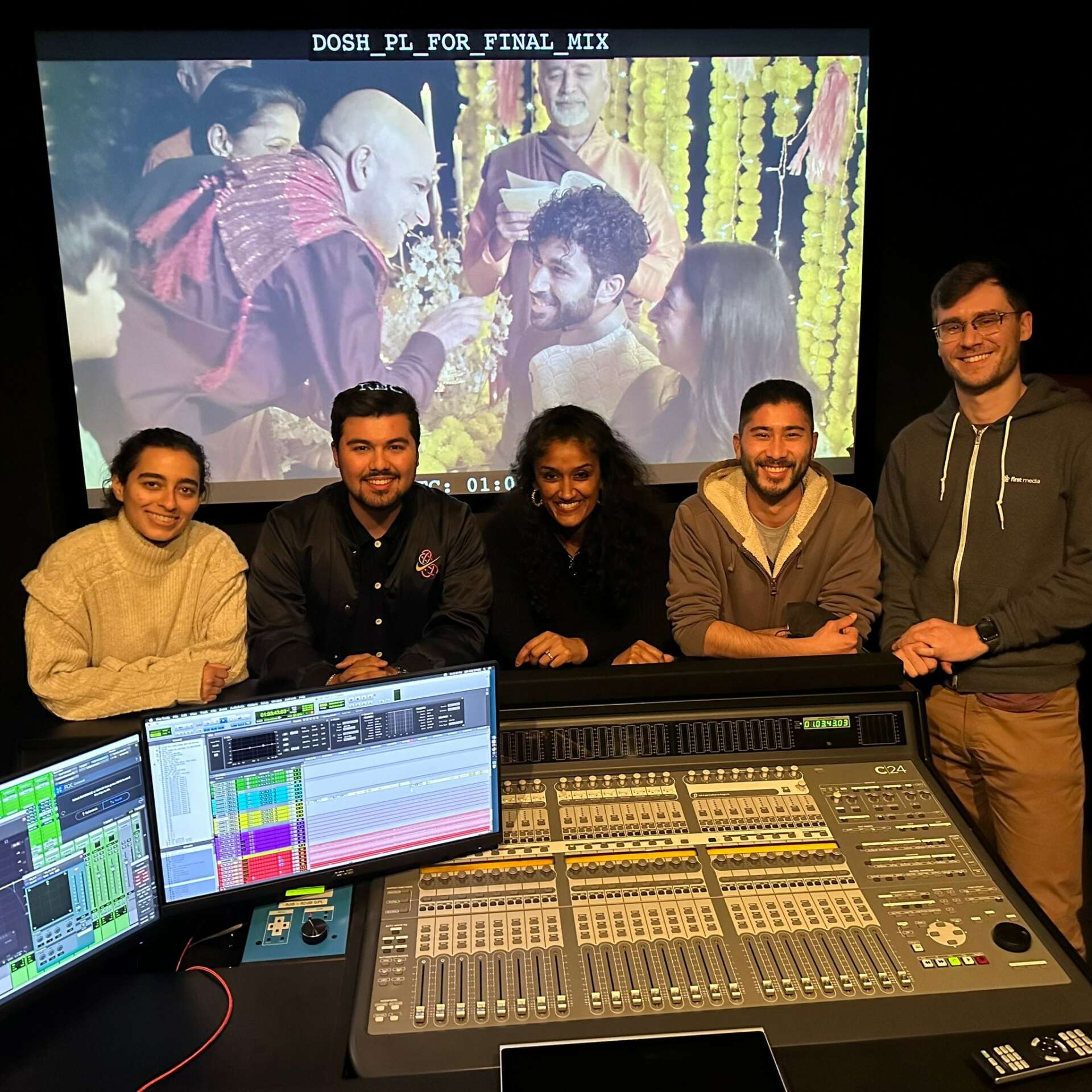
Joseph, love having you share your insights with us. Before we ask you more questions, maybe you can take a moment to introduce yourself to our readers who might have missed our earlier conversations?
I am a film editor and I’m thrilled to share my journey with you! It all began with an unforgettable experience when I was 12 years old. Over a weekend, I gathered my siblings and friends to recreate M. Night Shyamalan’s movie, Signs. It really ignited my passion for editing.
Since those early days, I have embarked on a diverse editing career, working with various media outlets that have helped shape my skills and reinforce the valuable lessons I learned as a young filmmaker. I’ve had the privilege of editing in unexpected places, such as the basement of the legislature at Washington State’s Capitol, where I donned a suit and tie to work on projects of significant importance.
Additionally, I had the opportunity to contribute my creative editing skills to the popular YouTube channel, Cut. This experience allowed me to edit numerous viral videos, further solidifying the notion that dedication to every project, regardless of its scale or complexity, is crucial for success.
Throughout my journey, I have come to realize that each project holds its own significance. Whether it’s a major television series or an independent feature film, I approach every editing endeavor with unwavering commitment. I believe that the key to creating remarkable work lies in investing in genuine dedication, regardless of the project’s scope or simplicity.
At this point in my career, I am actively seeking opportunities in television and feature film editing. I take immense pride in the skills I have honed over the years, and I am excited to bring my expertise and passion to new and engaging projects.
If there’s one thing I want potential clients to know about me, it is my unwavering commitment to each project I undertake. No matter the size or complexity, I approach every editing task with the same level of dedication, aiming to create impactful and memorable content. I am proud of the experiences I have gained thus far and look forward to leveraging my skills to bring captivating stories to life on the screen.
Learning and unlearning are both critical parts of growth – can you share a story of a time when you had to unlearn a lesson?
One valuable lesson I’ve had to unlearn throughout my editing career is the pursuit of perfection. Allow me to provide some context regarding the different stages of editing: assembly cut, 1st cut, 2nd cut, 3rd cut, and picture lock. During the assembly cut, the editor works tirelessly to shape the footage, striving to present a coherent story to the director. This phase has consistently been the most challenging and stressful for me since the responsibility solely rests on the editor’s shoulders, working in solitude.
In the early stages of my career, I fixated on attaining a “perfect” assembly cut. However, I soon realized that this pursuit was ultimately futile. Filmmaking is a collaborative process, and the assembly edit, which is solely the work of the editor, can never be flawless without the input and contributions of the core team. I came to understand that embracing the collaborative nature of filmmaking and valuing the perspectives and expertise of my colleagues was more fulfilling than trying to reach a perfection that would always be unattainable.
With each project, I have learned to navigate this process more effectively, finding ways to manage the stress associated with the assembly cut. The initial viewing by the director is a critical milestone, as it is the moment they see the film for what it truly is, rather than the version they had envisioned in their mind. On a few occasions, I have witnessed disappointment from directors during this stage, and THIS is where I feel I have developed greatly: even in the face of disappointment, I work very hard with the director to eventually make the project really shine.
What I have discovered is that the assembly cut serves as a foundation – a starting point for the collaborative process that lies ahead. It is not about achieving perfection in isolation but rather about embracing the collective vision and leveraging the expertise of the entire team to elevate the story to its full potential. This realization has brought a positive shift in my approach.
What do you find most rewarding about being a creative?
Being a creative individual is rewarding due to the constant utilization of imagination and the opportunity to lead an unconventional life. As a filmmaker, I am immersed in a limitless world of possibilities, where storytelling allows for self-expression and understanding of others. It is a liberating and fulfilling process that transcends conventional boundaries.
The freedom and fulfillment derived from this creative path are unparalleled. I feel encouraged to challenge expectations and explore. Witnessing a project evolve from concept to completion, captivating audiences, and evoking emotions brings me such joy. I can’t imagine doing anything else. 

Contact Info:
- Instagram: https://www.instagram.com/murphy193/
- Linkedin: https://www.linkedin.com/in/joemurphyeditor/
- Other: https://www.doshfilm.com/ https://www.mis-alignment.com/