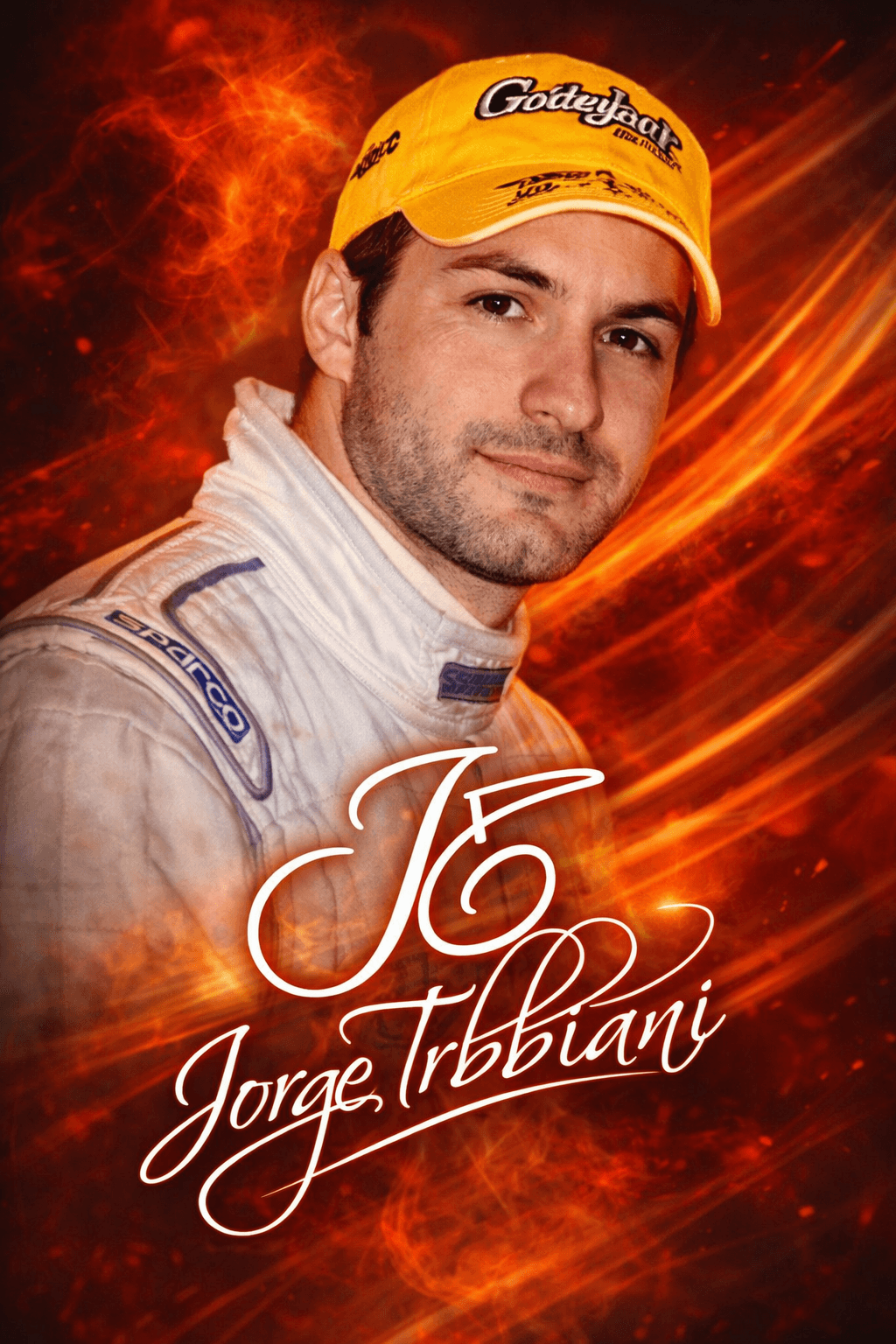

We were lucky to catch up with Jorge Trebbiani recently and have shared our conversation below.
Jorge, thanks for taking the time to share your stories with us today What’s the backstory behind how you came up with the idea for your business?
Motorsport has been part of my life since I was a child. My father was a driver, and I remember flipping through racing magazines at home, always stopping at the karting section for sale. I would imagine owning one and starting my own journey in the sport.
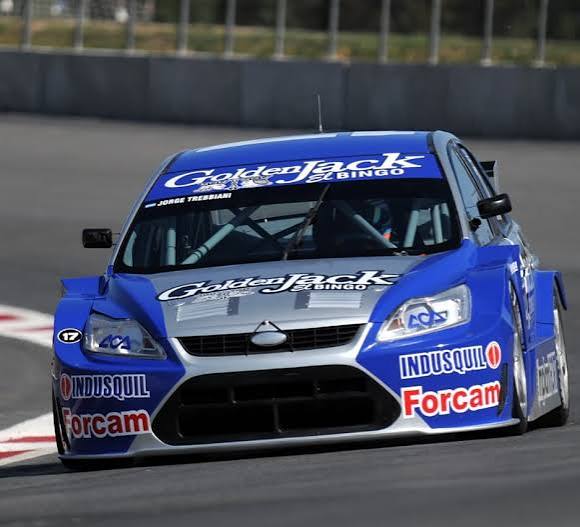
That dream eventually became a professional career—one that brought incredible experiences, important lessons, and plenty of challenges. As I approached the final stage of my racing career, I began developing other business ventures and eventually transitioned out of full-time competition.
But you never truly leave motorsport. Even after retiring, I stayed close to it—racing occasionally as a guest driver and remaining connected to the community. There was always a sense that I wanted to return in a more purposeful way.
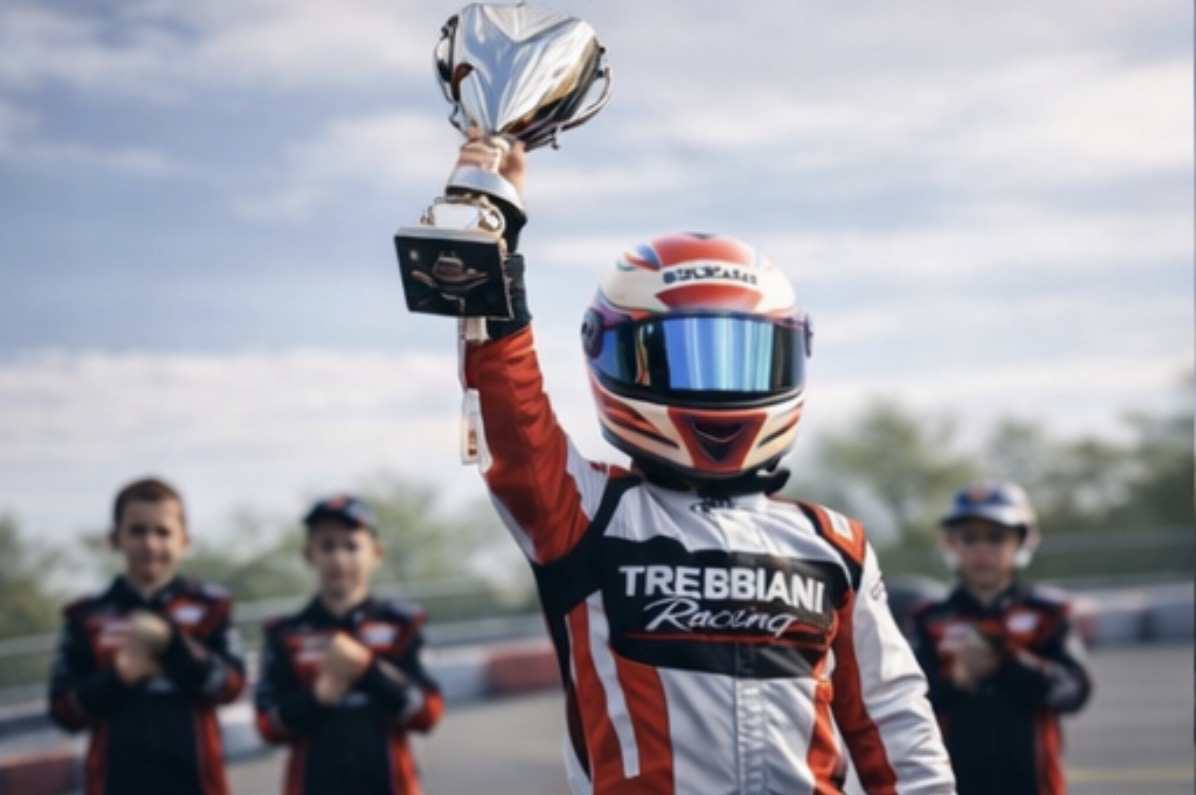
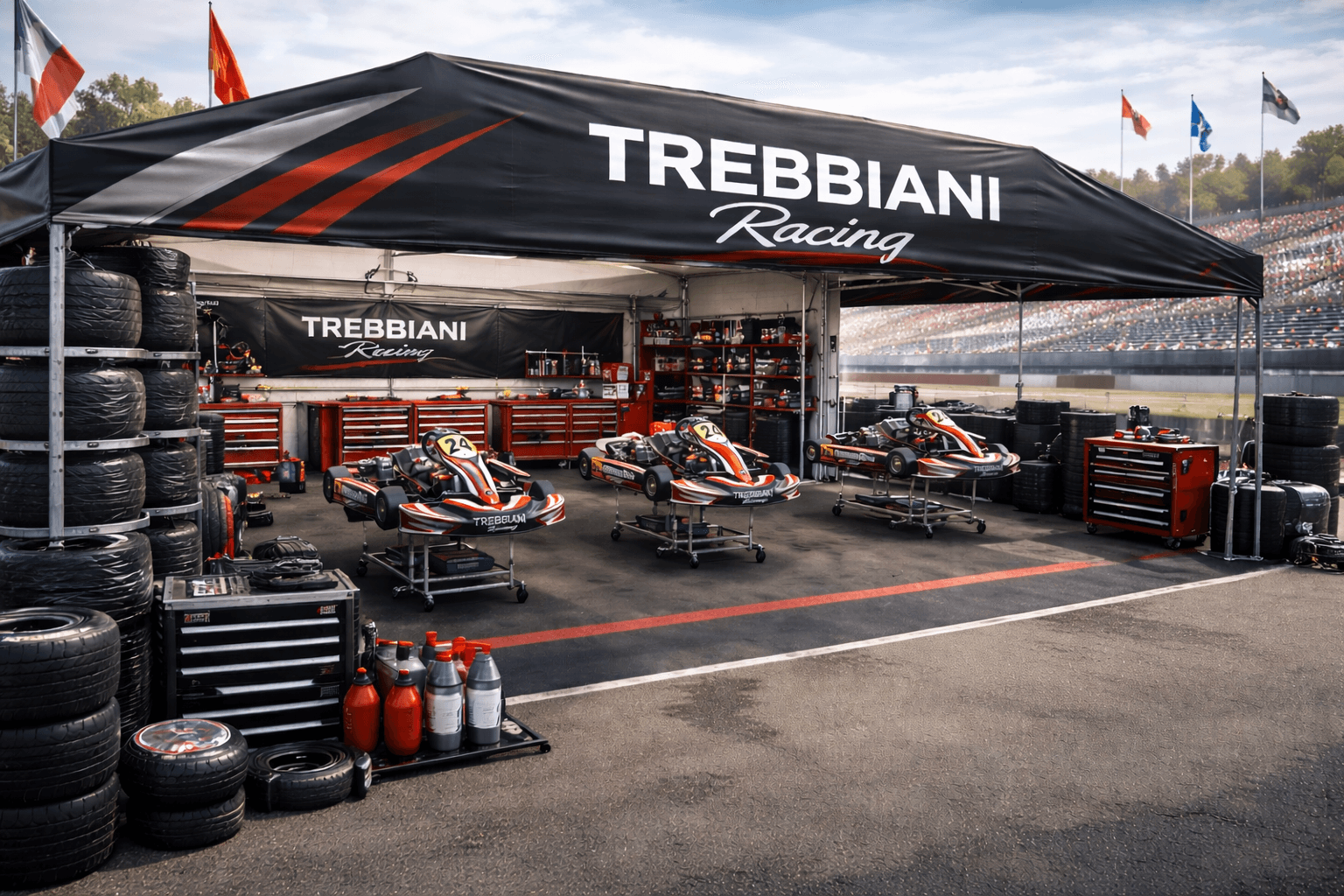
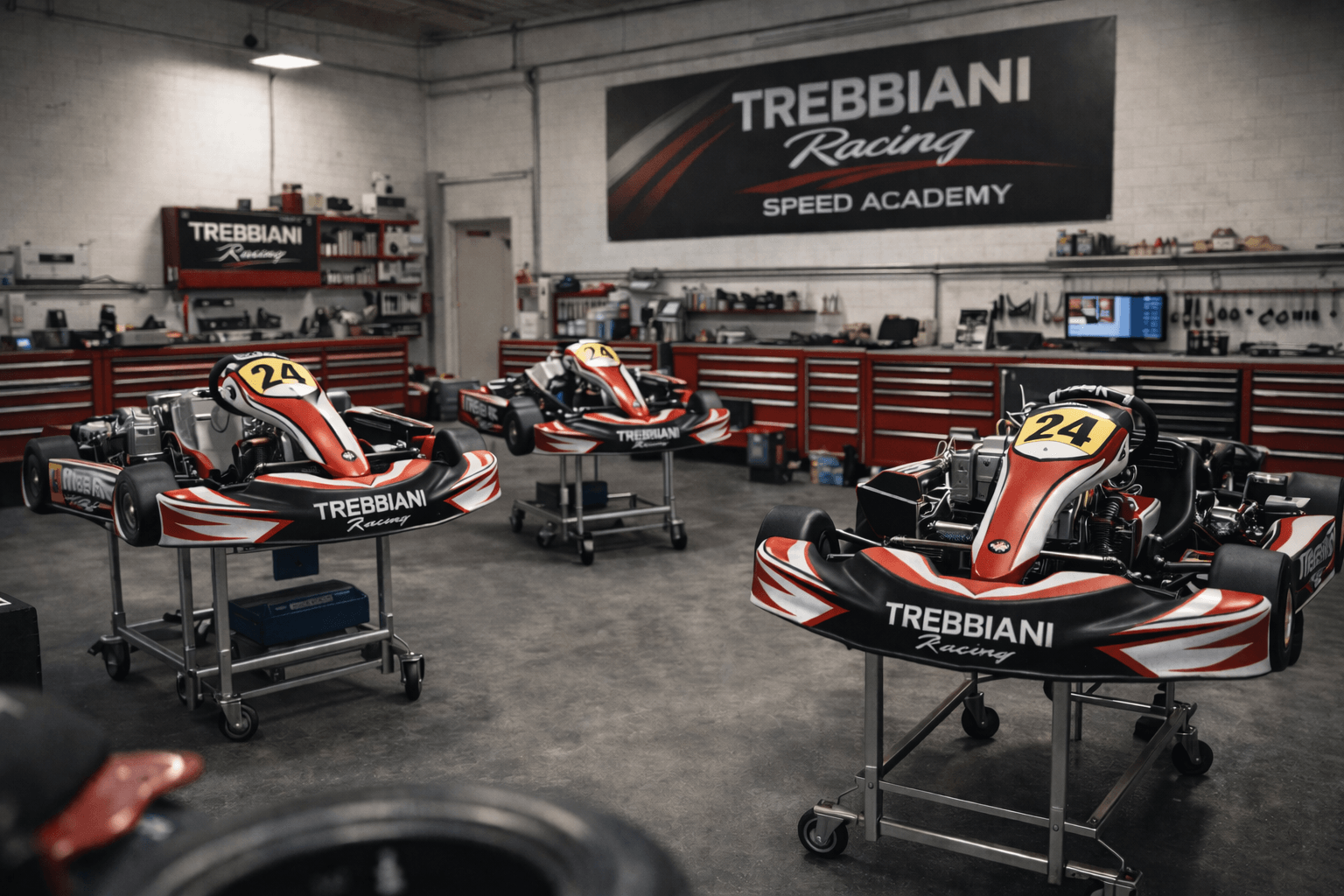
That’s how the academy was born. I realized I could combine my experience as a driver with my business background to guide young talents who want to build a professional career in motorsport. It felt like coming back to my roots—this time, with the mission of helping the next generation find their path.
Jorge, before we move on to more of these sorts of questions, can you take some time to bring our readers up to speed on you and what you do?
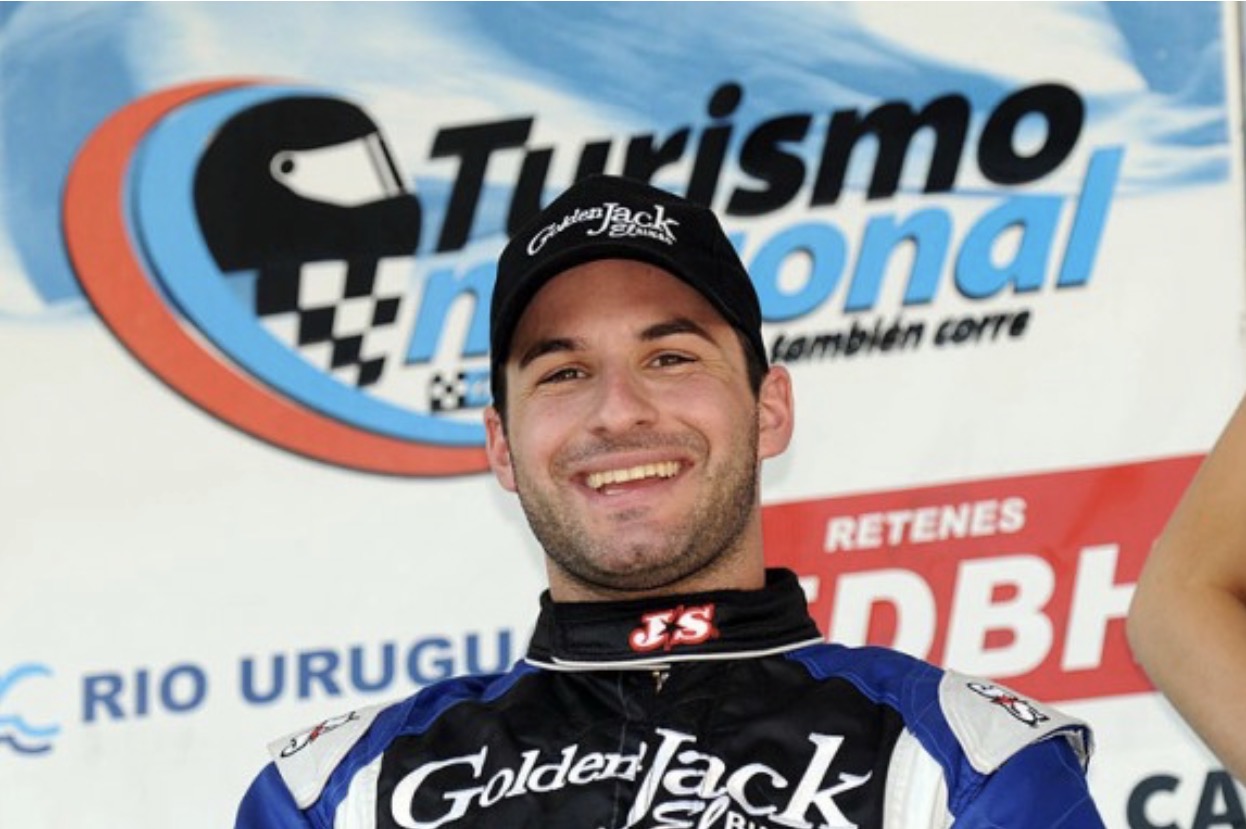
I’ve been involved in motorsport since childhood. What began as fascination quickly became a professional racing career filled with both incredible highs and very difficult moments.
Throughout my career, I experienced major victories and intense battles against top-level competitors—but I also faced serious setbacks. There were seasons marked by accidents, total equipment losses, and challenges that impacted me not only physically and emotionally, but financially as well. Motorsport teaches you quickly that there are far more setbacks than wins. Over time, I learned not to see them as failures, but as lessons.
That resilience—the ability to recover quickly, refocus, and prepare for the next race after a disappointing weekend—is one of the greatest gifts the sport gave me. It builds character in a way few disciplines can.
Today, through my academy, I bring together everything I learned on and off the track. We don’t just train young drivers technically—we teach them discipline, race intelligence, emotional control, and long-term strategic thinking. My goal is to help them build not only speed, but a strong foundation for a professional career.
What sets us apart is that this isn’t just instruction—it’s lived experience. I’ve been in their position. I understand the pressure, the sacrifices, and the mindset required to compete at a high level.
What I’m most proud of isn’t just the victories—it’s the ability to keep coming back stronger. And that’s exactly what we aim to instill in every driver who joins us.
Can you share a story from your journey that illustrates your resilience?
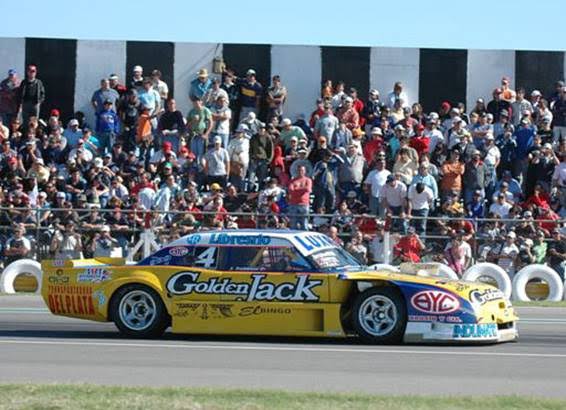
One of the most defining moments of resilience in my career happened at the very beginning of a racing season.
After investing a great deal of time and preparation with a team, I went into the first race of the year with high expectations. However, following an on-track incident involving a teammate, I unexpectedly found myself separated from the team after just the opening race. It was a devastating moment. At that stage of the season, nearly every seat in the category was already taken, and for the first time in many years, I truly believed I might be left without a place to compete.
I felt frustrated, disappointed, and uncertain about what would come next.
But only a few days later, I received a call from a major team in a higher-level category I had also been involved in. They offered me a seat for the season. What initially felt like the worst setback of my career turned into one of the greatest opportunities of my life.
That year became one of the best seasons I ever had. I competed alongside internationally recognized drivers like José María “Pechito” López and Carlos
“Cacá” Bueno, both of whom became not only teammates but friends. We shared podiums together and built a strong bond throughout the season.
That experience reinforced something I’ve carried with me ever since: in motorsport—and in life—what feels like the end of the road can sometimes be a redirection toward something even greater. The key is staying ready, staying professional, and never allowing one setback to define your trajectory.
We often hear about learning lessons – but just as important is unlearning lessons. Have you ever had to unlearn a lesson?
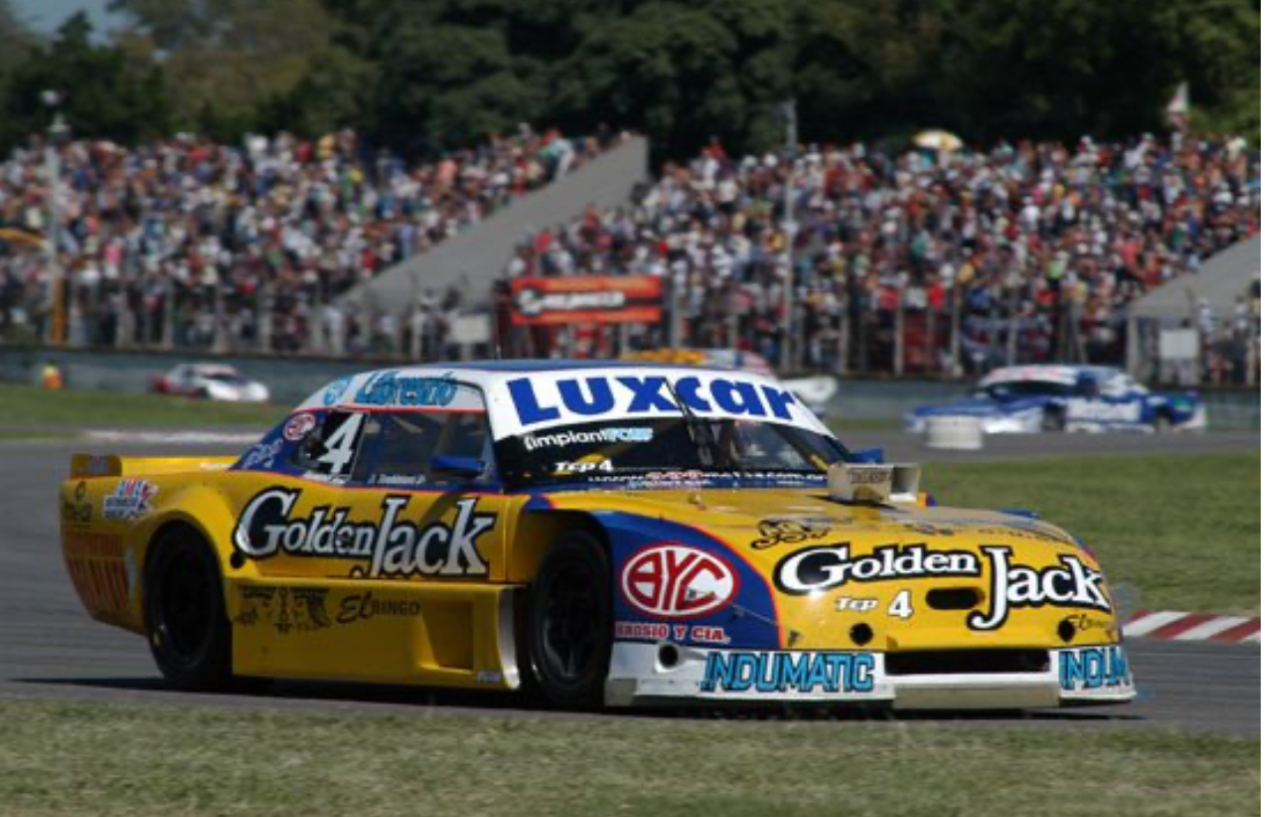
One of the biggest lessons I had to unlearn was the idea that asking for help is a sign of weakness.
Early in my career, I believed that being strong meant handling everything on my own—pressure, setbacks, financial stress, technical decisions. Motorsport can be very individualistic, and as a young driver, I felt that showing doubt or vulnerability might be perceived as a lack of confidence.
Over time, especially after experiencing difficult seasons, accidents, and moments of uncertainty, I realized that the most successful drivers aren’t the ones who try to carry everything alone—they’re the ones who know how to build strong teams around them. Engineers, coaches, mechanics, mentors—performance at the highest level is never a solo act.
Unlearning that mindset changed everything for me. It allowed me to grow not only as a driver, but as a leader and now as a mentor.
Today, at the academy, we actively teach young drivers that strength isn’t about ego—it’s about collaboration, emotional intelligence, and knowing when to lean on your team. That shift in perspective has been one of the most important evolutions of my career.
Contact Info:
- Instagram: @trebbiani_racing