

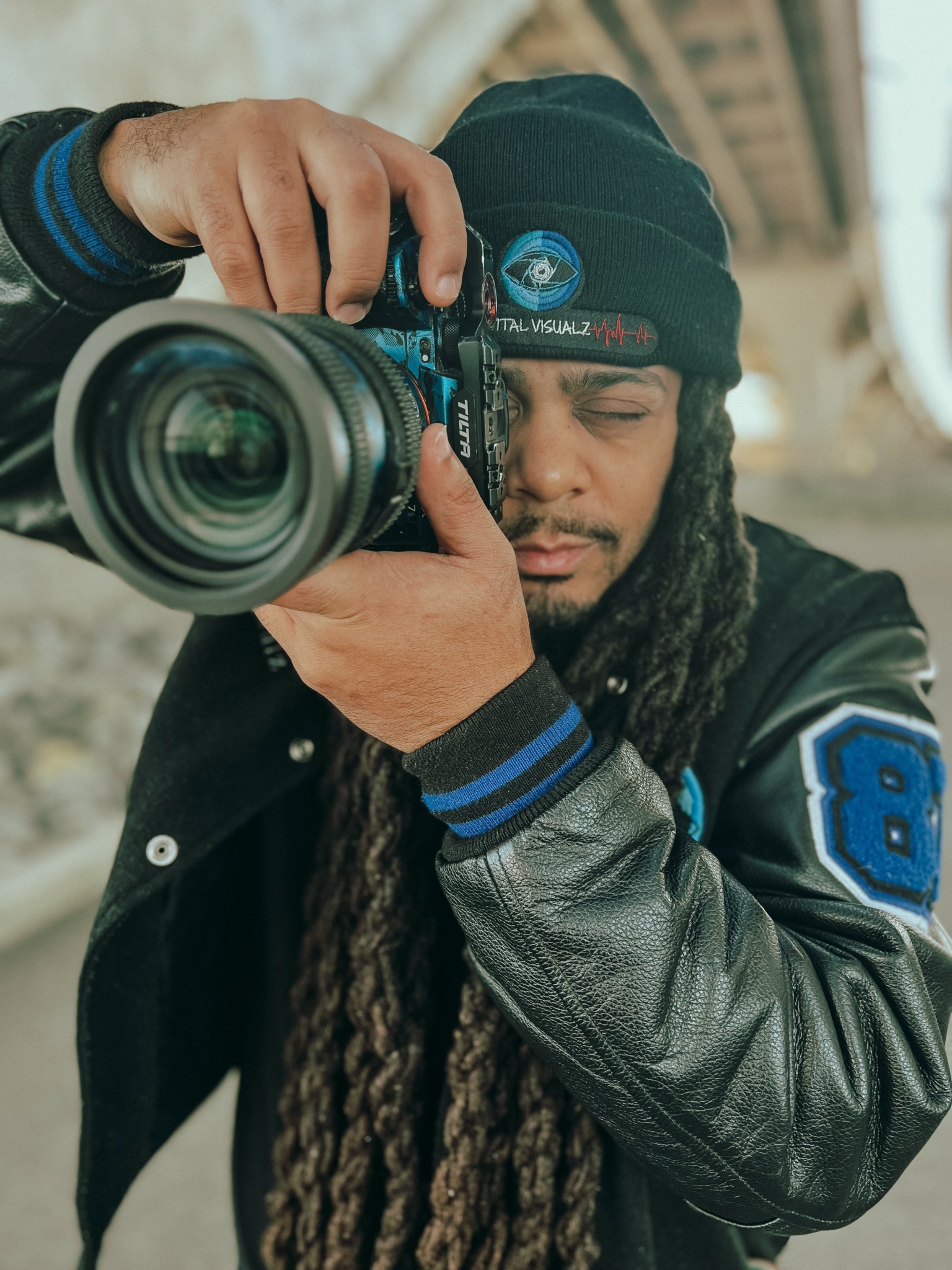

We recently connected with Jonathan Ross and have shared our conversation below.
Alright, Jonathan thanks for taking the time to share your stories and insights with us today. What do you think it takes to be successful?
Success is a blend of mindset, effort, and adaptability. Here is what I believe what it takes to become successful in general
*Vision and Purpose
You need a clear understanding of what success means to you. It’s not just about external achievements but aligning your goals with your passion and purpose.
*Consistency and Discipline
Talent is valuable, but consistent effort and discipline are what separate dreamers from achievers. Showing up every day, even when it’s hard, is key.
*Adaptability
The ability to pivot and embrace change is crucial. Success often requires navigating uncertainties and learning from failures.
*Resilience
Setbacks are inevitable, but resilience helps you push forward, grow stronger, and stay focused on the bigger picture.
*Continuous Learning
Success isn’t a destination; it’s a journey. Staying curious, investing in your growth, and being open to learning from others keeps you moving forward.
*Building Relationships
No one succeeds alone. Cultivating meaningful relationships, seeking collaboration, and supporting others are vital elements of long-term success.
*Passion with Action
Loving what you do fuels your drive, but passion needs to be paired with strategic action to create real results.
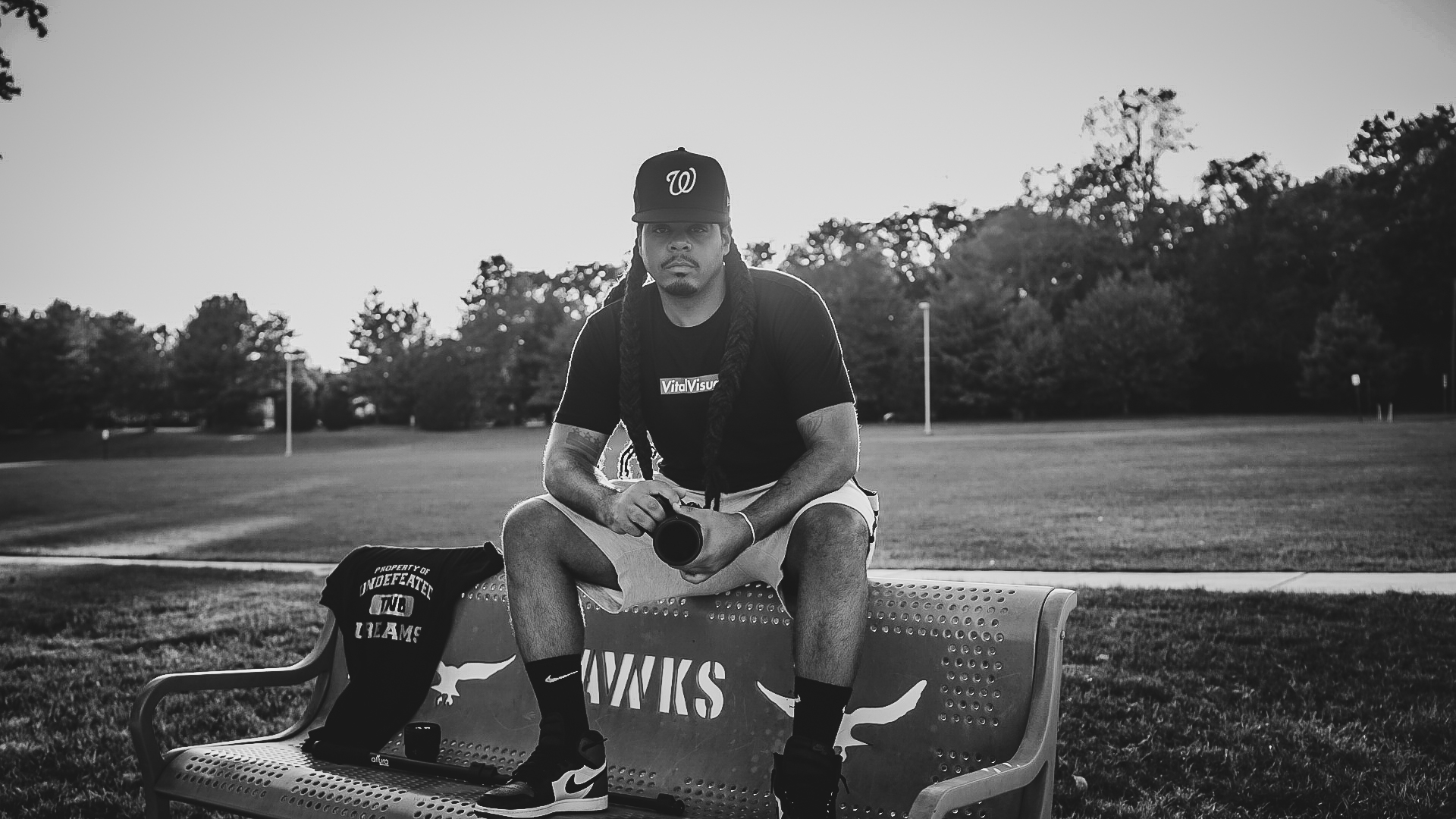
Jonathan, before we move on to more of these sorts of questions, can you take some time to bring our readers up to speed on you and what you do?
For those who may not know me, my name is Jon Ross, but many call me Jay Viz ever since I picked up the camera. I’m a Washingtonian Native Creative, as I like to say. I started my journey in 2018 when I purchased my first camera after doing intensive research on what was the best camera at that time. I also reached out to some very well-known, popular photographer influencers who were kind enough to give me their time and advice on what to pick. I ended up getting a Sony mirrorless to start off with. Before that, I was working at AT&T, and after some time, I became very bored of it, feeling like a robot in an assembly line—waking up and ending my day with the same repetitive routine and barely making ends meet.
I was heavily into the car scene (as that was my getaway), going to car meets. At the time, I just so happened to have a new Samsung Galaxy 8 and a phone gimbal, so I started creating videos of those meets and individual cars. I posted a 45-second clip, and to my surprise, it actually got attention. My best friend said to me, “No way you created that edit on a phone!” He encouraged me to invest in an actual camera, and that’s when I said, “That’s all I needed to hear.” That was enough motivation for me.
As I became heavily infatuated with cameras and capturing both photos and videos, I learned there was a title for that: a “Hybrid Shooter.” I became obsessed, especially after being inspired by many creatives on social media. A year later, Recognizing the growing demand for quality content in the social media, and so I turned my hobby into a full-on business, Vital Visualz LLC, in January 2019. I picked that name after a week of brainstorming, deciding on it because of the core definition of “Vital,” which means “absolutely necessary, important, or essential.”
During one month I had turned down a client because I had to work an evening shift. That same client called me back a second time, and I turned it down again for the same reason. I realized that gig was going to pay me two weeks’ worth of a check in one day. That’s when I made the decision to quit my job. It felt like a breath of fresh air and i don’t live with no regrets at all. Now, I had to hustle and create my own paycheck, but it took much longer than I thought because I had no portfolio for people to review.
I worked tirelessly, networking and shooting countless free gigs, but I managed to get paid by others as clients saw value in the work I created for them. Eventually, referrals started coming in, and I began earning enough to get by.
Through client referrals, I met many incredible people, and one thing led to another. Soon, I had requests to travel for work—from different states to different countries. Picking up a camera has taken me across the globe multiple times. I’ve been flown to the great city of Dubai, visited the Great Pyramids of Giza in Egypt, created lifestyle content in Senegal three times, stayed with the indigenous people of the Amazon jungle in Ecuador, and explored seven cities in Japan. I am incredibly blessed and grateful to those who believed in my vision, valued my craft, and trusted me to bring value to their brands.
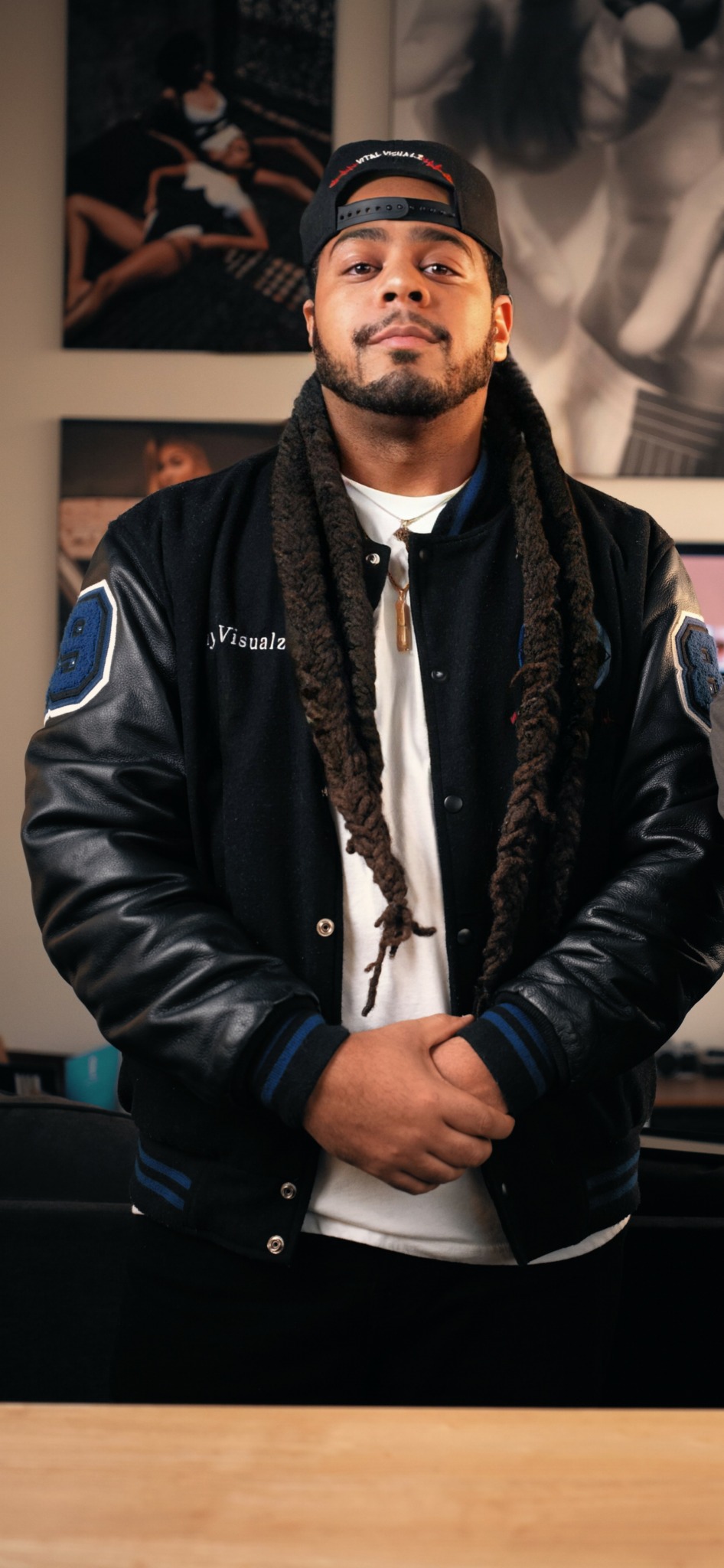
What’s the most rewarding aspect of being a creative in your experience?
The most rewarding aspect of being an artist or creative is the ability to transform ideas into tangible expressions that resonate with people on a personal level. For me, it’s about telling stories, capturing emotions, and creating visuals that connect with others in ways words alone cannot. There’s something profoundly fulfilling about seeing the impact my work has—whether it’s inspiring someone, evoking a powerful emotion, or helping a brand authentically connect with its audience.
What truly drives me is knowing that my creativity can leave a lasting impression, and through my art, I can share perspectives, celebrate diversity, and document moments that might otherwise go unnoticed. The ability to bring visions to life and make them meaningful to others is what keeps me passionate about what I do.”
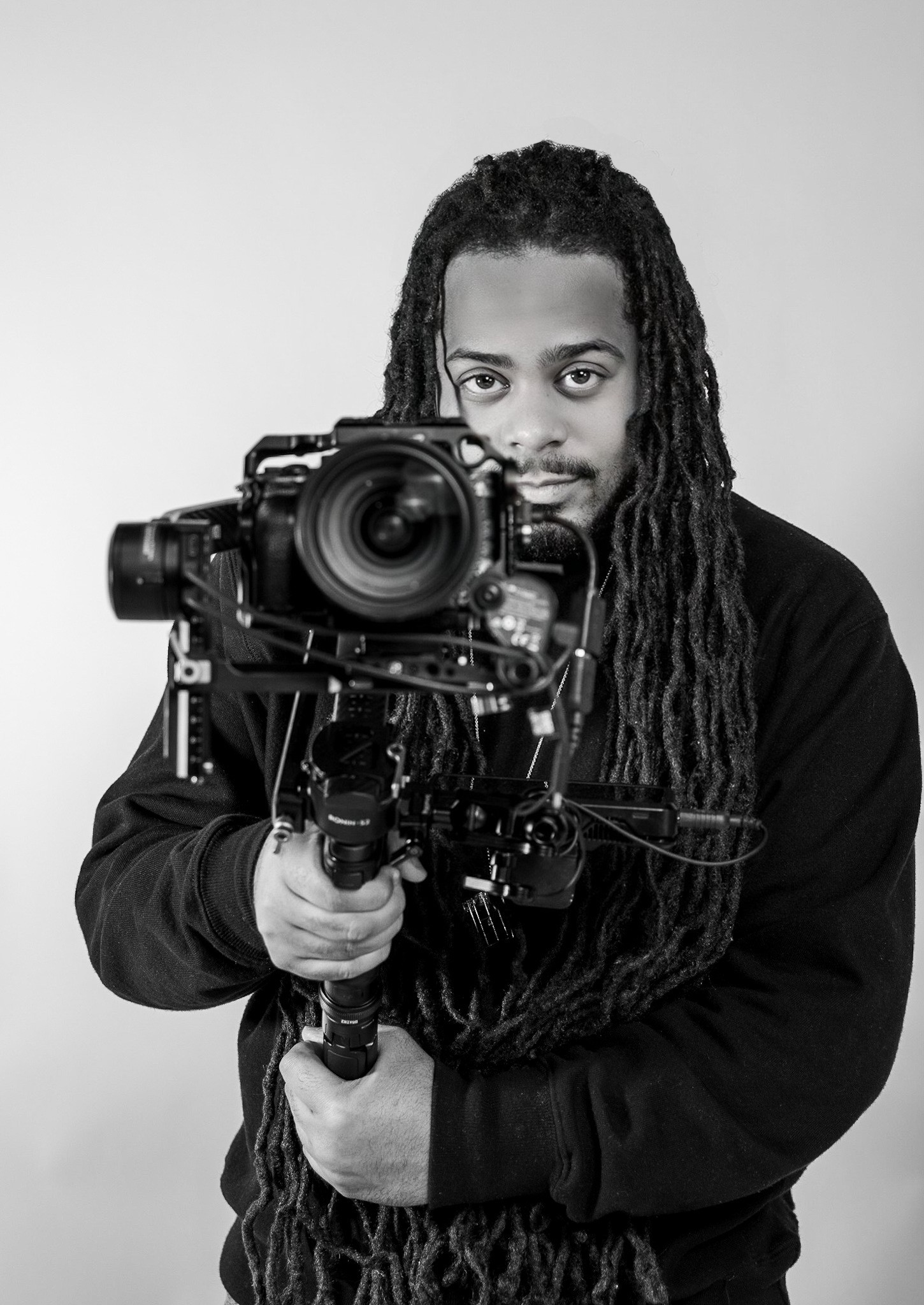
Do you think there is something that non-creatives might struggle to understand about your journey as a creative? Maybe you can shed some light?
Yes, indeed there is. Many will never know the struggle of how much work is truly put into this craft, especially when I’m shooting both photography and videography. Many think it’s just pressing a button, and that’s it. In reality, it’s incredibly time-consuming and becomes very expensive, especially when investing in top-notch equipment to produce the high-quality product they expect. That doesn’t even include the various monthly subscriptions for editing software and other miscellaneous expenses required to keep the business running—all for people to lowball you on prices, which can make you feel undervalued in many ways. It feels like a slap in the face, but I understand it’s part of the game, and they won’t know unless you tell them.
Even five years later, I still struggle with people asking for hookups and handouts, knowing I do this full-time and have a family to feed. I often find myself reminding people, “You get what you pay for.”
Contact Info:
- Instagram: @_vitalvisualz_

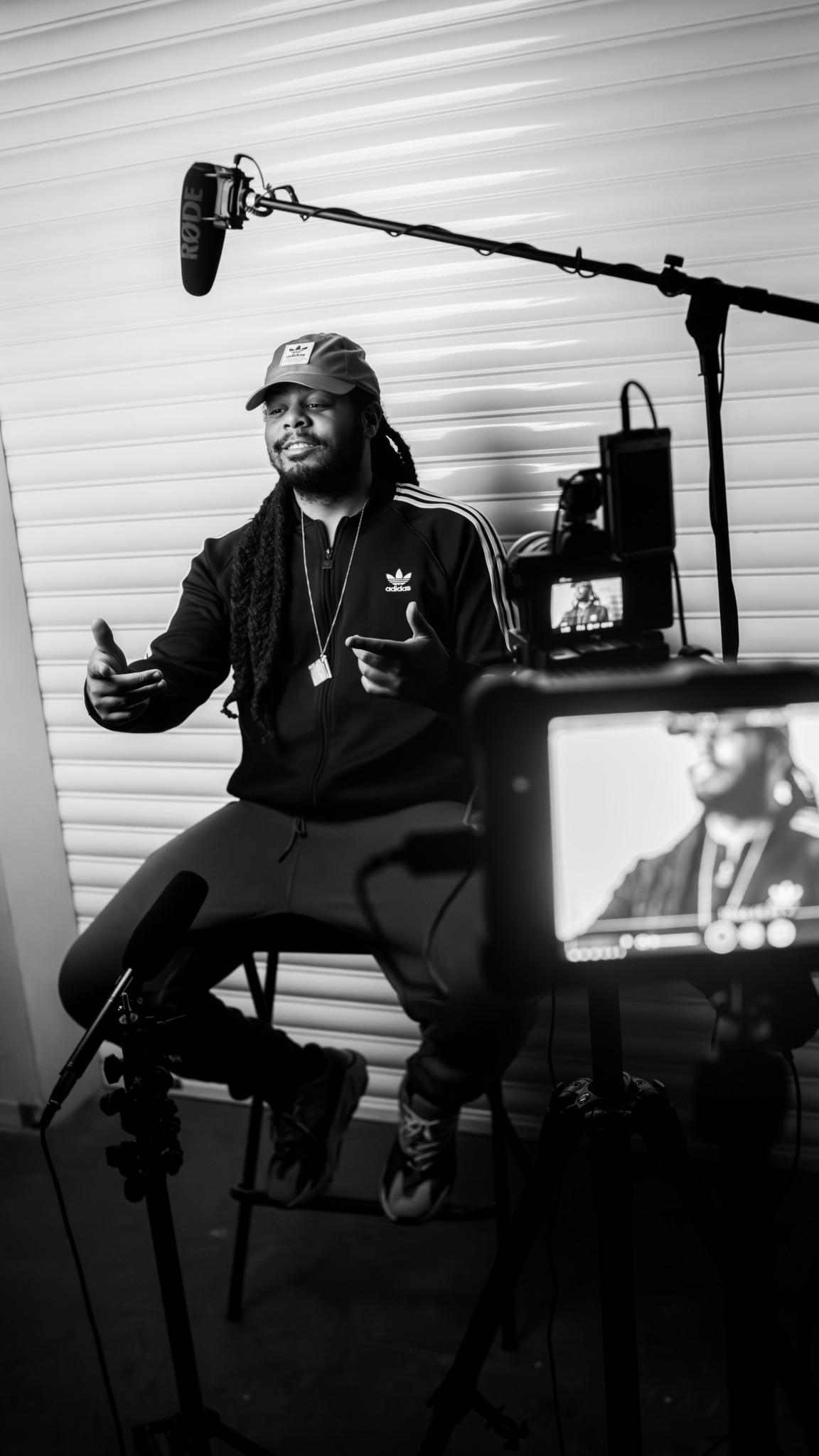
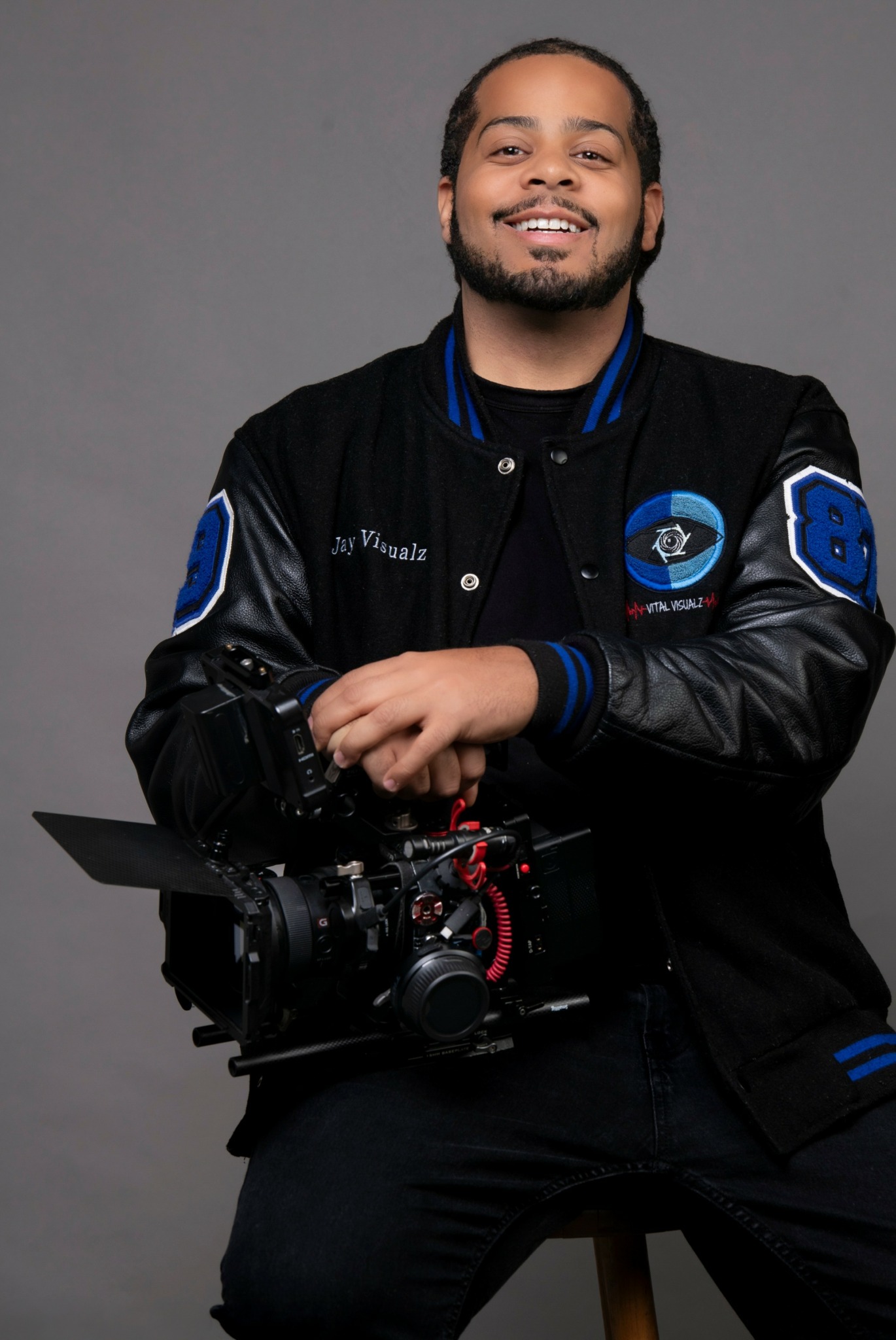
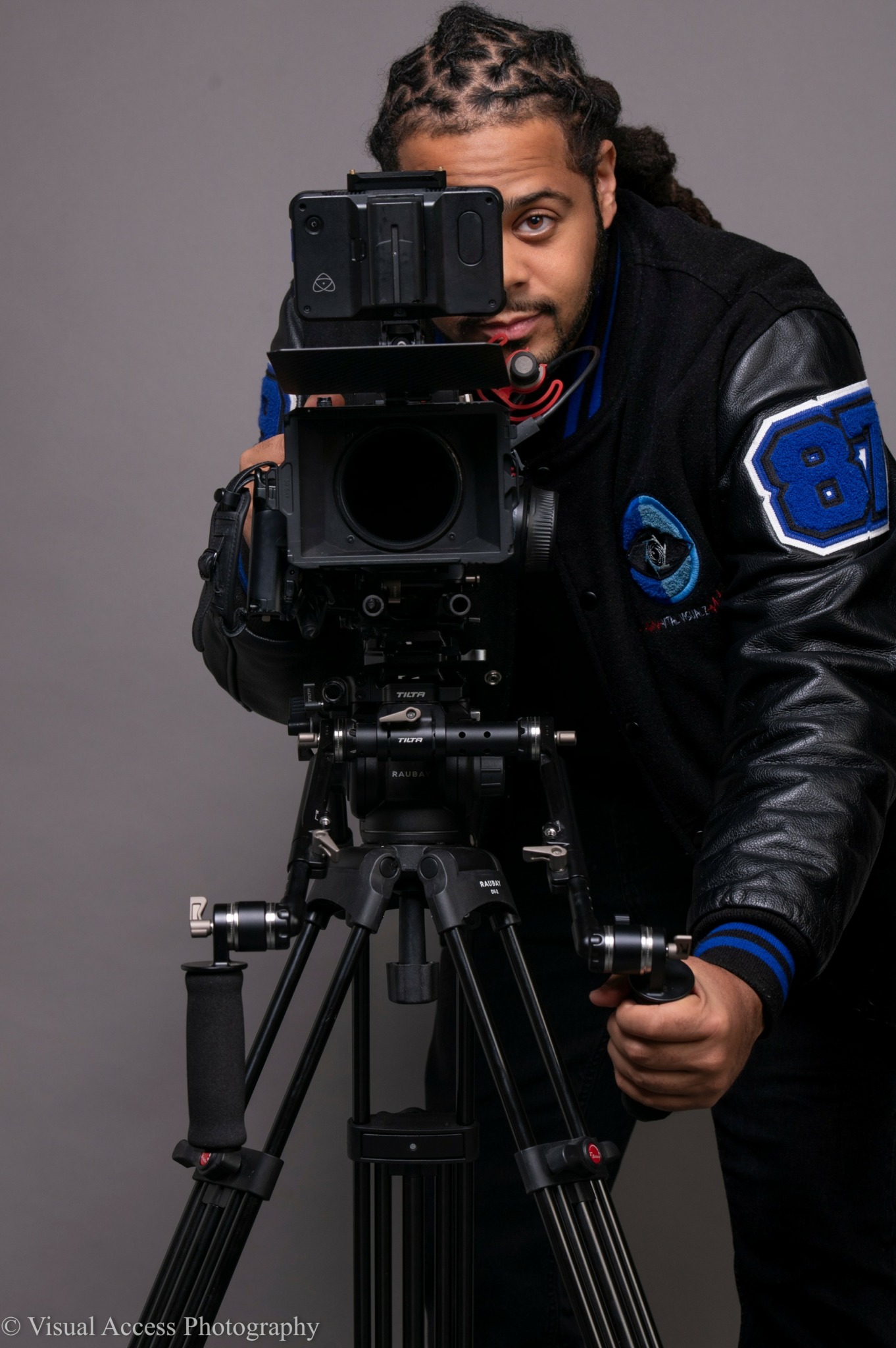
Image Credits
(cover photo) VisualAccessPhotography