
We caught up with the brilliant and insightful Jonathan Haywood a few weeks ago and have shared our conversation below.
Jonathan, appreciate you joining us today. We’d love to hear the backstory behind a risk you’ve taken – whether big or small, walk us through what it was like and how it ultimately turned out.
Ive always felt that the way would reveal itself. Always.
My wife of 17 years doesn’t understand how I can go on a trip or set about to do something without having every detail planned out, because she’s a planner. As I see it, there are a couple problems with planning everything:
1. Having a plan implies that you have all of the information and tactical skills available to whittle down all the possible options into an actionable schedule.
2. Sticking to a plan really takes serendipity out of the equation. Those moments when you need to side quest because something caught your eye, or you got a feeling that you just couldn’t shut down… those moments aren’t part of “the plan.”
What does all of this have to do with risk? Everything and nothing!
Case in point, 5 days after we got married we moved to Central America. Prior to this move, I owned a small remodeling company, which I was already burning out on. Before moving, my wife had arranged a position with an international marketing company based out of Costa Rica. I had no employment and no work visa. No plan. This was a big opportunity for both of us for many reasons: this was a big step up for her career, we could both use this time to learn a new language fully immersed and experience living abroad, and we would be beginning our marriage without a safety net of our people. It was just the two of us figuring out how to live together in a whole new way.
The experience of me not having a job, not being able to “provide” for my new family (there’s a whole other tale about overcoming societal expectations), and being in a foreign country without being fluent in the language at first was tough. I had no idea what I had gotten myself into. But, little by little, after 4 months of intensive Spanish classes, I became pretty fluent! I met someone who was launching a new business and he hired me to travel throughout the country to sell the service he had developed in both English and Spanish! Before long, I was giving presentations to professionals in another language! No way could I have seen that coming.
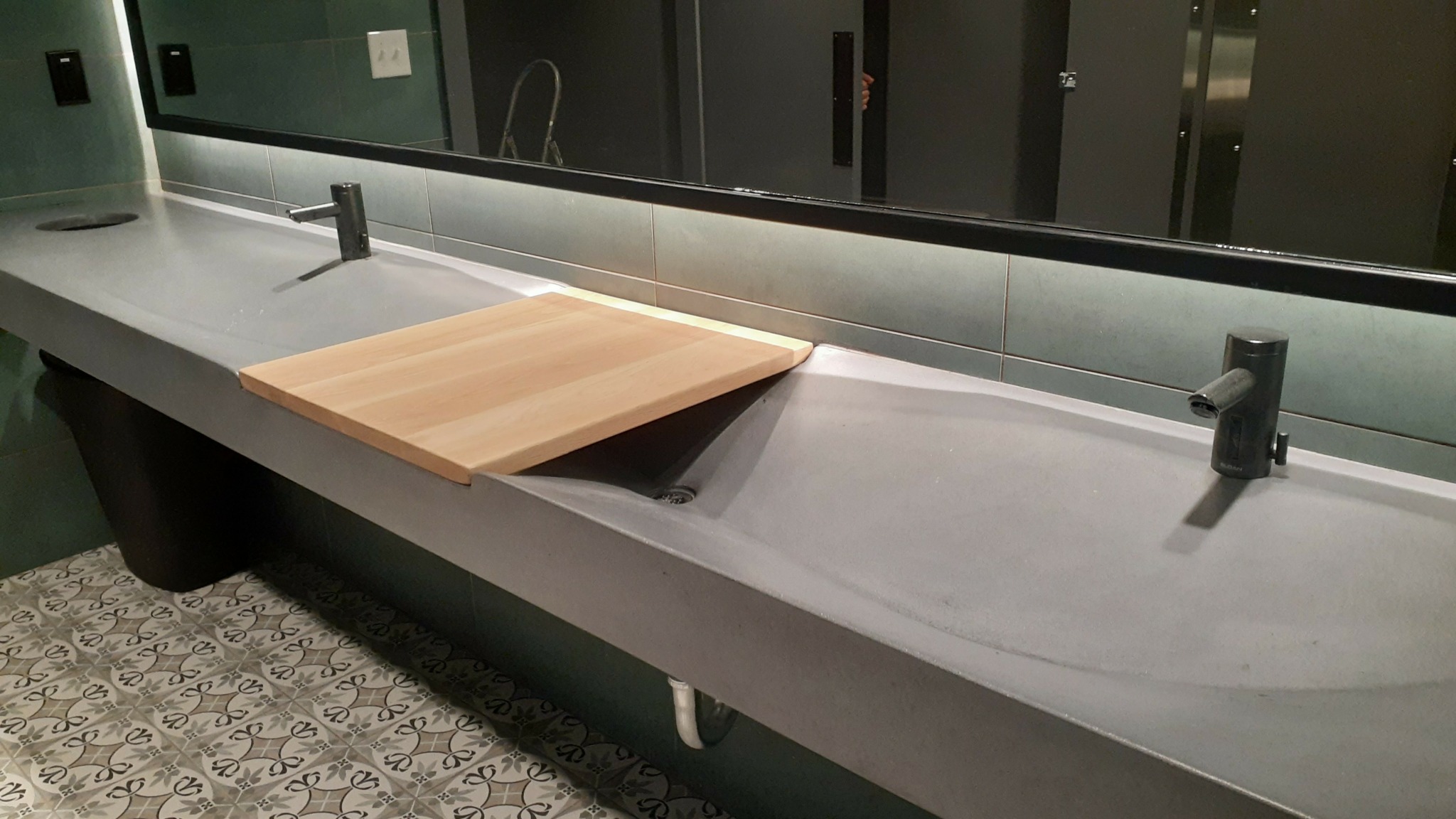
It wasn’t my “dream job,” but it scratched an itch at the time, and it introduced me to someone who would ultimately set me on the path to earning an income from my creativity. Charlie, who would become my mentor and dear friend, was an expat who had visions of starting a business as well, one where he would manufacture in Costa and ship back to the States. The medium was concrete. He had imported a bunch of materials and training manuals, dvds (remember those!) and moulds for creating countertops, hearths, mantels and sinks. I had heard of concrete countertops when I was remodeling back home, but had never made or even seen them installed.
I remember the moment clearly, the light bulb turning moment, that I, a guy who didn’t historically consider himself creative, realized that I could “just make a bathroom sink!” And not just an average sink, but a sculptural work of art that people would drool over, both literally and figuratively! This was the sunlight piercing through to some deep seeded part of me that needed to create. It sent me on a path to realizing that creating is all of our true nature.
So what does this have to do with taking a risk? If I had a plan and stuck to it, we might not have moved abroad. If we had played it safe and stayed home, I wouldn’t have been pushed into learning a new language and stretching my comfort level, ultimately finding my way into this creative work I’ve been (mostly) enjoying for close to two decades.
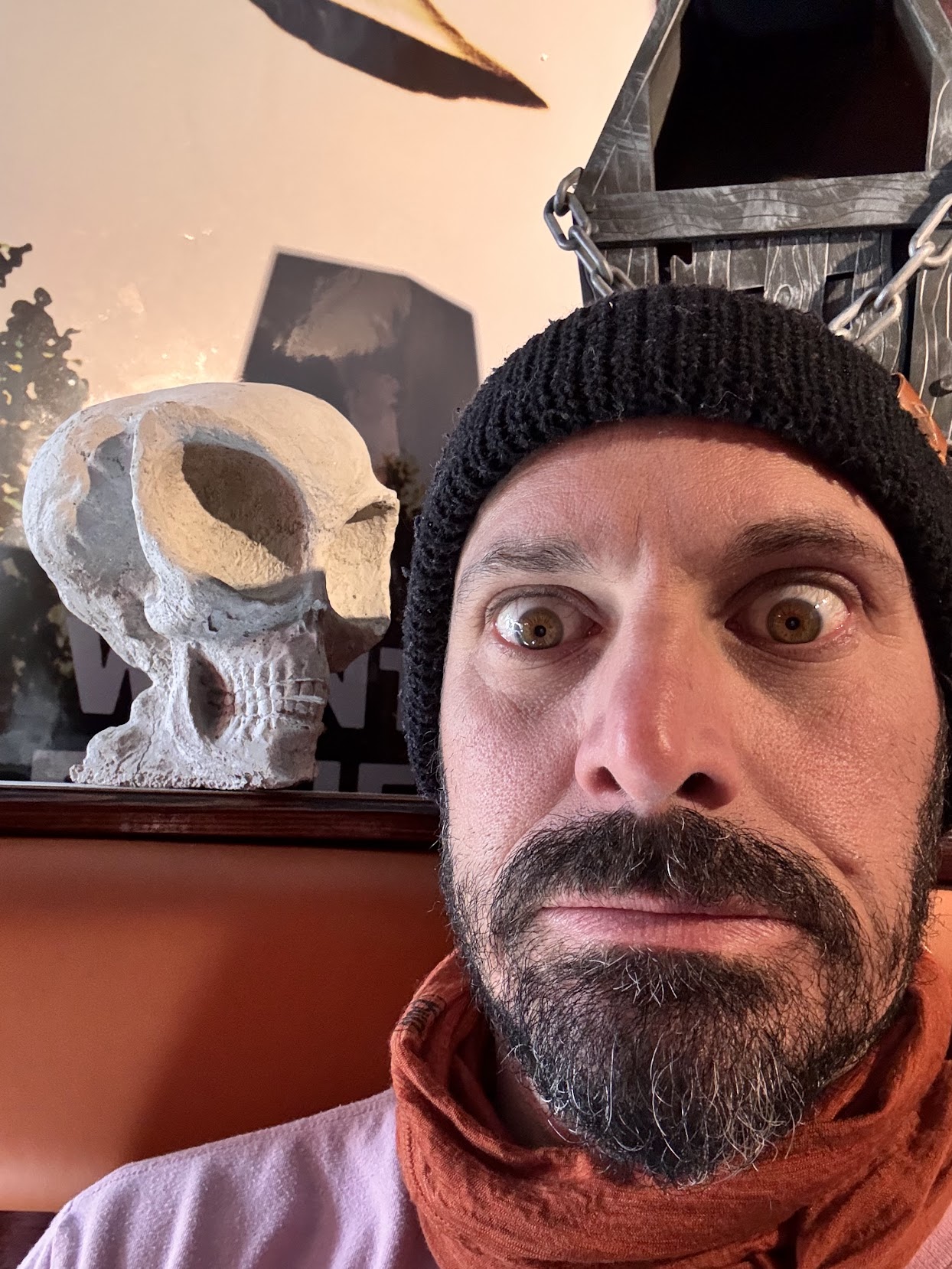
As always, we appreciate you sharing your insights and we’ve got a few more questions for you, but before we get to all of that can you take a minute to introduce yourself and give our readers some of your background and context?
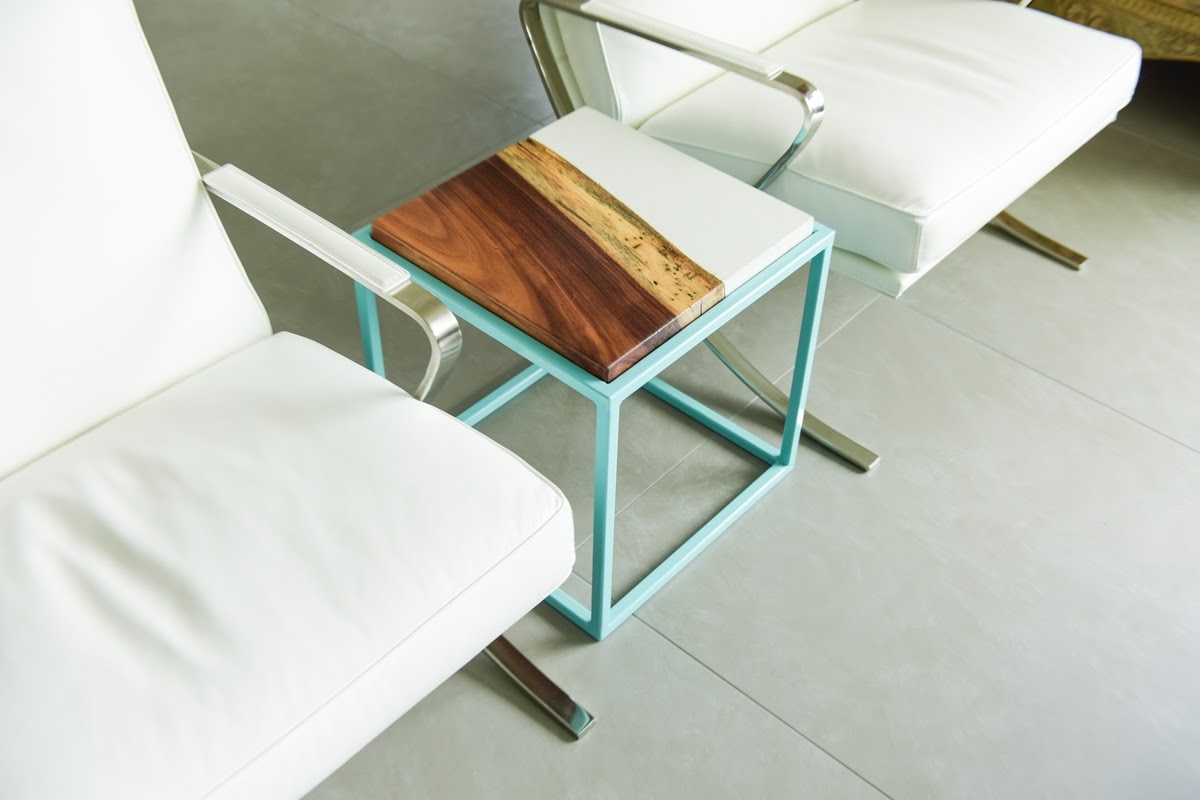
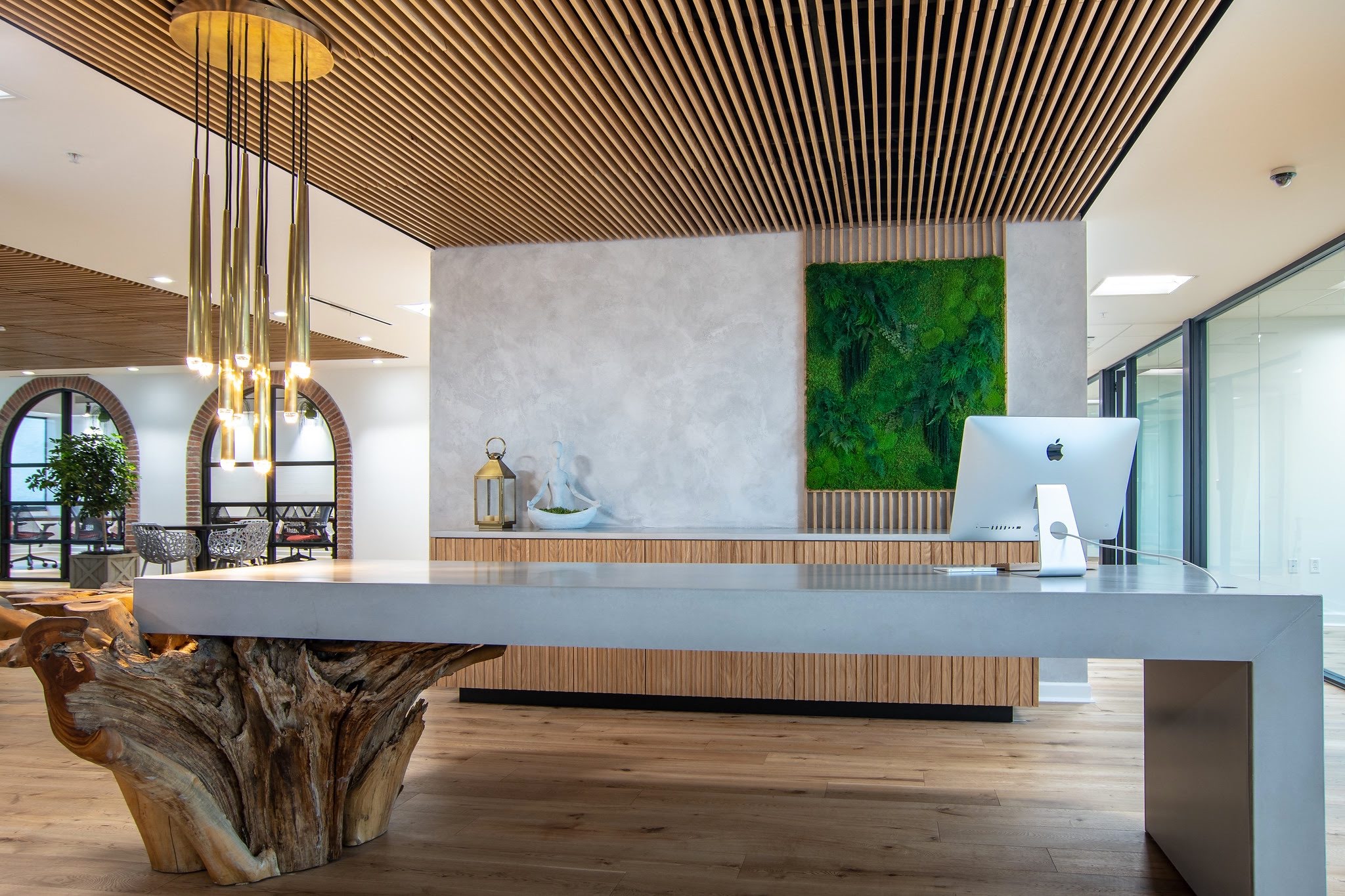
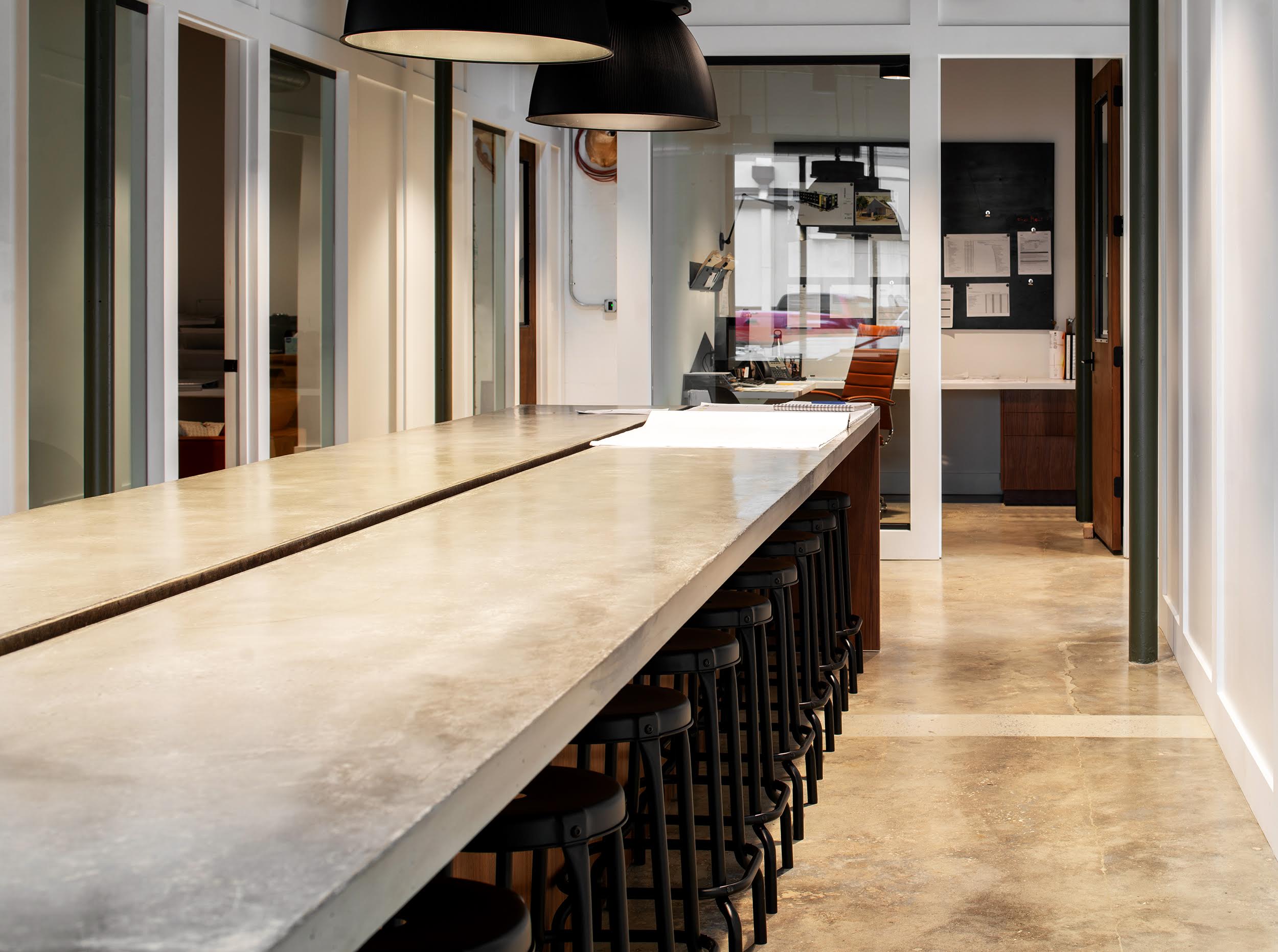
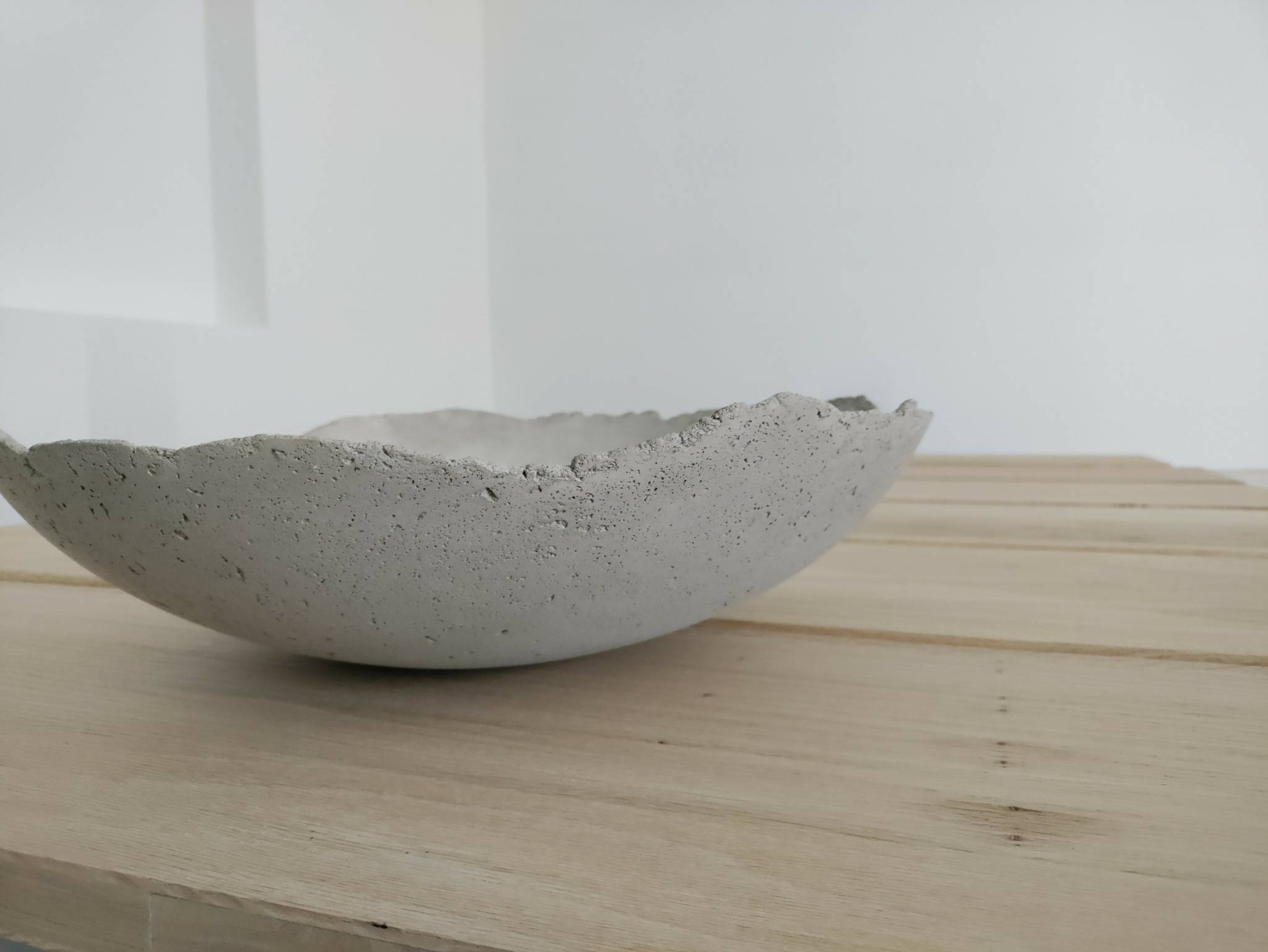
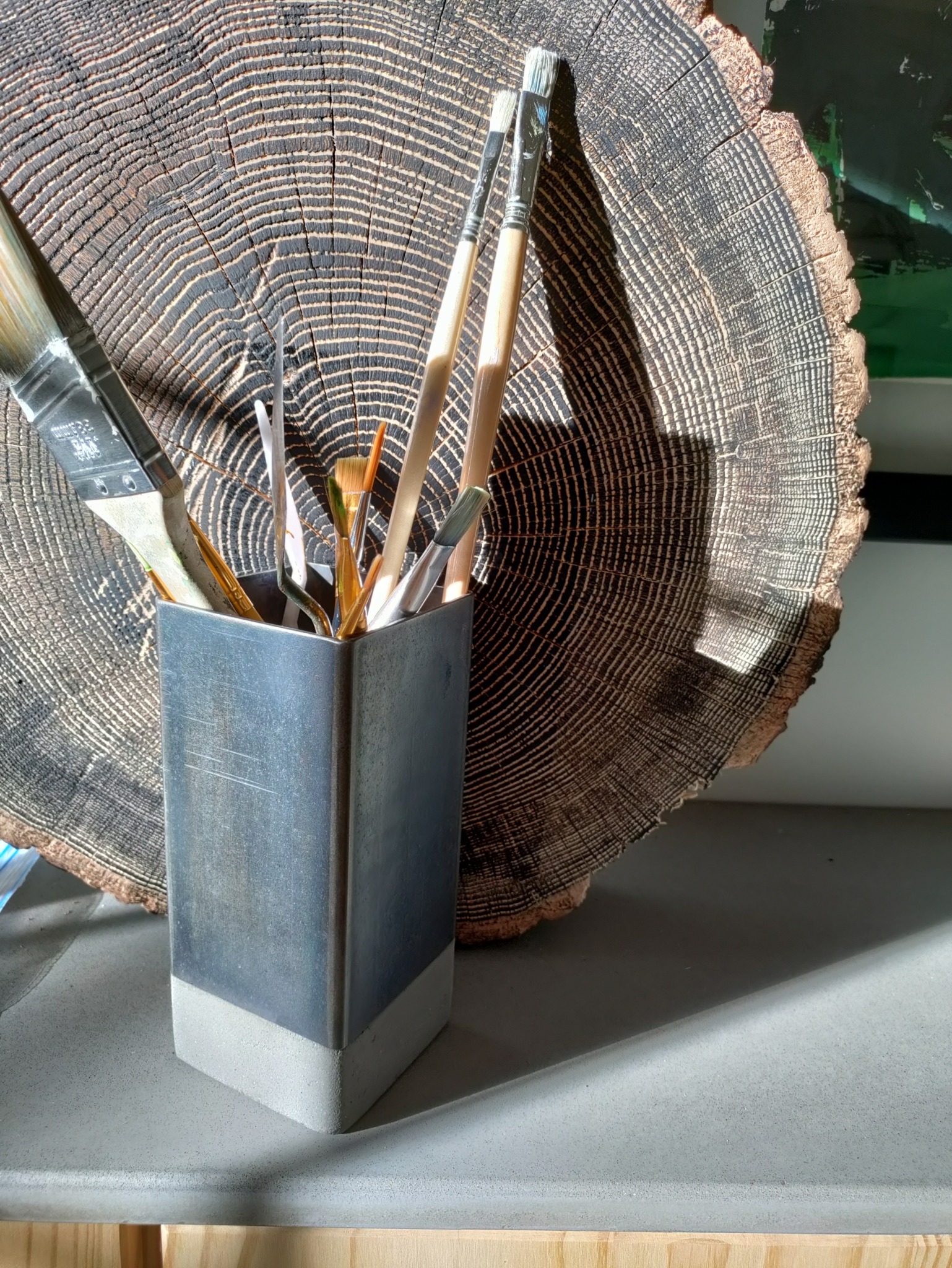
Nearly twenty years ago, I realized the power to create was within me. I could imagine a thing and usher it’s being into the world. The spark was concrete, literally and figuratively. I learned how to transform water, cement, and sand into a solid, sculptural mass. I learned how to make sinks, countertops, vessels, bowls out of concrete. I learned how to grow a business based on nothing more than my desire to keep exploring the vast potential of a medium that most consider very utilitarian.
Concrete taught me about communication. How the language we use about something comes from our experience with it. When someone saw pictures of the concrete I created, they had no idea it could look such a way. Polished, smooth, SOFT, flowing! Adjectives rarely used for a material like concrete.
I learned (am STILL learning) patience from concrete. One must wait for the material to be set a certain amount before adding more. Hydraulic pressure is a powerful check. Too much concrete in a poorly constructed form will lead to a big, heavy mess. Concrete taught me to keep seeking answers and to stay curious. What happens when you bring a new material together with concrete? Will there be chemical reactions? How do you seal this porous material in conjunction with another material that has different expansion and contraction rates? So many questions, so many materials, so much to explore!
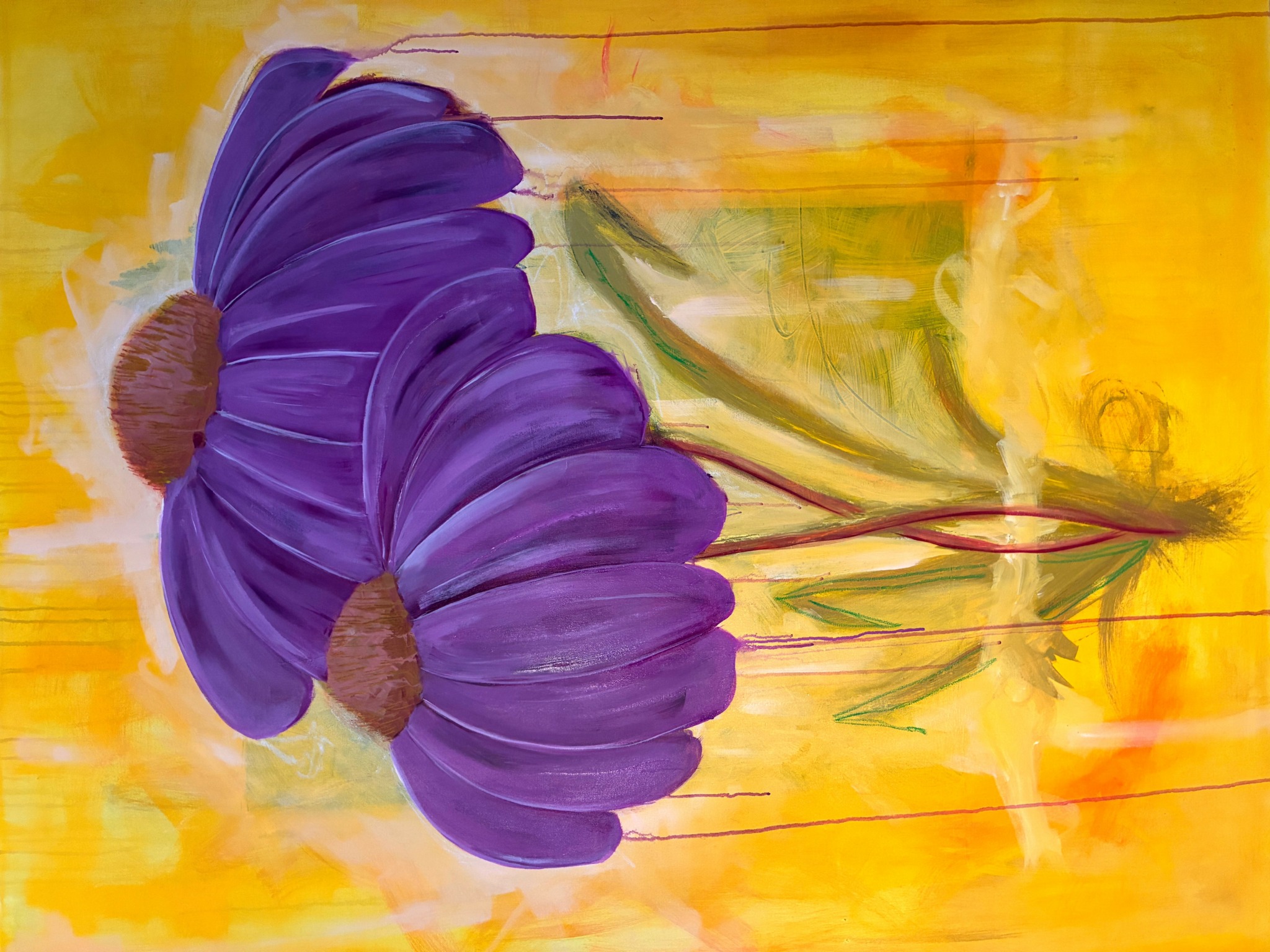
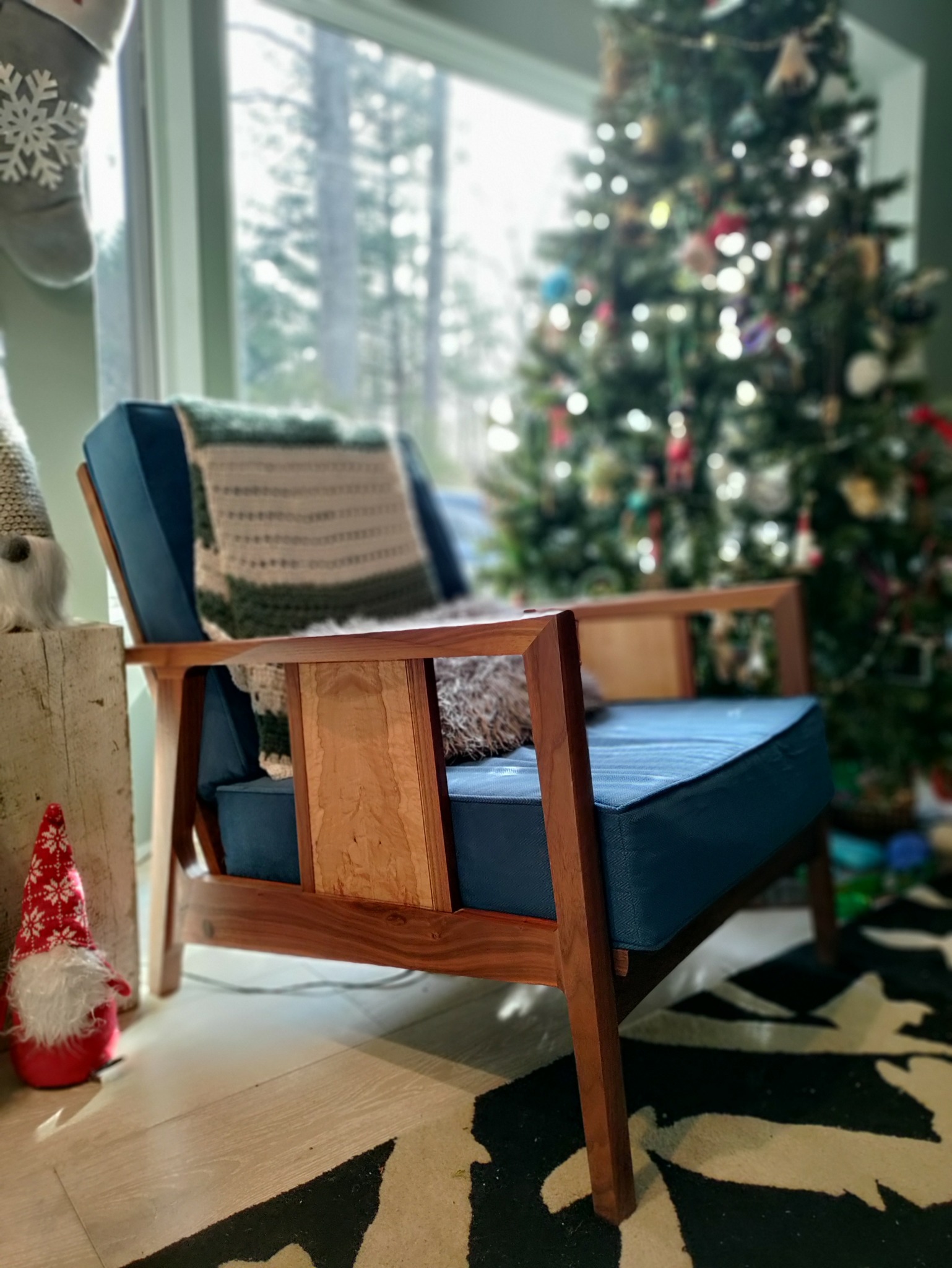
And so today, I keep searching. For 17 years, I mainly worked in various shades of grey and so now I am finding my way with paint and color. What makes color sing? How do we convey emotion and energy through materials and colors? I am a practicing artist who experiments with many mediums. I make paintings in varied styles to express my emotions, I create furniture, vessels and objects I consider both functional and beautiful for many of the needs I encounter. I design and build accessible homes for elderly and disabled in the mountains of North Carolina.
I raise two boys, who make me proud every day, with my beautiful wife who supports my mania! I have many clients who I am lucky to consider friends. I try to live simply and in appreciation of the many, many opportunities I’ve been blessed with.
My aim, as inspired by Edward Bok, is to “make the world a bit better and more beautiful because I have lived in it.”
I aim to put all of me into every project I take on. And so the hand of the maker is evident in everything I create.
What’s a lesson you had to unlearn and what’s the backstory?
In architectural finish work with concrete, tolerances are tight. For example, over the span of 10′ of countertop, 1/8″ is acceptable gap. 1/8″!!! So over the years, I’ve become a bit of a perfectionist. Straight, plumb, level, perfect. Any blemishes in the finish of a project would be rejected and usually resulted in remakes, wasted materials, wasted time. This really became a problem in the most recent house we bought. The house was built in 1980’s and apparently the framers were drunk, high, or both because the whole thing is out of level from front to back…a lot. This presents a big challenge when you, for example, want to install a cabinet, which will have a countertop on it, which should be level so your stand mixer doesn’t walk off in mid-dough kneading.
This house has taught me that level of pursuit of perfection leaves you with two options:
1. Go absolutely mad trying to get a square peg in a round hole. That type of tolerance has a place and an older house isn’t it.
2. Lean into the lean. There’s actually a good bit of character that can result from having things a little out of place in just the right way. In fact, I’ve come to actually enjoy the challenge of making really good craftsmanship overcome the bad, and the life and character that result from it.
Knowing when to pull out the perfectionist and when to embrace the imperfections has become a bit of a dance that I’m actually enjoying now that I’m embracing it rather than fighting it.
Have any books or other resources had a big impact on you?
I’d have to say that a combination of Mike Michalowicz book “Profit First” and Dave Ramsey’s Financial Peace have been my gold standards. The latter for getting out of and staying out of debt was revolutionary. We haven’t had a car payment ever. So many of the creative pursuits I have embarked on were self financed because of the discipline to not go into debt and instead pay cash for everything.
The former, Profit First, for having a simplified way of handling the cash flow of my business. The money comes in and gets dispersed to different accounts based on percentages giving you a clear picture of how much money each account has in it at any given moment. Read the book and you’ll instantly see why this is a no brainer.
Contact Info:
- Website: www.betonstudio.com, www.jnhdsgns.com
- Instagram: @jnhdsgns @thebetonstudio
- Youtube: @betonstudio1