

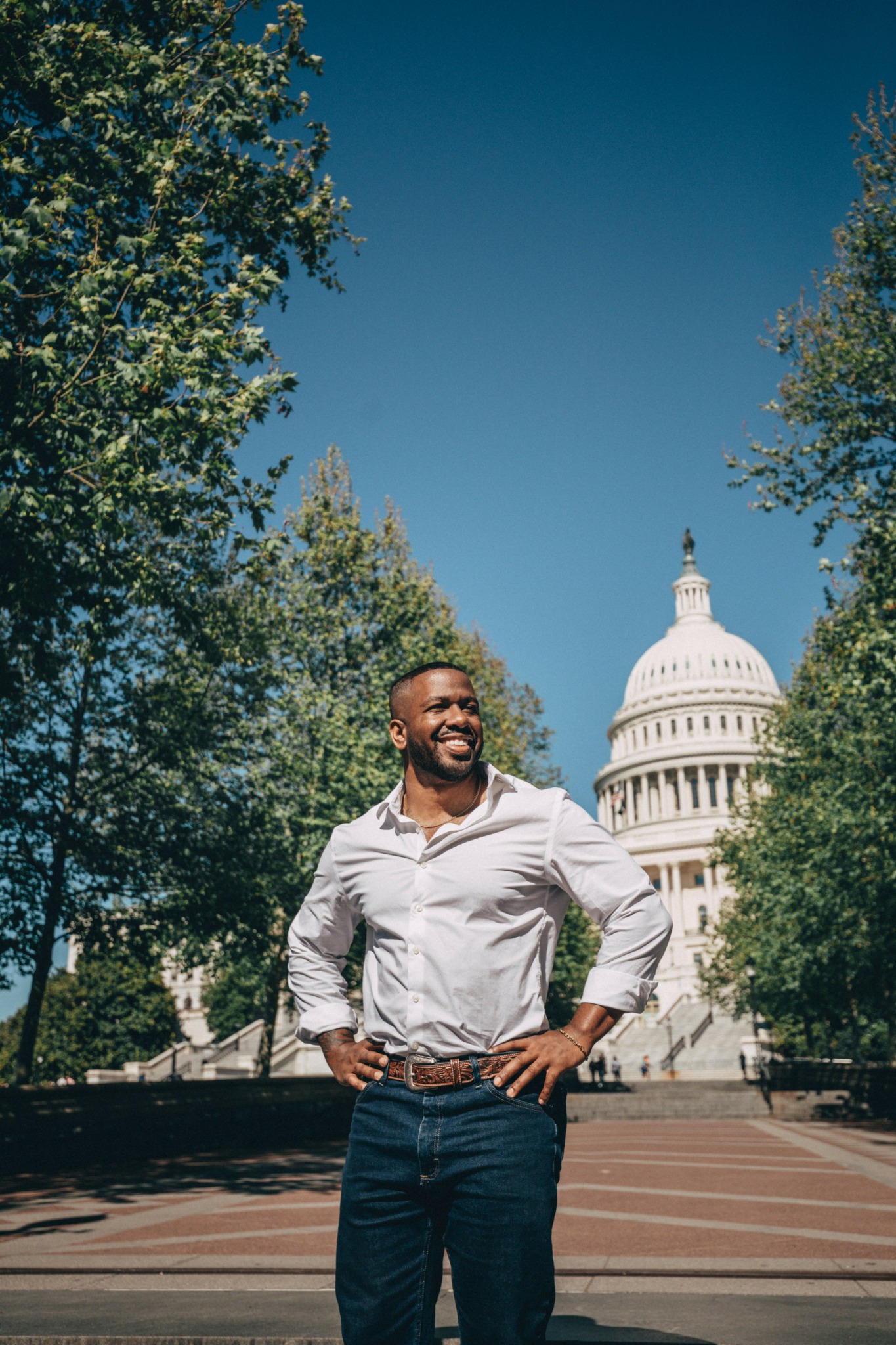

Alright – so today we’ve got the honor of introducing you to Jonathan Bonner. We think you’ll enjoy our conversation, we’ve shared it below.
Alright, Jonathan thanks for taking the time to share your stories and insights with us today. It’s always helpful to hear about times when someone’s had to take a risk – how did they think through the decision, why did they take the risk, and what ended up happening. We’d love to hear about a risk you’ve taken.
One of the most meaningful risks I’ve taken wasn’t loud or flashy—it was stepping forward to lead when it would have been easier to stay on the sidelines.
Several years ago, I was balancing work, family responsibilities, and financial stability. I had a steady career path and clear expectations placed on me. At the same time, I was deeply involved in my community and kept seeing the same pattern: decisions being made without the people most affected ever being at the table. I was already doing the work—organizing, fundraising, helping families in crisis—but I wasn’t in a position to influence outcomes at a higher level.
The risk came when I chose to publicly step into leadership and accountability rather than remaining a quiet helper. That decision meant putting my name, reputation, and time on the line. It meant criticism, scrutiny, and uncertainty. It also meant reallocating time away from comfort and toward responsibility, knowing there were no guarantees of success.
The backstory matters because this wasn’t a reckless leap. It was a calculated decision informed by lived experience—supporting families who lost jobs, helping feed thousands of households, advocating for veterans and caregivers, and seeing firsthand how policy failures ripple through real lives. I knew the risk wasn’t just personal; it was whether I could carry the weight of other people’s trust.
The outcome has been clarity and growth. Stepping forward sharpened my leadership, forced discipline, and expanded my ability to listen. It also produced tangible results: stronger community coalitions, real resources delivered, and a deeper understanding of how to turn intention into impact. Not every step has been easy, but it has been worth it.
That risk taught me something important: leadership isn’t about certainty. It’s about being willing to act when the cost of doing nothing is higher than the fear of stepping up.
Great, appreciate you sharing that with us. Before we ask you to share more of your insights, can you take a moment to introduce yourself and how you got to where you are today to our readers.
I’m Jonathan Bonner. At my core, I’m a builder—of systems, teams, and community outcomes.
Professionally, I work as a project manager overseeing complex, high-value projects where accountability, timelines, and results matter. That discipline shaped how I think: problems are meant to be diagnosed clearly, resources deployed efficiently, and outcomes measured honestly. I didn’t fall into this work by accident. I came up learning how to operate under pressure, manage competing priorities, and deliver when expectations are high—skills that translate directly to leadership beyond the workplace.
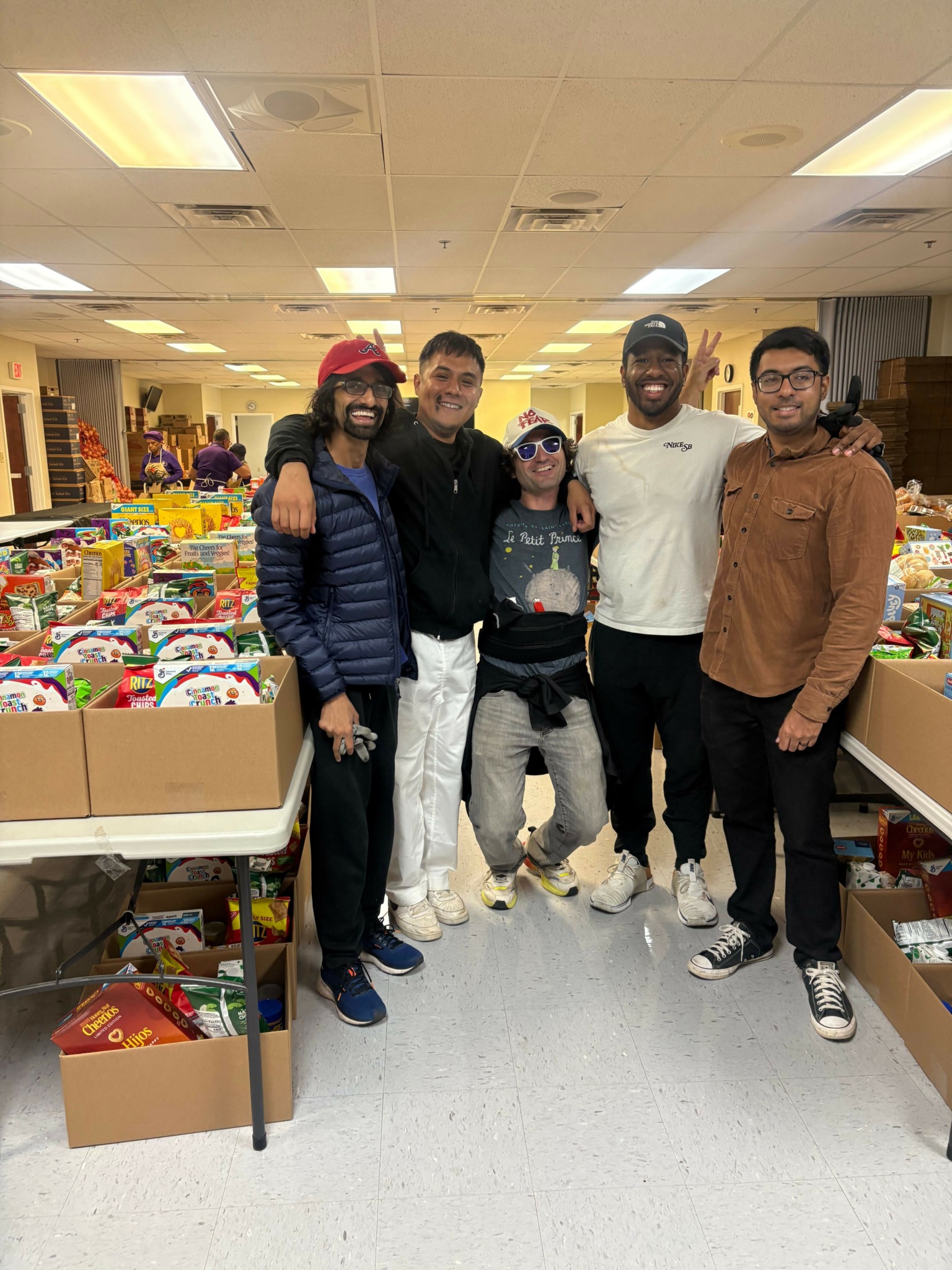
My path into public-facing work started long before I ever considered running for office. I was already deeply involved in my community—organizing food drives, fundraising for families facing eviction or job loss, supporting veterans and caregivers, and building coalitions across cities and counties. Over time, I noticed a gap: too many people doing the real work on the ground had no voice where decisions were actually being made. I got into this space because I saw that disconnect up close and decided it needed to change.
What I provide—whether through organizing, leadership, or public service—is practical problem-solving. I focus on turning concern into action. That means connecting people to resources, holding institutions accountable, and building structures that outlast a single moment or headline. I don’t traffic in vague promises; I focus on measurable impact. If something doesn’t improve lives in a concrete way, it’s not enough.
What sets me apart is credibility earned through action. I don’t lead from theory alone. I’ve helped feed thousands of families, delivered thousands of dollars in school supplies, raised funds for local organizations, and worked directly with veterans, seniors, and working families navigating broken systems. I’ve also built partnerships across ideological, racial, and generational lines—because real progress requires coalitions, not silos.
What I’m most proud of isn’t a title or a position—it’s trust. People know that when I commit to something, I follow through. They know I’ll show up, listen, and do the work even when there’s no spotlight. That trust is the foundation of everything I do.
What I want people to know about me and my work is simple: I take responsibility seriously. I believe leadership should be accessible, data-driven, and rooted in real life. My brand—if you want to call it that—is grounded, accountable, and community-first. I’m here to build systems that work for people, not perform for applause.
We’d love to hear a story of resilience from your journey.
Resilience, for me, has been less about dramatic moments and more about staying steady when life keeps applying pressure.
One of the most defining periods of my journey came when I was carrying multiple roles at once: a demanding career, active community leadership, and being a full-time parent—while also navigating the slow, exhausting reality of loss and responsibility inside my family. There wasn’t a single moment where things fell apart. Instead, it was weeks and months of showing up when it would have been understandable to step back.
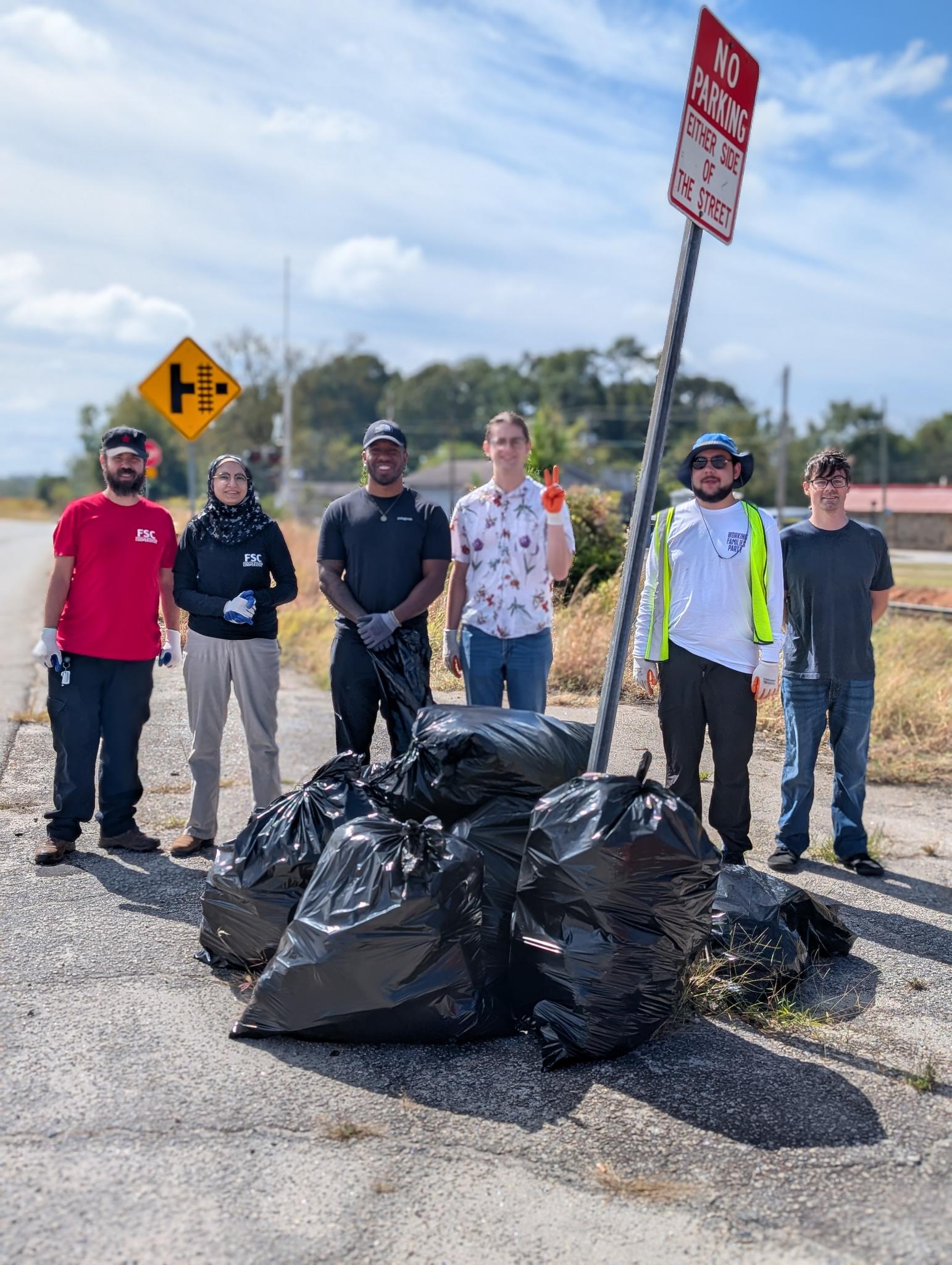
During that time, I was still organizing food drives, helping families avoid eviction, and supporting veterans and seniors—often while handling personal stress that I didn’t broadcast. There were setbacks. Plans fell through. Resources were tighter than expected. Some days, progress felt invisible. The easy choice would have been to pause or disengage.
What resilience looked like was choosing consistency over reaction. I adjusted expectations, leaned into discipline, and kept commitments small but non-negotiable. I learned to operate without perfect conditions and to lead without needing reassurance. I also learned when to ask for help and when to carry the weight quietly.
The outcome wasn’t a sudden breakthrough. It was trust earned over time—people saw that I didn’t disappear when things got hard. That period sharpened my ability to manage stress, make clear decisions under pressure, and stay focused on outcomes instead of noise.
That experience reinforced something I carry with me now: resilience isn’t about how loudly you push back—it’s about how reliably you keep moving forward, even when no one is watching.
Other than training/knowledge, what do you think is most helpful for succeeding in your field?
In my field, you’re constantly dealing with incomplete information, competing priorities, and people who are affected by decisions in very real ways. The ability to make clear, grounded decisions without perfect conditions is critical. That requires emotional discipline, not just intelligence. You have to separate noise from signal and resist the urge to react instead of think.
Consistency is the second piece. Showing up once doesn’t build credibility—showing up repeatedly does. Trust is built when people know what to expect from you, especially under pressure. That reliability is often what separates those who last from those who burn out or lose influence.
Equally important is the ability to listen without defensiveness. You don’t succeed by being the loudest voice in the room; you succeed by understanding what people actually need and then acting on it. That means taking feedback seriously, even when it’s uncomfortable, and adjusting course without losing your core values.
Finally, humility matters. Progress comes faster when you’re willing to collaborate, share credit, and admit when something isn’t working. In leadership and public-facing work, ego is expensive. The people who succeed long-term are the ones who stay focused on outcomes, not recognition.
Contact Info:
- Website: https://Bonner4house.com
- Instagram: Bonner4georgia
- Facebook: https://www.facebook.com/share/17vj2sCrsh/?mibextid=wwXIfr
- Youtube: Bonner4georgia
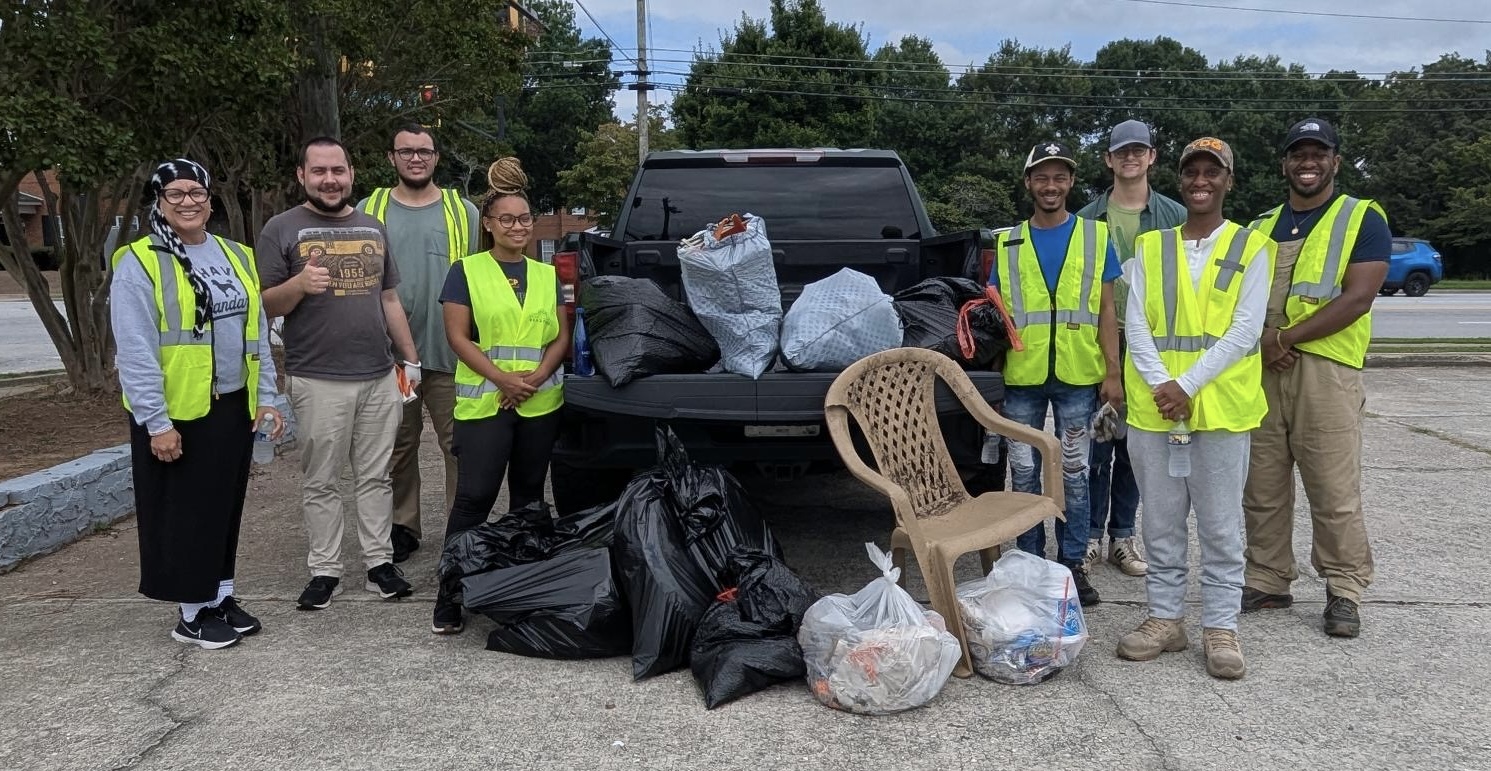
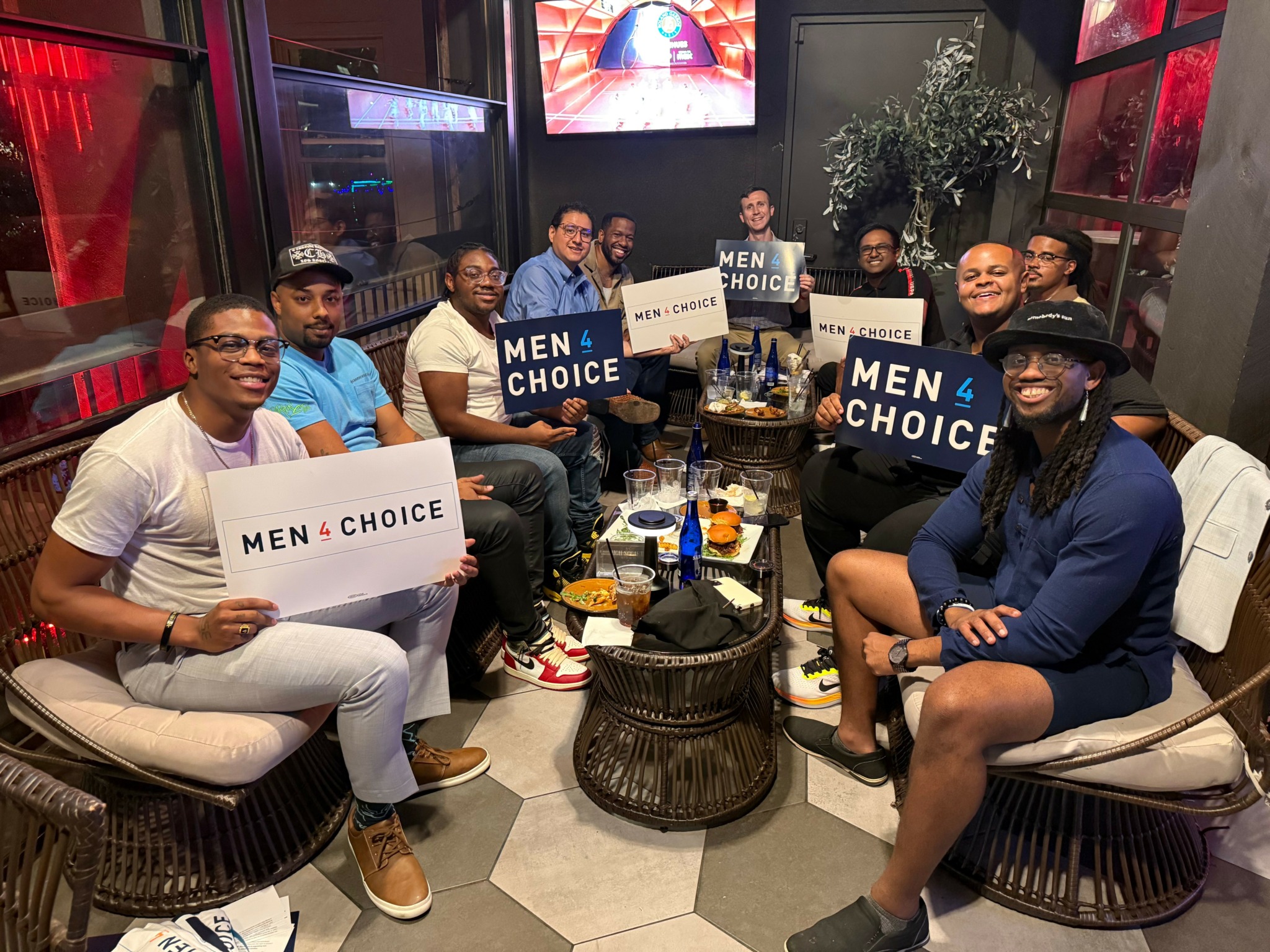
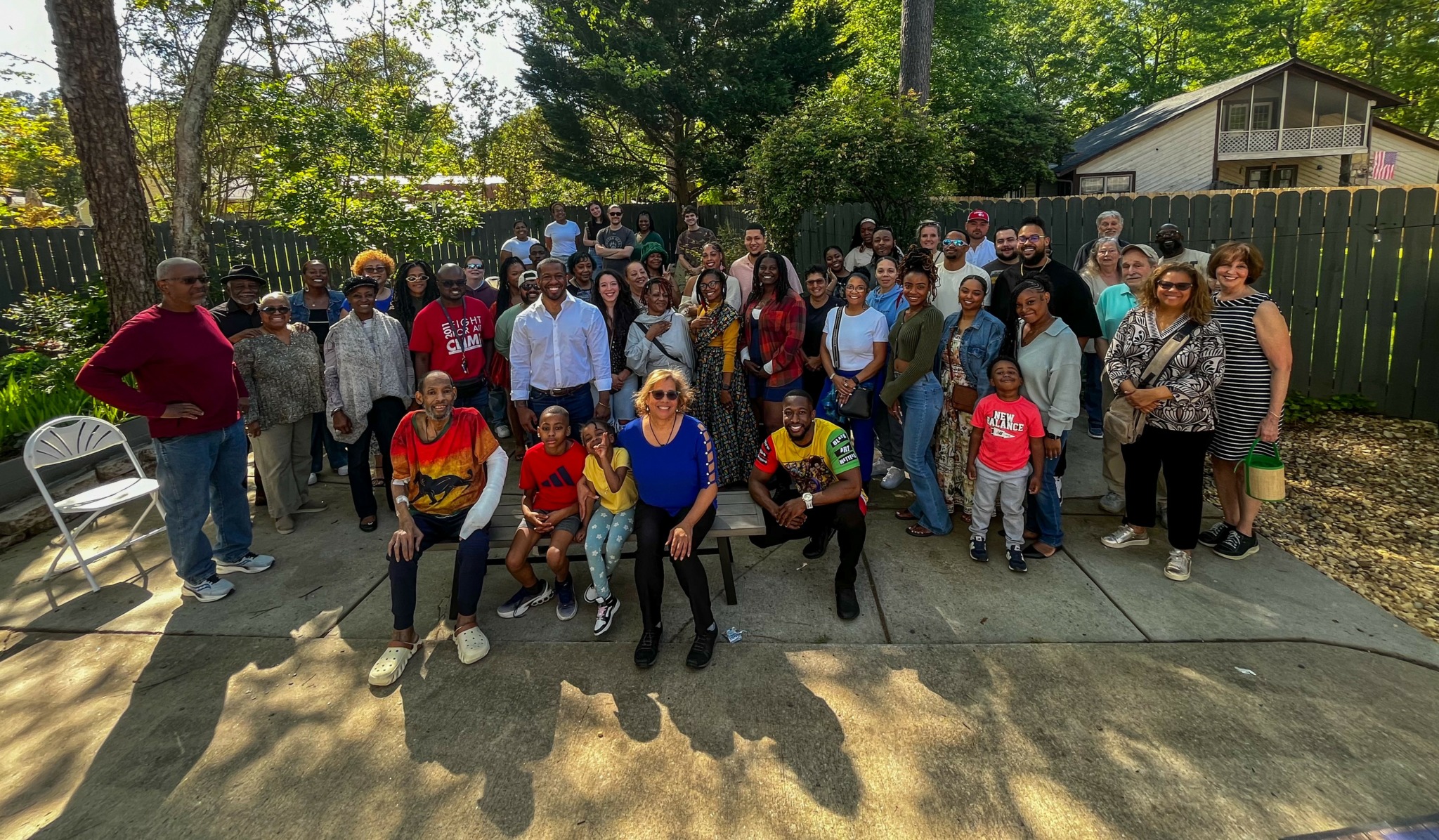
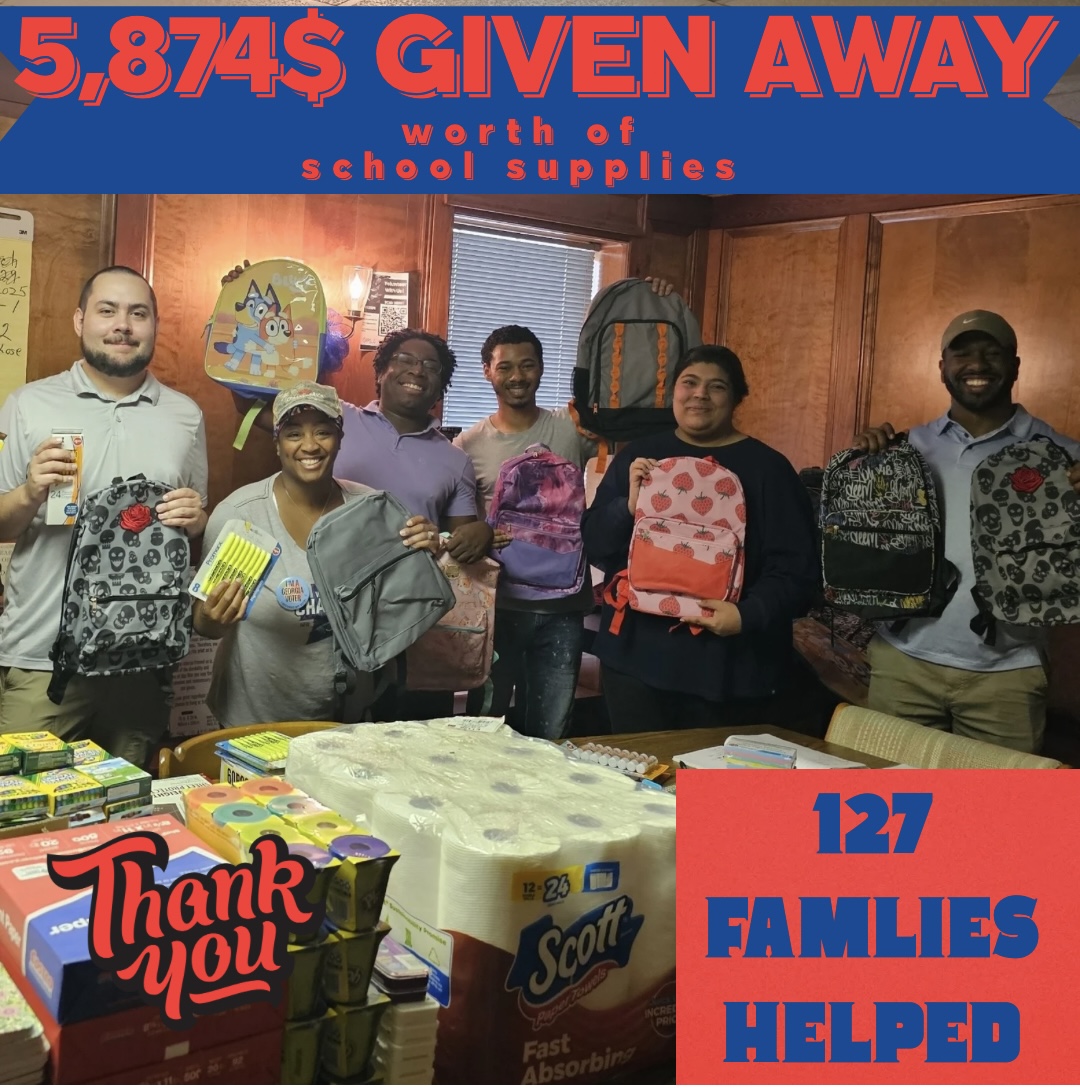
Image Credits
No credits