

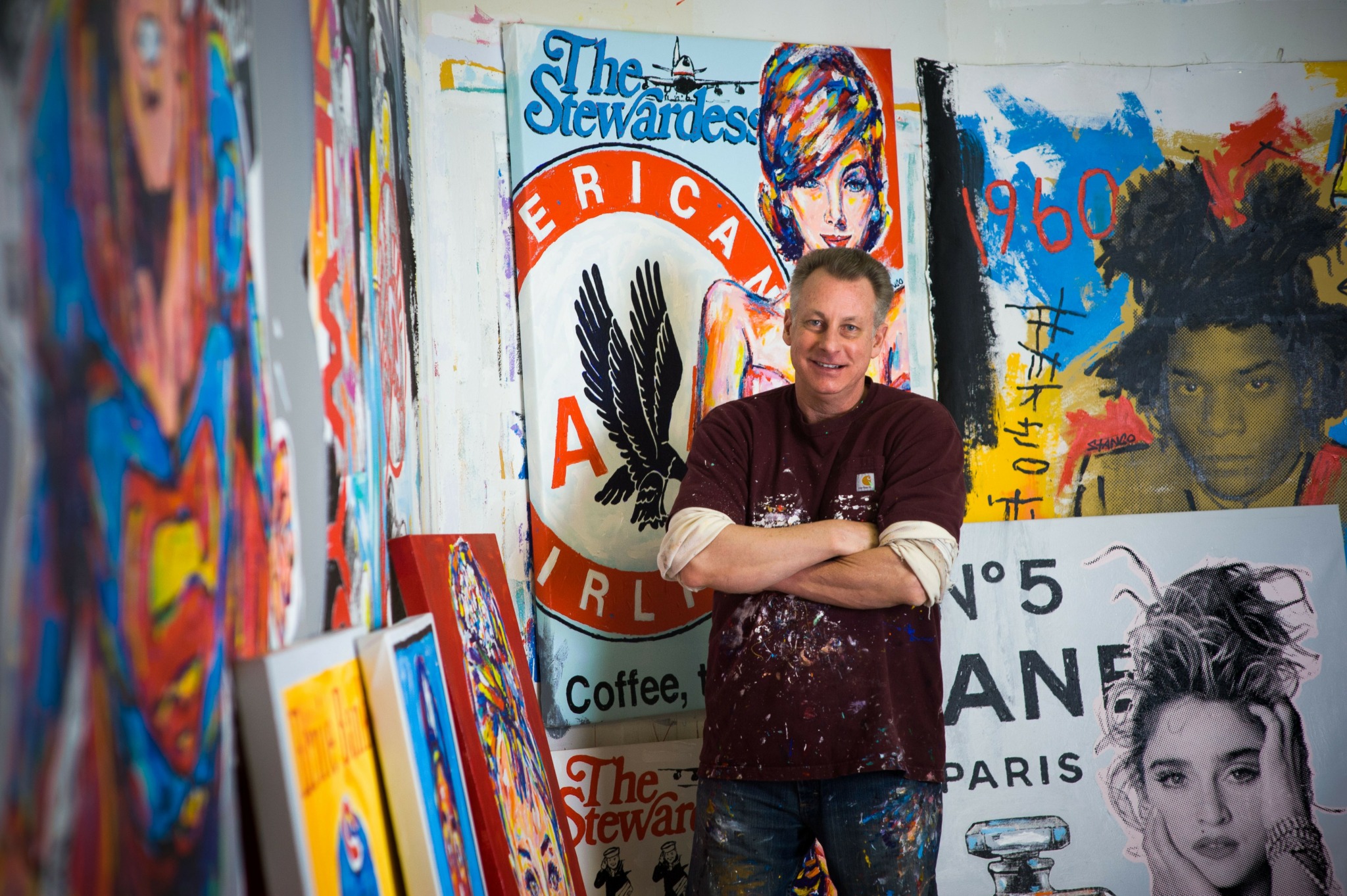

Alright – so today we’ve got the honor of introducing you to John Stango. We think you’ll enjoy our conversation, we’ve shared it below.
John , thanks for taking the time to share your stories with us today Can you talk to us about a project that’s meant a lot to you?
I’ve worked on many meaningful projects over the years, but one that stands out is a very recent honor. I was selected to participate in the Art in Embassies program, an initiative established by President John F. Kennedy through the U.S. Department of State to showcase American artists around the world.
I received an email asking if I would consider submitting one of my large American flag paintings for display in the U.S. Embassy in Canada. Being invited to contribute to a program with such a strong cultural mission was a tremendous honor.
Today, that painting hangs on the wall of the embassy, representing both my work and American contemporary art in an international setting. Knowing that people from around the world see the piece in that environment makes the project especially meaningful to me.
Great, appreciate you sharing that with us. Before we ask you to share more of your insights, can you take a moment to introduce yourself and how you got to where you are today to our readers.
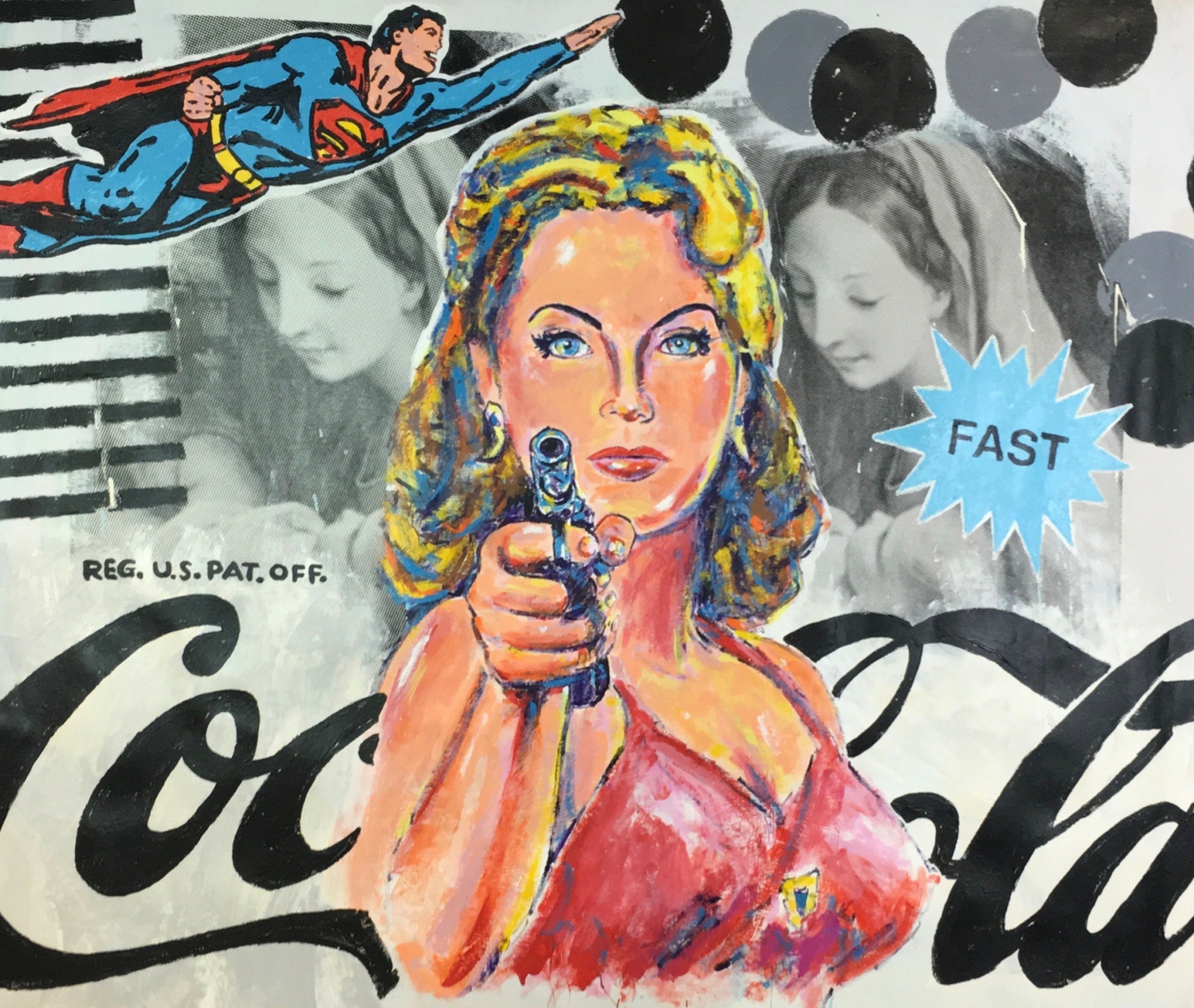
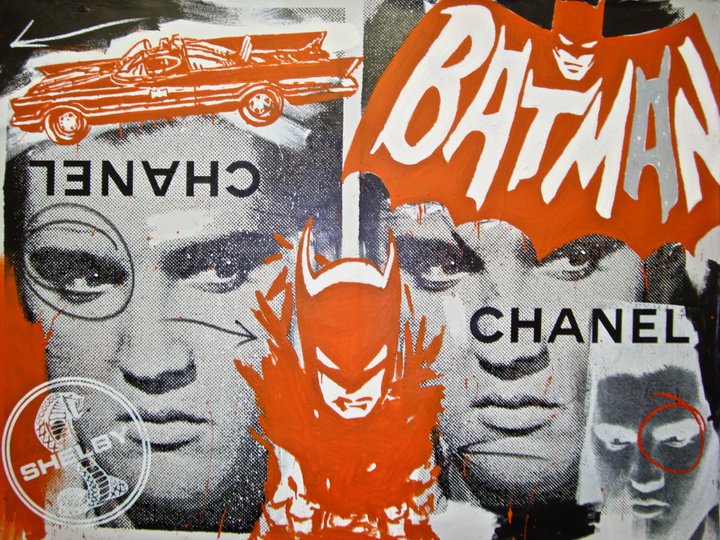
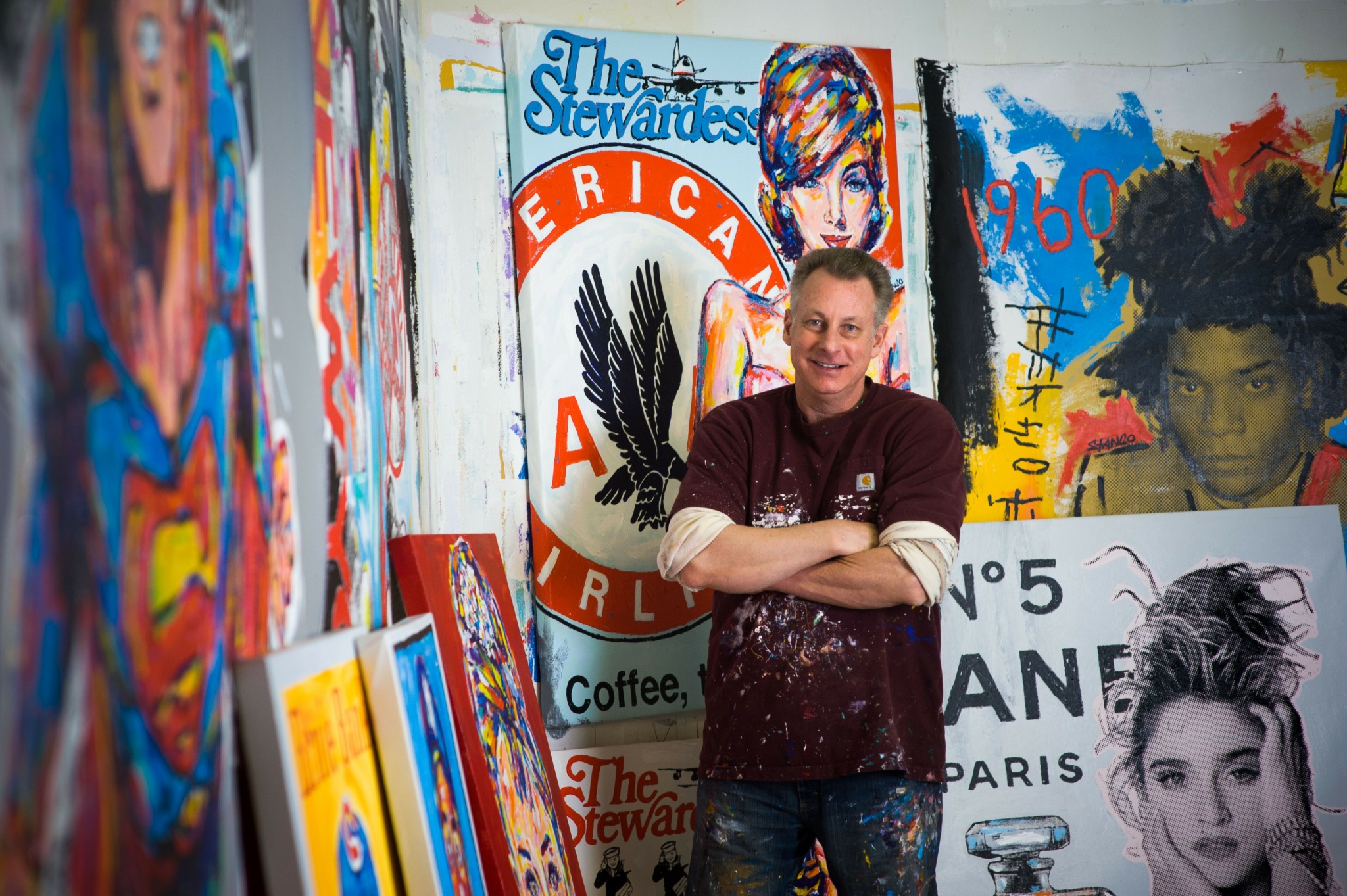
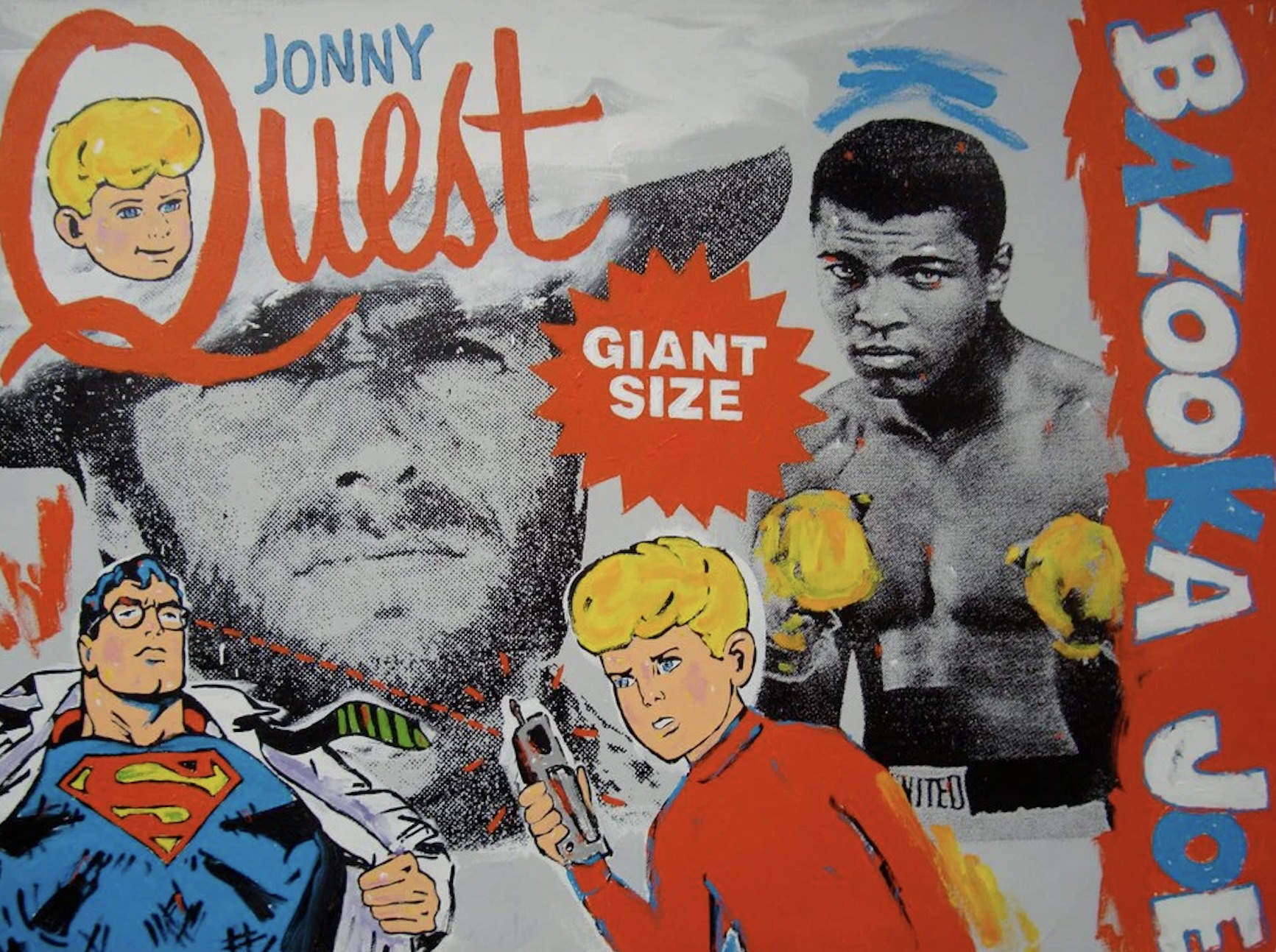
My name is John Stango, and I am an American pop artist known for my high-energy, bold colors and what I call my “muscle car style.” My work is defined by powerful, full-body brushstrokes, rich textures, explosive color and strong imagery. I use these dynamic techniques to create paintings that have movement, intensity, and a strong visual impact.
I began my artistic journey while studying at Temple University’s Tyler School of Art. During that time, I created large pop-art paintings on canvas and paper, often wheat pasting paper images to the actual canvas, which I sold to interior designers to earn extra money while attending classes.
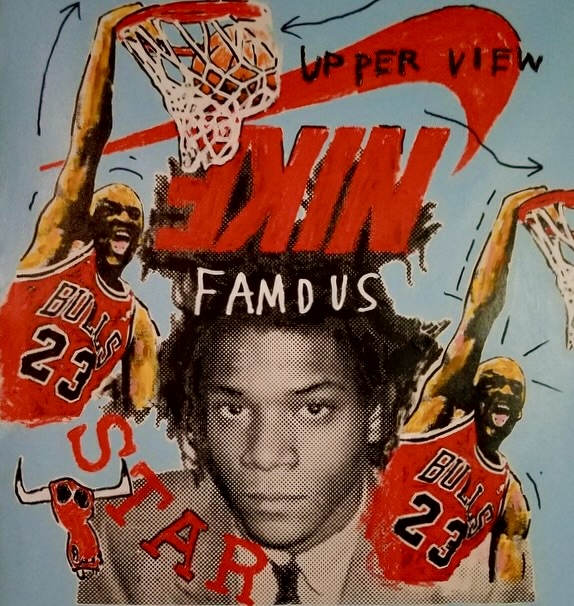
As my work evolved, I began incorporating silk-screened imagery to my canvases. Combining traditional painting with screen-prints isn’t found much in the artworld. Most artists are either painters or silkscreeners. I’m lucky that I can do both. This fusion gave my work a distinctive pop-art effect that became central to my style.
In addition to paintings, I have also made silk-screened T-shirts, which were sold through major department stores such as Macy’s and Bloomingdale’s, as well as the fashion retailer Fiorucci. The same screen-printing techniques I used for apparel continues to influence how I approach my paintings today.
My artwork is collected internationally and is primarily sold through fine art galleries.
However, some collectors and corporate clients commission pieces specifically designed for their spaces. In these cases, I work within the color palettes and imagery they select, creating custom works that bring energy, color, and excitement to their walls.
What ultimately sets my work apart is the combination of hand painting with silk-screening on large canvases. I layer painted elements with screen-printed images, creating powerful compositions that are distinctly my own. Equally important is the composition itself—choosing what imagery appears on the canvas, how it is arranged, and how painted and printed elements interact. The careful placement of images and color is central to my work, and has become a defining element of my style, helping establish my work within the contemporary pop art movement.
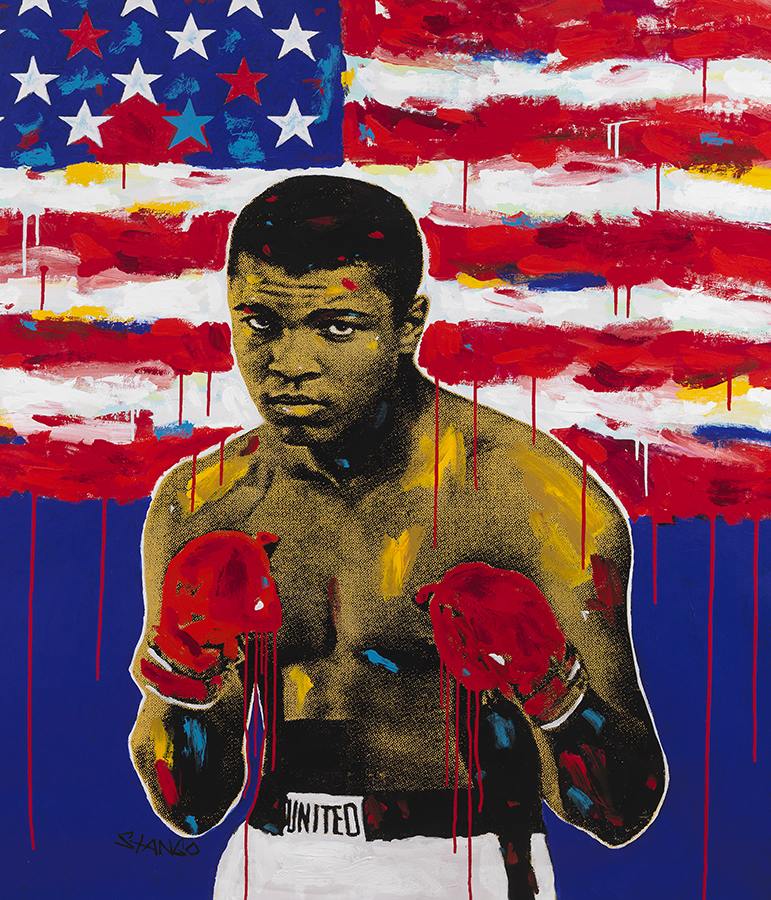
One work I am particularly proud of is my painting of Muhammad Ali, a powerful portrait set against a bleeding American flag. This piece reflects a pivotal moment in Ali’s life when he was stripped of his heavyweight title and banned from boxing for three and a half years after declining military service during the Vietnam era. The painting focuses on the tension between Ali and the country he represented, symbolized by the flag dripping/bleeding behind him. This work has been widely recognized—it appears on Ali’s Wikipedia page and hangs in the Muhammad Ali Center in Louisville, Kentucky.
What do you find most rewarding about being a creative?
For me, the most rewarding aspect of being an artist is seeing people connect with my work. When someone stands in front of one of my paintings and feels something—energy, excitement, even curiosity—that’s incredibly meaningful. Art has the power to communicate without words, and knowing that something I created can affect someone emotionally or visually is what makes the whole process worthwhile.
I also find it rewarding to see my work live in different places and environments. Whether it’s hanging in a gallery, a collector’s home, a corporate space, or even an embassy, each painting takes on a life of its own once it leaves my studio. It becomes part of someone else’s world, and that’s a powerful feeling as an artist.
Ultimately, what keeps me motivated is the opportunity to keep creating—to keep pushing color, composition, and imagery in new ways and sharing that energy with others through my work.
Learning and unlearning are both critical parts of growth – can you share a story of a time when you had to unlearn a lesson?
The biggest lesson I had to unlearn was trying to paint the way others thought I should paint instead of being true to myself.
I went to a very prestigious art school where bold, loud colors in painting were often discouraged. I was constantly told to tone down my colors and make my work more restrained. For a while, I tried to follow that advice, but in doing so I realized I wasn’t really being myself as an artist.
Eventually I made a decision: I had to paint my way.
That meant embracing strong color, bold brushstrokes, and the kind of energy that felt natural to me. Once I stopped holding back and allowed my true colors to show, everything changed. My work became more authentic, more powerful, and ultimately more recognizable.
Contact Info:
- Website: https://www.JohnStango.com
- Instagram: https://www.instagram.com/john_stango_official/
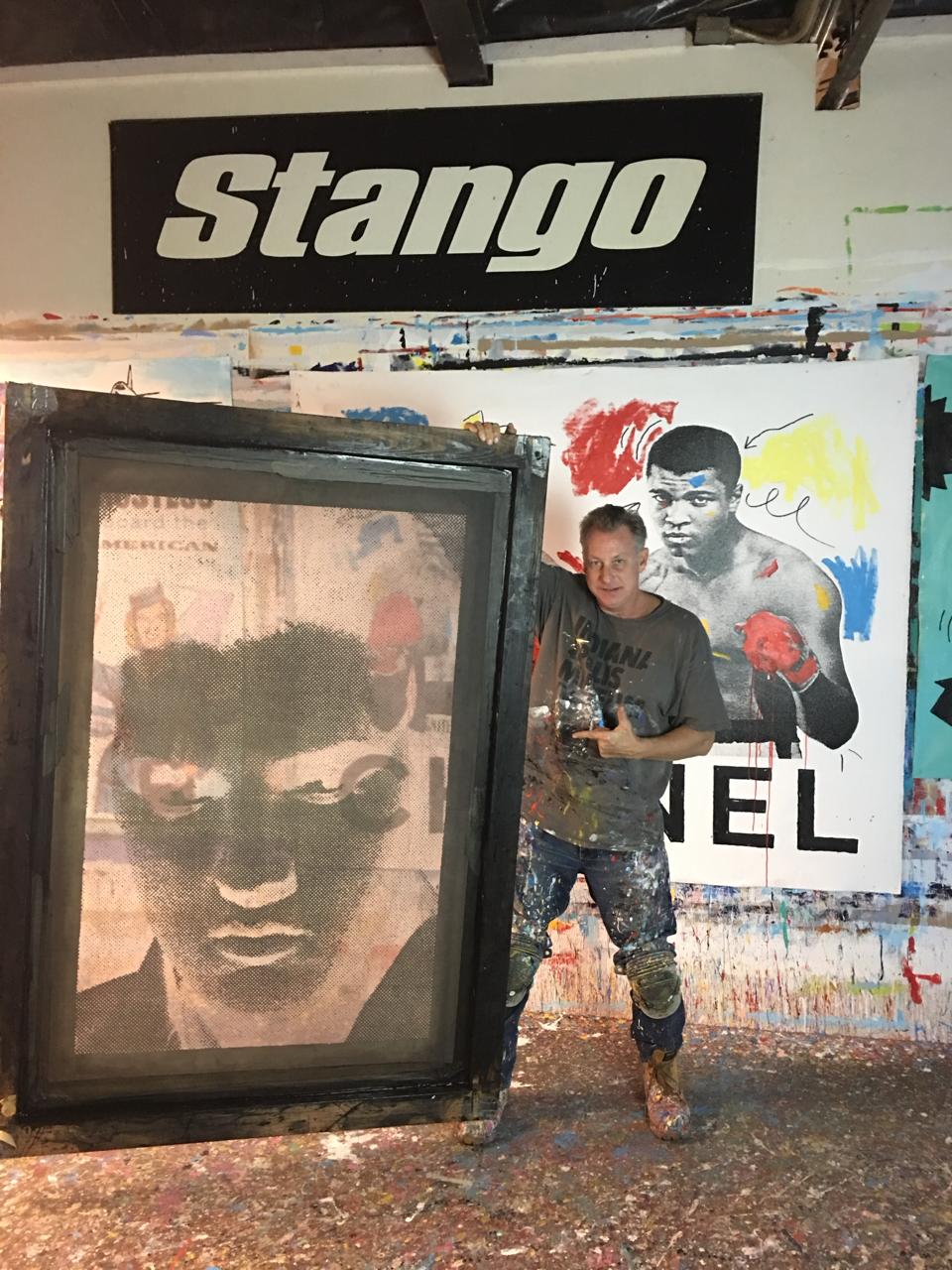
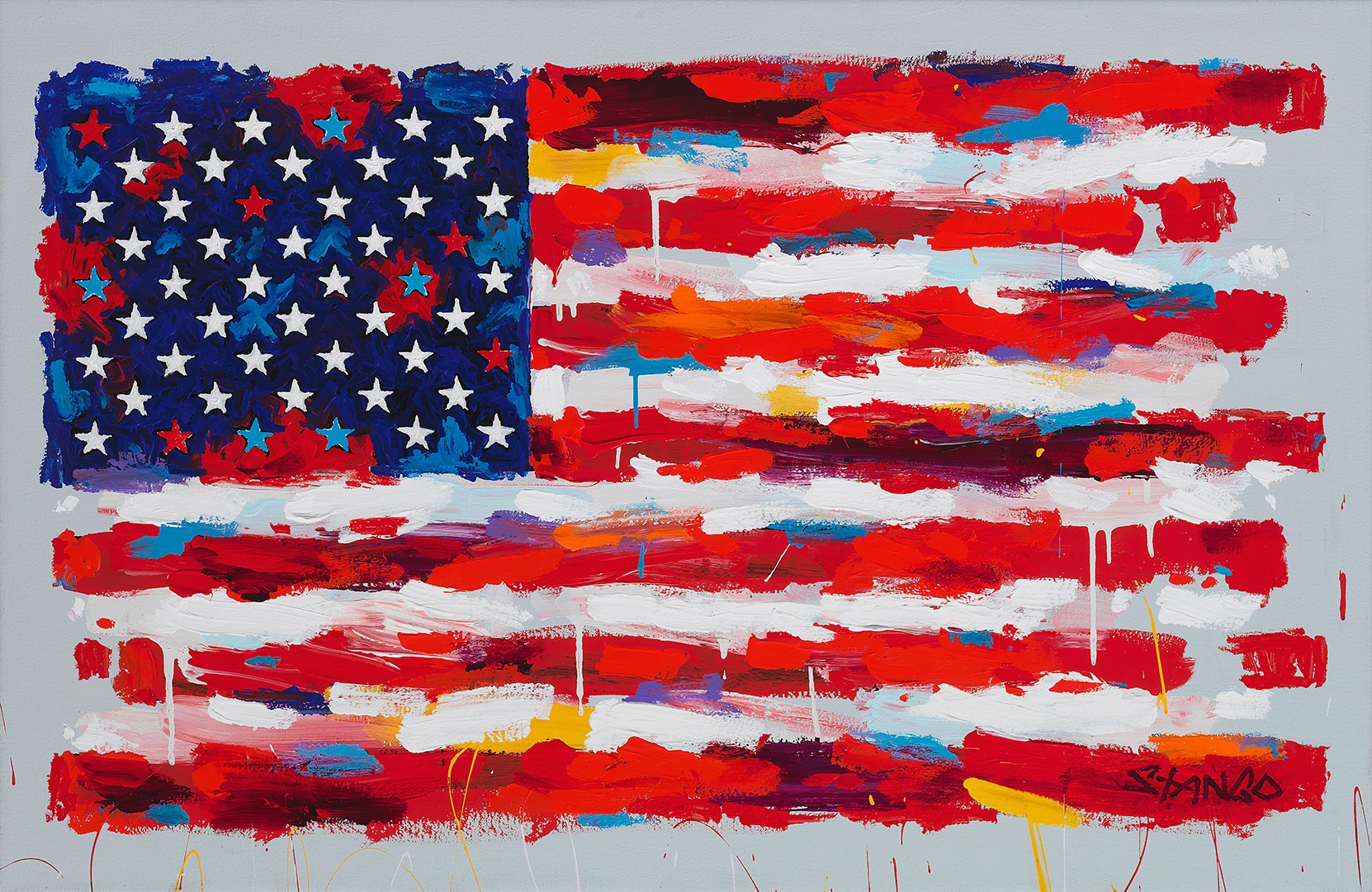
Image Credits
Image Credit for first photo asked for, in my studio, a photo of me.
Photographer: Laurie Beck Peterson