

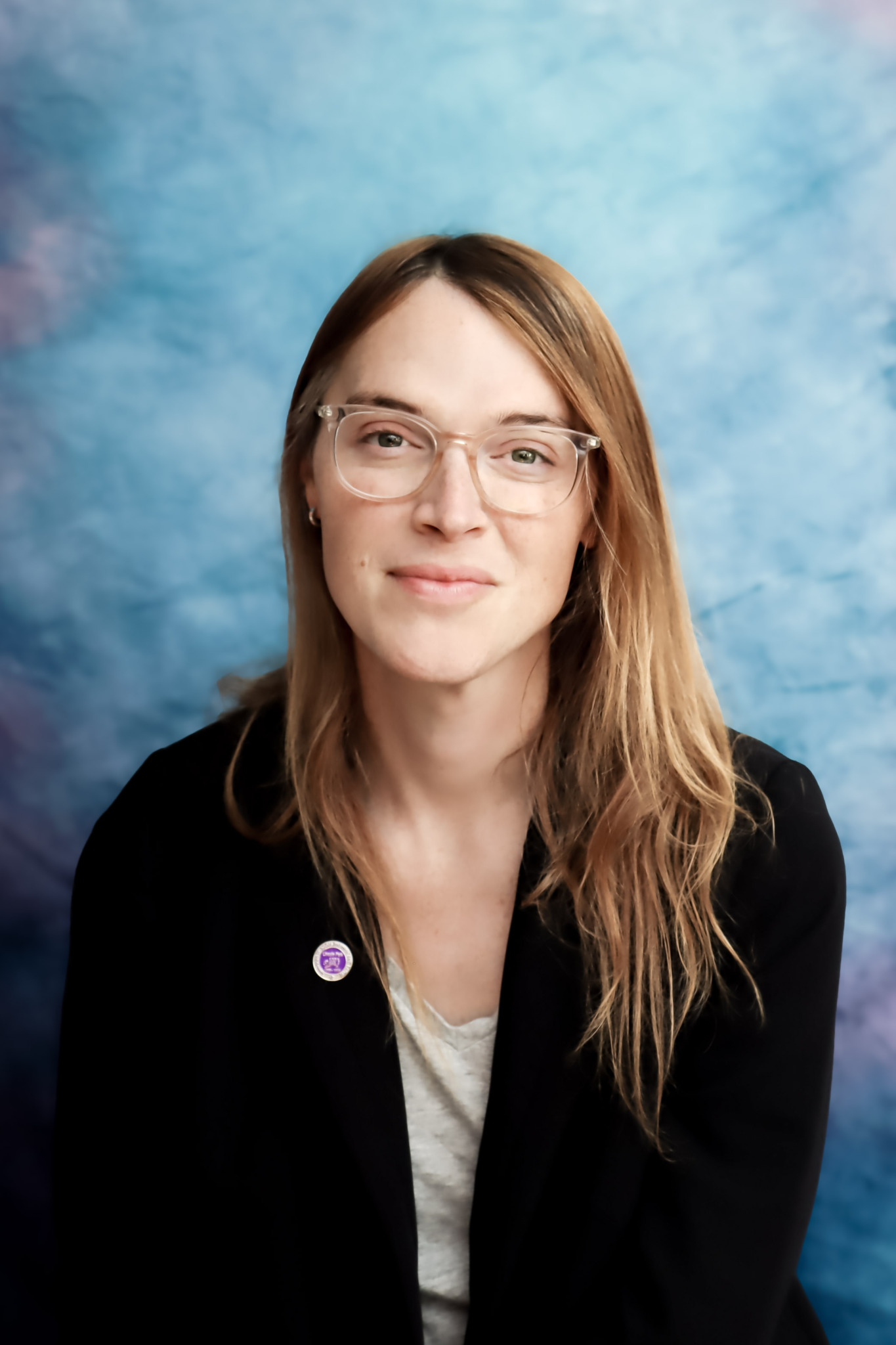

We’re excited to introduce you to the always interesting and insightful Joanna Whaley. We hope you’ll enjoy our conversation with Joanna below.
Alright, Joanna thanks for taking the time to share your stories and insights with us today. We’d love to hear the backstory behind a risk you’ve taken – whether big or small, walk us through what it was like and how it ultimately turned out.
I recently took a major risk by declaring my candidacy for the state House of Representatives.
With the current climate in this nation, and the targets placed on someone like myself as a transgender woman, choosing to lead within a government that has shown signs of hostility towards who I am is a significant gamble. I have faced numerous threats of death and violence, all intended to deter me from serving my community and my state.
This political decision is just the latest risk in my life. Before I came out as a trans woman, I served as a pastor in some of America’s and Michigan’s largest churches. When I came out, I risked my standing in my religious communities and ultimately lost everything. It took time to rebuild my life and my income. I eventually returned to school to earn a master’s degree in Theology, focused on learning how to support marginalized people within existing systems.
This journey gave me the conviction that I must serve the people in my community. The courage to take this risk comes directly from my faith. Because of this faith, I believe in a better tomorrow, and that belief pushes me to continue taking risks even when the future is hard to see.
Great, appreciate you sharing that with us. Before we ask you to share more of your insights, can you take a moment to introduce yourself and how you got to where you are today to our readers.
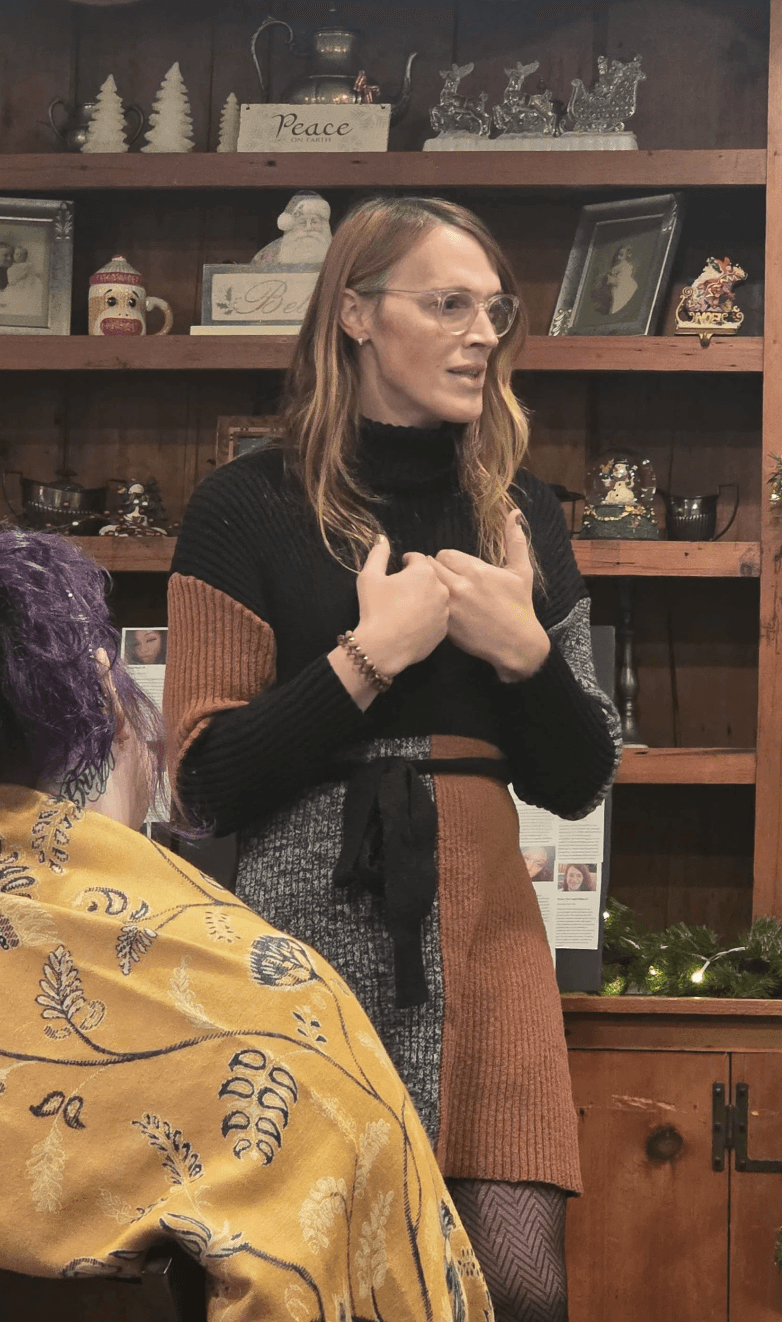
Before entering politics, I worked as a clinical chaplain and a seminary-trained theologian, following a previous career as an evangelical pastor. My political journey is rooted in my personal experiences and my advocacy work. I came out as a trans woman after years of internal struggle with my gender identity and being outed by someone in my church. This difficult experience, along with the mixed and painful reactions from my faith community, propelled me into LGBTQ+ rights work, focusing specifically on inclusion within religious spaces. My advocacy soon expanded into broader community engagement as I met more local residents, particularly other underrepresented groups in Michigan, who felt unseen and unrepresented. This growing involvement found me speaking at protest rallies in the community, and people in the community began asking me to run for office.
My campaign focuses on issues shaped by my life and my community-focused priorities. I am fighting for economic fairness and strong support for workers, Medicare for all, public safety through community-based solutions, and the protection of civil liberties and rights for all people. I am running to ensure Lansing truly represents the needs and voices of everyday people, not just special interests.
I am a Michigan native with a deep understanding of this district and its challenges. My professional background includes both spiritual leadership and healthcare support roles, giving me a distinctive perspective on the needs of our community. Crucially, my political engagement grew organically from grassroots advocacy and personal transformation, rather than a traditional political career path.
What’s a lesson you had to unlearn and what’s the backstory?
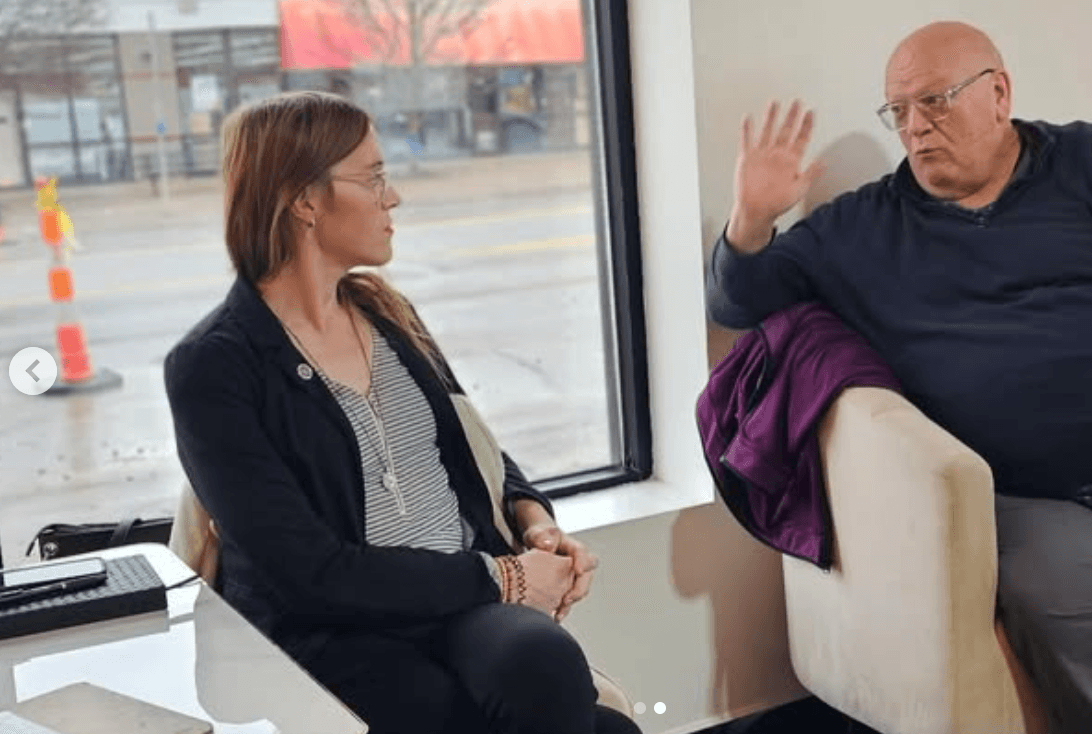
Before publicly coming out and becoming a Democratic party candidate, I was compelled to adopt a specific political viewpoint to maintain favor within my religious community. This environment instilled in me a deep-seated fear of the world and the belief that people were inherently evil. These views stemmed from theological convictions still held by many today. While I don’t judge or diminish this religious perspective, for me, it fostered an extremely unhealthy perception of friends, family, and ultimately, my fellow citizens. I believed everything was flawed and that everyone needed to conform exactly to my way of thinking.
My journey toward a new perspective solidified at Wartburg Theological Seminary in Dubuque, IA, where I earned a master’s degree and studied Liberation Theology, the study of marginalized people within the divine narrative. Through this academic lens, my foundational understanding of humanity began to shift toward a much more positive anthropological view. I stopped seeing human beings as something to fear and started viewing them as individuals to understand and accord dignity to. This process is a continuous undoing of old ideas, but the new frameworks allow me to see the world in a broader and more positive light.
Can you talk to us about how you funded your business?
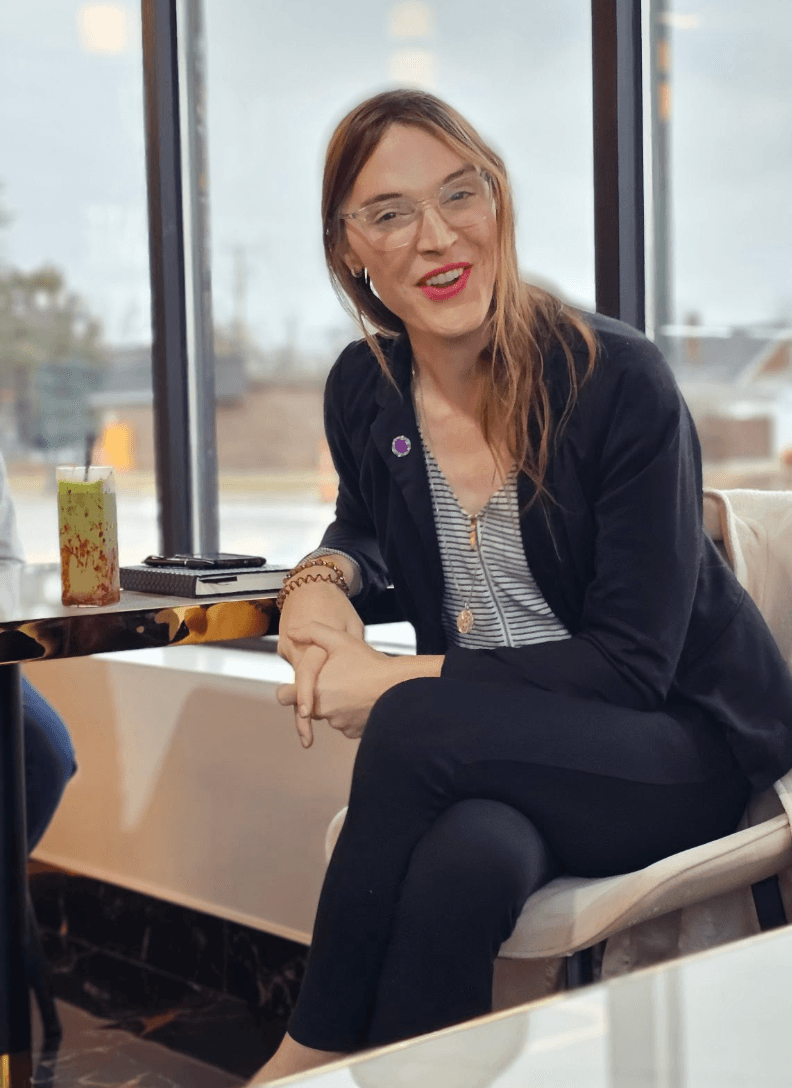
Raising money for a political campaign from the grassroots feels less like finance and more like faith.
Most days, it looks like me sitting with a phone pressed to my ear, calling friends, family, and complete strangers, asking them to believe in something I’m trying to build. I ask people I’ve known for decades, and people I met five minutes ago. I share my story, not because it’s scripted, but because it’s the only real currency I have: who I am, why I’m running, and what kind of representation I think people deserve.
In politics, people don’t just listen to what you say; they look at a number. A dollar figure. Fundraising totals become a proxy for worth. For seriousness. For viability. Before anyone asks what you stand for, they want to know how much you’ve raised. It’s a strange economy where your ability to represent working people is measured by how much money you can gather from them.
What makes it harder is that only four cities in the entire state can actually vote for me. My name will only appear on ballots in a small part of Michigan. But my story doesn’t belong to just one district. The struggles that led me here: survival, transition, faith, care work, and learning to fight for dignity, don’t stop at a city line. So when I talk to people outside my district, I ask them to vote with their donations. If my life and my reasons for running move them, I ask them to invest in that story, even if they can’t cast a ballot for me.
Many people support our campaign in spirit. They cheer us on. They share posts. They tell me they’re proud of me. But campaigns don’t run on encouragement alone. They run on phone bills, printing costs, gas money, and filing fees. So I keep dialing. I keep explaining that this campaign exists because regular people decided it should. That every contribution, no matter the size, is a quiet declaration that representation should come from lived experience, not just political ambition.
My story is how I raise money to represent people. Not because it’s dramatic, but because it’s honest. I don’t promise power, I promise presence. I don’t ask for donations because I love asking; I ask because this is what democracy looks like at ground level: one conversation at a time, one risk at a time, one person deciding that someone like them deserves a seat at the table.
Contact Info:
- Website: https://www.joannawhaley.com/
- Instagram: https://www.instagram.com/joannawhaleyofficial/
- Facebook: https://www.facebook.com/joannawhaleyofficial
- Linkedin: https://www.linkedin.com/in/joanna-whaley-9352b944/
- Other: https://www.tiktok.com/@joannawhaleyofficial
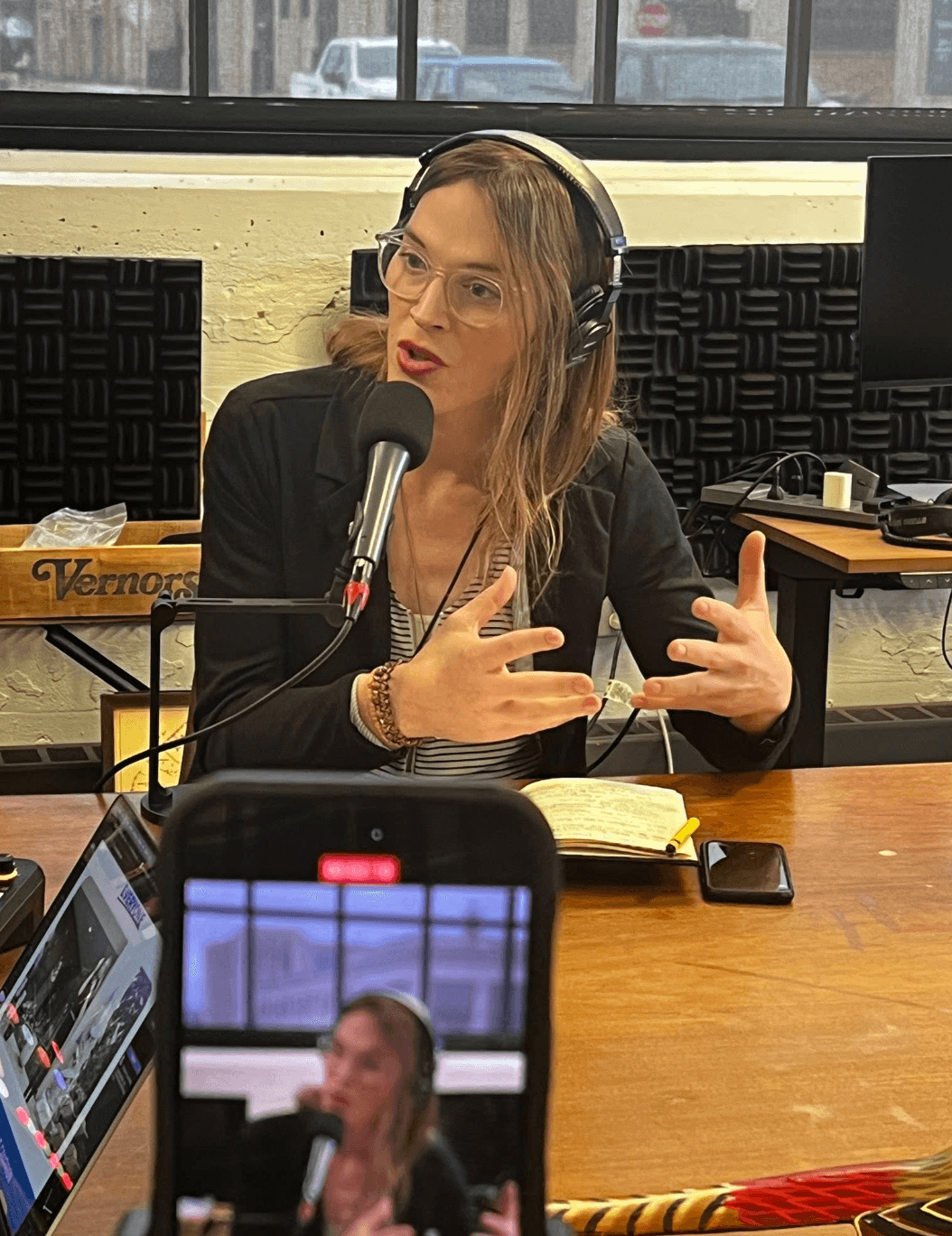
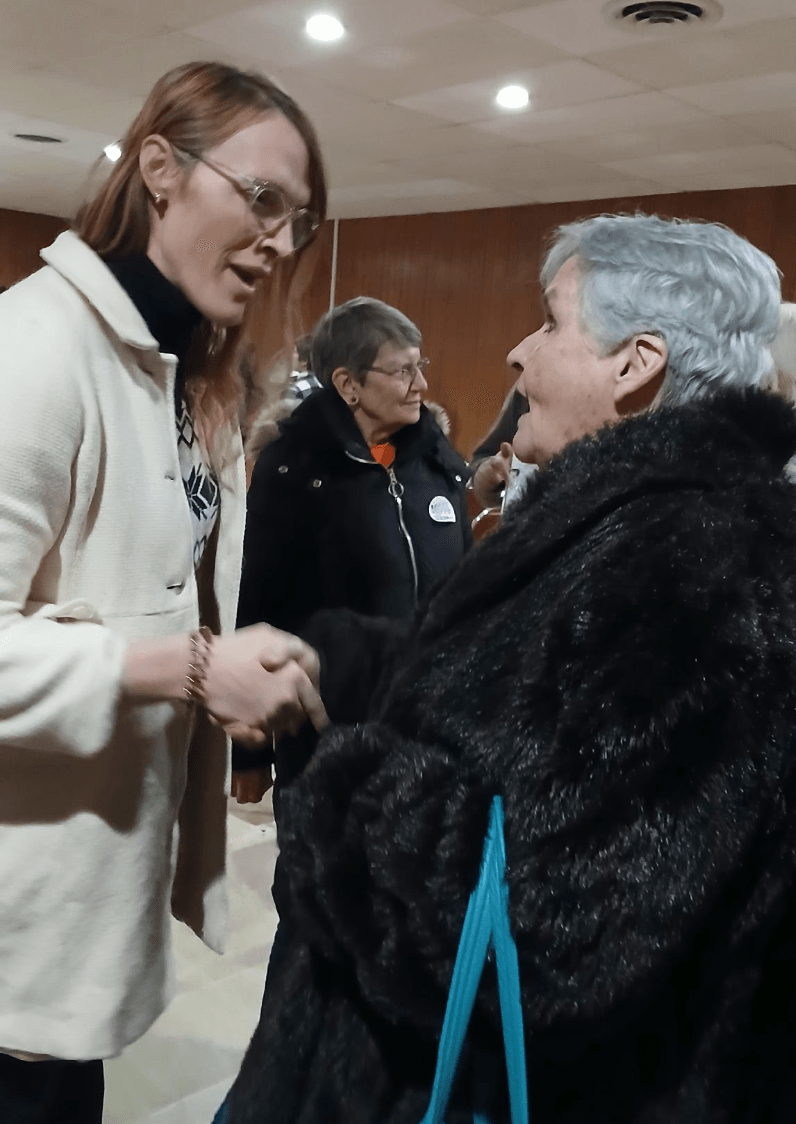
Image Credits
Photo Credits: Committee to Elect Joanna Whaley