

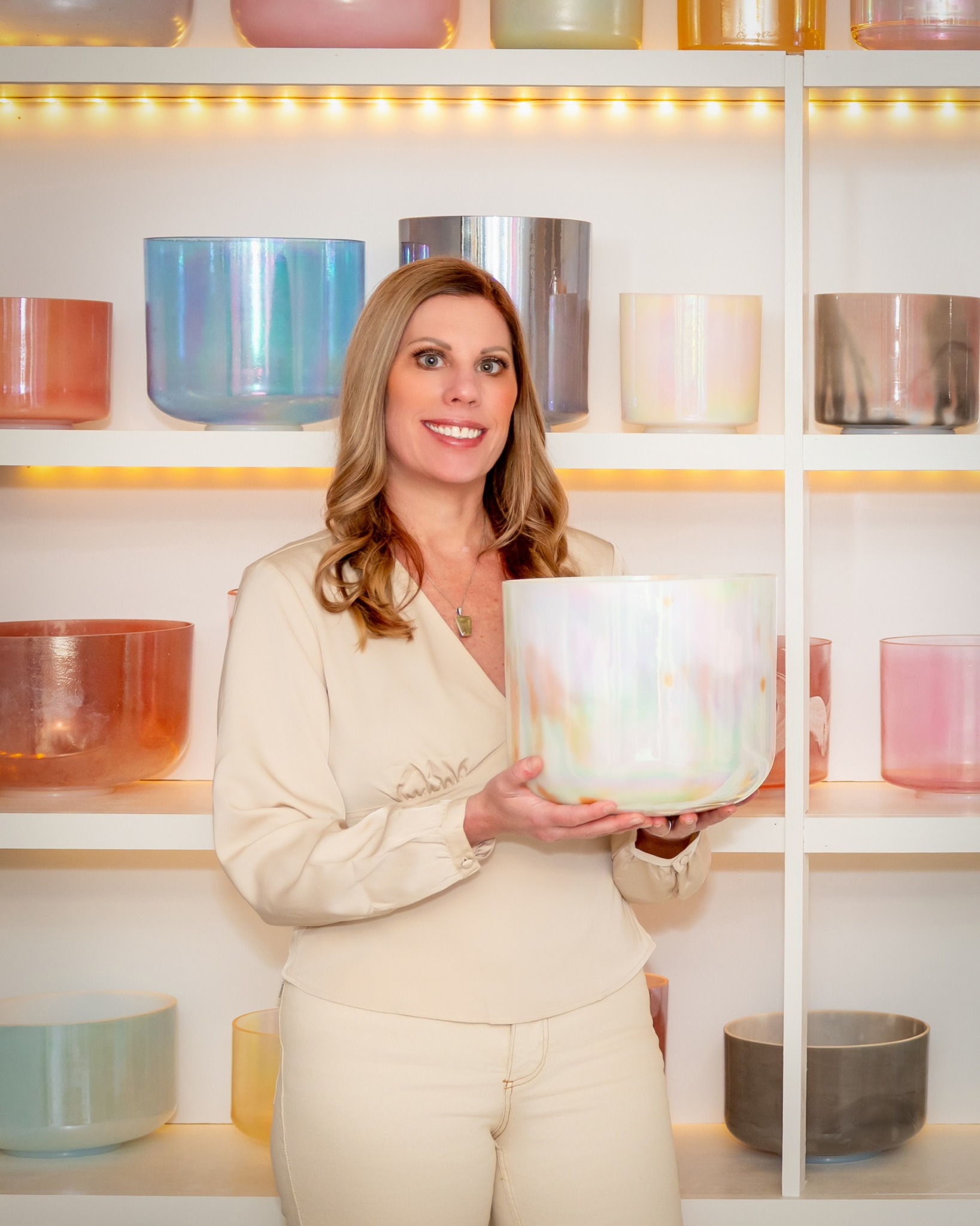

We recently connected with Jill Thiel and have shared our conversation below.
Jill, looking forward to hearing all of your stories today. Setting up an independent practice is a daunting endeavor. Can you talk to us about what it was like for you – what were some of the main steps, challenges, etc.
When I first decided to start my own practice, it didn’t feel like a traditional “business decision.” It felt more like a calling—something I knew I was meant to step into. At the same time, I quickly realized that having a healing practice doesn’t mean you don’t need structure, clarity, and boundaries. In fact, you need them even more.
In the early days, the first steps were fairly simple on paper but much deeper in practice. I needed to get properly trained and certified, find a space to work out of, and begin sharing what I was offering. That meant building a website, creating a presence on social media, and most importantly, starting to work with people. Word of mouth became one of the biggest drivers of growth, but that only came after consistently showing up and doing the work.
One of the biggest challenges was learning how to balance the heart-centered nature of healing work with the reality that this is still a business. When you care deeply about people, it’s easy to overextend yourself—offering extra time, adjusting your schedule, lowering your rates, or saying yes when you’re already exhausted. In the beginning, I definitely bent over backwards to try to help everyone and to get my name out there.
Over time, I realized that without clear boundaries, burnout becomes very real. It’s important to have a schedule and see clients within reasonable hours. If you don’t, you can quickly drain your energy, which ultimately impacts the quality of care you’re able to provide. There’s also the reality that, even unintentionally, some people will take advantage of your flexibility if you don’t have clear policies in place.
Looking back, one thing I would have done differently is set stronger boundaries from the start—around my time, my pricing, and my availability. I would have treated my practice as a business earlier on, rather than something I needed to constantly “prove” or justify. That shift is what allows a practice to be sustainable long-term.
My advice for a young professional considering starting their own practice is this: follow your calling, but build a foundation that supports you. Create clear policies, honor your time, and don’t be afraid to value your work. You can be compassionate and still be structured. You can be heart-centered and still be professional.
A healing practice is deeply meaningful work—but it’s also a business. When you respect both sides equally, you create something that not only helps others, but also supports and sustains you.
When I first decided to start my own practice, it didn’t feel like a traditional “business decision.” It felt more like a calling, something I knew I was meant to step into. At the same time, I quickly realized that having a healing practice doesn’t mean you don’t need structure, clarity, and boundaries. In fact, you need them even more.
In the early days, the first steps were fairly simple on paper but much deeper in practice. I needed to get properly trained and certified, find a space to work out of, and begin sharing what I was offering. That meant building a website, creating a presence on social media, and most importantly, starting to work with people. Word of mouth became one of the biggest drivers of growth, but that only came after consistently showing up and doing the work.
One of the biggest challenges was learning how to balance the heart centered nature of healing work with the reality that this is still a business. When you care deeply about people, it’s easy to overextend yourself, offering extra time, adjusting your schedule, lowering your rates, or saying yes when you’re already exhausted. In the beginning, I definitely bent over backwards to try to help everyone and to get my name out there.
Over time, I realized that without clear boundaries, burnout becomes very real. It is important to have a schedule and see clients within reasonable hours. If you don’t, you can quickly drain your energy, which ultimately impacts the quality of care you are able to provide. There is also the reality that, even unintentionally, some people will take advantage of your flexibility if you do not have clear policies in place.
Looking back, one thing I would have done differently is set stronger boundaries from the start, around my time, my pricing, and my availability. I would have treated my practice as a business earlier on, rather than something I needed to constantly prove or justify. That shift is what allows a practice to be sustainable long term.
My advice for a young professional considering starting their own practice is this. Follow your calling, but build a foundation that supports you. Create clear policies, honor your time, and do not be afraid to value your work. You can be compassionate and still be structured. You can be heart centered and still be professional.
A healing practice is deeply meaningful work, but it is also a business. When you respect both sides equally, you create something that not only helps others, but also supports and sustains you.
Jill, love having you share your insights with us. Before we ask you more questions, maybe you can take a moment to introduce yourself to our readers who might have missed our earlier conversations?
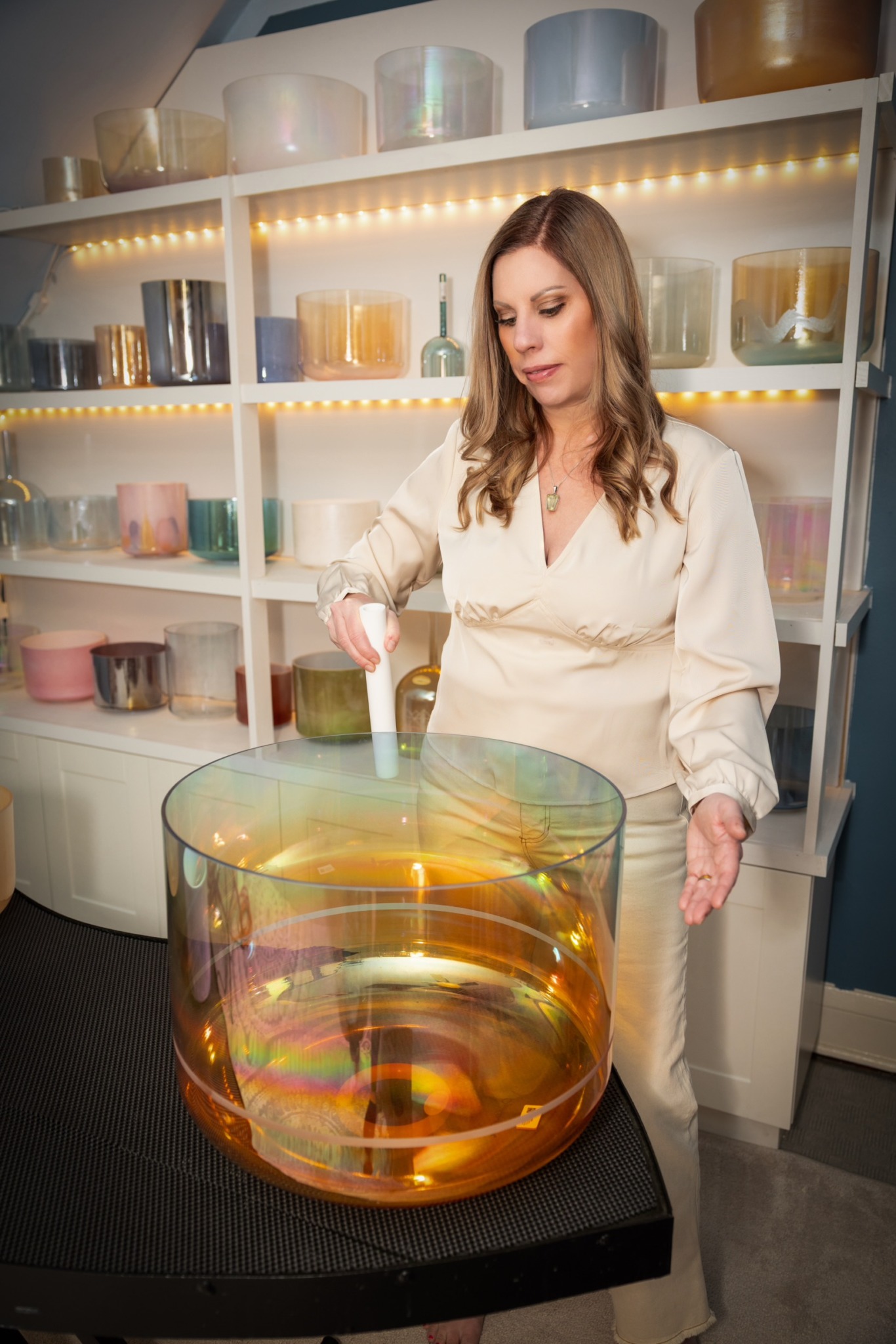
My name is Jill Thiel, and I’m the founder of Minnesota Reiki Center and Minnesota Sound Healing. I’m a Licensed Reiki Master Teacher for the International Center for Reiki Training. I teach Sound Healing Classes, offer sound journeys, and sell Crystal Tones® singing bowls.
I didn’t come into this work from a purely business mindset. Like many people in the healing space, it started as something deeply personal over 20 years ago. Reiki opened the door for me first. It gave me a framework for understanding energy, intuition, and the body in a way that felt grounded and real, not abstract. From there, sound healing naturally evolved as an extension of that work. When I discovered Crystal Tones® Alchemy Singing Bowls, something clicked. The depth, the resonance, and the way sound could shift people’s state so quickly and tangibly was something I hadn’t experienced before.
Over time, what started as personal exploration grew into a full practice and then into two businesses. Today, I offer Reiki training from beginner through master level, sound healing classes, and hands-on sessions that integrate multiple modalities. I also work closely with clients and students to help them select professional-grade Crystal Tones® Alchemy Bowls, whether they are building a personal set or stepping into this work professionally.
A big part of what I do is education. I don’t just want people to have an experience, I want them to understand what they’re doing and why it works. There is a lot of misinformation in this space, especially around sound healing. Many people are drawn in through trends or simplified ideas, but don’t always receive proper training or guidance. One of the problems I help solve is bringing clarity, integrity, and depth to both Reiki and sound healing so people can practice in a way that is grounded, ethical, and truly effective.
I also help people avoid the overwhelm that can come with starting out. Whether it’s choosing the right instruments, understanding how to work with clients, or building confidence in their own abilities, I guide people step by step so they don’t feel like they’re guessing or piecing things together on their own.
What sets my work apart is the combination of professionalism and real-world experience. I do this work every day. I’ve worked with many clients, taught many students, and built a practice that is both heart-centered and structured. I also use and stand behind high-quality instruments. Not all sound tools are created equal, and that matters more than people realize. The quality of what you use directly impacts the experience you’re providing.
I’m also very honest about the fact that this is both a healing practice and a business. You can be compassionate and still have boundaries. You can be intuitive and still be grounded. That balance is something I bring into both my sessions and my teaching.
What I’m most proud of is the community that has grown around this work. Seeing students step into their confidence, watching people reconnect with themselves, and knowing that what we’re offering is making a real impact is incredibly meaningful to me. I’m also proud of building something that is sustainable, not just energetically, but practically.
What I want people to know about me and my work is that integrity matters here. This isn’t about trends or shortcuts. It’s about depth, quality, and real experience. Whether someone is coming for a session, a class, or to invest in instruments, I want them to feel supported, informed, and confident in what they’re doing.
At the end of the day, my goal is to help people reconnect to themselves in a way that is both grounded and expansive, and to give them the tools and knowledge to carry that forward into their own lives or their own work.
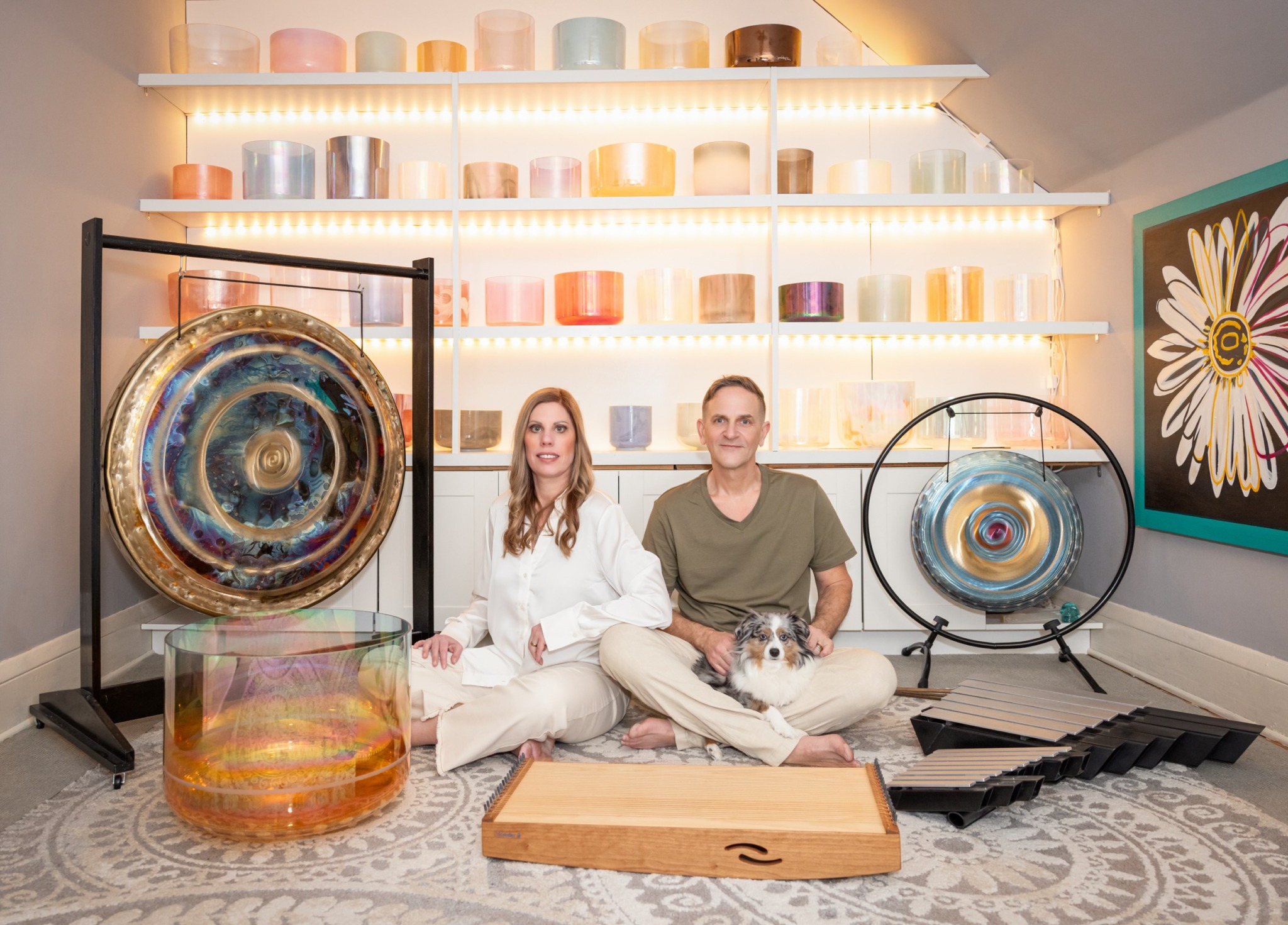
Any advice for growing your clientele? What’s been most effective for you?
The most effective strategy for growing my clientele has been building a solid foundation and not trying to rush the process.
In this field, it can be really tempting to move quickly. One of the biggest mistakes I see is people rushing out to offer services before they’ve really done their own healing or taken the time to fully understand what they’re practicing. Then they wonder why things aren’t growing or why it feels hard to sustain.
For me, growth came from taking the time to do the groundwork. That meant investing in training, practicing consistently, working on myself, and building confidence through real experience. It also meant allowing the business to grow organically. Word of mouth became one of the most powerful ways my clientele expanded, but that only happens when people truly feel the value of what you’re offering.
Another important piece is giving yourself the space to grow without overwhelming pressure. In the beginning, it may be necessary to have a part-time job or another source of income so you’re not financially stressed. That stability allows you to build your practice with intention rather than urgency, and that energy comes through in your work.
It’s also important to remember that this is a heart-focused business. Your motivation should come from genuinely wanting to help people. Yes, you should absolutely be paid for your work and value what you offer, but if money is the main driving force, people can feel that. When your intention is aligned with service, connection, and integrity, growth tends to follow more naturally.
At the same time, building a clientele still requires consistency and professionalism. Showing up, creating a clear structure, and treating your practice like a real business all matter. When you combine strong foundational work, personal integrity, and a genuine desire to help others, you create something that people trust, and that trust is what builds a lasting and sustainable client base.

We’d love to hear a story of resilience from your journey.
One of the most defining moments in my journey, and one that really speaks to resilience, was when I went through a period of severe autoimmune illness.
At one point, I was extremely sick and even bedridden. There were moments where I truly didn’t know if I was going to make it through. Everything had to stop or slow down. I had to scale back my work significantly, and I was also doing some jobs at the time that, if I’m being honest, didn’t feel aligned. They were draining and felt like they were pulling me further away from what I actually wanted to be doing.
That period forced me to get very clear with myself. I remember asking, if I make it through this, what do I really want my life to look like? The answer was very clear. I wanted to build a healing practice. I wanted to fully step into this work, not just as something on the side, but as my path.
At that point, I was already about ten years into my journey, but something shifted. Instead of holding back or staying in what felt safe, I made the decision to step forward more fully. That didn’t mean it was easy. I still had to rebuild my strength, take things one step at a time, and trust the process.
Through that experience, I was not only able to heal my autoimmune condition, but I came out of it stronger, clearer, and more aligned. It deepened my understanding of healing in a very real, lived way. And from there, I was able to grow my business into something sustainable and full-time.
Looking back, that time in my life was incredibly challenging, but it also became a turning point. It taught me resilience, but also alignment. Sometimes being forced to slow down or step back is what allows you to finally move forward in the right direction.
Contact Info:
- Website: https://mnsoundhealing.com and https://mnreikicenter.com
- Instagram: https://www.instagram.com/mnreikisoundhealing/
- Facebook: https://www.facebook.com/mnreikicenter/
- Youtube: https://www.youtube.com/@minnesotasoundhealing
- Other: tik tok
https://www.tiktok.com/@minnesotasoundhealing
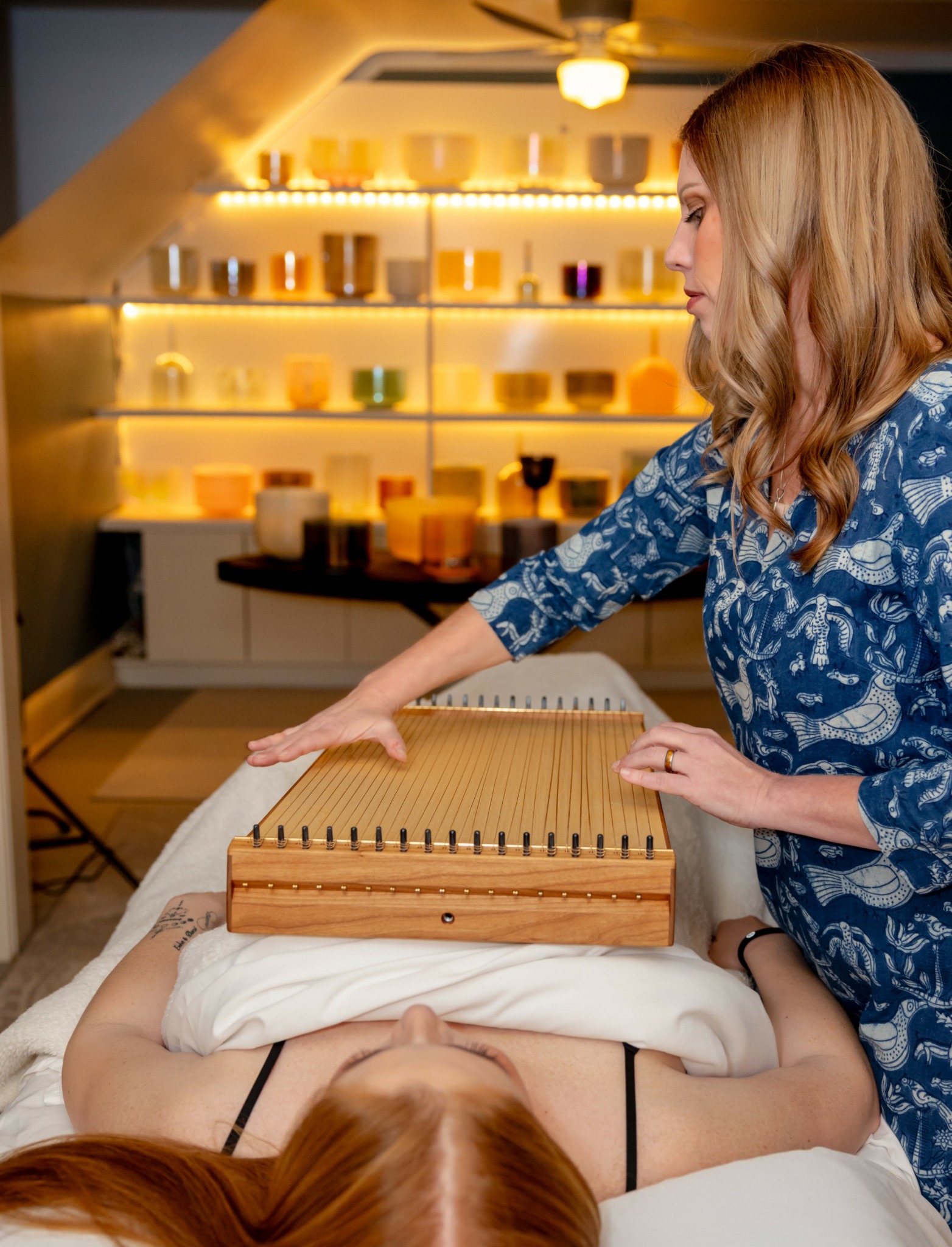

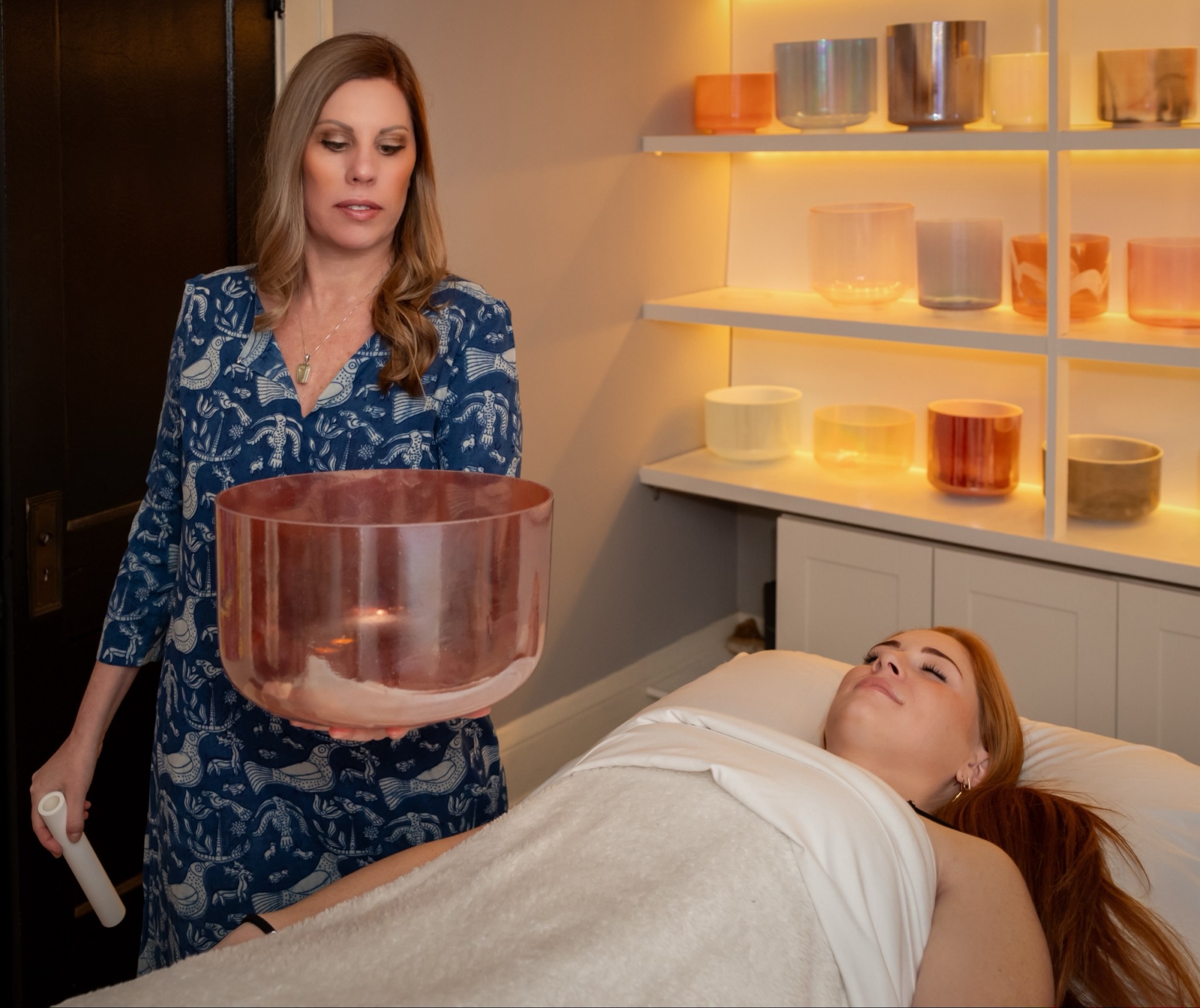
Image Credits
Simona B Photography